Understanding weeds that shoot seeds when touched is essential for gardeners who want to control rapid plant spread effectively. These fascinating plants use explosive seed dispersal mechanisms that can quickly colonize entire areas if left unmanaged.
Many of these species rely on built-up internal pressure within seed pods, which releases energy upon contact. This biological strategy ensures wide seed distribution, increasing survival rates in competitive environments.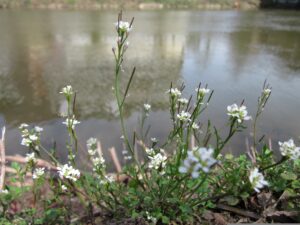
Studies show that some explosive plants can disperse seeds up to 6 meters away, enhancing propagation efficiency. This natural mechanism is known as ballistic seed dispersal, a key survival adaptation in dense ecosystems.
In this guide , we will explore weeds that shoot seeds when touched, highlighting key species to identify, understand, and manage effectively for better garden control and ecological awareness.
Top 10 Weeds That Shoot Seeds When Touched
-
Impatiens capensis (Jewelweed) – fast spreading touch-sensitive weed found in moist gardens
Impatiens capensis is a fast spreading touch-sensitive weed found in moist gardens as it has highly reactive seed pods. When touched, the pod walls rapidly contract because of turgor pressure imbalance, causing seeds to eject outward. This mechanism relies on stored elastic energy in the plant tissue. As a result, seeds disperse efficiently across wet environments.
The plant thrives in damp soil, where water uptake enhances internal pressure within seed capsules. Moreover, its thin cell walls allow rapid deformation when triggered. Consequently, even light contact causes explosive dispersal. This leads to rapid spread in shaded garden areas.
Additionally, jewelweed contains compounds that reduce fungal growth, aiding seed survival after dispersal. Therefore, it not only spreads quickly but also protects its offspring biologically. This chemical advantage increases its competitive success. Overall, it is a powerful self-propagating weed.
Pros:
• Fast spread
• Moist tolerant
• Self-seeding
• Medicinal use
• Shade tolerant
• Low maintenance
• Adaptive
Cons:
• Invasive
• Messy growth
• Hard control
- Impatiens glandulifera (Himalayan Balsam) – aggressive invasive seed-shooting weed found along riverbanks
Impatiens glandulifera is an aggressive invasive seed-shooting weed found along riverbanks due to its powerful explosive pods. These pods build mechanical tension as cells dry unevenly. When disturbed, they twist rapidly, ejecting seeds at high speed. This allows widespread colonization along waterways.
The plant grows rapidly, often reaching over 2 meters in height. Furthermore, it shades out native vegetation, reducing biodiversity. Its seed pods can launch seeds several meters away. Therefore, it dominates ecosystems quickly.
Chemically, the plant stores water in vacuoles that create pressure gradients. This stored energy is released instantly upon touch. Consequently, its dispersal method is highly efficient. It is considered one of the most invasive weeds globally.
Pros:
• Rapid growth
• High dispersal
• Tall structure
• Moist adapted
• Pollinator friendly
• Dense coverage
• Easy germination
Cons:
• Highly invasive
• Ecosystem damage
• Hard removal
- Cardamine hirsuta (Hairy Bittercress) – explosive weed commonly found in potted plants indoors
Cardamine hirsuta is an explosive weed commonly found in potted plants indoors because it thrives in compact soil. Its seed pods use tension created by drying outer layers. When triggered, seeds shoot outward forcefully. This mechanism ensures quick spread in confined spaces.
The plant prefers nutrient-rich potting soil, which accelerates growth cycles. Additionally, its short lifecycle allows multiple generations per season. Therefore, infestations can occur rapidly indoors. Even slight movement can trigger seed release.
Its dispersal relies on differential cell contraction, which creates mechanical force. This biological process converts stored energy into motion instantly. As a result, seeds scatter efficiently across surfaces. It is a common nuisance in greenhouses.
Pros:
• Fast lifecycle
• Indoor growth
• Easy germination
• Compact size
• Frequent seeding
• Soil adaptable
• Hardy
Cons:
• Persistent weed
• Rapid spread
• Annoying indoors
- Oxalis stricta (Yellow Wood Sorrel) – small explosive weed commonly found in lawns
Oxalis stricta is a small explosive weed commonly found in lawns due to its efficient seed projection system. Its seed capsules dry unevenly, creating tension within the walls. When touched, they burst open suddenly. This releases seeds in multiple directions.
The plant grows low to the ground, blending into grass easily. Moreover, it thrives in poor soil conditions. This adaptability makes it difficult to eliminate. Consequently, it spreads unnoticed in lawns.
Its chemical structure supports rapid dehydration of capsule cells. This enhances the tension needed for explosive dispersal. Therefore, even slight contact triggers seed release. It is a resilient and persistent weed.
Pros:
• Low growing
• Lawn adaptable
• Fast spread
• Hardy
• Compact
• Frequent seeding
• Drought tolerant
Cons:
• Hard removal
• Lawn invasion
• Persistent
- Ecballium elaterium (Squirting Cucumber) – high-pressure seed-shooting weed found in dry climates
Ecballium elaterium is a high-pressure seed-shooting weed found in dry climates due to its unique fluid-based dispersal. The fruit builds internal liquid pressure over time. When detached, it ejects seeds forcefully with fluid. This creates a powerful projection system.
The plant thrives in arid environments where water storage is critical. Additionally, its thick fruit walls maintain internal pressure. Therefore, it can shoot seeds several meters away. This ensures survival in sparse landscapes.
Its mechanism involves osmotic pressure buildup inside the fruit. This pressure converts into kinetic energy upon release. Consequently, seeds are dispersed with remarkable force. It is one of the most dramatic seed shooters.
Pros:
• Strong dispersal
• Drought tolerant
• Unique mechanism
• Hardy plant
• Wide spread
• Low care
• Adaptable
Cons:
• Toxic
• Messy
• Invasive
- Geranium robertianum – woodland explosive seed weed found in shaded areas
Geranium robertianum is a woodland explosive seed weed found in shaded areas due to its spring-loaded seed pods. These pods store elastic tension as they mature. When triggered, they snap open and eject seeds. This allows efficient forest-floor spread.
The plant thrives in low-light environments, making it common in wooded areas. Moreover, it grows quickly in nutrient-rich soil. Therefore, it spreads effectively under tree cover. Its adaptability enhances survival.
Its dispersal mechanism involves tension in elongated structures called awns. These structures coil rapidly upon release. Consequently, seeds are flung outward with precision. It is a highly efficient woodland weed.
Pros:
• Shade tolerant
• Fast spread
• Woodland adapted
• Low maintenance
• Hardy
• Self-seeding
• Compact
Cons:
• Invasive
• Rapid growth
• Hard control
- Ruellia simplex (Mexican Petunia) – ornamental explosive weed commonly found in gardens
Ruellia simplex is an ornamental explosive weed commonly found in gardens due to its decorative appearance and seed dispersal. Its seed pods burst open when disturbed. This releases seeds across garden beds. It spreads while maintaining aesthetic appearance.
The plant grows well in various soil types, enhancing its versatility. Additionally, it tolerates heat and drought conditions. Therefore, it spreads aggressively despite its visual appeal. Gardeners often underestimate its spread.
Its pods rely on drying-induced tension that triggers rapid opening. This mechanical force ensures effective seed distribution. Consequently, it colonizes areas quickly. It is both visually appealing and aggressive.
Pros:
• Attractive flowers
• Heat tolerant
• Fast spread
• Easy growth
• Hardy
• Drought resistant
• Versatile
Cons:
• Invasive
• Hard control
• Spreads fast
- Cardamine pratensis – wetland explosive seed weed found in damp soils
Cardamine pratensis is a wetland explosive seed weed found in damp soils due to its moisture-driven dispersal. Its seed pods build tension as they mature in wet conditions. When touched, they release seeds explosively. This ensures propagation in marshy environments.
The plant thrives in wetlands where competition is high. Moreover, it benefits from constant moisture availability. Therefore, it spreads efficiently in such habitats. Its lifecycle supports rapid reproduction.
Its dispersal involves differential drying of pod layers. This creates internal stress that is released upon contact. Consequently, seeds scatter widely. It is highly effective in wet ecosystems.
Pros:
• Moist adapted
• Fast spread
• Wetland growth
• Hardy
• Self-seeding
• Low care
• Resilient
Cons:
• Invasive
• Limited control
• Spreads quickly
- Cytisus scoparius (Scotch Broom) – woody explosive seed weed found in large open areas
Cytisus scoparius is a woody explosive seed weed found in large open areas due to its strong seed pods. These pods dry and twist under heat. When triggered, they split open violently. This disperses seeds over wide distances.
The plant grows into dense shrubs, dominating landscapes. Additionally, it thrives in poor soils. Therefore, it spreads aggressively in open environments. Its resilience makes it difficult to remove.
Its dispersal relies on thermal expansion and contraction of pod tissues. This creates mechanical stress that leads to explosive release. Consequently, seeds travel far from the parent plant. It is a dominant invasive species.
Pros:
• Wide spread
• Hardy shrub
• Poor soil tolerant
• Fast growth
• Dense coverage
• Heat tolerant
• Durable
Cons:
• Highly invasive
• Difficult removal
• Fire risk
- Hura crepitans (Sandbox Tree) – extreme explosive seed tree found in tropical regions
Hura crepitans is an extreme explosive seed tree found in tropical regions due to its powerful seed pods. These pods can explode with loud force. The internal pressure builds as tissues dry. When released, seeds shoot at high velocity.
The tree grows large and produces numerous seed capsules. Moreover, it thrives in tropical climates. Therefore, it spreads effectively in warm environments. Its dispersal range is extensive.
Its mechanism involves extreme tension in hardened pod walls. This tension releases suddenly, converting stored energy into motion. Consequently, seeds are propelled with great force. It is one of the most powerful seed shooters.
Pros:
• Powerful dispersal
• Tropical growth
• Large tree
• High yield
• Fast spread
• Unique mechanism
• Hardy
Cons:
• Toxic
• Dangerous
• Invasive
FAQs About Weeds That Shoot Seeds When Touched
1. What are weeds that shoot seeds when touched?
Weeds that shoot seeds when touched are plants that use explosive or ballistic seed dispersal to spread rapidly. These plants store mechanical or fluid pressure inside seed pods, which releases instantly when triggered. This natural adaptation allows seeds to scatter over wide distances. As a result, they can quickly invade gardens, lawns, and natural ecosystems.
2. Why do some weeds explode and scatter seeds on contact?
These weeds explode because of internal pressure buildup caused by drying tissues or osmotic forces. When the seed pod is disturbed, the stored energy is released suddenly. This creates a rapid opening or twisting motion that ejects seeds outward. Consequently, this mechanism improves survival by increasing seed distribution range.
3. How far can explosive seed weeds spread their seeds?
Many weeds that shoot seeds when touched can disperse seeds between 1 to 6 meters. Some species, like the sandbox tree, can project seeds even farther under the right conditions. The distance depends on pressure intensity and pod structure. Therefore, even a small plant can cover a large area over time.
4. Are explosive seed weeds invasive in gardens and landscapes?
Yes, many of these weeds are highly invasive due to their rapid reproduction and dispersal methods. They can outcompete native plants by spreading aggressively. Additionally, their seeds germinate quickly in favorable conditions. This makes early detection and removal essential for garden control.
5. How do you control weeds that shoot seeds when touched effectively?
The most effective control method is removing the plant before seed pods mature. Wearing gloves and gently uprooting the weed reduces accidental seed release. Additionally, mulching and proper lawn care can limit their growth. Consistent monitoring prevents re-infestation over time.
6. Can weeds with explosive seed dispersal grow indoors?
Yes, some species like hairy bittercress commonly grow in indoor pots and greenhouses. These weeds thrive in moist, nutrient-rich soil often found in houseplants. Even slight movement can trigger seed dispersal indoors. Therefore, regular inspection of potted plants is important.
7. What triggers seed shooting in these types of weeds?
Seed shooting is triggered by touch, vibration, or environmental changes like drying. As the seed pod loses moisture unevenly, tension builds within its structure. When disturbed, this tension is released suddenly. This causes the pod to burst open and scatter seeds rapidly.
Conclusion
In conclusion, weeds that shoot seeds when touched demonstrate highly efficient survival strategies through explosive dispersal mechanisms. These plants use internal pressure and structural tension to spread rapidly across various environments.
Understanding how these weeds function allows gardeners to identify and manage them more effectively. Early detection is critical because once seed pods mature, dispersal becomes difficult to control.
Different species rely on unique biological and chemical processes, including osmotic pressure and elastic energy storage. This diversity makes them both fascinating and challenging in garden and landscape management.
Taking proactive steps such as regular monitoring, timely removal, and proper soil care can significantly reduce their spread. Start applying these strategies today to protect your garden and maintain a healthier, more balanced ecosystem.
Recent Posts
Spring fertilization supports healthy leaf development, root activity, and productive shoot growth when apple trees have insufficient soil nutrients. Selecting an appropriate fertilizer requires...
Cucumbers (Cucumis sativus) are vigorous, fast-growing vines that can produce abundant harvests when their roots receive enough water, warmth, and balanced nutrition. The best fertilizer for cukes in...