Often confused with ornamental plants, weeds with arrow shaped leaves can quickly invade lawns, gardens, and waterways if not identified early. Their pointed, triangular leaf structure makes them distinctive, yet many growers overlook them until they spread aggressively.
Leaf shape is a key factor in plant identification and ecological adaptation. Arrow-shaped leaves, also known as sagittate leaves, improve water runoff and sunlight capture efficiency.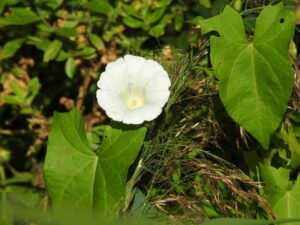
These weeds thrive in moist, disturbed soils where competition is reduced. Their ability to spread through roots, seeds, or underground systems makes them highly persistent in various environments.
In this guide, we will examine common weeds with arrow shaped leaves, how to identify them correctly, and practical methods to control their spread effectively.
10 Common Weeds With Arrow Shaped Leaves
1. Arrowhead (Sagittaria spp.) – Aquatic weed with arrow-shaped leaves
Arrowhead is easily recognized by its distinct arrow-shaped leaves that grow above water surfaces. The leaves have two backward-pointing lobes and a sharp tip. It produces white flowers in aquatic environments. Leaf shape allows efficient water drainage and stability in wet conditions.
This weed thrives in ponds, wetlands, and slow-moving water bodies. It spreads through tubers and seeds, forming dense colonies. Growth can obstruct waterways and reduce biodiversity. These traits contribute to invasiveness.
Control involves removing tubers and roots from the soil. Aquatic herbicides may be necessary for large infestations. Managing water flow reduces spread. Early intervention improves results.
Pros
- Easy identify
- Aquatic growth
- Distinct leaves
- Hardy
- Adaptable
- Spreads fast
- Persistent
Cons
- Invasive
- Water blockage
- Hard control
2. Bindweed (Convolvulus arvensis) – Climbing weed with arrow-shaped leaves
Bindweed has small arrow-shaped leaves with pointed lobes and a thin, trailing stem. The plant produces white or pink funnel-shaped flowers. It climbs and spreads across other plants. Extensive root systems allow regrowth even after repeated removal.
This weed thrives in gardens, fields, and disturbed soils. Its climbing habit allows it to cover and smother nearby plants. Deep roots make it highly resilient. These traits make it difficult to control.
Manual removal is challenging due to deep roots. Herbicides may be required for effective management. Regular monitoring prevents regrowth. Consistent effort is necessary.
Pros
- Fast spread
- Climbing
- Hardy
- Easy identify
- Adaptable
- Persistent
- Widespread
Cons
- Deep roots
- Invasive
- Hard remove
3. Sorrel (Rumex acetosella) – Small weed with arrow-like leaves
Sorrel produces narrow leaves with small backward-pointing lobes that resemble an arrow shape. The plant remains relatively low-growing and spreads through seeds. It develops reddish stems in some conditions. Leaf shape improves light capture while minimizing water retention.
This weed thrives in acidic soils and open fields. It grows quickly in poor soil conditions. Seed production ensures rapid spread. These traits support persistence.
Control involves improving soil pH to reduce growth conditions. Manual removal works for small patches. Herbicides may be needed for larger infestations. Early control is effective.
Pros
- Easy identify
- Low growth
- Hardy
- Adaptable
- Seed spread
- Common
- Fast growth
Cons
- Acidic soil
- Spreads seeds
- Persistent
4. Pickerelweed (Pontederia cordata) – Wetland weed with pointed leaves
Pickerelweed has broad, arrow-shaped to heart-shaped leaves that grow in aquatic environments. The leaves are smooth and glossy with a pointed tip. It produces purple flower spikes. Leaf structure supports buoyancy and efficient sunlight absorption in water.
This weed thrives in ponds and wetlands with shallow water. It spreads through rhizomes and seeds. Dense growth can crowd aquatic ecosystems. These traits make it invasive.
Control involves removing rhizomes from the substrate. Aquatic herbicides may be used where necessary. Managing water conditions helps reduce spread. Monitoring is important.
Pros
- Aquatic
- Easy identify
- Hardy
- Attractive
- Adaptable
- Fast spread
- Persistent
Cons
- Invasive
- Water spread
- Hard control
5. Duck Potato (Sagittaria latifolia) – Arrow-leaf aquatic weed
Duck potato produces large arrow-shaped leaves that grow upright in shallow water. The plant forms underground tubers that resemble small potatoes. White flowers appear during the growing season. Tubers store energy, allowing regrowth even after removal.
This weed thrives in marshes, ponds, and wet soils. It spreads rapidly through tubers and seeds. Dense clusters can dominate aquatic environments. These traits contribute to persistence.
Removal requires extracting tubers completely. Herbicides may be used in severe infestations. Managing water levels helps control growth. Early removal improves results.
Pros
- Distinct leaves
- Aquatic
- Hardy
- Fast spread
- Adaptable
- Tuber growth
- Easy identify
Cons
- Invasive
- Tuber regrowth
- Hard remove
6. Arrowleaf Sida (Sida rhombifolia) – Upright weed with narrow arrow-like leaves
Arrowleaf sida produces narrow leaves that taper into a pointed, arrow-like shape with slight backward lobes. The plant grows upright with thin stems and small yellow flowers. Leaf structure improves heat tolerance by reducing surface moisture loss.
It thrives in dry, disturbed soils and roadsides where competition is low. The plant spreads through seeds and establishes quickly. Its upright growth allows it to compete for sunlight. These traits make it persistent.
Manual removal is effective for young plants. Herbicides may be required for dense infestations. Maintaining healthy ground cover reduces spread. Early control improves results.
Pros
- Easy identify
- Upright growth
- Hardy
- Heat tolerant
- Adaptable
- Common
- Fast spread
Cons
- Invasive
- Spreads seeds
- Persistent
7. Smartweed (Polygonum sagittatum) – Prickly arrow-leaf wetland weed
Smartweed has distinct arrow-shaped leaves with pointed tips and small backward lobes. The stems may have fine prickles, making handling difficult. It produces small pink flowers. Leaf shape allows efficient water runoff in moist environments.
This weed thrives in wetlands, ditches, and moist soils. It spreads through seeds and forms dense patches. Growth can crowd out native vegetation. These traits contribute to invasiveness.
Manual removal is effective when done early. Protective gloves are recommended due to prickles. Herbicides may be used for larger infestations. Monitoring prevents spread.
Pros
- Distinct leaves
- Moist tolerant
- Hardy
- Easy identify
- Adaptable
- Fast spread
- Persistent
Cons
- Prickly
- Invasive
- Hard control
8. Arrowleaf Clover (Trifolium vesiculosum) – Clover with pointed leaf tips
Arrowleaf clover has elongated leaflets that taper into pointed tips, giving an arrow-like appearance. The plant grows upright and produces white to pink flowers. It is sometimes used as forage but can behave like a weed. Leaf shape enhances light capture efficiency in dense growth conditions.
It thrives in pastures and open fields with moderate moisture. Rapid growth allows it to compete with other vegetation. Seed production ensures continued spread. These traits support persistence.
Manual removal works in small areas. Herbicides may be used in larger infestations. Managing pasture density reduces spread. Monitoring ensures control.
Pros
- Fast growth
- Easy identify
- Hardy
- Adaptable
- Seed spread
- Upright
- Common
Cons
- Spreads seeds
- Competitive
- Persistent
9. Wild Arum (Arum maculatum) – Broad arrow-shaped leaf woodland weed
Wild arum has broad, glossy leaves shaped like arrows with smooth edges and a pointed tip. The leaves grow from a central base and create dense clusters. It produces a distinctive flower structure. Leaf design improves water runoff and reduces fungal risk in shaded areas.
This weed thrives in woodland gardens and shaded environments. It spreads through underground tubers and seeds. Dense growth can displace native plants. These traits make it invasive.
Removal requires digging out tubers completely. Herbicides may be used where appropriate. Wearing gloves is recommended due to toxicity. Early control is essential.
Pros
- Easy identify
- Shade tolerant
- Hardy
- Distinct leaves
- Adaptable
- Dense growth
- Persistent
Cons
- Toxic
- Invasive
- Hard remove
10. Taro (Colocasia esculenta – wild) – Large arrow-leaf tropical weed
Wild taro produces large, arrow-shaped leaves with a smooth, waxy surface. The leaves can grow significantly in size and dominate surrounding vegetation. It spreads through underground corms. Corms store nutrients, allowing rapid regrowth after removal.
This weed thrives in tropical and wet environments with rich soil. Rapid growth allows it to overshadow smaller plants. Dense clusters can disrupt natural ecosystems. These traits contribute to invasiveness.
Removal requires complete extraction of corms. Herbicides may be necessary for large infestations. Managing moisture reduces spread. Monitoring ensures long-term control.
Pros
- Large leaves
- Easy identify
- Fast growth
- Hardy
- Adaptable
- Moist tolerant
- Persistent
Cons
- Invasive
- Corm regrowth
- Hard control
Control Strategies for Weeds With Arrow Shaped Leaves
Effective management combines early detection with consistent control methods.
Manual Removal
- Remove roots fully
- Best early stage
- Prevent regrowth
Soil & Water Management
- Improve drainage
- Reduce moisture
- Limit spread zones
Mulching
- Blocks sunlight
- Prevents germination
- Retains moisture
Herbicides
- Use selectively
- Apply during growth
- Follow guidelines
Weeds With Arrow Shaped Leaves FAQs
1. What are arrow-shaped leaves in weeds?
They are sagittate leaves with pointed tips and backward lobes used for identification.
2. Why do some weeds have arrow-shaped leaves?
This shape helps manage water runoff and improves sunlight efficiency.
3. Are arrow-leaf weeds invasive?
Many are invasive due to rapid spread through seeds or underground systems.
4. Where are these weeds commonly found?
They are often found in moist soils, wetlands, gardens, and disturbed areas.
5. Can mowing control arrow-leaf weeds?
Mowing reduces growth but does not eliminate root systems.
6. What is the most effective control method?
Removing roots completely combined with proper maintenance is most effective.
7. How can I prevent these weeds?
Maintain healthy soil, reduce excess moisture, and remove weeds early.
Conclusion
In conclusion, identifying weeds with arrow shaped leaves early allows for more effective control and prevents them from spreading across your landscape. Their unique leaf structure provides advantages in water management and growth efficiency.
Different species require specific control methods depending on their root systems and habitats. Understanding these differences improves long-term management success.
Consistent monitoring and early removal are key to preventing infestations. Combining multiple strategies ensures more reliable control. Take action early and maintain proper care to keep your lawn and garden healthy and weed-free.
Recent Posts
Spring fertilization supports healthy leaf development, root activity, and productive shoot growth when apple trees have insufficient soil nutrients. Selecting an appropriate fertilizer requires...
Cucumbers (Cucumis sativus) are vigorous, fast-growing vines that can produce abundant harvests when their roots receive enough water, warmth, and balanced nutrition. The best fertilizer for cukes in...