Often overlooked in early growth stages, weeds with fuzzy leaves can quickly spread across lawns, gardens, and fields, making control more difficult over time. Their soft, hairy surfaces may appear harmless, yet they often indicate aggressive and highly adaptable plant species.
Leaf texture plays a critical role in plant survival and identification. Fuzzy or hairy leaves help reduce water loss and protect plants from environmental stress.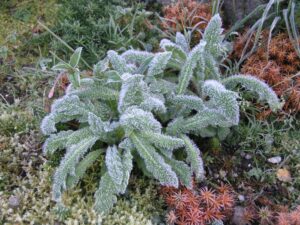
These weeds commonly thrive in disturbed soils, where competition is low and growth conditions are favorable. Their ability to reproduce through seeds or deep root systems makes them persistent and difficult to manage effectively.
In this guide, we will explore common weeds with fuzzy leaves, how to identify them accurately, and practical methods to control their spread across different environments.
Top 10 Weeds With Fuzzy Leaves
1. Lamb’s Ear (Stachys byzantina) – Soft, velvety fuzzy weed
Lamb’s ear is recognized by its thick, velvety leaves covered in dense hairs that give it a soft texture. The silvery-green foliage forms a low-growing rosette pattern. It spreads through clumping and short runners. Dense trichomes reduce water loss and reflect sunlight, improving drought tolerance.
This plant thrives in dry, well-drained soils with full sunlight. It spreads slowly but forms dense patches over time. Its texture makes it easy to identify compared to other weeds. These traits contribute to persistence.
Manual removal is effective due to shallow roots. Herbicides may be used for larger patches. Maintaining healthy ground cover reduces spread. Early control improves results.
Pros
- Easy identify
- Soft texture
- Drought tolerant
- Hardy
- Low growth
- Adaptable
- Distinct leaves
Cons
- Spreads slowly
- Forms patches
- Persistent
2. Common Mullein (Verbascum thapsus) – Tall weed with fuzzy leaves
Common mullein is a tall-growing weed with large, woolly leaves covered in fine hairs. The leaves form a basal rosette in early stages before sending up a tall flowering stalk. It produces yellow flowers along a central spike. Leaf hairs trap moisture and reduce evaporation, supporting survival in dry soils.
This weed thrives in disturbed soils, roadsides, and open fields. It tolerates poor soil conditions and limited water availability. Rapid vertical growth allows it to dominate surrounding plants. These traits make it highly competitive.
Manual removal is easiest during early stages. Larger plants require root removal. Herbicides may be needed for dense infestations. Monitoring prevents spread.
Pros
- Tall growth
- Easy identify
- Drought tolerant
- Hardy
- Distinct leaves
- Adaptable
- Widespread
Cons
- Large size
- Deep root
- Persistent
3. Burdock (Arctium minus) – Broadleaf weed with fuzzy underside
Burdock has large, heart-shaped leaves with a fuzzy underside and rough texture. The upper surface is green while the underside is lighter and hairy. It produces burr-like seed heads that stick to animals. Hairy leaf undersides reduce water loss and protect against environmental stress.
This weed thrives in moist soils and shaded areas. It grows large and competes aggressively for nutrients. Seed dispersal through burrs increases spread. These traits make it difficult to control.
Removal requires digging out the taproot completely. Herbicides may help manage large populations. Preventing seed formation reduces spread. Early intervention is important.
Pros
- Large leaves
- Easy identify
- Hardy
- Seed spread
- Adaptable
- Fast growth
- Distinct texture
Cons
- Deep root
- Spreads seeds
- Hard remove
4. Henbit (Lamium amplexicaule) – Small fuzzy weed in lawns
Henbit is a low-growing weed with soft, slightly hairy leaves that form in clusters around the stem. The leaves are rounded with a textured surface. It produces small purple flowers. Hairy leaves help retain moisture, supporting rapid early-season growth.
This weed thrives in lawns, gardens, and disturbed soils. It grows quickly during cooler months. Dense clusters compete with grass. These traits contribute to invasiveness.
Manual removal is effective when done early. Herbicides can control larger infestations. Improving lawn density reduces spread. Regular maintenance prevents regrowth.
Pros
- Fast growth
- Low height
- Easy identify
- Common
- Adaptable
- Soft leaves
- Seasonal
Cons
- Spreads fast
- Lawn issue
- Persistent
5. Groundsel (Senecio vulgaris) – Fuzzy stem weed with soft leaves
Groundsel has soft, slightly hairy leaves and fuzzy stems that contribute to its texture. The leaves are irregularly lobed with a soft surface. It produces small yellow flowers and fluffy seed heads. Fuzzy structures aid in moisture retention and seed dispersal efficiency.
This weed thrives in gardens, pots, and cultivated soils. Rapid seed production allows it to spread quickly. It grows year-round in mild climates. These traits make it persistent.
Manual removal is effective before flowering. Herbicides may be required for larger infestations. Preventing seed spread is critical. Early control improves success.
Pros
- Fast spread
- Easy identify
- Soft leaves
- Common
- Hardy
- Adaptable
- Year-round
Cons
- Rapid seeding
- Invasive
- Persistent
6. Mouse-Ear Chickweed (Cerastium fontanum) – Low-growing fuzzy lawn weed
Mouse-ear chickweed has small, oval leaves covered in fine hairs, giving them a soft, fuzzy texture. The plant grows close to the ground, forming dense mats that spread outward quickly. Fine leaf hairs reduce moisture loss and allow survival in compacted soils.
It thrives in lawns, gardens, and shaded moist areas where grass is weak. Rapid horizontal growth allows it to cover bare spots efficiently. Dense patches compete with turf and reduce lawn quality. These traits make it persistent.
Manual removal is effective when the entire root system is removed. Herbicides can be used for larger infestations. Improving lawn density reduces establishment. Early control prevents spread.
Pros
- Low growth
- Soft leaves
- Easy identify
- Fast spread
- Common
- Adaptable
- Dense mats
Cons
- Invasive
- Lawn damage
- Persistent
7. Velvetleaf (Abutilon theophrasti) – Broadleaf weed with velvety texture
Velvetleaf is known for its large, heart-shaped leaves covered in dense, soft hairs. The velvety surface gives it a distinct texture that is easy to recognize. Leaf hairs help trap moisture and protect against environmental stress.
This weed thrives in agricultural fields and disturbed soils with high nutrients. It grows rapidly and competes aggressively with crops. Seed production ensures long-term persistence. These traits make it a serious agricultural weed.
Removal requires uprooting young plants before seed formation. Herbicides are often necessary in crop fields. Preventing seed production is critical. Consistent monitoring improves control.
Pros
- Easy identify
- Large leaves
- Fast growth
- Hardy
- Adaptable
- Competitive
- Distinct texture
Cons
- Invasive
- Crop damage
- Persistent
8. Woolly Croton (Croton capitatus) – Silvery fuzzy weed in dry soils
Woolly croton has narrow leaves covered in dense, silvery hairs that give it a wool-like appearance. The plant appears grayish due to heavy fuzz covering the surface. Dense trichomes reflect sunlight and reduce heat stress in arid environments.
It thrives in dry, sandy soils and open areas with full sunlight. Its drought tolerance allows survival where other plants struggle. Growth is moderate but persistent. These traits make it well adapted.
Manual removal is effective for small populations. Herbicides may be used in larger infestations. Improving soil conditions reduces spread. Monitoring ensures control.
Pros
- Drought tolerant
- Unique color
- Easy identify
- Hardy
- Adaptable
- Heat resistant
- Persistent
Cons
- Invasive
- Spreads slowly
- Hard control
9. Hoary Alyssum (Berteroa incana) – Gray-green fuzzy roadside weed
Hoary alyssum has gray-green leaves covered in fine hairs, giving it a slightly fuzzy appearance. The plant produces small white flowers and grows upright. Hairy leaf surfaces reduce water loss and improve drought resistance.
It thrives in roadsides, pastures, and dry open areas. The plant spreads through seeds and establishes quickly in poor soils. Dense growth can outcompete native vegetation. These traits contribute to invasiveness.
Manual removal works best before flowering. Herbicides may be necessary for larger infestations. Preventing seed spread is essential. Early control improves success.
Pros
- Easy identify
- Hardy
- Drought tolerant
- Seed spread
- Adaptable
- Fast growth
- Widespread
Cons
- Invasive
- Toxic livestock
- Persistent
10. Hairy Bittercress (Cardamine hirsuta) – Small fuzzy weed with explosive seeds
Hairy bittercress has small leaves and stems covered in fine hairs, giving it a slightly fuzzy feel. The plant grows quickly and produces tiny white flowers. Seed pods eject seeds forcefully, spreading the plant over wide areas.
It thrives in moist soils, gardens, and potted plants. Rapid life cycles allow multiple generations per season. Small size makes it easy to overlook. These traits increase spread.
Manual removal is effective before seed pods mature. Herbicides can control larger infestations. Reducing moisture limits growth conditions. Early removal is critical.
Pros
- Fast growth
- Small size
- Easy spread
- Common
- Adaptable
- Quick cycle
- Easy identify
Cons
- Explosive seeds
- Invasive
- Persistent
Control Strategies for Weeds With Fuzzy Leaves
Effective management requires combining multiple methods for lasting results.
Manual Removal
- Remove roots fully
- Best early stage
- Prevent regrowth
Lawn & Soil Management
- Improve soil health
- Increase turf density
- Reduce bare spots
Mulching
- Blocks sunlight
- Stops germination
- Conserves moisture
Herbicides
- Use selectively
- Apply early
- Follow guidelines
Weeds With Fuzzy Leaves FAQs
1. What causes weeds to have fuzzy leaves?
Fuzzy leaves develop due to trichomes, which help reduce water loss and protect the plant.
2. Are fuzzy-leaf weeds harder to control?
Yes, many are more resilient because their leaf hairs improve survival in harsh conditions.
3. Do fuzzy weeds grow faster than others?
Some grow rapidly, especially in disturbed soils, but growth rate varies by species.
4. Are fuzzy weeds harmful to plants?
Most compete aggressively for nutrients, water, and sunlight.
5. Can mowing control fuzzy weeds?
Mowing helps reduce spread but does not remove roots.
6. What is the best prevention method?
Maintaining dense, healthy vegetation prevents weed establishment.
7. Do all fuzzy weeds spread by seeds?
No, some also spread through roots, runners, or underground systems.
Conclusion
In conclusion, identifying weeds with fuzzy leaves early helps prevent them from spreading and competing with desirable plants. Their hairy leaf structure gives them an advantage in harsh environments, making timely control essential.
Different species require different control strategies depending on their growth habits and reproduction methods. Understanding these differences improves effectiveness and reduces long-term effort.
Consistent monitoring, early removal, and proper lawn care are key to successful management. Combining multiple control methods delivers the most reliable results.Take action early and stay consistent to maintain a healthy, weed-free landscape.
Recent Posts
Spring fertilization supports healthy leaf development, root activity, and productive shoot growth when apple trees have insufficient soil nutrients. Selecting an appropriate fertilizer requires...
Cucumbers (Cucumis sativus) are vigorous, fast-growing vines that can produce abundant harvests when their roots receive enough water, warmth, and balanced nutrition. The best fertilizer for cukes in...