Selecting the best plants for South Texas is essential for creating a thriving landscape in a region known for intense heat and drought. South Texas climates demand plants that can tolerate high temperatures, poor soil, and limited rainfall while still delivering visual appeal.
South Texas experiences long summers, high UV exposure, and occasional water restrictions, which significantly impact plant survival. Therefore, drought-tolerant species with deep root systems and efficient water retention are ideal choices.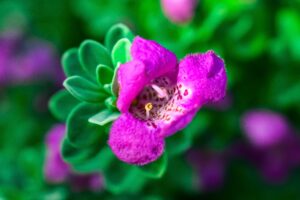
Plants adapted to this region often use specialized mechanisms such as reduced leaf surface area and waxy coatings to minimize water loss. Studies show that native and drought-resistant plants can reduce irrigation needs by up to 60% compared to non-adapted species.
In this guide , we will explore the top 10 best plants for South Texas, focusing on heat tolerance, water efficiency, and soil adaptability to help you design a resilient and beautiful landscape.
Top 10 Best Plants For South Texas
1. Texas Sage (Leucophyllum frutescens) – Best drought tolerant plant for South Texas gardens
Texas Sage is the best drought tolerant plant for South Texas gardens, thriving with minimal water due to its adaptive physiology. Its silvery leaves reflect sunlight, which reduces heat absorption and limits water loss. As a result, the plant maintains hydration even during extreme heat waves. This mechanism makes it highly efficient in arid environments.

Additionally, the plant uses reduced transpiration rates to conserve moisture effectively. Its root system penetrates deep into the soil, allowing access to underground water reserves. Moreover, it blooms after rainfall due to increased humidity, which triggers flowering hormones. Therefore, it provides seasonal beauty with minimal care.
Because of its resilience, Texas Sage requires very little maintenance once established. It performs well in poor soils, including sandy and rocky conditions. Furthermore, it resists pests and diseases naturally. Overall, it is a top choice for sustainable landscaping.
Pros:
• Drought tolerant
• Heat resistant
• Low maintenance
• Blooms often
• Pest resistant
• Native plant
• Full sun
Cons:
• Slow growth
• Sparse foliage
• Needs drainage
2. Lantana (Lantana camara) – Best flowering plant for South Texas heat
Lantana is the best flowering plant for South Texas heat, known for its vibrant blooms and heat tolerance. It produces essential oils that deter pests naturally. As a result, it thrives without chemical intervention. Its flowers attract pollinators like butterflies and bees.
Additionally, lantana uses efficient photosynthesis under high light intensity. Its leaves minimize water loss through a waxy coating. Moreover, it adapts to poor soil conditions easily. Therefore, it remains productive even in challenging environments.
Because it blooms continuously, it adds long-lasting color to landscapes. However, it requires occasional pruning to control growth. Furthermore, it tolerates drought conditions exceptionally well. Overall, it is a colorful and hardy option.
Pros:
• Bright flowers
• Drought tolerant
• Pollinator friendly
• Heat resistant
• Easy care
• Fast growth
• Long bloom
Cons:
• Invasive spread
• Needs pruning
• Toxic pets
3. Agave (Agave americana) – Best succulent for South Texas dry landscapes
Agave is the best succulent for South Texas dry landscapes, utilizing CAM photosynthesis to conserve water. This process allows it to open stomata at night, reducing water loss. As a result, it survives in extremely dry conditions. Its thick leaves store water efficiently.
Additionally, agave has a slow metabolic rate, which reduces nutrient requirements. Its waxy surface minimizes evaporation. Moreover, it thrives in rocky and sandy soils. Therefore, it is ideal for xeriscaping.
Because it requires minimal watering, it is highly sustainable. However, it grows large and needs space. Furthermore, it is resistant to most pests. Overall, it is a low-maintenance desert plant.
Pros:
• Water efficient
• Heat tolerant
• Low maintenance
• Unique look
• Long lifespan
• Drought hardy
• Soil adaptable
Cons:
• Sharp leaves
• Slow growth
• Large size
4. Yucca (Yucca filamentosa) – Best low water plant for South Texas yards
Yucca is the best low water plant for South Texas yards, known for its fibrous root system. These roots store water and nutrients efficiently. As a result, the plant survives long dry periods. Its sword-like leaves reduce surface area.
Additionally, yucca produces tall flower spikes that enhance visual appeal. It thrives in sandy and well-drained soils. Moreover, it tolerates high heat and sun exposure. Therefore, it is ideal for outdoor landscapes.
Because it requires minimal care, it suits busy homeowners. However, its sharp leaves can be hazardous. Furthermore, it resists drought effectively. Overall, it is a durable landscaping plant.
Pros:
• Drought tolerant
• Hardy
• Low water
• Unique shape
• Heat resistant
• Easy care
• Long lasting
Cons:
• Sharp edges
• Slow growth
• Limited color
5. Mexican Feather Grass – Best ornamental grass for South Texas climate
Mexican Feather Grass is the best ornamental grass for South Texas climate, featuring fine-textured foliage. Its thin leaves reduce water loss significantly. As a result, it thrives in dry conditions. It creates a soft, flowing landscape effect.
Additionally, it adapts to poor soils and full sun exposure. Its root system stabilizes soil effectively. Moreover, it requires minimal irrigation. Therefore, it is ideal for low-maintenance gardens.
Because it grows quickly, it fills spaces efficiently. However, it may spread aggressively. Furthermore, it enhances visual movement in landscapes. Overall, it is a decorative grass option.
Pros:
• Low water
• Fast growth
• Soft texture
• Wind movement
• Easy care
• Soil adaptable
• Drought hardy
Cons:
• Invasive
• Needs trimming
• Sheds seeds
6. Bougainvillea – Best climbing plant for South Texas heat resistance
Bougainvillea is the best climbing plant for South Texas heat resistance, known for its vibrant bracts. These colorful structures protect flowers from intense sunlight. As a result, the plant thrives in hot climates. It blooms profusely throughout the season.
Additionally, bougainvillea has deep roots that access water efficiently. Its drought tolerance makes it ideal for dry regions. Moreover, it requires minimal fertilization. Therefore, it is a low-maintenance climber.
Because it grows rapidly, it covers walls and fences effectively. However, it has thorns that require caution. Furthermore, it prefers full sun exposure. Overall, it is a bold landscape feature.
Pros:
• Bright color
• Drought tolerant
• Fast growth
• Climbing
• Heat resistant
• Long bloom
• Decorative
Cons:
• Thorny
• Needs pruning
• Messy
7. Blackfoot Daisy – Best native perennial for South Texas landscaping
Blackfoot Daisy is the best native perennial for South Texas landscaping, thriving in dry and rocky soils. It uses efficient water retention mechanisms to survive drought. As a result, it blooms consistently even in harsh conditions. Its white flowers add subtle beauty.
Additionally, it attracts pollinators like bees and butterflies. Its compact growth makes it suitable for small spaces. Moreover, it requires minimal maintenance. Therefore, it is ideal for eco-friendly gardens.
Because it is native, it adapts perfectly to local conditions. However, it prefers well-drained soil. Furthermore, it resists pests naturally. Overall, it is a reliable native plant.
Pros:
• Native
• Drought tolerant
• Pollinator friendly
• Compact
• Low maintenance
• Long bloom
• Soil adaptable
Cons:
• Small flowers
• Needs drainage
• Short lifespan
8. Red Yucca – Best flowering succulent for South Texas heat
Red Yucca is the best flowering succulent for South Texas heat, producing coral-colored blooms. It stores water in its thick leaves. As a result, it survives long dry periods. It attracts hummingbirds.
Additionally, it tolerates poor soils and high temperatures. Its root system is efficient and deep. Moreover, it requires little maintenance. Therefore, it is ideal for xeriscaping.
Because it blooms for long periods, it adds color to landscapes. However, it grows slowly. Furthermore, it is pest resistant. Overall, it is a decorative and hardy plant.
Pros:
• Drought tolerant
• Bird attracting
• Heat resistant
• Low maintenance
• Long bloom
• Unique look
• Hardy
Cons:
• Slow growth
• Needs sun
• Limited spread
9. Desert Willow – Best small tree for South Texas landscapes
Desert Willow is the best small tree for South Texas landscapes, known for its drought tolerance. Its long leaves reduce water loss effectively. As a result, it thrives in dry climates. It produces trumpet-shaped flowers.
Additionally, it has deep roots that access underground moisture. It adapts to various soil types. Moreover, it provides shade in hot environments. Therefore, it is functional and decorative.
Because it grows moderately fast, it establishes quickly. However, it sheds leaves seasonally. Furthermore, it attracts pollinators. Overall, it is a versatile tree option.
Pros:
• Drought tolerant
• Fast growth
• Shade provider
• Flowering
• Pollinator friendly
• Low water
• Adaptable
Cons:
• Leaf drop
• Needs space
• Messy
10. Prickly Pear Cactus – Best cactus for South Texas dry soil
Prickly Pear Cactus is the best cactus for South Texas dry soil, using water storage pads. These pads retain moisture efficiently. As a result, it thrives in extreme drought. It produces edible fruits.
Additionally, it uses CAM photosynthesis for water conservation. Its spines reduce water loss and protect from predators. Moreover, it requires almost no maintenance. Therefore, it is perfect for arid gardens.
Because it grows quickly, it spreads easily. However, it has sharp spines. Furthermore, it tolerates poor soils. Overall, it is a classic desert plant.
Pros:
• Extreme drought
• Edible fruit
• Low maintenance
• Fast spread
• Hardy
• Heat resistant
• Unique
Cons:
• Sharp spines
• Invasive
• Needs space
Best Plants For South Texas (FAQs)
1. What are the best plants for South Texas heat and drought conditions?
The best plants for South Texas heat and drought include species like Agave, Texas Sage, and Yucca because they utilize water-storage tissues and reduced transpiration rates. These plants rely on specialized cellular structures that minimize water loss while maintaining metabolic activity in extreme temperatures.
2. Which low-maintenance plants thrive in South Texas climate?
Low-maintenance plants such as Lantana, Blackfoot Daisy, and Red Yucca perform well due to their efficient root systems and adaptive photosynthesis mechanisms. These plants require minimal irrigation because they optimize water uptake and reduce evaporation through leaf structure.
3. How do native plants survive extreme heat in South Texas?
Native plants survive by using xerophytic adaptations, including thick cuticles and deep root systems that access underground moisture. Additionally, many species regulate stomatal openings to control water loss while maintaining carbon dioxide intake for photosynthesis.
4. What are the best flowering plants for South Texas gardens?
The best flowering plants include Esperanza, Bougainvillea, and Hibiscus because they thrive in high sunlight and warm soil temperatures. Their гүл production is supported by high chlorophyll efficiency and strong nutrient absorption, which enhances blooming cycles.
5. Can tropical plants grow successfully in South Texas?
Yes, tropical plants like Bird of Paradise and Hibiscus can grow successfully due to the region’s warm climate and extended growing season. However, they rely on consistent soil moisture and nutrient-rich substrates to sustain cellular hydration and flowering.
6. What soil type is best for plants in South Texas?
Well-draining soil with sandy or loamy composition is ideal because it prevents waterlogging and root rot. This type of soil supports oxygen diffusion to roots, which is essential for cellular respiration and nutrient uptake.
7. How often should plants be watered in South Texas?
Watering frequency depends on plant type, but drought-tolerant species typically require less frequent watering due to their water retention mechanisms. Overwatering can disrupt root oxygen levels, leading to reduced plant health and growth efficiency.
Conclusion
In conclusion, selecting the best plants for South Texas depends on heat tolerance, water efficiency, and soil adaptability, while the runner-up options provide excellent alternatives for landscaping diversity. The best overall choice is Texas Sage because of its advanced drought resistance and reflective leaf structure, whereas the runner-up is Agave due to its superior water storage capabilities and resilience.
These plants were chosen because they demonstrate exceptional survival mechanisms, including reduced transpiration and efficient nutrient utilization. Additionally, their ability to thrive in poor soil conditions makes them ideal for long-term sustainability in harsh climates.
Other plants like Lantana, Bougainvillea, and Yucca also offer impressive performance, combining vibrant aesthetics with strong environmental adaptation. However, they require slightly more maintenance compared to the top selections, making them suitable for gardeners with moderate care routines.
By choosing the right plants, you can create a thriving, low-maintenance landscape that withstands extreme weather conditions. Take action today and select the best plants for South Texas to build a resilient, beautiful, and sustainable garden environment.
Recent Posts
Yard weeds can quickly compete with desirable grass and landscape plants for water, nutrients, sunlight, and growing space. Choosing the best herbicide for yard weeds therefore depends on the weed...
Mallow can be a stubborn broadleaf weed because mature plants develop a strong taproot and can continue producing seed if they are left uncontrolled. Choosing the best herbicide for mallow therefore...