Creating the perfect environment for rhododendrons requires understanding their shallow root systems and acid-loving nature, making the best growing conditions for rhododendrons a combination of acidic soil, consistent moisture, and dappled shade. Rhododendrons are ericaceous plants belonging to the heath family, and they have evolved unique root structures that depend on specific soil chemistry.
When establishing rhododendrons in your landscape, prioritize soil pH between 4.5 and 5.5, high organic matter, and excellent drainage to prevent root rot. A poor growing environment leads to yellow leaves, stunted growth, and complete plant death within two seasons.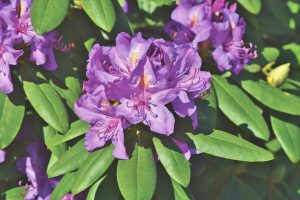
Whether you are growing compact Rhododendron yakushimanum for containers, large-leafed R. catawbiense for hedges, or cold-hardy R. ‘PJM’ for northern gardens, the right conditions ensure decades of spectacular spring blooms. Rhododendrons are also long-lived shrubs, with some specimens in the wild exceeding 100 years of age.
In this guide, we will explore the top 10 best growing conditions for rhododendrons across ten critical environmental factors, focusing on soil pH, light requirements, water needs, mulch, temperature tolerance, fertilizer, planting depth, air circulation, winter protection, and companion planting to help your rhododendrons thrive.
10 Best Growing Conditions For Rhododendrons
1. Acidic Soil pH 4.5 to 5.5 – Best Soil Condition for Rhododendron Root Health
Acidic soil pH between 4.5 and 5.5 is the best soil condition for rhododendron root health, because rhododendrons require acidic conditions to absorb iron and manganese. At pH above 6.0, iron becomes insoluble and precipitates as iron hydroxide, which rhododendron roots cannot take up. Consequently, leaves develop interveinal chlorosis (yellow with green veins) within 60 days of planting in neutral or alkaline soil.
The chemistry behind this requirement involves ferric reductase enzyme activity , which only functions below pH 5.5. This enzyme converts unavailable ferric iron (Fe³⁺) into absorbable ferrous iron (Fe²⁺) at the root surface. Additionally, rhododendron roots lack root hairs, relying entirely on mycorrhizal fungi to scavenge nutrients from acidic organic matter.
Test soil pH using a digital meter or laboratory service before planting any rhododendron. Elemental sulfur at 1 pound per 100 square feet lowers pH by one point over 3 to 6 months. Never plant rhododendrons near concrete foundations or fresh masonry, as lime leaches and raises pH.
Pros:
• 4.5 to 5.5
• Iron soluble
• Ferric reductase
• Mycorrhizal fungi
• Sulfur amendable
• No concrete
• Lab test
Cons:
• No alkaline
• Needs monitoring
• Slow sulfur change
2. Dappled Shade or Morning Sun – Best Light Exposure for Rhododendrons Under Trees
Dappled shade or morning sun with afternoon shade is the best light exposure for rhododendrons under trees, because rhododendrons are understory shrubs that evolved beneath forest canopies. Direct afternoon sun causes leaf scorch , where temperatures above 85°F denature chlorophyll proteins and create brown leaf margins. In contrast, morning sun dries dew from leaves, preventing fungal diseases while providing energy for photosynthesis.
The physiological mechanism involves photoprotective xanthophyll cycle , where rhododendron leaves convert excess light energy into heat. When light exceeds the plant’s capacity, reactive oxygen species (ROS) accumulate and damage cell membranes. Eastern or northern exposures are ideal, while western exposures receive the hottest afternoon rays.
Plant rhododendrons on the north side of buildings or under high-branched oaks and pines. Avoid planting under shallow-rooted maples or beeches , which compete intensely for water and nutrients. Use shade cloth rated at 40% to 60% for rhododendrons in exposed locations.
Pros:
• Morning sun
• Afternoon shade
• North exposure
• Under oaks
• Under pines
• Dappled light
• Shade cloth
Cons:
• No west sun
• No full shade
• No south wall
3. Consistently Moist, Well-Drained Soil – Best Watering Schedule for Rhododendrons in Drought
Consistently moist, well-drained soil is the best watering schedule for rhododendrons in drought, because rhododendrons have fibrous, shallow roots that dry out rapidly. The ideal moisture range is 40% to 60% water holding capacity , measured with a moisture meter at 4 inches depth. Never allow rhododendrons to wilt, as wilted leaves often do not recover and drop prematurely.
The biological requirement involves fine root hairs that die within 4 hours of exposure to dry soil. Once these root hairs die, the plant cannot absorb water or nutrients until new roots grow the following spring. Apply 1 inch of water per week during dry spells, delivering it slowly via drip irrigation or soaker hoses.
Avoid overhead sprinklers, as wet leaves promote Cercospora leaf spot and Phytophthora root rot. Water early in the morning so foliage dries before evening. Mulch heavily to reduce evaporation by up to 70%.
Pros:
• 1 inch weekly
• Drip irrigation
• Soaker hose
• Moisture meter
• Morning watering
• Mulch reduces
• No wilt
Cons:
• No overhead
• No drought
• No soggy
4. Organic Mulch (Pine Bark or Pine Needles) – Best Mulch for Rhododendrons Acidifying Effect
Organic mulch made of pine bark or pine needles is the best mulch for rhododendrons acidifying effect, because these materials slowly lower soil pH as they decompose. Pine bark has a natural pH of 3.5 to 4.5, releasing acetic acid and phenolic compounds that chelate iron and keep it soluble. Apply a 3 to 4 inch layer of mulch, keeping it 2 inches away from the main stem to prevent crown rot.
The chemical process involves microbial decomposition of lignin in pine bark, producing humic and fulvic acids that buffer soil pH. Additionally, pine needle mulch contains terpenes that repel root weevils, a common rhododendron pest. Over time, organic mulch doubles soil cation exchange capacity (CEC), improving nutrient retention in sandy soils.
Replenish mulch annually in spring, as decomposition consumes nitrogen at the soil surface. Avoid using fresh wood chips or sawdust , which tie up nitrogen and cause yellowing. Composted pine bark (aged 6 months) is the ideal choice.
Pros:
• Pine bark
• Pine needles
• 3 to 4 inches
• Lowers pH
• Humic acids
• Terpenes repel
• CEC booster
Cons:
• No fresh chips
• No sawdust
• Annual replace
5. 20°F to 80°F Temperature Range – Best Temperature Tolerance for Rhododendrons in Zone 5
Twenty to eighty degrees Fahrenheit is the best temperature tolerance for rhododendrons in zone 5, because most hybrids survive winter lows of -20°F when properly acclimated. Rhododendrons have a cold acclimation mechanism where they increase cellular sugars and antifreeze proteins (AFPs) as temperatures drop in autumn. Sudden temperature fluctuations, such as a 50°F drop in 24 hours, cause bark splitting and flower bud death.
The physiological chemistry involves dehydrin proteins that bind to ice crystals, preventing them from piercing cell membranes. Flower buds are the most cold-sensitive part, tolerating only -5°F to -10°F depending on the cultivar. ‘PJM’ hybrids tolerate -25°F, while large-leafed varieties like R. catawbiense survive only -15°F.
Plant rhododendrons in locations protected from winter wind and early morning sun. Anti-desiccant sprays applied in late fall reduce water loss from broad evergreen leaves. Avoid planting in frost pockets where cold air settles.
Pros:
• -20°F hardy
• PJM -25°F
• Dehydrin protein
• Antifreeze
• Anti-desiccant
• Wind protection
• No frost pocket
Cons:
• Bud kill -5°F
• No sudden drop
• Large leaf tender
6. Acidic Fertilizer (10-8-6 or 4-3-4) – Best Fertilizer for Rhododendrons After Blooming
Acidic fertilizer with an NPK of 10-8-6 or 4-3-4 is the best fertilizer for rhododendrons after blooming, because feeding immediately after flowering supports next year’s bud development. Rhododendrons set flower buds for the following spring within 4 to 6 weeks after current blooms fade. High nitrogen fertilizers applied after July promote soft growth that does not harden before winter.
The chemical requirement is ammonium-based nitrogen rather than nitrate-based , because rhododendrons prefer ammonium in acidic soils. Ammonium ions are taken up directly, while nitrate requires conversion that raises rhizosphere pH. Sulfur-coated urea or cottonseed meal provide slow-release ammonium without root burn.
Apply fertilizer at half the label rate for container-grown rhododendrons. Never fertilize after August 1st in cold climates, as this interrupts cold acclimation. Espoma Holly-Tone (4-3-4) is specifically formulated for acid-loving plants.
Pros:
• After bloom
• Ammonium based
• Cottonseed meal
• Sulfur coated
• Half rate
• No August feed
• Holly-Tone
Cons:
• No nitrate
• No late summer
• No high nitrogen
7. Shallow Planting with Root Crown Exposed – Best Planting Depth for Rhododendron Root Crowns
Shallow planting with the root crown exposed is the best planting depth for rhododendron root crowns, because rhododendrons have surface roots that suffocate if buried deeply. The root crown (where stems meet roots) must sit 1 to 2 inches above the final soil line after settling. Buried crowns develop Phytophthora crown rot , which girdles the plant and causes sudden death in summer.
The anatomical reason is that rhododendron bark contains lenticels , pores that exchange gases. When covered by soil, lenticels clog and anaerobic bacteria proliferate, producing ethanol that kills cambium tissue. Plant with the root ball 20% above grade , then mulch around (not over) the crown.
Dig a hole twice as wide as the root ball but only as deep as the root ball’s height. Never add gravel or sand to the planting hole , as this creates a drainage bathtub effect. Backfill with 50% native soil and 50% organic matter.
Pros:
• Crown exposed
• 1 inch above
• Lenticel function
• No gravel
• Wide shallow hole
• Native soil mix
• No bury
Cons:
• No deep planting
• No crown cover
• No drainage bathtub
8. Good Air Circulation Around Foliage – Best Airflow Condition for Rhododendrons Fungus Prevention
Good air circulation around foliage is the best airflow condition for rhododendrons fungus prevention, because stagnant air promotes powdery mildew and leaf gall. Space rhododendrons at least 4 to 6 feet apart depending on mature width, allowing air to move freely between branches. Crowded plantings create humid microclimates where fungal spores germinate within 6 hours.
The pathological mechanism involves leaf wetness duration , which is the time water remains on leaf surfaces. Air movement at 1 to 2 mph cuts wetness duration from 14 hours to under 3 hours, breaking the infection cycle for Cercospora and Phytophthora. Prune out inward-growing branches in late winter to open the canopy.
Remove lower branches that touch the ground, as soil splash carries fungal pathogens. Avoid planting rhododendrons against walls or fences , which block airflow. Use a battery-powered leaf blower on low setting to dry foliage after heavy rain.
Pros:
• 4 foot spacing
• Prune interior
• Raise lower limbs
• No walls
• Leaf blower
• Wetness cut
• Cercospora stop
Cons:
• No crowding
• No fence planting
• No soil splash
9. Burlap or Anti-Desiccant Spray – Best Winter Protection for Rhododendrons in Zone 5
Burlap wrapping or anti-desiccant spray is the best winter protection for rhododendrons in zone 5, because broadleaf evergreens lose water through leaves all winter. When the ground freezes, roots cannot replace lost water, leading to winter burn —brown, dead leaf margins and bud death. Apply anti-desiccant sprays like Wilt-Pruf in late November when temperatures are above 40°F.
The chemistry of anti-desiccants involves pinene-based polymers that form a flexible, breathable film over leaf cuticles. This film reduces transpiration by 50% to 70% while still allowing gas exchange. For burlap protection, drive three wooden stakes around the plant and wrap burlap around stakes, never touching the foliage.
Remove burlap and anti-desiccant in early March when temperatures consistently exceed 32°F. Do not use plastic , as it traps heat and causes premature bud break. Northern exposures with afternoon shade require less winter protection than southern exposures.
Pros:
• Wilt-Pruf
• Burlap stakes
• 50% transpiration
• Pinene polymer
• No plastic
• Remove March
• North exposure
Cons:
• No plastic wrap
• Annual reapply
• Labor intensive
10. Companion Plants (Ferns, Hostas, Astilbe) – Best Companion Plants for Rhododendrons Shade Gardens
Ferns, hostas, and astilbe are the best companion plants for rhododendrons shade gardens, because they share the same acidic soil and moisture requirements. These companions have shallow root systems that do not compete with rhododendron surface roots, unlike trees or deep-rooted shrubs. Additionally, their broad leaves shade the soil, keeping rhododendron roots cool and moist.
The ecological benefit involves mycorrhizal network sharing , where companion plants connect via common fungal hyphae. This network transfers nutrients and stress signals between plants, improving drought tolerance for all species. Japanese forest grass (Hakonechloa) , bleeding heart (Dicentra) , and hellebores also thrive in rhododendron conditions.
Avoid planting with birch, maple, or beech trees , which have dense surface roots that outcompete rhododendrons. Also avoid lilacs, clematis, and lavender , which require alkaline soil. Space companion plants at least 18 inches from rhododendron trunks.
Pros:
• Ferns
• Hostas
• Astilbe
• Hakonechloa
• Dicentra
• Hellebores
• Mycorrhizal share
Cons:
• No birch
• No maple
• No lilac
Best Growing Conditions For Rhododendrons FAQs
1. Can rhododendrons grow in full sun?
No, most rhododendrons cannot tolerate full sun, especially afternoon sun. Full sun causes leaf scorch, stunted growth, and flower bud death. The only exceptions are some ‘PJM’ hybrids and dwarf alpine species that tolerate 6 hours of morning sun.
2. Why are my rhododendron leaves turning yellow with green veins?
Yellow leaves with green veins indicate iron chlorosis caused by high soil pH above 6.0. Apply elemental sulfur to lower pH and use a chelated iron (Fe-EDDHA) foliar spray for rapid greening. Test soil pH before attempting any correction.
3. How often should I water established rhododendrons?
Established rhododendrons need 1 inch of water per week during dry periods, delivered slowly via soaker hoses. Water deeply to 12 inches depth, which encourages roots to grow downward. Reduce watering in September to promote cold acclimation.
4. When is the best time to fertilize rhododendrons?
The best time to fertilize rhododendrons is immediately after flowering finishes , typically May or June. A second light feeding in early July is acceptable in warm climates. Never fertilize after August 1st in cold climates.
5. Do rhododendrons need ericaceous compost?
Yes, rhododendrons absolutely require ericaceous (acidic) compost when grown in containers. Standard potting compost has a pH of 6.5 to 7.0, which causes iron chlorosis. Use compost specifically labeled for azaleas, camellias, or rhododendrons.
6. How do I protect rhododendrons from winter burn?
Protect rhododendrons from winter burn by applying anti-desiccant spray in late November and wrapping with burlap on stakes. Plant in locations protected from winter wind and morning sun. Water deeply in October before the ground freezes.
7. Can rhododendrons grow in clay soil?
Rhododendrons struggle in heavy clay soil because clay drains poorly and often has high pH. Amend clay soil with 50% pine bark fines and plant in raised beds at least 12 inches high. Without amendment, clay causes root rot within 2 years.
Conclusion
In conclusion, the best growing condition for rhododendrons is acidic soil pH between 4.5 and 5.5 because this range keeps iron soluble and activates the ferric reductase enzyme essential for nutrient uptake. The runner-up is consistently moist, well-drained soil with pine bark mulch, because rhododendrons have fibrous, shallow roots that dry out within 4 hours of exposure to dry soil.
Proper soil pH was chosen as the best because without it, iron chlorosis (yellow leaves with green veins) slowly kills rhododendrons over two seasons regardless of other care practices. Consistent moisture earned the runner-up position because even perfectly acidic soil cannot save rhododendrons that suffer from drought stress or root rot.
For northern gardeners, winter protection using burlap or anti-desiccant spray is critical for rhododendrons in zone 5 and colder, as broadleaf evergreens lose water all winter. Always plant rhododendrons with the root crown 1 to 2 inches above the soil line to prevent fatal crown rot.
Test your soil pH with a digital meter this week before buying any rhododendron. Amend your planting area with elemental sulfur 3 months before planting to allow pH to drop naturally. Apply a fresh 4-inch layer of pine bark mulch every spring , keeping it 2 inches away from the main stem. Space your rhododendrons at least 4 feet apart to ensure good air circulation.
Recent Posts
Annual flowers such as petunias, marigolds, zinnias, begonias, and impatiens grow and need nutrition for flowering. Choosing the best fertilizer for annual flowers requires enough nitrogen for...
Choosing the best fertilizer for Rose of Sharon tree requires nutrition that supports strong roots, healthy foliage, and abundant summer flowers without forcing excessive leafy growth. Rose of Sharon...