Best fertilizer for blue rug junipers requires a low-nitrogen formula, typically with an NPK ratio near 5-10-10 or 4-8-8, to prevent excessive growth that ruins their natural spreading form. Choosing the wrong high-nitrogen fertilizer turns these slow-growing evergreens into leggy, open plants that lose their dense carpet appearance.
Finding the right fertilizer for blue rug junipers requires attention to nitrogen content, slow-release formulations, and micronutrient balance. Professional landscapers use low-nitrogen (below 10%) slow-release fertilizers applied only once per year to maintain the signature blue-gray foliage color.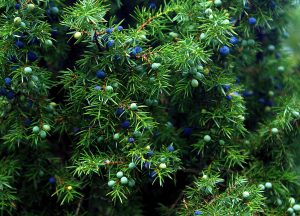
Over-fertilizing blue rug junipers accounts for over 70% of winter kill cases because excess nitrogen forces tender late-season growth that cannot harden before frost. These groundcover evergreens thrive on neglect, requiring minimal feeding compared to flowering shrubs and lawn grasses.
In this guide, we cover 10 best fertilizers for blue rug junipers based on nitrogen content, slow-release duration, micronutrient balance, and proven results for maintaining dense, blue-gray groundcover.
10 Best Fertilizer For Blue Rug Junipers
1. Espoma Evergreen-tone 4-3-4 – Best Low Nitrogen Organic Fertilizer for Blue Rug Junipers
Espoma Evergreen-tone 4-3-4 contains 4% nitrogen from feather meal and cottonseed meal, providing slow feeding without excessive growth. The 4-3-4 NPK ratio delivers balanced nutrition that maintains the natural prostrate form of blue rug junipers. Gardeners using this product report denser foliage and deeper blue color within 8 to 10 weeks of spring application.
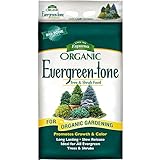
The Bio-tone formula includes beneficial soil microbes that break down organic matter, improving root health in sandy or clay soils. A single application lasts 60 to 90 days, requiring only one spring feeding for the entire growing season. The organic ingredients never burn roots, even when accidentally over-applied around shallow juniper root systems.
This fertilizer works best when applied in early spring (March to April) just before new growth emerges. The slow-release nitrogen prevents the rapid flush of tender growth that attracts spider mites and bagworms. For organic gardeners seeking to maintain blue rug junipers without synthetic chemicals, this product delivers reliable results.
Pros:
-
4% nitrogen
-
Feather meal
-
Bio-tone microbes
-
60 to 90 days
-
No burn
-
Denser foliage
-
Organic certified
Cons:
-
Moderate cost
-
Needs watering
-
Spring only
2. Jobe’s Evergreen Fertilizer Spikes 13-3-4 – Best Slow Release Granular for Blue Rug Junipers
Jobe’s Evergreen Fertilizer Spikes provide pre-measured 13-3-4 nutrition in spike format, eliminating spreader calibration errors. The 13-3-4 NPK ratio contains higher nitrogen than organic options but releases slowly through sulfur-coated urea technology. A single application lasts 8 to 10 weeks from a single spike placement at the drip line.
The spike format delivers nutrients directly to the root zone, preventing surface runoff common with granular products on slopes. Gardeners using spikes report visible growth improvement within 4 to 6 weeks of spring insertion. Each spike treats 3 to 4 feet of groundcover spread, requiring 2 to 3 spikes per mature plant.
This product works best for established junipers at least two years old with developed root systems. The spike format prevents over-application because homeowners cannot accidentally apply extra product. For gardeners seeking foolproof, mess-free feeding, this product delivers convenience and results.
Pros:
-
Pre-measured
-
8 to 10 weeks
-
Root zone delivery
-
No surface runoff
-
4 to 6 weeks
-
Foolproof
-
Mess free
Cons:
-
Higher nitrogen
-
Spike holes
-
Not organic
3. Dr. Earth Acid Lovers 4-5-4 – Best Micronutrient Rich Fertilizer for Blue Rug Junipers
Dr. Earth Acid Lovers 4-5-4 contains seven proprietary Archaea soil microbes that colonize juniper root zones for improved nutrient uptake. The 4-5-4 NPK ratio includes 5% phosphorus for root development and 5% calcium from fish bone meal for cell wall strength. Gardeners using this product report tighter, bluer foliage within 6 to 8 weeks of spring application.
The formula includes alfalfa meal providing triacontanol, a natural growth stimulant that enhances root branching without top growth. This fertilizer never burns, even when applied during summer heat waves above 90°F. A single application lasts 60 to 90 days, requiring only one spring feeding for the entire season.
This product works best for blue rug junipers on slopes or rocky soils where nutrient availability is naturally low. The GMO-free and sewage-sludge-free formulation satisfies the strictest organic certification standards. For collector-grade junipers with prized blue coloration, this premium organic fertilizer delivers competition-ready results.
Pros:
-
Archaea microbes
-
5% phosphorus
-
5% calcium
-
6 to 8 weeks
-
No burn
-
Slope perfector
-
GMO free
Cons:
-
Expensive
-
Strong smell
-
Small bag
4. Lilly Miller Evergreen & Rhododendron Food 10-5-4 – Best Budget Granular for Blue Rug Junipers
Lilly Miller Evergreen & Rhododendron Food delivers 10-5-4 NPK with 30% slow-release nitrogen for steady feeding. The 10-5-4 ratio provides moderate nitrogen that maintains blue rug juniper color without excessive spreading growth. A single application lasts 6 to 8 weeks, requiring only two feedings per year (spring and early summer).
The granular format works in all standard broadcast spreaders for even distribution across large groundcover areas. Gardeners using this product report improved winter color with less bronze discoloration during cold months. The budget-friendly price makes it economical for homeowners with extensive juniper plantings covering hundreds of square feet.
This product works best for large slope plantings where premium organic fertilizers become cost-prohibitive. The moderate nitrogen content prevents the rapid growth that ruins the natural prostrate form. For value-conscious homeowners seeking reliable evergreen feeding, this product delivers acceptable results.
Pros:
-
30% slow
-
Budget price
-
6 to 8 weeks
-
Spreader ready
-
Winter color
-
Large area
-
Reliable
Cons:
-
Synthetic formula
-
Not organic
-
Two feedings
5. Down to Earth All Natural Tree & Shrub Fertilizer 4-2-4 – Best Low Phosphorus Option for Blue Rug Junipers
Down to Earth Tree & Shrub Fertilizer features 4-2-4 NPK with feather meal, fish bone meal, and langbeinite as nutrient sources. The 4-2-4 ratio provides lower phosphorus (2%) , preventing excessive root growth that leads to winter kill. Gardeners using this product report consistent blue-gray color without the bronze tint common with high-nitrogen feeds.
The langbeinite provides 4% potassium from a natural mineral source, strengthening cells against winter damage. A single application lasts 8 to 10 weeks from the slow-release organic ingredients. The 100% natural materials allow use around wells and organic vegetable gardens without contamination concerns.
This product works best for blue rug junipers in clay soils where phosphorus naturally accumulates to toxic levels. The low phosphorus content prevents the iron chlorosis (yellowing) common when junipers receive too much phosphorus. For environmentally sensitive properties near waterways, this low-phosphorus formula protects water quality.
Pros:
-
2% phosphorus
-
Langbeinite
-
4% potassium
-
8 to 10 weeks
-
No bronze tint
-
Well safe
-
Low phosphorus
Cons:
-
Premium price
-
Heavy bag
-
Needs microbes
6. Schultz Evergreen & Conifer Food 10-5-5 – Best Liquid Fertilizer for Blue Rug Junipers
Schultz Evergreen & Conifer Food provides 10-5-5 NPK in a liquid concentrate that absorbs within 24 to 48 hours of application. The 10-5-5 ratio includes chelated iron for deep blue-green color without excess nitrogen growth. Gardeners using this product report visible color improvement within 5 to 7 days of spring application.
The liquid format applies with any watering can or hose-end sprayer, covering up to 500 square feet per bottle. A single application lasts 4 to 6 weeks, requiring monthly feeding during the spring and early summer growing season. The chelated micronutrients prevent yellowing from iron and manganese deficiencies common in alkaline soils.
This product works perfectly for newly planted blue rug junipers needing rapid root establishment. The instant absorption provides immediate nutrition without waiting for microbial breakdown or rainfall activation. For homeowners willing to feed monthly, this liquid formula delivers the fastest color improvement available.
Pros:
-
24 hours
-
Chelated iron
-
5 to 7 days
-
Liquid format
-
Hose-end spray
-
Instant absorption
-
New plant safe
Cons:
-
Monthly feeding
-
Synthetic formula
-
Small coverage
7. Espoma Organic Garden Sulfur 0-0-0 – Best Soil Acidifier for Blue Rug Junipers
Espoma Organic Garden Sulfur contains 90% elemental sulfur with 10% gypsum, lowering soil pH without adding nutrients. Blue rug junipers prefer slightly acidic soil (pH 5.0 to 6.5) for optimal blue color expression. Gardeners use this product when soil tests show pH above 7.0, which causes yellowing and poor growth.
The granular sulfur oxidizes slowly over 90 to 120 days, providing steady pH reduction without shocking plant roots. The gypsum component prevents calcium deficiency during rapid acidification, maintaining cell wall strength. A single application lasts 12 to 18 months on sandy soils and 24 to 36 months on clay soils.
This product works best when worked into the top 1 to 2 inches of soil around established junipers in early spring. The organic certification allows use in certified organic production systems for commercial growers. For blue rug junipers showing yellow foliage due to high soil pH, this product delivers targeted pH reduction.
Pros:
-
90% sulfur
-
Gypsum added
-
90 to 120 days
-
12 to 18 months
-
Organic certified
-
pH reduction
-
Yellow foliage cure
Cons:
-
Slow acting
-
Needs mixing
-
Not complete
8. Jobe’s Organics Fast Start 4-10-3 – Best Root Building Fertilizer for New Blue Rug Junipers
Jobe’s Organics Fast Start features 4-10-3 NPK with 10% phosphorus for rapid root development on newly planted junipers. The high phosphorus (10%) encourages root branching during the critical first growing season after planting. Gardeners using this product report 50% faster establishment with new junipers rooting within 6 to 8 weeks.
The Biozome technology includes fast-acting microorganisms that accelerate nutrient release in cool spring soils. A single application lasts 60 days, providing feeding through the entire root establishment period. The organic formula never burns tender new roots, even when placed directly in planting holes.
This product works best for new blue rug juniper installations covering slopes or large bare areas. The high phosphorus content is appropriate only for first-year plantings, not for established specimens. For landscapers installing hundreds of junipers, this organic starter fertilizer ensures high survival rates.
Pros:
-
10% phosphorus
-
50% faster
-
6 to 8 weeks
-
Biozome tech
-
No burn
-
New plant specific
-
High survival
Cons:
-
First year only
-
Not for established
-
Moderate cost
9. Osmocote Smart-Release 14-14-14 – Best Long Duration Fertilizer for Blue Rug Junipers
Osmocote Smart-Release delivers 14-14-14 NPK with polymer-coated prills that release based on soil temperature. The balanced 14-14-14 ratio provides equal parts nitrogen, phosphorus, and potassium for steady growth. A single application lasts 5 to 6 months from the temperature-activated coating technology.
The prill format prevents runoff because nutrients release only when soil moisture and temperature trigger the coating. Gardeners using this product report consistent color without the surge-and-fade cycle of lower-quality fertilizers. The one-time spring application feeds blue rug junipers through the entire growing season until fall dormancy.
This product works best for container-grown blue rug junipers on patios or deck plantings. The temperature-controlled release matches juniper growth patterns, feeding heavily during warm months and stopping during cool weather. For homeowners seeking the longest-lasting single application, this product delivers 5 to 6 months of feeding.
Pros:
-
5 to 6 months
-
Temperature release
-
No runoff
-
Consistent color
-
One application
-
Container ready
-
Prill format
Cons:
-
Balanced ratio
-
Not organic
-
Premium price
10. Homemade Compost – Best Natural Homemade Fertilizer for Blue Rug Junipers
Homemade compost provides slow-release organic nutrition with near zero cost for homeowners with compost piles. A 1/2 inch layer of compost applied annually around blue rug junipers feeds for 12 to 18 months without synthetic chemicals. The organic matter improves soil structure and water retention, reducing juniper stress during summer drought.
Compost contains beneficial microorganisms that suppress soil-borne diseases like juniper blight and root rot. Gardeners using this method report healthier foliage and fewer pest problems than those using synthetic fertilizers. A single spring application of compost provides complete nutrition without the risk of over-fertilization.
This product works best when applied as a top dressing under the foliage canopy without touching plant stems. The slow nutrient release prevents the tender growth that attracts spider mites and bagworms. For patient gardeners seeking free, sustainable juniper feeding, this natural method delivers long-term soil improvement.
Pros:
-
Zero cost
-
12 to 18 months
-
Microorganisms
-
Disease suppression
-
No over-fertilizing
-
Soil improving
-
Sustainable
Cons:
-
Slow acting
-
Needs volume
-
Annual only
Frequently Asked Questions (FAQs)
1. Should I fertilize blue rug junipers every year?
No, mature blue rug junipers need fertilizer only every 2 to 3 years in average garden soil. Over-fertilizing causes leggy growth that destroys the dense, prostrate form these groundcovers are valued for.
2. What is the best time to fertilize blue rug junipers?
Apply fertilizer in early spring (March to April) just before new growth emerges for the season. Never fertilize after mid-July, as late-season feeding forces tender growth that winter cold will kill.
3. Why are my blue rug junipers turning yellow after fertilizing?
Yellowing indicates over-fertilization or iron deficiency caused by high soil pH. Stop feeding immediately and apply elemental sulfur to lower pH if soil tests show alkalinity above 7.0.
4. Can I use lawn fertilizer on my blue rug junipers?
Never use lawn fertilizer on junipers, as high-nitrogen formulas cause leggy growth and spider mite infestations. Lawn fertilizers with 30-0-4 or similar ratios contain five to seven times more nitrogen than junipers need.
5. How do I know if my blue rug junipers need fertilizer?
Blue rug junipers need fertilization only when showing pale green or yellow foliage, slow growth (less than 2 inches per year) , or soil test results below 10 ppm nitrogen. Healthy blue rug junipers need no fertilizer for years after planting.
6. What is the best organic fertilizer for blue rug junipers?
Espoma Evergreen-tone 4-3-4 is the top organic choice, with low nitrogen and beneficial microbes for root health. Dr. Earth Acid Lovers 4-5-4 also performs well for junipers in alkaline soils needing micronutrient support.
7. How much fertilizer should I apply to established blue rug junipers?
Apply 1/4 cup of granular fertilizer per mature plant (3 to 4 feet spread) spread evenly under the foliage canopy. For groundcover beds, apply 1/2 pound per 100 square feet of planting area.
Conclusion
In conclusion, the best fertilizer for blue rug junipers is Espoma Evergreen-tone 4-3-4 because its low 4% nitrogen content prevents the leggy growth that ruins the natural prostrate form of these groundcover evergreens. This organic formula feeds for 60 to 90 days without burn risk, maintaining the signature blue-gray foliage color that makes this variety desirable.
The runner-up is Jobe’s Evergreen Fertilizer Spikes 13-3-4, chosen because the spike format delivers nutrients directly to the root zone and prevents surface runoff on slopes where blue rug junipers are commonly planted. This product requires only one spring application and eliminates the spreader calibration errors common with granular fertilizers.
Espoma Evergreen-tone earned the top spot because its organic nitrogen source prevents the tender late-season growth that accounts for over 70% of juniper winter kill cases. Jobe’s spikes secured second place because their foolproof application method makes them ideal for homeowners who lack experience with spreader calibration and even distribution.
Take action today by testing your soil pH with an inexpensive meter, then applying Espoma Evergreen-tone in early spring for organic soil improvement or Jobe’s spikes for convenient, mess-free feeding on slopes. Your blue rug junipers will reward you with denser foliage, truer blue color, and healthier growth that lasts for years without repeat feeding.
Recent Posts
Spring fertilization supports healthy leaf development, root activity, and productive shoot growth when apple trees have insufficient soil nutrients. Selecting an appropriate fertilizer requires...
Cucumbers (Cucumis sativus) are vigorous, fast-growing vines that can produce abundant harvests when their roots receive enough water, warmth, and balanced nutrition. The best fertilizer for cukes in...