Warm climates provide excellent growing conditions for many ornamental shrubs, allowing gardeners to maintain colorful landscapes throughout much of the year. However, selecting suitable varieties requires considering heat tolerance, flowering performance, sunlight exposure, soil drainage, and irrigation requirements.
Tropical and subtropical shrubs are particularly valuable because many maintain evergreen foliage and produce repeated flowering displays. Some also attract butterflies, hummingbirds, and other pollinators while providing privacy and structure.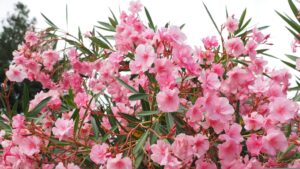
The right selection can transform sunny borders, patios, entrances, and coastal landscapes into attractive outdoor spaces. Gardeners should also consider mature plant dimensions, pruning requirements, and potential toxicity before establishing permanent landscape plantings.
In this guide, we examine 15 best flowering shrubs for Zone 10 and compare their ornamental characteristics, growing requirements, and landscape applications. These selections offer different flower colors, growth habits, and maintenance needs for creating attractive warm-climate gardens.
15 Best Flowering Shrubs For Zone 10
1. Tropical Hibiscus (Hibiscus rosa-sinensis) – Best Large-Flowering Shrub for Zone 10
Tropical hibiscus is an excellent choice for gardeners seeking a shrub with large, colorful flowers and an extended flowering season. Its blooms appear in red, pink, orange, yellow, white, and multicolored combinations, creating an attractive display against glossy evergreen foliage. Suitable cultivars can produce flowers throughout much of the year in favorable Zone 10 conditions.

- Compact Tropical Blooming Shrub: Produces bold multicolor hibiscus flowers in a smaller manageable size. Perfect for patios, balconies, and decorative containers. Delivers vibrant tropical color without taking up large space.
- Overall Plant Size and Pot Details: Arrives approximately 10 to 14 inches tall including the 1 gallon 6 inch nursery pot. Established root system supports continued growth and flowering. Ready for container or garden placement.
This tropical shrub performs best in full sun, although afternoon shade can reduce heat stress in extremely exposed locations. Plant it in fertile, well-drained soil containing organic matter and maintain consistent moisture during active growth. Moderate applications of balanced fertilizer support healthy foliage and flowering without encouraging excessive vegetative growth.
Tropical hibiscus is suitable for flowering hedges, specimen planting, foundation borders, and large containers. Its mature dimensions vary considerably by cultivar, so select a variety appropriate for the available planting space. Regular pruning, pest monitoring, and adequate irrigation help maintain an attractive flowering canopy.
- Produces large colorful flowers
- Available in numerous flower colors
- Can bloom throughout much of the year
- Maintains attractive evergreen foliage
- Suitable for flowering hedges
- Attracts pollinating insects
- Grows successfully in large containers
- Requires consistent moisture
- Susceptible to aphids and whiteflies
- Needs regular pruning
2. Bougainvillea (Bougainvillea spp.) – Best Drought-Tolerant Flowering Shrub for Zone 10
Bougainvillea is one of the most useful ornamental plants for sunny Zone 10 landscapes because established plants tolerate heat and relatively dry conditions. Its colorful structures are modified leaves called bracts, which surround small, inconspicuous true flowers. Popular varieties produce spectacular displays in magenta, purple, red, orange, pink, and white.

- Grow vibrant color and tropical beauty to your outdoor garden with these bougainvillea live plants. These flowering vines are measured approximately 4 to 8 inches tall, ready to be planted in your yard, patio container, or garden trellis. The mix includes random colors from red, pink, white, yellow and orange, not grafted or single plant with multi-colored flowers
- Bougainvilleas are fast-growing, low-maintenance, and drought-tolerant once established
Bougainvillea grows best in full sunlight and freely draining soil, particularly sandy or loamy growing media. Water young plants regularly until their root systems become established, but avoid excessive irrigation that encourages leafy growth instead of flowering. Excessive nitrogen fertilization should also be avoided because it can reduce the intensity of the flowering display.
This plant can be trained along fences, maintained as a flowering hedge, or grown as a supported specimen against walls. Its thorny branches provide additional boundary protection, although they require careful handling during pruning. Compact cultivars are preferable for smaller gardens, while vigorous varieties need stronger supports and regular management.
- Tolerates established-site drought
- Produces brightly colored bracts
- Performs exceptionally well in full sun
- Available in multiple colors
- Suitable for flowering hedges
- Can cover walls and fences
- Requires limited irrigation after establishment
- Thorny branches complicate pruning
- Requires well-drained soil
- Excess nitrogen can reduce flowering
3. Ixora (Ixora coccinea) – Best Evergreen Flowering Shrub for Tropical Hedges
Ixora is an attractive evergreen shrub recognized for its dense foliage and rounded clusters of tubular flowers. Its blooms commonly appear in red, orange, pink, and yellow, creating colorful displays in tropical gardens. Its compact growth habit makes it particularly useful for low flowering hedges and foundation plantings.

- Thrives in full sun to partial sun with well drained soil for best flowering
- Ixora Maui shrub features bright tropical red blooms ideal for warm climate landscapes
Plant ixora in full sun or partial shade, preferably in acidic, organically rich soil with good drainage. It requires consistent moisture during establishment and benefits from moderate irrigation during prolonged dry periods. Alkaline soil can restrict iron availability and cause interveinal chlorosis, so monitor foliage and soil pH when yellowing develops.
Ixora works well as a formal hedge, foundation shrub, border plant, or large container specimen. Prune lightly after flowering to maintain its natural shape and encourage additional branching. Select cultivars according to their expected mature dimensions, especially when planting along narrow pathways or beneath windows.
- Maintains evergreen foliage
- Produces dense flower clusters
- Suitable for formal flowering hedges
- Available in several flower colors
- Offers compact growing varieties
- Attracts pollinating insects
- Responds well to selective pruning
- Requires acidic soil
- Can develop nutrient-related chlorosis
- Needs consistent moisture during establishment
4. Cape Plumbago (Plumbago auriculata) – Best Blue Flowering Shrub for Hot Climates
Cape plumbago is a spreading evergreen shrub valued for its clusters of pale-blue flowers and extended flowering season. White-flowering cultivars are also available, allowing gardeners to create attractive combinations in warm-climate landscapes. Its loose branching structure makes it particularly useful for informal borders, slopes, and large garden beds.

- What You Will Receive – Three (3) live Plumbago ‘Imperial Blue’ plants (also known as Cape Leadwort or Sky Flower), each 4–6 inches tall, shipped bare root and ready to thrive in your garden or containers.
- Brilliant Sky-Blue Blooms – Produces clusters of vivid blue flowers that bloom over a long season, adding elegance, softness, and continuous color to patios, trellises, and garden borders.
Cape plumbago performs best in full sun, although it can tolerate partial shade in hot environments. It grows in moderately fertile, well-drained soil and benefits from regular watering during establishment. Once established, it tolerates some drought, although prolonged moisture stress can reduce flowering and foliage quality.
Use cape plumbago as an informal hedge, cascading shrub, or flowering feature on suitable slopes. Its arching branches can spread considerably, so pruning is necessary where planting space is restricted. Remove damaged or excessively long branches to maintain a balanced growth habit and encourage fresh flowering shoots.
- Produces attractive blue flowers
- White-flowering varieties available
- Blooms over an extended season
- Tolerates warm growing conditions
- Suitable for informal hedges
- Attracts butterflies
- Useful for covering landscape slopes
- Spreading branches require management
- Needs regular trimming
- Flowering decreases in deep shade
5. Firebush (Hamelia patens) – Best Flowering Shrub for Attracting Butterflies in Zone 10
Firebush is a tropical flowering shrub that produces clusters of narrow, tubular orange-red flowers. Its blooms provide nectar for butterflies, hummingbirds, and other pollinators, making it particularly useful in wildlife-friendly landscapes. Its attractive foliage and extended flowering season also provide ornamental value beyond individual flowering periods.

- Vibrant Blooms: Firebush Dwarf dazzles with stunning red-orange flowers that add a splash of color to any garden or patio.
- Heat-Tolerant: Exceptionally well-suited for hot climates, this plant remains lush and vibrant even during the warmest months
Grow firebush in full sun or partial shade and fertile, well-drained soil. Full sunlight generally encourages more compact growth and abundant flowering, while partial shade can reduce stress in extremely hot locations. Water consistently during establishment and adjust irrigation as the plant develops a mature root system.
Firebush is suitable for informal hedges, pollinator borders, mixed tropical beds, and specimen planting. Its mature size varies according to the species, cultivar, and local growing conditions, so provide sufficient space for development. Selective pruning helps maintain its structure and encourages productive new flowering branches.
- Produces bright orange-red flowers
- Attracts butterflies and hummingbirds
- Performs well in tropical conditions
- Can flower over extended periods
- Suitable for pollinator gardens
- Tolerates partial shade
- Responds well to selective pruning
- Can become large without pruning
- Sensitive to unusual cold conditions
- Requires adequate planting space
6. Golden Thryallis (Galphimia glauca) – Best Low-Maintenance Flowering Shrub for Zone 10
Golden thryallis is an attractive ornamental shrub that produces numerous small, star-shaped yellow flowers. Its airy branching structure and extended flowering season make it valuable in sunny landscapes where consistent color is desirable. It also tolerates heat and moderate dry conditions after establishment, reducing its irrigation requirements.

- In Your Order: 2 healthy Thryallis live plants (Galphimia gracilis), grown with care and shipped as a young starter without a pot. Thryallis (Rain of Gold), a tidy evergreen shrub with airy sprays of small golden-yellow flowers over glossy green leaves all through the warm months.
- Where It Grows: Best in USDA zones 9 to 11. Prefers full sun, about 6 or more hours a day with regular watering to keep the soil evenly moist, planted in well drained loam soil. Rewarding and easy once settled in.
Plant golden thryallis in full sun and well-drained soil for healthy growth and abundant flowering. Water regularly during establishment, then reduce irrigation as the root system develops. Excessive nitrogen fertilization is generally unnecessary because it can encourage foliage production without proportionately improving flowering.
This shrub works well in informal hedges, pollinator gardens, sunny borders, and mixed ornamental beds. Its mature size varies with growing conditions, but it can become a substantial landscape plant without pruning. Light trimming helps maintain a balanced canopy while preserving its natural flowering structure.
- Produces abundant yellow flowers
- Tolerates heat and sunlight
- Requires relatively little maintenance
- Tolerates some drought after establishment
- Attracts butterflies
- Suitable for informal hedges
- Provides extended flowering interest
- Can become tall without pruning
- Requires well-drained soil
- May suffer damage during unusual freezes
7. Gardenia (Gardenia jasminoides) – Best Fragrant Flowering Shrub for Zone 10 Gardens
Gardenia is an evergreen flowering shrub valued for its strongly fragrant white flowers and glossy foliage. Its attractive appearance and distinctive fragrance make it particularly useful near patios, entrances, and outdoor seating areas. Selected varieties can perform well in suitable Zone 10 locations where their soil and sunlight requirements are met.

- High-Yield Seed Pack: Includes 210+ premium gardenia seeds, carefully selected to offer a generous quantity for planting across multiple pots, garden beds, or landscaping projects
- Intense Natural Fragrance: Grows into a stunning evergreen shrub that produces elegant, velvety blossoms renowned for their sweet, captivating scent that fills indoor and outdoor spaces
Gardenias prefer bright light, morning sunlight, and some afternoon shade in extremely hot environments. They grow best in acidic, organically rich soil that retains moisture without becoming waterlogged. Regular irrigation supports healthy growth and flowering, while organic mulch helps regulate root-zone temperature and conserve soil moisture.
Plant gardenia near walkways, patios, and sheltered garden beds where its fragrance can be appreciated. It can also grow successfully in large containers when the growing medium has suitable acidity and drainage. Monitor leaves for yellowing because alkaline soil can restrict iron availability and cause interveinal chlorosis.
- Produces strongly fragrant flowers
- Maintains attractive evergreen foliage
- Offers elegant white blooms
- Suitable for patio planting
- Can grow in large containers
- Provides year-round ornamental interest
- Available in different cultivars
- Requires acidic soil
- Sensitive to waterlogging and drought stress
- Susceptible to scale insects and whiteflies
8. Oleander (Nerium oleander) – Best Heat-Tolerant Flowering Shrub for Full Sun
Oleander is a highly adaptable evergreen shrub that produces clusters of flowers in white, pink, red, and other colors. Its ability to tolerate intense sunlight, heat, and relatively dry conditions makes it useful in warm-climate landscapes. In Zone 10, it can develop into a substantial flowering screen or specimen shrub.

- Includes 2 Red Oleander live plants, each approximately 4–7 inches tall
- Suitable for landscape beds, garden borders, outdoor containers, and planting areas
Plant oleander in full sun and well-drained soil to encourage healthy growth and flowering. It tolerates periods of limited rainfall once established, although occasional irrigation during prolonged drought helps maintain foliage quality. Pruning after flowering or when necessary helps control its size and encourages a denser branching structure.
Oleander is suitable for large property boundaries, roadside planting, and informal screens where its mature dimensions can be accommodated. However, every part of the plant is highly poisonous if ingested, including its leaves, flowers, and stems. Avoid planting it where children or pets may chew plant material, and wear gloves when pruning or handling cuttings.
- Produces abundant colorful flowers
- Tolerates intense sunlight
- Performs well in hot conditions
- Maintains evergreen foliage
- Tolerates drought after establishment
- Suitable for large screening hedges
- Responds well to pruning
- All plant parts are highly poisonous
- Requires careful handling
- Can become too large for small gardens
9. Natal Plum (Carissa macrocarpa) – Best Flowering Shrub for Coastal Gardens in Zone 10
Natal plum is a dense evergreen shrub with glossy leaves, fragrant white star-shaped flowers, and ornamental red fruits. It is particularly valuable in coastal Zone 10 landscapes because it tolerates heat, wind, and some salt exposure. Its dense branching and thorny stems also make it useful for protective hedges.

- Exotic beauty and fragrance: The Dwarf Natal Plum Plant is a tropical marvel that adds a touch of exotic beauty to any setting. With its glossy, dark green leaves and enchanting white star-shaped flowers, this plant is not only visually appealing but also emits a delightful fragrance. Fill your garden or indoor space with the captivating scent of the Dwarf Natal Plum Plant.
- The Natal Plum Plant is a hardy and low-maintenance choice for both experienced gardeners and beginners. It thrives in a wide range of conditions, from full sun to partial shade, and is tolerant of coastal environments. With its ability to withstand drought, salt spray, and moderate frosts, this plant requires minimal care while still offering a stunning display of foliage and flowers throughout the year.
Grow natal plum in full sun or partial shade, preferably in sandy or well-drained soil. It tolerates dry conditions after establishment, although regular irrigation supports faster growth and more consistent flowering. Avoid overwatering in heavy soil because prolonged moisture around the roots can encourage root problems.
This shrub can be maintained as a low hedge, used as a foundation planting, or grown as a specimen in coastal gardens. Its fragrant flowers and ornamental fruits provide additional landscape interest. The thorns can make pruning and harvesting difficult, so position it away from narrow pathways and areas with frequent foot traffic.
- Produces fragrant white flowers
- Develops attractive red fruits
- Tolerates coastal conditions
- Maintains dense evergreen foliage
- Suitable for protective hedges
- Tolerates some drought after establishment
- Performs well in warm climates
- Thorny branches require careful handling
- Poor drainage can damage roots
- Needs adequate space for development
10. Bottlebrush (Callistemon spp.) – Best Red Flowering Shrub for Sunny Zone 10 Gardens
Bottlebrush shrubs are evergreen ornamentals recognized by their cylindrical flower spikes that resemble traditional bottle-cleaning brushes. Many varieties produce striking red flowers, although pink and white cultivars are also available. Their attractive foliage and nectar-rich flowers make them valuable additions to sunny Zone 10 landscapes.

- Meets Agricultural Requirements for Shipment to CA and AZ
- Showy white flower spikes in midsummer
Plant bottlebrush in full sun and well-drained soil for strong flowering and healthy foliage. Water regularly during establishment, then adjust irrigation according to the species, soil type, and local rainfall. Avoid severe pruning into old, leafless wood because some varieties may respond poorly to excessive cutting.
Bottlebrush works well as a specimen shrub, informal screen, or flowering hedge, depending on the species and cultivar. Its flowers attract birds and pollinating insects, adding ecological value to ornamental landscapes. Select a variety according to its mature height and spread because some bottlebrush plants develop into small trees rather than compact shrubs.
- Produces distinctive red flower spikes
- Offers several ornamental cultivars
- Maintains evergreen foliage
- Tolerates warm sunny conditions
- Attracts nectar-feeding birds
- Suitable for screening and hedges
- Provides strong landscape contrast
- Mature size varies by species
- Some varieties need careful pruning
- Requires well-drained soil
11. Allamanda (Allamanda cathartica) – Best Yellow Tropical Flowering Shrub for Zone 10
Allamanda is a tropical ornamental that produces large, trumpet-shaped yellow flowers against glossy green foliage. Its vigorous growth allows it to develop as a climber or sprawling shrub, depending on the support and pruning provided. Its repeated flowering and bright color make it a valuable addition to tropical Zone 10 landscapes.

- Light: Full sun (6–8 hours daily)
- Soil: Well-drained, fertile soil
Plant allamanda in full sun and fertile, well-drained soil. It benefits from regular irrigation during active growth and flowering, but the soil should not remain saturated. Moderate fertilizer applications can support healthy growth, although excessive nitrogen may encourage leafy development at the expense of flowers.
Allamanda is useful for tropical borders, fences, trellises, and large landscape beds. Its vigorous growth means it requires sufficient space and periodic maintenance. The milky sap and other plant parts can be irritating or poisonous if ingested, so wear gloves during pruning and keep cuttings away from children and pets.
- Produces large yellow flowers
- Performs well in warm climates
- Provides tropical landscape color
- Can be trained on trellises
- Responds well to pruning
- Maintains attractive glossy foliage
- Can flower repeatedly in favorable conditions
- Vigorous growth requires management
- Needs adequate moisture during growth
- Sap and plant parts can be toxic or irritating
12. Mexican Bird of Paradise (Caesalpinia pulcherrima) – Best Orange Flowering Shrub for Hot Zone 10 Landscapes
Mexican bird of paradise is a large tropical shrub or small tree that produces striking clusters of red, orange, and yellow flowers. Its open branching structure and fern-like foliage give it a distinctive ornamental appearance. Its ability to tolerate strong sunlight and relatively dry conditions makes it particularly useful in hot Zone 10 landscapes.

- VIBRANT BLOOMS: Caesalpinia pulcherrima Features stunning red-orange and yellow flowers that bloom prolifically, creating a dramatic tropical display perfect for warm climate gardens
- MATURE SIZE: Grows into a compact shrub reaching 6-10 feet tall and wide, ideal for landscaping borders and focal points
Plant Mexican bird of paradise in full sun and well-drained soil. Once established, it tolerates drought and generally requires less supplemental irrigation than moisture-demanding tropical shrubs. Avoid excessive fertilizer because overly vigorous vegetative growth can reduce the plant’s natural compact appearance.
Use this shrub as a specimen plant, flowering screen, or background feature in spacious garden beds. Pruning can control its size and encourage branching, although the plant naturally develops a broad growth habit. Keep seeds and plant material away from children and pets where ingestion is a concern.
- Produces striking orange flowers
- Offers red and yellow blooms
- Tolerates intense sunlight
- Performs well in hot conditions
- Tolerates drought after establishment
- Attracts pollinating insects
- Suitable for specimen planting
- Requires considerable space
- Needs pruning to control size
- Seeds should not be ingested
13. Desert Rose (Adenium obesum) – Best Drought-Tolerant Flowering Succulent for Zone 10
Desert rose is a succulent shrub valued for its swollen stem base and attractive trumpet-shaped flowers. Its blooms may be pink, red, white, or multicolored, depending on the cultivar. Its ability to tolerate hot, sunny conditions makes it particularly useful in container gardens and well-drained Zone 10 landscapes.

Grow desert rose in full sun and a sharply draining growing medium. Water thoroughly during active growth, allowing the medium to dry between irrigations. Reduce watering during cooler or dormant periods because excessive moisture can cause caudex and root rot.
Desert rose is ideal for patios, rock gardens, raised planters, and succulent collections. It is not suitable for poorly drained beds or locations receiving frequent standing water. Its milky sap is poisonous, so wear gloves when pruning and keep the plant away from children and pets.
- Produces attractive trumpet-shaped flowers
- Tolerates intense sunlight and heat
- Requires relatively little water
- Has a distinctive swollen stem base
- Suitable for containers and rock gardens
- Available in several flower colors
- Performs well in sharply drained soil
- Sensitive to excessive soil moisture
- Milky sap is poisonous
- Growth slows during cooler periods
14. Plumeria (Plumeria spp.) – Best Fragrant Tropical Flowering Shrub for Sunny Gardens
Plumeria, commonly called frangipani, is a tropical shrub or small tree valued for its fragrant flowers and sculptural branching. Its flowers may be white, yellow, pink, red, or multicolored, depending on the species and cultivar. Its attractive foliage and distinctive form make it an excellent choice for sunny Zone 10 gardens.

- Hawaiian Paradise 4 Pack Collection: Premium plumeria plant lei flower cuttings featuring Hawaiian varieties - UlaUla Red, Melemele Yellow, KeOkeO White, and Akala Pink (traditional Hawaiian names) - perfect for lei making and exotic tropical gardens
- Grown on Big Island of Hawaii: Hand-selected from Hawaiian nursery using traditional island growing methods - mature healthy tree cuttings.
Plant plumeria in full sun and well-drained soil. It tolerates dry periods once established, although regular watering during active growth supports healthy foliage and flowering. Reduce irrigation during cooler or dormant periods because excessive moisture can encourage stem and root problems.
Plumeria is ideal for tropical courtyards, sunny borders, and large containers. It can be grown as a shrub through pruning or allowed to develop into a small tree. Its milky sap can irritate skin and may be harmful if ingested, so use gloves when pruning and keep cuttings away from children and pets.
- Produces fragrant tropical flowers
- Offers several flower colors
- Performs well in warm climates
- Tolerates dry periods after establishment
- Suitable for containers and courtyards
- Provides attractive sculptural branching
- Can be maintained through pruning
- Sensitive to waterlogged soil
- May become dormant in cooler periods
- Milky sap can irritate skin
15. Texas Sage (Leucophyllum frutescens) – Best Water-Wise Flowering Shrub for Zone 10
Texas sage is a drought-tolerant evergreen shrub recognized for its silvery foliage and purple or lavender flowers. Its ability to withstand high temperatures and limited irrigation makes it useful in water-efficient landscapes. The flowers often appear in noticeable flushes following changes in humidity or rainfall, providing attractive seasonal color.

- Texas Sage Plant Pot: Texas Sage is a gorgeous plant featuring silver-gray oval leaves that are soft to the touch. Attractive to hummingbirds and bees, this resilient, cold-hardy plant is ideal for inviting wildlife into your living space.
- Outdoor Plants: Texas Sage blooms with tubular flowers in hues of pink, blue, and purple. The plant has a beautiful contrast in its appearance thanks to the shimmery leaves and colorful blooms. The USDA hardiness zone for outdoor planting is 8–11.

Grow Texas sage in full sun and well-drained soil, preferably in a location where water does not collect around the roots. It performs poorly in persistently wet soil and generally requires little supplemental irrigation once established. Avoid frequent heavy pruning because it can disrupt the plant’s natural growth habit and flowering performance.
Texas sage is useful for low-water borders, rock gardens, and informal hedges. Its silvery foliage provides attractive contrast against green leaves and brightly colored flowers. It is best suited to sunny, relatively dry planting sites rather than humid, poorly ventilated beds with excessive soil moisture.
- Produces attractive purple flowers
- Tolerates intense heat and sunlight
- Requires little irrigation after establishment
- Has distinctive silvery foliage
- Suitable for water-efficient landscaping
- Works well in rock gardens
- Maintains an attractive compact structure
- Sensitive to waterlogged soil
- Flowering can be intermittent
- Excessive pruning damages its natural form
7 Important Factors to Consider When Choosing Flowering Shrubs for Zone 10
1. Heat Tolerance
Zone 10 gardens can experience intense sunlight, high daytime temperatures, and warm nights. Select shrubs that tolerate the actual heat conditions of the planting location rather than relying exclusively on minimum winter hardiness ratings. Tropical hibiscus, firebush, bougainvillea, and golden thryallis are useful examples for warm landscapes.
2. Sunlight Requirements
Flowering shrubs differ in their sunlight requirements, and insufficient light can reduce flower production. Bougainvillea, bottlebrush, Texas sage, and desert rose generally require full sun for strong performance. Conversely, gardenia and other shade-tolerant shrubs benefit from protection against intense afternoon sunlight.
3. Soil Drainage
Good drainage is essential for most flowering shrubs because excessive root-zone moisture can encourage root disease and reduce plant vigor. Improve compacted planting areas with suitable organic matter and consider raised beds where drainage is poor. Avoid placing drought-tolerant shrubs in areas where water collects after irrigation or rainfall.
4. Soil pH and Fertility
Soil pH affects nutrient availability and should be considered before planting gardenia and ixora. These shrubs generally perform best in acidic growing conditions, while other species tolerate a wider range of soil reactions. Conduct a soil test before applying fertilizer and select a nutrient program according to plant requirements.
5. Water Requirements
Not all Zone 10 shrubs require the same irrigation frequency, so grouping plants by water needs improves landscape management. Desert rose, Texas sage, and established bougainvillea tolerate relatively dry conditions, while gardenia requires more consistent moisture. Adjust irrigation according to rainfall, soil texture, plant maturity, and seasonal temperatures.
6. Mature Size and Growth Habit
Consider the mature height, spread, and branching behavior of each shrub before planting. Bougainvillea and allamanda can spread vigorously, requiring regular training or pruning. Compact ixora varieties and appropriately selected tropical hibiscus cultivars are often more suitable for smaller gardens.
7. Toxicity and Invasive Potential
Some ornamental shrubs present risks to children, pets, or surrounding ecosystems. Oleander is highly poisonous, while certain other ornamental plants have toxic berries or sap. Check local environmental guidance and plant toxicity information before introducing unfamiliar ornamental species.
Best Flowering Shrubs For Zone Frequently Asked Questions
1. What are the best flowering shrubs for Zone 10?
Some of the best flowering shrubs for Zone 10 include tropical hibiscus, bougainvillea, ixora, firebush, cape plumbago, bottlebrush, and golden thryallis. These plants provide different flower colors, growth habits, and maintenance requirements. The best selection depends on sunlight, soil drainage, water availability, and planting space.
2. Which flowering shrubs bloom throughout the year in Zone 10?
Tropical hibiscus, ixora, bougainvillea, firebush, and golden thryallis can produce flowers over extended periods in suitable Zone 10 environments. However, flowering intensity varies with temperature, sunlight, irrigation, pruning, and nutrient availability. Some shrubs produce repeated flowering flushes rather than continuous blooms.
3. What are the best full-sun flowering shrubs for Zone 10?
Bougainvillea, Texas sage, desert rose, bottlebrush, tropical hibiscus, and Mexican bird of paradise generally perform well in sunny locations. These plants are useful for exposed planting beds where they receive several hours of direct sunlight. Ensure that the soil drains properly and provide adequate irrigation during establishment.
4. Which flowering shrubs attract butterflies in Zone 10?
Firebush, cape plumbago, golden thryallis, ixora, and suitable hibiscus varieties can attract butterflies and other pollinators. Their flowers provide nectar and increase the ecological value of ornamental gardens. Choose locally appropriate species and avoid invasive varieties when developing pollinator-friendly landscapes.
5. What are the best low-maintenance flowering shrubs for Zone 10?
Bougainvillea, Texas sage, established bottlebrush, and golden thryallis are useful low-maintenance options. They tolerate warm conditions and generally require less irrigation after establishment than moisture-demanding shrubs. Appropriate spacing and occasional pruning still help maintain their appearance.
6. Can gardenias grow in Zone 10?
Yes, gardenias can grow in suitable Zone 10 locations, particularly where they receive morning sunlight and afternoon shade. They require acidic, organically rich soil, consistent moisture, and good drainage. In extremely hot areas, choose heat-tolerant cultivars and provide protection from intense afternoon sunlight.
7. When should flowering shrubs be pruned in Zone 10?
The best pruning time depends on the species and its flowering cycle. Shrubs that bloom on new growth can often be pruned before active growth begins, while spring-flowering shrubs should generally be pruned after flowering. Avoid severe pruning during heat stress or drought, and use clean tools to reduce the spread of plant diseases.
Conclusion
In conclusion, tropical hibiscus is an excellent choice for gardeners seeking large, colorful flowers and extended flowering, while bougainvillea is the runner-up for sunny landscapes that require vibrant bracts and drought tolerance. Ixora is particularly useful for evergreen flowering hedges, while cape plumbago provides attractive blue blooms and a spreading growth habit.
Firebush is an excellent option for pollinator gardens, while golden thryallis provides abundant yellow flowers with relatively modest maintenance requirements. Gardenia is especially valuable near patios and entrances where its fragrance can be appreciated, while oleander offers dependable flowering and heat tolerance in large landscapes, provided its toxicity is carefully considered.
Natal plum is suitable for coastal planting, while bottlebrush provides distinctive red flowers and evergreen foliage. Allamanda, Mexican bird of paradise, and desert rose provide additional tropical and drought-tolerant options, while plumeria contributes fragrant flowers and Texas sage is useful for water-efficient landscape designs.
Ultimately, the best selection depends on the garden’s microclimate, soil pH, drainage, water availability, and available space. Choose species suited to local conditions, verify invasive-plant restrictions, and account for toxicity before planting. With appropriate selection and maintenance, Zone 10 gardens can support colorful flowering shrubs across much of the year.
Recent Posts
Gardeners can create balanced displays by selecting plants that complement kangaroo paws well through colour, texture, flowering season, and compatible water needs. Thoughtful combinations also...
A dependable food garden needs crops that provide substantial nutrition, reliable harvests, and practical storage options. Choosing the best garden crops for survival can help households produce...