A dependable food garden needs crops that provide substantial nutrition, reliable harvests, and practical storage options. Choosing the best garden crops for survival can help households produce essential food when normal supply chains become unreliable.
Some crops provide carbohydrates, while others supply protein, healthy fats, vitamins, and minerals. Combining different plant groups creates a more balanced food supply and reduces dependence on a single harvest.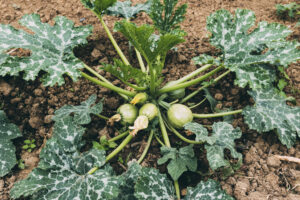
The most useful survival crops also differ in maturity periods, water requirements, climate adaptability, and storage potential. Root crops, legumes, grains, leafy vegetables, and perennial plants each contribute different advantages to a productive garden.
In this guide, we compare 20 best garden crops for survival according to food value, productivity, resilience, storage potential, and growing requirements. Discover dependable crops that can help turn an ordinary garden into a practical household food resource.
20 Best Garden Crops For Survival
1. Potatoes – Best Overall Garden Crop for Survival
Potatoes are an excellent choice for survival gardens because they produce substantial quantities of carbohydrate-rich tubers in relatively limited growing space. Their high energy content makes them useful staple foods, while their adaptability allows them to grow in many temperate and subtropical environments. Gardeners can also choose from early, midseason, and late varieties to spread harvesting across the growing season.

- VARIETY TYPE: Yukon Gold is a determinate potato variety, meaning tubers form in one main layer near the seed piece and mature uniformly for a concentrated harvest window, ideal for home gardens and raised beds
- CERTIFIED QUALITY: Blue Tag Certified seed potatoes ensure disease-free, true-to-type stock that is Non-GMO, providing reliable performance and peace of mind for healthy, high-yielding harvests
Potatoes perform best in loose, fertile, well-drained soil with consistent moisture and adequate sunlight. Hilling soil around developing stems protects tubers from sunlight exposure and encourages productive plant development. Harvest mature tubers carefully, cure them, and store undamaged potatoes in a cool, dark, well-ventilated location.
Their versatility makes potatoes suitable for boiling, roasting, mashing, drying, and other household preparations. However, they can be affected by late blight, bacterial diseases, and insect pests, so crop rotation and healthy planting material are important. Avoid eating green or heavily sprouted potatoes because they may contain elevated levels of glycoalkaloids.
- High carbohydrate content
- Productive use of garden space
- Multiple maturity varieties
- Versatile household food
- Suitable for seed tuber saving
- Can be stored after curing
- Adaptable to different climates
- Susceptible to late blight
- Requires suitable storage conditions
- Green tubers should not be eaten
2. Sweet Potatoes – Best Survival Crop for Warm Climates
Sweet potatoes are valuable survival crops because they produce energy-rich storage roots and nutritious edible leaves. Their spreading vines can cover the soil, helping suppress weeds and reduce direct soil exposure. They are particularly productive in warm climates with a sufficiently long growing season.

- CLASSIC ORANGE SWEET POTATOES: Grow your own traditional orange sweet potatoes from live slips. A familiar garden favorite producing attractive sweet potatoes with rich orange flesh.
- SLIPS MAY OR MAY NOT HAVE ROOTS: Sweet potato slips are young vegetative shoots used for planting. Slips may arrive with visible starter roots, beginning root development, or without visible roots. Root development can occur after planting under suitable conditions.
Plant healthy sweet potato slips in loose, well-drained soil with adequate sunlight. Consistent moisture during establishment and early root development encourages healthy growth, although established plants can tolerate moderate dry periods. Harvest mature roots before cold conditions damage them, then cure suitable varieties to improve eating quality and storage life.
Both roots and properly prepared leaves can contribute to household meals, making sweet potatoes useful for diversified food production. Their vegetative propagation also allows gardeners to establish additional plants from healthy vines. However, root development may be poor in compacted soils, and weevils and other pests can damage the crop.
- Energy-rich storage roots
- Edible nutritious leaves
- Suitable for warm climates
- Propagated using vine cuttings
- Moderate drought tolerance
- Useful groundcover
- Good storage potential after curing
- Sensitive to cold conditions
- Vulnerable to root pests
- Requires curing for better storage
3. Cassava – Best Drought-Tolerant Survival Crop
Cassava is an important tropical survival crop because its roots provide substantial carbohydrates and can remain in the soil until needed. Established plants tolerate dry periods better than many common vegetables, making them useful in regions with irregular rainfall. Its ability to produce food under relatively low-input conditions gives it an important role in household food security.

- Not available in CA
- Once established, Yuca Cassava requires minimal care
Cassava is propagated using healthy stem cuttings planted in warm, well-drained soil. Adequate moisture during establishment supports rooting, while suitable spacing allows the canopy to develop without excessive competition. Harvesting time varies by cultivar and growing conditions, so roots should be lifted when they have reached an appropriate size and quality.
Cassava flour, cooked roots, and other properly processed products provide several ways to use the harvest. However, cassava contains naturally occurring cyanogenic compounds, especially in certain varieties, and must be peeled and processed using safe methods before consumption. Freshly harvested roots also deteriorate relatively quickly, making timely processing important.
- High carbohydrate content
- Good drought tolerance
- Suitable for tropical regions
- Propagated through stem cuttings
- Flexible harvesting period
- Can grow under low-input conditions
- Multiple food-processing options
- Requires proper detoxifying preparation
- Fresh roots deteriorate quickly
- Takes several months to mature
4. Dry Beans – Best Survival Crop for Plant Protein
Dry beans are among the most useful crops for survival gardens because they provide plant protein, dietary fibre, minerals, and energy. Their dried seeds can be stored for extended periods when properly harvested and protected from moisture and insects. Beans also complement cereal crops because combining legumes and grains improves the overall protein quality of meals.

- 5 HEIRLOOM DRY BEAN SEED VARIETIES – Pinto (Phaseolus vulgaris), Fordhook Lima & Jackson Wonder Lima (Phaseolus lunatus), Black-Eyed Pea (Vigna unguiculata), and Chiba Green Soybean (Glycine max); selected for dependable shelling, drying, and food storage use
- HIGH-PROTEIN GARDEN STAPLES – Grow substantial, calorie-dense beans that can be harvested fresh from the vegetable garden as shell beans or allowed to fully mature and dry for long-term pantry storage
Bush beans are suitable for smaller gardens, while climbing varieties can produce on trellises and other supports. Plant them in warm soil with good drainage and maintain adequate moisture during flowering and pod development. Allow pods to mature and dry before harvesting seeds for household use and future planting.
Beans are useful in soups, stews, flour blends, and many traditional meals. As legumes, they can contribute nitrogen to the soil through biological nitrogen fixation when supported by effective root nodulation. Some dry beans, particularly kidney beans, contain naturally occurring lectins and must be thoroughly cooked before eating.
- Excellent plant protein source
- Suitable for dry storage
- Contributes to soil fertility
- Bush and climbing varieties
- Seeds can be saved
- Versatile household ingredient
- Complements cereal-based meals
- Vulnerable to bean pests
- Sensitive to prolonged waterlogging
- Requires thorough cooking
5. Field Corn – Best High-Calorie Grain Crop for Survival
Field corn is a productive grain crop that supplies carbohydrates for household meals and animal feed. Mature kernels can be ground into flour, cooked whole, or processed into different traditional foods. Its relatively high grain production makes it valuable for households with enough land and suitable growing conditions.

- Drougt resitant early corn seeds garden seeds vegetable seeds bulk
Corn grows best in warm conditions with full sunlight, fertile soil, and adequate moisture during flowering and grain development. Planting in blocks rather than isolated single rows improves wind pollination and encourages more uniform ear development. Weed control during early growth is particularly important because competition can reduce grain production.
Mature ears can be dried, shelled, and stored for future use when moisture levels are sufficiently low. Corn also provides useful residues for composting, mulching, and livestock feeding. However, the crop requires considerable nutrients and may experience damage from stem borers, armyworms, birds, and storage insects.
- High carbohydrate content
- Productive grain harvests
- Suitable for flour production
- Can provide animal feed
- Multiple culinary uses
- Dry grain can be stored
- Seeds can be saved from suitable varieties
- Requires substantial nutrients
- Vulnerable to insect pests
- Needs proper grain drying and storage
6. Winter Squash – Best Long-Storing Vegetable for Survival
Winter squash is a useful survival crop because mature fruits provide carbohydrates, fibre, vitamins, and minerals while offering good storage potential. Butternut, Hubbard, and kabocha are examples of varieties that can remain usable for months when harvested mature and stored correctly. Their productive vines can supply several fruits from a well-managed garden.

- 4 WINTER SQUASH SEED VARIETIES - Includes butternut squash (Cucurbita moschata), acorn squash (Cucurbita pepo), spaghetti squash (Cucurbita pepo), and pink banana squash (Cucurbita maxima) seeds for growing in your vegetable garden
- HIGH-YIELD FOOD PRODUCTION - Grow reliable winter squash with strong yields per plant; this four pack seed mix is excellent for traditional gardens and raised bed growing
Grow winter squash in fertile, well-drained soil with full sunlight and sufficient room for vines to spread. Maintain consistent moisture during flowering and fruit development, while avoiding excessive irrigation that keeps the root zone saturated. Harvest mature fruits with their stems attached and cure suitable varieties before placing them in a cool, dry, ventilated storage area.
The flesh can be roasted, boiled, mashed, or incorporated into soups and stews. Seeds from many varieties are also edible after appropriate preparation, adding another useful food component. However, sprawling vines require considerable space, and poor pollination, powdery mildew, and fruit rots can reduce harvest quality.
- Good storage potential
- Nutritious edible flesh
- Multiple fruits per plant
- Edible seeds in suitable varieties
- Several culinary uses
- Seeds can be saved
- Different varieties suit different climates
- Requires substantial growing space
- Vulnerable to vine diseases
- Needs curing for suitable storage
7. Pumpkins – Best Multipurpose Survival Garden Crop
Pumpkins are useful in survival gardens because they provide edible flesh and seeds from the same crop. Mature fruits contain carbohydrates, fibre, and carotenoids, while the seeds provide additional protein and oil. Many varieties produce several fruits per plant under favourable growing conditions.

- EXCELLENT SOURCE OF PROTEIN AND IRON: Pumpkin seeds (also known as pepitas in Spanish) are just a small portion of a pumpkin’s make-up, but they’re big on flavor, and they’re an excellent source of protein and iron
- VERSATILE SNACK: Mention pumpkins and most people think of jack-o-lanterns, lattes, and delicious pies. But there’s a lot more to this squash than its scrumptious flavor

Plant pumpkins in sunny locations with fertile soil and sufficient space for their vines. Consistent moisture during flowering and fruit development supports fruit formation, while good drainage helps reduce root and fruit diseases. Harvest mature fruits when their skins are firm and allow suitable varieties to cure before storage.
Pumpkin flesh can be cooked in soups, stews, porridge, and other household meals. Seeds can be cleaned, dried, and roasted, providing another useful food product from the harvest. However, pumpkin vines are vulnerable to powdery mildew, fruit flies, and other pests, and the crop may require pollinator activity for reliable fruit set.
- Edible flesh and seeds
- Good storage potential
- Multiple fruits per plant
- Several culinary uses
- Suitable for seed saving
- Provides useful dietary nutrients
- Different varieties available
- Requires considerable space
- Vulnerable to vine pests
- Needs adequate pollination
8. Cowpeas – Best Heat-Tolerant Legume for Survival
Cowpeas are valuable survival crops because they provide protein-rich seeds, edible green pods, and nutritious leaves. They tolerate heat and can perform under moderate water stress once established, making them suitable for many warm regions. Their relatively flexible growing requirements also make them useful in diversified smallholder gardens.

- VERSATILE & NUTRIENT-RICH SEEDS: Our cowpeas seeds are perfect for cover crops, food plots, forage, and more. These nutrient-dense seeds support healthy growth, providing a rich food source for wildlife and promoting overall ecosystem health. Ideal for combining with other vegetable seeds like black-eyed peas, green bean seeds, and more for a bountiful garden.
- EASY TO GROW & HIGH-QUALITY BEAN SEEDS: Our cowpeas seeds are easy to plant and cultivate, making them ideal for both novice and experienced farmers. These high-quality bean seeds ensure robust growth and high yields. Perfect for growing with your vegetable garden with other pea seeds, like black-eyed peas, field peas, and other varieties for consumption or market sale.
Sow cowpeas directly into warm, well-drained soil and control weeds during early establishment. Bush varieties suit compact plots, while climbing varieties can use supports to make better use of vertical space. Maintain adequate moisture during flowering and pod formation, although excessive watering can encourage disease.
Harvest young pods for fresh meals or leave mature pods to dry for grain and seed storage. Cowpeas can be used in soups, stews, flour, and traditional dishes, while leaves provide an additional vegetable harvest. However, pod borers, aphids, and other pests may affect production, especially when plants are poorly managed.
- Heat-tolerant growth
- Good plant protein
- Edible leaves and pods
- Suitable for dry grain storage
- Contributes to soil fertility
- Bush and climbing types
- Useful in mixed cropping systems
- Vulnerable to pod borers
- Requires moisture during flowering
- May suffer from storage pests
9. Pigeon Peas – Best Perennial Legume for Survival Gardens
Pigeon peas are valuable in tropical and subtropical survival gardens because established plants can provide food over an extended period. Their seeds contain protein and can be harvested green or dry, while the shrubs can also serve as living hedges and windbreaks. Deep roots help established plants access soil moisture during dry periods.

- 🌿 Non‑GMO, Heirloom Variety — Pure, untreated seeds with no chemicals, perfect for gardeners who want clean, natural crops.
- 🔥 High Germination Rate — Fresh, viable seeds selected for strong sprouting and vigorous early growth.USDA zones 8–11.
Plant pigeon peas in sunny locations with well-drained soil and enough room for their branching growth. They can tolerate relatively dry conditions after establishment, although moisture is important during early growth and flowering. Pruning helps manage plant height and can encourage productive regrowth in suitable varieties.
Green pigeon peas can be cooked as vegetables, while mature dry seeds provide a useful stored food. The plants also contribute organic matter and can support soil fertility through their legume root systems. However, some varieties take several months to mature, and prolonged waterlogging can damage their roots.
- Protein-rich seeds
- Green and dry harvests
- Good dry-period tolerance
- Deep-rooted growth
- Useful living hedges
- Contributes to soil fertility
- Can provide repeated harvests
- Some varieties mature slowly
- Requires space for shrub growth
- Sensitive to prolonged waterlogging
10. Groundnuts – Best Survival Crop for Protein and Oil
Groundnuts, commonly called peanuts, provide edible seeds containing protein, oil, and substantial dietary energy. They are particularly useful in survival gardens because they contribute both plant protein and dietary fat, which can be limited in staple-heavy diets. Their underground pods also make them a distinctive addition to diversified crop rotations.

- Growing Carolina African Runner Peanuts is both rewarding and simple, ideal for gardeners looking to cultivate a piece of history. The plants require full sun and loose, sandy soil for optimal development, with peanuts forming underground as the plant matures. With proper care, you'll enjoy a plentiful harvest of these flavorful peanuts in just a few months.
- Each pack contains 20 high-quality, heirloom seeds, ensuring a reliable start to your peanut-growing journey. Detailed planting instructions are included on every packet to guide you from sowing to harvest.
Groundnuts grow best in warm conditions and loose, well-drained soil that allows developing pegs to enter the ground. Maintain adequate moisture during flowering and pod formation, but avoid waterlogging. Harvest when pods have matured, then dry them thoroughly before storage.
Groundnuts can be boiled, roasted, ground into paste, or processed for oil. Their crop residues can also contribute organic material to the soil when properly managed. However, poor drying and storage can encourage moulds that produce aflatoxins, so damaged or mouldy nuts should never be consumed.
- Provides plant protein
- Rich source of edible oil
- High energy content
- Several household uses
- Suitable for warm climates
- Seeds can be saved
- Contributes to crop rotation diversity
- Requires loose soil
- Vulnerable to aflatoxin contamination
- Needs thorough drying after harvest
11. Sorghum – Best Drought-Resistant Grain Crop
Sorghum is a dependable survival crop for hot and relatively dry regions because many varieties tolerate heat and drought better than maize. Its grain can be milled into flour, cooked whole, or used in traditional porridge and other meals. Some varieties also provide useful fodder, making sorghum valuable for households keeping livestock.

- Sorghum Seeds: These heirloom sorghum seeds are Non-GMO, open-pollinated, and are 100% pure and natural. Great for planting in your home garden
- Sorghum Planting Instructions: To plant sorghum seeds, prepare well-drained soil and sow the seeds 1/2 inch deep. The seeds will sprout in 3-5 days.
Sow sorghum in warm soil and select a variety suited to local rainfall and growing-season length. Establishment is important because young plants can suffer from weed competition, even though mature sorghum is relatively resilient. Harvest mature grain when the heads have dried sufficiently, then thresh and store it under dry conditions.
Sorghum grain can be stored for later consumption when protected from moisture, mould, and insects. The crop is also useful in rotation systems and can provide biomass for livestock feed or soil improvement. However, birds may consume developing grain, and some varieties require appropriate processing to improve eating quality.
- Good drought tolerance
- Heat-adapted varieties
- Useful grain production
- Suitable for flour
- Can provide livestock fodder
- Grain stores when dried properly
- Several traditional food uses
- Vulnerable to bird damage
- Young plants need weed control
- Grain requires proper drying and storage
12. Millet – Best Low-Water Cereal for Survival
Millet is an important survival cereal because many types mature relatively quickly and tolerate dry conditions. Its small grains can be cooked whole, milled into flour, or prepared as porridge and other traditional foods. Millet is particularly useful where rainfall is unreliable and other cereal crops struggle to produce consistent harvests.

- Organic millet is more than just a grain; it's a powerhouse of nutrition. This simple grain is a fantastic source of essential nutrients, including B vitamins, manganese, magnesium, iron, and zinc.
- Experience the versatility of organic millet. This grain is an effortless addition to any meal, with a quick cooking time that yields a light and fluffy texture.
Choose a millet species and variety suited to the local climate, soil, and available growing season. Sow into a prepared seedbed and maintain weed control during the early stages of growth. Harvest mature seed heads at the appropriate stage and dry the grain thoroughly before threshing and storage.
Millet can provide dietary energy and useful minerals, while its grain is suitable for several household preparations. Some varieties also provide fodder and crop residues for livestock. However, yields depend on the species selected, and small grains may require additional cleaning and processing before cooking.
- Adapted to dry conditions
- Relatively short maturity in many types
- Useful grain production
- Suitable for flour and porridge
- Can provide livestock fodder
- Several species and varieties
- Stores well when properly dried
- Small grain needs processing
- Vulnerable to bird damage
- Yield varies by species and climate
13. Amaranth – Best Dual-Purpose Survival Crop
Amaranth is a versatile crop because certain species produce edible leaves while grain types provide nutritious seeds. Its ability to grow in warm conditions and its relatively flexible growing requirements make it useful in diversified household gardens. The crop can contribute both leafy vegetables and grain, depending on the species and variety selected.

- ORGANIC ANCIENT GRAIN: There are grains, and then there's amaranth. Along with buckwheat and quinoa, amaranth is one of the few plant sources to offer a complete set of amino acids, making it a rare plant source of complete protein.
- GOOD SOURCE OF PROTEIN AND FIBER: It's naturally gluten-free and a good source of protein and fiber.
Plant amaranth in a sunny location with well-drained soil and adequate moisture during establishment. Leaf varieties can be harvested progressively, while grain varieties should be allowed to mature before their seed heads are collected. Avoid allowing unwanted plants to spread excessively because some amaranth species readily produce large quantities of seed.
The leaves can be cooked as vegetables, while the seeds can be cooked whole or milled into flour. Grain amaranth also contributes protein and minerals, making it a useful addition to cereal-based diets. However, production can be affected by weeds, insects, and excessive moisture, and the small seeds require careful harvesting and cleaning.
- Leaf and grain production
- Useful dietary nutrients
- Adaptable warm-season growth
- Multiple food preparations
- Suitable for small gardens
- Seeds can be saved
- Several species and varieties
- Small seeds need cleaning
- Some species spread readily
- Vulnerable to pests and weeds
14. Soybeans – Best High-Protein Survival Crop
Soybeans are among the most valuable protein crops for survival gardens because their seeds contain substantial protein and oil. They can be processed into several foods, including cooked beans, flour, tofu, and other traditional products. Their nitrogen-fixing ability also makes them useful in crop rotations when plants develop effective root nodules.

- HEIRLOOM VARIETY & HIGH YIELD: Outsidepride soy bean seeds is a robust heirloom strain known for its high yield, producing over 3 bushels per acre more than the popular Manokin variety, making it a valuable choice for maximizing harvest output. This variety is perfect for outdoor gardening enthusiasts looking to optimize their yard space.
- RICH IN PROTEIN & OIL WITH VERSATILE USES: Containing about 18% oil and 38% protein, this soybean variety is perfect for producing high-quality soy bean oil and protein-rich meal. These soybeans can be processed into a wide range of products, including soy milk powder, soy flour, soy protein, tofu, and various industrial non-food products, showcasing its versatility. Ideal for making various soy-based meals such as edamame snacks.
Grow soybeans in warm conditions with full sunlight and well-drained soil. Planting at the correct time and selecting suitable maturity groups are important because varieties differ in their response to day length and growing-season length. Harvest green pods for edamame or allow mature pods to dry for stored grain.
Soybeans provide considerable dietary value and can support household food diversity. They also produce residues that can be incorporated into soil management systems after harvest. However, they require proper processing and cooking for many food uses, and pests, diseases, and moisture stress can affect production.
- High plant protein
- Provides edible oil
- Green and dry harvests
- Several food-processing options
- Contributes to soil fertility
- Suitable for crop rotations
- Seeds can be saved
- Requires suitable maturity variety
- Vulnerable to pests and diseases
- Some foods require processing
15. Moringa – Best Survival Tree for Nutritious Leaves
Moringa is a valuable perennial food plant because its leaves provide vitamins, minerals, and protein. The young leaves can be harvested repeatedly, making the tree useful for households that want a continuing supply of leafy vegetables. It is particularly suitable for warm climates and can be managed as a shrub in smaller gardens.

- 🌱 200+ PREMIUM PKM1 MORINGA SEEDS — Each 2 oz resealable pouch contains 200+ PKM1 variety Moringa Oleifera seeds (semillas de moringa). Non-GMO, sun-dried, and wingless for easy snacking and planting. Drumstick tree seeds from Garden Haven.
- 🥜 EDIBLE SUPERFOOD SNACK — Moringa seeds for eating are rich in Vitamin C, Vitamin A, Calcium, Potassium, Iron, and plant-based Protein. Eat them raw as a healthy nut-like snack, or toss into smoothies, salads, trail mix, yogurt, and oatmeal. Malunggay seeds the whole family can enjoy daily.
Moringa grows best in warm conditions with full sunlight and well-drained soil. It can be established from seeds or suitable stem cuttings, while pruning helps control height and encourages branching for easier leaf harvesting. Avoid prolonged waterlogging because excessive soil moisture can cause root problems.
The leaves can be cooked fresh or dried for later use, while young pods are eaten in some cuisines. Dried leaf powder can also be incorporated into meals, although it should complement rather than replace a balanced diet. Moringa is sensitive to frost, and frequent heavy harvesting without adequate regrowth can weaken plants.
- Nutritious edible leaves
- Repeated leaf harvests
- Suitable for warm climates
- Can be pruned as a shrub
- Propagated by seeds or cuttings
- Leaves can be dried
- Useful perennial food plant
- Sensitive to frost
- Does not tolerate waterlogging
- Requires pruning for compact growth
16. Kale – Best Cold-Tolerant Leafy Vegetable for Survival
Kale is a useful survival garden crop because it provides edible leaves over an extended harvesting period. Its leaves contain vitamins, minerals, fibre, and other nutrients that help diversify staple-heavy meals. Many varieties tolerate cool weather and can continue producing when some warm-season vegetables have finished.

- DELICIOUS DINO KALE – Heirloom Lacinato kale, also called Dinosaur or Tuscan kale, produces tender dark green leaves perfect for soups, salads, or kale chips
- ALL SEASON GROWING – Cold hardy Lacinato kale thrives in fall gardens sweetened by frost, yet grows equally well in spring or summer for fresh greens through the year
Grow kale in fertile, well-drained soil with adequate moisture and sufficient sunlight. Harvest the lower mature leaves progressively while allowing the growing point to continue producing new foliage. Mulching and consistent irrigation help maintain leaf quality, especially during dry periods.
Kale can be eaten cooked, incorporated into soups, or preserved by suitable drying and freezing methods. Its relatively compact growth makes it useful in home gardens and mixed vegetable beds. However, cabbage worms, aphids, and flea beetles can damage foliage, so regular crop inspection is important.
- Nutrient-rich leaves
- Progressive harvesting
- Many cool-season varieties
- Suitable for small gardens
- Multiple cooking uses
- Can tolerate light frost
- Useful in mixed vegetable beds
- Vulnerable to caterpillars
- Requires consistent moisture
- Leaf quality declines in heat
17. Cabbage – Best Storage Vegetable for Survival Gardens
Cabbage is a dependable survival garden vegetable because it produces substantial edible heads that can be used fresh or preserved. It provides fibre, vitamin C, and other nutrients, while suitable varieties can remain usable for some time after harvest. Its versatility makes it useful in soups, cooked dishes, salads, and fermented foods.

- Copenhagen Cabbage Seeds for Planting - Copenhagen Cabbage (brassica oleracea var. capitata) produces medium-sized, green heads with a sweet, delicate flavor, perfect for enhancing any dish.
- Planting Tips: Plant 1/4 inch deep, spacing plants 1-2 inches apart with 2 inches between rows
Cabbage grows best in fertile soil with consistent moisture and sufficient sunlight. Transplant healthy seedlings at appropriate spacing and maintain weed control during head formation. Harvest firm heads before they split, then store them under cool conditions or preserve them through fermentation.
Fermented cabbage can provide a useful preserved vegetable when prepared hygienically using an appropriate recipe and process. Different varieties can also be selected for fresh consumption, storage, or processing. However, cabbage is vulnerable to diamondback moth, cabbage loopers, aphids, and diseases associated with poor crop rotation.
- Produces substantial heads
- Useful dietary nutrients
- Suitable for fermentation
- Multiple culinary uses
- Different maturity varieties
- Can be stored when cool
- Suitable for home gardens
- Vulnerable to caterpillars
- Requires regular moisture
- Sensitive to some soil diseases
18. Carrots – Best Root Vegetable for Nutritional Diversity
Carrots are useful survival garden crops because their roots provide dietary fibre, carotenoids, and other nutrients. They can be eaten fresh, cooked, dried, or incorporated into soups and stews. Their relatively compact growth habit also makes them suitable for smaller household gardens.

- Premium Seeds: Tendersweet heirloom carrot variety offering approximately 2600 seeds for extensive garden planting and multiple growing seasons
- Heirloom Quality: Open-pollinated carrot seeds preserving traditional genetics and allowing seed saving for future plantings
Sow carrot seeds directly into loose, stone-free soil because transplanting can deform developing roots. Maintain consistent moisture during germination and early growth, as carrot seeds can take time to emerge. Thin seedlings to the appropriate spacing so roots have sufficient room to develop.
Mature carrots can be harvested as needed, while suitable varieties can be stored under cool, humid conditions. Their roots can also be sliced and preserved through appropriate drying methods. However, compacted soil causes misshapen roots, and carrot flies, nematodes, and other pests can reduce marketable yields.
- Provides dietary fibre
- Rich in carotenoids
- Suitable for fresh meals
- Can be cooked or dried
- Compact garden growth
- Multiple varieties
- Can be stored under suitable conditions
- Needs loose soil
- Slow and delicate germination
- Vulnerable to root pests
19. Onions – Best Long-Lasting Kitchen Crop for Survival
Onions are valuable survival garden crops because they provide flavour and useful nutrients while keeping well after proper curing. They can be used in a wide range of meals, helping households prepare more varied dishes from basic stored staples. Their relatively high culinary value makes them useful even when grown in modest quantities.

- 8 ONION VARIETIES WITH DISTINCT ADVANTAGES AND UNIQUE FEATURES. A diverse range of unusual flavors, shapes, and colors, from sweet to pungent. Perhaps it’s time to welcome something new to your garden. Diversity is the key to an interesting and abundant harvest. Why not discover new aspects of a familiar vegetable when nature offers such rich choices? Amazing variations of this valuable everyday product will delight your taste buds. Many dishes are unimaginable without these vegetables.
- BARLETTA is a high-quality, extra early, vigorous salad-type variety. It’s grown both for its green stalks and bulbs. Long, hollow, dark-green stalks are rich in carotene, essential oils, and phytoncides. Bulbs are flat-round, pearl-white, with thin necks. Its semi-spicy, juicy, sweet, mild taste and tender texture provide gentle piquancy suitable for a wide range of dishes. An excellent flavor base for sauces, marinades, and pickling.
Onions require a sunny growing location, fertile soil, and consistent moisture during active growth. Select short-day, intermediate-day, or long-day varieties according to local day length because bulb formation is influenced by photoperiod. Reduce irrigation as bulbs mature, then harvest and cure them in a dry, well-ventilated location.
Properly cured onions can remain usable for extended periods depending on the variety and storage conditions. They can also be grown from seed, sets, or transplants, giving gardeners several establishment options. However, thrips, fungal diseases, and poor curing can reduce bulb quality and storage life.
- Important cooking ingredient
- Good storage after curing
- Multiple planting methods
- Useful in many meals
- Suitable for small gardens
- Several bulb varieties
- Can be preserved by drying
- Variety must match day length
- Vulnerable to thrips
- Requires proper curing
20. Garlic – Best Survival Crop for Storage and Culinary Use
Garlic is a useful survival garden crop because its bulbs can be stored after proper curing and used to flavour many household meals. It requires relatively little garden space compared with sprawling staple crops, making it suitable for mixed vegetable gardens. Garlic also provides a practical way to diversify the household harvest beyond grains and root crops.

- Bold, Rich Flavor: Known for their robust, spicy taste that intensifies when cooked—perfect for roasting, sautés, and garlic-infused oils.
- Easy to Grow: Ideal for both beginner and experienced gardeners; minimal effort required for a generous harvest.
Plant healthy garlic cloves in fertile, well-drained soil with adequate sunlight. Select varieties suited to the local climate and plant them at the appropriate season to support bulb development. Harvest when the lower leaves begin to dry, then cure bulbs in a shaded, well-ventilated area.
Garlic can be used fresh, dried, or incorporated into preserved foods and seasoning mixtures. Suitable bulbs can be retained for planting the next crop, allowing gardeners to maintain their own planting material. However, garlic is vulnerable to rot in poorly drained soils, and small cloves or unsuitable varieties may produce undersized bulbs.
- Stores well after curing
- High culinary value
- Requires relatively little space
- Suitable for mixed gardens
- Can be replanted from cloves
- Useful in many food preparations
- Can be dried for storage
- Sensitive to waterlogged soil
- Requires suitable planting season
- Small cloves may produce small bulbs
7 Important Factors to Consider When Choosing Garden Crops for Survival
1. Calorie Production
Prioritize crops that provide substantial food energy, particularly potatoes, sweet potatoes, cassava, corn, and other grains. These crops can form the foundation of a household food supply because they provide carbohydrates needed for daily energy. Leafy vegetables remain important, but they should complement rather than replace staple calorie crops.
2. Protein and Dietary Fat
A survival garden should include legumes and oil-producing crops to improve nutritional balance. Dry beans, cowpeas, pigeon peas, soybeans, and groundnuts provide protein, while groundnuts also supply useful dietary oil. Combining legumes with cereals creates more balanced meals than relying on one food group.
3. Climate and Water Availability
Select crops according to local temperature, rainfall, soil type, and length of the growing season. Cassava, cowpeas, sorghum, and millet are useful options in many warm and relatively dry environments, while potatoes and kale may suit cooler conditions. Even drought-tolerant crops need water during establishment and important growth stages.
4. Storage and Preservation
A productive garden should provide food that can be used beyond the harvest period. Potatoes, onions, garlic, dry beans, grains, and winter squash can be stored under appropriate conditions, while other vegetables can be dried, fermented, or processed. Plan storage before planting because harvesting more food than you can preserve may result in avoidable losses.
5. Harvest Timing and Crop Diversity
Plant crops with different maturity periods so that food becomes available at several points throughout the year. Fast-growing leafy vegetables can provide early harvests, while cassava, pigeon peas, and perennial plants contribute later or repeated production. A mixture of crops also reduces the risk of losing the entire food supply to one pest or disease outbreak.
6. Seed Saving and Propagation
Choose crops that allow you to retain suitable planting material for future seasons. Dry beans, cowpeas, maize, sorghum, millet, and many vegetables can produce seed for subsequent plantings when varieties are suitable and properly isolated. Potatoes, sweet potatoes, cassava, and garlic can be propagated using healthy tubers, slips, cuttings, or cloves.
7. Soil Fertility and Long-Term Productivity
A survival garden must maintain soil productivity rather than simply maximize one harvest. Rotate crops, include legumes, return suitable plant residues as organic matter, and use compost or well-decomposed manure where available. Avoid repeatedly planting the same crop family in the same beds because this can increase disease pressure and nutrient depletion.
Frequently Asked Questions
1. What are the best garden crops for survival?
Potatoes, sweet potatoes, cassava, dry beans, field corn, winter squash, and cowpeas are strong choices because they provide energy, protein, or useful storage potential. A balanced garden should also include leafy vegetables, oil-producing crops, and perennial plants. The best selection depends on local climate, soil, water availability, and household food preferences.
2. Which survival crops produce the most calories?
Potatoes, sweet potatoes, cassava, field corn, and other staple grains can provide substantial dietary energy. Their productivity varies according to the variety, growing season, soil fertility, water supply, and management. Combining several calorie crops reduces dependence on a single harvest.
3. What are the easiest survival crops for beginners?
Cowpeas, dry beans, pumpkins, sweet potatoes, and some leafy amaranth varieties can be useful starting points in suitable climates. They offer different levels of management difficulty, and their performance depends on local growing conditions. Begin with crops that are already commonly grown in your area because locally adapted varieties are often easier to manage.
4. Which garden crops can be stored without refrigeration?
Dry beans, properly dried grains, cured onions, garlic, and suitable winter squash can be stored without refrigeration when kept under appropriate conditions. Potatoes can also be stored in cool, dark, ventilated locations, although their storage life depends on variety and temperature. Always protect stored food from moisture, rodents, insects, and mould.
5. What are the best survival crops for areas with limited rainfall?
Sorghum, millet, cowpeas, pigeon peas, and established cassava plants are useful options in many dry environments. These crops have characteristics that can help them perform under lower rainfall than some conventional vegetables. However, planting time, soil moisture conservation, and water availability during establishment remain important.
6. Can a small garden provide enough food for a household?
A small garden can contribute valuable fresh vegetables, legumes, and some staple foods, but it may not provide all the calories required by a household throughout the year. The amount of food produced depends on the garden area, crop selection, climate, management, and household size. Prioritize high-yielding crops and use vertical supports, succession planting, and intensive bed management where appropriate.
7. How many different crops should a survival garden contain?
There is no fixed number, but growing several different crop groups is generally more resilient than relying on one or two species. Include calorie staples, legumes, leafy vegetables, storage crops, and perennial plants where suitable. Crop diversity spreads production risk and improves the variety of food available to the household.
Conclusion
In conclusion, potatoes are the best overall choice for many survival gardens because they provide substantial calories and can produce useful harvests in relatively limited space, while sweet potatoes are an excellent runner-up for warm climates because both their roots and leaves can be used as food. Cassava, field corn, and winter squash also provide valuable staple production and storage potential.
Dry beans, cowpeas, pigeon peas, soybeans, and groundnuts strengthen the nutritional value of a survival garden by supplying protein and, in some cases, dietary oil. Sorghum and millet are particularly useful in dry environments, while amaranth, kale, cabbage, carrots, onions, and garlic broaden household food options.
Moringa adds a perennial source of nutritious leaves, while crops such as pumpkins provide multiple edible components. The best planting strategy is to combine crops with different maturity periods, water requirements, and storage characteristics rather than depending on a single staple.
Choose crops that are adapted to your local conditions, maintain soil fertility, and plan how each harvest will be preserved. A diversified and well-managed garden can provide a more dependable household food supply through difficult growing seasons and periods of disruption.
Recent Posts
Four o’clocks bring colorful evening flowers, but their performance depends on where they grow. Choosing the best place to plant 4 o'clocks means providing suitable sunlight, drainage, and...
What Are The Medicinal Uses Of The Four O'clock Plant? 13 Best
The four o'clock plant (Mirabilis jalapa) is a flowering perennial traditionally valued in several cultures for its ornamental beauty and reported medicinal properties. Research into the medicinal...