Hummingbird moths are fascinating pollinators that hover around flowers while feeding on nectar with their long proboscises. Their feeding habits make certain tubular, fragrant, and nectar-producing flowers particularly useful in pollinator-friendly gardens.
Unlike many butterflies, hummingbird moths include species that are active during the evening and at night, although some also forage during daylight. Planting flowers with suitable shapes, accessible nectar, and overlapping blooming periods can help provide food throughout the growing season.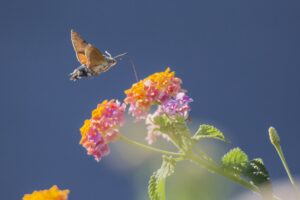
Choosing the right flowers requires understanding their individual characteristics rather than assuming every colorful bloom attracts these moths equally. Fragrance, flower depth, nectar availability, and flowering time all influence how useful a plant may be.
In this guide , we explore 15 flowers that can support hummingbird moths and other nectar-feeding pollinators. Each selection has distinctive floral characteristics that make it worth considering when designing a garden for these remarkable insects.
What Is The Favorite Flower Of Hummingbird Moths? Top 15 Best
1. Phlox – Best Fragrant Flower Clusters for Attracting Hummingbird Moths
Phlox is among the best fragrant flower clusters for attracting hummingbird moths because its numerous small flowers produce nectar that can support visiting pollinators. Depending on the species, phlox produces clusters of pink, purple, white, or red flowers that add color to garden borders. Its extended flowering period can also provide a useful nectar source when other plants are between blooming cycles.

- Variety: Available in various colors including pink, purple and white, perfect for creating colorful flower displays.
- Versatility: Suitable for garden beds, border edging or balcony pots, meeting different landscaping needs.
Garden phlox generally performs well in fertile, well-drained soil with adequate sunlight and consistent moisture. Tall varieties are particularly useful in mixed perennial borders because their flower clusters are easy for flying pollinators to locate. Good air circulation and appropriate spacing help reduce powdery mildew problems that can affect susceptible varieties.
When selecting phlox, consider varieties with strong fragrance and a long flowering period. Deadheading spent flower clusters can encourage additional blooms in some cultivars. Its combination of ornamental value and accessible flowers makes phlox a useful component of a diverse pollinator garden.
- Fragrant flowers
- Colorful blooms
- Nectar availability
- Long flowering season
- Perennial varieties
- Border suitability
- Pollinator appeal
- Powdery mildew risk
- Moisture requirements
- Some shade sensitivity
2. Honeysuckle – Best Nectar-Rich Climbing Flowers for Hummingbird Moths
Honeysuckle is among the best nectar-rich climbing flowers for hummingbird moths because many species produce elongated, tubular blooms containing accessible nectar. Its flowers may appear in white, yellow, pink, orange, or red, depending on the species and cultivar. The climbing growth habit allows gardeners to establish flowering cover along fences, trellises, and garden structures.

- Hardy twining climbing vine with symmetrical fragrant flowers, producing sweet and edible nectar to add natural aroma to the garden
- Contains over 40 active medicinal compounds, with anti-inflammatory, antibacterial, antiviral, antioxidant and hepatoprotective effects, combining ornamental and practical values
Choose a honeysuckle species suited to your climate and growing space because different species have different flowering periods and growth requirements. Many varieties perform well in sunny locations with moist, well-drained soil, although some tolerate partial shade. Providing a sturdy support structure helps the vine develop without sprawling across nearby plants.
Native honeysuckle species are particularly valuable when designing gardens for local pollinators. Avoid invasive varieties that can spread aggressively and displace native vegetation. With suitable species selection and regular maintenance, honeysuckle can provide an attractive vertical nectar source.
- Tubular flowers
- Nectar-producing blooms
- Fragrant varieties
- Vertical garden coverage
- Attractive flower colors
- Pollinator habitat
- Several native options
- Some invasive species
- Requires support
- Regular pruning needed
3. Bee Balm – Best Tubular Flower Heads for Hummingbird Moth Feeding
Bee balm is among the best tubular flower heads for hummingbird moth feeding because its individual flowers have elongated floral tubes that can provide access to nectar. Its distinctive flower heads are usually available in shades of red, pink, purple, and white. These blooms also attract bees, butterflies, and other beneficial insects, making the plant useful in mixed pollinator gardens.

- Pollinator Garden Color: Grow bee balm seeds into purple summer blooms that attract bees, butterflies & hummingbirds, adding lively movement to beds, borders and native plantings
- Uniform Purple, Not Mixed: bee balm seeds deliver a consistent purple look that pairs beautifully with cottage borders and fence lines, helping your landscape feel planned and cohesive
Bee balm grows well in fertile soil with consistent moisture and good drainage. Most varieties flower during summer, producing upright stems that can reach different heights depending on the cultivar. Adequate spacing and air circulation are important because crowded plants are more susceptible to powdery mildew.
Plant bee balm in a sunny or lightly shaded location according to the requirements of the selected variety. Removing faded flower heads can improve the appearance of the planting and may encourage additional flowering. Its distinctive floral structure and abundant blooms make it a useful addition to gardens intended to support nectar-feeding insects.
- Tubular individual flowers
- Nectar-rich blooms
- Distinctive flower heads
- Attractive red varieties
- Pollinator diversity
- Summer flowering
- Perennial selections
- Powdery mildew risk
- Requires moisture
- Can spread aggressively
4. Butterfly Bush – Best Extended-Blooming Nectar Panicles for Hummingbird Moths
Butterfly bush is among the best extended-blooming nectar panicles for hummingbird moths because its elongated flower clusters can produce numerous small, nectar-bearing flowers. The blooms commonly appear in purple, pink, white, and blue-toned shades, depending on the cultivar. Their extended flowering period can provide a continuing food source for several types of visiting pollinators.

- 300 Premium Butterfly Bush Seeds: Create a butterfly paradise with our collection of 300 Buddleia seeds. Grow these fast-growing shrubs that produce beautiful flower spikes adored by beneficial pollinators.
- Butterfly-Attracting Flower Spikes: Enjoy long, graceful flower spikes in shades. The honey-scented blooms are particularly attractive to butterflies and other pollinators from miles around.
Butterfly bush grows best in sunny locations with well-drained soil and adequate room for its mature size. Pruning at the appropriate time can help maintain its structure and encourage vigorous flowering. Some cultivars are more compact than traditional varieties, making them suitable for smaller ornamental gardens.
Before planting butterfly bush, check whether the selected species or cultivar is considered invasive in your region. Sterile or low-seed cultivars may be available where recommended by local horticultural authorities. Native nectar-producing shrubs should also be included to provide a wider range of resources for local wildlife.
- Long flower panicles
- Extended flowering
- Nectar-producing flowers
- Several color options
- Attractive shrub habit
- Sunny-site suitability
- Pollinator visitation
- Invasive potential
- Requires pruning
- Not always native
5. Evening Primrose – Best Evening-Opening Flowers for Night-Feeding Moths
Evening primrose is among the best evening-opening flowers for night-feeding moths because several species open their blooms late in the day when nocturnal pollinators become active. Depending on the species, the flowers may be yellow, pink, or white, with some varieties producing noticeable fragrance. Their flowering behavior makes them relevant when designing gardens for evening-active nectar feeders.

- VIVID YELLOW EVENING BLOOMS, DUSK TO DAWN: Common Evening Primrose (Oenothera lamarckiana) opens striking 2–3 in. bright yellow flowers at dusk, staying open through morning — creating bold color impact while attracting moths, native bees, and evening pollinators consistently from summer through fall across USDA Zones 4–9.
- 575 HEIRLOOM NON-GMO SEEDS — RELIABLE 14–21 DAY GERMINATION: Each pack contains 575 open-pollinated, non-GMO evening primrose seeds (0.3g), surface sown for germination in 14–21 days at 65–70°F — no indoor starts required. Save seeds from your best plants each season to regrow year after year at no added cost.
Most evening primrose species prefer well-drained soil and a sunny growing location. Some varieties are biennial, while others are perennial, so gardeners should check the growth habit before purchasing seeds. Their ability to grow in relatively lean soils makes certain species suitable for naturalized garden areas.
Allow sufficient space for spreading varieties because some evening primrose species can self-seed readily. Removing unwanted seedlings helps prevent the planting from becoming overcrowded. Select a species suited to your local conditions to establish a reliable evening-flowering nectar resource.
- Evening-opening blooms
- Nighttime pollinator appeal
- Attractive flower colors
- Several growth habits
- Sunny-site suitability
- Naturalized garden value
- Some drought tolerance
- Self-seeding potential
- Species-specific lifespan
- Some varieties spread widely
6. Four O’Clock Flowers – Best Trumpet-Shaped Evening Blooms for Hummingbird Moths
Four o’clock flowers are among the best trumpet-shaped evening blooms for hummingbird moths because their flowers commonly open later in the day and remain available into the evening. The funnel-shaped blooms come in colors such as pink, magenta, yellow, white, and mixed patterns. Their flowering schedule can complement other plants that provide nectar during daylight hours.

- 1. Heirloom Mixed Four O’Clock Seeds (50 pcs) - Grow your own Mirabilis jalapa with a stunning variety of colors, including broken and multi-colored blooms, adding vibrant beauty to any garden.
- 2. Attracts Pollinators Naturally - The fragrant evening-blooming flowers attract hummingbirds, butterflies, and bees, supporting a healthy and lively garden ecosystem.
Four o’clock plants grow well in sunny locations with fertile, well-drained soil. They develop bushy growth and can produce numerous flowers throughout warm weather when growing conditions are suitable. In colder climates, their tuberous roots may be lifted and stored for replanting where winter survival is uncertain.
Provide adequate space because mature plants can become broad and produce numerous branches. Regular watering during prolonged dry periods helps maintain flowering and healthy foliage. Their evening-opening flowers make them a useful option for gardens intended to support nocturnal pollinators.
- Evening-opening flowers
- Trumpet-shaped blooms
- Multiple flower colors
- Bushy growth habit
- Extended seasonal flowering
- Suitable for borders
- Easy seed propagation
- Can self-seed
- Requires adequate space
- Tubers need winter protection
7. Nicotiana – Best Fragrant Tubular Flowers for Night-Active Moths
Nicotiana is among the best fragrant tubular flowers for night-active moths because many ornamental species produce narrow floral tubes and release noticeable fragrance during evening hours. The flowers may be white, pink, red, or greenish, depending on the species and cultivar. White-flowered varieties with strong evening fragrance are particularly relevant for gardens designed around nocturnal pollinator activity.

- VARIETY MIX: Includes a stunning blend of star-shaped blooms in red, pink, white, and purple shades for a vibrant display.
- GENEROUS QUANTITY: Each package contains 500 seeds, providing plenty of coverage for garden beds, borders, and containers.
Nicotiana generally performs well in fertile, well-drained soil with adequate moisture. Some varieties are grown as annuals, while others may behave as short-lived perennials in suitable climates. Planting several specimens together can create a more noticeable display and provide multiple flowering stems.
Choose ornamental varieties based on their mature height, fragrance, and flowering characteristics. Nicotiana plants in the nightshade family should not be consumed, and their leaves and other parts should be kept away from children and pets. Their fragrant tubular flowers make them a useful option for evening-oriented pollinator plantings.
- Tubular flowers
- Evening fragrance
- Several flower colors
- Ornamental varieties
- Border suitability
- Night pollinator appeal
- Long flowering potential
- Toxic if ingested
- Some varieties need staking
- Moisture-sensitive seedlings
8. Petunia – Best Funnel-Shaped Flowers for Hummingbird Moth Gardens
Petunias are among the best funnel-shaped flowers for hummingbird moth gardens because their open, trumpet-like blooms can provide access to floral resources for visiting pollinators. Their flowers are available in numerous colors, including purple, pink, white, red, and striped combinations. Their compact growth habit also makes them suitable for containers, hanging baskets, and garden borders.

- ✨ Add waves of red, rose, pink, violet, yellow, orange, white and lavender all summer long to your containers, hanging baskets or borders with this stunning dwarf mix. Silky trumpet shaped flowers bloom heavily on top of bright green spreading plants.
- 🦋 Excellent for bees, butterflies, and hummingbirds.
Petunias perform best in sunny locations with well-drained soil and regular watering. Container-grown plants require particular attention because their growing medium can dry out faster than garden soil. Removing faded flowers and trimming leggy stems can help maintain a compact appearance and encourage continued flowering.
Select varieties with open flowers and avoid relying exclusively on heavily modified double-flowered cultivars when designing a pollinator garden. Petunias should be combined with plants that offer more specialized nectar resources, including tubular and evening-fragrant flowers. This creates a more diverse feeding environment for different pollinator species.
- Funnel-shaped flowers
- Extensive color range
- Container suitability
- Long flowering period
- Compact varieties
- Easy garden integration
- Open-flowered selections
- Frequent watering needed
- Some varieties need deadheading
- Double flowers less accessible
9. Lantana – Best Nectar-Producing Flower Clusters for Warm-Climate Pollinator Gardens
Lantana is among the best nectar-producing flower clusters for warm-climate pollinator gardens because its small individual flowers are grouped into dense, colorful heads that attract several types of insects. Depending on the cultivar, the flower clusters may display yellow, orange, pink, red, or mixed colors. Its ability to flower over an extended period in suitable climates makes it a useful source of nectar for generalist pollinators.

- Abundant Pack for Garden Projects: This pack includes 600 lantana flower seeds, perfect for large garden beds, containers, or balcony landscaping. Great for creating a vivid, lively garden atmosphere with seasonal color
- Colorful Blooms That Last: Grow vibrant, multicolor lantana flowers that bring eye-catching brightness to your backyard or patio throughout the seasons
Lantana grows well in sunny locations and generally tolerates heat once established. It performs best in well-drained soil and may require pruning to maintain a manageable shape. Compact cultivars can be grown in containers, while larger varieties are suitable for shrub borders and open garden spaces.
Check local invasive-plant guidance before selecting lantana because some species and cultivars can spread aggressively in suitable climates. The plant is also toxic if ingested, particularly its unripe berries, so it should be positioned carefully around children and animals. Use it as one component of a diverse planting rather than treating it as a specialized hummingbird moth host or nectar plant.
- Heat tolerance
- Dense flower clusters
- Extended flowering
- Multiple flower colors
- Drought tolerance
- Container varieties
- General pollinator appeal
- Invasive potential
- Toxic berries
- Requires occasional pruning
10. Salvia – Best Nectar-Rich Flower Spikes for Hummingbird Moths
Salvia is among the best nectar-rich flower spikes for hummingbird moths because many species produce tubular flowers arranged along upright or branching stems. These blooms can provide nectar for a range of long-tongued pollinators, depending on the species and flower structure. Their vertical flowering habit also creates useful variation in mixed perennial borders.

- Fast Sage Seed Germination: Blue sage seeds germinate in 7–14 days at optimal conditions. These blue salvia seeds ensure reliable growth for outdoor gardens, making them ideal flower seeds to plant outside.
- Compact Upright Growth: Blue salvia plant grows up to 18 inches tall with elegant spikes. These blue sage flower seeds create vertical accents in garden borders, flower beds, and decorative landscaping designs.
Salvia species differ considerably in their height, flowering season, and moisture requirements. Most ornamental varieties perform well in sunny locations with well-drained soil, although some tolerate partial shade. Deadheading spent flower spikes can improve the appearance of many varieties and encourage additional flowering.
Choose salvia species with floral structures and growing requirements suited to your garden. Native species are especially worth considering because they can provide resources for locally adapted pollinators. Combining several salvia varieties with evening-flowering plants can help extend the availability of nectar throughout the day and night.
- Tubular flowers
- Nectar-bearing blooms
- Upright flower spikes
- Several species available
- Long flowering varieties
- Sunny-site suitability
- Native selections
- Species-specific care
- Some need deadheading
- Poor drainage problems
11. Jasmine – Best Fragrant Evening Flowers for Night-Flying Moths
Jasmine is among the best fragrant evening flowers for night-flying moths because several species produce strongly scented blooms that become particularly noticeable after sunset. The flowers are commonly white or yellow, although flowering characteristics vary between species. Their fragrance can help make jasmine a useful component of a garden designed to attract nocturnal pollinators.

- Safe Seeds: 50 seeds you will receive, great Jasminum Seeds, good to plant
- 50 Pcs Jasminum Seeds
Jasmine can be grown as a climbing vine, shrub, or container plant depending on the species. Many varieties prefer warm conditions, fertile soil, and good drainage, while some tolerate partial shade. Provide a trellis or other support for climbing types so that their stems can develop without becoming tangled.
Select jasmine species according to their flowering time, fragrance, and suitability for your climate. Some species flower during particular seasons, while tropical varieties may bloom over longer periods under favorable conditions. Keep in mind that fragrance alone does not guarantee hummingbird moth visitation, so combine jasmine with flowers that provide accessible nectar.
- Strong floral fragrance
- Evening scent
- Attractive white blooms
- Climbing varieties
- Shrub varieties
- Container suitability
- Ornamental garden value
- Species-specific care
- Some require support
- Fragrance varies by variety
12. Cardinal Flower – Best Red Tubular Blooms for Long-Tongued Pollinators
Cardinal flower is among the best red tubular blooms for long-tongued pollinators because its elongated flowers contain nectar and have a structure suited to certain specialized pollinators. The vivid red flower spikes are particularly associated with hummingbird visitation in the plant’s native range. Its floral structure and nectar production also make it worth considering in a broader pollinator planting, although hummingbird moth visitation should not be assumed.

- Vibrant Red Blooms: The Red Cardinal Flower (Lobelia cardinalis) is known for its striking, vibrant red tubular flowers that stand out in any garden, attracting hummingbirds and butterflies
- Height and Structure: This perennial plant typically grows between 2 to 4 feet tall, featuring a slender, upright structure with lance-shaped leaves that enhance its ornamental appeal
Cardinal flower prefers consistently moist soil and is often grown near ponds, rain gardens, and other damp locations. It generally performs best in full sun to partial shade, depending on local conditions and moisture availability. The upright flower spikes provide strong vertical interest during the flowering season.
Provide reliable moisture because cardinal flower does not perform well in persistently dry soil. It may self-seed under suitable conditions, helping maintain a naturalized planting over time. Gardeners should combine it with other nectar-producing flowers rather than depending on it as the primary food source for hummingbird moths.
- Bright red flowers
- Tubular floral structure
- Nectar-producing blooms
- Upright flower spikes
- Wet-soil suitability
- Native plant value
- Ornamental interest
- Requires moist soil
- Limited drought tolerance
- Hummingbird moth visits vary
13. Verbena – Best Nectar-Bearing Flower Clusters for Continuous Pollinator Activity
Verbena is among the best nectar-bearing flower clusters for continuous pollinator activity because many varieties produce groups of small flowers that can attract butterflies, bees, and other nectar-feeding insects. Its flowers are available in purple, pink, red, white, and other colors, depending on the species. Long-flowering varieties can help maintain a steady supply of blooms during the warmer months.

- Abundant Blooms: Package contains 5000 premium Verbena flower seeds in a vibrant mixed variety, offering a spectacular display of colors for your garden
- Easy Growing: Perfect for both novice and experienced gardeners, these low-maintenance seeds thrive in various soil conditions and establish quickly
Verbena grows well in sunny locations with well-drained soil and adequate air circulation. Trailing varieties are useful for hanging baskets and containers, while upright selections can be incorporated into flower beds and borders. Removing faded blooms and trimming overgrown stems can help maintain the plant’s appearance.
Select varieties that are suited to your climate because verbena species differ in their tolerance of cold, heat, and moisture. Avoid waterlogged growing conditions, which can encourage root problems. Combining verbena with tubular and fragrant flowers creates a more varied pollinator garden than relying on clustered flowers alone.
- Dense flower clusters
- Extended flowering
- Multiple flower colors
- Trailing varieties
- Container suitability
- General pollinator appeal
- Sunny-site performance
- Poor drainage sensitivity
- Some varieties need trimming
- Species-specific cold tolerance
14. Nicotiana sylvestris – Best Tall White Flower Spikes for Evening Pollinators
Nicotiana sylvestris is among the best tall white flower spikes for evening pollinators because it produces elongated clusters of white, tubular flowers with a noticeable fragrance. Its long flower tubes and evening scent make it a relevant candidate for gardens supporting nocturnal nectar feeders. The tall flowering stems also create an attractive vertical feature in ornamental borders.
- VARIETY MIX: Includes a stunning blend of star-shaped blooms in red, pink, white, and purple shades for a vibrant display.
- GENEROUS QUANTITY: Each package contains 500 seeds, providing plenty of coverage for garden beds, borders, and containers.
Nicotiana sylvestris generally grows best in fertile, well-drained soil with consistent moisture and adequate sunlight. Its mature height makes it suitable for the back of flower beds or other locations where taller plants will not shade smaller species. Space plants appropriately to allow air circulation and reduce competition.
Grow this species alongside other evening-flowering plants to provide a broader range of floral resources. Remove unwanted seedlings if self-seeding becomes excessive, and avoid allowing children or pets to consume any part of the plant. Its tall white flowers and fragrance make it particularly useful in a garden designed for evening observation.
- Tall flowering stems
- White tubular flowers
- Noticeable fragrance
- Evening pollinator appeal
- Vertical garden interest
- Ornamental border suitability
- Distinctive flower clusters
- Toxic if ingested
- Requires sufficient space
- May need staking
15. Moonflower – Best Fragrant Night-Blooming Flowers for Attracting Hummingbird Moths
Moonflower is among the best fragrant night-blooming flowers for attracting hummingbird moths because its large, fragrant blooms open during the evening. The broad, pale flowers are visually noticeable in low light and can provide floral resources for nocturnal pollinators. Their evening flowering behavior makes moonflower a particularly relevant choice for nighttime garden displays.

- Beautiful – Large premium packet of Moonflower (Ipomoea alba) seeds. White, trumpet-shaped blooms create a magical atmosphere for your summer garden. These fragrant flowers open at dusk, creating a serene display for your outdoor space while attracting nighttime pollinators like moths. Minimum of 13 g per packet (about 55 seeds).
- Productive - Moonflower germinates in 5-10 days when soil temps are 60-70°F. Plant 1/2” deep and space 6-8” apart in an area with full sunlight during the day and no light at night. This variety will grow 1-3’ tall with a spread of 1-4’. Moonflower will mature in 84-90 days, plant in USDA zones 3-13.
Moonflower is commonly grown as a climbing vine and requires a sturdy trellis, fence, or other support structure. It generally performs well in warm conditions with fertile, well-drained soil and consistent moisture during active growth. Providing adequate sunlight encourages vigorous development and flowering.
Plant moonflower where its evening fragrance and large blooms can be enjoyed without allowing the vine to overwhelm neighboring plants. Some plants sold under the moonflower name are toxic if ingested, so identify the species correctly and keep seeds and plant material away from children and pets. Pairing moonflower with other tubular and nectar-producing plants can help create a more diverse nighttime pollinator garden.
- Night-opening flowers
- Strong floral fragrance
- Large pale blooms
- Climbing growth habit
- Evening garden interest
- Nocturnal pollinator appeal
- Warm-climate suitability
- Requires climbing support
- Toxicity varies by species
- Needs warm conditions
7 Factors to Consider When Choosing Flowers for Hummingbird Moths
1. Flower Shape and Nectar Accessibility
Hummingbird moths use their long proboscises to reach nectar inside flowers, making floral structure an important selection factor. Tubular, trumpet-shaped, and elongated flowers may provide suitable feeding opportunities, depending on the moth species and flower dimensions. Include plants with different flower shapes to support a wider range of pollinators.
2. Fragrance and Flowering Time
Some hummingbird moth species are active during the evening or at night, so fragrant flowers that open or release stronger scents after sunset can be useful. Moonflower, jasmine, and several nicotiana species are examples of plants with evening fragrance. Combining them with daytime-flowering plants provides more varied feeding opportunities.
3. Nectar Availability
Flowers need to provide accessible nectar to function as useful food sources for adult hummingbird moths. Plant selection should therefore consider the species’ floral structure and nectar-producing characteristics rather than relying on flower color alone. A mixture of nectar-producing plants can help improve the overall value of the garden.
4. Local Climate and Growing Conditions
Choose flowers that can grow successfully in your local climate, soil type, and rainfall conditions. Plants that struggle with heat, cold, drought, or excessive moisture may produce fewer flowers and provide less consistent nectar. Check the requirements of each species before planting.
5. Flowering Season
A garden with plants that bloom at different times can provide nectar over a longer period. Combine early-, mid-, and late-season flowering plants to reduce gaps in food availability. Include species that flower during the evening if you want to support nocturnal pollinators.
6. Native and Non-Invasive Plant Selection
Native plants can support local ecological relationships and may be particularly valuable to native pollinators. Before planting introduced species such as butterfly bush or lantana, check whether they are invasive in your region. Prioritizing suitable native alternatives helps protect local plant communities.
7. Pesticide Use and Garden Maintenance
Avoid unnecessary insecticide applications because they can harm adult moths and other beneficial insects. Maintain healthy plants through appropriate watering, pruning, soil management, and pest monitoring. A pesticide-conscious garden is more suitable for supporting pollinators throughout the growing season.
7 Frequently Asked Questions About Flowers for Hummingbird Moths
1. What is the favorite flower of hummingbird moths?
There is no single flower that can be identified as the favorite of every hummingbird moth species. Many visit tubular, nectar-producing flowers, while fragrant evening-blooming plants can be useful for species active after sunset. Honeysuckle, phlox, bee balm, and moonflower are examples worth considering in a diverse pollinator garden.
2. Do hummingbird moths prefer flowers that bloom at night?
Some hummingbird moth species are active at night and may visit flowers that open or release fragrance during the evening. However, other species forage during daylight hours, so nighttime flowering is not a universal requirement. Planting both daytime- and evening-flowering species provides more varied feeding opportunities.
3. Do hummingbird moths feed on honeysuckle?
Yes, hummingbird moths can visit honeysuckle flowers when the species, flower structure, and nectar availability are suitable. Many honeysuckles produce elongated tubular blooms that can be accessed by long-tongued pollinators. Native honeysuckle species are particularly worth considering when designing a regionally appropriate pollinator garden.
4. Are hummingbird moths attracted to moonflowers?
Moonflowers can be useful in gardens designed for nocturnal pollinators because their large, fragrant flowers open in the evening. Their flowering time and fragrance may make them attractive to some night-active moths. Actual visitation depends on the local moth species and growing conditions.
5. What colors attract hummingbird moths?
Hummingbird moths visit flowers in several colors, including white, pink, red, purple, and yellow. Flower shape, fragrance, nectar availability, and the moth’s sensory adaptations can be more important than color alone. A garden with different flower colors and structures provides greater floral diversity.
6. Do hummingbird moths help pollinate flowers?
Yes, hummingbird moths can pollinate flowers while feeding on nectar. Pollen may attach to their bodies as they contact the reproductive structures of flowers and transfer between blooms. Their long proboscises allow some species to reach nectar in flowers that are difficult for shorter-tongued insects to access.
7. How can I attract more hummingbird moths to my garden?
Grow a variety of nectar-producing plants with tubular flowers, suitable flowering times, and different fragrance characteristics. Include both daytime- and evening-flowering species, avoid unnecessary pesticide applications, and maintain healthy flowering plants throughout the growing season. You should also provide suitable habitat and allow some natural garden vegetation to remain undisturbed.
Conclusion
In conclusion, the best flowers for hummingbird moths are those that provide accessible nectar through suitable floral structures, fragrance, and appropriate flowering times. Honeysuckle, bee balm, phlox, and several nicotiana varieties are useful selections because their flowers offer characteristics associated with long-tongued nectar-feeding pollinators.
Moonflower, evening primrose, four o’clock flowers, and jasmine are particularly relevant when planning a garden for evening-active moths. Their flowering schedules and fragrance can complement daytime-flowering plants and help create a more varied pollinator environment.
For a diverse planting, combine tubular flowers, fragrant evening blooms, and long-flowering nectar-producing species rather than depending on one plant. Prioritize native and non-invasive selections suited to your local growing conditions, and avoid unnecessary pesticide applications.
Ultimately, the best approach is to establish a succession of flowers that provides nectar across different seasons and times of day. With suitable plant selection and consistent maintenance, you can create a garden that supports hummingbird moths alongside other beneficial pollinators.
Recent Posts
Spring fertilization supports healthy leaf development, root activity, and productive shoot growth when apple trees have insufficient soil nutrients. Selecting an appropriate fertilizer requires...
Cucumbers (Cucumis sativus) are vigorous, fast-growing vines that can produce abundant harvests when their roots receive enough water, warmth, and balanced nutrition. The best fertilizer for cukes in...