Hydroponic gardening allows growers to cultivate vegetables, herbs, fruits and selected ornamental plants without relying on conventional garden soil. The best plants to grow hydroponically are generally those with manageable root systems, predictable nutrient requirements and growth habits that suit the available equipment.
Leafy vegetables and culinary herbs are particularly suitable because they develop relatively quickly and occupy limited growing space. Fruiting plants such as tomatoes, cucumbers, peppers and strawberries are also productive choices, although they require stronger structural support, adequate lighting and more careful nutrient management.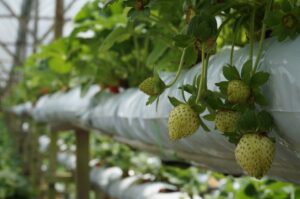
Different hydroponic systems accommodate different plant types, with nutrient film technique (NFT) and deep water culture (DWC) commonly used for leafy greens. Drip irrigation, Dutch buckets and other media-based systems are particularly useful for larger fruiting crops and plants with extensive root systems.
In this guide, the best plants to grow hydroponically include 30 options ranging from beginner-friendly lettuce and basil to productive tomatoes, strawberries and selected root vegetables. Each plant has specific growing requirements, so choosing suitable varieties and matching them with the correct hydroponic system will improve production.
What Plants Can You Grow Hydroponically? 30 Best Choices
1. Lettuce – Best Plant for Beginner Hydroponic Gardening
Lettuce is the best plant for beginner hydroponic gardening because it develops quickly, requires relatively little space and adapts well to several water-based growing systems. Butterhead, romaine, oakleaf and loose-leaf varieties are particularly suitable for home and commercial hydroponic production.

- 10 LETTUCE VARIETIES – Lettuce (Lactuca sativa) varieties for your garden, including Buttercrunch, Green Salad Bowl, Iceberg, Lolla Rossa, Oakleaf, Parris Island Romaine, All the Year Round, Black Seeded Simpson, Red Romaine, and Red Salad Bowl
- YEAR-ROUND GROWING – This salad seed variety pack allows you a longer growing season with heat-tolerant lettuces for summer, cool-season favorites for spring and fall balanced with cold-hardy types like All the Year Round for winter
Lettuce performs well in NFT channels, deep water culture and floating raft systems where its roots receive a consistent supply of oxygenated nutrient solution. It grows best under moderate temperatures and sufficient light, with nutrient concentrations adjusted to the cultivar and growth stage. Harvesting outer leaves or cutting mature heads allows growers to obtain fresh produce without maintaining large plants.
The crop is particularly useful for vertical farming and greenhouse production because multiple plants can occupy a relatively small growing area. Select compact varieties with good resistance to bolting when growing in warm conditions. Maintain clean channels and adequate airflow to reduce the risk of root diseases and leaf-related problems.
- Fast-growing vegetable.
- Suitable for NFT systems.
- Performs well in DWC systems.
- Requires relatively little space.
- Several cultivars are available.
- Suitable for repeated harvesting.
- Excellent beginner crop.
2. Spinach – Best Hydroponic Plant for Nutritious Leafy Greens
Spinach is the best hydroponic plant for nutritious leafy greens because it produces edible foliage that can be harvested repeatedly during its growing cycle. It is particularly suitable for growers who want to produce fresh vegetables in controlled environments without preparing conventional garden beds.

- Bloomsdale Seeds for Planting - One packet of 500 spinach seeds grows thick, dark-green leaves with the deeply crinkled savoy texture this classic variety is known for.
- 500-Seed Yield Range - At a 20-70% productive-plant range and 0.1 lb average per plant, 500 seeds could yield about 10-35 LBS in good conditions; actual harvest varies with germination, weather, spacing, timing, and care.
Spinach can be grown in NFT and deep water culture systems, provided the roots receive adequate oxygen and the nutrient solution remains within a suitable range. It generally performs better under relatively cool conditions than during intense heat. Warm temperatures and long days can encourage premature flowering, reducing the quality of harvested leaves.
Choose varieties selected for baby-leaf production or larger mature leaves according to the intended market. Maintain balanced nitrogen nutrition because inadequate nitrogen can restrict foliage development, while excessive feeding can create unnecessary nutrient accumulation. Regular harvesting of suitable leaves encourages continued production.
- Produces nutritious edible leaves.
- Suitable for NFT and DWC.
- Can be harvested at different stages.
- Compact growth habit.
- Suitable for controlled environments.
- Multiple varieties are available.
- Useful for baby-leaf production.
3. Kale – Best Hydroponic Vegetable for Continuous Leaf Harvesting
Kale is the best hydroponic vegetable for continuous leaf harvesting because it produces substantial foliage and can remain productive when regularly harvested. Curly kale, Lacinato kale and other compact cultivars are suitable for growers interested in producing nutrient-rich leafy vegetables.

- DELICIOUS DINO KALE – Heirloom Lacinato kale, also called Dinosaur or Tuscan kale, produces tender dark green leaves perfect for soups, salads, or kale chips
- ALL SEASON GROWING – Cold hardy Lacinato kale thrives in fall gardens sweetened by frost, yet grows equally well in spring or summer for fresh greens through the year
Kale can grow in deep water culture, NFT and media-based hydroponic systems, although larger plants need more root space than young lettuce. Its leaves develop best under adequate lighting, balanced nutrition and suitable temperatures. Provide enough distance between plants to accommodate mature foliage and maintain airflow.
Harvest the older outer leaves while allowing the central growing point to remain intact. This approach can extend the productive period when plants receive consistent nutrients and adequate light. Larger kale plants may require individual support or wider growing channels.
- Suitable for repeated harvesting.
- Produces substantial edible foliage.
- Several cultivars are available.
- Can grow in different hydroponic systems.
- Useful for fresh vegetable production.
- Compact varieties suit limited spaces.
- Productive over an extended growing period.
4. Swiss Chard – Best Colorful Vegetable for Hydroponic Systems
Swiss chard is the best colorful vegetable for hydroponic systems because it produces attractive edible leaves and stems in several varieties. Its colourful petioles and substantial foliage make it useful for household production as well as specialty vegetable markets.

- Grow your own beautiful and nutritious Swiss chard: This heirloom rainbow mix Swiss chard is a stunning vegetable that comes in a variety of colors, including red, orange, yellow, green, and purple. It is also a good source of vitamins A and K, as well as fiber.
- Non-GMO and easy to grow: These seeds are non-GMO, so you can be sure that you are planting seeds that are safe for your family and the environment. Swiss chard is also a relatively easy vegetable to grow, making it a great choice for beginner gardeners.
Swiss chard can be cultivated in deep water culture, floating raft and media-based hydroponic systems. Its larger root system and mature canopy require adequate spacing, especially when plants are maintained for repeated harvesting. Balanced nutrient supply and consistent moisture are important for developing strong leaves and stems.
Harvest the outer leaves when they reach a suitable size, leaving the central growing point undamaged. The plant can continue producing new foliage when lighting and nutrient conditions remain favourable. Choose compact varieties when working with smaller indoor systems.
- Attractive coloured stems.
- Produces edible leaves and petioles.
- Suitable for repeated harvesting.
- Grows in several hydroponic systems.
- Useful for specialty vegetable markets.
- Relatively adaptable crop.
- Provides substantial foliage.
5. Bok Choy – Best Asian Vegetable for Hydroponic Production
Bok choy is the best Asian vegetable for hydroponic production because it develops compact leafy heads and performs well in controlled growing environments. Its short production cycle and relatively manageable plant size make it attractive to small-scale growers and commercial vegetable producers.

- The Best Value - Organo Republic Bok Choy Seeds Pack contains 5 g or 4,800 Non-GMO heirloom bok choy seeds. Bok Choy (Brassica rapa subsp. chinensis) is known for its smooth, glossy, green leaves and tender, crisp stalks, making it a versatile vegetable for various dishes.
- Innovative Bok Choy Seeds Package - Organo Republic craft seed envelope protects bok choy seeds from sunlight and moisture. Allows secure storage for successful planting now or later. We prioritize sustainability to ensure environmental safety.
Bok choy grows well in NFT, deep water culture and floating raft systems when roots receive sufficient oxygen and balanced nutrients. It requires consistent water availability and suitable temperatures to develop tender leaves and thick petioles. Compact cultivars are particularly useful for vertical hydroponic installations.
Harvest individual outer leaves or cut the entire head depending on the market requirement. Avoid excessive heat because it can encourage bolting and reduce the quality of the crop. Good spacing and sanitation help reduce the likelihood of disease in dense plantings.
- Compact growth habit.
- Suitable for NFT systems.
- Produces edible leaves and stems.
- Good for controlled environments.
- Suitable for staggered production.
- Several cultivars are available.
- Attractive specialty vegetable.
6. Arugula – Best Fast-Growing Hydroponic Salad Green
Arugula is the best fast-growing hydroponic salad green for growers who want a leafy crop with a distinctive peppery flavour. Its relatively compact growth and suitability for repeated leaf harvesting make it a practical addition to home hydroponic gardens and commercial salad production.

- Eruca Sativa: These finest quality, non-GMO, USDA Organic Slow Bolt Arugula (Rocket) seeds produce lush, green leaves with a fresh, slightly peppery taste. Arugula is delicious in salads, pastas, soups and sandwiches.
- For Best Results: Arugula tastes best when the leaves are young, about 2-3" long. Cut individual leaves as needed. If flowers appear they are edible as well. For a Continuous Harvest: Sow new seeds every 2-3 weeks to enjoy a continuous harvest all season long.

Arugula grows well in NFT and deep water culture systems, particularly when planted at appropriate spacing. It prefers moderate temperatures and adequate light, although excessive heat can intensify its flavour and encourage premature flowering. Regular harvesting of young leaves helps maintain tender produce.
The crop is useful for growers supplying fresh salad mixes, restaurants and households. Staggered planting provides a more consistent supply rather than harvesting all plants at the same time. Maintain suitable airflow and nutrient concentrations to support healthy foliage.
- Relatively quick-growing crop.
- Suitable for NFT systems.
- Compact plant structure.
- Distinctive peppery flavour.
- Useful for salad mixes.
- Can be harvested young.
- Suitable for staggered planting.
7. Mustard Greens – Best Hydroponic Crop for Spicy Leafy Vegetables
Mustard greens are the best hydroponic crop for spicy leafy vegetables because they produce edible foliage with distinctive flavours and several useful harvest options. Different varieties offer green, red or frilled leaves, allowing growers to supply diverse salad and cooking markets.
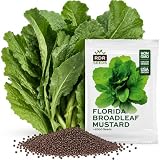
- Grow Your Own Mustard Greens - Plant Florida Broadleaf for upright green leaves with broad, gently serrated edges and a peppery flavor. Pick tender leaves for salads or let them size up for braising, sauteing and other cooked greens.
- 2000-Seed Yield Range - At a 20-70% productive-plant range and 0.12 lbs average per plant, 2000 seeds could yield about 48-168 LBS in good conditions; actual harvest varies with germination, weather, spacing, timing, and care.
The crop can be cultivated in NFT, floating raft and deep water culture systems. It performs best when the nutrient solution provides balanced nitrogen and other essential elements without excessive salinity. Adequate spacing is important because mature leaves can become relatively large.
Harvest young leaves for salads or allow plants to develop larger foliage for cooking. Success depends on selecting varieties that tolerate the local growing temperature and maintaining good airflow around the canopy. Regular planting can provide a continuous supply of marketable leaves.
- Produces distinctive edible leaves.
- Several leaf colours and textures.
- Suitable for water-based systems.
- Can be harvested at different stages.
- Useful for salad production.
- Relatively compact when young.
- Offers variety for specialty markets.
8. Basil – Best Culinary Herb for Hydroponic Gardening
Basil is the best culinary herb for hydroponic gardening because it develops valuable aromatic foliage and responds well to controlled root-zone nutrition. Sweet basil, Genovese basil and compact varieties are popular choices for household gardens, restaurants and commercial herb production.

- Edible basil seeds: Zen Basil Seeds are very nutritious edible basil seeds! 2 tbs of our seeds equals 15g of fiber. Simply add to smoothies, oatmeal & yogurt, salads, sauces, soups, jams, & even baked goods for extra nutrition in your daily diet. Enjoy a delicious paleo vegan gluten-free keto drink or snack!
- More fiber than chia: This superfood is known for its health-promoting properties & its natural source of fiber, vitamins, electrolytes, & antioxidants. In a gram to gram comparison with chia seeds, Zen Basil seeds have confirmed lab results with nearly 2x more fiber, potassium, calcium, & iron! Our seeds are rich in prebiotics, polyphenols, & omega 3 & 6!
Basil can be cultivated in NFT, deep water culture and drip-irrigated media systems. It requires adequate light, warm growing conditions and balanced nutrient availability to produce healthy foliage. Regular pinching of growing tips encourages branching and helps prevent premature flowering.
Harvest individual leaves or cut stems above suitable leaf nodes to encourage new growth. Maintain adequate spacing and avoid prolonged exposure to excessively cold nutrient solutions. Basil is particularly useful for growers who want a high-value culinary herb with repeated harvesting potential.
- High-value culinary herb.
- Suitable for NFT and DWC.
- Produces aromatic foliage.
- Can be harvested repeatedly.
- Responds well to pruning.
- Useful for indoor production.
- Several commercial varieties exist.
9. Mint – Best Hydroponic Herb for Continuous Leaf Production
Mint is the best hydroponic herb for continuous leaf production because it grows vigorously and produces aromatic foliage suitable for beverages, cooking and commercial herb markets. Peppermint and spearmint are common choices for growers interested in producing fresh leaves throughout the year.

- Beautiful - Large packet of Mint Seeds (Mentha spicata); Popular and easy-to-grow perennial with intense, cool-tasting leaves used in drinks, salads, and desserts. Spreads vigorously; easier to control when grown in a container. Minimum of 100mg (about 1250 seeds).
- Productive - Mint germinates in 5-10 days when soil temps are 70-80°F. Plant 1/4” deep and space 9-12” apart in an area with full sun. This variety will grow 24” tall with a spread of 18-20”. This variety will mature in 60-90 days, plant in USDA Zones 3-8.
Mint can grow in deep water culture, NFT and media-based systems, although its vigorous root development requires adequate space and regular maintenance. It performs well under consistent moisture and balanced nutrient availability. Pruning encourages branching and prevents the plant from becoming excessively tall or congested.
Harvest the stems and leaves regularly to maintain productive growth. Avoid placing mint in a system where its roots can spread unchecked and obstruct channels or plumbing. Separate growing containers or individual channels can make it easier to manage its vigorous growth.
- Vigorous foliage production.
- Aromatic leaves have many uses.
- Suitable for water-based systems.
- Can be harvested repeatedly.
- Several commercial varieties exist.
- Useful for beverage markets.
- Responds well to regular pruning.
10. Parsley – Best Hydroponic Herb for Kitchen Gardens
Parsley is the best hydroponic herb for kitchen gardens because it provides useful edible foliage for cooking, garnishing and fresh herb sales. Both curly-leaf and flat-leaf varieties can be cultivated hydroponically, although their growth rates and leaf characteristics differ.

- Beautiful - Large color packet of the popular culinary herb Parsley (Petroselinum crispum).Fun and easy herb with tasty and attractive leaves that add a gourmet touch to dishes as both garnish and flavoring. Leaves may also be dried. A wonderful gift for the gourmet cook. Minimum of 1g per packet (about 475 seeds).
- Productive - Parsley germinates in 20-30 days when soil temps are 65-70°F. Plant 1/4” deep and space 3-6” apart in an area with full sun. This variety will grow 12-16” tall with a spread of 16" .This variety will mature in 70-90 days, plant in USDA Zones 6-9.
Parsley can be grown in NFT, deep water culture and media-based systems. Its germination can be relatively slow compared with basil and lettuce, so starting seedlings separately can help maintain a consistent production schedule. Established plants benefit from adequate light, balanced nutrition and sufficient root space.
Harvest the outer stems while preserving the central growing point to encourage continued leaf development. Flat-leaf parsley is particularly useful for culinary production, while curly varieties are often selected for garnishing. Keep the root zone clean and monitor nutrient conditions throughout the growing cycle.
- Useful culinary herb.
- Two common commercial leaf types.
- Suitable for several hydroponic systems.
- Can be harvested repeatedly.
- Compact enough for small gardens.
- Useful for fresh herb markets.
- Produces attractive foliage.
11. Coriander – Best Hydroponic Herb for Fresh Culinary Leaves
Coriander is the best hydroponic herb for fresh culinary leaves for growers supplying households and food businesses that use its distinctive foliage. Also called cilantro in some markets, it is popular in many cuisines and can be produced in relatively compact growing systems.

- Appearance: Small, round seeds with a yellow-brown color. Aroma: Distinct, earthy, and citrus-like when crushed or ground
- Flavor: Warm, citrusy, and slightly nutty; mellows and deepens when roasted
Coriander grows well in NFT and deep water culture systems when the root zone receives adequate oxygen and balanced nutrients. It generally prefers moderate temperatures and can bolt rapidly under excessive heat or other stress. Direct sowing into suitable propagation media is often more practical than disturbing established seedlings.
Harvest the leaves before plants produce extensive flowering stems. Successive sowing at intervals can provide a more continuous supply because individual plants have a relatively short leafy production period. Choose slow-bolting varieties when growing under warmer conditions.
- Popular culinary herb.
- Suitable for compact systems.
- Useful for fresh leaf production.
- Can be grown throughout the year in controlled conditions.
- Relatively small plant footprint.
- Suitable for staggered sowing.
- Leaves have strong market demand.
12. Chives – Best Compact Hydroponic Herb for Small Spaces
Chives are the best compact hydroponic herb for small spaces because they produce narrow edible leaves without developing the large canopy associated with many other herbs. Their mild onion flavour makes them useful for salads, garnishing and fresh culinary production.

- Allium schoenoprasum - Open Non-GMO, Open-Pollinated -
- Germination Rate - 88% with current lot - Reaches maturity in about 80 days!
Chives can be cultivated in deep water culture and suitable media-based systems. Their clustered growth habit makes them suitable for individual containers or carefully spaced planting positions. They require adequate light and balanced nutrition to maintain strong leaf production.
Harvest the leaves by cutting them above the base, leaving sufficient growth tissue for regeneration. Avoid removing the entire plant at once if repeated harvesting is intended. Good sanitation and regular maintenance help keep the growing area productive.
- Compact growth habit.
- Useful culinary herb.
- Suitable for repeated harvesting.
- Attractive narrow foliage.
- Suitable for container systems.
- Can grow in controlled environments.
- Useful for small indoor gardens.
13. Dill – Best Hydroponic Herb for Aromatic Foliage
Dill is the best hydroponic herb for aromatic foliage for growers interested in producing leaves used in cooking, pickling and fresh herb preparations. Its feathery foliage and distinctive flavour make it a useful specialty crop for hydroponic gardens.

- DILL SEEDS - flavorful seeds that have so many uses. pickles, seafood, vegetables, dill pickle soup and more.
- PURE - No preservatives, no additives, no MSG, Non GMO, no fillers just fresh dill seeds for cooking
Dill can be grown in suitable media-based systems and larger hydroponic containers that provide adequate support for its upright growth. Its taproot and mature height make it less convenient for narrow NFT channels than compact leafy herbs. It benefits from good light, balanced nutrient availability and sufficient spacing.
Harvest the leaves before extensive flowering if the main objective is fresh foliage production. Plants grown for seed require a longer production period and more structural support. Select compact or slower-growing varieties when working with limited space.
- Aromatic culinary foliage.
- Useful for pickling and cooking.
- Can be grown in media systems.
- Offers fresh herb market opportunities.
- Distinctive feathery leaves.
- Can also produce harvestable seeds.
- Suitable for controlled environments.
14. Watercress – Best Hydroponic Plant for Water-Loving Greens
Watercress is the best hydroponic plant for water-loving greens because its natural growing habit is well suited to consistently moist production environments. Its peppery leaves are popular in salads, sandwiches and fresh vegetable preparations.

- WHY GROW WATERCRESS? A fast-growing superfood loaded with vitamins A, C, and K, watercress brings a refreshing, peppery crunch to your meals while boosting immunity and supporting bone health. Easy to grow indoors or outdoors, it’s perfect for fresh, homegrown greens.
- PREMIUM HIGH-QUALITY SEEDS: Grow your own fresh, peppery watercress with confidence! Each packet includes 1500+ Non-GMO, heirloom seeds with a high germination rate, carefully selected to ensure a bountiful, nutrient-packed harvest for your garden or kitchen.
Watercress can grow in floating systems, channels and other hydroponic arrangements that maintain a reliable supply of clean, oxygenated water. It performs well under moderate temperatures and benefits from regular harvesting. Adequate water movement and sanitation are important because stagnant or contaminated water can create root-health problems.
Harvest young shoots and leaves to encourage continued growth and maintain tender foliage. The crop is particularly useful where growers can manage water quality consistently. Choose a system that provides sufficient space for spreading stems and roots.
- Naturally suited to moist growing conditions.
- Produces edible peppery leaves.
- Suitable for water-based systems.
- Can be harvested repeatedly.
- Useful for salad production.
- Relatively manageable foliage.
- Attractive specialty vegetable.
15. Cherry Tomatoes – Best Fruiting Vegetable for Hydroponic Gardening
Cherry tomatoes are the best fruiting vegetable for hydroponic gardening for growers who want a productive crop with manageable fruit sizes and strong culinary demand. Compact and greenhouse-adapted cultivars are especially useful because they can produce substantial harvests in controlled environments.

- 200 PREMIUM SEEDS: Contains 200 vigorous cherry tomato seeds, selected for excellent germination, continuous production, and abundant clusters of bite-sized fruits.
- SWEET & PROLIFIC VARIETY: Produces bright red, ultra-sweet cherry tomatoes in long, heavy trusses—perfect for snacking, salads, lunchboxes, and garden grazing.
Cherry tomatoes are commonly grown in drip-irrigated media systems, Dutch buckets and other systems that provide adequate root volume. They need strong light, suitable nutrient concentrations and structural support as stems and fruit clusters develop. Indeterminate varieties require regular pruning and training, while compact determinate types can be easier to manage.
Pollination must be considered because flowers need successful pollen transfer for fruit development. In protected environments, gentle vibration or appropriate airflow can help release pollen. Monitor calcium availability, irrigation consistency and EC to reduce problems such as blossom-end rot and irregular fruit development.
- Produces marketable edible fruits.
- Several compact cultivars are available.
- Suitable for greenhouse production.
- Can produce extended harvests.
- Useful for household and commercial production.
- Suitable for drip irrigation systems.
- Strong demand for fresh tomatoes.
16. Cucumbers – Best Hydroponic Plant for High-Volume Fruit Production
Cucumbers are the best hydroponic plant for high-volume fruit production because suitable greenhouse varieties can produce successive harvests under controlled conditions. They are popular with commercial growers because the fruits have regular market demand and plants can be trained vertically to use growing space efficiently.

- Cucumis Sativus: These finest quality, non-GMO, USDA Organic Marketmore Cucumber seeds produce hefty dark green, smooth fruits 8-9 inches long with a sweet and mild flavor ideal for slicing, salads, sandwiches and soups.
- Benefits of Trellising: When growing cucumber vines a trellis will encourage the vines to climb, which helps protect the fruit from damage, and help maximize space in smaller gardens.
Cucumbers are commonly grown in drip-irrigated media systems, grow bags and Dutch buckets rather than small NFT channels. They require strong trellising, consistent irrigation and a balanced nutrient program that supports both vegetative growth and fruit development. Select greenhouse or parthenocarpic varieties where appropriate, particularly when reliable pollination is difficult.
Maintain adequate ventilation and monitor humidity to reduce disease pressure. Plants need sufficient spacing because their foliage can become extensive, especially when vines are trained vertically. Harvest fruits at the recommended size to encourage continued production and maintain quality.
- Productive greenhouse crop.
- Suitable for vertical training.
- Strong demand for fresh fruits.
- Can produce successive harvests.
- Several greenhouse cultivars exist.
- Suitable for drip-irrigated media systems.
- Useful for commercial hydroponics.
17. Bell Peppers – Best Hydroponic Crop for Colourful Fruits
Bell peppers are the best hydroponic crop for colourful fruits because they produce marketable green, red, yellow and orange peppers in controlled growing environments. Compact greenhouse varieties are suitable for growers who want to produce high-value vegetables with several harvesting and marketing options.

- PEPPERS - SWEET SEED PACK: Add a burst of color and sweetness to your garden! This 5-pack features vibrant varieties like Golden Cal Wonder, Purple Beauty, and Marconi Red. Perfect for snacking, salads, and grilling. Grow your own sweet pepper rainbow!
- 5 INDIVIDUAL SEED PACKETS: Cal Wonder Bell Pepper, Golden Cal Wonder Bell Pepper, Purple Beauty Bell Pepper, Marconi Red Sweet Pepper, Dulce Corno Di Toro Sweet Pepper.
Bell peppers are commonly grown in drip-irrigated media systems and Dutch buckets that provide adequate root volume and drainage. Plants require good light, balanced nutrient supply and suitable support as fruit weight increases. Their calcium and potassium requirements should be managed carefully during fruit development.
Pollination and fruit set depend on temperature, humidity and successful pollen transfer. Excessive heat can reduce flower retention and fruit development, so environmental management is important. Remove damaged leaves and maintain adequate spacing to improve airflow around the canopy.
- Produces colourful marketable fruits.
- Suitable for greenhouse cultivation.
- Several fruit colours and varieties.
- Can produce repeated harvests.
- Useful for commercial production.
- Suitable for drip irrigation.
- Compact cultivars are available.
18. Strawberries – Best Hydroponic Fruit for Small Growing Spaces
Strawberries are the best hydroponic fruit for small growing spaces because compact plants can produce attractive fruits in vertical towers, gutters and media-based systems. They are especially useful for growers interested in producing premium fresh berries close to household or urban markets.

- Enjoy a great harvest of super-sweet berries in your home garden with Bonnie Plants Strawberry
- Strawberries are easy-to-grow and perennial in zones 5 to 9
Strawberries are commonly grown in NFT channels, gutters and drip-irrigated substrate systems. The plants require suitable varieties, balanced nutrients and adequate light to support flowering and fruit development. Their roots should remain healthy and well aerated, while the crowns must not be buried too deeply in the growing medium.
Pollination is important for producing well-shaped berries, particularly in protected environments with limited insect activity. Remove excess runners when fruit production is the priority, and maintain sanitation to reduce fungal problems. Select varieties suited to the local climate and intended production season.
- Produces attractive premium fruits.
- Suitable for vertical systems.
- Useful for urban agriculture.
- Can grow in gutters and NFT.
- High-value specialty crop.
- Several varieties are available.
- Suitable for protected cultivation.
19. Eggplant – Best Hydroponic Plant for Large Fruiting Vegetables
Eggplant is the best hydroponic plant for large fruiting vegetables for growers who have enough space to support a vigorous plant and its developing fruits. Compact and greenhouse-adapted cultivars can produce attractive purple, white or striped fruits under suitable growing conditions.
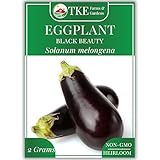
- HIGH GERMINATION RATE: Get a healthy harvest with 400+ heirloom, non-GMO Black Beauty Eggplant seeds. Fast germination ensures a plentiful, homegrown crop of Solanum melongena for your garden.
- EASY TO GROW - INSTRUCTIONS INCLUDED: Black Beauty Eggplant is perfect for any gardener whether you are a beginner or experienced. Step-by-step instructions make it simple to grow a productive plant right in your own backyard.
Eggplant is best suited to drip-irrigated media systems, grow bags and Dutch buckets that provide adequate root volume. The crop requires good light, consistent nutrient availability and strong support as plants become heavier. Balanced potassium and calcium nutrition is important during fruit development, alongside sufficient nitrogen for healthy foliage.
Flowers are generally self-fertile, but successful pollen transfer may still be affected by environmental conditions. Regular harvesting encourages continued fruit production in many cultivars. Maintain good airflow and monitor pests that commonly affect solanaceous crops.
- Produces marketable fruits.
- Several fruit colours and shapes.
- Suitable for media-based hydroponics.
- Can produce successive harvests.
- Useful for greenhouse production.
- Compact cultivars are available.
- Suitable for controlled irrigation.
20. Beans – Best Legume for Hydroponic Gardening
Beans are the best legume for hydroponic gardening because they can produce edible pods in suitable container and media-based systems. Bush beans are especially convenient for growers with limited space, while climbing varieties can be trained vertically.

- Dependable bush snap bean, Provider green bean (Phaseolus vulgaris); open-pollinated heirloom (released 1966); valued for cooler spring weather performance vs many beans; tender pods for fresh eating, freezing, and canning
- 50 seeds can produce about 5-25 LBS under good conditions. Crisp snap beans for salads, sautés, grilling; great for freezing and canning; raised beds, in-ground rows, and large containers; helpful for garden rotation as a legume. Results vary with spacing, thinning, weather, and care.
Beans can be grown in drip-irrigated media systems, larger containers and selected recirculating arrangements. They require adequate light, a suitable nutrient balance and enough root volume for healthy development. Excessive nitrogen should be avoided because it can encourage vegetative growth at the expense of pod production.
Bush varieties are generally easier to manage in compact installations, while pole beans need trellising. Harvest pods when they reach the preferred size to encourage further production. Ensure that the nutrient program supplies adequate phosphorus, potassium and other essential elements throughout flowering and pod development.
- Produces edible pods.
- Bush varieties suit smaller spaces.
- Climbing varieties use vertical support.
- Suitable for media-based systems.
- Can produce repeated harvests.
- Useful household vegetable.
- Several varieties are available.
21. Radishes – Best Root Vegetable for Small Hydroponic Systems
Radishes are the best root vegetable for small hydroponic systems because certain compact varieties mature relatively quickly and can be cultivated in suitable growing media. Their short production cycle makes them useful for growers who want to experiment with crops beyond conventional leafy greens.

- 500+ non-GMO heirloom Cherry Belle radish seeds: These seeds are grown from heirloom Cherry Belle radishes, which are known for their crisp, sweet flavor and fast growing qualities. They are also non-GMO, so you can be sure that you are planting seeds that are safe for your family and the environment.
- Fast growing and round red radishes: Cherry Belle radishes are known for their fast growing speed. They can be harvested in as little as 20 days, making them a great choice for gardeners who want to enjoy fresh radishes in no time. Cherry Belle radishes are also round and red in color, which makes them visually appealing and a great addition to salads, sandwiches, and other dishes.
Radishes are better suited to media-based hydroponic systems than narrow NFT channels because their developing storage roots need physical space. Loose, clean media such as appropriately selected coco-based or similar hydroponic substrates can accommodate root expansion. Maintain consistent moisture and avoid excessive nitrogen, which can favour foliage over root development.
Harvest roots when they reach the size recommended for the selected variety. Crowded plants can develop small or misshapen roots, so proper spacing is important. Select round or compact cultivars rather than long-rooted varieties when growing in shallow containers.
- Relatively short production cycle.
- Compact varieties are available.
- Suitable for media-based systems.
- Produces edible roots and leaves.
- Useful for small experiments.
- Does not require large trellises.
- Offers variety beyond leafy crops.
22. Beetroot – Best Hydroponic Crop for Edible Roots and Leaves
Beetroot is the best hydroponic crop for edible roots and leaves because both its swollen storage roots and young foliage can be harvested for food. Compact beet varieties are particularly useful for growers who want to diversify a media-based hydroponic garden.

- Classic sweet beetroot + greens, Detroit Dark Red, a dependable heirloom table beet (Beta vulgaris); deep red, round roots with strong tops; great for roasting, salads, pickling, and storage
- 250 seeds can produce about 30-90 LBS under good conditions. Great for roasting, salads, slicing, pickling, meal prep, and sautéed beet greens; ideal for raised beds, in-ground rows, and container gardens. Results vary with spacing, thinning, weather, and care.
Beetroot should be cultivated in a suitable media system with enough depth for the storage root to expand. A loose and well-aerated substrate helps prevent deformities and supports consistent root development. Balanced nutrition is essential, but excessive nitrogen can favour leaf growth over the development of the edible root.
Maintain consistent moisture to reduce the likelihood of uneven root growth and quality problems. Harvest at the appropriate maturity stage for the selected cultivar and intended market. The crop is less suited to narrow NFT channels than lettuce and other shallow-rooted vegetables.
- Produces edible roots and leaves.
- Suitable for media-based systems.
- Compact varieties are available.
- Adds crop diversity.
- Useful for household production.
- Can be harvested at different stages.
- Attractive specialty vegetable.
23. Green Onions – Best Hydroponic Crop for Continuous Leafy Stems
Green onions are the best hydroponic crop for continuous leafy stems because they occupy relatively little space and provide useful edible leaves for cooking. They are particularly practical for small household systems and growers supplying fresh culinary ingredients.

- Allium Fisulosum: These finest quality, non-GMO, USDA Organic Bunching Evergreen Onion seeds produce tall, green onions with silvery white stalks. Their mild flavor provides a clean, crisp addition to both fresh and cooked dishes.
- Make the Most of Your Spacing: Bunching onions are great space savers. They can be sown in neat rows; but they also work well in containers, or as companion plants around flowerbeds, vegetable patches and garden edges. Wherever you plant them just make sure the soil is well drained; and there's plenty of sunlight.
Green onions can be grown in water-based systems and suitable media containers, provided roots receive adequate oxygen and nutrients. Their narrow upright leaves make them relatively easy to arrange in compact planting spaces. They benefit from balanced nitrogen nutrition during active foliage development.
Harvest the leaves as needed or allow plants to develop larger stems depending on the intended use. Successive planting helps maintain a continuous supply of fresh green onions. Avoid overcrowding because dense foliage can restrict airflow and complicate harvesting.
- Compact upright growth.
- Useful culinary vegetable.
- Suitable for small systems.
- Edible leaves and stems.
- Easy to harvest.
- Suitable for staggered planting.
- Useful for household production.
24. Celery – Best Hydroponic Vegetable for Long Leafy Stalks
Celery is the best hydroponic vegetable for long leafy stalks because it produces edible petioles that are useful in salads, soups and other culinary applications. Its upright growth makes it a valuable crop for growers with enough space to accommodate larger plants.

- Versatile seasoning: Ideal for pickling, salad dressings, soups, stews, and spice blends.
- Strong, earthy flavor: Adds a bold, slightly bitter taste with hints of pepper and citrus.
Celery can be grown in deep water culture, floating systems and suitable media-based installations. It requires consistent water availability, balanced nutrition and sufficient root volume to develop strong stalks. Regular moisture management is important because uneven water supply can affect stalk development and quality.
Allow enough space between plants for their expanding foliage and stalks. Harvest mature stems progressively or cut whole plants when they reach the desired market size. Choose cultivars suited to the intended growing conditions and production system.
- Produces edible stalks and leaves.
- Suitable for several hydroponic systems.
- Useful culinary vegetable.
- Can be harvested progressively.
- Attractive commercial crop.
- Suitable for controlled growing environments.
- Adds diversity to leafy production.
25. Broccoli – Best Hydroponic Brassica for Edible Flower Heads
Broccoli is the best hydroponic brassica for edible flower heads for growers who have sufficient space and a suitable system for larger vegetable plants. Its nutritious immature flower heads provide a valuable harvest, while the leaves can also be used in some culinary applications.
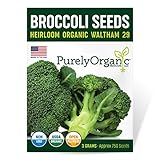
- Brassica Oleracea Var. Italica: These finest quality, non-GMO, USDA Organic Waltham 29 Broccoli seeds produce crisp, crunchy, dark greenish-blue florets, leaves and stems that are packed with flavor and vitamins. They’re great on a plate!
- For Best Results: Harvest broccoli in the morning, when the buds of the head are firm and tight, just before the heads flower. Store in a refrigerator up to 5 days; or blanch and freeze for up to a year.
Broccoli is more suitable for larger deep water culture or media-based systems than small NFT channels because mature plants develop substantial roots and foliage. It requires adequate light, balanced nutrient supply and appropriate temperatures to produce well-formed heads. Select compact cultivars where space is limited.
Harvest the central head before the flowers open, with some varieties producing additional side shoots afterward. Maintain adequate spacing and airflow to reduce disease pressure. The crop generally requires more time and space than lettuce, making it a more demanding choice for small indoor systems.
- Produces nutritious edible heads.
- Side shoots may provide additional harvests.
- Suitable for larger hydroponic systems.
- Several compact cultivars exist.
- Useful commercial vegetable.
- Provides crop diversity.
- Can be grown in controlled environments.
26. Cauliflower – Best Hydroponic Crop for Edible White Curds
Cauliflower is the best hydroponic crop for edible white curds for growers interested in producing a specialty vegetable under controlled conditions. It can be cultivated hydroponically, although its relatively large plant structure makes it more demanding than compact leafy greens.

- FOUR HEIRLOOM CAULIFLOWERS - This variety pack includes Snowball White, Green Macerata, Violetto di Sicilia Purple, and Romanesco cauliflowers (Brassica oleracea var. botrytis); a complete cool weather cauliflower seed collection
- COLORFUL & UNUSUAL VEGETABLES - Harvest smooth white heads, refined Italian green curds, vibrant purple crowns, and lime green fractal Romanesco broccoflower for a fun, kid-friendly garden
Cauliflower is best grown in larger media-based systems that provide sufficient space for its roots and foliage. It requires balanced nutrient availability, adequate light and suitable temperatures during curd formation. Consistent growing conditions are important because environmental stress can result in poor-quality or uneven heads.
Allow enough space for the leaves to develop around the forming curd. Some varieties benefit from leaf protection or blanching practices, depending on the cultivar and production method. Harvest the curd while it is compact and before the surface begins to loosen.
- Produces valuable edible curds.
- Suitable for controlled environments.
- Can grow in media systems.
- Offers specialty vegetable production.
- Several cultivars are available.
- Adds diversity to hydroponic production.
- Useful for larger installations.
27. Microgreens – Best Fast-Cycle Crop for Small Hydroponic Spaces
Microgreens are the best fast-cycle crop for small hydroponic spaces because they can be harvested at an early growth stage and produced in shallow trays. Popular options include radish, broccoli, mustard, sunflower and pea shoots, making this category useful for growers targeting specialty food markets.

- GROW YOUR OWN DELICIOUS MICROGREENS: Easily grow your own organic salad mix with Nature Jims Sprouts! This sprouting seed blend includes broccoli seeds, alfalfa seeds, radish, and clover, offering fresh, home-grown microgreens in as little as 5 days.
- ORGANIC & NON-GMO SEEDS FOR HEALTHY SPROUTS: Enjoy the peace of mind knowing that every seed in this mix—broccoli sprout seeds, alfalfa seeds, radish seeds, and clover seeds—is certified organic and non-GMO. Grow your own nutrient-rich broccoli sprouts and microgreens with confidence.
Microgreens are generally grown in shallow trays using suitable clean growing mats or substrates rather than conventional NFT channels. They require suitable moisture, adequate airflow and sufficient light after germination. Their production method differs from mature hydroponic vegetables because the crop is harvested before developing a large root system.
Harvest the young shoots after the cotyledons have developed and, depending on the crop, when the first true leaves appear. Use clean seed, trays and water to reduce contamination risks because microgreens are often eaten fresh. Staggered sowing can provide a more continuous supply for household or commercial use.
- Short production cycle.
- Requires limited growing space.
- Several crop species are suitable.
- Useful for specialty food markets.
- Can be grown in shallow trays.
- Suitable for staggered production.
- Harvested at an early growth stage.
28. Sunflower – Best Hydroponic Plant for Edible Shoots
Sunflower is the best hydroponic plant for edible shoots because its seedlings produce substantial, tender shoots that are popular in salads and specialty vegetable preparations. Sunflower microgreens and shoots can be cultivated in trays without requiring a large greenhouse or complicated circulation system.
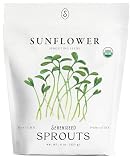
- Tested quality. These sprouting seeds are sourced in the USA, non-GMO, open pollinated, certified organic by Oregon Tilth, and tested for pathogens.
- Nutrient-dense superfood. Excellent source of Vitamin E, a powerful antioxidant that helps protect cells. Also contains Zinc & Magnesium, essential minerals for immune support and energy.
Sunflower shoots are commonly produced in shallow trays using suitable growing mats or clean substrates. Seeds are generally soaked and prepared according to the seed supplier’s instructions before being spread across the growing surface. Adequate moisture, drainage and airflow are essential for uniform germination and healthy shoot development.
Harvest the shoots at the desired height before they become excessively fibrous. Use food-grade seeds specifically suitable for sprouting or microgreen production, rather than assuming all ornamental sunflower seeds are appropriate. Maintain strict cleanliness because dense seedling growth can encourage mould when ventilation is inadequate.
- Produces edible young shoots.
- Suitable for shallow trays.
- Requires limited growing space.
- Useful for salad production.
- Offers a specialty market crop.
- Relatively simple growing arrangement.
- Can be produced in batches.
29. Pansies – Best Ornamental Flower for Hydroponic Gardening
Pansies are the best ornamental flowers for hydroponic gardening for growers interested in producing attractive blooms in controlled environments. Their compact growth and colourful flowers make them suitable for ornamental displays, indoor gardening projects and specialty flower production.

- High Germination Performance: Swiss giant pansy seeds deliver fast, reliable sprouting in 7–10 days when plant seeds soil stays lightly moist. Ideal viola seeds for planting outdoors in USDA zones 5–9 gardens.
- Compact Perennial Growth: Viola seeds perennial form neat mounds, excellent choice as a ground cover or border plant. Perfect pansies seeds for planting in borders, containers, window boxes, and pods in your flower garden.
Pansies can be cultivated in suitable media-based hydroponic systems that provide stable root support and good drainage. They require adequate light, suitable temperatures and balanced nutrients to develop strong foliage and flowers. Select compact cultivars that are appropriate for containers and protected production.
Remove spent flowers to encourage continued blooming where the variety and growing conditions allow. Avoid excessive nitrogen because it can encourage leafy growth at the expense of flowering. Maintain suitable airflow and keep foliage dry where possible to reduce disease pressure.
- Produces colourful ornamental flowers.
- Compact cultivars are available.
- Suitable for media-based systems.
- Useful for decorative displays.
- Can be grown in controlled environments.
- Offers several flower colours.
- Suitable for specialty ornamental production.
30. Petunias – Best Hydroponic Flower for Colourful Displays
Petunias are the best hydroponic flowers for colourful displays because they produce abundant blooms in a wide range of colours and growth habits. Compact and trailing varieties are particularly useful for decorative containers, hanging installations and ornamental growing projects.

- ✨ Add waves of red, rose, pink, violet, yellow, orange, white and lavender all summer long to your containers, hanging baskets or borders with this stunning dwarf mix. Silky trumpet shaped flowers bloom heavily on top of bright green spreading plants.
- 🦋 Excellent for bees, butterflies, and hummingbirds.
Petunias can be grown in suitable media-based hydroponic systems that provide stable support for their roots. They need sufficient light, balanced nutrients and appropriate spacing to develop healthy foliage and continuous flowering. Trailing varieties require room for their stems to spread without becoming crowded.
Remove faded flowers and damaged foliage to maintain plant appearance and encourage continued production. Avoid excessive nitrogen because it can promote foliage growth without delivering the desired flowering performance. Choose cultivars based on the available growing space and intended ornamental use.
- Produces abundant colourful flowers.
- Several compact varieties exist.
- Suitable for ornamental containers.
- Trailing types suit hanging displays.
- Useful for decorative hydroponic projects.
- Can flower over an extended period.
- Available in many colours.
7 Important Factors to Consider When Choosing Plants for Hydroponics
1. Hydroponic System Compatibility
The selected plant must match the design and capacity of the hydroponic system. NFT and deep water culture are particularly suitable for many leafy greens and herbs, while Dutch buckets and drip-irrigated media systems are useful for larger fruiting crops. Root size, plant weight and growth habit should all be considered before selecting a crop.
2. Root Development and Growing Medium
Plants with compact root systems are generally easier to accommodate in small hydroponic installations than crops with extensive roots. Larger vegetables and root crops require enough space for their roots and, where applicable, their storage organs to develop. Choose appropriate media such as coco coir, expanded clay pellets or other suitable substrates to provide anchorage and root support.
3. Nutrient Requirements
Different plants have different nutritional requirements, and their nutrient demand changes as they develop. Leafy vegetables generally need a feeding program that supports foliage development, while flowering and fruiting crops require balanced nutrition throughout reproductive growth. Ensure that the nutrient solution supplies nitrogen, phosphorus, potassium, calcium, magnesium, sulphur and essential micronutrients.
4. Light Availability
Light intensity and duration influence photosynthesis, flowering, fruit production and overall crop quality. Leafy greens can often be grown under moderate supplemental lighting, while fruiting crops such as tomatoes, peppers and cucumbers generally require stronger light. Assess natural sunlight and the cost of supplemental lighting before choosing a crop for indoor production.
5. Temperature and Humidity
Each crop has a suitable temperature range, and unsuitable conditions can cause bolting, flower abortion, poor fruit set or slow growth. Cool-season vegetables such as lettuce and spinach may struggle under excessive heat, while basil and cucumbers prefer warmer growing conditions. Maintain appropriate ventilation and manage humidity to reduce disease pressure.
6. Space, Support and Pollination
Consider mature plant size rather than the appearance of seedlings when designing a hydroponic system. Tomatoes, cucumbers, peppers and climbing beans may need trellises, while strawberries require suitable support for their crowns and developing fruits. Fruiting crops also need successful pollination, particularly in protected environments where natural pollinating insects may be limited.
7. Harvest Period and Market Demand
Choose plants according to the time available for production, the intended harvest schedule and the market for the final produce. Leafy greens and microgreens can provide relatively quick harvest opportunities, whereas tomatoes, strawberries and other fruiting crops require longer production cycles. Commercial growers should consider cultivar performance, expected yield, labour, packaging and selling prices before investing in a particular crop.
Plants Can You Grow Hydroponically Frequently Asked Questions
1. What Plants Can You Grow Hydroponically?
You can grow leafy vegetables, herbs, fruiting crops, selected root vegetables and ornamental flowers hydroponically. Common choices include lettuce, spinach, kale, basil, mint, tomatoes, cucumbers, peppers and strawberries. The most suitable plants depend on the hydroponic system, available space and growing conditions.
2. What Is the Easiest Plant to Grow Hydroponically?
Lettuce is one of the easiest plants to grow hydroponically because it develops relatively quickly and adapts well to NFT and deep water culture systems. Basil, mint and other compact leafy herbs are also useful beginner crops. They generally require less structural support and simpler management than large fruiting vegetables.
3. Can You Grow Tomatoes Hydroponically?
Yes, tomatoes are widely cultivated in hydroponic systems, particularly in greenhouses and controlled growing environments. They commonly perform well in drip-irrigated media systems and Dutch buckets that provide adequate root volume and drainage. Successful production requires trellising, balanced nutrition, suitable light and effective pollination.
4. Can Root Vegetables Grow Hydroponically?
Yes, certain root vegetables, including radishes and beetroot, can be grown hydroponically using suitable media-based systems. Their developing storage roots need enough physical space and a loose substrate that allows expansion. They are generally less suitable for narrow NFT channels than shallow-rooted leafy greens.
5. Can You Grow Strawberries in Hydroponics?
Yes, strawberries are suitable for hydroponic production and are commonly cultivated in NFT channels, gutters and drip-irrigated substrate systems. They need suitable varieties, balanced nutrients, adequate lighting and good root-zone aeration. Pollination is also important for producing well-shaped fruits.
6. Can Flowers Be Grown Hydroponically?
Yes, selected ornamental flowers such as pansies and petunias can be cultivated in suitable hydroponic systems. Other flowers may also be grown under controlled conditions when the root support, nutrient program, lighting and temperature requirements are met. Media-based systems are often useful for plants that need additional anchorage.
7. Which Hydroponic Plants Are Best for Commercial Farming?
Lettuce, basil, tomatoes, cucumbers, peppers and strawberries are common commercial hydroponic crops. Leafy greens are particularly suitable for NFT and raft systems, while larger fruiting crops often perform better in media-based installations. Commercial crop selection should account for market demand, expected yield, production costs and the technical capacity of the growing facility.
Conclusion
In conclusion, the best plants to grow hydroponically include lettuce, basil, spinach, kale, tomatoes, cucumbers and strawberries, with lettuce being an excellent overall choice for beginners and leafy vegetable production. Basil is a strong runner-up for growers interested in aromatic culinary herbs, while tomatoes and cucumbers are valuable options for larger installations with adequate support and environmental control.
Leafy vegetables and herbs are generally the most straightforward crops because they have manageable root systems and do not require the same reproductive-stage management as fruiting plants. Microgreens, green onions and radishes also offer useful opportunities for small growing spaces and short production cycles.
Growers interested in commercial production should match the crop to the system rather than attempting to grow every plant using the same equipment. NFT and deep water culture are useful for many leafy crops, while drip-irrigated media systems and Dutch buckets provide better support for larger fruiting vegetables.
Ultimately, hydroponics offers considerable flexibility, but successful production depends on choosing suitable cultivars, supplying balanced nutrients, maintaining healthy roots and providing appropriate light and temperature conditions. Start with crops that match your experience and equipment, then expand into more demanding fruiting and ornamental plants as your growing system develops.
Recent Posts
Successful hydroponic production depends on supplying plants with balanced mineral nutrition because their roots cannot obtain essential elements from ordinary garden soil. Choosing the best...
The best liquid plant food for hydroponics should supply essential macronutrients, including nitrogen, phosphorus, and potassium, together with calcium, magnesium, sulfur, and necessary...