What Flowers Do Wasps Hate is a useful topic for gardeners looking for fragrant flowering plants that may help make outdoor spaces less attractive to unwanted wasp activity. While no flower can guarantee complete protection from wasps, strongly aromatic plants can be incorporated into patios, borders, balconies, and outdoor seating areas as part of a broader garden strategy.
The effectiveness of aromatic plants can vary according to plant species, growing conditions, weather, and the type of wasp present. Flowers with strongly scented foliage can be particularly useful because their natural aromas become more noticeable when leaves are touched, crushed, or warmed by sunlight.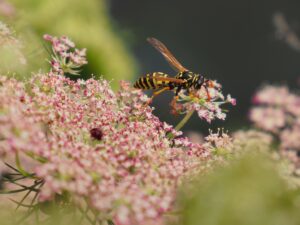
Lavender, scented geraniums, marigolds, chrysanthemums, rosemary, lemon thyme, and other fragrant plants can provide both ornamental beauty and aromatic foliage. They can be planted around patios, pathways, outdoor kitchens, garden borders, and other areas where people regularly spend time outdoors.
In this guide, we examine 30 flowers and flowering plants commonly associated with discouraging wasps while covering their fragrance, growing characteristics, and suitability for different outdoor spaces. These flowers that wasps hate can be incorporated alongside practical measures such as covering food, securing garbage, and reducing suitable nesting locations.
What Flowers Do Wasps Hate? Find Top 30
1. Lavender — Best Lavender Flower To Discourage Wasps
Lavender is one of the most popular choices for gardeners searching for the best lavender flower to discourage wasps because of its strong aromatic foliage and flowers. Its distinctive fragrance makes it a natural fit for patios, borders, containers, pathways, and sunny garden beds.

- FRAGRANCE & FLAVOR: Silvery foliage and fragrant purple blooms fill the garden with beautiful color while attracting bees and butterflies.
- GROWTH: Forms a compact perennial mound that's ideal for borders, herb gardens, cottage gardens, and containers.

Lavender generally performs best in full sun and well-drained soil, with many varieties tolerating relatively dry conditions after establishment. Compact cultivars can be grown in containers close to outdoor seating areas where their fragrance can be appreciated.
Lavender is also highly ornamental, producing flower spikes in shades ranging from purple and blue to pink and white. However, lavender attracts many beneficial pollinators, so it should not be treated as a universal insect repellent or guaranteed wasp barrier.
Pros
- Strong fragrance
- Attractive flowers
- Container friendly
- Drought tolerant
- Sunny locations
- Many varieties
- Low maintenance
Cons
- Needs drainage
- Attracts pollinators
- Not guaranteed
2. Marigold — Best Marigold Flower For Wasp-Prone Gardens
Marigolds are often considered when gardeners want the best marigold flower for wasp-prone gardens because of their aromatic foliage and bright flowers. Their compact growth allows them to be planted around vegetable gardens, pathways, patios, and containers.

- LIVE MARIGOLD PLANTS: Receive vibrant, healthy marigold plants ready to brighten up your garden or home.
- COLORFUL BLOOMS: Marigolds produce bold yellow, orange, and red flowers that add a cheerful pop of color.
African, French, and other marigold types provide different plant sizes and flower forms, giving gardeners considerable flexibility. Most perform well with adequate sunlight and reasonably fertile, well-drained soil.
Marigolds are particularly valuable when a gardener wants colorful flowers rather than a purely herb-based aromatic planting scheme. Their effect on wasps can vary, so they are best used as part of a diversified garden rather than as a standalone control method.
Pros
- Bright flowers
- Aromatic foliage
- Easy cultivation
- Container suitable
- Many varieties
- Long flowering
- Garden color
Cons
- Effects vary
- Some types annual
- Attracts pollinators
3. Chrysanthemum — Best Chrysanthemum Flower To Deter Wasps
Chrysanthemums can be considered when looking for the best chrysanthemum flower to deter wasps around outdoor spaces because many species and cultivars contain naturally occurring aromatic compounds. Their flowers also provide exceptional ornamental diversity.

- FALL COLOR: Beautiful hardy mums that are sure to brighten up your Fall garden!
- GROWTH: Mums grow up to about 24" tall with a spread of up to 24".
Chrysanthemums are available in numerous flower shapes and colors, making them suitable for borders, containers, beds, and decorative patio arrangements. They generally perform best with good sunlight, adequate moisture, and appropriate soil conditions.
The plant is particularly interesting because chrysanthemums are also associated with naturally occurring pyrethrins, although ornamental chrysanthemums should not be confused with formulated insecticides. Their presence does not guarantee that wasps will avoid an area.
Pros
- Many flower colors
- Aromatic foliage
- Ornamental value
- Container friendly
- Numerous cultivars
- Long flowering
- Versatile planting
Cons
- Needs maintenance
- Attracts pollinators
- Not guaranteed
4. Geranium — Best Geranium Flower For Wasp-Prone Patios
Scented geraniums are useful for gardeners searching for the best geranium flower for wasp-prone patios because certain varieties have strongly scented foliage. Depending on the cultivar, the fragrance can resemble lemon, rose, mint, or other aromatic plants.

- Common Name: Lemon Scented Geranium
- Scientific Name: Pelargonium crispum
Scented geraniums grow particularly well in containers, making them convenient for balconies, patios, windows, and outdoor seating areas. Their attractive leaves provide visual interest even when flowering is limited.
Different varieties have substantially different fragrances, so gardeners interested in scent should select a strongly aromatic cultivar. Their fragrance may make some spaces less attractive to certain insects, but they should not be relied upon as complete wasp control.
Pros
- Fragrant foliage
- Container friendly
- Attractive leaves
- Many varieties
- Patio suitable
- Easy positioning
- Ornamental value
Cons
- Frost sensitive
- Fragrance varies
- Not guaranteed
5. Citronella Geranium — Best Citronella Flowering Plant For Wasps
Citronella-scented geranium is frequently considered when searching for the best citronella flowering plant for wasps because its leaves produce a noticeable citrus-like fragrance. It can be particularly convenient in containers placed around outdoor living spaces.

- TWO (2) LARGE LIVE PLANTS – big, healthy, ready to grow, premium plants, 4” to 8” tall plants, in 4” pots. NON GMO No Neonicotinoids
- Citronella Mosquito plants (Citrosa Geranium) are a beautiful plant for your yard, patio, pool area, or garden
The plant prefers warm conditions and plenty of sunlight and can be grown as a container specimen in climates where winter temperatures are unsuitable. Its foliage gives patios and balconies a decorative appearance while providing aromatic leaves.
The word citronella can create unrealistic expectations about insect control, so gardeners should distinguish between scented ornamental geraniums and products containing citronella oil. This plant is better viewed as one component of an aromatic planting strategy.
Pros
- Citrus fragrance
- Container friendly
- Decorative foliage
- Patio suitable
- Easy positioning
- Warm-weather growth
- Ornamental plant
Cons
- Frost sensitive
- Marketing confusion
- Not guaranteed
6. Roses — Best Fragrant Rose Flower For Wasp-Prone Gardens
Fragrant roses can be considered when looking for the best fragrant rose flower for wasp-prone gardens, particularly when ornamental beauty is the main priority. Strongly scented rose varieties provide noticeable fragrance while adding substantial visual interest.

- 💚 live double pink knockout Rose comes with easy to use plant food to raise and nourish your Rose bush! The double pink knockout roses bloom every Year spring through summer with vibrant pink-colored petals that greatly compliment any garden or landscape they are planted in.
- 🌹 A double pink knockout Rose grows similar in style to a medium-sized bush. These rose bushes are known for clustered foliage that grows outward in a rounded shape with rose buds popping on all sides.
Roses are available in countless cultivars with different fragrances, colors, growth habits, and mature sizes. They can be grown in borders, containers, arches, fences, and dedicated rose beds.
However, roses can also attract pollinating insects because of their flowers, so they should not be described as universally disliked by wasps. Their main advantage is combining fragrance and ornamental value with an attractive garden structure.
Pros
- Beautiful flowers
- Fragrant varieties
- Many colors
- Container options
- Landscape versatility
- Long flowering
- Strong ornamental value
Cons
- Attracts pollinators
- Needs pruning
- Disease management
7. Mint Flower — Best Mint Flowering Plant To Discourage Wasps
Mint is a useful aromatic plant for gardeners looking for the best mint flowering plant to discourage wasps around patios because its foliage produces a strong cooling fragrance. The leaves are particularly aromatic when touched or crushed.

Mint produces small flowers during its flowering period, although the foliage is generally more important for its fragrance. Growing it in containers is often preferable because mint can spread aggressively in favorable garden conditions.
The plant also provides culinary value, allowing gardeners to harvest leaves for beverages, desserts, and savory dishes. Its aroma can contribute to an insect-deterrent planting scheme without requiring a large amount of garden space.
Pros
- Strong aroma
- Easy cultivation
- Culinary uses
- Container friendly
- Vigorous growth
- Easy harvesting
- Patio suitable
Cons
- Spreads aggressively
- Needs trimming
- Results vary
8. Lemon Balm — Best Lemon Balm Flower For Wasp-Prone Outdoor Areas
Lemon balm can be considered the best lemon balm flower for wasp-prone outdoor areas because its leaves release a noticeable lemon fragrance when disturbed. Although its small flowers are not the primary source of the scent, the plant fits naturally into fragrant garden designs.
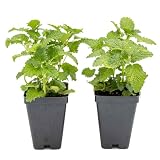
- READY TO PLANT: 2 Lemon Balm (Melissa officinalis) starter plants in nursery cubes—well-rooted and ready to grow. Natural variation in size, color, and appearance may occur.
- ABOUT THIS PLANT: An aromatic edible perennial herb with fast-growing, bright green lemon-scented foliage that releases when brushed, forming a bushy, upright mound, reaching 18–24 in tall × wide at maturity, thriving in USDA Zones 3–9.
Lemon balm grows readily in many garden conditions and can be cultivated in containers to control its vigorous growth. Its green foliage provides a useful contrast to colorful flowering plants.
Gardeners can also harvest the leaves for herbal teas and flavored beverages. Its strong foliage fragrance makes it useful in a mixed aromatic planting strategy, although it does not guarantee that wasps will avoid an area.
Pros
- Lemon fragrance
- Easy cultivation
- Useful herb
- Container suitable
- Attractive foliage
- Tea applications
- Vigorous growth
Cons
- Spreads readily
- Needs trimming
- Variable results
9. Lemongrass — Best Lemongrass Plant For Deterring Wasps
Lemongrass is often selected as the best lemongrass plant for deterring wasps around outdoor spaces because of its strong citrus-like foliage fragrance. Its tall leaves can add a tropical appearance to patios, containers, and sunny garden beds.

- VALUE 10-PACK LEMON GRASS LIVE PLANTS: Receive 10 robust fully rooted lemongrass plants. Fast-growing and ideal for planting in garden soil or patio pots for indoor or outdoor spaces.
- CLEAN HYDROPONIC SYSTEM: Our soil-free method delivers pristine white roots without messy dirt. These hydroponic lemon grass plants are highly resilient, making transplanting quick and easy.
Lemongrass performs best in warm conditions with plenty of sunlight and adequate moisture. It can be grown in containers when gardeners want to keep the plant close to outdoor seating or limit its spread.
Its stalks are also widely used in cooking and beverages, giving the plant value beyond its fragrance. While its aroma may contribute to making some areas less appealing to insects, it should not be regarded as a guaranteed wasp deterrent.
Pros
- Citrus fragrance
- Attractive foliage
- Culinary uses
- Warm-weather growth
- Container suitable
- Tropical appearance
- Patio friendly
Cons
- Frost sensitive
- Needs sunlight
- Not guaranteed
10. Rosemary Flower — Best Rosemary Flower For Wasp-Prone Patios
Rosemary is an aromatic flowering herb that can be considered the best rosemary flower for wasp-prone patios because its needle-like leaves contain strongly scented oils. The plant can also produce attractive small flowers that add seasonal interest.
- FRAGRANCE & FLAVOR: Evergreen needle-like foliage offers bold culinary flavor and a distinctive pine-like fragrance throughout the year.
- GROWTH: Develops into a woody evergreen shrub that's perfect for herb gardens, decorative containers, and landscape borders.
Rosemary generally prefers full sun and well-drained soil and can tolerate relatively dry conditions once established. It works well in containers, herb gardens, borders, and Mediterranean-style landscapes.
Its foliage is highly useful in cooking, making rosemary a practical choice for edible gardens. The plant’s strong aroma can contribute to an aromatic outdoor planting scheme without sacrificing culinary usefulness.
Pros
- Strong aroma
- Culinary herb
- Attractive flowers
- Evergreen foliage
- Sun tolerant
- Drought tolerant
- Container friendly
Cons
- Needs drainage
- Cold sensitivity
- Not guaranteed
11. Basil Flower — Best Basil Flowering Plant To Discourage Wasps
Basil can be considered when searching for the best basil flowering plant to discourage wasps around outdoor seating because its foliage produces a distinctive aromatic scent. Different basil cultivars can have substantially different fragrance profiles.

- Large leaves with intense flavor & a wonderful aroma
- Garden use: Containers, herb beds, flower beds
Basil grows well in sunny locations and containers, allowing gardeners to place aromatic foliage near outdoor kitchens and dining spaces. Regular harvesting can encourage additional foliage before the plant enters heavy flowering.
When basil flowers, it becomes more ornamental, although many gardeners remove flower spikes to maintain leaf production. Its aromatic foliage is the primary reason to include it in an insect-deterrent garden.
Pros
- Aromatic foliage
- Culinary usefulness
- Easy containers
- Fast growth
- Patio suitable
- Many varieties
- Easy harvesting
Cons
- Cold sensitive
- Short lived
- Results vary
12. Thyme Flower — Best Thyme Flower For Discouraging Wasps
Thyme is a compact aromatic herb that can be considered the best thyme flower for discouraging wasps around garden paths because its foliage releases a strong herbal scent when disturbed. Its small flowers also provide attractive seasonal color.

- Tiny, strongly aromatic & flavorful evergreen leaves
- Garden use: herb garden, flower border, containers
Thyme performs well in sunny, well-drained locations and can be grown in containers, rock gardens, borders, and raised beds. Its compact growth makes it particularly useful where planting space is limited.
The leaves are widely used as a culinary herb, allowing gardeners to combine fragrance with food production. Its flowers may attract beneficial insects, so thyme should not be regarded as a universal wasp-repellent plant.
Pros
- Compact growth
- Aromatic leaves
- Small flowers
- Culinary value
- Container friendly
- Drought tolerant
- Low maintenance
Cons
- Needs drainage
- Slow establishment
- Results vary
13. Lemon Thyme — Best Lemon Thyme Flowering Plant For Wasps
Lemon thyme can be considered the best lemon thyme flowering plant for wasps when gardeners want compact foliage with a citrus-herbal fragrance. Its small leaves and flowers allow it to fit easily into containers and border plantings.

- Tiny, aromatic and flavorful lemon-scented leaves, with Miracle-Gro Pour & Feed Singles Ready-to-Use Plant Food 4-pack for your garden; trust the experts with more than 200 years of experience
- Garden use: Herb garden, flower border, container, seasonal ground cover
The plant generally prefers full sun and well-drained soil and can tolerate relatively dry conditions after establishment. It is particularly suitable for rock gardens, herb beds, patios, and pathways.
Its leaves can also be harvested for cooking, giving it practical value beyond its aromatic qualities. The citrus scent makes it an interesting component of a mixed fragrant garden.
Pros
- Citrus fragrance
- Compact habit
- Culinary uses
- Drought tolerant
- Container friendly
- Attractive flowers
- Easy harvesting
Cons
- Needs drainage
- Slow establishment
- Not guaranteed
14. Oregano Flower — Best Oregano Flower For Wasp-Prone Gardens
Oregano is a strongly aromatic herb that can be considered the best oregano flower for wasp-prone gardens because its foliage produces a distinctive herbal fragrance. Small flowers appear above the foliage and can add seasonal interest.

- READY TO PLANT: Includes 2 Common Oregano live starter plants (Origanum vulgare) in 3.5-inch nursery cubes, fully rooted and ready for your herb garden, borders, groundcover areas, and containers. Also known as Wild Marjoram.
- ABOUT THIS PLANT: A woody, aromatic perennial culinary herb hardy in USDA Zones 4–10. Matures to 1–3 ft tall and 1–2 ft wide. Thrives in full sun, well-draining soil, and moderate watering. Features edible, fragrant foliage and pink-purple summer blooms that attract pollinators.
Oregano grows well in sunny, relatively dry conditions and can be cultivated in containers, raised beds, and herb gardens. Its spreading habit can make it useful as a low-growing aromatic plant around larger flowering specimens.
The leaves are also valuable for cooking and can be harvested fresh or dried. Its fragrance makes it a practical addition to gardens where aromatic vegetation is desired.
Pros
- Strong fragrance
- Culinary value
- Easy cultivation
- Small flowers
- Container friendly
- Drought tolerant
- Harvestable foliage
Cons
- Can spread
- Needs sunlight
- Effects vary
15. Sage Flower — Best Sage Flower To Discourage Wasps
Sage can be considered the best sage flower to discourage wasps around outdoor areas because its strongly aromatic foliage provides a noticeable herbal fragrance. Depending on the species or cultivar, sage can also produce attractive purple, blue, pink, or white flowers.

- Easy to grow
- Velvety, textured, gray-green foliage, pretty blue blooms
Sage prefers sunny conditions and well-drained soil and is particularly useful in Mediterranean-style gardens. Smaller varieties can be grown in containers close to patios and outdoor kitchens.
Its leaves are widely used as a culinary herb, making the plant useful beyond its ornamental role. The strong foliage fragrance is the primary reason it is included in aromatic planting schemes.
Pros
- Strong aroma
- Attractive flowers
- Culinary value
- Drought tolerant
- Sun loving
- Container suitable
- Long-lived plant
Cons
- Needs drainage
- Cultivars vary
- Not guaranteed
16. Catnip Flower — Best Catnip Flower For Wasp-Prone Gardens
Catnip can be considered when searching for the best catnip flower for wasp-prone gardens because its aromatic foliage produces a noticeable herbal scent. Its small flowers also provide attractive spikes above the gray-green foliage.

- Aromatic leaves are a favorite among cats.
- Garden use: Containers, herb & flower beds.
Catnip can grow in sunny borders, containers, and informal herb gardens. It is relatively easy to cultivate, although its presence can attract cats that may roll on or damage the plants.
Its insect-related benefits vary, so catnip should be treated as one aromatic plant among several rather than a guaranteed wasp deterrent. The plant’s strongest advantages are its fragrance, attractive foliage, and ease of cultivation.
Pros
- Aromatic foliage
- Attractive flowers
- Easy growing
- Container adaptable
- Perennial growth
- Soft foliage
- Low maintenance
Cons
- Attracts cats
- Can spread
- Results vary
17. Mexican Mint Marigold — Best Mexican Mint Marigold Flower For Wasps
Mexican mint marigold can be considered the best Mexican mint marigold flower for wasps when gardeners want an aromatic flowering plant with culinary value. Its foliage has an anise-like fragrance, while its yellow flowers add color.

- MEXICAN MARIGOLD: Package contains 300 seeds of Tagetes Lucida, also known as Spanish Tarragon, Mexican Mint, or Texas Tarragon, producing beautiful yellow flowers.
- GROWING SPECIFICATIONS: Plant outdoors after danger of frost or start indoors weeks before last frost, reaching 12-18 inches as an annual or up to 3 feet where perennial.
The plant prefers warm, sunny conditions and can work well in herb gardens, borders, and containers. Its compact to medium growth habit makes it relatively easy to incorporate into mixed plantings.
The leaves can be harvested as an herb, providing an additional reason to grow the plant. Its aromatic nature makes it a useful choice for gardeners developing fragrant outdoor areas.
Pros
- Aromatic foliage
- Yellow flowers
- Edible leaves
- Warm climate suitable
- Container adaptable
- Compact growth
- Ornamental value
Cons
- Frost sensitive
- Needs sunlight
- Availability varies
18. Chamomile — Best Chamomile Flower For Wasp-Prone Areas
Chamomile can be considered the best chamomile flower for wasp-prone areas when gardeners want small daisy-like flowers combined with fragrant foliage. Its delicate appearance makes it particularly attractive in cottage gardens and herb beds.

- With dainty, edible, daisy-like flowers, Chamomile is an attractive addition to any planting, with Miracle-Gro Pour & Feed Singles Ready-to-Use Plant Food 4-pack for your garden; trust the experts with more than 200 years of experience
- Add chamomile to your garden to help attract insects that pollinate plants and prey on pests
Different chamomile species have different growth habits, with some better suited to containers and others more appropriate for groundcover or garden beds. Most benefit from suitable sunlight and well-drained growing conditions.
Chamomile flowers are commonly associated with herbal tea and traditional uses, adding practical value to the planting. Its fragrance may contribute to an aromatic garden, but it should not be considered a guaranteed way to repel wasps.
Pros
- Fragrant foliage
- Daisy-like flowers
- Tea uses
- Container suitable
- Attractive appearance
- Herb garden value
- Easy garden use
Cons
- Species vary
- Can self-seed
- Limited deterrence
19. Lemon Verbena — Best Lemon Verbena Flower For Deterring Wasps
Lemon verbena can be considered the best lemon verbena flower for deterring wasps around patios because its foliage releases a powerful lemon fragrance. Its small flowers complement the highly aromatic leaves without requiring extensive garden space.

- FRAGRANT & FLAVORFUL: Glossy green leaves produce one of the strongest natural lemon fragrances of any culinary herb.
- GROWTH: Upright branching plant that reaches 3–6 feet at maturity in warm climates and grows well in containers.
The plant prefers warm weather, sunlight, and good drainage and can be grown effectively in containers. In colder climates, container growing also makes it easier to protect the plant from low temperatures.
Lemon verbena leaves are valued for teas, desserts, and other aromatic preparations. Its strong citrus fragrance makes it particularly appealing for fragrant patio gardens.
Pros
- Strong lemon scent
- Culinary uses
- Tea applications
- Container friendly
- Attractive foliage
- Patio suitable
- Fragrant plant
Cons
- Cold sensitive
- Needs sunlight
- May lose leaves
20. Tansy Flower — Best Tansy Flower To Discourage Wasps
Tansy is a strongly aromatic flowering plant that can be considered the best tansy flower to discourage wasps around garden borders. Its yellow button-like flowers and distinctive foliage give it a recognizable appearance.

Tansy can become vigorous under favorable conditions, so gardeners should consider its mature growth habit before planting it. Containers or carefully managed borders can provide greater control in smaller gardens.
Its reputation as an insect-deterring plant comes largely from its aromatic nature. Because results are variable, it should be used as part of a broader garden-management strategy rather than as a guaranteed control method.
Pros
- Strong fragrance
- Yellow flowers
- Attractive foliage
- Perennial growth
- Easy establishment
- Distinctive appearance
- Border suitable
Cons
- Can spread
- Needs management
- Not guaranteed
21. Rue Flower — Best Rue Flower For Wasp-Prone Gardens
Rue can be considered the best rue flower for wasp-prone gardens because of its intensely aromatic foliage and distinctive blue-green appearance. Its small yellow flowers add additional ornamental interest during the growing season.
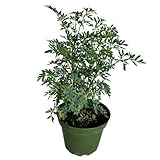
Rue prefers sunny locations and well-drained soil and can form a compact, branching plant. Its blue-green foliage provides a strong visual contrast when planted alongside green herbs and colorful flowers.
Gardeners should handle rue carefully because contact with its sap followed by sunlight can cause skin reactions in some people. Its use therefore requires sensible placement and handling rather than indiscriminate planting around frequently used spaces.
Pros
- Strong aroma
- Blue-green foliage
- Yellow flowers
- Drought tolerant
- Compact growth
- Sun tolerant
- Formal garden value
Cons
- Skin irritation risk
- Needs careful handling
- Results vary
22. Wormwood Flower — Best Wormwood Flower For Discouraging Wasps
Wormwood can be considered the best wormwood flower for discouraging wasps in sunny gardens because its silvery foliage has a particularly strong aromatic character. Its foliage provides more of the plant’s scent than its relatively understated flowers.

- ORGANIC: Smoke Camp Crafts' plants are USDA Certified Organic by Baystate Organic Certifiers
- ORGANIC & NATURALLY GROWN - NO pesticides, herbicides or chemical fertilizers are EVER used on Smoke Camp Crafts' products. The plant you order has been grown using only natural methods without any synthetic inputs.
The plant prefers sunlight and well-drained soil and can tolerate relatively dry conditions after establishment. Its silver-gray foliage makes it useful for Mediterranean-style, drought-tolerant, and formal landscapes.
Wormwood should be treated primarily as an ornamental aromatic plant rather than a food crop. Gardeners should also consider plant toxicity and pet safety before deciding where to place it.
Pros
- Strong aroma
- Silver foliage
- Drought tolerant
- Ornamental value
- Sun loving
- Distinctive texture
- Long-lived plant
Cons
- Not edible
- Pet concerns
- Results vary
23. Hyssop Flower — Best Hyssop Flower For Wasp-Prone Borders
Hyssop can be considered the best hyssop flower for wasp-prone borders because its aromatic foliage and upright flower spikes provide both fragrance and ornamental value. Its flowers can appear in attractive shades depending on the variety.

- ORGANIC- this plant has never been treated with synthetic pesticides or fertilizers, so it's safe for you, your pets, and your local biodiversity
- NORTH American Native!- support your neighborhood pollinators with this plant native to the nothern half of the United States and much of Canada. Hardy zones 3-8, WEST VIRGINIA GROWN!
Hyssop generally performs well in sunny, well-drained locations and can be grown in herb gardens, borders, and containers. Its upright growth makes it useful where gardeners want height without planting a large shrub.
The flowers can attract pollinating insects, which means hyssop should not be treated as a universal insect repellent. Its value comes from combining aromatic foliage with attractive flowering growth.
Pros
- Aromatic foliage
- Attractive flower spikes
- Upright growth
- Perennial plant
- Sun loving
- Herb garden value
- Container adaptable
Cons
- Attracts pollinators
- Needs drainage
- Results vary
24. Curry Plant Flower — Best Curry Plant Flower For Wasps
Curry plant can be considered the best curry plant flower for wasps when gardeners want silvery aromatic foliage and small yellow flowers. Its distinctive curry-like scent is particularly noticeable when the foliage is disturbed.

- Healthy and Bushy Curry Leaf Plant
- 100% Guaranteed to be alive on arrival
The plant generally prefers full sun and well-drained soil and works well in rock gardens, borders, containers, and Mediterranean-style landscapes. Its silver foliage provides a strong contrast against green and flowering plants.
Curry plant should not be confused with the curry tree or assumed to be interchangeable with culinary curry leaves. Its main appeal for this purpose is its distinctive fragrance and ornamental appearance.
Pros
- Distinctive scent
- Silver foliage
- Yellow flowers
- Sun tolerant
- Drought tolerant
- Container suitable
- Compact habit
Cons
- Needs drainage
- Cold sensitive
- Not curry leaf
25. Fennel Flower — Best Fennel Flower For Wasp-Prone Gardens
Fennel can be considered the best fennel flower for wasp-prone gardens because its foliage has a strong anise-like fragrance and its yellow flower clusters create a distinctive garden display. Its tall, airy structure can add height to informal borders.

- Premium Live Plants: Two (2) LARGE live Orion Fennel Plants. Big, healthy, ready to grow. Premium plants, 4" to 8" tall, in 4" pots. Non GMO. No Neonicotinoids. Pollinator Friendly
- Culinary Excellence: This herb is a culinary standout that adds fresh flavor to salads, soups, and gourmet dishes. Its crisp, flavorful bulbs are suitable for salads, roasting, grilling, and sauteing. Its attractive green foliage and versatile uses make it a favorite among home gardeners and cooking enthusiasts alike
Fennel generally needs adequate space because mature plants can become tall and substantial. It can work particularly well toward the back of borders where its finely divided foliage does not overwhelm shorter plants.
However, fennel can support and attract beneficial insects, so it should not be presented as a flower that universally repels wasps. Its value is primarily its fragrance, ornamental structure, and edible qualities.
Pros
- Strong aroma
- Yellow flowers
- Tall structure
- Edible plant
- Attractive foliage
- Easy establishment
- Pollinator value
Cons
- Gets tall
- Can self-seed
- Attracts insects
26. Bay Laurel Flower — Best Bay Laurel Flower For Wasp-Prone Outdoor Areas
Bay laurel can be considered the best bay laurel flower for wasp-prone outdoor areas because its evergreen foliage produces a distinctive aromatic scent. Although its flowers are relatively understated, the foliage provides the primary aromatic benefit.

- This variety of bay leaf plants are usually grown from seed. Usualy grows larger and has smaller leaves than Saratoga. It is also more spread out. Has a stronger flavor. Saratoga is better for potting.
- Bay leaf has been used in cooking since ancient times fresh or dried. Leaves used in Roman laurel wreath. Fragrant flowers bloom in spring. Craft bushes into hedges or shaped into topiary shapes. Grown in containers or in the ground.
Bay laurel can be grown as a shrub, small tree, or container specimen depending on climate and pruning. Container cultivation makes it easier to position the plant around outdoor spaces while controlling its eventual size.
The leaves also have culinary value when properly identified and used appropriately. Its evergreen structure provides additional ornamental interest throughout the year in suitable climates.
Pros
- Evergreen foliage
- Strong aroma
- Culinary leaves
- Container suitable
- Pruning tolerant
- Attractive structure
- Long-lived plant
Cons
- Slow growth
- Cold sensitive
- Can become large
27. Mexican Tarragon Flower — Best Mexican Tarragon Flower For Wasps
Mexican tarragon can be considered the best Mexican tarragon flower for wasps because its aromatic foliage has a noticeable anise-like fragrance. Its yellow flowers provide additional color in warm-season herb gardens.

- Prefers full sun and performs well in bright outdoor growing conditions
- Grows in well-draining soil, provide moderate watering and avoid prolonged waterlogged conditions
The plant prefers warm weather and sunny locations and can be grown successfully in containers or garden beds. Its manageable size makes it convenient for outdoor kitchens, patios, and herb gardens.
The foliage can also be harvested for culinary purposes, providing value beyond its ornamental and aromatic characteristics. Its scent makes it an interesting component of a mixed fragrant planting arrangement.
Pros
- Aromatic foliage
- Yellow flowers
- Culinary herb
- Warm-weather growth
- Container friendly
- Attractive plant
- Easy harvesting
Cons
- Frost sensitive
- Needs sunlight
- Results vary
28. Eucalyptus Flower — Best Eucalyptus Flowering Plant To Discourage Wasps
Eucalyptus can be considered the best eucalyptus flowering plant to discourage wasps around larger outdoor spaces because many species have strongly aromatic foliage. The leaves are usually more important for fragrance than the flowers themselves.

- FRAGRANT FOLIAGE: Beautiful blue-green foliage fills the garden with a refreshing aroma and attractive silvery color. Shipped 10" Tall by 3" Wide in 1 Pint Pot.
- GROWTH: Fast-growing plant that can be maintained in containers or planted outdoors where climate allows.
Depending on species, eucalyptus can develop into a large tree or remain smaller and shrub-like. Gardeners should therefore select a species according to available space and local growing conditions.
The aromatic foliage provides year-round interest in suitable climates, while mature specimens can create substantial landscape structure. Smaller species or container specimens are generally more practical where space is limited.
Pros
- Strong leaf aroma
- Evergreen options
- Attractive foliage
- Many species
- Distinctive appearance
- Drought tolerance varies
- Landscape value
Cons
- Some grow huge
- Needs species selection
- Not guaranteed
29. Lemon-Scented Flowering Plant — Best Lemon-Scented Flower For Wasps
Lemon-scented flowering plants can be useful when looking for the best lemon-scented flower for wasps because citrus-like aromas are popular in fragrant garden designs. Lemon-scented geraniums and other aromatic plants can provide this characteristic fragrance close to outdoor seating.
- Common Name: Lemon Scented Geranium
- Scientific Name: Pelargonium crispum
These plants are particularly convenient in containers because gardeners can position them where their foliage is frequently brushed or exposed to warm sunlight. Their ornamental leaves can also provide interest between flowering periods.
The exact fragrance and growth characteristics depend on the plant species and cultivar selected. Choosing a genuinely aromatic live plant is therefore more important than relying solely on a name containing the word lemon.
Pros
- Citrus fragrance
- Container friendly
- Attractive foliage
- Patio suitable
- Easy positioning
- Ornamental value
- Fragrant garden use
Cons
- Cultivars vary
- Frost sensitive
- Not guaranteed
30. Rosemary Flowering Plant — Best Flowering Rosemary For Deterring Wasps
Flowering rosemary can be considered the best flowering rosemary for deterring wasps around patios and outdoor kitchens because it combines strongly aromatic evergreen foliage with attractive flowers. Its fragrance is particularly noticeable when the needle-like leaves are brushed or crushed.
- FRAGRANCE & FLAVOR: Evergreen needle-like foliage offers bold culinary flavor and a distinctive pine-like fragrance throughout the year.
- GROWTH: Develops into a woody evergreen shrub that's perfect for herb gardens, decorative containers, and landscape borders.
Rosemary prefers full sun and well-drained soil and can perform well in containers, borders, herb gardens, and Mediterranean-style landscapes. Its flowers add seasonal color while the foliage remains useful throughout much of the year.
The plant is also valuable as a culinary herb, making it a practical choice for edible landscapes. Its fragrance can contribute to a less insect-friendly atmosphere in selected areas, but it should be combined with sanitation and other appropriate wasp-management practices.
Pros
- Strong aroma
- Attractive flowers
- Culinary usefulness
- Evergreen foliage
- Sun tolerant
- Drought tolerant
- Container friendly
Cons
- Needs drainage
- Cold sensitivity
- Not guaranteed
7 Characteristics To Look For In Flowers That Deter Wasps
1. Strong Aromatic Foliage
The most useful characteristic is often strong fragrance from the foliage rather than the flower itself. Lavender, rosemary, scented geraniums, mint, and lemon verbena are examples of plants with noticeable aromatic leaves.
2. Citrus-Like Fragrance
Plants with lemon or citrus-like aromas are popular in outdoor aromatic gardens. Lemongrass, lemon verbena, lemon thyme, and scented geraniums can provide this type of fragrance.
3. Container Compatibility
Container-friendly flowers and aromatic plants can be positioned close to patios, balconies, outdoor kitchens, and seating areas. Containers also make it easier to move plants when necessary.
4. Compact Growth
Compact plants are particularly useful around frequently used outdoor areas because they require less space. Thyme, lavender, scented geraniums, and oregano can work well in smaller planting areas.
5. Heat And Sun Tolerance
Many aromatic plants produce their strongest growth and fragrance when grown under appropriate sunlight and temperature conditions. Matching the plant to the local climate is therefore more important than simply choosing a strongly scented species.
6. Low Maintenance
Plants that require relatively little maintenance can be easier to incorporate into long-term garden designs. Rosemary, thyme, lavender, sage, and oregano can be useful choices where well-drained soil and adequate sunlight are available.
7. Multiple Uses
Flowers and flowering herbs are more valuable when they provide additional benefits such as culinary use, ornamental color, fragrance, or evergreen structure. This allows the plants to remain useful even when their effect on wasp activity is limited.
What Flowers Wasps Hate FAQs
1. What flowers do wasps hate the most?
There is no scientifically reliable list of flowers that all wasps universally hate. Strongly aromatic plants such as lavender, scented geraniums, rosemary, mint, marigolds, and chrysanthemums are commonly used in gardens where people want to discourage unwanted insect activity.
2. Does lavender keep wasps away?
Lavender has a strong fragrance that can be incorporated into an aromatic outdoor planting scheme. However, lavender also attracts bees and other pollinators, so it should not be considered a guaranteed wasp repellent.
3. Do marigolds repel wasps?
Marigolds have aromatic foliage and are frequently used in companion planting and insect-management gardens. Their effect on wasps can vary, so planting marigolds should not be considered a guaranteed method of preventing wasp activity.
4. What flower keeps wasps away from a patio?
Scented geraniums, lavender, rosemary, lemon thyme, and other strongly aromatic plants can be positioned around patios. Container planting is particularly useful because it allows aromatic plants to be placed close to seating without taking over the landscape.
5. Do roses attract wasps?
Roses can attract insects because their flowers provide resources such as nectar and pollen, depending on the cultivar and flower structure. Fragrant roses should therefore not automatically be classified as wasp-repellent flowers.
6. What smells do wasps dislike?
Strong aromatic scents such as mint, rosemary, citrus-like fragrances, and certain other plant aromas are commonly associated with attempts to discourage wasps. The response can vary considerably between wasp species and environmental conditions.
7. Can flowers completely stop wasps from coming into my garden?
Flowers cannot reliably prevent wasps from entering a garden. Food sources, sugary drinks, garbage, ripe fruit, water, shelter, and nesting opportunities can be much stronger factors, so reducing these attractants is important when wasp activity becomes a problem.
Conclusion
In conclusion, there is no single flower that all wasps universally hate, but strongly aromatic flowering plants can be useful components of an outdoor planting strategy. Lavender, scented geraniums, marigolds, chrysanthemums, rosemary, lemon thyme, and other fragrant plants can provide attractive alternatives to relying entirely on chemical control.
The best choices depend on the garden’s climate, available sunlight, soil drainage, container space, and desired fragrance. Plants with strongly scented foliage are particularly interesting because their aromatic compounds can be released when leaves are touched, crushed, or warmed.
Gardeners should also remember that many attractive flowers support pollinators and other beneficial insects. A flower that may discourage certain unwanted insects in one situation can still attract bees, butterflies, or other insects, so planting decisions should consider the entire garden ecosystem.
Ultimately, flowers should be viewed as one part of a broader approach to managing wasps rather than a guaranteed solution. Combining aromatic plants with covered food, clean outdoor eating areas, secure garbage containers, reduced standing attractants, and appropriate nest management provides a more comprehensive strategy for managing wasp activity.
Recent Posts
Spring fertilization supports healthy leaf development, root activity, and productive shoot growth when apple trees have insufficient soil nutrients. Selecting an appropriate fertilizer requires...
Cucumbers (Cucumis sativus) are vigorous, fast-growing vines that can produce abundant harvests when their roots receive enough water, warmth, and balanced nutrition. The best fertilizer for cukes in...