Many fruit-bearing plants depend on insect pollination to transfer pollen between flowers and support successful fruit development, making bees important contributors to productive gardens and farms. Some crops produce little fruit without adequate bee activity, while others develop larger, more uniform harvests when their flowers receive thorough pollination.
Bee pollination is particularly important for crops with separate male and female flowers, flowers that require pollen transfer between compatible varieties, or floral structures that make self-pollination difficult. Watermelons, pumpkins, blueberries, apples, and several other fruit crops benefit significantly from the activities of honeybees, bumblebees, and native solitary bees.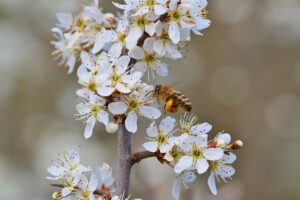
Growing bee-dependent plants requires more than selecting suitable varieties because flowering periods, pollinator activity, weather, and pesticide management also influence fruit set. Providing flowering habitats, nesting sites, and reliable water sources can encourage bees to visit crops throughout their blooming periods.
In this guide, we explore 15 best plants that need bee pollination or benefit substantially from bee activity, explaining their pollination requirements and growing characteristics. The selections include vegetables, fruit trees, berries, and tropical fruit crops that can reward growers with improved fruit production when pollination is adequate.
10 Best Plants That Need Bee Pollination
1. Watermelon – Best Plant That Needs Bee Pollination for Fruit Development
Watermelon is one of the best plants that need bee pollination because its male and female flowers depend on pollen transfer to produce properly developed fruits. Honeybees, bumblebees, and other flower-visiting insects move pollen from male flowers to female flowers as they forage for nectar and pollen. Insufficient pollination can result in flowers dropping, poor fruit set, or small and irregularly shaped watermelons.
- Organic raw watermelon seeds, without shells
- No added salt or oil

Watermelon plants produce separate male and female flowers on the same vine, so pollinators must visit both flower types during the flowering period. Male flowers generally appear before female flowers, providing pollen for subsequent fruit-producing blooms. Each female flower has a limited period during which successful pollination can occur, making consistent bee activity important.
Grow watermelons in fertile, well-drained soil with full sunlight and adequate moisture during flowering and fruit development. Avoid applying insecticides that are toxic to bees while flowers are open, particularly during periods when pollinators are actively foraging. Planting flowering herbs and maintaining undisturbed areas nearby can help attract beneficial pollinators to watermelon fields.
- Bee pollination supports reliable fruit set.
- Thorough pollination improves fruit development.
- Suitable for warm-season production.
- Produces marketable fruits under good management.
- Attracts honeybees and native bees.
- Performs well in sunny growing areas.
- Provides high-value edible produce.
- Requires sufficient pollinator activity.
- Sensitive to poor moisture management.
- Vulnerable to several insect pests.
2. Pumpkin – Best Plant That Needs Bees for Cross-Pollination
Pumpkin is one of the best plants that need bees for cross-pollination because its separate male and female flowers require pollen transfer for successful fruit production. Honeybees and native bees visit pumpkin flowers, collecting pollen and nectar while transferring pollen between the two flower types. Poor pollination can cause young pumpkins to abort or develop unevenly.

- EXCELLENT SOURCE OF PROTEIN AND IRON: Pumpkin seeds (also known as pepitas in Spanish) are just a small portion of a pumpkin’s make-up, but they’re big on flavor, and they’re an excellent source of protein and iron
- VERSATILE SNACK: Mention pumpkins and most people think of jack-o-lanterns, lattes, and delicious pies. But there’s a lot more to this squash than its scrumptious flavor
Pumpkin flowers are relatively large and provide accessible floral resources for several bee species. Male flowers produce pollen, while female flowers can be identified by the small immature fruit located behind the flower. Bees must transfer sufficient viable pollen to the female flower’s stigma for normal fruit development.
Plant pumpkins in fertile soil with adequate organic matter, full sunlight, and sufficient space for their spreading vines. Maintain consistent soil moisture during flowering and avoid disturbing flowering plants with unnecessary pesticide applications. A nearby habitat containing native flowering plants can improve pollinator availability during the pumpkin flowering period.
- Bee activity supports successful fruit set.
- Produces large edible fruits.
- Flowers attract several bee species.
- Suitable for warm-season gardens.
- Fruits can be stored after harvest.
- Multiple varieties are available.
- Useful for food and seed production.
- Requires space for spreading vines.
- Poor pollination can cause fruit abortion.
- Susceptible to powdery mildew.
3. Cucumber – Best Vegetable Plant That Needs Bee Pollination
Cucumber is one of the best vegetable plants that need bee pollination because many outdoor varieties produce separate male and female flowers that depend on insect-mediated pollen transfer. Honeybees and other bees carry pollen between flowers, supporting fertilization and the development of marketable cucumbers. Inadequate pollination can result in poor fruit set, misshapen cucumbers, or premature fruit abortion.

- Cucumis Sativus: These finest quality, non-GMO, USDA Organic Marketmore Cucumber seeds produce hefty dark green, smooth fruits 8-9 inches long with a sweet and mild flavor ideal for slicing, salads, sandwiches and soups.
- Benefits of Trellising: When growing cucumber vines a trellis will encourage the vines to climb, which helps protect the fruit from damage, and help maximize space in smaller gardens.
Traditional cucumber varieties produce male and female flowers on the same plant, with male flowers supplying pollen and female flowers developing into fruits. Bees usually visit multiple flowers while collecting nectar and pollen, increasing the likelihood of successful pollen transfer. However, some greenhouse cucumber varieties are parthenocarpic and produce fruits without pollination, so growers should check the variety’s characteristics before planting.
Grow cucumbers in fertile, well-drained soil with consistent moisture and sufficient sunlight. Provide trellises where appropriate to improve airflow, make harvesting easier, and support healthy vine development. Protect flowering plants from bee-toxic pesticides and maintain flowering vegetation nearby to encourage regular pollinator visits.
- Bee visits improve fruit set in dependent varieties.
- Produces edible fruits over an extended period.
- Suitable for gardens and commercial farms.
- Can be grown vertically on trellises.
- Flowers attract several bee species.
- Numerous varieties are available.
- Fruits are useful in fresh salads and cooking.
- Some varieties require insect pollination.
- Irregular watering can affect fruit quality.
- Susceptible to cucumber beetles and fungal diseases.
4. Zucchini – Best Squash Plant That Requires Bee Pollination
Zucchini is one of the best squash plants that require bee pollination because its male and female flowers depend on pollen transfer to develop normal fruits. Honeybees, bumblebees, and squash bees visit the flowers, transferring pollen while collecting floral resources. Inadequate pollination can cause young zucchini fruits to turn yellow, shrivel, and fall before reaching harvestable size.

- Beautiful - Large full-color packet of Black Beauty Zucchini (Cucurbita pepo) seeds. Compact zucchini plant produces a bounty of glossy black-green fruit with white flesh. Best when fruit reaches 6-8" long and 2" diameter. AAS Winner. Minimum of 3.5 g per packet (about 30 seeds).
- Productive - Zucchini germinates in 10-14 when soil temps are 65-75°F. Plant 1/2” deep and space 18-24” apart in an area with full sun. This variety will grow 1-2’ tall with a spread of 3-4’. Squash will mature in 50-60 days, plant in USDA zones 3-11.
Zucchini plants produce separate male and female flowers, usually on the same plant. Male flowers have slender stems, while female flowers have a small immature zucchini behind the petals. Pollinators must move pollen from the male flower’s anthers to the female flower’s stigma for fertilization and normal fruit development.
Plant zucchini in fertile, well-drained soil and provide full sunlight for vigorous vine growth. Maintain consistent moisture during flowering, but avoid waterlogging the root zone because excessive soil moisture can encourage root diseases. Allow bees access to open flowers, especially during the morning when many squash varieties are actively visited by pollinators.
- Bee pollination supports normal fruit development.
- Produces fruits relatively quickly.
- Suitable for home and commercial gardens.
- Flowers attract native squash bees.
- Can provide repeated harvests.
- Fruits are versatile in cooking.
- Compact varieties suit smaller gardens.
- Poor pollination causes fruit abortion.
- Plants are susceptible to powdery mildew.
- Frequent harvesting is necessary.
5. Apple – Best Fruit Tree That Needs Bee Cross-Pollination
Apple is one of the best fruit trees that need bee cross-pollination because most commercial apple cultivars are self-incompatible and require compatible pollen from another variety. Honeybees, bumblebees, and other insects transfer pollen between flowering apple trees, supporting fertilization and fruit development. Without sufficient compatible pollen transfer, an apple tree may produce very few fruits despite having abundant blossoms.

- Product Specifications: Ships as a 1 gallon nursery pot with tree height of 2-3 feet, ready for transplanting into your home orchard or garden space
- Spring Blooms: The Pink Lady apple tree blooms in mid to late spring with clusters of fragrant white blossoms tinged with soft pink, adding a beautiful ornamental touch to the garden
Apple trees produce flowers containing reproductive structures that require successful pollen transfer for fruit development. Many varieties cannot reliably fertilize their own flowers, so growers need compatible pollinizer varieties with overlapping flowering periods. Honeybees are especially useful because they visit large numbers of flowers while moving between trees in orchards.
Plant at least two compatible apple varieties when growing cultivars that require cross-pollination, ensuring their flowering periods overlap. Choose varieties suited to the local climate and provide full sunlight, fertile soil, and adequate drainage. Avoid bee-toxic insecticide applications during bloom because pollinating insects are essential for successful orchard production.
- Bee activity supports cross-pollination.
- Produces valuable edible fruits.
- Many cultivars are available.
- Suitable for orchard production.
- Compatible varieties improve fruit set.
- Flowers provide resources for pollinators.
- Fruits can be stored under suitable conditions.
- Most cultivars need compatible pollen sources.
- Flowering can be damaged by frost.
- Trees require pruning and pest management.
6. Blueberry – Best Berry Plant That Benefits From Bee Pollination
Blueberry is one of the best berry plants that benefit from bee pollination because its bell-shaped flowers require effective pollen transfer to support good fruit set and berry development. Bumblebees and other native bees are particularly effective because their pollination behavior helps release pollen from blueberry flowers. Although some cultivars are self-fertile, bee activity and cross-pollination can improve fruit size and overall harvest quality.

- Thrives in USDA zones 7-9
- Grows to mature Size- 4-5 feet high x 3-4 feet wide
Blueberry flowers have a narrow opening that can make pollen collection difficult for some insects. Bumblebees can use sonication, commonly called buzz pollination, to release pollen from the anthers. This behavior makes them important pollinators for blueberry crops, although honeybees and other native bees can also contribute.
Grow blueberries in acidic soil, generally around pH 4.5–5.5, with good organic matter and consistent moisture. Planting compatible cultivars with overlapping flowering periods can improve cross-pollination and extend the harvest potential. Avoid broad-spectrum insecticides during bloom and maintain nearby flowering plants that support native bee populations.
- Bumblebees provide effective pollination.
- Cross-pollination can improve fruit size.
- Produces nutritious edible berries.
- Suitable for home and commercial gardens.
- Several cultivars are available.
- Flowers support native pollinator populations.
- Can produce fruit for many years.
- Requires acidic growing conditions.
- Some cultivars need compatible pollen sources.
- Sensitive to unsuitable soil pH.
7. Almond – Best Nut Tree That Depends on Bee Pollination
Almond is one of the best nut trees that depend on bee pollination because most commercial almond varieties require pollen transfer between compatible cultivars to produce a reliable crop. Honeybees are widely used in commercial almond orchards because they visit the large numbers of flowers produced during the relatively short flowering season. Poor pollination can reduce nut set and lower the final harvest.

- Long-Term Landscape Investment: Imagine your property a few years from now - cooler, greener, and more comfortable. A place where a wide, layered canopy creates natural shade and transforms open space into a relaxing outdoor environment. That future starts with planting a Tropical Almond Tree (Terminalia catappa) today
- Sun Exposure Requirements: Thrives in full sun, creating a serene, tropical atmosphere in your garden
Many almond cultivars are self-incompatible, meaning their flowers require compatible pollen from a different cultivar. Bees move pollen between trees as they forage, making orchard arrangement and pollinator availability important considerations. Some newer almond cultivars are self-fertile, but insect visits can still improve pollination under suitable conditions.
Plant compatible almond cultivars with overlapping flowering periods when growing varieties that require cross-pollination. Almond trees perform best in suitable warm climates with well-drained soil and adequate winter chilling for the selected cultivar. Protect bees during bloom by avoiding harmful pesticide applications and coordinating pest management with pollinator activity.
- Bee activity supports orchard pollination.
- Produces valuable edible nuts.
- Suitable for commercial orchard systems.
- Flowers provide early-season forage.
- Compatible cultivars improve fruit set.
- Nuts have a long storage life.
- Can generate high-value harvests.
- Many cultivars require cross-pollination.
- Bloom is vulnerable to adverse weather.
- Requires suitable climate and management.
8. Avocado – Best Tropical Fruit Tree That Needs Bee Pollination
Avocado is one of the best tropical fruit trees that need bee pollination because its flowers have a distinctive opening pattern that encourages pollen transfer between male and female flowering phases. Honeybees and native bees visit avocado flowers, moving pollen between flowers and trees while collecting nectar. Although some avocado cultivars can set fruit under favorable conditions without extensive cross-pollination, insect activity is important for commercial fruit production.

- The Hass Avocado, celebrated for its rich, creamy fruits, offers not only culinary versatility but also the joy of nurturing a thriving fruit tree.
- Sun Exposure: Thrives in full sun, creating a serene, tropical atmosphere in your garden
Avocado flowers are classified into Type A and Type B flowering patterns, which differ in the timing of their female and male phases. Planting compatible flowering types can improve opportunities for pollen transfer, especially where flowering periods overlap. Bees visit the flowers during these phases and can transfer pollen between trees.
Grow avocado trees in deep, well-drained soil with adequate organic matter and protection from strong winds. Avoid waterlogged conditions because avocado roots are sensitive to poor aeration and root rot. Maintain pollinator-friendly vegetation around the orchard and avoid insecticide applications that could harm bees during flowering.
- Bee visits support flower pollination.
- Produces valuable tropical fruits.
- Suitable for warm growing regions.
- Compatible flowering types can improve fruit set.
- Fruits have strong market demand.
- Trees provide long-term production.
- Flowers attract several pollinator species.
- Sensitive to waterlogged soil.
- Flowering can be affected by weather.
- Fruit production may vary between cultivars.
9. Passion Fruit – Best Climbing Plant That Needs Large Bee Pollinators
Passion fruit is one of the best climbing plants that need large bee pollinators because many cultivated varieties have floral structures that make effective pollen transfer dependent on sizeable insects. Carpenter bees and other large bees can contact the reproductive parts of passion fruit flowers while collecting nectar and pollen. Inadequate pollination can result in flowers dropping or producing poorly developed fruits.

- Passion fruit offers versatile uses; its pulp and juice are popular for beverages, sauces, ice cream, and baked goods, and can also be eaten fresh.
- Before sowing, it is recommended to soak the seeds in warm water for 24 hours. Sow seeds in a well-draining, sunny location after the last spring frost, with soil temperatures maintained at 20-25°C (68-77°F) to support germination.
Passion fruit flowers contain prominent reproductive structures that extend outward from the center of the bloom. In many varieties, large bees are more effective than smaller insects because their bodies make better contact with the anthers and stigmas. Pollination requirements vary by species and cultivar, with some varieties requiring cross-pollination from genetically different plants.
Grow passion fruit on a strong trellis in fertile, well-drained soil with adequate sunlight. Maintain sufficient moisture during flowering and fruit development, but avoid waterlogging around the roots. Preserve suitable nesting habitat for large native bees and avoid spraying insecticides on open flowers.
- Large bees can pollinate flowers effectively.
- Produces aromatic edible fruits.
- Suitable for tropical and subtropical climates.
- Vertical growth makes use of trellises.
- Flowers attract large native bees.
- Several fruit varieties are available.
- Can provide repeated harvests.
- Some cultivars require cross-pollination.
- Needs strong structural support.
- Poor pollination reduces fruit production.
10. Kiwi – Best Fruit Vine That Requires Bee Cross-Pollination
Kiwi is one of the best fruit vines that require bee cross-pollination because most commercial kiwifruit varieties have separate male and female plants. Bees transfer pollen from male flowers to female flowers, allowing fertilization and fruit development. Without sufficient pollen transfer, female vines may produce few fruits or develop smaller kiwifruits with fewer seeds.

- Perfect Pollination Match 🤝 – Includes 2 male Tomuri and 2 female Vincent vines for reliable kiwi fruit production.
- Low Chill Requirement 🌱 – Vincent thrives in mild climates, needing only ~200 chill hours to produce.
Most traditional kiwifruit plants are dioecious, meaning individual vines produce either male or female flowers. Growers must plant compatible male pollinizer vines near female fruit-producing vines to provide sufficient pollen. Honeybees and other bees visit kiwi flowers, although the flowers may offer less nectar than some other fruit crops.
Grow kiwi vines in fertile, well-drained soil with adequate moisture and sturdy trellising. Select male and female cultivars with overlapping flowering periods to improve the likelihood of successful pollination. Maintain healthy bee populations around the planting and avoid applying bee-toxic pesticides while the vines are flowering.
- Bees transfer pollen between male and female vines.
- Produces valuable edible fruits.
- Suitable for trellis-based production.
- Female vines can produce abundant crops.
- Compatible pollinizers improve fruit set.
- Fruits contain useful dietary nutrients.
- Long-lived vines can provide repeated harvests.
- Requires male and female plants in most varieties.
- Needs substantial trellis support.
- Flowering periods must overlap.
11. Raspberry – Best Berry Plant That Needs Bees for Full Pollination
Raspberry is one of the best berry plants that need bees for full pollination because each flower contains numerous individual ovaries that must receive pollen to develop a well-formed fruit. Honeybees, bumblebees, and solitary bees visit raspberry flowers, transferring pollen across the many stigmas. Incomplete pollination can result in small, misshapen, or crumbly berries.

- Everbearing Variety: Enjoy two harvests of sweet, delicious red raspberries each year with this Heritage variety that produces fruit in both summer and fall, providing you with an extended harvest season for fresh berries throughout the growing months
- Mature Plants: Receive 3 large, 2-year-old bare root canes that are already established and ready to produce fruit sooner than younger plants, giving you a head start on your raspberry harvest with vigorous, well-developed root systems
Raspberry flowers contain multiple pistils, each capable of developing into an individual drupelet within the mature fruit. Bees visiting the flowers improve the number of successfully fertilized drupelets, helping berries develop their characteristic rounded shape. Many raspberry cultivars are self-compatible, but they still benefit from insect visits that distribute pollen across the flower.
Plant raspberries in fertile, well-drained soil with good sunlight and adequate moisture. Provide support for suitable varieties and prune according to whether the cultivar fruits on first-year or second-year canes. Maintain flowering habitats near the planting and protect visiting bees from harmful pesticide exposure.
- Bee visits improve drupelet development.
- Produces attractive edible berries.
- Many varieties are self-compatible.
- Suitable for home and commercial gardens.
- Several cultivars produce repeated harvests.
- Flowers provide nectar and pollen.
- Fruits are suitable for fresh consumption and processing.
- Incomplete pollination causes crumbly berries.
- Canes require pruning and management.
- Some varieties are susceptible to fungal diseases.
12. Strawberry – Best Groundcover Fruit Plant That Benefits From Bees
Strawberry is one of the best groundcover fruit plants that benefit from bees because insect visits help distribute pollen across the many pistils of each flower. Honeybees, bumblebees, and solitary bees improve the completeness of pollination, supporting larger and more symmetrical berries. Although many strawberry cultivars can self-pollinate, bee activity can improve fruit shape and marketable quality.

- Enjoy a great harvest of super-sweet berries in your home garden with Bonnie Plants Strawberry
- Strawberries are easy-to-grow and perennial in zones 5 to 9
Strawberry flowers contain numerous pistils arranged across the central receptacle, and each successfully fertilized pistil contributes to fruit development. Incomplete pollination can cause uneven growth, resulting in misshapen berries that may have reduced market value. Bee visits help distribute pollen more thoroughly across the flower.
Grow strawberries in fertile, well-drained soil with adequate sunlight and consistent moisture. Use clean planting material and manage runners according to the production system to maintain suitable plant spacing. Encourage bees during flowering by providing nearby floral resources and avoiding insecticide applications when flowers are open.
- Bee visits improve fruit symmetry.
- Produces popular edible berries.
- Suitable for containers and garden beds.
- Many cultivars are available.
- Can produce fruit within a relatively short period.
- Flowers attract several bee species.
- Fruits are suitable for fresh markets and processing.
- Incomplete pollination can deform berries.
- Requires consistent moisture.
- Susceptible to several fruit and leaf diseases.
13. Pear – Best Orchard Tree That Needs Bee Cross-Pollination
Pear is one of the best orchard trees that need bee cross-pollination because many commercial varieties produce better crops when their flowers receive compatible pollen from another cultivar. Honeybees and other insects transfer pollen between flowering pear trees, supporting fertilization and fruit development. Inadequate pollination can reduce fruit set even when trees produce abundant flowers.

- These are ready to plant and should be put in the ground according to the included instructions upon arrival. All pictures are of fully grown plants. Sizes shipped are in the title and description. Deciduous plants do not have leaves in the winter.
- California orders will be packaged according to their state regulations.
Many European and Asian pear cultivars benefit from cross-pollination, although some varieties can produce fruit without a separate pollinizer. Compatibility depends on the cultivars selected, their flowering periods, and their reproductive characteristics. Bees are important pollen-transfer agents because they visit multiple flowers and move between trees during bloom.
Plant compatible pear cultivars with overlapping flowering periods where cross-pollination is required. Choose varieties adapted to the local climate and grow them in fertile, well-drained soil with adequate sunlight. Protect pollinating insects during flowering and maintain a diverse flowering environment around the orchard.
- Bee activity supports cross-pollination.
- Produces valuable edible fruits.
- Many cultivars offer different harvest periods.
- Suitable for orchard production.
- Compatible varieties can improve fruit set.
- Flowers provide resources for pollinators.
- Fruits can be stored under suitable conditions.
- Some cultivars require compatible pollen sources.
- Bloom can be damaged by frost.
- Trees need regular pruning and pest management.
14. Sweet Cherry – Best Stone Fruit Tree That Needs Bee Pollination
Sweet cherry is one of the best stone fruit trees that need bee pollination because many varieties are self-incompatible and require compatible pollen from another cultivar. Honeybees, bumblebees, and other insects transfer pollen between cherry blossoms, supporting fertilization and fruit production. Poor pollination during the short flowering period can significantly reduce the number of cherries harvested.

- Growing Conditions: Grows best in full sun with slightly acidic and loamy soil to ensure optimal fruit production and tree health
- USDA Hardiness Zones: Typically Zones 5-9, allowing this cherry tree to thrive in a wide range of climates across the United States
Many sweet cherry cultivars require cross-pollination, although certain varieties are self-fertile. Compatible cultivars must flower at approximately the same time to provide viable pollen when the main variety is receptive. Bees move between blossoms while collecting floral resources, making their activity important during the orchard’s flowering period.
Grow sweet cherries in suitable climates with well-drained soil and sufficient sunlight. Select compatible varieties when necessary and consider their flowering periods before establishing an orchard. Protect blossoms and visiting bees from damaging weather and harmful pesticide applications during bloom.
- Bee visits support effective pollen transfer.
- Produces valuable edible cherries.
- Several commercial cultivars are available.
- Compatible varieties improve fruit set.
- Flowers attract honeybees and native bees.
- Fruits are suitable for fresh markets.
- Trees can provide long-term orchard production.
- Many varieties require cross-pollination.
- Flowers are vulnerable to adverse weather.
- Trees can be susceptible to fruit pests and diseases.
15. Cantaloupe – Best Melon Plant That Requires Bee Pollination
Cantaloupe is one of the best melon plants that require bee pollination because its male and female flowers depend on pollen transfer for successful fruit development. Honeybees and other bees visit cantaloupe flowers, moving pollen between flower types as they forage. Poor pollination can cause fruit abortion, reduced fruit size, and irregularly developed melons.

- Cucumis Melo: These finest quality, non-GMO, organic Hales Best Jumbo Cantaloupe seeds produce large, ribbed melons. The bright orange flesh is exceptionally sweet and delicious for breakfast or in fruit salads.
- Harvesting Ripe Cantaloupes: When the melon begins to emit a sweet, fruity aroma-and the rind turns from green to golden yellow-it should be ripe and easily pulled from the vine. Try not to let melons fall by themselves to prevent bruising.
Cantaloupe plants produce separate male and female flowers on the same vine, with female flowers developing into fruits after successful fertilization. Bees must visit the flowers during their receptive period to transfer sufficient pollen. Multiple bee visits can improve the likelihood of complete pollination and uniform fruit development.
Grow cantaloupe in warm conditions with full sunlight, fertile soil, and good drainage. Maintain consistent moisture during flowering and early fruit development, then manage irrigation carefully as fruits mature. Avoid applying bee-toxic pesticides during bloom and encourage pollinator activity through nearby flowering plants and suitable nesting habitats.
- Bee visits support fruit set.
- Produces sweet edible melons.
- Suitable for warm-season cultivation.
- Can be grown in home gardens and farms.
- Flowers attract several bee species.
- Multiple cultivars are available.
- Fruits can provide commercial harvests.
- Requires sufficient pollinator activity.
- Sensitive to inconsistent soil moisture.
- Vulnerable to powdery mildew and insect pests.
7 Important Factors to Consider When Growing Plants That Need Bee Pollination
1. Availability of Honeybees and Native Bees
The availability of pollinating insects is one of the most important considerations when growing crops that depend on bee activity. Honeybees, bumblebees, carpenter bees, squash bees, and solitary bees contribute to pollination in different ways depending on the crop and flower structure. Maintaining suitable nesting habitats and flowering resources can encourage a diverse pollinator population around the growing area.
2. Flowering Period and Pollination Timing
Pollination must occur when flowers are receptive and viable pollen is available. Many fruit crops have relatively short flowering windows, making weather conditions and bee activity during bloom particularly important. Growers should understand the flowering period of each crop and avoid management practices that interfere with pollinator visits.
3. Compatibility of Plant Varieties
Some fruit crops require pollen from a genetically compatible variety rather than pollen from the same cultivar. Apples, many sweet cherries, pears, and most traditional kiwifruit varieties are examples where cultivar compatibility can influence fruit production. Select compatible pollinizer varieties with overlapping flowering periods before establishing an orchard.
4. Pesticide Selection and Application
Insecticides can harm bees when applied to flowering crops or when residues remain on flowers visited by pollinators. Use integrated pest management, select products with lower pollinator risk where appropriate, and follow label restrictions concerning flowering crops and bee exposure. Avoid spraying open flowers when bees are actively foraging.
5. Soil Fertility and Water Management
Healthy plants need suitable soil fertility and moisture to support flowering, pollen development, and fruit growth. Poor nutrition, drought stress, and waterlogged roots can weaken plants and reduce productive potential even when pollination is adequate. Conduct soil testing and apply balanced nutrient management based on crop requirements.
6. Weather Conditions During Flowering
Temperature, rainfall, wind, and humidity can influence flower receptivity and bee activity. Cold, wet, or windy conditions may reduce pollinator visits, while excessive heat can shorten the period during which flowers remain receptive. Plan planting dates and crop varieties around local climatic conditions where possible.
7. Habitat and Shelter for Pollinators
Pollinator-friendly habitats provide additional food and nesting opportunities when the main crop is not flowering. Planting suitable flowering herbs, native wildflowers, and hedgerows can support bees throughout the growing season. Leaving appropriate undisturbed nesting areas and providing clean, shallow water sources can further improve habitat suitability.
Frequently Asked Questions
1. Which plants depend most on bee pollination?
Watermelons, pumpkins, cucumbers, squash, and cantaloupes depend heavily on insect pollination for normal fruit production. Apples, almonds, blueberries, and several other fruit crops also rely on bees for effective pollen transfer or improved fruit set. The level of dependence varies with the crop species and cultivar.
2. Can plants produce fruit without bees?
Some plants can produce fruit without bee visits because they self-pollinate, receive pollen through wind movement, or develop fruit without fertilization. However, crops such as watermelons, pumpkins, and many cucumbers depend heavily on insect pollination. Other crops may still produce fruit without bees but develop smaller or less uniform harvests.
3. Do all fruit trees need bee pollination?
No, not all fruit trees depend on bees to produce fruit. Some are self-fertile and can set fruit using their own pollen, while others require compatible pollen from another variety. Even self-fertile trees can benefit from bee visits that improve pollen transfer and fruit set.
4. Which bees are best for pollinating vegetable crops?
Honeybees, bumblebees, squash bees, and other native solitary bees can pollinate vegetable crops. Bumblebees and squash bees are particularly useful for certain crops with flowers that benefit from their foraging behavior. The most effective bee species depends on the crop’s flower structure and local pollinator community.
5. Do greenhouse cucumbers need bee pollination?
Not all greenhouse cucumbers need bee pollination because many greenhouse varieties are parthenocarpic and can develop fruit without fertilization. Traditional cucumber varieties may require insect pollination, depending on their flowering characteristics. Growers should select varieties according to the production system and follow the seed supplier’s pollination recommendations.
6. How can I attract more bees to my vegetable garden?
Plant a range of flowering species that provide nectar and pollen throughout the growing season. Suitable habitats include flowering herbs, native wildflowers, and plants with different flowering periods. Avoid unnecessary insecticide applications and provide suitable nesting spaces and shallow water sources.
7. What happens when flowers do not receive enough bee pollination?
Insufficient pollination can cause flowers to drop without producing fruit or result in poorly developed, small, or misshapen produce. Crops such as raspberries and strawberries may develop incomplete fruits when not enough individual flower parts are fertilized. The consequences depend on the crop’s reproductive biology and the extent of pollen limitation.
Conclusion
In conclusion, watermelon, pumpkin, and cucumber are among the best plants that need bee pollination because their fruit production depends heavily on insect-mediated pollen transfer. Apple, blueberry, almond, and sweet cherry are also important choices for growers who want to establish productive fruit gardens and orchards.
Passion fruit, kiwi, avocado, raspberry, and strawberry offer additional opportunities for tropical and temperate fruit production, although their pollination requirements vary by species and cultivar. The best selection depends on local climate, soil conditions, available pollinators, and the intended production system.
The best overall choices for crops with substantial bee-pollination requirements are watermelon and pumpkin, while apple is a strong orchard option where compatible pollinizer varieties can be established. Blueberry is a valuable runner-up for growers who can provide suitable acidic soil and encourage bumblebee activity.
Successful production requires more than planting bee-dependent crops because pollinator protection, flowering synchronization, soil fertility, and water management all influence final yields. By maintaining a healthy pollinator habitat and selecting suitable varieties, growers can improve fruit set, produce more uniform harvests, and support beneficial bee populations.
Recent Posts
Large artificial outdoor plants in planters provide a practical way to decorate patios, balconies, entrances, terraces, and commercial spaces without the regular watering and pruning required by...
Artificial plants are a practical way to decorate an outdoor entrance with attractive greenery without the regular watering, pruning, and fertilizing required by living plants. The best fake plants...