Choosing plants that bloom at night can transform a garden after sunset by adding flowers, fragrance, and visual interest when most daytime blooms have closed. Many nocturnal flowers are pale, highly fragrant, or tubular, characteristics that help attract moths and other nighttime pollinators.
Night-blooming plants are especially useful around patios, balconies, walkways, seating areas, and moon gardens where their flowers can be appreciated after dark. Some open specifically at dusk, while others remain open throughout the night and close again after sunrise.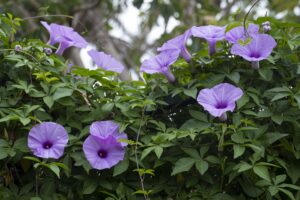
Moonflower, evening primrose, night-blooming jasmine, four o’clock, flowering tobacco, and night-blooming catchfly are examples of plants associated with evening or nighttime flowering. Their growth habits range from annual vines and herbaceous perennials to fragrant shrubs, giving gardeners plenty of options for different landscape situations.
In this guide , we cover 15 of the most useful plants that bloom at night, including fragrant flowers, climbing vines, colorful evening bloomers, and plants that support nocturnal pollinators. Each selection is matched with a specific garden use so you can choose according to available space, sunlight, climate, and desired nighttime effect.
Plants That Bloom At Night: 15 Best Options
1. Moonflower – Best Night-Blooming Vine for a Moon Garden
Moonflower can be the best night-blooming vine for a moon garden because its large white flowers open around dusk and provide an especially dramatic display after sunset. University of Minnesota Extension identifies moonflower vine (Ipomoea alba) as a nocturnal-pollinator plant with fragrant, bell-shaped white flowers that attract hawk moths.

This vigorous vine needs support such as a trellis, fence, arbor, or other sturdy structure. Its large flowers stand out particularly well in moon gardens because white blooms reflect available nighttime light.
Give moonflower plenty of sunlight during the day and adequate space for vigorous growth. Missouri Botanical Garden also describes moonflowers as producing large white blooms that open at dusk.
Pros
- Large white flowers
- Night opening
- Fragrant blooms
- Excellent vine
- Moon garden appeal
- Moth friendly
- Dramatic display
Cons
- Needs support
- Vigorous growth
- Frost sensitive
2. Evening Primrose – Best Yellow Night-Blooming Flower
Evening primrose can be the best yellow night-blooming flower for gardeners who want bright yellow flowers that open late in the day and remain open into the morning. Missouri Botanical Garden describes Missouri evening primrose as producing large yellow flowers that generally open in the late afternoon and remain open until the following morning.

The sprawling growth habit makes this plant useful along sunny borders, rock gardens, slopes, and other locations where a low-growing flowering perennial is desirable. It also tolerates relatively dry, well-drained conditions.
Its evening flowering makes it particularly interesting in gardens designed for nocturnal pollinators. Sphinx moths have been observed visiting the flowers.
Pros
- Bright yellow flowers
- Evening opening
- Perennial option
- Drought tolerant
- Good rock gardens
- Low growing
- Moth friendly
Cons
- Needs sun
- Spreading habit
- Site dependent
3. Night-Blooming Jasmine – Best Fragrant Plant That Blooms at Night
Night-blooming jasmine can be the best fragrant plant that blooms at night when fragrance is the primary reason for adding a nocturnal plant to the garden. Cestrum nocturnum is specifically highlighted by University of Minnesota Extension as a strongly scented night-blooming plant.

Its small flowers are less visually dramatic than moonflower but can produce a powerful fragrance after dark. This makes it especially attractive near patios, windows, entrances, and other areas where people spend time during evening hours.
In suitable warm climates, it can develop into a substantial shrub. Check regional hardiness before planting because it is not equally winter-hardy everywhere.
Pros
- Strong fragrance
- Night blooming
- Shrubby habit
- Patio friendly
- Attractive foliage
- Excellent sensory garden
- Long evening interest
Cons
- Warm-climate preference
- Can become large
- Fragrance may be intense
4. Four O’Clock – Best Colorful Flowers That Bloom in the Evening
Four o’clock can be the best colorful flowers that bloom in the evening because its trumpet-shaped flowers open later in the day and can provide pink, red, yellow, white, and mixed-color displays. It is also commonly known as marvel-of-Peru (Mirabilis jalapa).

The plant develops a bushy form and works well in cottage gardens, borders, containers, and informal planting beds. Its evening-opening habit makes it particularly useful when the garden is designed to provide color beyond normal daytime viewing hours.
Gardeners should remember that four o’clock sap can irritate skin and ingestion can cause gastrointestinal problems, according to University of Minnesota Extension.
Pros
- Colorful flowers
- Evening opening
- Easy from seed
- Bushy growth
- Multiple colors
- Container suitable
- Long summer interest
Cons
- Frost sensitive
- Can self-seed
- Toxicity concerns
5. Night Phlox – Best Fragrant Annual That Blooms at Night
Night phlox can be the best fragrant annual that blooms at night for gardeners seeking a compact plant with flowers that become particularly noticeable in the evening. University of Minnesota Extension includes night phlox among plants suitable for supporting nocturnal pollinators.

Its small flowers are not as imposing as moonflower, but their fragrance can make them valuable in containers, borders, and moon gardens. Planting several together can create a more noticeable evening display.
Night phlox is especially useful where garden space is limited because it does not require the large vertical support structure needed by climbing vines.
Pros
- Fragrant flowers
- Compact habit
- Evening interest
- Container suitable
- Moon garden plant
- Pollinator value
- Easy companion plant
Cons
- Smaller flowers
- Annual in many climates
- Needs suitable conditions
6. Flowering Tobacco – Best Night-Blooming Tobacco Plant
Flowering tobacco can be the best night-blooming tobacco plant for a fragrant evening garden because Nicotiana species include flowers that release noticeable fragrance at night. Missouri Botanical Garden identifies tobacco among plants associated with moth pollination and nighttime flowering.

The tall, upright plants work well toward the rear of borders or around seating areas where their evening fragrance can be appreciated. Depending on the species or cultivar, flowers may be white, pink, greenish, or other colors.
Use ornamental flowering tobacco strictly as a landscape plant and do not confuse it with tobacco grown for smoking.
Pros
- Night fragrance
- Tall growth
- Attractive flowers
- Moth friendly
- Border suitable
- Moon garden value
- Long bloom period
Cons
- Annual in many regions
- Can require staking
- Species vary
7. Night-Blooming Catchfly – Best Native-Style Night Flower for Pollinators
Night-blooming catchfly can be the best native-style night flower for pollinators when you want to incorporate a less conventional nocturnal flowering plant. University of Minnesota Extension specifically identifies night-flowering catchfly (Silene noctiflora) among plants associated with nocturnal pollinators.

Its nighttime flowering habit makes it interesting for naturalistic gardens and pollinator-focused plantings. It can complement other evening-opening species to create a succession of flowers after sunset.
Because plant behavior and regional status can vary, check local recommendations before introducing it into naturalized areas.
Pros
- Night flowering
- Pollinator interest
- Naturalistic appearance
- Unusual garden plant
- Easy companion
- Evening interest
- Educational value
Cons
- Less common
- Regional behavior varies
- Not a traditional centerpiece
8. Pale Honeysuckle – Best Fragrant Climbing Plant for Night Pollinators
Pale honeysuckle can be the best fragrant climbing plant for night pollinators where a suitable honeysuckle species is adapted to the landscape. Missouri Botanical Garden identifies pale honeysuckle among flowers associated with moth pollination because of its nighttime fragrance and floral structure.

A climbing honeysuckle can add vertical structure to a trellis, fence, arbor, or pergola. The flowers can be particularly valuable in a garden designed around evening fragrance and nocturnal wildlife.
Select the species carefully because honeysuckles vary considerably in growth behavior and regional suitability. Avoid introducing invasive species where they are restricted.
Pros
- Climbing habit
- Fragrant flowers
- Moth friendly
- Vertical interest
- Good trellis plant
- Evening garden value
- Wildlife interest
Cons
- Species vary
- Needs support
- Some honeysuckles invasive
9. Datura – Best Large White Flowers That Open at Night
Datura can be the best large white flowers that open at night when dramatic trumpet-shaped blooms are the primary objective. Missouri Botanical Garden describes Datura inoxia moonflowers as producing enormous white blooms that open at dusk.
The large flowers create a striking nighttime display and can work as focal plants in sunny borders. Datura can become substantial, so provide sufficient growing space.
Important: Datura is poisonous if eaten and should be kept away from children and pets. Handle plants carefully and follow local guidance when growing them.
Pros
- Huge flowers
- Evening opening
- Fragrant blooms
- Dramatic focal point
- Long flowers
- Heat tolerant
- Moon garden appeal
Cons
- Highly toxic
- Needs space
- Frost sensitive
10. Missouri Evening Primrose – Best Native Night-Blooming Perennial
Missouri evening primrose can be the best native night-blooming perennial for a sunny, dry garden where a low-growing flowering plant is needed. Its large yellow flowers typically open in the late afternoon and remain open until the following morning.

The plant is particularly well suited to rock gardens, sunny borders, and well-drained soils. Its sprawling habit allows it to occupy ground-level spaces without becoming a tall background plant.
It can also contribute to a nocturnal-pollinator garden, with sphinx moths among the visitors associated with its flowers.
Pros
- Native option
- Yellow flowers
- Evening opening
- Drought tolerant
- Rock garden suitable
- Low growing
- Moth friendly
Cons
- Needs full sun
- Sprawling growth
- Dry soil preferred
11. Queen of the Night Cactus – Best Night-Blooming Cactus Flower
Queen of the night cactus can be the best night-blooming cactus flower for gardeners interested in spectacular nocturnal blooms from a cactus collection. Several cactus species and hybrids are known for flowers that open during the night and close relatively quickly.

The flowers can be exceptionally large compared with the plant, making the brief nighttime display particularly dramatic. These plants are best appreciated when grown where the evening blooms can be observed directly.
Provide excellent drainage and avoid keeping the growing medium continuously wet. Container cultivation makes it easier to control the growing conditions and move plants where winters are too cold.
Pros
- Spectacular flowers
- Night blooming
- Container suitable
- Drought tolerant
- Unique appearance
- Excellent collector plant
- Dramatic fragrance
Cons
- Brief flowering
- Needs drainage
- Cold sensitive
12. Epiphyllum – Best Orchid Cactus That Blooms at Night
Epiphyllum can be the best orchid cactus that blooms at night for gardeners who want spectacular flowers from a container-grown plant. These epiphytic cacti are appreciated for large flowers that can appear dramatically against their flattened stems.

Unlike desert cacti, orchid cacti generally prefer more organic growing media and filtered light. They can be grown in hanging baskets where their trailing stems create an attractive display even when the plant is not flowering.
Keep the plant protected from harsh afternoon exposure and excessive moisture. Container culture is particularly convenient for managing light, watering, and winter conditions.
Pros
- Large flowers
- Night blooms
- Hanging basket option
- Long trailing stems
- Unique foliage
- Container friendly
- Ornamental value
Cons
- Needs filtered light
- Sensitive to overwatering
- Flowering can be seasonal
13. Gardenia – Best Fragrant Flower for Evening Gardens
Gardenia can be the best fragrant flower for evening gardens when strong fragrance and glossy evergreen foliage are desired. Gardenias are included among fragrant flowers associated with moth pollination in Missouri Botanical Garden educational material.


Although gardenia flowers do not necessarily behave like a strict night-only bloomer, their intense fragrance makes them valuable in gardens designed for evening enjoyment. Planting them near patios, entrances, or windows allows the fragrance to become part of the nighttime garden experience.
Gardenias prefer suitable warmth, moisture, drainage, and acidic soil conditions. Their cultural requirements are more demanding than those of some of the other plants on this list.
Pros
- Strong fragrance
- Evergreen foliage
- White flowers
- Patio suitable
- Elegant appearance
- Evening sensory appeal
- Container option
Cons
- More demanding
- Soil sensitive
- Cold sensitive
14. Night-Blooming Water Lily – Best Aquatic Plant That Blooms at Night
Night-blooming water lilies can be the best aquatic plant that blooms at night for gardeners with a suitable pond or water feature. Missouri Botanical Garden notes that tropical Victoria water lilies produce large night-blooming flowers and that nighttime-opening water lilies can be white, pink, or red.
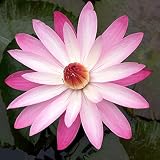
These plants create an unusual nighttime display because the flowers rise above the water surface. They are especially effective in ornamental ponds where the blooms can be viewed from nearby seating areas.
Aquatic lilies require substantially different cultivation from terrestrial flowers. Water depth, container size, temperature, sunlight, fertilization, and winter conditions all need to be considered.
Pros
- Dramatic flowers
- Aquatic interest
- Night blooms
- Large flowers
- Tropical appearance
- Excellent focal point
- Pond friendly
Cons
- Requires pond
- Higher maintenance
- Temperature sensitive
15. Angel’s Trumpet – Best Fragrant Night-Blooming Tree-Like Plant
Angel’s trumpet can be the best fragrant night-blooming tree-like plant for gardeners in suitable warm climates who want large hanging flowers and strong evening fragrance. Its pendulous trumpet flowers can create a dramatic focal point around patios and nighttime seating areas.
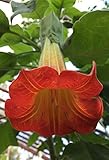
The plant can become a substantial shrub or small tree under favorable conditions, making it more appropriate for spacious landscapes or large containers. Its hanging flowers are particularly suited to an evening garden where fragrance and flower size are priorities.
Important: Brugmansia is highly toxic if ingested. It should be grown only where its poisonous properties can be safely managed, particularly around children and pets.
Pros
- Huge trumpet flowers
- Strong fragrance
- Night interest
- Dramatic focal point
- Container suitable
- Tropical appearance
- Long flowering potential
Cons
- Highly toxic
- Cold sensitive
- Needs substantial space
7 Essential Features to Consider When Choosing Night-Blooming Plants
1. Flowering Time
Check whether the plant opens specifically at dusk, remains open through the night, or simply becomes more fragrant after sunset. These are different characteristics.
2. Fragrance
If the garden will be enjoyed after dark, fragrance can be just as important as flower color. Jasmine, gardenia, moonflower, and several moth-pollinated plants are particularly valuable for this purpose.
3. Flower Color
White and pale-colored flowers are particularly effective in moon gardens because they are more visually noticeable under low light.
4. Pollinator Value
Many nocturnal flowers are adapted to moths and other nighttime pollinators. Adding several different flowering forms can provide a more useful nocturnal habitat.
5. Sunlight
Many night-blooming plants still require substantial daytime sunlight to produce strong growth and flowers. Check the individual species’ light requirements before planting.
6. Mature Size
Moonflower, angel’s trumpet, datura, and climbing plants can require considerably more room than compact evening flowers. Plan for mature height, width, and support requirements.
7. Toxicity
Several dramatic night-blooming plants, including datura and Brugmansia, are poisonous. Keep toxic species away from children and pets and handle them responsibly.
Plants That Bloom At Night FAQ’s
1. What flowers bloom at night?
Moonflower, evening primrose, four o’clock, night phlox, flowering tobacco, night-blooming jasmine, and some water lilies are examples of plants associated with evening or nighttime flowering.
2. What is the best night-blooming flower?
There is no universal best choice because the ideal plant depends on climate, available space, sunlight, soil, and whether fragrance or flower size is the priority. Moonflower is particularly useful for a sunny moon garden, while evening primrose works well in dry, well-drained landscapes.
3. What plant has flowers that open at night and close in the morning?
Moonflower is a classic example. Missouri evening primrose also opens late in the day and generally remains open until the following morning.
4. What night-blooming plants attract moths?
Moonflower, night-blooming jasmine, flowering tobacco, evening primrose, and other fragrant pale or tubular flowers can attract nocturnal moths. Many moth-pollinated flowers use fragrance and pale coloration to make themselves easier to locate after dark.
5. What is the most fragrant flower that blooms at night?
Night-blooming jasmine is particularly well known for its strong nighttime fragrance. Moonflower, gardenia, flowering tobacco, and angel’s trumpet can also contribute substantial fragrance to an evening garden.
6. Can I grow night-blooming flowers in containers?
Yes. Four o’clock, flowering tobacco, moonflower with suitable support, gardenia, orchid cactus, and some other species can be grown in containers when their specific light, moisture, and temperature requirements are met.
7. What is a moon garden?
A moon garden is a garden designed to remain visually and aromatically interesting after sunset. White or pale flowers, silvery foliage, reflective surfaces, fragrance, and night-blooming plants are commonly used to create the effect. University of Minnesota Extension specifically describes moon gardens as spaces featuring plants that shine after the sun sets.
Conclusion
In conclusion, plants that bloom at night offer a different dimension of garden interest by bringing flowers and fragrance into the hours after sunset. Moonflower, evening primrose, night-blooming jasmine, four o’clock, and flowering tobacco are particularly useful for creating an evening-focused planting.
The best choice depends on the garden’s conditions and intended experience, with moonflower standing out for dramatic white blooms on a sunny trellis and evening primrose providing a lower-growing option for well-drained landscapes. The runner-up depends on whether fragrance, container culture, shade, or aquatic growing conditions is the primary requirement.
When designing a nocturnal garden, combine plants with different heights, flowering periods, fragrances, and flower shapes rather than relying on one species. This can create a more continuous evening display while providing resources for nocturnal pollinators such as moths.
Ultimately, the most successful nighttime garden begins with matching each plant to its growing conditions. Give vines adequate support, provide drainage-sensitive plants with suitable soil, protect tropical species from cold, and pay particular attention to toxicity when selecting plants for homes with children or pets.
Recent Posts
Spring fertilization supports healthy leaf development, root activity, and productive shoot growth when apple trees have insufficient soil nutrients. Selecting an appropriate fertilizer requires...
Cucumbers (Cucumis sativus) are vigorous, fast-growing vines that can produce abundant harvests when their roots receive enough water, warmth, and balanced nutrition. The best fertilizer for cukes in...