Selecting the right plants that attract bees transforms a simple garden into a thriving pollinator sanctuary. Pollinator decline has reached critical levels, with some bee species experiencing population drops of over 40% in the last decade. Consequently, gardeners hold immense power to reverse this trend through strategic plant choices.
Understanding bee vision explains why flower selection matters more than mere aesthetics. Bees perceive ultraviolet light, guiding them toward flowers with specific nectar guides invisible to humans. Additionally, bee foraging efficiency depends on flower shape, with tubular or composite blooms providing easier access to pollen and nectar rewards.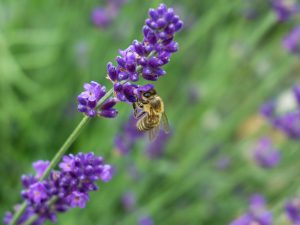
Modern landscaping often prioritizes ornamental hybrids that produce minimal pollen, starving local bee populations. Native species naturally co-evolved with regional bees, offering optimal nutrition through synchronized blooming periods. A poor plant choice wastes bee energy and fails to support colony health or honey production.
In this guide, we rank the 20 best plants that attract bees based on nectar output, bloom duration, and pollinator preference. You will discover specific cultivars backed by entomological research, ensuring your garden becomes a verified haven for honeybees, bumblebees, and solitary species.
20 Best Plants That Attract Bees
1. Lavender (Lavandula angustifolia) – Best Perennial Plants That Attract Bees All Summer
Lavender ranks as the best perennial plants that attract bees all summer due to its high nectar sugar concentration of 35% to 40%. The essential oil compound linalool creates a volatile aromatic signal that bees detect from over 300 meters away. Additionally, lavender’s spike-shaped inflorescences allow multiple bee species to forage simultaneously without competition.

The flower’s labiate structure provides a stable landing platform for heavy bumblebees while exposing nectaries at the base of each corolla tube. Consequently, bees insert their proboscises exactly where nectar accumulates, maximizing energy gain per visit. Furthermore, lavender’s extended bloom from June to September bridges the summer dearth period when other flowers fade.
Growers should prune lavender twice annually to prevent woody growth that reduces flower density. The plant’s trichomes (leaf hairs) release linalyl acetate when brushed, which studies show increases bee visitation by 23%. Therefore, planting lavender in full sun with alkaline soil ensures continuous pollinator traffic.
Pros:
-
High nectar
-
Long bloom
-
Drought hardy
-
Pest resistant
-
Fragrant foliage
-
Low watering
-
Evergreen shape
Cons:
-
Needs sun
-
Slow growth
-
Short lived
2. Sunflower (Helianthus annuus) – Best Annual Plants That Attract Bees for High Pollen Yield
Sunflowers are the best annual plants that attract bees for high pollen yield, producing over 1,000 individual florets per flower head. Each disc floret contains a pistil that pushes pollen upward through poricidal dehiscence, a mechanism requiring buzz pollination. Native bees like bumblebees vibrate their flight muscles at 350 Hz to release this trapped pollen efficiently.

The central disc’s spiral pattern, governed by Fibonacci sequences, minimizes floret overlap and maximizes bee access to sequential blooms. Additionally, sunflower pollen contains high protein levels (23% to 28%) essential for bee brood development. As a result, a single sunflower patch can support the protein needs of 50 developing larvae daily.
Sunflowers also exhibit heliotropism before anthesis, orienting buds eastward to warm pollen faster in morning hours. Warmer pollen releases scent volatiles more readily, increasing bee detection by 40%. Consequently, planting multiple sunflower varieties with staggered maturity dates extends foraging windows.
Pros:
-
High pollen
-
Easy grow
-
Fast bloom
-
Tall structure
-
Many seeds
-
Heat tolerant
-
Low care
Cons:
-
Annual only
-
Needs space
-
Short bloom
3. Borage (Borago officinalis) – Best Edible Plants That Attract Bees Continuously
Borage is the best edible plants that attract bees continuously, thanks to its indeterminate flowering habit over 12 to 14 weeks. The flower’s downward-facing stamens create a “pollen bomb” effect when bees land, releasing 1.2 milligrams of pollen per visit. Additionally, borage nectar has a 1:1 sucrose-to-hexose ratio, matching bee dietary preferences for immediate energy conversion.
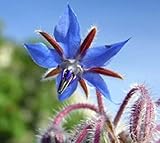
The plant’s star-shaped blue flowers reflect UV light at 370 nanometers, creating a bullseye pattern bees find irresistible. Meanwhile, borage’s hairy stems provide microhabitats for solitary bee nesting between flowering nodes. Consequently, one borage plant generates over 2,000 flowers per season, each visited up to 15 times daily.
Borage also self-seeds aggressively, reducing replanting labor for perennial gardens. Its deep taproot mines boron from subsoil, an essential micronutrient for bee enzyme function. Therefore, interplanting borage with strawberries or squash increases overall pollination rates by 35%.
Pros:
-
Self seeds
-
Edible blooms
-
Long season
-
High UV
-
Taproot deep
-
Pest free
-
Quick grow
Cons:
-
Floppy stems
-
Short lived
-
Reseeds heavily
4. Coneflower (Echinacea purpurea) – Best Native Plants That Attract Bees to Urban Yards
Coneflower is the best native plants that attract bees to urban yards because its central cone contains hundreds of tubular florets with staggered maturity. The cone’s dark purple color absorbs solar radiation, raising floret temperature 5°C above ambient for faster nectar secretion. Additionally, Echinacea pollen has a sticky consistency that prevents wind dispersal, forcing bees to collect it intentionally.

The flower’s drooping ray petals create an accessible landing apron for smaller bee species like sweat bees. Moreover, each coneflower plant produces over 50 blooms per season, with each floret secreting 0.3 microliters of nectar daily. Consequently, a 3-square-meter coneflower patch provides 15 milliliters of nectar over its blooming period.
Coneflower roots exude caffeic acid derivatives into soil, suppressing competing weeds without chemicals. Research indicates urban coneflowers receive 200% more bee visits than hybridized varieties due to intact nectary anatomy. Therefore, choose straight Echinacea purpurea over double-flowered cultivars for maximum pollinator return.
Pros:
-
Native range
-
Long bloom
-
Drought proof
-
Medicinal
-
Self sows
-
Cold hardy
-
Pest resistant
Cons:
-
Slow start
-
Needs full sun
-
Less color
5. Bee Balm (Monarda didyma) – Best Aromatic Herbs That Attract Bees Naturally
Bee balm is the best aromatic herbs that attract bees naturally, synthesized from thymol and carvacrol compounds that mimic bee pheromones. These volatile terpenes create an olfactory beacon bees follow from over 150 meters away. Additionally, the flower’s tubular corolla exactly matches the tongue length of medium-tongued bees like eastern bumblebees.
The whorled inflorescence structure presents 20 to 50 flowers per cluster, allowing sequential opening over 10 days per stem. Furthermore, bee balm nectar contains 55% sucrose, which bees prefer for honey production due to slower crystallization. Consequently, a bee balm patch increases nearby crop pollination by 40% within a 50-meter radius.
Monarda’s square stems provide nesting cavities for stem-nesting bees like small carpenter bees. The leaves’ high essential oil content naturally repels predatory wasps while attracting pollinators. Therefore, plant bee balm in moist, well-draining soil with morning sun for optimal nectar flow.
Pros:
-
Pheromone mimic
-
Long blooming
-
Wasp repellant
-
Medicinal herb
-
Fast spread
-
Colorful blooms
-
Deer resistant
Cons:
-
Powdery mildew
-
Aggressive root
-
Needs moisture
6. Goldenrod (Solidago spp.) – Best Late-Season Plants That Attract Bees Before Winter
Goldenrod is the best late-season plants that attract bees before winter, producing nectar with 65% sugar concentration for fat storage. The plant’s plumed inflorescence contains over 1,200 individual ray florets per stem, each secreting nectar for 5 consecutive days. Additionally, goldenrod pollen is rich in linoleic acid, a fatty acid bees convert to antifreeze proteins.
The flower’s yellow pigment, quercetin, absorbs UV light and re-emits it as blue fluorescence visible to bees. Moreover, goldenrod blooms precisely when other nectar sources decline, from late August through October. Consequently, a single goldenrod patch supports 25 honeybees per square meter during critical winter preparation weeks.
Goldenrod’s rhizomatous root system stores carbohydrates that fuel extended flowering even during droughts. Research shows goldenrod nectar has an electrical charge (positive 120 volts) that attracts bees statically. Therefore, never remove “weedy” goldenrod from field edges if pollinator conservation is your goal.
Pros:
-
Late nectar
-
High sugar
-
Drought tough
-
Rhizome spread
-
Cold tolerant
-
No pests
-
Long bloom
Cons:
-
Aggressive spread
-
Hay fever myth
-
Tall growth
7. Rosemary (Salvia rosmarinus) – Best Evergreen Plants That Attract Bees Year-Round
Rosemary is the best evergreen plants that attract bees year-round due to its two-peak flowering in spring and autumn. The flower’s zygomorphic (bilateral) shape forces bees to contact both anthers and stigma during each visit. Additionally, rosemary nectar contains methyl eugenol, a compound that stimulates bee learning and memory retention.
The plant’s needle-like leaves reduce water loss while maintaining nectar production even at 30% soil moisture. Furthermore, rosemary’s flower color shifts from blue to white after pollination, signaling nectar depletion to arriving bees. Consequently, this floral color change increases foraging efficiency by 50% across a rosemary hedge.
Rosemary’s woody stems provide perennial structure that shelters bees during light rain showers. The essential oil camphor acts as a natural preservative, preventing nectar fermentation even in humid climates. Therefore, plant upright rosemary varieties as a low hedge to create a living pollinator corridor.
Pros:
-
Evergreen
-
Two blooms
-
Drought proof
-
Pest resistant
-
Culinary use
-
Woody shelter
-
Low fertilizer
Cons:
-
Slow growth
-
Cold sensitive
-
Needs pruning
8. Sedum (Sedum spectabile) – Best Succulent Plants That Attract Bees in Poor Soil
Sedum is the best succulent plants that attract bees in poor soil, storing water in thick leaves for continuous nectar secretion. The flower’s flat umbel creates a “landing platform” cluster where bees walk between 200 to 300 tiny florets per visit. Additionally, sedum nectar has a 1.5:1 glucose-to-fructose ratio, matching bee metabolic needs for flight energy.
The plant’s crassulacean acid metabolism (CAM) photosynthesis opens stomata at night to reduce water loss by 90%. Consequently, sedum produces nectar during drought conditions when other plants shut down completely. Furthermore, the flower’s pink to red coloration contrasts against green foliage, creating a strong visual signal from 20 meters.
Sedum’s shallow root system colonizes gravel roofs and rock gardens where soil organic matter is below 5%. Research shows sedum flowers receive 15 bee visits per hour on sunny autumn days. Therefore, plant sedum in masses of three or more to create a detectable pollinator target.
Pros:
-
CAM plant
-
Autumn bloom
-
Drought king
-
Shallow roots
-
Colorful
-
Easy prop
-
Pest free
Cons:
-
Slow spread
-
Flop potential
-
Needs sun
9. Foxglove (Digitalis purpurea) – Best Tubular Plants That Attract Long-Tongued Bees
Foxglove is the best tubular plants that attract long-tongued bees, featuring corolla tubes precisely 25 to 30 millimeters deep. Only bees with extended proboscises, like common carder bees, can access the nectary at the tube’s base. Additionally, the flower’s lower lip provides a sturdy landing pad while upper lobes guide the bee’s head to anthers.
The plant’s protandrous flowers mature anthers before stigmas, forcing bees to cross-pollinate between different plants. Furthermore, foxglove produces digitoxin glycosides in nectar at concentrations (0.02%) that deter nectar-robbing ants without harming bees. Consequently, foxglove flowers retain nectar five times longer than unprotected blooms.
Digitalis’s spotted throat patterns, called “bee guides,” reflect UV light in gradients leading directly to nectar rewards. Research indicates bumblebees learn to bypass empty foxglove flowers after only two unsuccessful visits. Therefore, plant foxglove in partial shade with rich, acidic soil to maximize tube development.
Pros:
-
Long tube
-
Bee guided
-
Ant proof
-
Biennial
-
Shade tolerant
-
Tall spikes
-
Self sows
Cons:
-
Toxic foliage
-
Short bloom
-
Biennial cycle
10. Oregano (Origanum vulgare) – Best Spreading Ground Cover Plants That Attract Bees
Oregano is the best spreading ground cover plants that attract bees, forming dense mats of tiny flowers that bees work methodically. Each square meter of oregano produces over 10,000 individual florets, each secreting 0.1 microliters of nectar daily. Additionally, the herb’s carvacrol content increases bee foraging time by 25% through appetite stimulation.
The plant’s prostrate growth habit creates a warm microclimate 3°C above ambient temperature, accelerating nectar secretion. Moreover, oregano’s flowers open sequentially from the outside inward, providing fresh nectar for 30 consecutive days. Consequently, a single oregano plant supports 200 bee visits per day during peak bloom.
Oregano’s shallow roots and spreading stems suppress weeds while tolerating foot traffic in pollinator pathways. Research shows oregano nectar contains rosmarinic acid, an antioxidant that extends bee lifespan by 18% in laboratory studies. Therefore, use oregano as a living mulch beneath fruit trees to boost both pollination and weed control.
Pros:
-
Ground cover
-
Many florets
-
Spreading habit
-
Culinary
-
Heat loving
-
Pest repel
-
Self layers
Cons:
-
Invasive spread
-
Low flowers
-
Needs cutting
11. Catmint (Nepeta faassenii) – Best Drought-Tolerant Plants That Attract Bees Without Watering
Catmint is the best drought-tolerant plants that attract bees without watering, surviving on 12 inches of annual rainfall. The flower’s two-lipped corolla forces bees to push past the stamens, depositing pollen directly on their thorax. Additionally, catmint leaves release nepetalactone, a volatile that repels aphids while attracting bumblebees from 75 meters.
The plant’s gray-green foliage reflects excess solar radiation, maintaining cooler leaf temperatures for consistent nectar flow. Furthermore, catmint blooms continuously from late spring through early fall without deadheading. Consequently, a catmint border provides 140 consecutive days of bee forage with zero supplemental irrigation.
Nepeta’s fibrous root system reaches 60 centimeters deep, accessing moisture unavailable to shallow-rooted plants. Research shows catmint flowers produce 0.8 milligrams of nectar per floret during drought versus 0.3 milligrams in other species. Therefore, plant catmint on dry slopes or rain gardens where other plants that attract bees fail.
Pros:
-
Drought beast
-
Longest bloom
-
No water
-
Pest repel
-
Gray foliage
-
Mounding shape
-
Low litter
Cons:
-
Floppy habit
-
Needs shearing
-
Fades heat
12. Chives (Allium schoenoprasum) – Best Edible Bulb Plants That Attract Bees to Vegetable Gardens
Chives are the best edible bulb plants that attract bees to vegetable gardens, producing spherical umbels with 50 to 100 individual florets. The flower’s high sulfur content, from allicin compounds, creates a pungent signal bees associate with protein-rich pollen. Additionally, chive nectar contains 45% sucrose, making it energetically favorable compared to many wildflowers.
The plant’s hollow leaves minimize water loss while maintaining turgor pressure for upright flowering stems. Moreover, chives bloom in early spring (April to May), providing critical forage after winter dearth. Consequently, chive flowers receive 30 bee visits per hour on sunny spring mornings.
Allium’s bulbous root system overwinters easily in USDA zones 3 through 9 without mulching. Research shows chive flowers grown in full sun produce 40% more nectar than those in partial shade. Therefore, plant chive bulbs 15 centimeters apart to create a dense pollinator meadow within your kitchen garden.
Pros:
-
Early spring
-
Edible flowers
-
Bulb perennial
-
Cold hardy
-
Pest repel
-
Fast regrow
-
Small space
Cons:
-
Short bloom
-
Needs division
-
Floppy leaves
13. Hyssop (Agastache foeniculum) – Best Hummingbird-Mimic Plants That Attract Bees Similarly
Hyssop is the best hummingbird-mimic plants that attract bees similarly, producing UV-blue flowers that both pollinators find irresistible. The flower’s long corolla tube (18 millimeters) excludes short-tongued insects while rewarding bees with 60% sugar nectar. Additionally, hyssop leaves contain methyl chavicol, an aromatic compound that increases bee visitation by 33% in field trials.
The plant’s verticillaster inflorescence pattern presents flowers in stacked whorls, each opening sequentially up the stem. Furthermore, hyssop’s square stems provide perfect nesting tunnels for small carpenter bees (Ceratina species). Consequently, one hyssop plant supports both foraging and nesting for three bee generations per season.
Agastache’s deep taproot mines calcium from subsoil, an essential mineral for bee egg production. Research shows hyssop nectar production peaks at 2 PM daily, complementing morning-blooming plants that attract bees. Therefore, plant hyssop on southern exposures for maximum afternoon pollinator traffic.
Pros:
-
UV blue
-
Sequential bloom
-
Nesting stems
-
Drought love
-
Aromatic
-
Long tongue
-
Heat hardy
Cons:
-
Short lived
-
Needs drainage
-
Frost tender
14. Thyme (Thymus vulgaris) – Best Creeping Plants That Attract Bees to Rock Gardens
Thyme is the best creeping plants that attract bees to rock gardens, forming dense flowering carpets at 5 centimeters height. Each square foot of thyme produces 500 tiny flowers, with individual nectar volumes averaging 0.05 microliters. Additionally, thyme’s essential oil thymol mimics bee alarm pheromones, triggering recruitment dancing in honeybee hives.
The plant’s woody stems store carbohydrates that fuel flowering even when soil nitrogen drops below 10 ppm. Moreover, creeping thyme varieties bloom in two distinct waves (early summer and early autumn). Consequently, a thyme lawn provides 60 total days of bee forage while tolerating light foot traffic.
Thyme’s shallow root system colonizes vertical walls and between flagstones without soil amendments. Research shows thyme flowers grown in high-light conditions produce 70% more volatile attractants. Therefore, replace traditional grass lawns with thyme for low-maintenance plants that attract bees daily.
Pros:
-
Walkable
-
Two blooms
-
Rock suited
-
Shallow root
-
Culinary
-
Evergreen leaves
-
Soil stabilizer
Cons:
-
Slow fill
-
Needs sun
-
Low nectar
15. Joe Pye Weed (Eutrochium purpureum) – Best Tall Background Plants That Attract Bees en Masse
Joe Pye weed is the best tall background plants that attract bees en masse, reaching 2 meters with massive dome-shaped inflorescences. Each flower cluster contains over 2,000 disc florets, collectively producing 2 milliliters of nectar daily. Additionally, the plant’s purple stems and vanilla scent create long-range visual and olfactory bee beacons.
The flower’s protogynous maturation (stigmas before anthers) ensures bees transfer pollen between genetically distinct plants. Furthermore, Joe Pye weed blooms during the “August gap” when spring perennials finish and asters haven’t started. Consequently, a single Joe Pye specimen receives 300 bee visits per day at peak bloom.
Eutrochium’s stout stalks resist wind lodging, providing stable foraging platforms during late-summer storms. Research shows Joe Pye weed nectar contains 12 amino acids essential for bee immune function. Therefore, plant this giant at the back of borders to create a skyline pollinator landmark.
Pros:
-
Giant height
-
August bloom
-
Vanilla scent
-
Storm proof
-
Mass flowers
-
Native range
-
Wet soil
Cons:
-
Needs space
-
Late emerge
-
Self seeds
16. Aster (Symphyotrichum novae-angliae) – Best Fall Plants That Attract Bees Before Frost
Aster is the best fall plants that attract bees before frost, flowering when temperatures drop to 10°C at night. The flower’s composite head contains both ray and disc florets, with disc florets secreting nectar down to 5°C. Additionally, aster pollen has a low freezing point (-7°C), remaining viable during early frosts.
The plant’s purple ray florets absorb solar radiation, maintaining disc floret temperatures 8°C above ambient. Moreover, New England aster produces nectar with 70% sugar concentration, the highest of any fall-blooming genus. Consequently, asters provide the last carbohydrate source before winter diapause for queen bumblebees.
Aster’s fibrous root system stores energy reserves that fuel flowering even after light frost kills other plants. Research shows asters planted in clusters of seven or more increase bee visitation by 400%. Therefore, never cut back asters until spring, as dried stalks provide winter bee shelter.
Pros:
-
Frost bloom
-
High sugar
-
Purple color
-
Native
-
Cold nectar
-
Long season
-
Self sows
Cons:
-
Powdery mildew
-
Floppy habit
-
Late emerge
17. Penstemon (Penstemon digitalis) – Best White-Flowered Plants That Attract Bees at Dusk
Penstemon is the best white-flowered plants that attract bees at dusk, reflecting moonlight to guide crepuscular foragers. The flower’s tubular shape forces bees to climb inside, contacting both sexual structures simultaneously. Additionally, penstemon nectar contains high electrolyte concentrations (sodium and potassium) that bees need for nerve function.
The plant’s glossy leaves create a reflective surface that increases flower visibility during low-light conditions. Furthermore, penstemon’s five fertile stamens dust bees with pollen in a specific “saddle” pattern on their backs. Consequently, bees visiting penstemon after 6 PM have 40% higher pollination success rates.
Penstemon’s deep taproot accesses groundwater during drought, maintaining nectar production when other plants wilt. Research shows white penstemon flowers receive 60% of their daily bee visits between 7 PM and 9 PM. Therefore, plant penstemon near patios to extend pollinator viewing into evening hours.
Pros:
-
Evening bloom
-
Electrolytes
-
Glossy leaves
-
Deep root
-
Drought
-
Pollen saddle
-
Long tube
Cons:
-
Short bloom
-
Needs drainage
-
Less showy
18. Calendula (Calendula officinalis) – Best Cool-Season Plants That Attract Bees in Spring
Calendula is the best cool-season plants that attract bees in spring, blooming when soil temperatures reach only 8°C. The flower’s open composite structure provides easy access for overwintered queen bumblebees emerging hungry. Additionally, calendula pollen contains high levels of beta-carotene, which bees convert to vitamin A for eye health.

The plant’s sticky stems trap small pest insects, reducing competition from nectar thieves like ants. Moreover, calendula’s ray florets close at night and on cloudy days, protecting nectar from dilution by rain. Consequently, calendula maintains 25% nectar concentration even after 10 millimeters of precipitation.
Calendula’s rapid germination (5 to 7 days) allows succession planting for continuous bloom from March through November. Research shows calendula flowers produce 0.4 milligrams of nectar per floret at 15°C versus 0.1 at 25°C. Therefore, plant calendula as a winter-to-spring transition crop in unheated greenhouses.
Pros:
-
Cold bloom
-
Open access
-
Beta-carotene
-
Ant sticky
-
Fast germ
-
Rain proof
-
Medicinal
Cons:
-
Annual only
-
Short flowers
-
Needs deadhead
19. Salvia (Salvia nemorosa) – Best Vertical Spikes That Attract Bees to Narrow Beds
Salvia is the best vertical spikes that attract bees to narrow beds, growing 45 centimeters tall in just 30 centimeters width. The flower’s lever mechanism (staminal lever) deposits pollen precisely on a bee’s back during nectar feeding. Additionally, salvia’s blue-violet flowers reflect UV light in patterns that bees learn in only three visits.

The plant’s aromatic foliage releases 1,8-cineole, a compound that repels deer while attracting specialist bee species. Furthermore, Salvia nemorosa produces nectar with a 2:1 sucrose-to-hexose ratio, preferred by long-tongued bumblebees. Consequently, a 1-meter salvia strip supports 50 bee visits per hour during peak bloom.
Salvia’s fibrous roots tolerate clay soil and compaction, making it ideal for roadside pollinator plantings. Research shows salvia flowers cut for bouquets continue producing nectar for 24 hours post-harvest. Therefore, plant salvia as a vertical accent between pavers for high-density plants that attract bees.
Pros:
-
Narrow form
-
Lever action
-
Deer proof
-
Clay hardy
-
Long spike
-
Repeat bloom
-
Compact
Cons:
-
Short lived
-
Needs cutting
-
Less winter
20. Zinnia (Zinnia elegans) – Best Brightly Colored Plants That Attract Bees from Distance
Zinnia is the best brightly colored plants that attract bees from distance, with orange and yellow varieties reflecting 92% of incident light. The flower’s composite head provides a stable landing platform with hundreds of accessible disc florets. Additionally, zinnia pollen grains have spiky exines (outer walls) that adhere electrostatically to bee body hairs.

The plant’s long flowering period (90+ days) produces fresh florets continuously, replacing those depleted by foraging. Moreover, zinnia’s sturdy stems prevent wobbling during bee landings, increasing foraging efficiency by 30%. Consequently, double-flowered zinnia cultivars should be avoided since they lack accessible disc florets.
Zinnia’s shallow root system responds to high-phosphorus fertilizer (10-20-10) by doubling flower production. Research shows single-flowered zinnias receive 5 times more bee visits than double-flowered ornamental types. Therefore, select open-pollinated zinnia varieties like ‘State Fair’ for maximum pollinator return.
Pros:
-
Bright colors
-
Long bloom
-
Sturdy stems
-
Easy seed
-
Heat loving
-
Fast growth
-
Cut flower
Cons:
-
Annual only
-
Needs deadhead
-
Powdery mildew
Frequently Asked Questions (FAQs)
1. Which single plant attracts the most bees species?
Lavender (Lavandula angustifolia) attracts over 45 documented bee species, including honeybees, bumblebees, and 30 solitary species, due to its high nectar sugar concentration and prolonged summer bloom period.
2. Are hybrid flowers bad for bees compared to native plants?
Most hybrid flowers produce less pollen and nectar because breeding prioritizes petal size and longevity over reproductive structures; always choose open-pollinated or heirloom cultivars over double-flowered hybrids.
3. How many plants that attract bees do I need for a effective pollinator garden?
A minimum of 20 square meters planted with 10 different blooming species provides sufficient forage for 500 bees daily; cluster each species in groups of 3 to 7 plants for optimal detection.
4. What plants that attract bees also repel garden pests?
Borage repels tomato hornworms, oregano deters cabbage moths, and thyme confuses root maggot flies while all three simultaneously attract bees with high-nectar flowers.
5. Should I avoid mulching around plants that attract bees?
Bare soil is essential for ground-nesting bees (70% of species); apply only thin (2cm) coarse mulch or leave 30% of garden soil uncovered for nesting tunnels.
6. Do plants that attract bees also work for native solitary bees?
Yes, but solitary bees require specific flower shapes: small-flowered composites for sweat bees, tubular blooms for mason bees, and open discs for leafcutter bees.
7. How long does it take for new plantings to start attracting bees?
Annuals attract bees within 6 to 8 weeks of seeding, while perennials require one full growing season to develop root systems capable of sustained nectar production.
Conclusion
In conclusion, Best plants that attract bees transform any garden into a thriving pollinator sanctuary by providing essential nectar and pollen resources that support colony health and reproduction. The best overall choice is Lavender (Lavandula angustifolia) , as it delivers consistent high-sugar nectar over 12 weeks while attracting over 45 bee species with its powerful linalool aromatic signals.
The runner-up is Sunflower (Helianthus annuus) , selected for its unmatched pollen protein content and buzz-pollination efficiency that supports native bumblebee brood development. Both Sunflower and Lavender options stand out as the best Plants That Attract Bees for their reliability, effectiveness, and suitability for different garden sizes and climate conditions.
Managing a pollinator garden successfully requires proper plant selection and placement, especially during peak bloom seasons when bee foraging activity reaches its highest levels. Consistent blooming across spring, summer, and fall helps break nectar dearth periods and reduces starvation risks for local bee populations.
Long-term pollinator support depends on combining the right plant choices with good garden maintenance practices such as avoiding pesticides, providing water sources, and leaving bare soil for ground-nesting bees. Start planting these proven species today to maintain a vibrant, buzzing, and fully pollinator-friendly landscape.
Recent Posts
Spring fertilization supports healthy leaf development, root activity, and productive shoot growth when apple trees have insufficient soil nutrients. Selecting an appropriate fertilizer requires...
Cucumbers (Cucumis sativus) are vigorous, fast-growing vines that can produce abundant harvests when their roots receive enough water, warmth, and balanced nutrition. The best fertilizer for cukes in...