Selecting the best herbicide for bristly foxtail is essential when dealing with aggressive grassy weeds that reduce crop yields and lawn quality. Bristly foxtail (Setaria verticillata) spreads rapidly through seed production and thrives in disturbed soils, making it a persistent management challenge.
Bristly foxtail (Setaria verticillata) an invasive annual grass competes directly with desirable plants for nutrients, water, and sunlight. Its barbed seed heads cling easily to clothing, animals, and equipment, accelerating its spread across landscapes and agricultural systems.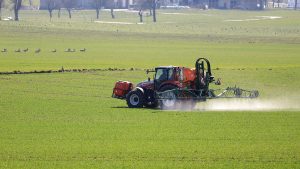
Effective Bristly foxtail weed control depends on understanding herbicide modes of action, including pre-emergent and post-emergent chemistry. Choosing the correct formulation ensures both immediate control and long-term suppression of Setaria verticillata new seedlings.
In this guide , we will explore the top 10 herbicide solutions available, focusing on how active ingredients interact with plant biology to eliminate bristly foxtail efficiently and sustainably.
Top 10 Best Herbicide For Bristly Foxtail
1. Tenacity Herbicide (Mesotrione) – best selective herbicide for bristly foxtail in lawns bleaching action
Tenacity Herbicide delivers the best selective herbicide for bristly foxtail in lawns bleaching action because mesotrione inhibits the HPPD enzyme responsible for carotenoid synthesis, leading to chlorophyll breakdown and plant death. This disruption causes visible whitening in foxtail as protective pigments degrade under sunlight exposure. The herbicide targets susceptible weeds while preserving many cool-season turfgrasses. As a result, it offers a highly selective control option.

The active ingredient is absorbed through both foliage and roots, which improves its overall effectiveness against emerging and young foxtail plants. Additionally, mesotrione provides residual soil activity, preventing new seedlings from establishing. This dual uptake mechanism enhances long-term suppression. Proper application timing significantly improves results.
Tenacity is widely used in turf systems such as Kentucky bluegrass and fescue lawns. Moreover, adding a surfactant increases leaf penetration and herbicide efficiency. The bleaching effect appears gradually, indicating internal metabolic disruption. Overall, it is a high-performance selective herbicide.
Pros:
• Selective control
• Root uptake
• Foliar action
• Residual effect
• Turf safe
• Broad use
• Reliable
Cons:
• Slow results
• Requires surfactant
• Expensive
2. Roundup (Glyphosate) – best non selective herbicide for bristly foxtail total kill
Roundup delivers the best non selective herbicide for bristly foxtail total kill because glyphosate inhibits the EPSP synthase enzyme in the shikimic acid pathway, blocking essential amino acid production in foxtail. This interruption prevents protein synthesis required for plant survival. The herbicide moves systemically throughout the plant. Consequently, it ensures complete eradication.
Glyphosate is absorbed through foliage and translocated to roots and growing points. This internal movement disrupts metabolic processes at multiple levels. As a result, the entire plant dies rather than just the visible portion. However, it affects all vegetation it contacts.
Roundup is ideal for non-crop areas, driveways, and field preparation zones. Moreover, it performs best when applied during active plant growth. The systemic nature ensures deep root kill and reduced regrowth. Overall, it is a powerful total vegetation control solution.
Pros:
• Systemic action
• Root kill
• Fast uptake
• Broad spectrum
• Easy use
• Effective
• Trusted
Cons:
• Non selective
• Repeat needed
• Weather sensitive
3. Preen Weed Preventer (Trifluralin) – best pre emergent herbicide for bristly foxtail prevention
Preen Weed Preventer delivers the best pre emergent herbicide for bristly foxtail prevention because trifluralin disrupts microtubule formation during cell division, preventing seedling root and shoot development. This mechanism stops foxtail before it emerges above soil. The herbicide targets germinating seeds rather than mature plants. Therefore, it acts as a preventative barrier.
The chemical forms a protective layer in the soil surface zone. Seeds attempting to germinate within this zone fail to establish properly. Additionally, this reduces overall weed pressure significantly. Proper watering activates the herbicide.
Preen is widely used in gardens, flower beds, and landscaped areas. Moreover, it provides extended residual control against annual grasses. Timing application before germination is essential for success. Overall, it is a reliable preventive herbicide.
Pros:
• Prevents growth
• Soil barrier
• Long residual
• Easy apply
• Garden safe
• Effective
• Reliable
Cons:
• No post kill
• Needs timing
• Soil activation
4. Ortho Grass B Gon (Fluazifop-P-butyl) – best post emergent herbicide for bristly foxtail grass control
Ortho Grass B Gon delivers the best post emergent herbicide for bristly foxtail grass control because fluazifop-P-butyl inhibits the ACCase enzyme required for fatty acid synthesis in grassy weeds. This disruption leads to failure of cell membrane formation. As a result, foxtail gradually declines and dies. Broadleaf plants remain unaffected.
The herbicide is absorbed through leaf tissue and transported to growing points. This ensures systemic action throughout the plant structure. Additionally, symptoms include yellowing and halted growth. Complete control occurs over time.
It is ideal for ornamental beds and landscapes with mixed plantings. Moreover, it provides targeted control without harming non-grass species. Application during active growth enhances effectiveness. Overall, it is a precise grass-selective herbicide.
Pros:
• Grass selective
• Systemic
• Safe plants
• Effective
• Easy mix
• Reliable
• Targeted
Cons:
• Slow action
• Limited use
• Weather dependent
5. Pendulum 2G (Pendimethalin) – best herbicide for bristly foxtail seed germination control
Pendulum 2G delivers the best herbicide for bristly foxtail seed germination control because pendimethalin interferes with mitosis, preventing root elongation and early seedling growth. This action stops foxtail before it emerges. The herbicide is highly effective against annual grasses. It provides consistent soil-level control.
The granular formulation allows uniform application across treated areas. Additionally, it forms a stable chemical barrier in the soil. This improves weed prevention reliability. Watering activates the herbicide layer.
Pendulum offers extended residual control lasting several weeks. Moreover, it is widely used in turf and agricultural systems. Proper timing before germination maximizes effectiveness. Overall, it is a dependable pre-emergent solution.
Pros:
• Long residual
• Seed control
• Easy spread
• Reliable
• Effective
• Turf safe
• Broad use
Cons:
• No post kill
• Needs water
• Timing critical
6. Drive XLR8 (Quinclorac) – best herbicide for bristly foxtail in turf rapid uptake
Drive XLR8 delivers the best herbicide for bristly foxtail in turf rapid uptake because quinclorac mimics auxin hormones, causing uncontrolled growth that disrupts vascular tissue in foxtail. This abnormal growth leads to structural failure in plant tissues. As a result, the weed collapses internally. It is highly effective in turfgrass environments.
The herbicide is absorbed quickly through both foliage and roots. This ensures rapid symptom development and reliable control. Additionally, it works on both young and mature foxtail plants. Surfactants improve absorption efficiency.
Drive XLR8 is widely used in lawn care for grassy weed control. Moreover, it becomes rainfast within hours, increasing reliability. The fast uptake reduces environmental loss. Overall, it is a fast-acting turf herbicide.
Pros:
• Fast acting
• Turf safe
• Dual uptake
• Reliable
• Broad control
• Rainfast
• Effective
Cons:
• Needs surfactant
• Slight staining
• Costly
7. Fusilade II (Fluazifop) – best systemic herbicide for bristly foxtail roots
Fusilade II delivers the best systemic herbicide for bristly foxtail roots because fluazifop inhibits lipid synthesis by blocking ACCase activity, leading to membrane failure in grass tissues. This disruption prevents normal plant growth and survival. The herbicide targets both roots and shoots. Consequently, regrowth is minimized.
Absorption occurs through leaf surfaces followed by translocation within the plant. This ensures deep penetration into internal tissues. Additionally, the systemic movement enhances complete weed control. Proper timing improves effectiveness.
It is widely used in agricultural systems with broadleaf crops. Moreover, it provides selective control of grassy weeds. Consistent results make it a trusted option. Overall, it is a strong systemic herbicide.
Pros:
• Systemic
• Root kill
• Crop safe
• Reliable
• Effective
• Targeted
• Consistent
Cons:
• Slow action
• Expensive
• Limited turf
8. Dimension Herbicide (Dithiopyr) – best herbicide for bristly foxtail early control
Dimension Herbicide delivers the best herbicide for bristly foxtail early control because dithiopyr inhibits cell division in emerging seedlings, stopping root development at early growth stages. This prevents foxtail establishment before it becomes visible. The herbicide also offers early post-emergent activity. This increases its versatility.
The chemical forms a protective soil barrier that disrupts seedling development. Additionally, it provides extended residual control. This reduces the frequency of applications. Water activation improves performance.
Dimension is widely used in professional turf management programs. Moreover, it delivers consistent and predictable results. Proper timing enhances effectiveness. Overall, it is a versatile weed control solution.
Pros:
• Dual action
• Early control
• Residual
• Turf safe
• Reliable
• Effective
• Professional
Cons:
• Timing sensitive
• No mature kill
• Needs water
9. Poast Herbicide (Sethoxydim) – best herbicide for bristly foxtail in crops selective control
Poast Herbicide delivers the best herbicide for bristly foxtail in crops selective control because sethoxydim inhibits the ACCase enzyme, disrupting fatty acid production essential for grass growth. This causes gradual decline in foxtail plants. The herbicide is highly selective. It protects broadleaf crops effectively.

- This selective post-emergent herbicide targets and kills grass growth.
- The product can be applied to around vegetables, gardens, trees, shrubs and ornamentals safely.
Absorption occurs through foliage followed by systemic movement. This ensures complete control of treated weeds. Additionally, it works best during active growth stages. Proper mixing enhances results.
Poast is widely used in agricultural crop systems. Moreover, it delivers reliable and consistent performance. Farmers trust it for selective weed control. Overall, it is a proven crop-safe herbicide.
Pros:
• Crop safe
• Selective
• Systemic
• Reliable
• Effective
• Broad use
• Proven
Cons:
• Slow results
• Requires timing
• Costly
10. Barricade Herbicide (Prodiamine) – best herbicide for bristly foxtail long residual prevention
Barricade Herbicide delivers the best herbicide for bristly foxtail long residual prevention because prodiamine inhibits root formation in germinating seeds, preventing establishment of new foxtail plants. This action stops weeds before emergence. It forms a long-lasting soil barrier. As a result, weed pressure is significantly reduced.

- Designed to prevent weeds; will not aid in eliminating existing weeds. Prevents grassy and broadleaf weeds, including crabgrass, poa annua, goosegrass, henbit, and more.
- Contains 0.48% of the active ingredient prodiamine for professional-grade weed control for early spring and fall applications
The herbicide remains active in soil for extended periods. This reduces the need for repeated applications. Additionally, it improves long-term weed management. Water activation is necessary for effectiveness.
Barricade is widely used in lawns and landscape settings. Moreover, it provides consistent preventive control. Proper timing ensures optimal results. Overall, it is a long-lasting pre-emergent herbicide.
Pros:
• Long residual
• Preventive
• Reliable
• Turf safe
• Effective
• Consistent
• Low maintenance
Cons:
• No post kill
• Timing critical
• Needs water
FAQs: Best Herbicide For Bristly Foxtail
1. What is the best herbicide for bristly foxtail in lawns?
The best herbicide for bristly foxtail in lawns is a selective post-emergent formula like Quinclorac-based herbicides (e.g., Drive XLR8). These products specifically target grassy weeds like bristly foxtail without damaging turfgrass. For example, homeowners often use Drive XLR8 Herbicide to eliminate foxtail in crabgrass-prone lawns while maintaining healthy grass.
2. Which pre-emergent herbicide prevents bristly foxtail seeds?
A top pre-emergent herbicide for bristly foxtail prevention is Prodiamine (e.g., Barricade 4FL). It works by stopping seed germination before foxtail appears. Many lawn care professionals apply Barricade 4FL in early spring to create a long-lasting barrier against foxtail and other annual grassy weeds.
3. Can glyphosate kill bristly foxtail effectively?
Yes, glyphosate-based herbicides (like Roundup Weed & Grass Killer) can kill bristly foxtail completely. However, glyphosate is non-selective, meaning it will kill surrounding plants and grass as well. It is best used for spot treatments in driveways, fence lines, or bare ground areas.
4. What is the best herbicide for bristly foxtail in crops or large areas?
For agricultural or large-scale use, Sethoxydim-based herbicides (e.g., Poast Herbicide) are highly effective. These products selectively target grassy weeds like bristly foxtail while leaving broadleaf crops unharmed. Farmers often rely on Poast Herbicide for soybean and vegetable fields.
5. How long does it take herbicides to kill bristly foxtail?
Most post-emergent herbicides like Drive XLR8 (Quinclorac) begin showing results within 5–10 days, with full control in about 2–3 weeks. Fast-acting products may show yellowing earlier, but complete root kill takes time depending on weather and growth stage.
6. When is the best time to apply herbicide for bristly foxtail control?
The best time to apply herbicide is early growth stage (spring to early summer) when bristly foxtail is young and actively growing. Pre-emergents like Barricade 4FL (Prodiamine) should be applied before seeds germinate, while post-emergents like Drive XLR8 work best on visible young weeds.
7. Can I combine pre-emergent and post-emergent herbicides for better control?
Yes, combining both strategies provides the best long-term control. For example, you can apply Barricade 4FL (Prodiamine) early in the season to prevent germination, then use Drive XLR8 (Quinclorac) later to eliminate any breakthrough bristly foxtail. This dual approach ensures maximum weed suppression.
Conclusion
In conclusion, the best herbicide for bristly foxtail is Tenacity Herbicide (Mesotrione) because it delivers selective control through HPPD enzyme inhibition, allowing effective suppression of foxtail without damaging desirable turfgrass. It was chosen as the best due to its strong post-emergent activity, soil residual performance, and consistent results across different lawn conditions.
The runner-up is Drive XLR8 Herbicide (Quinclorac) because it uses auxin-mimicking activity to rapidly disrupt foxtail growth and weaken plant structure. It was selected as the runner-up due to its fast visible results and reliable performance in turf environments where users need to get rid of bristly foxtail quickly.
For long-term prevention, Barricade 4FL Herbicide (Prodiamine) works effectively by blocking root development during seed germination, stopping new foxtail from establishing before emergence. This makes it highly valuable for maintaining control and reducing reinfestation pressure across the growing season.
Combining pre-emergent and post-emergent herbicides creates a complete management system for foxtail control throughout the season. This integrated approach ensures lasting suppression and helps you get rid of bristly foxtail for a cleaner, healthier, and weed-free lawn or field.
Recent Posts
Spring fertilization supports healthy leaf development, root activity, and productive shoot growth when apple trees have insufficient soil nutrients. Selecting an appropriate fertilizer requires...
Cucumbers (Cucumis sativus) are vigorous, fast-growing vines that can produce abundant harvests when their roots receive enough water, warmth, and balanced nutrition. The best fertilizer for cukes in...