Finding plants that are dog urine resistant can make landscaping easier for households where dogs regularly use the yard. Some plants tolerate occasional exposure to diluted urine better than others because of their leaf structure, growth habit, vigor, and ability to recover from minor damage.
Dog urine can still damage many plants when it is repeatedly deposited in the same location, particularly when foliage receives concentrated urine directly. Choosing resilient plants can reduce visible damage, but no plant should be considered completely immune to repeated dog urine exposure.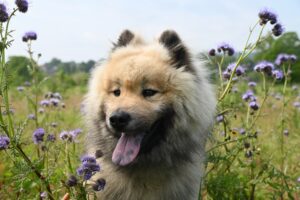
In this guide, we examine 10 plants that are dog urine resistant and explain the characteristics that can make them more suitable for dog-friendly landscapes. The selections include shrubs, ornamental grasses, ground covers, perennials, and other landscape plants that can provide useful alternatives for areas frequently visited by dogs.
Whether you are looking for dog urine resistant plants for a backyard, garden border, pathway, or dog-friendly landscape, understanding plant resilience is important. Each selection includes its growing characteristics, practical considerations, advantages, and limitations so you can choose plants according to your landscape conditions.
10 Plants That Are Dog Urine Resistant
1. Liriope — Best Ornamental Grass-Like Plant That Is Dog Urine Resistant
Liriope is one of the best ornamental plants that are dog urine resistant because its tough, grass-like foliage can recover from minor environmental stress. Its clumping growth habit also allows damaged leaves to be replaced as new foliage develops.

- Ornamental grass: Variegated Liriope, also known as Variegated Lilyturf, is an evergreen perennial plant with green and white striped leaves. It typically grows to a height of 12-18 inches (30-45 cm) and spreads to form a dense clump. In late summer, it produces spikes of small purple flowers
- Uses: Variegated Liriope is a versatile plant that can be used in many ways. It's commonly used as a ground cover, edging plant, or accent plant. It also works well in containers or hanging baskets.
Liriope produces narrow green or variegated leaves that form dense clumps close to the ground. Depending on the species and cultivar, it can also produce spikes of purple, lavender, white, or pinkish flowers.
The plant performs well in many landscape situations and can tolerate a range of light conditions. Good soil drainage is still important, particularly in areas where repeated watering or urine exposure could increase soil moisture and salt accumulation.
Pros
- Tough foliage
- Dense clumps
- Low maintenance
- Shade tolerant
- Flowering spikes
- Groundcover potential
- Easy establishment
Cons
- Leaf browning
- Slow recovery
- Needs drainage
2. Creeping Thyme — Best Ground Cover That Is Dog Urine Resistant
Creeping thyme is a low-growing ground cover that can be a useful dog urine resistant ground cover for areas where dogs occasionally pass through planted spaces. Its small leaves and spreading growth create a dense carpet that can withstand moderate landscape traffic when properly established.

- READY TO PLANT: 3 Red Creeping Thyme (Thymus praecox ‘Coccineus’) starter plants in 2.5" nursery cubes—well-rooted and ready to grow. Natural variation in size, color, and appearance may occur. (also known as Crimson Thyme or Mother of Thyme)
- ABOUT THIS PLANT: An aromatic groundcover with dense foliage and soft purple-pink summer blooms releasing a warm fragrance when brushed, forming a low-growing mat reaching 2–4 in tall × 12–24 in wide at maturity, thriving in USDA Zones 3–9.
The plant produces tiny aromatic leaves and can develop attractive flowers during its blooming period. Its low profile makes it useful around stepping stones, pathways, borders, and other areas where taller plants could be damaged by pets.
Creeping thyme prefers sunny locations and well-drained soil. It should be allowed to establish properly before being subjected to regular foot or pet traffic because young plants are considerably more vulnerable.
Pros
- Low growth
- Aromatic foliage
- Dense coverage
- Drought tolerant
- Attractive flowers
- Sunny locations
- Easy spreading
Cons
- Needs sunlight
- Poor wet-soil tolerance
- Young plants fragile
3. Blue Fescue — Best Ornamental Grass That Is Dog Urine Resistant
Blue fescue is a compact ornamental grass with fine, blue-gray foliage that can provide a durable option for dog-friendly landscapes. Its dog urine resistant ornamental grass qualities come primarily from its tough clumping growth and ability to recover when individual leaves are damaged.

- High Germination Rate: Evergreen dwarf grass seed show reliable germination in optimal conditions. This dwarf fescue grass seed thrives in USDA zones 4–8, ideal for gardens, containers, and ornamental borders. Perfect evergreen dwarf grass seed for four seasons for florida.
- Compact Ornamental Growth: Blue fescue ornamental grass forms dense clumps 8–12 inches tall with striking blue foliage. Grass seed fescue perfect for edging, rock gardens, and decorative ornamental grasses live plants perennial ideal for landscapes.
The grass forms rounded clumps rather than spreading aggressively across the entire garden. Its blue-gray foliage provides strong contrast against green shrubs, flowering plants, and darker landscape materials.
Full sun and well-drained soil generally produce the strongest growth. Removing damaged or dead foliage can help maintain the plant’s appearance when it grows in areas frequently visited by dogs.
Pros
- Tough foliage
- Compact clumps
- Blue-gray color
- Drought tolerant
- Low maintenance
- Full-sun suitable
- Architectural form
Cons
- Needs drainage
- Can brown
- Short-lived in some climates
4. Japanese Forest Grass — Best Shade Plant That Is Dog Urine Resistant
Japanese forest grass can provide a useful option for shaded landscapes where a dog urine resistant shade plant is needed. Its arching foliage creates a soft texture that works well beneath trees, along paths, and around shaded garden structures.

- VARIETY: Hakonechloa macra 'All Gold' is a stunning Japanese Forest Grass known for its bright, golden-yellow cascading foliage.
- QUANTITY: Includes 25 bare root plants, ideal for mass planting, ground cover, or creating a vibrant border in your garden.
The plant forms attractive clumps and is available in green, golden, or variegated forms depending on the cultivar. Its cascading growth can soften hard edges and provide visual contrast in woodland-style landscapes.
Consistent moisture generally supports good growth, although saturated soil should be avoided. Because dog urine can concentrate salts in the soil, occasional deep watering can help reduce accumulation around established plants.
Pros
- Shade tolerant
- Attractive foliage
- Clumping habit
- Multiple cultivars
- Soft texture
- Woodland suitable
- Ornamental value
Cons
- Needs moisture
- Leaf damage possible
- Slow establishment
5. Daylily — Best Flowering Perennial That Is Dog Urine Resistant
Daylilies can be useful dog urine resistant flowering perennials because they form vigorous clumps and produce new foliage from their crowns. Their ability to regenerate growth can help them recover from occasional environmental stress.

- SPRING FLOWER: This classic perennial produces vibrant yellow blooms that return reliably each spring and summer season.
- GROWTH: Grows to approximately 12 inches tall and spreads gradually as it matures in garden beds.

Daylilies are available in a wide range of flower colors and forms, providing substantial ornamental variety. Their long, narrow leaves also create a grass-like texture that works well around borders and pathways.
Full sun generally encourages strong flowering, although many varieties can tolerate some partial shade. Established plants benefit from reasonably fertile soil and consistent moisture without prolonged waterlogging.
Pros
- Vigorous growth
- Colorful flowers
- Many varieties
- Long flowering
- Easy maintenance
- Clumping habit
- Perennial growth
Cons
- Foliage can brown
- Needs sunlight
- Requires establishment
6. Rosemary — Best Aromatic Shrub That Is Dog Urine Resistant
Rosemary can be a useful dog urine resistant aromatic shrub for sunny landscapes because it develops woody stems and aromatic evergreen foliage. Its relatively tough structure makes it more resilient than many delicate ornamental plants when occasional exposure occurs.

- FRAGRANCE & FLAVOR: Evergreen needle-like foliage offers bold culinary flavor and a distinctive pine-like fragrance throughout the year.
- GROWTH: Develops into a woody evergreen shrub that's perfect for herb gardens, decorative containers, and landscape borders.
The plant produces narrow needle-like leaves and small flowers under suitable conditions. Its evergreen habit allows it to provide structure and foliage throughout much of the year in climates where it is hardy.
Rosemary prefers full sun and very well-drained soil. Excessive moisture around the roots can be more problematic than occasional urine exposure, so planting it in poorly drained locations should be avoided.
Pros
- Aromatic foliage
- Evergreen habit
- Drought tolerant
- Culinary value
- Woody structure
- Full-sun suitable
- Low maintenance
Cons
- Poor wet-soil tolerance
- Frost sensitive
- Can become woody
7. Spirea — Best Flowering Shrub That Is Dog Urine Resistant
Spirea is a deciduous flowering shrub that can be a practical dog urine resistant shrub for garden borders and open landscapes. Its vigorous growth and woody structure allow established plants to replace damaged foliage over time.

- Thrives in USDA zones 3-8
- Grows to mature size 24-36″ W x 24-36″ H
Depending on the species and cultivar, spirea can produce clusters of white, pink, or reddish flowers. Its compact growth habit also makes it useful for foundation plantings, mixed borders, and informal hedges.
Most spireas perform well in sunny locations with reasonably fertile, well-drained soil. Pruning can help maintain a compact form and remove older or damaged growth when necessary.
Pros
- Attractive flowers
- Woody structure
- Vigorous growth
- Many cultivars
- Pruning tolerant
- Border suitable
- Easy maintenance
Cons
- Deciduous foliage
- Needs sunlight
- Can need pruning
8. Ornamental Onion — Best Bulb Plant That Is Dog Urine Resistant
Ornamental onion can provide an interesting dog urine resistant bulb plant because its foliage and bulbs contain strong-smelling compounds that can make the plant less appealing for some animals. It also provides highly distinctive spherical flower heads.

- Seed Giant Purpule Allium Giganteum Seeds for Planting Outdoor - Heirloom Non-GMO Ornamental Onion Plant Beautiful Perennial Flower Seeds in Your Home Garden
Alliums produce narrow foliage followed by tall flowering stems topped with rounded clusters of small flowers. The blooms can add strong vertical interest to perennial borders and mixed planting beds.
They generally prefer sunny conditions and well-drained soil. Because alliums belong to a group containing compounds that can be harmful to dogs if consumed, they should still be positioned thoughtfully in gardens where pets may chew plants.
Pros
- Dramatic flowers
- Strong scent
- Easy maintenance
- Sunny locations
- Perennial bulbs
- Vertical interest
- Deer resistant
Cons
- Toxic if eaten
- Needs drainage
- Foliage can decline
9. Lavender — Best Fragrant Plant That Is Dog Urine Resistant
Lavender is a useful dog urine resistant fragrant plant for sunny gardens because its woody stems and aromatic foliage can tolerate relatively dry landscape conditions. Its compact structure also makes it practical around pathways and garden edges.

- SUMMER FLOWERS: Produces classic purple blooms with a strong, soothing lavender scent.
- GROWTH: Reaches about 12 inches tall and wide with a compact, mounded habit.
The plant produces narrow gray-green foliage and distinctive flower spikes that attract pollinating insects. Different lavender species and cultivars vary in size, flower color, fragrance, and cold tolerance.
Lavender generally performs best in full sun with excellent drainage. In areas where dogs repeatedly urinate near the same plant, deep occasional watering can help reduce the concentration of salts in the surrounding soil.
Pros
- Fragrant foliage
- Attractive flowers
- Drought tolerant
- Pollinator friendly
- Woody structure
- Full-sun suitable
- Low maintenance
Cons
- Needs drainage
- Wet soil problems
- Some cultivars frost sensitive
10. Hardy Geranium — Best Perennial Ground Cover That Is Dog Urine Resistant
Hardy geraniums can be useful dog urine resistant perennial ground covers because established plants form spreading clumps and can regenerate foliage after moderate environmental stress. Their flowers also provide additional ornamental value in dog-friendly garden spaces.

- For best results, plant in USDA Zone:5-8 - Mature size: 8-10in H x 18-24in W
- Plant is delivered in a #1 Size Container. It is fully rooted in the soil and can be planted immediately upon arrival, weather permitting.
Unlike tender florist geraniums, hardy geraniums are perennial garden plants that can spread gradually through clumping or trailing growth. Depending on the species, flowers may appear in shades of pink, purple, blue, or white.
Most hardy geraniums prefer well-drained soil and moderate moisture, although specific requirements vary among species. Removing damaged foliage can improve appearance and encourage fresh growth when plants experience repeated environmental stress.
Pros
- Perennial growth
- Attractive flowers
- Spreading habit
- Many varieties
- Pollinator value
- Groundcover potential
- Easy maintenance
Cons
- Leaf damage possible
- Needs establishment
- Moisture preferences vary
7 Characteristics To Consider When Choosing Plants That Are Dog Urine Resistant
1. Leaf Toughness
Plants with relatively tough foliage may cope better with occasional exposure than plants with delicate leaves. However, repeated direct urine contact can still cause leaf scorching or discoloration.
2. Regenerative Growth
Plants that continually produce new leaves can recover more readily from minor damage. Clumping grasses and vigorous perennials can therefore be useful in active dog-friendly landscapes.
3. Woody Growth
Woody shrubs often have stronger structural growth than soft annual plants. This can make established shrubs more practical around areas where dogs regularly move.
4. Soil Drainage
Good drainage is important because repeated urine exposure can contribute soluble salts to the soil. Periodic deep watering can help move accumulated salts below the main root zone where drainage permits.
5. Plant Placement
Placement can be just as important as plant selection. Plants positioned directly beside a dog’s regular bathroom area may experience much more concentrated exposure than plants located farther away.
6. Recovery Ability
No plant is completely immune to concentrated dog urine. Choosing vigorous species that can replace damaged foliage can make repeated minor stress less noticeable.
7. Pet Safety
Urine resistance should not be confused with pet safety. Some plants may tolerate environmental exposure while still being toxic if a dog chews or consumes their leaves, flowers, bulbs, or berries.
Plants That Are Dog Urine Resistant Frequently Asked Questions
1. What plants are most resistant to dog urine?
Plants with tough foliage, vigorous growth, and good recovery ability can be more suitable for areas exposed to dogs. Liriope, ornamental grasses, hardy perennials, lavender, rosemary, and some shrubs can be useful options depending on the site.
2. Can plants really be resistant to dog urine?
No plant should be considered completely immune to repeated concentrated dog urine. Some plants can tolerate occasional exposure better than others, but repeated deposits in the same location can cause foliage and soil damage.
3. What ground cover is resistant to dog urine?
Low-growing plants such as creeping thyme and some hardy geraniums can be considered for dog-friendly ground-cover areas. Their success depends heavily on establishment, soil conditions, traffic, and the frequency of urine exposure.
4. What ornamental grass is resistant to dog urine?
Liriope and blue fescue are examples of ornamental grass-like plants that can be useful in dog-friendly landscapes. Their clumping growth and relatively tough foliage can help them recover from occasional stress.
5. How can I protect plants from dog urine?
Physical separation is one of the most reliable approaches. Creating a designated dog bathroom area, using paths or barriers, and directing dogs away from sensitive plants can reduce repeated exposure.
6. Does watering plants remove dog urine damage?
Deep watering can help dilute and move soluble salts through well-drained soil, potentially reducing accumulation around the root zone. However, watering cannot reverse severe foliage damage that has already occurred.
7. What is the best way to landscape a yard with dogs?
A dog-friendly landscape should combine resilient plants, durable paths, open areas for movement, and a designated bathroom zone. Plant selection should also consider whether each species is safe for dogs if eaten, not merely whether it tolerates urine exposure.
Conclusion
In conclusion, plants that are dog urine resistant can help create more durable landscapes where dogs regularly move through planted areas. Liriope, creeping thyme, ornamental grasses, hardy geraniums, lavender, rosemary, and vigorous shrubs provide several options for different garden conditions.
The best choices depend on sunlight, soil drainage, climate, planting location, and how frequently the plants are exposed to urine. Plants with tough foliage, vigorous growth, woody stems, or strong regenerative ability can generally provide more practical options than delicate ornamental species.
It is also important to distinguish urine tolerance from pet safety because a plant can withstand environmental stress while still being harmful if consumed by a dog. Creating a designated bathroom area and using physical separation can reduce repeated exposure more effectively than relying entirely on plant resistance.
Ultimately, dog urine resistant plants should be viewed as resilient landscape choices rather than completely immune plants. Combining appropriate species with good drainage, strategic placement, and responsible pet management can help maintain a healthier and more attractive dog-friendly garden.
"I'm a keen Horticulturist, passionate about home gardening, lawns, yards, and orchards. What's your favorite? Let's get to work!"
Recent Posts
Spring fertilization supports healthy leaf development, root activity, and productive shoot growth when apple trees have insufficient soil nutrients. Selecting an appropriate fertilizer requires...
Cucumbers (Cucumis sativus) are vigorous, fast-growing vines that can produce abundant harvests when their roots receive enough water, warmth, and balanced nutrition. The best fertilizer for cukes in...