Olive tree not producing olives is a frustrating problem for home growers who have waited years for their first harvest. Olive trees are capable of producing abundant crops for decades, but they have specific requirements that must be met before they will fruit reliably. When those requirements are not satisfied, the tree may grow beautifully but produce few or no olives.
The reasons an olive tree fails to produce olives range from natural factors like age and alternate bearing to correctable issues such as poor pollination, improper pruning, nutrient imbalances, and environmental stress. Identifying the exact cause is the key to getting your tree back into production.
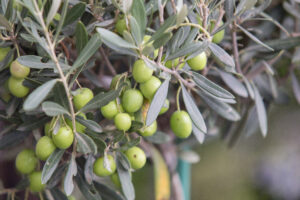
Olive trees are wind-pollinated and generally self-fertile, but they still need the right conditions to set fruit. Moreover, a healthy, mature olive tree can produce 10 to 40 pounds of fruit per year when grown in the right climate with proper care. As a result, understanding what triggers fruiting is essential for any grower.
In this guide, the most common reasons why an olive tree is not producing olives are explained, along with practical solutions to help you enjoy a full harvest season after season.
9 Reasons Your Olive Tree Is Not Producing Olives
1. The Tree Is Too Young
The most common reason an olive tree is not producing olives is simply that the tree is too young. Olive trees typically take 3 to 5 years to produce their first fruit, and some varieties can take 7 to 8 years or even longer.
Grafted trees generally fruit sooner than seedling-grown trees, which may take considerably longer to reach reproductive maturity. Therefore, a young tree that produces vigorous leaves and shoots but no flowers or fruit may simply be following its normal development cycle.
If your tree is under 4 years old, the lack of fruit can be completely normal. The best approach is patience while focusing on establishing a strong root system, healthy branches, adequate sunlight, and balanced nutrition.
2. Alternate Bearing (On-Year And Off-Year Cycles)
Alternate bearing is a natural cycle in which an olive tree produces a heavy crop one year and a light or nonexistent crop the next. This happens because the tree uses substantial energy producing a heavy crop, leaving fewer resources available for the formation of flower buds for the following season.
Some olive varieties are more prone to alternate bearing than others. A tree that produced an unusually heavy crop last year and now appears to have very few flowers may therefore not have a serious health problem.
Signs of alternate bearing include a very heavy harvest followed by a near-total failure the next year. Thinning an excessively heavy crop, maintaining consistent fertilization, and selecting less alternate-bearing varieties can help moderate this cycle.
3. Poor Pollination
Poor pollination is a major reason olive trees can fail to produce olives even when they flower heavily. Olive trees are primarily wind-pollinated, so successful fruit set depends on suitable conditions during the flowering period.
Rain, high humidity, or still air during flowering can interfere with pollen movement. Additionally, some olive varieties are only partially self-fertile and can benefit substantially from having a compatible pollinator variety growing nearby.
A common sign of pollination failure is abundant flowering followed by flower drop with little or no fruit formation. Where appropriate, planting a compatible pollinator within approximately 30 to 50 feet, avoiding overhead irrigation during bloom, and maintaining good air movement can improve fruit set.
4. Improper Pruning
Improper pruning can stop an olive tree from producing olives by removing productive wood or stimulating excessive vegetative growth at the expense of fruit production. Olive trees produce fruit on young wood, meaning aggressive pruning can remove branches that would otherwise carry flowers and fruit.
Timing is also important because pruning at an unsuitable time can interfere with developing reproductive growth. Excessively severe pruning can additionally force the tree to devote much of its energy toward producing new shoots rather than maintaining fruiting wood.
The solution is to prune selectively rather than aggressively. Late-winter or early-spring pruning should focus on removing dead, damaged, crossing, or poorly positioned branches while avoiding unnecessary removal of productive canopy.
5. Nutrient Imbalances
Nutrient imbalances can prevent an olive tree from producing olives, particularly when nitrogen is supplied in excessive amounts. Too much nitrogen encourages vigorous leafy growth while potentially reducing the tree’s reproductive performance.
Phosphorus contributes to reproductive development, while potassium plays important roles in fruit development and overall plant function. However, applying nutrients without understanding the actual soil condition can create additional imbalances.
Signs of excessive nitrogen or other nutrient problems include dark green foliage, vigorous vegetative growth, and few flowers. A soil test can help identify deficiencies, while a balanced fertilizer formulated for fruit trees can provide more appropriate nutrition without encouraging excessive nitrogen-driven growth.
6. Insufficient Sunlight
Insufficient sunlight is a common reason olive trees do not produce olives. Olive trees need strong direct sunlight to develop healthy flowering and fruiting growth, and shaded trees may remain alive and leafy while producing very little fruit.
Trees surrounded by buildings, walls, taller trees, or dense vegetation can receive substantially less usable light than their appearance suggests. Reduced light can also produce elongated or sparse growth as the canopy stretches toward brighter areas.
Signs of inadequate sunlight include sparse flowering, leggy growth, and weak fruit production. Moving a container-grown tree to a sunnier position or pruning nearby vegetation to improve exposure can significantly improve the conditions available for flowering and fruit development.
7. Water Stress
Water stress can cause an olive tree to drop flowers or young fruit before they develop. Both prolonged drought and poorly drained, waterlogged soil can interfere with normal reproductive development.
Although established olive trees are relatively drought tolerant, drought tolerance does not mean that water availability is irrelevant to fruit production. Consistent moisture is particularly important during flowering and fruit set, when severe water stress can reduce reproductive success.
Signs of water stress can include wilting, yellowing leaves, flower drop, and premature fruit drop. The appropriate response is to provide deep irrigation when needed while allowing the soil to drain properly and avoiding prolonged saturation around the roots.
8. Temperature Extremes And Frost
Temperature extremes and frost can prevent olive trees from producing olives by damaging flower buds, flowers, and young fruit. Olive trees are subtropical plants and generally perform best where winters and summers remain within a suitable climatic range.
Frost during flowering can damage reproductive structures directly, while excessive heat around flowering or fruit set can reduce successful fruit development. Sudden temperature changes can therefore result in poor fruit production even when the tree otherwise appears healthy.
Signs of temperature damage include blackened or shriveled flowers, premature fruit drop, and damage to young shoots. Planting in a frost-protected location, protecting vulnerable trees during cold snaps, and providing adequate moisture during extreme heat can reduce environmental stress.
9. Pest And Disease Problems
Pest and disease problems can reduce or eliminate olive production by damaging flowers, fruit, foliage, roots, or the overall health of the tree. A tree under sustained pest or disease pressure may devote more resources to survival and recovery instead of reproductive development.
The olive fruit fly is a particularly important pest because its larvae develop inside fruit, causing damage, deterioration, and premature fruit drop. Diseases such as peacock spot and verticillium wilt can also weaken trees and interfere with productive growth.
Signs of pest or disease problems include spotted foliage, damaged or deformed fruit, premature fruit drop, branch decline, and reduced overall vigor. Regular monitoring, appropriate treatment, good sanitation, and removal of fallen fruit and debris can help reduce the pressure from these problems.
How To Encourage An Olive Tree To Produce Olives
Encouraging an olive tree to produce olives requires meeting its basic growing requirements consistently rather than relying on a single fertilizer or treatment. Once the underlying problem is identified, targeted corrections are generally more effective than making several major changes at the same time.
Be Patient With Young Trees
If the tree is still immature, give it sufficient time to develop. Focus on root establishment, healthy canopy development, sunlight, and appropriate irrigation rather than attempting to force early fruiting.
Provide A Compatible Pollinator
If your cultivar benefits from cross-pollination, growing a compatible olive variety nearby can improve fruit set. This is particularly important when a tree flowers heavily but consistently produces little or no fruit.
Prune Lightly
Avoid excessive pruning that removes large portions of the productive canopy. Concentrate on dead, damaged, crossing, and poorly positioned branches while preserving healthy fruiting wood.
Fertilize Correctly
Use a balanced fertilizer appropriate for fruit trees and avoid excessive nitrogen applications. If possible, use soil testing to determine whether a genuine nutrient deficiency exists before applying large quantities of fertilizer.
Provide Full Sun
Position olive trees where they can receive strong direct sunlight throughout the growing season. For trees growing near structures or other vegetation, selective pruning can help restore light penetration into the canopy.
Water Consistently
Provide sufficient moisture during important reproductive stages without keeping the soil continuously saturated. Deep irrigation is preferable to frequent shallow watering, provided the soil has adequate drainage.
Protect From Temperature Extremes
Where frost is possible, select protected planting locations and use appropriate frost protection during severe cold events. During extreme heat, avoid allowing newly planted or fruiting trees to experience prolonged drought stress.
Manage Pests And Diseases
Inspect foliage, shoots, flowers, and fruit regularly for early signs of pests or disease. Prompt identification and appropriate treatment can prevent relatively small problems from developing into major production losses.
Olive Tree Not Producing Olives FAQ’s
1. How Long Does It Take For An Olive Tree To Produce Olives?
Most olive trees take approximately 3 to 5 years to produce their first fruit, although the timing varies by cultivar and how the tree was propagated. Grafted trees generally produce earlier than trees grown from seed, while some seedling-grown trees can take 7 to 10 years or more.
2. Why Is My Olive Tree Flowering But Not Producing Olives?
Flowering without fruit set is commonly associated with poor pollination, water stress, unsuitable flowering conditions, temperature extremes, or nutritional problems. Providing suitable pollination conditions and maintaining consistent care during flowering and fruit set can improve the likelihood of successful fruit development.
3. Do Olive Trees Need A Pollinator To Produce Olives?
Many olive varieties are self-fertile, but some benefit from cross-pollination with a compatible cultivar. A second suitable olive variety can therefore improve fruit production when a tree consistently flowers but produces very little fruit.
4. What Fertilizer Helps Olive Trees Produce Fruit?
A balanced fertilizer formulated for fruit trees can support healthy growth and reproductive development when nutrients are actually needed. Avoid excessive nitrogen because excessive vegetative growth can work against consistent flowering and fruit production.
5. Why Does My Olive Tree Produce Olives Every Other Year?
Alternate bearing causes an olive tree to produce a heavy crop during one season followed by a lighter crop the next. Managing excessive crop loads and maintaining consistent cultural practices can help reduce the severity of this cycle.
6. Can I Force An Olive Tree To Produce Olives?
You cannot reliably force an olive tree to fruit before it reaches reproductive maturity or overcome unsuitable environmental conditions with a single treatment. However, providing adequate sunlight, appropriate pruning, balanced nutrition, suitable moisture, and effective pollination can create much better conditions for fruit production.
7. Why Are My Olives Dropping Before They Ripen?
Premature fruit drop can result from water stress, temperature extremes, pest damage, disease, or nutritional problems. Examining the fruit, foliage, soil moisture, and recent weather conditions can help identify the specific cause.
Conclusion
In conclusion, an olive tree that is not producing olives can be affected by age, alternate bearing, poor pollination, improper pruning, nutrient imbalance, insufficient sunlight, water stress, temperature extremes, or pest and disease problems. Identifying the actual cause is the best starting point because different problems require different corrective measures.
Olive trees are long-lived plants capable of producing fruit for many years when their growing requirements are properly managed. Moreover, maintaining appropriate sunlight, irrigation, nutrition, pruning, pollination, and pest management provides the foundation for reliable production.
Ultimately, patience is particularly important when dealing with a young olive tree because fruiting cannot be rushed beyond the plant’s natural maturity. If the tree is mature but consistently fails to fruit, however, investigating flowering, pollination, water management, pruning, nutrition, and environmental conditions can reveal the underlying problem.
The best approach is to correct the specific limiting factor rather than applying unnecessary treatments. With consistent care and suitable growing conditions, a previously unproductive olive tree can eventually become a productive part of the garden, while the runner-up priority should always be maintaining long-term tree health rather than chasing a single season’s harvest.
Recent Posts
Spring fertilization supports healthy leaf development, root activity, and productive shoot growth when apple trees have insufficient soil nutrients. Selecting an appropriate fertilizer requires...
Cucumbers (Cucumis sativus) are vigorous, fast-growing vines that can produce abundant harvests when their roots receive enough water, warmth, and balanced nutrition. The best fertilizer for cukes in...