Zone 10 provides a favorable growing environment for many flowering plants because its mild winters and extended warm seasons allow tropical, subtropical, and heat-tolerant ornamentals to thrive. Gardeners can grow numerous flowering species that produce blooms repeatedly throughout the year when they receive suitable sunlight, moisture, nutrients, and regular maintenance.
The best continuously flowering plants for Zone 10 include perennial shrubs, flowering groundcovers, tropical ornamentals, and compact plants suitable for containers. Some produce flowers almost continuously in warm conditions, while others bloom in repeated flushes when spent flowers are removed and growing conditions remain favorable.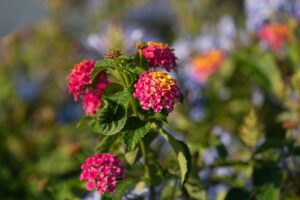
Selecting plants with different flower colors, growth habits, and mature sizes helps create an attractive landscape throughout the seasons. Proper drainage is particularly important in warm climates because excessive moisture around the roots can encourage fungal diseases and reduce flowering performance.
In this guide, we explore 30 continuously flowering plants for Zone 10 that can provide long-lasting color in gardens, borders, containers, patios, and landscape beds. We also discuss their sunlight requirements, watering needs, maintenance practices, and growing characteristics to help gardeners select suitable plants for year-round floral displays.
30 Best Continuously Flowering Plants For Zone 10
1. Bougainvillea – Best Continuously Flowering Climbing Plant for Zone 10
Bougainvillea is one of the best continuously flowering climbing plants for Zone 10 because its colorful bracts can remain attractive for extended periods in warm, sunny conditions. This tropical and subtropical ornamental grows as a climbing vine or sprawling shrub, producing vivid pink, purple, red, orange, white, and magenta displays. It is particularly suitable for fences, pergolas, walls, and large landscape structures.

- Grow vibrant color and tropical beauty to your outdoor garden with these bougainvillea live plants. These flowering vines are measured approximately 4 to 8 inches tall, ready to be planted in your yard, patio container, or garden trellis. The mix includes random colors from red, pink, white, yellow and orange, not grafted or single plant with multi-colored flowers
- Bougainvilleas are fast-growing, low-maintenance, and drought-tolerant once established
Grow bougainvillea in a location receiving at least six hours of direct sunlight daily to encourage abundant flowering. Well-drained soil is essential because excessive moisture can promote root problems and encourage vegetative growth at the expense of flowering. Water established plants moderately and allow the upper soil to dry between irrigation sessions.
Prune the plant after flowering flushes to maintain its preferred shape and encourage branching. Avoid excessive nitrogen fertilization because it can encourage leafy growth while reducing flower production. Bougainvillea is also drought-tolerant once established, making it useful for water-conscious landscapes in suitable Zone 10 locations.
- Produces colorful long-lasting bracts
- Thrives in warm climates
- Tolerates dry conditions after establishment
- Suitable for fences and pergolas
- Available in several colors
- Requires relatively little irrigation
- Can be trained into different shapes
- Some varieties have sharp thorns
- Excessive nitrogen reduces flowering
- Requires regular pruning
2. Hibiscus – Best Tropical Flowering Shrub for Zone 10
Hibiscus is the best tropical flowering shrub for Zone 10 because its large, colorful flowers provide repeated displays in warm weather. Tropical hibiscus varieties produce flowers in red, yellow, orange, pink, and other attractive shades. Their upright growth makes them suitable for garden beds, decorative containers, and flowering hedges.

- Live Double Peach Hibiscus Tree: Includes braided hibiscus in a 3 gallon container; features upright growth with layered peach-toned blooms suitable for indoor décor or outdoor planting
- Soft Peach Flowering Display: Produces double-layered peach blooms with a full, rounded appearance; adds a warm color tone to patios, entryways, or garden arrangements
Plant hibiscus in fertile, well-drained soil and provide approximately six hours or more of sunlight for reliable flowering. Regular watering is important during hot weather because prolonged dryness can cause buds to drop. However, the root zone should not remain waterlogged.
Feed hibiscus with a balanced fertilizer formulated for flowering shrubs, following the recommended application rate. Prune lightly to maintain a compact structure and encourage productive branching. Removing spent flowers and damaged branches also improves the plant’s appearance and supports continued growth.
- Produces large colorful flowers
- Suitable for tropical landscapes
- Available in many varieties
- Can flower repeatedly in warm weather
- Attractive as a flowering hedge
- Suitable for containers
- Responds well to pruning
- Requires regular watering
- Susceptible to some insect pests
- Needs adequate sunlight for flowering
3. Lantana – Best Heat-Tolerant Continuously Flowering Plant for Zone 10
Lantana is the best heat-tolerant continuously flowering plant for Zone 10 because it produces clusters of colorful flowers throughout much of the warm growing season. Its small flower clusters can contain yellow, orange, pink, red, and purple shades, creating attractive combinations within landscape beds. Compact varieties are suitable for containers, while spreading selections work well as groundcovers.

- Lantana Plant Pot: White Lightning Lantana is a stunning plant with coarse, pungently scented, deep green leaves and white blooms. The plant has a great contrast in its appearance, owing to its leaves and colorful flowers.
- Indoor Plants: In many cases, the blooms of Lantana plants create a tie-dye effect on the flower heads. Attractive to butterflies, the flowers generally start as a light color and darken as they age. The USDA hardiness zone for outdoor planting is 9–11.

Grow lantana in full sunlight and well-drained soil to encourage vigorous growth and repeated flowering. Established plants tolerate relatively dry conditions, although occasional irrigation improves performance during prolonged heat. Avoid planting it in poorly drained soil because persistent waterlogging can damage its roots.
Trim the plant periodically to maintain a compact growth habit and encourage fresh flowering shoots. Use moderate fertilizer applications because excessive nutrients can produce abundant foliage with fewer flowers. Check local invasive-plant guidance before planting because some lantana species can spread aggressively in suitable climates.
- Tolerates high temperatures
- Produces colorful flower clusters
- Attracts butterflies and pollinators
- Suitable for groundcover planting
- Performs well in sunny borders
- Established plants tolerate drought
- Available in compact varieties
- Some species are invasive
- Berries may be toxic if ingested
- Requires occasional pruning
4. Pentas – Best Pollinator-Friendly Flowering Plant for Zone 10
Pentas is the best pollinator-friendly flowering plant for Zone 10 because it produces repeated clusters of star-shaped flowers in warm growing conditions. Its blooms are commonly available in red, pink, white, lavender, and purple shades. The compact growth habit makes pentas suitable for flower borders, container gardens, and butterfly gardens.

- LARGE 6-INCH POT: Comes in a generous 6-inch pot, giving your red Pentas a strong, established root system ready to thrive.
- BUTTERFLY AND HUMMINGBIRD MAGNET: The vibrant red star-shaped blooms attract butterflies and hummingbirds, bringing life and color to your garden.
Plant pentas in a sunny location with fertile, well-drained soil to support continuous flower production. Water consistently during hot periods, particularly when plants are grown in containers or sandy soils. Avoid excessive irrigation because roots require sufficient oxygen for healthy development.
Remove faded flower clusters to encourage additional flowering and maintain an attractive appearance. Apply a balanced flowering-plant fertilizer during active growth according to the label. In Zone 10, pentas can remain productive for extended periods when temperatures, moisture, and sunlight remain favorable.
- Produces repeated flower clusters
- Attracts butterflies and other pollinators
- Available in several colors
- Suitable for containers
- Performs well in warm climates
- Useful for flower borders
- Responds well to deadheading
- Requires consistent moisture
- Flowering declines in unsuitable shade
- Needs occasional pruning
5. Ixora – Best Tropical Flowering Shrub for Year-Round Color in Zone 10
Ixora is the best tropical flowering shrub for year-round color in Zone 10 because its rounded flower clusters can appear repeatedly under suitable warm conditions. The flowers are commonly red, orange, yellow, pink, and coral, while the glossy foliage provides an attractive evergreen background. Its dense growth makes it useful for low hedges, borders, and foundation plantings.

- Ixora Dwarf Red features striking clusters of red flowers, perfect for adding vibrant tropical color to garden borders or containers.
- Thrives in full sun to partial shade, making it a versatile option for different garden settings and climates.
Grow ixora in fertile, acidic, well-drained soil and provide full sunlight or light partial shade. Regular watering is important during establishment and prolonged dry periods, but the root zone should never remain saturated. Avoid highly alkaline soil because it can restrict iron availability and cause chlorosis.
Use an acid-forming fertilizer formulated for suitable flowering shrubs when soil conditions indicate a nutritional requirement. Prune lightly after flowering to maintain a dense structure and remove damaged branches. Avoid severe pruning because excessive removal of flowering growth can reduce the next flowering display.
- Produces attractive flower clusters
- Evergreen foliage
- Suitable for tropical hedges
- Available in several flower colors
- Can flower repeatedly in warm climates
- Useful for foundation planting
- Responds to light pruning
- Sensitive to alkaline soil
- Requires good drainage
- Can develop iron deficiency chlorosis
6. Allamanda – Best Continuously Flowering Yellow Vine for Zone 10
Allamanda is the best continuously flowering yellow vine for Zone 10 because it produces large, trumpet-shaped flowers in warm conditions. Its bright yellow blooms create a tropical appearance around fences, trellises, and garden structures. Depending on the species and training method, allamanda can grow as a climbing vine or a large flowering shrub.

- Year-Round Blooming: The 'Golden Butterfly' offers a continual display of bright yellow flowers, enhancing your garden's appeal all year.
- Fast-Growing Vine: Experience rapid growth and quick coverage, ideal for trellises, fences, and garden walls.
Plant allamanda in full sunlight and fertile, well-drained soil to encourage abundant flowering. Provide a sturdy support structure for climbing varieties and maintain consistent moisture during active growth. Avoid waterlogged soil because excessive moisture can encourage root disease.
Prune the plant after flowering to control its size and encourage productive branching. Feed it with a balanced flowering fertilizer during the growing season, following the manufacturer’s instructions. Wear gloves when handling damaged stems because the milky sap can irritate skin, and keep the plant away from children and pets that may chew its parts.
- Produces large yellow flowers
- Thrives in warm conditions
- Suitable for trellises and fences
- Can be trained as a shrub
- Creates a tropical landscape effect
- Responds well to pruning
- Flowers repeatedly in suitable conditions
- Milky sap can irritate skin
- Requires space for vigorous growth
- Toxicity precautions are necessary
7. Plumbago – Best Blue Flowering Shrub for Zone 10
Plumbago is the best blue flowering shrub for Zone 10 because it produces clusters of pale blue flowers over extended periods in warm climates. Its sprawling growth habit makes it useful for informal borders, foundation planting, and large containers. White-flowering cultivars are also available for gardeners who want a different landscape color scheme.

- This Fast-Growing Perennial Shrub Has Bright-Green Foliage Accented with Sky-Blue Flowers Throughout the Year.
- At maturity the can reaches 3-4 Feet Tall (2-3 Feet Wide). (Plant may not be shipped in bloom)
Plant plumbago in full sunlight or light partial shade and use well-drained soil with moderate fertility. Water regularly while the plant establishes and during prolonged dry conditions. Established plants tolerate some dryness, but severe water stress can reduce flowering.
Prune plumbago periodically to control its size and encourage fresh flowering growth. Remove damaged stems and thin overcrowded sections to improve airflow. Avoid excessive nitrogen fertilization because vigorous foliage development can reduce the balance between vegetative growth and flower production.
- Produces attractive blue flowers
- Long flowering period in warm climates
- Suitable for borders
- Can be grown in containers
- Tolerates light shade
- Responds well to pruning
- White-flowering varieties available
- Can spread widely
- Requires periodic pruning
- May need support in exposed locations
8. Periwinkle – Best Continuously Flowering Groundcover for Zone 10
Periwinkle is the best continuously flowering groundcover for Zone 10 because it produces repeated five-petaled flowers while forming a low-growing carpet of foliage. Madagascar periwinkle, Catharanthus roseus, is especially useful in warm landscapes and container displays. Its flowers are commonly pink, white, purple, and red, making it suitable for colorful borders and planting beds.
No products found.
Grow Madagascar periwinkle in full sunlight and well-drained soil for the best flowering performance. It tolerates heat and relatively dry conditions once established, making it useful for sunny garden areas. Water when the soil begins to dry rather than maintaining constant saturation.
Remove damaged foliage and faded flowers to keep plants tidy and encourage fresh growth. Avoid overwatering because poorly drained soil can promote root and stem diseases. Madagascar periwinkle contains toxic alkaloids, so keep it away from children and pets that might ingest its leaves or flowers.
- Produces repeated colorful flowers
- Tolerates warm conditions
- Suitable for sunny borders
- Can grow in containers
- Relatively drought-tolerant after establishment
- Available in several colors
- Requires limited pruning
- Toxic if ingested
- Sensitive to waterlogged soil
- Can develop fungal diseases
9. Angelonia – Best Heat-Loving Flowering Plant for Zone 10
Angelonia is the best heat-loving flowering plant for Zone 10 because its upright flower spikes can continue producing blooms during warm weather. Its flowers resemble small snapdragons and are commonly available in purple, pink, white, and lavender shades. The compact structure makes it useful for borders, containers, and decorative landscape beds.

- “Elegant & tough” plants in the landscape, garden border or container bring long-lasting color with very little maintenance. Deer and rabbit resistant, as angelonia are not preferred by either!
- Angelonia angustifolia is a vigorous plant that sprawls but does not need staking, and it does not need deadheading.
Plant angelonia in a sunny location with fertile, well-drained soil. Water regularly during establishment and extended dry periods, but avoid keeping the root zone continuously wet. Established plants tolerate warm conditions and can maintain attractive foliage during hot weather.
Trim faded flower spikes when flowering declines to encourage new shoots and additional blooms. Apply a balanced fertilizer at the recommended rate, avoiding excessive nitrogen that encourages unnecessary leafy growth. Space plants adequately to improve airflow and reduce the risk of fungal problems.
- Performs well in hot weather
- Produces upright flower spikes
- Available in multiple colors
- Suitable for containers
- Useful for sunny borders
- Can flower for extended periods
- Relatively low maintenance
- Requires adequate sunlight
- Poor drainage can cause root problems
- May need trimming after flowering flushes
10. Blue Daze – Best Low-Growing Flowering Plant for Zone 10
Blue Daze is the best low-growing flowering plant for Zone 10 because it produces attractive blue funnel-shaped flowers and forms a spreading groundcover. Its compact growth makes it useful for garden edges, hanging baskets, containers, and sunny borders. The flowers open most effectively during bright daylight conditions.

- Suitable for full sun exposure
- Grows in well-draining soil, soil conditions may affect growth
Grow Blue Daze in full sunlight and well-drained soil to encourage healthy growth and repeated flowering. Water consistently during establishment, then reduce irrigation once the plant develops a strong root system. Avoid excessively wet soil because the plant performs better when the root zone drains freely.
Trim trailing stems when they become too long or uneven to maintain a compact appearance. Feed lightly during active growth because excessive fertilizer can encourage foliage at the expense of flowers. Blue Daze is especially useful for combining with taller tropical plants in mixed containers.
- Produces attractive blue flowers
- Suitable for groundcover planting
- Compact spreading growth
- Performs well in sunny areas
- Suitable for containers
- Tolerates warm conditions
- Useful for mixed flower displays
- Flowers close in low light
- Requires good drainage
- Can become uneven without trimming
11. Ruellia – Best Long-Flowering Tropical Perennial for Zone 10
Ruellia is the best long-flowering tropical perennial for Zone 10 because many varieties produce repeated trumpet-shaped flowers in warm conditions. Mexican petunia, Ruellia simplex, is commonly grown for its purple, pink, or white blooms and upright foliage. It is suitable for tropical landscape beds and selected moist garden areas.

- Please note that 2 plants are planted together so you will be receiving 6 sets for a total of 12 plants.
Plant ruellia in full sunlight or partial shade, depending on the variety and local growing conditions. It tolerates different soil conditions but performs best where moisture is available without prolonged waterlogging. Water during extended dry periods to maintain active growth and flowering.
Remove unwanted stems and faded growth to control the plant’s spread. Some Ruellia simplex cultivars can become invasive because they spread through seeds and underground structures. Choose non-invasive cultivars where available and consult local invasive-species guidance before planting.
- Produces repeated trumpet-shaped flowers
- Suitable for warm landscapes
- Available in several colors
- Tolerates partial shade
- Useful for perennial borders
- Can grow in moist garden areas
- Relatively easy to establish
- Some species are invasive
- Requires spread management
- Flowering varies by variety
12. Crossandra – Best Tropical Flowering Plant for Partial Shade in Zone 10
Crossandra is the best tropical flowering plant for partial shade in Zone 10 because it produces attractive orange, salmon, yellow, or peach-colored flowers under warm growing conditions. Its glossy green foliage provides an attractive background for the upright flower spikes. It is especially suitable for tropical borders, shaded patios, and containers.

- Crossandra infundibuliformis, or Firecracker Flower, is an award-winning garden choice for its easygoing nature and vibrant peach-orange flowers. During the warm season, Crossandra appears to continually boast bright, asymmetric, clustered flowers in shades of apricot, orange, and peach. An incredibly versatile plant, Firecracker Flower will thrive in areas with dappled shade to those with bright light.
- Firecracker Flower can be a bit of a misnomer for this plant, as the name actually has nothing to do with its flower. Near the end of the season, Crossandra will develop seed pods that grow until full and then explode to shower the surrounding area in seeds on a warm, windy day. The prolific reproduction method makes Crossandra ideal for areas where self-seeding is a benefit. However, seed pods may be pruned away if desired.
Grow crossandra in fertile, well-drained soil and provide bright indirect light or partial shade in particularly hot locations. Water regularly to prevent the growing medium from drying excessively, especially when plants are grown in containers. Avoid waterlogging because persistent moisture around the roots can cause decay.
Remove spent flower spikes to encourage additional flowering and maintain a neat appearance. Feed with a balanced fertilizer during active growth according to the recommended rate. Protect plants from cold exposure because they are tropical perennials that perform best in consistently warm conditions.
- Produces attractive orange flowers
- Suitable for partial shade
- Glossy evergreen foliage
- Useful for tropical containers
- Flowers repeatedly in warm conditions
- Suitable for shaded borders
- Responds well to deadheading
- Sensitive to cold temperatures
- Requires consistent moisture
- Poor drainage can cause root problems
13. Firecracker Plant – Best Hummingbird-Friendly Flowering Plant for Zone 10
Firecracker Plant is the best hummingbird-friendly flowering plant for Zone 10 because its slender red tubular flowers provide an attractive source of nectar for visiting pollinators. Russelia equisetiformis develops arching stems covered with narrow foliage and repeated blooms during warm growing periods. Its cascading growth makes it suitable for raised beds, slopes, hanging containers, and landscape edges.

- Vibrant Display: The Firecracker Plant features stunning red tubular flowers that add a burst of color to your garden or patio.
- Heat-Loving: This plant thrives in warm climates, maintaining its luscious appearance throughout the hottest seasons.
Plant firecracker plant in full sunlight or partial shade and use soil with good drainage. Water consistently during establishment and provide supplemental irrigation during prolonged dry conditions. Once established, the plant can tolerate moderate dryness, although flowering may decline under severe water stress.
Trim long stems to control the plant’s size and encourage fresh growth. Apply fertilizer moderately because excessive nitrogen can encourage foliage production at the expense of flowering. Its arching branches are particularly attractive when allowed to spill over retaining walls or elevated containers.
- Produces attractive red tubular flowers
- Attracts hummingbirds and pollinators
- Suitable for raised beds
- Cascading growth habit
- Performs well in warm climates
- Can tolerate moderate dryness
- Useful for slopes and containers
- Can become large and spreading
- Requires occasional trimming
- Flowering declines under severe drought
14. Crown of Thorns – Best Drought-Tolerant Flowering Plant for Zone 10
Crown of Thorns is the best drought-tolerant flowering plant for Zone 10 because it produces colorful bracts and can withstand extended dry periods after establishment. Euphorbia milii is a succulent shrub with thorny stems and small true flowers surrounded by attractive red, pink, yellow, or white bracts. Its ability to tolerate warm, sunny conditions makes it suitable for dry tropical landscapes.

- Long-lasting blooms
- Can be grown in containers, pots, or hanging baskets
Grow crown of thorns in full sunlight and sharply drained soil to reduce the risk of root rot. Water thoroughly when necessary, allowing the growing medium to dry between irrigation sessions. Container-grown specimens should be planted in a porous succulent mix with drainage holes.
Prune carefully to control the plant's shape and remove damaged stems. Wear protective gloves because its milky latex sap can irritate skin and eyes. Keep the plant away from children and pets that may come into contact with or ingest its tissues.
- Tolerates dry conditions
- Produces colorful flower bracts
- Suitable for sunny containers
- Performs well in warm climates
- Requires relatively little irrigation
- Attractive succulent growth habit
- Useful for dry landscape beds
- Thorny stems require careful handling
- Milky sap can irritate skin
- Poor drainage causes root problems
15. Mexican Heather – Best Compact Flowering Shrub for Zone 10
Mexican Heather is the best compact flowering shrub for Zone 10 because it produces numerous small purple, pink, or white flowers over extended warm periods. Cuphea hyssopifolia has fine foliage and a naturally rounded growth habit, making it useful for edging, low borders, and container displays. Its compact size also makes it suitable for smaller tropical gardens.

- Mexican Heather thrives in full sun, producing vibrant purple blooms that enhance your garden's aesthetic with minimal maintenance
- This compact, bushy plant grows to about 12-24 inches, making it perfect for borders, containers, and small spaces
Plant Mexican heather in full sunlight or partial shade and provide well-drained soil. Water regularly during establishment and maintain moderate soil moisture during hot weather. Established plants tolerate some dryness but perform better with consistent irrigation during prolonged heat.
Trim lightly to maintain the desired shape and remove damaged or overcrowded stems. Apply a balanced fertilizer during active growth when the soil requires additional nutrients. Avoid heavy pruning because the plant's small flowering branches provide much of its ornamental appeal.
- Produces numerous small flowers
- Compact growth habit
- Suitable for low borders
- Available in several colors
- Can grow in containers
- Tolerates partial shade
- Responds well to light pruning
- Requires moisture during hot weather
- Can become woody without maintenance
- Flowering may decline in deep shade
16. Jasmine – Best Fragrant Continuously Flowering Climber for Zone 10
Jasmine is the best fragrant continuously flowering climber for Zone 10 because suitable tropical varieties can produce repeated flowers during extended warm periods. Arabian jasmine, Jasminum sambac, is especially popular for its white, highly fragrant flowers and compact climbing or shrubby growth. It is useful for trellises, patios, containers, and scented garden borders.

- Arabian Jasmines (Jasminum sambac) are a group of tropical plants native to tropical Asia, prized for their exceptionally strong and sweet fragrance. Unlike many other jasmines, they are not cold tolerant and have different growth habit and leaf structure. Prized for their highly fragrant pure white waxy flowers ranging from large, multi-layered doubles to simple five-petaled singles.
- Grand Duke of Tuscany Jasmine: Highly sought-after double-flowered variety with rose-like blooms . Produces intensely fragrant, 3-inch flowers from early summer to mid-fall, making them a popular choice for bouquets and corsages.
Grow jasmine in fertile, well-drained soil and provide full sunlight or light partial shade depending on the variety. Water regularly during active growth, especially when plants are grown in containers. Avoid prolonged waterlogging because excessive soil moisture can damage the root system.
Prune after flowering to maintain the desired growth habit and encourage productive branches. Apply a balanced fertilizer during active growth, avoiding excessive nitrogen. Some jasmine varieties flower in seasonal flushes rather than continuously, so select a suitable tropical cultivar when repeated flowering is the priority.
- Produces fragrant flowers
- Suitable for warm climates
- Can be trained on trellises
- Useful for patios and containers
- Attractive white blooms
- Can flower repeatedly in suitable conditions
- Several varieties are available
- Flowering varies by variety
- Requires occasional pruning
- Some varieties need consistent moisture
17. Adenium – Best Flowering Succulent for Zone 10
Adenium is the best flowering succulent for Zone 10 because it produces attractive trumpet-shaped flowers while tolerating hot, sunny growing conditions. Desert rose varieties are available in pink, red, white, and multicolored patterns. Their swollen stems and compact growth habit make them attractive specimens for containers and dry tropical gardens.

- STRIKING BLOOMS: This live plant produces vibrant, trumpet-shaped flowers in shades of pink and white (picotee) that stand out against its thick, sculptural stem. Grown in a 1-gallon grower pot.
- GROW REAL BONSAI: Its bulbous base and twisting branches create a bonsai-like silhouette, adding a touch of interest to containers or landscapes. Even when not in bloom, its thick caudex and unique structure add visual appeal year-round.
Plant adenium in a very well-drained succulent growing medium and position it where it receives abundant sunlight. Water thoroughly during active growth, then allow the soil to dry before watering again. Reduce irrigation during periods of slower growth because excessive moisture can cause caudex and root rot.
Apply a suitable fertilizer during active growth at the recommended concentration. Remove damaged branches and maintain a well-structured canopy to improve appearance. Wear gloves when pruning because adenium contains toxic milky sap, and keep it away from children and pets.
- Produces attractive trumpet-shaped flowers
- Tolerates high temperatures
- Suitable for sunny containers
- Drought-tolerant after establishment
- Attractive swollen stem
- Available in multiple flower colors
- Useful for succulent collections
- Toxic sap requires careful handling
- Sensitive to excessive watering
- Needs excellent drainage
18. Mandevilla – Best Tropical Flowering Vine for Zone 10
Mandevilla is the best tropical flowering vine for Zone 10 because it produces large trumpet-shaped flowers over extended warm periods. Its climbing growth habit makes it suitable for trellises, pergolas, fences, and large containers. Flower colors include pink, red, white, and other attractive shades depending on the cultivar.

- Unique Blue Purple Blooms: Bluephoria Dipladenia features rare blue toned purple trumpet shaped flowers with a vibrant tropical look; glossy green foliage enhances the striking bloom color for patios, balconies, and garden spaces
- Compact Bush Growth Habit: Naturally bushy Dipladenia forms a full rounded plant ideal for decorative containers, patio planters, and garden beds; creates a tidy tropical display without requiring support or trellis structures
Plant mandevilla in fertile, well-drained soil and provide bright sunlight with some protection from extreme afternoon heat where necessary. Water regularly during active growth, particularly when the plant is grown in a container. Provide a sturdy trellis or support structure to guide its climbing stems.
Prune the plant to control its size and encourage branching. Apply a balanced flowering-plant fertilizer during the growing season according to the label. Wear gloves when pruning because the plant's milky sap can irritate sensitive skin.
- Produces large trumpet-shaped flowers
- Suitable for tropical gardens
- Available in several colors
- Can be trained on trellises
- Suitable for containers
- Flowers repeatedly in warm conditions
- Attractive climbing growth habit
- Requires regular watering
- Needs climbing support
- Milky sap can irritate skin
19. Pentas Lanceolata – Best Compact Flowering Plant for Zone 10 Containers
Pentas lanceolata is the best compact flowering plant for Zone 10 containers because it produces repeated clusters of small star-shaped flowers in warm weather. Its manageable growth habit makes it suitable for patio pots, balcony gardens, and mixed ornamental containers. It is also attractive to butterflies and other pollinators.

- What You Will Receive: Two (2) healthy, well-rooted Jessica Pentas plants, 5-9 inches tall. Nursery-grown and carefully packaged to arrive in excellent condition.
- Soft Bicolor Pink & White Star Flowers: Jessica produces clusters of delicate bicolor flowers that blend soft pink and white — a gentle, romantic color combination with a soft, cottage-garden quality that pairs beautifully with other plantings.
Use a well-drained container mix with sufficient organic matter to support healthy roots. Position the pot where the plant receives abundant sunlight and water when the upper growing medium begins to dry. Container plants may require more frequent irrigation than those planted directly in the ground.
Remove faded flower heads to encourage new flowering clusters and prevent the plant from becoming untidy. Apply a balanced liquid fertilizer at the recommended dilution during active growth. Repot when the roots become crowded or the growing medium begins to deteriorate.
- Produces repeated flower clusters
- Suitable for patio containers
- Attracts pollinators
- Available in several colors
- Compact varieties are available
- Easy to combine with other plants
- Responds well to deadheading
- Container soil dries quickly
- Requires periodic feeding
- Needs adequate sunlight
20. Geranium – Best Long-Flowering Container Plant for Zone 10
Geranium is the best long-flowering container plant for Zone 10 when heat-tolerant selections are grown under suitable conditions. Pelargonium varieties produce colorful flowers in red, pink, white, salmon, and purple shades. Their compact growth and attractive foliage make them suitable for patios, window boxes, and raised garden beds.

- Geraniums are also well-suited for container gardening and hanging baskets
- Geraniums thrive in well-draining soil.
Plant geraniums in a free-draining potting mix and provide sufficient sunlight for flower development. In hotter parts of Zone 10, some afternoon shade can help reduce heat stress and maintain foliage quality. Water when the growing medium begins to dry and avoid leaving containers standing in water.
Remove faded flower stalks and yellowing leaves to encourage continued flowering. Feed with a balanced fertilizer at the recommended rate during active growth. Select heat-tolerant varieties because some traditional garden geraniums may struggle during periods of extreme summer heat.
- Available in many flower colors
- Suitable for containers
- Attractive foliage
- Can produce repeated flower clusters
- Useful for window boxes
- Responds well to deadheading
- Compact varieties are available
- Some varieties struggle in extreme heat
- Requires good drainage
- May need afternoon shade
21. Dwarf Morning Glory – Best Flowering Groundcover for Sunny Zone 10 Gardens
Dwarf Morning Glory is the best flowering groundcover for sunny Zone 10 gardens because it produces attractive funnel-shaped flowers while forming a low, spreading growth habit. Evolvulus glomeratus varieties are particularly useful for borders, rock gardens, and containers. Their blue flowers contrast attractively with silver-green foliage and other tropical ornamentals.
No products found.
Plant dwarf morning glory in full sunlight and well-drained soil. Water regularly during establishment and reduce irrigation when the plant becomes established. Avoid waterlogged growing conditions because the roots require adequate oxygen for healthy development.
Trim spreading stems when necessary to maintain a compact appearance. Feed lightly during active growth because excessive fertilizer may encourage foliage rather than flowering. Combine it with taller plants in mixed borders to create contrasting heights and flower colors.
- Produces attractive blue flowers
- Suitable for sunny borders
- Low-growing spreading habit
- Useful for rock gardens
- Suitable for containers
- Tolerates warm conditions
- Requires limited pruning
- Needs well-drained soil
- Flowers perform best in sunlight
- Requires occasional trimming
22. Firebush – Best Wildlife-Friendly Flowering Shrub for Zone 10
Firebush is the best wildlife-friendly flowering shrub for Zone 10 because it produces tubular orange-red flowers that attract butterflies, hummingbirds, and other pollinators. Hamelia patens is a tropical shrub with an upright growth habit and attractive foliage. It is useful for wildlife gardens, informal hedges, and mixed tropical landscape beds.

- Vibrant Blooms: Firebush Dwarf dazzles with stunning red-orange flowers that add a splash of color to any garden or patio.
- Heat-Tolerant: Exceptionally well-suited for hot climates, this plant remains lush and vibrant even during the warmest months
Plant firebush in full sunlight or partial shade and provide well-drained soil with moderate organic matter. Water regularly during establishment and irrigate during prolonged dry periods. Established plants can tolerate some drought, although consistent moisture supports better growth and flowering.
Prune the shrub to maintain its size and encourage fresh branching. Apply a balanced fertilizer when soil conditions indicate additional nutrients are needed. Allow sufficient space for mature growth because firebush can become a substantial shrub in warm climates.
- Produces attractive orange-red flowers
- Attracts butterflies and hummingbirds
- Suitable for tropical landscapes
- Can be grown as a hedge
- Tolerates warm conditions
- Provides wildlife habitat
- Responds well to pruning
- Requires room to mature
- May become woody without pruning
- Growth can be vigorous
23. Turnera – Best Yellow Flowering Groundcover for Zone 10
Turnera is the best yellow flowering groundcover for Zone 10 because suitable species produce repeated yellow flowers during warm growing conditions. Turnera ulmifolia, commonly called yellow alder, develops an attractive spreading habit and bright flowers that provide color in tropical borders. It can be used in informal garden beds and mixed groundcover plantings.

- What You Will Receive: Two (2) healthy, well-rooted SunDrop Turnera plants, 5-9 inches tall. Nursery-grown and carefully packaged to arrive in excellent condition.
- Cheerful Buttercup Blooms: Golden yellow flowers open each morning and continue all season.
Grow turnera in full sunlight or partial shade and use well-drained soil. Water consistently during establishment and provide supplemental irrigation during extended dry periods. Avoid excessive fertilizer because overly vigorous foliage growth may reduce the balance between leaves and flowers.
Prune the plant periodically to control its spread and maintain an attractive shape. Remove damaged stems and thin crowded growth to improve airflow. Check local guidance before planting because some Turnera species may spread beyond cultivated areas under favorable conditions.
- Produces bright yellow flowers
- Suitable for tropical borders
- Can form a spreading groundcover
- Tolerates warm conditions
- Useful for mixed flower beds
- Relatively easy to establish
- Responds well to pruning
- May spread aggressively
- Requires occasional trimming
- Flowering depends on growing conditions
24. Chinese Hat Plant – Best Tropical Flowering Shrub for Zone 10
Chinese Hat Plant is the best tropical flowering shrub for Zone 10 because it produces distinctive flowers with colorful, hat-shaped structures. Holmskioldia sanguinea produces orange-red flowers, while some varieties have yellow or other shades. Its arching growth makes it suitable for informal borders, tropical gardens, and large containers.

- Holmskioldia sanguine, also known as Mandarin Hat or Cup and Saucer, is a stunning and unusual semi-tropical plant that is native to tropical and semi-tropical Asia, and a great choice for gardeners who want something a little different. The botanical name sanguinea is from the Latin word for blood, and aptly describes the flower color.
- Flowers with a single round outer petal and upright red stamens are tightly clustered along the branch and resemble upside-down Chinese hats or Cups in Saucers. It blooms several times yearly, with peak periods in spring and fall. There are cultivars in other colors, including an orange and yellow. The blood red cultivar is the most highly prized.
Plant Chinese hat in full sunlight or partial shade and use fertile, well-drained soil. Water regularly during establishment and maintain moderate moisture during active growth. Provide adequate spacing because mature plants can develop a spreading, arching structure.
Prune after flowering to control the size and encourage fresh shoots. Apply a balanced flowering-plant fertilizer when needed, following the product's application instructions. Remove damaged branches and maintain sufficient airflow through the canopy to reduce problems associated with excessive humidity.
- Produces unusual colorful flowers
- Suitable for tropical gardens
- Attractive arching growth
- Can be trained as a shrub
- Useful for large containers
- Responds well to pruning
- Adds distinctive landscape structure
- Requires space to spread
- Needs regular pruning
- Flowering varies with conditions
25. Golden Dewdrop – Best Flowering Hedge Plant for Zone 10
Golden Dewdrop is the best flowering hedge plant for Zone 10 because it produces clusters of blue or purple flowers followed by ornamental golden berries. Duranta erecta is a vigorous tropical shrub that can be trained into a hedge, specimen plant, or informal landscape screen. Its repeated flowering makes it useful for adding color to warm-climate gardens.

- Sunlight: Gold Duranta thrives in full sun but can tolerate some shade
- Soil: The plant prefers well-drained, moist, and fertile soil.
Grow golden dewdrop in full sunlight and well-drained soil to encourage flowering and fruit development. Water regularly during establishment and provide additional irrigation during prolonged dry periods. Established plants can tolerate moderate dryness, but consistent moisture supports better growth.
Prune the shrub to maintain the desired hedge shape and control vigorous branches. Avoid planting it where children or pets may ingest its berries because plant parts, particularly the fruits, are considered toxic. Check local invasive-plant guidance because golden dewdrop can spread in some warm regions.
- Produces repeated flower clusters
- Attractive ornamental berries
- Suitable for flowering hedges
- Performs well in warm climates
- Can be trained into different shapes
- Useful for landscape screening
- Responds well to pruning
- Berries are toxic if ingested
- Can become invasive in some regions
- Requires regular pruning
26. African Daisy – Best Colorful Flowering Plant for Sunny Zone 10 Borders
African Daisy is the best colorful flowering plant for sunny Zone 10 borders when heat-tolerant selections are used under suitable growing conditions. Osteospermum varieties produce daisy-like flowers in purple, white, pink, yellow, and other colors. Their compact growth makes them suitable for flower beds, rock gardens, and decorative containers.

- WHAT YOU RECEIVE: You will receive a sturdy, well-rooted starter plant exactly as shown in image 3. Main images illustrate a fully mature, blooming plant.
- WELL-ROOTED & ESTABLISHED: Settled in a sturdy container, this blooming plant features a highly developed root system. This strong foundation makes it easy to handle and ensures the plant is ready to grow beautifully in its new home.
Plant African daisies in full sunlight and well-drained soil. In hotter Zone 10 locations, select heat-tolerant varieties and provide some protection from intense afternoon heat where necessary. Water during establishment and avoid keeping the soil continuously wet.
Remove spent flowers to encourage additional blooming and maintain an attractive appearance. Apply fertilizer moderately because excessive nitrogen can encourage foliage growth instead of flowers. Some Osteospermum cultivars flower most heavily during cooler periods, so flowering performance may decrease during extreme summer heat.
- Produces colorful daisy-like flowers
- Suitable for garden borders
- Available in many colors
- Compact growth habit
- Useful for containers
- Responds well to deadheading
- Attractive in mixed flower beds
- Some varieties struggle in extreme heat
- Requires well-drained soil
- Flowering varies by cultivar
27. Plumeria – Best Fragrant Tropical Flowering Tree for Zone 10
Plumeria is the best fragrant tropical flowering tree for Zone 10 because it produces attractive flowers with a distinctive fragrance during warm growing periods. Its flowers are available in white, yellow, pink, red, and multicolored varieties. The plant is particularly suitable for tropical gardens, patios, and landscape beds where its flowers can be appreciated up close.

- Hawaiian Paradise 4 Pack Collection: Premium plumeria plant lei flower cuttings featuring Hawaiian varieties - UlaUla Red, Melemele Yellow, KeOkeO White, and Akala Pink (traditional Hawaiian names) - perfect for lei making and exotic tropical gardens
- Grown on Big Island of Hawaii: Hand-selected from Hawaiian nursery using traditional island growing methods - mature healthy tree cuttings.
Plant plumeria in full sunlight and well-drained soil to encourage flowering. Water regularly during active growth, allowing the growing medium to dry between irrigation sessions. Reduce watering when the plant enters dormancy or experiences slower seasonal growth.
Use a fertilizer appropriate for flowering tropical plants, following the recommended application rate. Prune damaged or overcrowded branches to maintain the desired shape, but avoid excessive pruning that removes productive flowering wood. Handle damaged stems carefully because the milky sap can irritate skin.
- Produces fragrant tropical flowers
- Available in several colors
- Attractive ornamental tree
- Suitable for sunny gardens
- Can be grown in containers
- Drought-tolerant after establishment
- Adds tropical landscape appeal
- May become dormant seasonally
- Requires good drainage
- Milky sap can irritate skin
28. Scarlet Sage – Best Red Flowering Perennial for Zone 10
Scarlet Sage is the best red flowering perennial for Zone 10 because it produces upright spikes of bright red flowers that attract hummingbirds and other pollinators. Salvia splendens is commonly grown in ornamental beds and containers for its vivid floral displays. Compact varieties are especially useful for creating colorful borders.

- FLORIDA NATIVE HUMMINGBIRD AND POLLINATOR FAVORITE: The abundant nectar-rich blooms attract hummingbirds, native bees, butterflies, and beneficial insects, providing vital foraging support and supporting healthy ecosystems and wildlife-friendly gardens throughout the season.
- BOLD AND CONTINUOUS COLOR FOR NATIVE LANDSCAPES: Delivers striking, long-lasting color across borders, containers, and pollinator-focused plantings, adding vivid visual impact and natural structure to garden beds and naturalized landscapes throughout the blooming season.
Grow scarlet sage in full sunlight or partial shade and use fertile, well-drained soil. Water regularly during establishment and provide additional irrigation during prolonged dry periods. Avoid excessive watering because poorly drained soil can encourage root diseases.
Remove faded flower spikes to encourage further flowering and maintain a tidy plant structure. Apply a balanced fertilizer at the recommended rate during active growth. In very hot locations, light afternoon shade can help reduce heat stress and maintain flowering performance.
- Produces bright red flower spikes
- Attracts hummingbirds
- Suitable for flower borders
- Compact varieties are available
- Can be grown in containers
- Responds well to deadheading
- Adds strong landscape color
- Requires consistent moisture
- Poor drainage can damage roots
- Some varieties decline in extreme heat
29. Begonia – Best Shade-Tolerant Flowering Plant for Zone 10
Begonia is the best shade-tolerant flowering plant for Zone 10 because many varieties produce attractive flowers while tolerating partial shade. Wax begonias are especially useful for borders, containers, and shaded garden beds. Their flowers are commonly red, pink, and white, while the foliage can provide additional ornamental value.

- White Begonia live plant growing in a 4-inch nursery pot, ready to brighten your indoor or outdoor space
- Produces vibrant white flowers that create eye-catching color throughout the blooming season, complemented by lush green foliage
Plant begonias in fertile, well-drained growing media and provide bright filtered light or partial shade. Protect them from excessive direct afternoon sunlight in hotter locations because intense heat can damage foliage and reduce flowering. Water when the upper growing medium begins to dry, avoiding persistent saturation.
Remove damaged leaves and faded flowers to maintain an attractive appearance. Feed with a balanced fertilizer at the recommended dilution during active growth. Provide adequate spacing and airflow because humid conditions combined with wet foliage can increase the risk of fungal diseases.
- Suitable for partial shade
- Produces colorful flowers
- Available in many varieties
- Useful for containers
- Attractive foliage
- Suitable for shaded borders
- Compact growth habit
- Sensitive to waterlogged soil
- Can suffer in extreme heat
- Requires good airflow
30. Torenia – Best Continuous Flowering Plant for Shaded Zone 10 Gardens
Torenia is the best continuous flowering plant for shaded Zone 10 gardens because it produces repeated colorful flowers under warm conditions when protected from intense afternoon sunlight. Its small trumpet-shaped blooms are commonly purple, pink, white, and blue. The compact growth habit makes it suitable for hanging baskets, containers, and shaded borders.

- Growth Features: Summer Pansy (Torenia fournieri) is a typical tropical annual flower characterized by its heat tolerance, preference for sunlight, love of moisture, sensitivity to cold, and extremely long flowering period
- Growing Region: Wishbone Flower (Torenia fournieri) can be grown throughout the United States and is suitable for cultivation as a perennial
Grow torenia in fertile, well-drained soil and provide partial shade or bright filtered light. Maintain consistent soil moisture because the plant can wilt quickly when its roots dry out during hot weather. Avoid waterlogging, especially in containers without adequate drainage holes.
Remove faded flowers and damaged stems to maintain the plant's appearance and encourage continued growth. Apply a balanced liquid fertilizer at the recommended dilution during active growth. Protect the plant from intense afternoon heat and dry winds to support prolonged flowering.
- Produces repeated colorful flowers
- Suitable for partial shade
- Compact growth habit
- Useful for hanging baskets
- Available in several colors
- Suitable for containers
- Attractive for shaded borders
- Requires consistent soil moisture
- Sensitive to excessive heat
- Poor drainage can cause root problems
7 Important Factors To Consider When Choosing Continuously Flowering Plants For Zone 10
Selecting continuously flowering plants for Zone 10 requires attention to climate, sunlight, soil conditions, water availability, and maintenance requirements. Although Zone 10 generally has mild winters, individual locations can experience different rainfall patterns, humidity levels, heat intensity, and occasional cold events.
1. Sunlight Requirements
Sunlight is one of the most important factors influencing flower production in Zone 10 gardens. Plants such as bougainvillea, lantana, crown of thorns, and adenium generally require abundant sunlight to produce strong flowering displays.
Other plants, including begonias, crossandra, and torenia, perform better in partial shade or filtered light. Match the plant's light requirements to the actual exposure of the planting area rather than selecting flowers based only on their appearance.
2. Soil Drainage
Well-drained soil is essential for most continuously flowering plants because excessive moisture around the roots can reduce oxygen availability and encourage root diseases. Tropical ornamentals such as hibiscus, ixora, and mandevilla generally perform best in growing media that retain some moisture without remaining waterlogged.
Improve compacted soil with suitable organic matter and correct persistent drainage problems before planting. For containers, use a well-structured potting mix and ensure that drainage holes allow excess irrigation water to escape.
3. Heat Tolerance
Zone 10 gardens can experience prolonged warm weather and high temperatures, making heat tolerance an important selection criterion. Plants such as lantana, bougainvillea, periwinkle, and crown of thorns are useful options for sunny locations.
However, not every Zone 10 plant tolerates intense afternoon heat equally well. Some varieties of geranium, begonia, and African daisy may require afternoon protection during periods of extreme temperatures.
4. Water Requirements
Water availability affects both vegetative growth and flower production. Plants such as hibiscus, pentas, and crossandra generally require more consistent moisture than drought-tolerant selections such as bougainvillea, adenium, and crown of thorns.
Group plants with similar irrigation requirements to make garden maintenance more efficient. Use mulch where appropriate to reduce evaporation, but keep it away from the stems and crowns of susceptible plants.
5. Flowering Duration
Some ornamental plants flower repeatedly throughout favorable growing conditions, while others produce distinct flowering flushes or seasonal displays. Bougainvillea, pentas, lantana, and hibiscus can provide extended color in suitable warm environments.
Before purchasing, check the flowering characteristics of the selected cultivar rather than assuming every variety will bloom continuously. Removing spent flowers and maintaining healthy growing conditions can extend the display of many ornamental species.
6. Mature Plant Size and Growth Habit
Mature size determines where a plant should be positioned and how much maintenance it will require. Climbing plants such as bougainvillea, jasmine, and mandevilla need suitable support structures, while shrubs such as ixora, firebush, and hibiscus require sufficient horizontal space.
Compact plants such as Mexican heather, pentas, and torenia are more appropriate for smaller containers and garden edges. Consider mature height and spread before planting to prevent overcrowding and competition for sunlight.
7. Pest Resistance and Maintenance Requirements
Pest resistance and maintenance requirements influence the long-term performance of flowering plants in Zone 10. Tropical ornamentals may experience attacks from aphids, whiteflies, mealybugs, spider mites, and other pests under warm growing conditions.
Inspect leaves and growing tips regularly to identify infestations before they become severe. Maintain adequate spacing, avoid excessive fertilizer applications, remove diseased plant material, and use appropriate pest-management measures when necessary.
Continuously Flowering Plants Zone 10 Frequently Asked Questions
1. What flowers bloom all year in Zone 10?
Bougainvillea, lantana, pentas, hibiscus, ixora, and periwinkle can produce extended or repeated flowering displays in suitable Zone 10 conditions. Actual flowering duration depends on the cultivar, sunlight, temperature, moisture, and maintenance practices.
2. What is the easiest flowering plant to grow in Zone 10?
Lantana and bougainvillea are among the easier choices for sunny Zone 10 gardens because established plants tolerate warm conditions and moderate dry periods. They still require suitable drainage, appropriate pruning, and sufficient sunlight to perform well.
3. Which plants flower continuously in hot weather?
Pentas, lantana, bougainvillea, hibiscus, and angelonia can provide repeated flowering during warm periods when growing conditions are suitable. Select heat-tolerant cultivars and provide appropriate irrigation to maintain flowering during prolonged high temperatures.
4. What flowering plants grow well in shade in Zone 10?
Begonias, crossandra, torenia, and selected pentas varieties can grow in partial shade or bright filtered light. These plants are useful for shaded patios, sheltered garden beds, and areas receiving limited direct sunlight.
5. Which flowering plants attract butterflies in Zone 10?
Lantana, pentas, firebush, and other nectar-producing ornamentals attract butterflies and additional pollinators. Planting several species with different flowering periods can provide a more consistent nectar source throughout the year.
6. How often should I fertilize continuously flowering plants?
Fertilizer frequency depends on the plant species, growing medium, nutrient analysis, and product formulation. Container plants may require more frequent feeding than established landscape shrubs because nutrients can leach from the growing medium during irrigation.
7. Can I grow continuously flowering plants in containers in Zone 10?
Yes, many Zone 10 flowering plants grow successfully in containers, including hibiscus, bougainvillea, pentas, geraniums, adenium, and crossandra. Select containers with drainage holes, use suitable potting media, and monitor irrigation because container soil can dry quickly in warm weather.
Conclusion
In conclusion, continuously flowering plants for Zone 10 provide opportunities to maintain attractive landscapes with repeated floral displays throughout favorable growing conditions. Bougainvillea is an excellent choice for sunny climbing structures, while hibiscus provides large tropical flowers and lantana offers a heat-tolerant option for borders and groundcover planting.
Pentas, ixora, angelonia, and plumbago are additional selections for gardeners who want repeated flowering in warm climates. For shaded locations, crossandra, begonias, and torenia provide useful alternatives to plants that require full sunlight.
When selecting plants, consider sunlight exposure, soil drainage, mature size, irrigation requirements, and flowering duration. Combining shrubs, vines, groundcovers, and container plants with different growth habits can create a more balanced garden with color at several levels.
Finally, remember that no plant flowers continuously under every growing condition without maintenance. Regular watering, appropriate fertilization, pruning, pest monitoring, and removal of spent flowers help maintain healthy plants and encourage repeated blooms throughout the year.
Recent Posts
Large artificial outdoor plants in planters provide a practical way to decorate patios, balconies, entrances, terraces, and commercial spaces without the regular watering and pruning required by...
Many fruit-bearing plants depend on insect pollination to transfer pollen between flowers and support successful fruit development, making bees important contributors to productive gardens and farms....