Creating a bird-friendly garden is an effective way to attract wild birds while improving the ecological value of your outdoor space. The best bird friendly outdoor garden ideas combine natural food sources, clean water, protective vegetation, and suitable nesting opportunities.
Birds need more than feeders to thrive in residential gardens and landscaped properties. They benefit from diverse vegetation, natural food supplies, and outdoor environments that provide shelter throughout different seasons.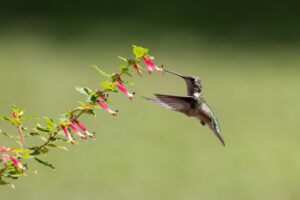
Whether you have a small backyard, a spacious lawn, or a landscaped garden, you can introduce practical features that support local bird populations. Selecting plants that produce berries, seeds, nectar, and insects can make your garden attractive to different bird species.
In this guide, we explore 20 practical bird-friendly outdoor garden ideas, including native planting, water features, nesting boxes, natural shelters, and wildlife-friendly landscaping. We also examine important design considerations, maintenance practices, and ways to create a healthier outdoor habitat for birds.
20 Best Bird Friendly Outdoor Garden Ideas
1. Native Berry-Producing Shrubs – Best Bird Friendly Garden Idea for Natural Food Sources
Native berry-producing shrubs are the best bird friendly garden idea for providing natural food sources throughout the year. Shrubs that produce berries can attract fruit-eating birds while adding structure and seasonal interest to outdoor landscapes. Depending on your region, suitable choices may include native elderberry, serviceberry, viburnum, and other locally appropriate fruit-producing species.

- Grow a Stunning Native Shrub – Beautyberry seeds are perfect for native gardens, ornamental landscapes, wildlife habitats, flowering shrubs, landscape borders, hedges, pollinator gardens, and naturalized plantings. Mature shrubs produce graceful branches covered with brilliant purple berries that create one of the most colorful displays in the fall landscape.
- Beautiful Flowers Become Brilliant Berries – Small pink to lavender flowers bloom during summer before developing into vibrant clusters of glossy purple berries that surround the stems. The colorful fruit often remains on the branches well into fall, extending seasonal interest long after flowering has ended.
Choose shrubs that produce fruit at different times of the year to extend food availability. Combining several species can also attract birds with different feeding preferences. Avoid relying entirely on ornamental varieties that produce little or no useful fruit.
Position berry-producing shrubs along garden boundaries, near hedges, or within dedicated wildlife planting beds. These locations allow birds to feed while remaining close to protective cover. Regular pruning should maintain healthy growth without unnecessarily removing fruit-producing branches.
- Natural berry production
- Attracts fruit-eating birds
- Supports biodiversity
- Seasonal food supply
- Provides protective cover
- Improves garden appearance
- Supports native wildlife
- Requires planting space
- Fruit attracts other wildlife
- Needs establishment time
2. Shallow Bird Bath – Best Outdoor Garden Water Feature for Attracting Birds
A shallow bird bath is the best outdoor garden water feature for attracting wild birds because it provides a convenient place for drinking and bathing. Birds need accessible water for hydration and feather maintenance, particularly during hot or dry weather. A properly designed bird bath can attract species that might not regularly visit seed feeders.

- ALL THE LOOK OF AGED BRONZE, NONE OF THE WEIGHT: Cast in weather-resistant polyresin with an antiqued bronze finish, it has the shape of the classic garden bird bath at about six pounds, so it moves to a new bed in one trip and comes in for the winter without a second pair of hands.
- WIDE SHALLOW BASIN: The basin is broad and shallow, with room for robins, cardinals, finches and chickadees to drink from the edge and bathe in the middle without crowding one another, and the textured floor gives small feet something to hold.

Choose a shallow basin with gently sloping sides and a textured surface that provides secure footing. Keep the water relatively shallow, and place a few clean stones inside if additional standing points are needed. Change the water frequently to prevent contamination and mosquito breeding.
Position the bird bath where birds can see approaching predators while remaining close to protective shrubs or trees. Avoid placing it directly beneath heavily used perches that can contaminate the water with droppings. Clean the basin regularly to maintain a safe drinking and bathing environment.
- Provides drinking water
- Supports bathing behaviour
- Attracts wild birds
- Suitable for small gardens
- Easy installation
- Improves garden appearance
- Simple water maintenance
- Requires frequent cleaning
- Water needs replenishing
- Can attract mosquitoes
3. Native Wildflower Garden – Best Bird Friendly Landscaping Idea for Insect-Eating Birds
A native wildflower garden is the best bird friendly landscaping idea for supporting insect-eating birds. Native flowering plants attract pollinators and other insects that provide food for many bird species. Their flowers can also produce seeds that attract seed-eating birds as the plants mature.

- 100% Pure, Non-GMO Seeds - No fillers, favorites only! Includes 19 easy-to-grow species: Siberian Wallflower, Shasta Daisy, Lance Leaf Coreopsis, Sweet William, Foxglove, Purple Coneflower, Blanket Flower, Blue Flax, Perennial Lupine, Mexican Hat, Gloriosa Daisy, Black Eyed Susan, Candytuft, Gayfeather/Blazing Star, Maltese Cross
- Attracts Pollinators - With up to 1,000 square feet of ground cover, this non-GMO seed mix is sure to bring the bugs and birds to your yard! Easily attract bees, butterflies, and hummingbirds to pollinate blooms.
Select native wildflowers suited to your soil, rainfall, sunlight, and local climate. A mixture of flowering species with different blooming periods can provide a more consistent supply of insects and seeds. Avoid introducing invasive plants that may spread beyond the garden.
Allow some flowers to develop seed heads instead of removing every spent bloom. These seed heads can provide food when other natural resources become less available. Maintain sections of the planting at different heights to create additional shelter and feeding opportunities.
- Attracts beneficial insects
- Produces natural seeds
- Supports pollinators
- Improves garden diversity
- Provides seasonal flowers
- Creates natural bird habitat
- Reduces lawn coverage
- Requires weed management
- Needs suitable sunlight
- Establishment takes time
4. Wooden Bird Nesting Boxes – Best Garden Nesting Idea for Cavity-Nesting Birds
Wooden nesting boxes are the best garden nesting idea for cavity-nesting birds that use enclosed spaces to raise their young. Natural nesting cavities may be limited in gardens with few mature trees or suitable deadwood features. Properly designed nest boxes can provide additional nesting opportunities for appropriate local species.

- Encourage natural behavior:Bird nesting box help birds train their natural nesting skills and encourage their breeding behavior; A comfortable and safe bird nest gives birds a sense of security and good for hatching baby birds
- Innovative design:The transparent side of the cockatiel nest box is designed with acrylic material, which is convenient to observe the breeding and hatching process of birds; Nesting boxes for birds is beautiful and practical, and the unique design satisfies your curiosity; It can also easily observe the condition of the newborn birds, without disturbing the birds by repeatedly opening the lid
Choose a box with an entrance size, internal dimensions, and design appropriate for the target bird species. Untreated, durable timber is generally suitable, while the interior should provide a surface that allows young birds to climb toward the entrance. Avoid decorative boxes that lack adequate ventilation, drainage, or appropriate dimensions.
Install boxes in quiet locations away from excessive human disturbance and harsh weather exposure. Secure them firmly to a suitable tree, wall, or post, depending on the species and local guidance. Clean nesting boxes only when the breeding season has ended and local wildlife regulations permit it.
- Provides nesting cavities
- Supports breeding birds
- Suitable for small gardens
- Encourages garden wildlife
- Reusable construction
- Multiple design options
- Easy installation
- Requires suitable placement
- Needs seasonal cleaning
- Not suitable for all birds
5. Sunflower Planting Bed – Best Bird Friendly Planting Idea for Natural Seeds
A sunflower planting bed is the best bird friendly planting idea for producing natural garden bird food. Mature sunflower heads contain seeds that can attract finches, sparrows, and other seed-eating birds. The plants also provide attractive flowers and vertical structure within outdoor landscapes.

- Attracts the widest variety of birds
- Thin shelled sunflower - makes it easy for small beaked birds to open
Choose sunflower varieties that produce substantial seed heads and grow well in your local conditions. Plant them in sunny positions with sufficient space for mature stems and flower development. Provide support where necessary, particularly in exposed gardens with strong winds.
Allow some flower heads to mature fully before harvesting or removing them. Leaving selected seed heads in the garden gives birds access to a natural food source. Remove diseased plant material when necessary while retaining healthy seed-producing stems.
- Produces natural seeds
- Attracts seed-eating birds
- Attractive summer flowers
- Easy seasonal planting
- Supports pollinators
- Provides vertical structure
- Affordable garden feature
- Requires sunny conditions
- Stems need support
- Seasonal food availability
6. Layered Native Hedge – Best Bird Friendly Garden Border for Protective Shelter
A layered native hedge is the best bird friendly garden border for providing year-round shelter. Combining shrubs of different heights creates protective cover, resting locations, and potential nesting sites. A diverse hedge can also produce flowers, berries, and insects that support different feeding groups.

Use locally native shrubs and small trees with different growth habits. A combination of dense evergreen plants and deciduous flowering species can provide shelter throughout changing seasons. Choose species that suit the available space rather than planting aggressive growers that may become difficult to manage.
Avoid trimming the entire hedge during active nesting periods. Inspect it carefully before major pruning to reduce the risk of disturbing nesting birds. Maintain a mixture of dense and open sections to support different bird behaviours.
- Provides protective shelter
- Supports nesting birds
- Produces natural food
- Creates habitat layers
- Improves garden privacy
- Reduces wind exposure
- Supports native vegetation
- Requires growing space
- Needs periodic pruning
- Takes time to establish
7. Small Garden Pond – Best Bird Friendly Water Feature for Wildlife Habitat
A small garden pond is the best bird friendly water feature for supporting a wider range of wildlife. It can provide drinking and bathing opportunities while supporting insects and other small organisms that form part of many birds’ diets. A well-designed pond also adds biodiversity and visual interest to an outdoor landscape.

- NO DIG NATURE POOL - Easy to build, parts click and fit together easily to set up in under an hour!
- INCLUDES FOUNTAIN PUMP – The kit includes our Pond Fountain Pump (pumps 184 gallons per hour) to help create a stunning water feature.
Create shallow margins or gently sloping sections that allow birds to approach the water safely. Include suitable native aquatic and marginal plants without allowing them to cover the entire water surface. Avoid introducing invasive aquatic species or fish that may disrupt the pond’s ecological balance.
Place the pond where birds can access nearby protective vegetation. Maintain water quality by removing excess organic debris and preventing contamination from garden chemicals. Inspect the edges regularly to ensure wildlife can enter and leave safely.
- Provides drinking water
- Supports aquatic insects
- Attracts garden wildlife
- Creates bathing opportunities
- Improves garden biodiversity
- Supports aquatic planting
- Adds visual interest
- Requires water maintenance
- Needs careful positioning
- Can attract mosquitoes
8. Nectar-Producing Flowers – Best Bird Friendly Garden Idea for Nectar-Feeding Birds
Nectar-producing flowers are the best bird friendly garden idea for attracting nectar-feeding birds. Suitable flowering plants can provide natural nectar while also supporting insects and pollinators. Depending on the region, tubular flowers and other nectar-rich species may attract birds such as hummingbirds or sunbirds.

- LARGE 1 OUNCE PACKET: Embark on a wildflower journey with our generous 1 ounce packet, bursting with over 11,000 pure live seeds! Transform 125 square feet into a vibrant haven for nature.
- MONARCH BUTTERFLY RESCUE MIX: Save the monarchs with this Monarch Rescue Mix! Specifically blended to provide the nectar and host plants monarch butterflies need to thrive, this mix includes a variety of milkweed and nectar-rich flowers. Perfect for butterfly gardens, meadows, or naturalized areas, it creates a colorful, pollinator-friendly habitat that supports these majestic creatures while adding vibrant beauty to your garden.
Select flowering plants that are appropriate for your local bird species and climate. Use a mixture of plants with different flowering periods to maintain nectar availability for longer. Avoid treating flowering plants with pesticides that may harm visiting insects and other wildlife.
Arrange nectar-producing plants in clusters to create visible feeding areas. Include shrubs and small trees nearby so visiting birds have places to rest and seek protection. Remove damaged flowers when necessary while allowing healthy plants to continue flowering.
- Provides natural nectar
- Attracts nectar feeders
- Supports pollinators
- Adds colourful flowers
- Improves habitat diversity
- Creates feeding opportunities
- Encourages native planting
- Requires suitable climate
- Flowering can be seasonal
- Needs selective maintenance
9. Natural Brush Pile – Best Bird Shelter Idea for Small Outdoor Gardens
A natural brush pile is the best bird shelter idea for providing protective cover in outdoor gardens. Carefully arranged branches create spaces where small birds can hide from predators and harsh weather. Brush piles can also support insects and other small organisms that contribute to natural food availability.

- INSTANT ZEN: Create a small indoor nature instantly with the Garden Wave Terrarium, guaanteed to grow and made easy even for beginners. No green thumb required; just enjoy growing indoor plants with ease.
- ZERO WAITING TIME: Our terrariums effortlessly brings beauty into your space without difficult process of planting or long waiting for growth. Simply follow the provided instruction from the kit. Having your own indoor lush is now possible, offering tranquility after a long day.
Use clean, untreated branches from suitable garden maintenance activities. Arrange thicker branches at the bottom and smaller twigs toward the top to create stable layers and sheltered spaces. Avoid including treated timber, contaminated materials, or waste that could introduce hazards.
Position the brush pile in a quiet corner away from heavily used walkways. Keep it stable and inspect it occasionally to prevent collapse. Combine it with nearby native shrubs to create a more continuous habitat structure.
- Provides natural shelter
- Uses garden branches
- Supports small insects
- Offers predator cover
- Encourages natural habitat
- Reduces garden waste
- Low installation cost
- Requires stable placement
- Can look untidy
- Needs occasional inspection
10. Evergreen Trees – Best Garden Tree Idea for Year-Round Bird Protection
Evergreen trees are the best garden tree idea for providing year-round bird shelter. Their foliage offers protective cover when deciduous trees lose their leaves. Depending on the species, evergreen trees can also provide nesting locations, resting sites, and shelter from wind.

- Grow the world’s most massive tree species!
- Seed-grown on California's Redwood Coast
Choose evergreen species suited to your local climate, soil, and available planting space. Native or locally appropriate species are preferable when they provide suitable habitat without becoming invasive. Consider mature tree size before planting close to buildings, paths, or utility lines.
Group evergreen trees with shrubs and flowering plants to create a more diverse habitat. Avoid excessive pruning that removes important protective branches. Inspect trees periodically for structural problems while retaining healthy vegetation whenever possible.
- Provides year-round cover
- Offers nesting locations
- Reduces wind exposure
- Supports garden biodiversity
- Creates resting sites
- Improves landscape structure
- Provides long-term habitat
- Requires planting space
- Can outgrow locations
- Needs establishment care
11. Hanging Bird Feeder – Best Bird Feeding Station for Residential Gardens
A hanging bird feeder is the best bird feeding station for attracting seed-eating garden birds. It provides a convenient feeding location where suitable food can be offered in a controlled manner. Different feeder designs can accommodate different seed types and bird sizes.

- Chew-Proof Metal Build: The top and base of this bird feeder are made of metal. Advanced metal processing techniques make it more sturdy for outdoor use and resistant to squirrel damage.
- 2 Steps Disassemble Easy Clean Thoroughly: No tools needed! Disassemble in just 30 seconds. Easy to maintain and refill weekly. Say goodbye to the hassle of cleaning and reassembling bird feeders.
Select a feeder that is easy to clean, weather-resistant, and suitable for the species you want to attract. Use fresh, appropriate bird food and avoid offering mouldy or spoiled seed. A feeder with drainage openings can help prevent moisture from accumulating inside.
Hang the feeder where birds have access to nearby protective vegetation without creating easy hiding places for predators. Clean it regularly and remove spilled food from the ground. Maintain a consistent feeding routine while ensuring that natural food sources remain available in the garden.
- Attracts feeding birds
- Convenient food placement
- Multiple feeder designs
- Suitable for small gardens
- Easy to refill
- Encourages bird watching
- Supports supplementary feeding
- Requires regular cleaning
- Needs fresh birdseed
- Can attract unwanted pests
12. Fruit Trees – Best Bird Friendly Garden Tree for Seasonal Food
Fruit trees are the best bird friendly garden trees for providing seasonal food and natural habitat. Their blossoms attract insects, while developing and mature fruits can feed different bird species. Fruit trees also contribute shade, vertical structure, and nesting opportunities as they mature.

- Garden Adaptability: Suitable for various garden spaces and container growing; Different varieties thrive in USDA zones 3-9; Includes both sun-loving and partial shade tolerant plants
- Garden Diversity: Complete home orchard starter collection with six fruit varieties; Includes berries for ground cover, shrubs for borders, and trees for vertical interest; Creates layered edible landscape with continuous harvest
Select fruit trees that grow well in your local climate and produce fruit suitable for wildlife. Where possible, choose varieties that retain some fruit after harvesting or produce smaller fruits accessible to birds. Avoid using pesticides that could contaminate fruit or reduce insect populations.
Allow some fallen fruit to remain where it can be consumed safely rather than removing every piece immediately. Remove rotting material when it becomes a sanitation concern or attracts unwanted pests. Combine fruit trees with shrubs and groundcover to create a more complete habitat.
- Produces natural fruit
- Attracts fruit-eating birds
- Supports pollinators
- Provides nesting structure
- Offers garden shade
- Adds seasonal interest
- Supports habitat diversity
- Requires growing space
- Needs seasonal pruning
- Fruit can attract pests
13. Butterfly and Bird Garden – Best Wildlife-Friendly Garden Design for Birds
A butterfly and bird garden is the best wildlife-friendly garden design for supporting several groups of beneficial organisms. Flowering plants attract butterflies and other insects, while shrubs and trees provide birds with food and shelter. This combination can improve biodiversity across different garden layers.

- Make a direct impact on the survival of monarchs by planting milkweed seeds for monarch butterflies. This essential plant serves as a breeding ground for monarchs and provides nourishment for their caterpillars, helping you play a role in saving these beautiful creatures.
- Boost local biodiversity with our specially curated pollinator seed mix. Designed for bees, butterflies, and hummingbirds, our annual and perennial wildflower seeds mix ensures that every nook of your garden supports vital pollinator populations. You can throw and grow these wildflowers as a fall wildflower seed mix or spring.
Include native flowering plants, host plants for suitable butterfly species, fruit-producing shrubs, and small trees. Select plants according to the local ecosystem rather than choosing species solely for their ornamental appearance. Avoid pesticides that can affect caterpillars, pollinators, and insects consumed by birds.
Create different planting zones with flowers, shrubs, and taller vegetation. Include a shallow water source and some sheltered resting locations. Maintain the garden through selective pruning instead of removing every natural feature.
- Supports multiple species
- Attracts beneficial insects
- Provides natural bird food
- Improves garden biodiversity
- Creates colourful planting
- Offers protective vegetation
- Supports pollination
- Requires diverse planting
- Needs seasonal maintenance
- Some plants need space
14. Natural Leaf Litter – Best Low-Maintenance Bird Friendly Garden Idea
Leaving selected areas of natural leaf litter is the best low-maintenance bird friendly garden idea for supporting ground-feeding species. Fallen leaves provide habitat for insects and other small organisms that birds can forage for. Leaf litter also contributes organic matter as it decomposes.

- LEAF SCOOPS HAND RAKES - These lightweight leaf scoops have supporting wrist guards that allow you to collect leaves with less strain than using a traditional rake. Slots on each of the wrist guards let you hang them up for easy storage after use.
- TIME SAVING - These gardening scoops make yard work easier, so you can reduce the amount of time spent on raking and leaf pick-up. They can also be used for a variety of other types of yard work, such as mulch spreading, gardening, and more.
Allow leaves to accumulate beneath suitable trees and shrubs rather than clearing every part of the garden. Keep paths, drainage channels, and heavily used areas clear to prevent maintenance problems. Avoid leaving contaminated or diseased plant material where it could create a plant-health concern.
Maintain small leaf-litter zones alongside open areas where birds can search for food. Avoid excessive disturbance through frequent raking or soil cultivation. This approach can reduce garden waste while creating additional habitat value.
- Supports ground insects
- Provides natural foraging
- Improves soil organic matter
- Reduces garden waste
- Requires little equipment
- Creates natural habitat
- Supports soil organisms
- Can harbour pests
- May obstruct drainage
- Requires selective clearing
15. Native Grasses – Best Bird Friendly Garden Plant for Seeds and Nesting Material
Native grasses are the best bird friendly garden plants for providing seeds and natural nesting materials. Their seed heads can feed seed-eating birds, while their stems and foliage provide cover for small wildlife. Different grass species can also add texture and seasonal interest to garden landscapes.

- PREMIUM NATIVE GRASS SEED MIX FOR LANDSCAPING: Our tall native grass seed blend combines Big Bluestem, Little Bluestem grass seed, Switchgrass, and Indian Grass seeds, each at 25%. This rich blend of native grass seeds is perfect for creating a natural prairie landscape that thrives with low inputs, capturing the timeless beauty of North American grasslands.
- DROUGHT & HEAT RESISTANT FOR LOW-MAINTENANCE LAWNS: Our native grass mix is resilient in extreme weather, including heat and drought conditions, reducing the need for irrigation. This tall fescue grass seed alternative provides a self-sustaining landscape, ideal for water-wise gardening and xeriscaping with minimal maintenance required.
Choose native grasses that suit the site’s soil moisture, sunlight, and climate. Combine upright and spreading species to create different vegetation structures. Avoid planting aggressive grasses that may spread into neighbouring natural habitats.
Allow some grass seed heads to mature before cutting back the planting. Retain selected standing stems where they can provide shelter and nesting material. Remove excessive dead growth when necessary without clearing the entire habitat at once.
- Produces natural seeds
- Provides nesting materials
- Creates protective cover
- Supports native wildlife
- Adds garden texture
- Suitable for borders
- Offers seasonal interest
- Some grasses spread
- Requires occasional trimming
- Needs suitable species selection
16. Small Woodland Garden – Best Bird Friendly Garden Layout for Shaded Spaces
A small woodland garden is the best bird friendly garden layout for shaded outdoor spaces. It recreates some of the layered vegetation found in natural woodland habitats. Trees, shrubs, groundcovers, and leaf litter can provide feeding and shelter opportunities.

- RESEALABLE POUCH FOR MAXIMUM SEED FRESHNESS: Wildflower seeds are packaged in a durable, resealable pouch designed to protect against moisture, air, and light exposure. This prevents mold, premature germination, and seed damage-ensuring long-lasting viability, higher germination rates, and reliable planting results
- VIBRANT WILDFLOWER MIX WITH CONTINUOUS BLOOMS: Premium blend of wildflower seeds featuring multiple varieties that bloom at different times throughout the season. Enjoy a dynamic display of colorful flowers from early spring through fall, creating a constantly evolving and visually stunning garden
Choose shade-tolerant native plants suited to the existing site conditions. Combine different vegetation heights to create a layered planting arrangement. Include fruiting shrubs and flowering plants where light levels allow them to grow successfully.
Maintain some open areas so birds can move through the garden and forage. Avoid excessive clearing beneath trees, especially where natural leaf litter supports insects. Regularly inspect plants and remove invasive species before they become established.
- Suitable for shaded spaces
- Creates layered habitat
- Supports native plants
- Provides natural shelter
- Encourages insect activity
- Improves garden diversity
- Uses underutilised areas
- Limited plant selection
- Requires shade-tolerant species
- Can need careful pruning
17. Dripping Water Fountain – Best Moving Water Feature for Attracting Birds
A dripping water fountain is the best moving water feature for attracting birds to residential gardens. Moving water can create sound and visual activity that helps birds locate a water source. A gentle flow may encourage birds to investigate the feature for drinking and bathing.

- SOLAR POWERED FOUNTAIN PUMP: Mademax solar birdbath fountain only needs 3 seconds to operate automatically in direct sun, with a spray height of 4–27.5 inches (10-70cm). No electricity or battery needed. (Solar fountains does not store energy, can not work on cloudy days or night, please make sure the product is used in direct sunlight, and it is recommended to use it in clean water, which will prolong the life of the product
- FOUR ADJUSTABLE BRACKETS: We have designed a retainer to avoid the random movement of the solar fountain pump. It prevents the solar powered water fountain from spraying water outside the bath and empties water quickly. Reduce the frequency of refilling with water
Choose a fountain with a shallow basin and accessible landing areas. Ensure that the water flow is gentle enough for small birds to approach safely. Use a suitable pump and maintain the equipment according to the manufacturer’s instructions.
Clean the basin and replace water regularly to maintain hygiene. Position the fountain near suitable cover while keeping enough open space for birds to observe potential threats. Check water levels frequently during hot weather.
- Provides moving water
- Attracts visiting birds
- Supports bathing behaviour
- Creates garden ambience
- Offers drinking opportunities
- Multiple design options
- Complements bird baths
- Requires regular cleaning
- Pump needs maintenance
- Water levels need monitoring
18. Climbing Vines – Best Vertical Gardening Idea for Natural Bird Cover
Climbing vines are the best vertical gardening idea for creating bird-friendly natural cover. They can transform fences, walls, and suitable garden structures into additional vegetation layers. Some species also produce flowers, fruits, or dense foliage that provide food and shelter.

- Red Blooms - Cardinal Climber (Ipomoea x multifida) will produce 1.5 inch flowers, surrounded by lush green foliage. The blooms are trumpet shaped, much like Morning Glories.
- Annual Flowers - Cardinal Climbers will grow quickly from fresh seeds. They will start flowering in the Summer months until Fall. The foliage and blooms will wilt with the cooler weather.
Choose non-invasive climbing plants that are appropriate for your local conditions. Native vines can be particularly valuable where they support local insects and wildlife. Provide strong supports that can accommodate the mature weight and growth habit of the plant.
Train vines away from gutters, ventilation openings, and vulnerable building materials. Prune selectively to maintain healthy growth without removing all the protective cover. Check dense growth for nesting activity before carrying out major maintenance.
- Creates vertical habitat
- Provides protective foliage
- Supports nesting birds
- Uses limited ground space
- Some produce natural fruit
- Improves garden appearance
- Supports beneficial insects
- Requires suitable supports
- Can spread aggressively
- Needs regular training
19. Pesticide-Free Garden Zone – Best Bird Friendly Garden Practice for Wildlife Safety
Creating a pesticide-free garden zone is the best bird friendly garden practice for protecting natural food resources. Many birds depend on insects and other small organisms, particularly when feeding their young. Reducing unnecessary pesticide use can help maintain these food sources and reduce wildlife exposure to harmful chemicals.

- KILLS LISTED INSECTS THROUGH CONTACT: Spinosad-based formula controls aphids, caterpillars, mealybugs, spider mites, thrips, and 30 listed pests on edible and ornamental plants
- CURATIVE POWDERY MILDEW CONTROL: Apply at first signs of powdery mildew and repeat every 7–10 days for curative protection on vegetables, fruits, and ornamentals
Use integrated pest management methods such as monitoring, hand removal, physical barriers, and appropriate biological controls. Select plants suited to the local environment so they are less likely to experience avoidable pest and disease problems. Where chemical treatment is necessary, assess its risks to birds, beneficial insects, and other wildlife.
Keep pesticide storage and application equipment away from feeding and nesting areas. Avoid spraying flowering plants when pollinators are active. Monitor the garden to determine whether pest-control interventions are actually necessary.
- Protects natural food sources
- Supports beneficial insects
- Reduces chemical exposure
- Encourages natural pest control
- Supports garden biodiversity
- Protects pollinators
- Creates wildlife habitat
- Requires pest monitoring
- Some pests remain
- May need manual control
20. Natural Bird-Friendly Garden Corner – Best Complete Habitat Idea for Outdoor Gardens
A natural bird-friendly garden corner is the best complete habitat idea for bringing food, water, and shelter together. Combining several wildlife-friendly features creates a more useful environment than installing a single feeder or decorative water feature. This arrangement can support different bird species throughout the year.

- This "Build-it-Together Kit" is a great interactive learning activity to do with children - Ages 3+
- Build it, decorate it, and your pollinator friends will use it
Include a mixture of native shrubs, flowering plants, seed-producing grasses, and a suitable water source. Add natural branches or a brush pile where space allows, and consider a nesting box for appropriate cavity-nesting species. Keep the area relatively quiet and limit unnecessary disturbance.
Arrange the features so birds can move between feeding, drinking, and protective cover. Maintain clean water and inspect plants regularly for invasive growth or disease. A balanced habitat corner can become an important part of a wider wildlife-friendly garden.
- Combines multiple habitats
- Provides food and water
- Offers natural shelter
- Supports nesting opportunities
- Attracts diverse bird species
- Improves garden biodiversity
- Creates a wildlife centre
- Requires careful planning
- Needs regular maintenance
- Occupies garden space
Tips Buyers Guide for the Best Bird Friendly Outdoor Garden Ideas
1. Choose Native and Locally Appropriate Plants
Native and locally appropriate plants are valuable because they are adapted to regional environmental conditions and may support local insects and birds. Prioritise plants that produce seeds, berries, nectar, and suitable protective foliage. Check whether a species is invasive or unsuitable before introducing it to the garden.
2. Provide Different Food Sources
Different bird species have different feeding requirements, so a varied garden is more useful than one that provides only seeds. Include fruit-producing shrubs, seed-bearing flowers, native grasses, and plants that support insects. Maintaining food availability across different seasons can make the garden more consistently attractive.
3. Include Clean and Accessible Water
Birds need reliable water for drinking and bathing. Shallow bird baths, small ponds, and gently moving fountains can provide suitable options when properly maintained. Clean water features frequently and ensure that birds can enter and leave safely.
4. Create Multiple Shelter Layers
A combination of trees, shrubs, hedges, grasses, and groundcover provides different levels of protection. Dense vegetation can offer nesting and resting locations, while open sections allow birds to forage. Layered planting also makes better use of available garden space.
5. Consider Nesting Opportunities
Nesting boxes can provide additional habitat for species that naturally use cavities. Select designs that match the nesting requirements of local birds and install them in suitable locations. Retain appropriate mature trees and natural vegetation where possible.
6. Reduce Chemical Use
Unnecessary pesticide applications can reduce insect populations that birds depend on for food. Use integrated pest management and select plants suited to the site to reduce avoidable pest problems. Where chemical products are required, consider their potential effects on wildlife and follow the relevant safety directions.
7. Plan for Long-Term Maintenance
A bird-friendly garden needs regular but thoughtful maintenance. Clean water features, inspect feeders, control invasive plants, and prune vegetation without unnecessarily disturbing nesting birds. Allow selected natural features, such as seed heads and leaf litter, to remain where they provide habitat value.
By following these considerations, you can develop a garden that provides food, water, nesting opportunities, and shelter while maintaining an attractive outdoor landscape.
Bird Friendly Outdoor Garden Ideas Frequently Asked Questions
1. What are the best bird friendly outdoor garden ideas?
The best bird friendly outdoor garden ideas include planting native berry-producing shrubs, installing shallow bird baths, growing native wildflowers, providing nesting boxes, and establishing layered hedges. Combining food, water, and shelter generally creates a more complete habitat than relying on a single garden feature.
2. What plants attract birds to an outdoor garden?
Plants that produce berries, seeds, nectar, and insects can attract different bird species. Native shrubs, fruit trees, sunflowers, wildflowers, and suitable grasses are useful options. The most appropriate choices depend on the local climate and bird species.
3. How do I make my garden more attractive to wild birds?
Provide natural food sources, clean water, protective vegetation, and suitable nesting locations. Reduce unnecessary pesticide use and maintain a mixture of trees, shrubs, flowers, and grasses. Avoid excessive disturbance around feeding and nesting areas.
4. What is the best water feature for attracting birds?
A shallow bird bath is a practical water feature for many residential gardens. Small ponds and gentle dripping fountains can also provide drinking and bathing opportunities. Whichever option you choose, maintain clean water and safe access.
5. Do bird feeders make a garden more bird-friendly?
Bird feeders can provide supplementary food and attract seed-eating species. However, feeders should complement rather than replace natural food sources such as berries, seeds, and insects. Regular cleaning is important to reduce contamination and disease transmission.
6. Should I leave dead branches and leaf litter in a bird-friendly garden?
Selected dead branches and leaf-litter areas can provide shelter and support insects that birds consume. However, these features should be placed and maintained carefully to avoid safety hazards, drainage problems, and plant-health concerns. Retaining suitable natural materials can increase habitat diversity.
7. How can I protect birds in my outdoor garden?
Reduce unnecessary pesticide use, provide clean water, maintain protective vegetation, and avoid disturbing active nests. Keep cats and other domestic predators away from important feeding and nesting areas where possible. Use suitable feeders and nesting boxes, and inspect garden features regularly.
Conclusion
In conclusion, the best bird friendly outdoor garden ideas combine native plants, natural food sources, clean water, protective vegetation, and suitable nesting opportunities. Planting berry-producing shrubs and creating native wildflower beds can provide valuable food while improving the ecological diversity of your outdoor space.
A shallow bird bath is another important feature because it provides accessible drinking and bathing water. Layered hedges, evergreen trees, brush piles, and nesting boxes can complement these features by creating additional shelter and breeding opportunities.
The most successful bird-friendly gardens are designed around the needs of local bird species rather than relying entirely on decorative features or artificial feeders. Selecting appropriate plants and reducing unnecessary pesticide use can also help maintain a healthier habitat.
With thoughtful planting, regular maintenance, and a combination of food, water, and shelter, you can transform an ordinary outdoor garden into a more welcoming environment for wild birds throughout the year.
Recent Posts
Spring fertilization supports healthy leaf development, root activity, and productive shoot growth when apple trees have insufficient soil nutrients. Selecting an appropriate fertilizer requires...
Cucumbers (Cucumis sativus) are vigorous, fast-growing vines that can produce abundant harvests when their roots receive enough water, warmth, and balanced nutrition. The best fertilizer for cukes in...