Healthy landscapes often begin with the best trees for clay soil with poor drainage, especially where heavy ground remains saturated after rainfall. Planting species naturally adapted to these demanding conditions encourages stronger root development, healthier canopies, and dependable long-term performance.
Dense clay soils restrict air movement around roots while slowing water infiltration, creating stressful conditions for many ornamental and shade trees. Species adapted to wetlands and floodplains possess natural characteristics that help them establish where ordinary landscape trees often struggle.
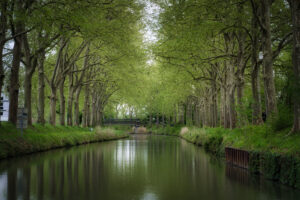
Successful establishment depends on matching each tree to the site’s drainage, available space, climate, and mature growth habit. Understanding these characteristics allows homeowners to reduce maintenance while improving survival rates and overall landscape beauty.
In this guide, we compare the best trees for clay soil with poor drainage, highlighting species that tolerate saturated ground, compacted soils, and seasonal flooding. Each recommendation explains important biological adaptations, ornamental features, and practical landscape uses to help you choose with confidence.
10 Best Trees For Clay Soil With Poor Drainage
1. Bald Cypress (Taxodium distichum) – Best tree for clay soil with poor drainage
Bald Cypress is the best tree for clay soil with poor drainage because it naturally inhabits swamps, floodplains, and riverbanks throughout the southeastern United States where prolonged flooding is common. Unlike many landscape trees that decline in saturated ground, Bald Cypress continues developing a strong root system while producing attractive feathery foliage and a broad pyramidal canopy.

- FAST GROWTH RATE — Trees Get Very Tall & Quickly Reach Mature Heights of 40-70 Feet
- GREEN LEAVES THROUGH SUMMER — Fall Temperatures Turn Foliage Shades of Crimson, Orange, & Yellow

Mature specimens can thrive for centuries despite growing in soils that remain wet for extended periods. Its impressive longevity makes it one of the world’s most dependable wet-soil trees.The root system tolerates oxygen-deficient environments by developing specialized tissues that improve internal oxygen movement to submerged roots.
In permanently wet locations, mature trees may produce distinctive “knees,” woody projections that emerge above the soil or water surface and are believed to assist with root stability and gas exchange. This remarkable adaptation allows continuous root function despite challenging soil conditions.
Bald Cypress performs exceptionally well in rain gardens, retention ponds, wetlands, parks, and residential landscapes with persistent drainage problems. During autumn, its soft green needles transform into warm copper tones before naturally shedding, adding another season of ornamental beauty.
Pros
- Flood tolerant
- Long lived
- Native species
- Strong roots
- Fall color
- Large shade
- Disease resistant
Cons
- Large mature size
- Slow youth
- Leaf drop
2. River Birch (Betula nigra) – Best ornamental tree for wet clay soil
River Birch is the best ornamental tree for wet clay soil because it evolved along stream banks where fluctuating water levels and heavy alluvial soils are part of its natural habitat. The tree is immediately recognizable by its peeling cinnamon-colored bark, which provides year-round visual interest long after the leaves have fallen.

- 🌳 Striking Peeling Bark: Unique exfoliating bark in shades of cream, cinnamon, and brown adds year-round visual interest
- 🌿 Fast-Growing Shade Tree: Quickly establishes to provide cooling shade and a beautiful landscape presence
Its graceful branching habit softens landscapes while tolerating conditions that challenge many ornamental trees. Multi-stem cultivars are especially popular for residential gardens.The fibrous root system spreads efficiently through dense clay while tolerating periodic saturation without significant root decline.
Unlike birch species adapted to cooler northern climates, River Birch demonstrates greater resistance to heat and moisture-related stress. Consistent soil moisture supports vigorous growth, although the species also adapts surprisingly well once established.
River Birch fits foundation plantings, naturalized landscapes, streamside gardens, and large front yards where decorative bark remains visible throughout every season.
Pros
- Decorative bark
- Clay tolerant
- Wet soil
- Fast growing
- Native
- Multi-stem option
- Wildlife value
Cons
- Surface roots
- Leaf litter
- Moderate lifespan
3. Red Maple (Acer rubrum) – Best shade tree for heavy clay soil
Red Maple is the best shade tree for heavy clay soil because of its remarkable ability to adapt to an exceptionally wide range of growing conditions, including poorly drained clay, seasonal flooding, and compacted suburban soils. Rather than depending on a deep taproot, young trees rapidly develop an extensive network of lateral roots that efficiently exploit oxygen available within the upper soil profile.

- Due to agricultural laws, we unalbe to ship to California, AZ, AK, or HI
- At maturity, Autumn Blaze Maples typically reach a height of 40-50 feet with a spread of 30-40 feet, forming a symmetrical and rounded canopy
This flexible rooting strategy allows healthy establishment where deeper soils remain saturated for long periods. Brilliant scarlet autumn foliage further increases its landscape value.The species adjusts root architecture according to soil moisture, producing shallower root systems in wet clay and deeper roots where drainage improves.
This adaptability explains its broad natural distribution across forests, wetlands, and upland environments throughout eastern North America. Healthy leaf production continues because roots remain active despite variable moisture conditions.Red Maple serves equally well as a lawn tree, street tree, park specimen, or residential shade tree where dependable growth in heavy clay is essential.
Pros
- Brilliant fall color
- Adaptable roots
- Fast growing
- Native
- Shade tree
- Wildlife friendly
- Long lived
Cons
- Surface roots
- Large canopy
- Seed production
4. Swamp White Oak (Quercus bicolor) – Best oak for clay soil with poor drainage
Swamp White Oak is the best oak for clay soil with poor drainage because it naturally occupies bottomlands, floodplain forests, and seasonally wet valleys where saturated soils are common. Despite belonging to a genus often associated with well-drained sites, this oak demonstrates remarkable tolerance for prolonged soil moisture while eventually developing into a magnificent shade tree.

Its rounded canopy and attractive bark make it equally valuable in parks and residential landscapes. The tree also produces abundant acorns that support wildlife.Strong structural roots gradually penetrate dense clay while fine feeder roots occupy the upper oxygen-rich soil layers during wet periods.
Thick leathery leaves resist summer heat while continuing efficient photosynthesis even under fluctuating soil moisture conditions. Autumn foliage develops warm shades of bronze, yellow, and brown before leaf fall. Swamp White Oak excels in spacious residential landscapes, parks, rain gardens, and conservation plantings where long-term durability is valued.
Pros
- Flood tolerant
- Native oak
- Wildlife value
- Long lived
- Large shade
- Strong wood
- Beautiful canopy
Cons
- Slow growth
- Large space
- Acorn drop
5. Black Gum (Nyssa sylvatica) – Best native tree for poorly drained clay soil
Black Gum is the best native tree for poorly drained clay soil because it combines exceptional adaptability with some of the most spectacular autumn foliage found among North American trees. Naturally occurring from wetlands to upland forests, it readily adjusts to variable moisture conditions while maintaining a symmetrical pyramidal crown

- For sale are 2 Black Gum trees that are approximately 10-16" tall and shipped in quart pots
- BRILLIANT FALL FOLIAGE DISPLAY: Delivers some of the most spectacular and earliest fall color of any tree, with glossy green leaves transforming into fiery shades of scarlet, crimson, orange, and deep burgundy that light up the entire landscape
Glossy summer foliage provides dense shade before transforming into brilliant shades of scarlet, crimson, orange, and purple during autumn. Few native trees rival its seasonal display.The root system gradually develops according to soil conditions, producing moisture-tolerant lateral roots where drainage remains poor while maintaining strong structural stability.
Small spring flowers provide nectar for pollinators, and dark blue fruits become valuable food sources for numerous bird species. These ecological benefits extend beyond simple ornamental value.
Black Gum performs beautifully in residential landscapes, wildlife gardens, parks, and naturalized settings where outstanding fall color and dependable adaptability are desired.
Pros
- Brilliant fall color
- Native tree
- Wildlife food
- Symmetrical form
- Long lived
- Clay tolerant
- Pollinator friendly
Cons
- Slow establishment
- Fruit drop
- Difficult transplant
6. Overcup Oak (Quercus lyrata) – Best flood-tolerant oak for clay soil with poor drainage
Overcup Oak is the best flood-tolerant oak for clay soil with poor drainage because it evolved throughout floodplains, swamps, and bottomland forests where standing water can persist for weeks. Unlike upland oaks that suffer when oxygen becomes scarce around their roots, this species continues developing a sturdy canopy while maintaining healthy annual growth in saturated clay soils.

- 🌿 Beautiful Live Fruit Trees for Any Space – Add lush greenery and natural charm to your home, patio, balcony, or backyard with vibrant live fruit trees that create a fresh and decorative landscape year-round.
- 🍊 Enjoy Fresh Homegrown Fruit – Harvest delicious, flavorful fruit right from your own tree and enjoy a rewarding gardening experience while adding healthy, naturally grown produce to your daily meals and snacks.
The rounded crown produces dense shade during summer before turning attractive yellow-brown in autumn. Its unusual acorns, mostly enclosed by oversized caps, distinguish the tree from nearly every other North American oak. The root system spreads through heavy clay while tolerating prolonged periods of saturated soil that would damage less adaptable species.
Internal tissues transport oxygen to actively growing roots, allowing respiration to continue despite limited soil aeration. Thick leaves resist heat stress during midsummer, while sturdy branches withstand seasonal storms common in wet environments. These biological traits allow the tree to establish steadily even where drainage remains consistently poor.
Overcup Oak performs exceptionally well in parks, rain gardens, retention basins, and spacious residential landscapes where long-term durability is essential. Wildlife including squirrels, wild turkeys, and deer depend upon its nutritious acorns, making the species equally valuable for conservation plantings and natural landscapes.
Pros
- Flood tolerant
- Native oak
- Strong canopy
- Wildlife food
- Long lived
- Clay tolerant
- Storm resistant
Cons
- Slow growth
- Large size
- Acorn litter
7. American Hornbeam (Carpinus caroliniana) – Best small tree for heavy clay soil
American Hornbeam is the best small tree for heavy clay soil because its naturally compact size makes it suitable for residential gardens where larger flood-tolerant trees would overwhelm available space. The smooth blue-gray bark resembles sculpted muscle, giving rise to the common name “musclewood” and providing year-round ornamental appeal.

- For sale are 2 American Hornbeam trees that are approximately 10-16" tall and shipped in quart pots
- Distinctive Smooth Bark: The smooth, gray bark with subtle ridges gives the trunk a unique, muscular appearance, providing year-round interest
Its finely textured foliage creates filtered shade that complements understory plantings without creating excessive darkness. Brilliant shades of orange, red, and crimson transform the canopy each autumn.This native understory tree commonly grows beside streams and moist woodlands where clay-rich soils remain damp throughout much of the year.
Dense fibrous roots anchor the tree securely while efficiently utilizing moisture retained within compacted soils. The slow, balanced growth habit produces exceptionally strong branch structure with minimal corrective pruning. Healthy root development also allows the tree to tolerate periodic flooding once established.
American Hornbeam enhances woodland gardens, shaded front yards, native landscapes, and decorative borders where refined structure is desired. Its modest mature size makes maintenance straightforward while providing dependable beauty through every season.
Pros
- Compact size
- Native tree
- Strong branches
- Fall color
- Decorative bark
- Shade tolerant
- Clay adapted
Cons
- Slow growth
- Small canopy
- Leaf cleanup
8. Water Tupelo (Nyssa aquatica) – Best wetland tree for poorly drained clay
Water Tupelo is the best wetland tree for poorly drained clay because it naturally inhabits deep swamps where its root system remains submerged for extended periods. Massive swollen trunks develop near the base, improving stability in soft saturated soils while creating one of the most distinctive silhouettes among native wetland trees.
- For sale are 2 Black Gum trees that are approximately 10-16" tall and shipped in quart pots
- BRILLIANT FALL FOLIAGE DISPLAY: Delivers some of the most spectacular and earliest fall color of any tree, with glossy green leaves transforming into fiery shades of scarlet, crimson, orange, and deep burgundy that light up the entire landscape
Glossy green leaves provide dense summer shade before changing to brilliant golden-yellow during autumn. Mature trees become impressive landscape specimens where space permits.Its roots tolerate prolonged flooding by maintaining internal oxygen transport that supports respiration despite waterlogged conditions.
The broad canopy efficiently converts sunlight into energy while abundant soil moisture supports vigorous annual growth. Flowers provide an important nectar source for honeybees, contributing significantly to premium tupelo honey production throughout the southeastern United States. These ecological benefits extend far beyond simple ornamental value.
Water Tupelo performs best in wetlands, large estates, restoration projects, and naturalized landscapes where persistent moisture limits other tree choices. Few native species equal its ability to thrive under continuously saturated conditions.
Pros
- Extreme flood tolerance
- Native species
- Wildlife value
- Honey source
- Large shade
- Long lived
- Strong roots
Cons
- Huge size
- Wet sites
- Slow maturity
9. Dawn Redwood (Metasequoia glyptostroboides) – Best fast-growing tree for wet clay
Dawn Redwood is the best fast-growing tree for wet clay because it combines rapid annual growth with remarkable adaptability to moist, compacted soils. Once believed extinct until living specimens were rediscovered in China during the 1940s, this remarkable conifer has become one of the world’s most admired landscape trees.

- 🌲 Fast Growing Redwood Trees One of the fastest-growing trees available, quickly developing into a tall, majestic landscape feature.
- 🌱 3 Healthy Live Plants (Bare Root) Includes three strong, well-rooted dawn redwood saplings ready to establish and thrive after planting.
Soft feathery foliage creates a graceful appearance throughout the growing season before turning warm bronze in autumn. Its symmetrical pyramidal shape adds elegance to expansive landscapes.Unlike many conifers, Dawn Redwood sheds its needles each autumn while producing vigorous new growth every spring.
The extensive root system tolerates seasonal saturation and spreads efficiently through dense clay without sacrificing structural stability. Rapid photosynthesis supports impressive height increases during the establishment years, making it an outstanding choice where quicker landscape impact is desired. Thick reddish bark also develops increasing ornamental character with age.
Dawn Redwood excels in parks, botanical gardens, estates, and large residential properties with consistently moist soils. Its combination of rapid growth and refined appearance makes it one of the finest specimen trees available.
Pros
- Fast growing
- Elegant form
- Flood tolerant
- Unique history
- Fall color
- Strong structure
- Long lived
Cons
- Large mature size
- Needle drop
- Spacious site
10. Willow Oak (Quercus phellos) – Best landscape oak for compacted clay soil
Willow Oak is the best landscape oak for compacted clay soil because its narrow willow-like leaves distinguish it from nearly every other oak while allowing the tree to produce a refined, uniform canopy. Native to lowland forests and river valleys, it adapts readily to heavy clay where drainage remains inconsistent throughout the year.

- THRIVING OUTDOOR GRANDEUR: Introducing the American Plant Exchange Willow Oak Tree – a live outdoor landscape masterpiece in a 1-gallon pot, standing 2-3 feet tall. Elevate your garden with this fast-growing and hardy shade tree, promising enduring beauty.
- CREATE A LUSH OASIS: Watch your garden transform as the Willow Oak rapidly grows into a magnificent shade tree. Imagine enjoying the benefits of its expansive canopy, providing a cool retreat on sunny days and enhancing the overall aesthetics of your landscape.
The broad crown eventually provides exceptional shade while maintaining a graceful appearance suitable for streets, parks, and residential landscapes. Its dependable growth has made it one of the most widely planted oaks in the southeastern United States.The tree develops an extensive lateral root system that efficiently exploits oxygen available within the upper layers of compacted clay.
Small leaves lose less moisture during hot weather while continuing efficient photosynthesis across long growing seasons. Annual acorn production provides valuable food for birds and mammals, strengthening biodiversity within developed landscapes. Mature trees often remain healthy for generations when planted in appropriate locations.
Willow Oak performs exceptionally well along streets, large lawns, commercial landscapes, and public parks where dependable shade and strong adaptability are priorities. Its balanced canopy and durable structure continue adding value long after establishment.
Pros
- Excellent shade
- Native oak
- Clay tolerant
- Fast establishment
- Wildlife value
- Long lived
- Attractive canopy
Cons
- Large size
- Acorn drop
- Leaf cleanup
Buying Guide: How to Choose the Best Trees for Clay Soil With Poor Drainage
Natural Habitat
A tree’s native environment often predicts its performance in difficult soils. Species originating from swamps, riverbanks, floodplains, and wet meadows usually establish more successfully in poorly drained clay than upland species adapted to dry, well-aerated ground.
Root Adaptations
Healthy roots require oxygen for respiration, yet clay soils often remain saturated after rainfall. Trees with shallow spreading roots, extensive lateral root systems, or specialized oxygen-transporting tissues continue functioning despite reduced soil aeration.
Mature Size
Always consider the tree’s mature height and canopy spread before planting. Large species such as Bald Cypress, Swamp White Oak, and Dawn Redwood require generous space, while American Hornbeam is better suited to smaller residential landscapes.
Drainage Conditions
Although the trees in this guide tolerate poor drainage, permanently standing water may still influence growth rate and establishment. Improving surface drainage where possible promotes healthier long-term root development.
Climate Compatibility
Choose species appropriate for your USDA Hardiness Zone to maximize survival, annual growth, and resistance to environmental stress. Climate suitability remains just as important as soil adaptability.
Wildlife Benefits
Many clay-tolerant trees also support local ecosystems by providing nectar, berries, seeds, acorns, and nesting habitat for birds, pollinators, and beneficial wildlife.
Maintenance Requirements
Some species grow rapidly and require occasional structural pruning, while slower-growing trees often demand less maintenance over their lifetime. Matching maintenance expectations with available time simplifies long-term landscape care.
Best Trees For Clay Soil With Poor Drainage FAQs
1. What are the best trees for clay soil with poor drainage?
Bald Cypress is our top overall recommendation because it naturally thrives in swamps, floodplains, and saturated soils while developing exceptional longevity, structural strength, and ornamental beauty.
2. Can trees survive permanently wet clay soil?
Yes. Species such as Bald Cypress, Water Tupelo, River Birch, and Overcup Oak have evolved specialized root adaptations that allow healthy growth in soils that remain wet for extended periods.
3. Why do many trees fail in heavy clay?
Dense clay restricts oxygen movement around roots while slowing water drainage. Roots deprived of oxygen cannot respire efficiently, eventually leading to poor growth, decline, or root rot in susceptible species.
4. Should I improve clay soil before planting?
Yes. Incorporating compost, reducing compaction, planting slightly above grade, and applying mulch all improve early root establishment even for drainage-tolerant trees.
5. Which oak tolerates poor drainage best?
Overcup Oak and Swamp White Oak are among the finest oaks for wet clay because both naturally occur in floodplain environments with seasonally saturated soils.
6. Are native trees better for heavy clay?
Native trees often perform exceptionally well because they evolved under local soil and climate conditions while supporting regional wildlife and pollinators.
7. How often should newly planted trees be watered in clay soil?
Water deeply but less frequently than in sandy soils. Allow the upper soil surface to begin drying before watering again, since clay retains moisture much longer.
Conclusion
In conclusion, selecting the best trees for clay soil with poor drainage starts with choosing species naturally adapted to compacted, oxygen-poor, and seasonally saturated soils. Bald Cypress earns our best overall recommendation because of its extraordinary flood tolerance, specialized root adaptations, exceptional lifespan, and dependable performance in heavy clay landscapes.
River Birch is our runner-up thanks to its attractive exfoliating bark, rapid establishment, excellent tolerance of wet clay, and year-round ornamental appeal. It combines landscape beauty with dependable adaptability, making it an outstanding choice for residential gardens.
Preparing the planting site correctly, protecting the root flare, applying organic mulch, and reducing soil compaction will significantly improve establishment regardless of the species selected. Even trees adapted to difficult soils develop stronger root systems when provided with proper planting techniques and thoughtful long-term care.
Whether you are restoring a wet landscape, planting around a pond, improving a poorly drained backyard, or replacing trees that failed in heavy clay, the species featured in this guide provide dependable solutions for long-term success. Compare their growth habits, mature sizes, and environmental adaptations, then choose the tree that best matches your landscape and enjoy healthier growth for decades to come.
Recent Posts
Spring fertilization supports healthy leaf development, root activity, and productive shoot growth when apple trees have insufficient soil nutrients. Selecting an appropriate fertilizer requires...
Cucumbers (Cucumis sativus) are vigorous, fast-growing vines that can produce abundant harvests when their roots receive enough water, warmth, and balanced nutrition. The best fertilizer for cukes in...