Selecting the best shrubs for St. Louis landscapes requires understanding soil composition, climate variability, and seasonal performance. St. Louis falls within USDA Hardiness Zones 6a–6b, which means shrubs must tolerate temperature swings, humidity, and clay-heavy soils.
Shrub selection should prioritize adaptability, pest resistance, and long-term structural integrity. Native and well-adapted ornamental shrubs often outperform exotic species due to ecological compatibility and reduced maintenance demand.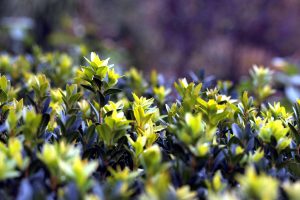
Climate data shows that St. Louis experiences hot summers above 90°F and winters dropping below 0°F, which stresses poorly adapted plants. Therefore, choosing resilient shrubs ensures consistent growth, flowering cycles, and root system stability.
In this guide , we will explore the top 10 best shrubs for St. Louis landscapes, focusing on soil chemistry, drought tolerance, seasonal interest, and disease resistance to help you build a durable and visually striking garden.
10 Best Shrubs For St. Louis
1. Hydrangea macrophylla – Best Flowering Shrubs for St. Louis Seasonal Color Boost
Hydrangea macrophylla is the best flowering shrubs for St. Louis seasonal color boost, thriving in slightly acidic to neutral soils. The plant’s pigmentation is influenced by aluminum ion availability, which directly alters bloom color through soil pH interaction. As a result, acidic soils produce blue flowers, while alkaline soils shift blooms toward pink. This chemical responsiveness makes hydrangeas uniquely customizable.

The shrub performs optimally in moist, well-drained soil with high organic matter, which improves cation exchange capacity. Additionally, the large leaves increase transpiration rates, requiring consistent watering during hot Missouri summers. However, mulching helps regulate soil temperature and moisture retention. Consequently, root stress is minimized.
Hydrangeas benefit from phosphorus-balanced fertilizers, which promote flower development without excessive leaf growth. Furthermore, their shallow root systems respond quickly to nutrient availability. Therefore, proper fertilization ensures sustained blooming cycles. Overall, they deliver unmatched ornamental value.
Pros:
• Color changing
• Large blooms
• Shade tolerant
• Fast growth
• Decorative
• Soil reactive
• Popular
Cons:
• Water demanding
• Prone wilt
• Soil sensitive
2. Boxwood (Buxus sempervirens) – Best Evergreen Shrubs for St. Louis Formal Landscaping
Boxwood is the best evergreen shrubs for St. Louis formal landscaping, valued for dense foliage and structural uniformity. Its leaves contain waxy cuticles, reducing water loss through transpiration. As a result, it maintains greenery even in dry conditions. This adaptation enhances longevity.
The shrub thrives in slightly alkaline soil, common in St. Louis clay substrates. Moreover, its slow growth rate allows precise pruning, which supports geometric shaping. However, overwatering can lead to root rot due to poor aeration. Therefore, well-drained soil is essential.
Boxwood’s resilience comes from its lignified stems, which resist environmental stress and pests. Additionally, it responds well to nitrogen-based fertilizers for dense foliage production. Consequently, it is ideal for hedges and borders. Overall, it provides year-round structure.
Pros:
• Evergreen
• Dense foliage
• Shapeable
• Long lasting
• Formal look
• Pest resistant
• Compact
Cons:
• Slow growth
• Root rot risk
• Sensitive soil
3. Spirea japonica – Best Low Maintenance Shrubs for St. Louis Easy Care
Spirea japonica is the best low maintenance shrubs for St. Louis easy care, known for its adaptability to various soil types. Its fibrous root system improves soil anchorage and nutrient uptake efficiency. As a result, it thrives even in compacted soils. This makes it ideal for urban landscapes.
The plant exhibits efficient photosynthesis due to small leaf structure, reducing water demand. Additionally, it blooms on new wood, which simplifies pruning schedules. However, excessive nitrogen can reduce flowering. Therefore, balanced fertilization is recommended.
Spirea produces secondary metabolites that deter pests, increasing survival rates without chemical treatments. Furthermore, its fast growth ensures rapid landscape coverage. Consequently, it is excellent for mass planting. Overall, it delivers reliability with minimal effort.
Pros:
• Easy care
• Fast growth
• Compact size
• Pest resistant
• Drought tolerant
• Colorful blooms
• Adaptable
Cons:
• Short bloom
• Basic look
• Needs pruning
4. Red Twig Dogwood – Best Winter Interest Shrubs for St. Louis Landscape Contrast
Red Twig Dogwood is the best winter interest shrubs for St. Louis landscape contrast, recognized for vibrant red stems. The coloration results from anthocyanin pigments, which intensify in colder temperatures. As a result, it enhances winter aesthetics. This adds seasonal value.
The shrub thrives in moist soils with high organic content, improving microbial activity. Additionally, it tolerates periodic flooding, making it suitable for low-lying areas. However, poor drainage can still affect root oxygen levels. Therefore, soil balance is crucial.
Dogwood responds well to hard pruning, which stimulates new growth and brighter stems. Furthermore, it benefits from potassium-rich fertilizers. Consequently, its structural and visual appeal improves annually. Overall, it is highly versatile.
Pros:
• Winter color
• Moist tolerant
• Fast growth
• Wildlife friendly
• Adaptable
• Decorative
• Hardy
Cons:
• Needs pruning
• Spreads fast
• Soil dependent
5. Viburnum dentatum – Best Native Shrubs for St. Louis Wildlife Support
Viburnum dentatum is the best native shrubs for St. Louis wildlife support, providing berries rich in nutrients. Its fruit contains lipids and carbohydrates, supporting bird populations. As a result, it enhances biodiversity. This makes it ecologically valuable.
The shrub adapts to clay soils due to strong root penetration, improving aeration. Additionally, it tolerates partial shade while maintaining productivity. However, aphids can occasionally affect growth. Therefore, monitoring is necessary.
Viburnum benefits from balanced NPK fertilizers, promoting both foliage and fruiting. Furthermore, it has strong lignin content, increasing durability. Consequently, it performs well in harsh conditions. Overall, it is a reliable native choice.
Pros:
• Native plant
• Wildlife food
• Hardy
• Shade tolerant
• Soil adaptable
• Durable
• Fast growing
Cons:
• Aphid issues
• Basic flowers
• Needs space
6. Forsythia – Best Early Blooming Shrubs for St. Louis Spring Impact
Forsythia is the best early blooming shrubs for St. Louis spring impact, producing yellow flowers before leaf emergence. This occurs due to stored carbohydrate reserves, which fuel early blooming. As a result, it signals seasonal transition. This creates visual appeal.
The shrub thrives in well-drained soils with moderate fertility, supporting root expansion. Additionally, it tolerates pruning, which encourages denser growth. However, neglect reduces bloom density. Therefore, regular maintenance is required.
Forsythia responds to nitrogen-rich fertilizers, enhancing vegetative growth. Furthermore, its rapid growth ensures quick coverage. Consequently, it is ideal for hedges. Overall, it delivers bold seasonal color.
Pros:
• Early bloom
• Bright color
• Fast growth
• Hardy
• Easy care
• Adaptable
• Dense
Cons:
• Short bloom
• Needs pruning
• Sprawling
7. Juniper – Best Drought Tolerant Shrubs for St. Louis Dry Conditions
Juniper is the best drought tolerant shrubs for St. Louis dry conditions, featuring needle-like leaves that reduce water loss. The leaves contain resin compounds, which protect against dehydration. As a result, it thrives in arid conditions. This increases survival rates.
The shrub prefers well-drained sandy soils, preventing root rot. Additionally, it tolerates poor soil fertility. However, overwatering can damage roots. Therefore, minimal irrigation is ideal.
Juniper produces natural antifungal compounds, reducing disease incidence. Furthermore, it requires little fertilization. Consequently, maintenance costs remain low. Overall, it is highly efficient.
Pros:
• Drought tolerant
• Low care
• Evergreen
• Pest resistant
• Durable
• Soil adaptable
• Long lasting
Cons:
• Slow growth
• Sharp foliage
• Limited color
8. Azalea – Best Shade Shrubs for St. Louis Ornamental Gardens
Azalea is the best shade shrubs for St. Louis ornamental gardens, thriving under filtered sunlight. Its roots rely on mycorrhizal fungi, improving nutrient absorption in acidic soils. As a result, it produces vibrant blooms. This enhances aesthetics.
The shrub prefers acidic soil with high organic matter, which stabilizes pH levels. Additionally, mulching improves moisture retention. However, alkaline soil reduces nutrient uptake. Therefore, soil amendments are necessary.
Azaleas respond to iron and sulfur supplementation, correcting chlorosis. Furthermore, they bloom prolifically with proper care. Consequently, they are ideal for decorative landscaping. Overall, they provide elegance.
Pros:
• Shade tolerant
• Vibrant blooms
• Compact
• Decorative
• Seasonal color
• Popular
• Soft texture
Cons:
• Soil sensitive
• Water needs
• Pest prone
9. Ninebark – Best Shrubs for St. Louis Clay Soil Adaptability
Ninebark is the best shrubs for St. Louis clay soil adaptability, known for peeling bark texture. Its roots tolerate low oxygen environments, common in clay soils. As a result, it maintains stability. This improves survival.
The shrub thrives in varied soil conditions, including compacted ground. Additionally, it resists drought once established. However, overcrowding reduces airflow. Therefore, spacing is important.
Ninebark contains natural tannins, which deter pests and diseases. Furthermore, it requires minimal fertilization. Consequently, it is cost-effective. Overall, it is highly resilient.
Pros:
• Clay tolerant
• Hardy
• Low care
• Pest resistant
• Unique bark
• Adaptable
• Fast growth
Cons:
• Spreading
• Needs space
• Basic blooms
10. Arborvitae – Best Privacy Shrubs for St. Louis Natural Screening
Arborvitae is the best privacy shrubs for St. Louis natural screening, forming dense vertical growth. Its foliage contains essential oils, which deter pests. As a result, it remains healthy. This improves longevity.
The shrub prefers well-drained soil with moderate moisture, ensuring root stability. Additionally, it grows rapidly, creating effective barriers. However, wind exposure can damage branches. Therefore, sheltered planting is ideal.
Arborvitae responds to balanced fertilizers, supporting dense foliage. Furthermore, pruning enhances shape and thickness. Consequently, it is ideal for hedges. Overall, it delivers privacy and structure.
Pros:
• Privacy hedge
• Fast growth
• Evergreen
• Dense foliage
• Pest resistant
• Tall growth
• Decorative
Cons:
• Wind damage
• Water needs
• Space required
FAQs – Best Shrubs for St. Louis
1. What are the best shrubs for St. Louis climate?
The best shrubs include Hydrangea, Boxwood, Viburnum, and Juniper, as they tolerate temperature extremes and clay soils.
2. Which shrubs grow best in St. Louis clay soil?
Ninebark, Viburnum, and Boxwood perform well due to strong root systems and soil adaptability.
3. What shrubs are drought tolerant in St. Louis?
Juniper and Spirea are highly drought-resistant because of reduced transpiration and efficient water use.
4. Which shrubs are best for privacy in St. Louis?
Arborvitae and Boxwood provide dense foliage for natural screening.
5. What shrubs bloom best in St. Louis?
Hydrangea, Azalea, and Forsythia offer seasonal flowering with strong visual impact.
6. Are native shrubs better for St. Louis gardens?
Yes, native shrubs like Viburnum support local ecosystems and require less maintenance.
7. How do I improve shrub growth in St. Louis soil?
Amend soil with organic matter, proper drainage, and balanced fertilizers to optimize nutrient availability.
Conclusion
In conclusion, the best shrubs for St. Louis include Hydrangea and Arborvitae, while the runner-up choices like Viburnum and Boxwood provide specialized landscape benefits. Hydrangea is selected as the best due to its soil-reactive blooms and high ornamental value, whereas Arborvitae stands out for dense privacy screening and rapid vertical growth.
The best selections excel because of climate adaptability, soil chemistry compatibility, and consistent performance, while the runner-up shrubs offer targeted advantages like wildlife support and structural form. Viburnum is chosen as a runner-up for its ecological value and native resilience, whereas Boxwood earns its place due to formal structure and evergreen stability.
Furthermore, the best shrubs deliver year-round interest, durability, and low maintenance, which are critical for St. Louis conditions, while the runner-up options enhance diversity in function and design. This strategic combination ensures both aesthetic appeal and environmental balance across different landscape applications.
Ultimately, choosing the best shrubs supported by strong runner-up options allows you to build a resilient, visually appealing, and sustainable garden. Take action today by selecting the right shrubs for your space and transform your landscape into a thriving St. Louis garden.
Recent Posts
Spring fertilization supports healthy leaf development, root activity, and productive shoot growth when apple trees have insufficient soil nutrients. Selecting an appropriate fertilizer requires...
Cucumbers (Cucumis sativus) are vigorous, fast-growing vines that can produce abundant harvests when their roots receive enough water, warmth, and balanced nutrition. The best fertilizer for cukes in...