The best potted plants for front porch low maintenance gardens combine attractive foliage, reliable growth, and the ability to tolerate occasional missed watering or changing outdoor conditions. Choosing naturally resilient species reduces routine pruning, frequent watering, pest intervention, and replacement costs while keeping the entrance attractive throughout the year.
The most important consideration is not simply how tough a plant is, but whether its natural growth requirements match the conditions on your porch. Light exposure, afternoon heat, wind, humidity, container size, drainage, and the amount of time available for maintenance all influence how successfully a plant performs in a pot.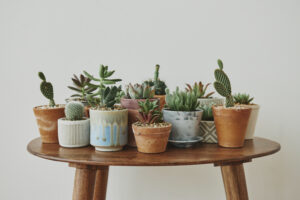
Drought-tolerant plants such as snake plants, agaves, aloe, jade plants, and ponytail palms can be particularly useful for sunny or exposed entrances, while pothos and ZZ plants are better suited to sheltered areas with lower light. Container plants also require excellent drainage because saturated growing media deprive roots of oxygen and can encourage root problems.
In this guide , we will explore the top 12 Best Potted Plants For Front Porch Low Maintenance, focusing on drought tolerance, light requirements, growth habit, container performance, watering requirements, appearance, and practical maintenance so you can choose plants that remain attractive without demanding constant attention.
Top 12 Best Potted Plants For Front Porch Low Maintenance
1. Snake Plant – Best low-maintenance potted plant for shaded front porches


Snake plant (Dracaena trifasciata) is one of the most dependable choices for a front porch where watering needs to remain minimal. Its thick, upright leaves store water and allow the plant to tolerate relatively long periods between irrigation, while its architectural growth habit creates a strong vertical accent in a container. Iowa State University Extension describes snake plant as exceptionally easy to grow and notes that it can tolerate conditions ranging from low to direct light when grown in appropriate soil.
The plant performs particularly well in containers because its relatively compact root system does not require constant repotting. Its biggest cultural requirement is excellent drainage because the same water-storage adaptation that makes it drought tolerant also makes prolonged saturation dangerous. A pot with drainage holes and a porous growing medium is therefore more important than frequent feeding.
On a covered front porch, snake plant can provide year-round foliage without the flowering and deadheading demands associated with many seasonal bedding plants. It is particularly useful beside doors, columns, steps, and walls where an upright plant provides height without requiring a wide footprint.
Pros
- Extremely drought tolerant
- Upright growth
- Low maintenance
- Long-lived foliage
- Compact root system
- Low pruning needs
- Architectural appearance
Cons
- Poor drainage risk
- Limited flowers
- Slow growth
2. ZZ Plant – Best low-maintenance potted plant for covered front porches

The ZZ plant (Zamioculcas zamiifolia) is an excellent option when a front porch receives filtered light rather than strong direct sunshine. Its underground rhizomes store water, allowing the plant to tolerate dry periods far better than many soft-leaved ornamentals. Extension guidance identifies ZZ plant as highly tolerant of low light and dry conditions, which explains its popularity as a low-maintenance container plant.
Glossy compound leaves give the ZZ plant a polished appearance that works particularly well with contemporary porch architecture. Its slow growth is another advantage because the plant does not quickly outgrow its container or require frequent pruning. However, slow growth should not be confused with unlimited drought tolerance, and watering should still be based on actual soil dryness.
This plant is best positioned on a covered or sheltered porch rather than an exposed location with intense afternoon sunlight. It can create a sophisticated foliage display beside an entrance while requiring substantially less routine attention than many flowering container plants.
Pros
- Very drought tolerant
- Low-light tolerant
- Glossy foliage
- Slow growth
- Minimal pruning
- Long-lasting appearance
- Container friendly
Cons
- Slow development
- Avoid soggy soil
- Limited flowering
3. Aloe Vera – Best drought-tolerant potted plant for sunny front porches

Aloe vera is an excellent container plant for a sunny front porch because its succulent leaves are adapted to storing water. The thick foliage creates a distinctive architectural appearance while reducing the frequency of irrigation required compared with many conventional flowering plants. Aloe is also recommended among drought-tolerant container choices for Nairobi landscapes, where good drainage and suitable light are important.
Aloe performs best in a porous growing medium that allows water to move rapidly through the root zone. A container that remains wet for prolonged periods can cause root deterioration, so the objective is not to provide constant moisture but to allow the substrate to dry between irrigations. Terracotta containers can be particularly useful where rapid evaporation is desirable.
Its clumping habit also makes aloe useful for larger decorative pots. Offsets can eventually develop around the mother plant, allowing the container to become fuller without purchasing additional plants.
Pros
- Drought tolerant
- Architectural foliage
- Sunny porch suitable
- Low watering needs
- Produces offsets
- Long-lived
- Container adaptable
Cons
- Needs drainage
- Can sunburn after relocation
- Spiny leaf margins
4. Jade Plant – Best low-maintenance succulent for front porch containers

Jade plant (Crassula ovata) is a long-lived succulent that works particularly well in containers where a compact but substantial ornamental specimen is desired. Its fleshy leaves store water, while its woody stems gradually develop a miniature-tree appearance that becomes increasingly attractive as the plant matures. Jade is also listed among drought-tolerant plants suitable for potted use in Nairobi landscapes.
The plant requires well-drained growing media and should not be watered simply because the surface appears slightly dry. Allowing the root zone to dry between thorough waterings reduces the risk of root problems while matching the plant’s natural water-storage strategy.
A mature jade can become a strong focal point beside a front door, particularly when planted in a substantial ceramic or terracotta container. Its slow-to-moderate growth also means that pruning requirements remain relatively low compared with fast-growing tropical foliage plants.
Pros
- Drought tolerant
- Long-lived
- Woody stems
- Low pruning needs
- Attractive foliage
- Container friendly
- Easy propagation
Cons
- Needs bright light
- Sensitive to overwatering
- Heavy mature growth
5. Ponytail Palm – Best low-maintenance potted plant for a sunny entrance

Ponytail palm (Beaucarnea recurvata) is an unusual container plant with a swollen trunk base and long, narrow leaves that form a fountain-like canopy. Despite its common name, it is not a true palm, and its swollen caudex functions as a water-storage structure that contributes to its drought tolerance. It is particularly effective when a front porch needs height and architectural form without demanding frequent irrigation.
The plant’s unusual silhouette makes it a natural focal point rather than a filler plant. It can remain attractive for long periods with relatively little pruning, although old leaves can occasionally be removed to maintain a clean appearance. Bright light is generally preferable for strong growth, particularly when the plant is being grown outdoors.
A heavy container is useful because the foliage can create a top-heavy appearance as the specimen grows. Position the pot where it receives appropriate light without creating an obstruction beside the entrance.
Pros
- Drought tolerant
- Architectural form
- Low maintenance
- Long-lived
- Minimal pruning
- Excellent focal point
- Container suitable
Cons
- Slow growth
- Needs good light
- Can become top-heavy
6. Agave attenuata – Best low-maintenance architectural plant for front porches

Agave attenuata is a striking succulent for homeowners who want a sculptural container plant that requires little routine attention. Its broad, smooth-edged leaves form a symmetrical rosette, creating a strong architectural silhouette without the sharp terminal spines associated with some other agaves. Landscape guidance for Nairobi identifies Agave attenuata as a bold focal plant that handles full sun well.
The plant’s drought tolerance comes from its succulent physiology, which allows it to store water within its leaves. This makes it particularly suitable for entrances where watering may occasionally be missed. However, drought tolerance does not mean that the plant should be kept permanently dry, and a thorough watering followed by appropriate drying is preferable to frequent shallow irrigation.
Use a substantial container with excellent drainage and enough weight to prevent the specimen from becoming unstable. Because the rosette can eventually become wide, leave sufficient clearance around the plant rather than placing it directly against a narrow doorway.
Pros
- Highly drought tolerant
- Sculptural foliage
- Full-sun tolerant
- Low maintenance
- Smooth leaf margins
- Excellent focal plant
- Long-lived
Cons
- Needs space
- Slow growth
- Drainage essential
7. Pothos – Best trailing low-maintenance plant for a sheltered front porch

Pothos (Epipremnum aureum) is a versatile trailing plant that can soften the hard architectural lines of a front porch. Its heart-shaped foliage and cascading stems work particularly well in elevated containers, hanging baskets, or pots positioned on plant stands. Iowa State University Extension describes pothos as one of the easiest and most forgiving houseplants and notes that it tolerates low to moderate light.
Unlike succulents, pothos prefers somewhat more consistent moisture, although the growing medium should still be allowed to dry moderately between waterings. This makes it a better choice for a sheltered porch where watering is reasonably convenient rather than a completely exposed location that receives intense heat and prolonged drought.
Its rapid growth can actually reduce the amount of time required to achieve a full-looking container. Occasional trimming keeps the vines within their designated area and encourages a denser appearance.
Pros
- Fast growth
- Trailing habit
- Easy propagation
- Low-light tolerance
- Attractive foliage
- Container adaptable
- Easy pruning
Cons
- Needs more water
- Protect from harsh sun
- Requires trimming
8. Lavender – Best fragrant low-maintenance potted plant for front porches

Lavender (Lavandula spp.) combines fragrant foliage, attractive flowers, and relatively modest water requirements when grown in appropriate conditions. Its Mediterranean adaptation makes excellent drainage and strong sunlight particularly important, so it is better suited to a bright porch than a deeply shaded entrance.
A container of lavender can provide more than visual appeal because its aromatic foliage creates a sensory element near the entrance. The plant generally remains compact when appropriately selected, although light pruning after flowering can help maintain a neat form. A porous potting mix and container with drainage holes are essential because wet roots are considerably more problematic than short periods of dryness.
Lavender works especially well in terracotta containers, gravel-based arrangements, and minimalist porch designs. It can also be combined with other drought-tolerant plants that share similar light and watering requirements rather than being planted with moisture-loving species.
Pros
- Fragrant foliage
- Attractive flowers
- Drought tolerant
- Pollinator friendly
- Sunny porch suitable
- Compact habit
- Low maintenance
Cons
- Needs strong light
- Poor drainage risk
- Periodic pruning
9. Rosemary – Best low-maintenance aromatic potted plant for front porch
Rosemary (Salvia rosmarinus) is an excellent choice when the front porch needs an attractive plant that also has practical culinary value. Its narrow, aromatic foliage is adapted to relatively dry conditions, and its woody structure allows it to maintain a useful ornamental form with limited pruning. Like lavender, rosemary performs best when the root zone drains rapidly and the plant receives substantial light.
The plant becomes particularly useful when placed near a kitchen entrance or outdoor cooking area. Regular harvesting can effectively function as light pruning, helping maintain a compact shape while providing fresh leaves for culinary use.
Rosemary should not be planted in a container that stays constantly wet. Matching it with other Mediterranean plants can simplify maintenance because several species can share similar irrigation and light requirements.
Pros
- Culinary use
- Aromatic foliage
- Drought tolerant
- Woody structure
- Sunny conditions
- Easy pruning
- Pollinator value
Cons
- Needs drainage
- Requires strong light
- Can become woody
10. Lantana – Best flowering low-maintenance potted plant for sunny porches

Lantana is a strong candidate when the goal is to obtain long-lasting flower color without creating a high-maintenance container garden. Its clusters of small flowers can provide extended seasonal interest, while the plant’s tolerance of heat and relatively dry conditions makes it more forgiving than many moisture-demanding annuals.
A sunny front porch is generally the best location because adequate light supports compact growth and flowering. Container-grown lantana can still require regular irrigation during prolonged hot weather because pots dry faster than garden beds, but its drought tolerance provides a useful margin of error when compared with thirstier flowering plants.
Lantana can be used as a standalone specimen or incorporated into a mixed container where its flowering habit contrasts with structural foliage. Periodic trimming can keep the plant compact, but it does not require the constant shaping associated with formal topiary.
Pros
- Long flowering
- Heat tolerant
- Drought tolerant
- Colorful blooms
- Pollinator friendly
- Container adaptable
- Moderate pruning
Cons
- Needs sunlight
- Regular deadheading optional
- Can spread
11. Spider Plant – Best easy-care potted plant for a sheltered front porch

Spider plant (Chlorophytum comosum) is useful for covered porches where filtered light and moderate moisture are available. Its arching, grass-like leaves create a soft cascading effect, while the plant’s ability to produce small plantlets provides an easy way to propagate additional specimens. Iowa State University Extension identifies spider plant as an easy-to-grow container plant adaptable to several environmental conditions.
Its natural arching form works particularly well in elevated pots where the foliage can spill over the edge. It is also less visually rigid than succulents and can soften concrete, masonry, metal, or painted porch structures.
The main limitation is exposure. A sheltered location is generally preferable to a very hot, exposed position, especially where intense sunlight and rapid container drying could scorch the foliage.
Pros
- Easy propagation
- Cascading foliage
- Adaptable
- Attractive leaves
- Low maintenance
- Container friendly
- Good for shade
Cons
- Avoid harsh sun
- Needs moderate moisture
- Foliage can scorch
12. Dwarf Mondo Grass – Best low-maintenance evergreen potted plant for front steps

Dwarf mondo grass (Ophiopogon japonicus ‘Nana’) provides a dense, grass-like texture that works exceptionally well around front steps and entrance areas. It remains relatively compact and can form a neat mound of evergreen foliage, making it useful when the objective is tidy structure rather than large flowers.
Its low-growing habit means it does not normally interfere with sightlines or doorways. The plant can also be used in containers alone or combined with other compatible shade-tolerant plants to create layered arrangements.
Because it is primarily grown for foliage, it avoids the repeated deadheading associated with many flowering container plants. Choose a container with good drainage and match its light exposure to the cultivar and local conditions.
Pros
- Evergreen foliage
- Compact habit
- Low pruning
- Shade adaptable
- Neat appearance
- Container friendly
- Good texture
Cons
- Slow establishment
- Limited flowers
- Needs drainage
Best Materials for Potted Plants For Front Porch Low Maintenance
1. Terracotta
Terracotta is porous, allowing moisture to evaporate through the container walls. This makes it particularly useful for drought-tolerant plants such as aloe, jade, lavender, rosemary, and agave, although it can require more frequent watering in very hot conditions.
2. Glazed Ceramic
Glazed ceramic retains moisture better than porous terracotta and provides numerous decorative finishes. It is useful for sheltered porches where appearance is important and the plant does not need extremely rapid drying.
3. Plastic
Plastic containers are lightweight, inexpensive, and retain moisture efficiently. They are practical for large plants that would otherwise require extremely heavy containers, although darker pots can heat up considerably in direct sunlight.
4. HDPE or Resin
High-density plastic and resin containers can provide good durability with relatively low weight. They are useful where the porch receives rain or where heavy ceramic containers would be difficult to move.
5. Concrete
Concrete provides excellent stability for tall or top-heavy plants. It is particularly useful for agaves, ponytail palms, and large architectural specimens, although its weight makes repositioning difficult.
6. Metal
Metal planters can create a contemporary appearance and provide excellent structural strength. However, the container’s heat characteristics and corrosion resistance should be considered, especially in intense sunlight or humid conditions.
Buyer’s Guide: How to Choose the Best Potted Plants For Front Porch Low Maintenance
1. Match the Plant to Available Light
Start by observing the porch before buying the plant. A south- or west-facing entrance with intense afternoon sun requires very different plants from a covered north-facing or shaded porch.
Succulents and drought-tolerant species generally perform better in bright conditions, while ZZ plants, pothos, and some foliage plants tolerate lower light.
2. Prioritize Drainage
Every container should have a reliable drainage route.
Extension guidance emphasizes that container roots need oxygen and that waterlogged growing media can cause root problems.
Do not rely on decorative cachepots without drainage unless the plant is actually grown in a separate draining nursery pot.
3. Choose Plants Based on Watering Habits
If you frequently forget to water, choose plants with water-storage adaptations such as snake plant, aloe, jade, agave, or ponytail palm.
If you enjoy regular plant care, flowering plants such as lantana can provide more seasonal color.
4. Consider the Container Size
A plant should have enough root volume to remain stable and healthy without being placed in an excessively large container.
An oversized pot can retain unnecessary moisture around a small root system, while an undersized container dries rapidly and can restrict growth.
5. Consider Wind Exposure
Front porches can experience strong airflow, particularly around corners and entrances.
Tall plants should be placed in heavy containers or protected positions to prevent tipping. Low-growing plants can be better choices for very exposed entrances.
6. Match Plants With Similar Requirements
If creating mixed containers, combine plants that require similar amounts of sunlight and water.
For example, rosemary and lavender can share a relatively dry, sunny environment, while pothos and moisture-tolerant foliage plants may be better suited to a sheltered location.
7. Think About Long-Term Size
A plant that looks perfect in a small nursery pot may eventually become too large for the entrance.
Check the mature height and width before planting. Front-door containers should enhance access rather than obstruct it.
Common Mistakes to Avoid When Choosing Best Potted Plants For Front Porch Low Maintenance
1. Choosing a Plant for Appearance Alone
A beautiful plant will not remain attractive if its light and moisture requirements conflict with the porch environment.
Always select according to growing conditions first.
2. Using Containers Without Drainage
This is one of the most damaging mistakes in container gardening.
Roots need oxygen, and persistent saturation can cause root deterioration.
3. Overwatering Drought-Tolerant Plants
Snake plants, aloe, jade, agave, and ZZ plants are often damaged by excessive irrigation rather than insufficient water.
Allow the growing medium to dry appropriately before watering again.
4. Putting Shade Plants in Harsh Afternoon Sun
Low-light-tolerant plants are not automatically tolerant of intense outdoor sunlight.
A plant that performs beautifully on a covered porch can scorch when suddenly moved into full afternoon exposure.
5. Ignoring the Mature Plant Size
A small plant can eventually block doors, steps, windows, or walkways.
Consider mature dimensions before selecting the container location.
6. Mixing Plants With Different Water Requirements
Combining a drought-tolerant succulent with a moisture-loving plant creates a maintenance conflict.
One species may receive too much water while the other remains too dry.
7. Using Poor-Quality Potting Media
Garden soil can become excessively compacted in containers and restrict drainage and aeration.
Use a growing medium appropriate for the plant category and adjust it for moisture retention or drainage as required.
Best Potted Plants For Front Porch Low Maintenance FAQs
1. What is the best low-maintenance potted plant for a front porch?
Snake plant is one of the best overall choices because it tolerates a broad range of light conditions, stores water in its leaves, and requires relatively little routine maintenance. For a bright, sunny porch, drought-tolerant succulents such as aloe, jade, and agave are excellent alternatives.
2. What are the best potted plants for a front porch with full sun?
Aloe vera, jade plant, agave, ponytail palm, lavender, and rosemary are strong options for bright porches. They generally perform best in well-drained containers and can tolerate drying periods better than moisture-demanding foliage plants.
3. What are the best potted plants for a shaded front porch?
ZZ plant, snake plant, pothos, and spider plant are useful choices for sheltered or partially shaded porches. However, shade tolerance does not mean complete darkness; plants still require sufficient usable light for photosynthesis and healthy growth.
4. How often should low-maintenance porch plants be watered?
There is no universal watering schedule because container size, temperature, plant species, sunlight, and growing medium all affect drying speed. Check the root-zone moisture before watering rather than following a fixed calendar, particularly with drought-tolerant plants.
5. What type of pot is best for low-maintenance porch plants?
The best pot depends on the plant. Terracotta works well for plants that prefer rapid drying, while glazed ceramic, resin, and plastic can retain moisture longer. Regardless of material, the container should provide adequate drainage.
6. Can I leave potted plants outside all year?
Some plants can remain outdoors year-round in climates that match their natural requirements, while others need seasonal protection. Tropical foliage plants and frost-sensitive species should be protected when temperatures fall below their tolerance range.
7. How can I make front porch plants easier to maintain?
Choose plants that naturally match the porch’s light and climate, use containers with drainage holes, select an appropriate growing medium, and group plants according to watering requirements. A correctly matched plant can require dramatically less intervention than one being forced into unsuitable conditions.
Conclusion
In conclusion, the snake plant is our best overall choice for a low-maintenance front porch because it combines drought tolerance, architectural foliage, container adaptability, and relatively low watering requirements. Its ability to tolerate both lower and brighter light gives it broader placement flexibility than many specialized porch plants.
The ZZ plant is our runner-up for sheltered porches where low light and infrequent watering are the main challenges. For sunny entrances, however, aloe, jade, agave, ponytail palm, lavender, and rosemary can provide stronger performance because their natural adaptations are better suited to bright, relatively dry conditions.
The most important decision is to match the plant to the porch rather than choosing a species solely because it is described as low maintenance. Drainage, light, container size, wind exposure, watering habits, and mature plant dimensions all determine whether a supposedly easy plant will actually remain healthy.
Ultimately, the best potted plants for front porch low maintenance gardens are those that fit naturally into the environmental conditions already available. Choose resilient species, use containers with adequate drainage, group plants with similar requirements, and your porch can maintain strong year-round visual appeal without demanding constant horticultural intervention.
Recent Posts
Spring fertilization supports healthy leaf development, root activity, and productive shoot growth when apple trees have insufficient soil nutrients. Selecting an appropriate fertilizer requires...
Cucumbers (Cucumis sativus) are vigorous, fast-growing vines that can produce abundant harvests when their roots receive enough water, warmth, and balanced nutrition. The best fertilizer for cukes in...