Choosing the best plants for porch with no sun requires selecting species that tolerate shade and grow well without prolonged direct sunlight. Covered porches can provide suitable growing conditions for foliage plants, ferns, and selected flowering varieties.
However, shade tolerance does not mean a plant can survive in complete darkness. Most plants still need indirect natural light for photosynthesis, healthy foliage development, and sustained growth.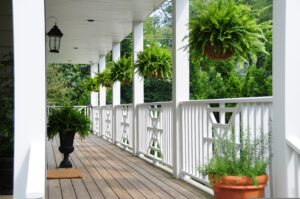
Container size, drainage, humidity, temperature, and watering frequency also influence plant performance. A shaded porch may retain moisture longer than an exposed patio, although roof overhangs can sometimes create unusually dry growing conditions.
In this guide, we examine 20 suitable foliage and flowering selections for different porch environments. The best plants for porch with no sun combine dependable shade tolerance, attractive growth habits, and practical container performance.
20 Best Plants For Porch With No Sun
1. Cast Iron Plant (Aspidistra elatior) – Best Plant for Porch With No Sun
Cast iron plant is one of the most dependable choices for a shaded porch because it tolerates considerably lower light levels than many ornamental container plants. Its broad, dark green leaves provide a lush appearance without requiring direct sunlight to maintain their colour.

- Hardy Low-Light Houseplant – Thrives in low-light indoor environments, making it perfect for homes, offices, and shaded gardens
- Drought-Tolerant & Low Maintenance – Requires minimal watering and care, making it an excellent choice for beginners and busy plant owners

The plant develops slowly from underground rhizomes and produces upright foliage that can reach approximately 45–75 cm under suitable conditions. It grows in well-drained potting soil and tolerates periods of reduced watering better than moisture-demanding ferns. Established specimens can remain attractive for years with relatively little pruning.
Place the container in a shaded position receiving indirect daylight rather than an entirely dark corner. Water when the upper portion of the growing medium begins to dry, and avoid allowing the roots to remain waterlogged. Its tolerance of low light and relatively modest maintenance requirements make it especially useful for covered porches.
- Excellent tolerance of low-light conditions.
- Attractive evergreen foliage.
- Suitable for container cultivation.
- Tolerates occasional dry conditions.
- Requires relatively little pruning.
- Slow-growing and easy to manage.
- Suitable for shaded indoor and outdoor spaces in appropriate climates.
- Slow growth rate.
- Does not produce showy ornamental flowers.
- Waterlogged soil can cause root problems.
2. Boston Fern (Nephrolepis exaltata) – Best Fern for a Shaded Porch
Boston fern is an attractive foliage plant with arching fronds that create a soft, cascading appearance in porch containers and hanging baskets. It performs well in bright shade and indirect light, making it particularly suitable for covered outdoor spaces protected from direct sunlight.

- INSTANT PORCH BALCONY DECOR: Stop stressing over complex styling layouts with a perfectly matched pair of live hanging ferns that instantly create beautiful symmetry for front door entrances, patios, or apartment balconies
- CLEANSE YOUR AIR NATURALLY: Boost your home wellness with these powerful air purifying houseplants that actively filter out everyday indoor toxins and balance moisture levels to help your whole family breathe easier every day
Its long fronds can spread considerably, producing a full display when grown in a sufficiently large container. The plant prefers consistently moist but well-drained growing media with relatively high atmospheric humidity. Adequate airflow helps maintain healthy foliage and reduces the risk of fungal problems associated with persistently wet conditions.
Place the fern where it receives filtered daylight without exposure to intense afternoon sunlight. Water when the growing medium begins to approach dryness, and increase watering frequency during warm periods when evaporation is faster. Avoid allowing the pot to stand continuously in water because saturated roots can deteriorate.
- Performs well in bright shade.
- Attractive arching fronds.
- Excellent for hanging baskets.
- Creates a full ornamental display.
- Suitable for container cultivation.
- Adds texture to shaded porches.
- Non-toxic to cats and dogs.
- Requires regular moisture.
- Can suffer in very dry air.
- Fronds may become brown when neglected.
3. Snake Plant (Dracaena trifasciata) – Best Low-Maintenance Plant for a Porch Without Sun
Snake plant is a hardy foliage plant recognised for its upright, sword-shaped leaves and tolerance of relatively low-light conditions. Its architectural growth habit makes it useful for decorating porch corners where other ornamental plants may struggle.

- HARDY INDOOR PLANT: Sansevieria Laurentii is a drought tolerant, durable, and adaptable houseplant for beginners
- GREAT FOR BUSY LIFESTYLES: This drought tolerant and resilient plant is easy to grow
The thick leaves store water, allowing the plant to tolerate periods of dryness better than moisture-dependent shade plants. It can survive in lower light, although growth may become slower and leaf colour or variegation may be less pronounced. A free-draining potting medium is essential because its roots are vulnerable to prolonged saturation.
Position the plant in a location receiving indirect natural light and avoid excessive watering. Allow the growing medium to dry substantially between irrigation applications, particularly during cooler periods. Its upright form also makes it suitable for narrow containers that occupy little floor space.
- Tolerates relatively low light.
- Requires infrequent watering.
- Attractive upright foliage.
- Suitable for small porch corners.
- Grows well in containers.
- Tolerates occasional neglect.
- Several attractive cultivars are available.
- Growth slows considerably in deep shade.
- Sensitive to waterlogged soil.
- Toxic if ingested by pets.
4. ZZ Plant (Zamioculcas zamiifolia) – Best Drought-Tolerant Plant for a Shaded Porch
ZZ plant is a foliage ornamental valued for its glossy leaves, upright stems, and ability to tolerate relatively low-light environments. It is a useful choice for covered porches where direct sunlight is limited and frequent watering is inconvenient.

- SLEEK, STYLISH ROOM DÉCOR: The architectural upright leaves of a real ZZ Plant provide a modern, sleek look that defines minimalist home decor. An excellent, stylish live plant choice for an office desk, plant shelf, or tabletop
- EASY TO MAINTAIN, BEGINNER-FRIENDLY INDOOR PLANT: The ZZ Plant is a resilient, low-maintenance houseplant that thrives on neglect, making it perfect for any plant owner. It’s an ideal, hassle-free choice for busy individuals or new plant parents
Its thick underground rhizomes store water and support survival during periods of reduced irrigation. The plant develops compound leaves with naturally glossy leaflets that provide a polished appearance in decorative containers. Although it tolerates low light, brighter indirect conditions generally support stronger growth.
Grow it in a porous potting mixture that drains freely and use a container with adequate drainage holes. Allow the growing medium to dry between watering applications because excessive moisture can cause rhizome deterioration. Avoid placing it in completely dark areas where its growth and foliage quality will decline.
- Tolerates relatively low light.
- Attractive glossy foliage.
- Stores water in underground rhizomes.
- Requires relatively little watering.
- Suitable for decorative containers.
- Slow-growing and manageable.
- Handles indoor and protected porch environments.
- Growth is slow in deep shade.
- Sensitive to excessive watering.
- Toxic if ingested by pets and humans.
5. Chinese Evergreen (Aglaonema commutatum) – Best Colourful Foliage Plant for a Porch With No Sun
Chinese evergreen is a shade-tolerant tropical foliage plant grown for its attractive leaves and ability to adapt to indoor and protected outdoor environments. It is available in green, silver, and patterned cultivars that can brighten a covered porch without requiring direct sunlight.

- BEAUTIFUL ROOM DÉCOR: The colorful, patterned leaves of the Chinese Evergreen make it a highly decorative plant that brightens any setting. An eye-catching decorative live plant accent, ideal for gifting, room, office, or home décor
- EASY TO MAINTAIN, BEGINNER-FRIENDLY INDOOR PLANT: The Chinese Evergreen (Aglaonema) is a resilient, low-maintenance houseplant that thrives on neglect, making it perfect for any level of plant owner. It’s an ideal, hassle-free choice for busy individuals
The plant produces broad, oval leaves arranged along upright stems, creating a compact and bushy growth habit. Green cultivars generally tolerate lower light better than highly variegated selections, which benefit from brighter indirect conditions to maintain their patterns. A loose, well-drained growing medium helps support healthy root development.
Position the container away from direct sunlight and protect it from cold drafts and strong temperature fluctuations. Water when the upper layer of the growing medium begins to dry, adjusting frequency according to temperature and humidity. Remove damaged leaves periodically to maintain an attractive appearance.
- Good tolerance of low-light conditions.
- Attractive patterned foliage.
- Available in numerous cultivars.
- Suitable for decorative porch containers.
- Relatively compact growth habit.
- Does not require direct sunlight.
- Green varieties are particularly adaptable to shade.
- Highly variegated cultivars need brighter light.
- Sensitive to cold conditions.
- Toxic if ingested by pets.
6. Peace Lily (Spathiphyllum wallisii) – Best Flowering Plant for a Porch Without Direct Sun
Peace lily is a tropical foliage and flowering plant that performs well in bright indirect light and can tolerate moderately shaded conditions. Its dark green leaves and distinctive white spathes make it an attractive choice for a protected porch.

- ELEGANT LIVE PLANT DECOR: The pure white blooms of the Peace Lily bring timeless sophistication to any space. Ideal as a tabletop centerpiece, living room accent, or serene office décor, this plant makes a thoughtful year-round or thoughtful gift for plant lovers and home décor enthusiasts
- BREATHE EASIER WITH A NATURAL AIR PURIFIER: Beautiful Peace Lily Plant helps to filter the air, removing toxins for a healthier indoor environment. Elevate your indoor garden with this air-cleaning houseplant for a fresh home
The plant produces upright foliage from a central crown and develops characteristic white flower structures under suitable growing conditions. Although it tolerates lower light, flowering generally becomes less frequent when illumination is inadequate. It prefers a consistently moist growing medium that drains properly rather than prolonged saturation.
Place it in a sheltered location receiving bright indirect daylight and protect it from cold temperatures. Water when the surface of the growing medium begins to dry, while avoiding standing water in the saucer. If the leaves droop noticeably, check the moisture level and root condition before increasing irrigation automatically.
- Tolerates moderate shade.
- Produces attractive white spathes.
- Glossy dark green foliage.
- Suitable for decorative containers.
- Performs well in bright indirect light.
- Adds flowering interest to covered porches.
- Compact varieties are available.
- Flowers less reliably in deep shade.
- Requires consistent moisture.
- Toxic to pets if chewed or ingested.
7. Heartleaf Philodendron (Philodendron hederaceum) – Best Trailing Plant for a Shaded Porch
Heartleaf philodendron is a tropical climbing and trailing plant with attractive heart-shaped leaves. Its ability to grow in relatively low light makes it useful for porch shelves, hanging baskets, and containers positioned away from direct sunlight.

- Elegant Foliage: The Philodendron Cordatum, also known as Heartleaf Philodendron, features lush, heart-shaped leaves that provide a touch of natural beauty and sophistication to any indoor space.
- Low Maintenance Care: This resilient plant thrives with minimal care, adapting well to various light conditions, from bright indirect light to lower light areas. It requires infrequent watering, making it ideal for busy individuals and novice gardeners.
The plant produces flexible stems that can trail over container edges or climb a moss pole for vertical growth. Its foliage is typically deep green, although cultivars such as variegated forms may require brighter indirect light to maintain their patterns. A well-drained potting mixture containing organic matter supports healthy root development.
Place the plant where it receives filtered natural light and protect it from excessive cold and wind. Allow the upper portion of the growing medium to dry before watering again. Trim excessively long stems to encourage a fuller appearance and provide cuttings for propagation.
- Tolerates relatively low light.
- Attractive heart-shaped leaves.
- Excellent for hanging baskets.
- Can trail or climb.
- Easy to propagate from cuttings.
- Suitable for decorative containers.
- Requires relatively simple maintenance.
- Variegated cultivars need more light.
- Toxic if ingested by pets.
- Excessive watering can damage roots.
8. Pothos (Epipremnum aureum) – Best Hanging Plant for a Porch With No Sun
Pothos is a popular tropical vine that adapts to a wide range of indoor and protected outdoor growing conditions. Its trailing stems and attractive foliage make it particularly useful for decorating shaded porch railings, hanging baskets, and elevated containers.

- LIVE POTHOS PLANT DELIVERY: Each order includes one fully-rooted golden pothos in a 4" pot. Devil's ivy (Epipremnum aureum) is a beautiful, easy to grow house plant.
- EASY TO GROW HOUSE PLANTS: Brighten up your space with this variegated plant. Bring the beauty of nature inside by growing alongside other office plants and desk plants.
The plant develops long flexible stems with heart-shaped leaves that may display green, golden, or cream-coloured patterns depending on the cultivar. Green varieties generally tolerate lower light better than highly variegated selections, which require brighter indirect illumination to retain their markings. Its aerial roots also allow the stems to attach to suitable climbing supports.
Grow pothos in a well-drained potting medium and allow the upper layer to dry slightly between watering applications. Avoid prolonged waterlogging, particularly in shaded conditions where evaporation may be slow. Regular trimming encourages branching and helps prevent the stems from becoming excessively sparse.
- Tolerates relatively low light.
- Attractive trailing growth habit.
- Suitable for hanging baskets.
- Easy to propagate from cuttings.
- Several foliage cultivars are available.
- Grows well in containers.
- Requires relatively simple maintenance.
- Variegation may fade in deep shade.
- Toxic if ingested by pets.
- Can develop long, sparse stems in inadequate light.
9. Bird’s Nest Fern (Asplenium nidus) – Best Tropical Fern for a Porch Without Sun
Bird’s nest fern is a tropical foliage plant with broad, undivided fronds arranged in a central rosette. It naturally grows in sheltered, humid environments, making it a suitable option for shaded porches with sufficient indirect daylight.

- Live Bird’s Nest Fern Plant – Features wide, wavy fronds that emerge from a central rosette, creating a tropical, fountain-like display indoors
- Thrives in Low to Medium Light – Ideal for bathrooms, bedrooms, or offices with indirect sunlight and added humidity
Its glossy green fronds can develop a substantial rosette when the plant receives suitable humidity and moisture. Unlike many finely divided ferns, its leaves are broad and relatively sturdy, giving it a bold architectural appearance. It prefers an airy, moisture-retentive growing medium that allows excess water to drain freely.
Position the plant in a protected location away from direct sunlight, strong winds, and cold drafts. Water the growing medium carefully without allowing water to accumulate continuously in the central crown, where prolonged wetness can encourage rot. Maintain adequate humidity, especially in hot or dry environments.
- Performs well in shaded environments.
- Attractive broad green fronds.
- Distinctive rosette growth habit.
- Suitable for decorative containers.
- Adds tropical character to porches.
- Works well in humid environments.
- Non-toxic to cats and dogs.
- Requires suitable humidity.
- Sensitive to direct sunlight.
- Excessive water in the crown can encourage rot.
10. Maidenhair Fern (Adiantum raddianum) – Best Delicate Foliage Plant for a Shaded Porch
Maidenhair fern is a delicate ornamental plant known for its fine, fan-shaped leaflets and slender dark stems. It grows naturally in sheltered, moist environments and is suitable for a shaded porch where humidity and growing-medium moisture can be maintained.

- PLANT SIZE: Mature maidenhair fern in a 4-inch nursery pot, perfect for indoor growing with its delicate, lacy green foliage
- GROWING NEEDS: Thrives in indirect light and humid conditions, making it ideal for bathrooms, kitchens, or any indoor space
Its finely divided foliage creates a soft, delicate appearance that contrasts with broad-leaved container plants. The plant generally performs best in bright indirect light, high humidity, and evenly moist growing media. Because its roots are relatively sensitive to drying, consistent moisture management is essential.
Place the container in a sheltered location where it receives filtered daylight rather than direct sunlight. Water regularly to prevent the growing medium from drying completely, while ensuring that drainage remains adequate. Protect it from strong airflow and hot, dry conditions that can cause leaflets to become brown and brittle.
- Attractive delicate foliage.
- Suitable for shaded containers.
- Performs well in humid environments.
- Adds fine texture to plant displays.
- Useful for decorative porch arrangements.
- Non-toxic to cats and dogs.
- Suitable for hanging or raised containers.
- Requires consistent moisture.
- Sensitive to low humidity.
- Fronds can dry rapidly in hot conditions.
11. Calathea (Goeppertia spp.) – Best Decorative Leaf Plant for a Porch With No Sun
Calathea is a group of tropical foliage plants grown for their striking leaf patterns, contrasting colours, and ornamental growth habits. Many varieties perform well in bright indirect light and are suitable for protected porches that do not receive direct sunlight.

- Prefers medium to bright indirect light and should be protected from direct sun
- Enjoys evenly moist soil and grows best in well-draining, nutrient-rich potting mix
Depending on the species or cultivar, the leaves may display silver markings, dark green patterns, purple undersides, or contrasting veins. Their broad foliage creates a decorative display even when flowering is limited. These plants prefer a consistently moist but well-drained growing medium and benefit from relatively high humidity.
Position calathea away from direct sunlight, which can scorch its leaves and reduce their ornamental appearance. Water with suitable-quality water when the upper growing medium begins to dry, avoiding prolonged saturation. Maintain stable temperatures and protect the plant from strong drafts and abrupt environmental changes.
- Attractive patterned foliage.
- Suitable for bright shade.
- Several ornamental cultivars available.
- Adds colour without relying on flowers.
- Performs well in humid conditions.
- Suitable for decorative containers.
- Non-toxic to cats and dogs.
- Sensitive to low humidity.
- Requires consistent moisture management.
- Leaf edges may brown under unsuitable conditions.
12. Rex Begonia (Begonia rex-cultorum) – Best Colourful Plant for a Shaded Porch
Rex begonia is an ornamental foliage plant grown for its colourful leaves, which can display silver, burgundy, purple, green, and pink patterns. It is a suitable choice for shaded porches where foliage colour is preferred over plants that depend on direct sunlight for flowering.

- Begonia Black Magic is a truly distinctive plant that emerges from a creeping rhizome. Characterized by its strikingly dark leaves adorned with a pebbled texture, it stands out as a captivating addition to any collection of foliage.
- Water; Begonias prefer moist but not soggy soil so make sure the soil and pot are well draining.
The plant develops relatively compact growth and produces decorative leaves with contrasting veins and textured surfaces. It performs best in bright indirect light, although it can tolerate moderate shade when growing conditions remain favourable. A porous potting medium containing organic matter helps maintain moisture without creating prolonged waterlogging.
Keep the plant in a protected position away from direct sun and excessive wind. Water the growing medium rather than repeatedly wetting the foliage, and allow excess water to drain from the container. Maintaining good airflow around the leaves can help reduce disease problems in humid conditions.
- Attractive multicoloured foliage.
- Suitable for shaded containers.
- Compact ornamental growth.
- Numerous cultivars available.
- Adds colour without requiring direct sunlight.
- Suitable for decorative porch displays.
- Performs well in bright indirect light.
- Deep shade reduces foliage quality.
- Sensitive to excessive watering.
- Some cultivars are susceptible to leaf diseases.
13. Impatiens (Impatiens walleriana) – Best Flowering Plant for a Shaded Porch
Impatiens is a popular flowering annual or tender perennial grown for its colourful blooms and ability to perform in shaded garden locations. It is particularly useful for covered porches where direct sunlight is limited but sufficient indirect daylight remains available.

- USDA Zones: Impatiens are perennials in hardiness zones 10-11, but treat as annuals in colder areas
- Light and Soil: This double-flowered impatiens grows extremely fast and thrives in moist, well-drained soil in partial to full shade
The plant produces abundant flowers in colours such as pink, red, white, orange, and purple, depending on the cultivar. It develops a compact growth habit and performs well in containers, window boxes, and hanging arrangements. Consistent moisture and a fertile, well-drained growing medium support continuous flowering.
Position impatiens in bright shade or filtered light rather than deep darkness. Water when the upper layer of the growing medium begins to dry, avoiding prolonged saturation around the roots. Remove damaged foliage and spent flowers when necessary to maintain a healthy display.
- Produces colourful flowers in shade.
- Suitable for porch containers.
- Available in several flower colours.
- Compact growth habit.
- Suitable for window boxes.
- Performs well in filtered light.
- Adds seasonal colour to covered porches.
- Does not perform well in complete darkness.
- Requires regular watering.
- Susceptible to downy mildew in affected conditions.
14. Fuchsia (Fuchsia spp.) – Best Hanging Flowering Plant for a Porch Without Sun
Fuchsia is an ornamental flowering plant recognised for its pendant flowers and attractive branching growth. Many cultivars perform well in bright shade, making them suitable for hanging baskets and containers on sheltered porches.

- Suitable Size: The size after assembly is approximately 15.5" x 15.5" x 21.3 "(LxWxH); The basket measures 12 " x 12" x 5.9 "(LxWxH) and the chain length is 13.78inch; The hanging flowers are ideal for providing a pop of color and life to your surrounding
- Lifelike Beauty: The fake hanging plants are crafted to mimic the delicate petals and lush foliage of real blooms; The rich hues and detailed textures create a eye-catching visual experience which is an ideal addition to your seasonal decorations
Its flowers often feature contrasting sepals and petals in shades of red, pink, purple, and white. The hanging growth habit makes it particularly attractive when positioned above eye level, where its flowers can be appreciated. Fuchsia prefers fertile, moisture-retentive but well-drained growing media and performs best in cooler, sheltered conditions.
Place the basket where it receives bright indirect light or gentle morning sunlight without strong afternoon exposure. Maintain consistent moisture during active growth and avoid allowing the root ball to dry excessively. Pinching growing tips can encourage branching and produce a fuller flowering display.
- Attractive hanging flowers.
- Performs well in bright shade.
- Available in numerous flower colours.
- Suitable for hanging baskets.
- Provides seasonal ornamental interest.
- Responds well to pruning and pinching.
- Suitable for sheltered porch containers.
- Requires regular watering.
- Deep shade reduces flowering.
- Can struggle in excessive heat.
15. Coleus (Coleus scutellarioides) – Best Colourful Foliage Plant for a Porch With No Sun
Coleus is a tropical foliage ornamental grown for its brightly coloured leaves and ability to perform in shaded container gardens. Its foliage may display combinations of red, green, yellow, purple, pink, and burgundy, making it useful for adding visual interest to a porch without direct sunlight.

- COLORFUL RAINBOW MIX FOLIAGE: Grow Coleus Rainbow Mix from seed for striking combinations of rose, green, bronze, cream, and scarlet leaf patterns. Broad 2–4 inch leaves provide vibrant, long-season color from spring until frost without relying on flowers for the display.
- MADE FOR SHADE GARDENS: These coleus plants thrive in part shade to shade, making them an excellent choice for colorful garden spaces where many sun-loving flowers struggle. Protect the foliage from harsh direct sun to help maintain its rich color and patterns.
The plant develops a bushy growth habit and can be maintained at different sizes through regular pinching and pruning. Many cultivars perform well in partial shade, while some tolerate brighter or darker conditions depending on their genetic characteristics. A fertile, well-drained growing medium supports vigorous foliage production.
Place coleus in bright shade or filtered light, avoiding prolonged exposure to intense sunlight that can scorch shade-adapted varieties. Water when the upper layer of the growing medium begins to dry and avoid allowing the container to remain waterlogged. Pinch growing tips regularly to encourage branching and prevent the plant from becoming excessively leggy.
- Colourful ornamental foliage.
- Suitable for shaded containers.
- Numerous leaf patterns and colours.
- Responds well to pruning.
- Easy to propagate from cuttings.
- Suitable for mixed porch displays.
- Provides colour without relying on flowers.
- Some cultivars require brighter light.
- Sensitive to cold temperatures.
- Can become leggy in excessively deep shade.
16. Hosta (Hosta spp.) – Best Outdoor Shade Plant for Porch Containers
Hosta is a perennial foliage plant valued for its broad leaves, attractive growth habit, and ability to thrive in shaded outdoor locations. Its different cultivars provide green, blue-green, yellow, and variegated foliage suitable for decorative porch containers.

- Vibrant Plant: Hosta plants are grown primarily for their foliage. Enjoy the vibrant foliage changes throughout the growing season, dividing the plants every few years to keep them alive and looking beautiful throughout the garden
- Propagation: It can be sown at any time of the year, with spring and autumn being the best options for most people. September is a good time to sow indoors, with common hostas germinating and producing seedlings in about 1-3 weeks at 20°C
The plant develops from underground crowns and produces broad leaves that form dense clumps over time. Depending on the cultivar, mature plants can range from compact specimens to large foliage displays. Hosta generally performs best in fertile, moisture-retentive soil with adequate drainage and protection from excessive heat.
Position containers in shade or dappled light, since many hosta cultivars can suffer leaf scorch under intense sunlight. Water regularly during active growth, particularly when the plants are grown in containers that dry faster than garden soil. Divide mature clumps when they become crowded to maintain healthy growth.
- Excellent shade-tolerant foliage plant.
- Numerous leaf colours and patterns.
- Suitable for outdoor containers.
- Perennial growth habit.
- Provides substantial foliage coverage.
- Attractive seasonal flowers.
- Many cultivars tolerate deep shade.
- Slugs and snails may damage foliage.
- Requires regular moisture during active growth.
- Toxic to cats and dogs.
17. Heuchera (Heuchera spp.) – Best Colourful Perennial for a Shaded Porch
Heuchera is a perennial foliage plant grown for its attractive leaves, which may display purple, bronze, silver, lime green, and reddish colours. It performs well in many partially shaded locations and can provide long-lasting ornamental interest in suitable porch containers.

- 5 COLORFUL HEUCHERA PLANTS – Each collection includes 5 live Heuchera starter plugs selected to create a beautiful assortment of contrasting foliage colors and textures.
- ASSORTED FOLIAGE COLORS – Collections may include plants with foliage in shades of purple, plum, burgundy, rose, lime green, chartreuse, bronze, silver and other complementary colors.
The plant forms compact clumps of rounded leaves and produces slender flower stalks above the foliage. Its relatively manageable growth habit makes it suitable for medium-sized pots and mixed container displays. Heuchera generally prefers fertile, well-drained growing media because prolonged root saturation can cause crown and root problems.
Choose a cultivar suited to the local temperature conditions and provide bright shade or filtered light. Water when the growing medium begins to dry, while avoiding persistent saturation around the crown. Remove damaged leaves and divide overcrowded plants when necessary to maintain a healthy clump.
- Attractive coloured foliage.
- Suitable for partially shaded containers.
- Compact clumping growth.
- Numerous ornamental cultivars.
- Produces delicate flower stalks.
- Useful in mixed porch displays.
- Perennial growth habit.
- Deep shade can reduce foliage colour.
- Sensitive to poorly drained soil.
- Some cultivars struggle in excessive heat.
18. English Ivy (Hedera helix) – Best Evergreen Trailing Plant for a Shaded Porch
English ivy is a versatile evergreen climbing and trailing plant that tolerates a wide range of light conditions, including shaded environments. Its attractive lobed foliage makes it suitable for hanging baskets, porch railings, and containers positioned away from direct sunlight.

- PACKAGE CONTENTS: Set of 8 healthy English Ivy plants, each growing in individual 2-inch nursery pots with fresh potting soil
- VERSATILE GROWTH: Trailing vines with distinctive lobed leaves can climb or cascade, perfect for hanging baskets or as ground cover
The plant develops flexible stems that can trail or climb when provided with an appropriate support structure. Its foliage is generally green, although several variegated cultivars display cream or yellow markings. Green varieties usually tolerate lower light better than strongly variegated selections, which benefit from brighter indirect illumination.
Grow English ivy in a well-drained growing medium and water when the upper layer begins to dry. Trim long stems periodically to control growth and maintain the desired shape. Avoid allowing the plant to escape into surrounding natural areas because English ivy can become invasive in suitable climates.
- Tolerates shaded environments.
- Evergreen foliage.
- Suitable for hanging baskets.
- Can trail or climb.
- Available in several cultivars.
- Responds well to pruning.
- Suitable for decorative porch containers.
- Can become invasive outdoors.
- Toxic if ingested by pets.
- Variegated cultivars need brighter light.
19. Japanese Forest Grass (Hakonechloa macra) – Best Ornamental Grass for a Shaded Porch
Japanese forest grass is an ornamental perennial valued for its cascading foliage and graceful growth habit. Unlike many ornamental grasses that require full sunlight, it performs well in partial shade and can be grown in suitable porch containers.

- VARIETY: Hakonechloa macra 'All Gold' is a stunning Japanese Forest Grass known for its bright, golden-yellow cascading foliage.
- QUANTITY: Includes 25 bare root plants, ideal for mass planting, ground cover, or creating a vibrant border in your garden.
Its arching leaves form attractive mounds that spill gently over the edges of containers. Several cultivars display green, golden, or variegated foliage that can brighten shaded garden spaces. The plant prefers fertile, moisture-retentive soil with adequate drainage and generally develops slowly compared with vigorous warm-season grasses.
Place it in partial shade or filtered light where the foliage is protected from harsh afternoon sunlight. Maintain even soil moisture during active growth without creating waterlogged conditions. It is particularly useful for adding movement and contrasting texture to containers alongside broad-leaved shade plants.
- Performs well in partial shade.
- Attractive cascading growth habit.
- Several foliage colours available.
- Suitable for ornamental containers.
- Adds movement and texture.
- Perennial growth habit.
- Complements broad-leaved shade plants.
- Deep shade may reduce foliage colour.
- Requires moisture-retentive soil.
- Growth is relatively slow.
20. Torenia (Torenia fournieri) – Best Compact Flowering Plant for a Porch Without Sun
Torenia, commonly called wishbone flower, is a compact flowering plant that performs well in partial shade and bright indirect light. Its colourful flowers and manageable growth habit make it a useful choice for porch containers where direct sunlight is limited.

- Torenia is well-suited for shaded flower beds, borders, and containers. Its mounding to trailing habit allows it to function as a ground cover, filling in spaces and adding color to woodland gardens or north-facing patios.
- Sow seeds indoors 6-8 weeks before the last expected frost in your area. Lightly press the seeds into the surface of a moist seed-starting mix, as they require light to germinate. Maintain consistent moisture and warmth for seedling development.
The plant produces trumpet-shaped flowers in shades of purple, blue, pink, white, and yellow, depending on the cultivar. Its branching growth habit creates a relatively full display, making it suitable for window boxes, hanging baskets, and smaller containers. It prefers consistently moist, well-drained soil and performs best when protected from excessive heat.
Place torenia in bright shade rather than complete darkness to encourage flowering and healthy foliage development. Water when the upper layer of the growing medium begins to dry, avoiding prolonged saturation. Remove damaged plant material and provide adequate spacing to maintain airflow around the foliage.
- Performs well in partial shade.
- Attractive trumpet-shaped flowers.
- Available in several flower colours.
- Compact growth habit.
- Suitable for porch containers.
- Useful in hanging baskets and window boxes.
- Adds seasonal colour to shaded spaces.
- Requires indirect light for good flowering.
- Needs regular moisture.
- Can struggle in excessive heat or dry conditions.
7 Important Factors to Consider When Choosing Plants for a Porch With No Sun
1. Understand the Available Light
The first step is determining how much natural light reaches the porch throughout the day. Full shade generally means little or no direct sunlight, but the space may still receive reflected or diffuse daylight. Foliage plants such as cast iron plant, pothos, and selected ferns are better suited to low-light conditions than plants that depend on strong sunlight for flowering.
2. Select Plants According to Shade Tolerance
Not every plant marketed as shade-loving can tolerate extremely low illumination. Some species perform best in bright shade, while others can survive in substantially darker conditions. Choose plants according to their actual light requirements rather than assuming that all shade-tolerant varieties have identical growing needs.
3. Evaluate Container Drainage
Shaded porches often have lower evaporation rates than exposed outdoor locations, which can cause container soil to remain wet for longer periods. Use containers with drainage holes and growing media that retain sufficient moisture without becoming compacted. Proper drainage is especially important for snake plants, ZZ plants, begonias, and other species susceptible to root deterioration.
4. Match Watering to Plant Requirements
Different shade-tolerant plants have different water requirements. Boston ferns and maidenhair ferns prefer consistently moist growing media, while snake plants and ZZ plants require more frequent drying between watering applications. Check the soil moisture before irrigation instead of applying water according to a fixed schedule.
5. Consider Humidity and Temperature
Many tropical shade plants perform well in humid environments but can deteriorate when exposed to cold drafts or sudden temperature changes. Ferns, calatheas, and peace lilies generally appreciate stable growing conditions. Select species that are compatible with the local climate and protect tender tropical plants from unsuitable temperatures.
6. Choose Appropriate Container Sizes
The container should accommodate the plant’s root system without creating excessive unused growing-medium volume. Small plants generally perform well in appropriately sized pots, while larger ferns and hostas require more room for root development. Oversized containers can retain excessive moisture when the plant has a relatively small root system.
7. Prioritise Plants That Suit the Porch’s Purpose
Consider whether the porch needs flowering plants, evergreen foliage, hanging displays, or architectural specimens. Cast iron plants, snake plants, and ZZ plants provide relatively low-maintenance foliage, while impatiens, fuchsia, and torenia introduce flowers where sufficient indirect light is available. Combining plants with compatible light and moisture requirements creates a more balanced display.
Best Plants For Porch With No Sun Frequently Asked Questions
1. What plants grow on a porch with no direct sunlight?
Several plants tolerate shaded porch conditions, including cast iron plant, Boston fern, snake plant, ZZ plant, Chinese evergreen, peace lily, and pothos. Their light requirements differ, so the darkest areas should be reserved for the most shade-tolerant species. Even these plants need some natural or artificial light to maintain healthy growth.
2. Can plants survive on a porch with absolutely no sunlight?
Plants can survive without direct sunlight if they receive sufficient indirect natural light or suitable artificial grow lighting. However, a completely dark porch cannot support sustained growth in ordinary green plants. If the space receives no daylight, install an appropriate full-spectrum grow light and operate it according to the plant’s light requirements.
3. What are the best flowering plants for a shaded porch?
Impatiens, fuchsia, torenia, and selected begonias are useful flowering choices for shaded porch containers. They generally perform best in bright shade or filtered light rather than complete darkness. Flower production usually decreases when available illumination becomes too low.
4. Which plants require the least maintenance on a porch without sun?
Cast iron plant, ZZ plant, and snake plant are among the more forgiving choices for shaded porch containers. They tolerate relatively low light and do not require the frequent watering needed by many ferns. However, proper drainage and occasional monitoring remain necessary to prevent root problems.
5. Can ferns grow on a covered porch?
Yes, many ferns perform well on covered porches where they receive indirect light and sufficient humidity. Boston fern, bird’s nest fern, and maidenhair fern are suitable examples, although their moisture requirements differ. Avoid direct sunlight and ensure that containers drain properly.
6. How often should I water plants on a shaded porch?
Watering frequency depends on plant species, container size, growing-medium composition, temperature, and humidity. Ferns may require frequent irrigation, whereas ZZ plants and snake plants need substantially less water. Check the growing medium before watering and avoid allowing moisture-sensitive plants to remain saturated.
7. What is the best way to arrange plants on a porch with no sun?
Use a combination of upright foliage plants, compact flowering plants, and trailing varieties to create visual depth. Cast iron plants and snake plants can provide height, begonias and coleus can add colour, while pothos and English ivy can soften container edges. Arrange plants according to their individual light and moisture requirements rather than grouping every shade-loving species together.
Conclusion
In conclusion, the best plants for a porch without direct sunlight include cast iron plant, Boston fern, Chinese evergreen, ZZ plant, and peace lily. These selections provide attractive foliage and different growth habits while tolerating the reduced illumination found in covered outdoor spaces.
The runner-up selections include impatiens, fuchsia, rex begonia, coleus, and torenia for gardeners who want additional colour and flowering interest. These plants generally need brighter indirect light than the most shade-tolerant foliage varieties, so their placement should be considered carefully.
Successful porch gardening depends on more than selecting plants labelled as shade-loving. Proper drainage, suitable container sizes, moisture management, humidity, and temperature conditions all contribute to healthy root development and sustained foliage quality.
Ultimately, choose plants according to the amount of natural light available rather than assuming that complete darkness is suitable for growing ornamentals. A combination of foliage plants, ferns, and carefully selected flowering varieties can create an attractive shaded porch without requiring prolonged direct sunlight.
Recent Posts
Choosing the best TV for 3 season porch use starts with understanding the room's exposure to humidity, temperature changes, sunlight, and dust. Unlike a conventional living room, this space may...
Mosquito activity can make patios, gardens, bedrooms, and other living spaces uncomfortable, particularly during warm weather. Choosing the Best Mosquito Zappers That Work requires understanding how...