Creating beautiful moss ball displays begins with selecting the best plants for Kokedama, as the right species will establish healthy roots, maintain balanced growth, and thrive within the unique soil-and-moss environment. Originating in Japan, Kokedama—meaning “moss ball”—combines horticulture with artistic design by growing plants inside a compact ball of soil wrapped in living or preserved moss, creating elegant displays for homes, patios, offices, and indoor gardens.
Choosing plants for Kokedama involves more than selecting attractive foliage because root structure, moisture requirements, growth rate, humidity tolerance, and light preferences all influence long-term success. Plants with compact root systems and moderate water needs generally adapt best, while aggressive growers often outgrow the moss ball and require frequent rebuilding.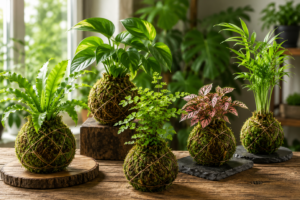
Healthy Kokedama relies on a well-balanced growing medium that retains sufficient moisture while allowing excess water to drain freely and oxygen to reach the roots. Fine feeder roots develop throughout the moss ball, absorbing water and nutrients efficiently while the surrounding moss helps regulate moisture and reduce evaporation, creating a stable environment for sustained plant growth.
In this guide, we review the top 10 best plants for Kokedama, explain why they thrive in moss ball culture, and compare the most beautiful choices for beginners, indoor gardeners, shaded patios, and decorative plant displays.
10 Best Plants For Kokedama
1. Boston Fern (Nephrolepis exaltata) – Best fern for Kokedama beginners
The Boston Fern is the best fern for Kokedama beginners because its graceful arching fronds, compact root system, and love of consistent moisture make it exceptionally well suited for moss ball cultivation. The lush green foliage creates a soft cascading appearance that complements the natural texture of the surrounding moss. Consequently, it becomes an elegant centerpiece for homes and shaded patios. Its forgiving nature also simplifies maintenance.

- INSTANT PORCH BALCONY DECOR: Stop stressing over complex styling layouts with a perfectly matched pair of live hanging ferns that instantly create beautiful symmetry for front door entrances, patios, or apartment balconies
- CLEANSE YOUR AIR NATURALLY: Boost your home wellness with these powerful air purifying houseplants that actively filter out everyday indoor toxins and balance moisture levels to help your whole family breathe easier every day
Fine fibrous roots spread evenly throughout the soil ball while continuously absorbing moisture retained by the moss covering. High humidity supports healthy frond development, and consistent moisture prevents leaf browning during active growth. Therefore, the plant maintains lush foliage throughout the growing season. Bright indirect light further encourages vigorous development.
Boston Fern performs exceptionally well in bathrooms, living rooms, offices, and shaded outdoor areas with adequate humidity. Additionally, it contributes to attractive tropical-themed displays. Overall, it is one of the easiest Kokedama plants to grow.
Pros
- Lush foliage
- Beginner friendly
- Humidity loving
- Compact roots
- Elegant
- Air purifying
- Fast recovery
Cons
- Regular watering
- High humidity
- Indirect light
2. Golden Pothos (Epipremnum aureum) – Best trailing plant for Kokedama
Golden Pothos is the best trailing plant for Kokedama because its cascading vines and adaptable growth habit create beautiful hanging displays while tolerating a wide range of indoor growing conditions. The heart-shaped variegated leaves provide year-round color with relatively little maintenance. Consequently, homeowners enjoy an attractive display suitable for almost any room. Its vigorous yet manageable growth also increases versatility.

- LIVE POTHOS PLANT DELIVERY: Each order includes one fully-rooted golden pothos in a 4" pot. Devil's ivy (Epipremnum aureum) is a beautiful, easy to grow house plant.
- EASY TO GROW HOUSE PLANTS: Brighten up your space with this variegated plant. Bring the beauty of nature inside by growing alongside other office plants and desk plants.

Its aerial roots readily absorb moisture while the compact root system adapts well to the confined growing environment inside the moss ball. Efficient water storage within the stems allows the plant to tolerate occasional drying between waterings. Therefore, it remains forgiving for beginners. Bright indirect light enhances leaf variegation.
Golden Pothos performs exceptionally well in hanging Kokedama displays, offices, bedrooms, and indoor gardens. Furthermore, regular trimming encourages fuller trailing growth. Overall, it is one of the most reliable Kokedama plants available.
Pros
- Trailing vines
- Easy care
- Fast growing
- Beginner friendly
- Air purifying
- Adaptable
- Attractive foliage
Cons
- Occasional pruning
- Toxic pets
- Moderate humidity
3. Peace Lily (Spathiphyllum spp.) – Best flowering plant for Kokedama
The Peace Lily is the best flowering plant for Kokedama because it combines glossy evergreen foliage with elegant white blooms while thriving in consistently moist growing conditions. Its compact growth habit fits naturally within moss ball culture and provides year-round ornamental value. Consequently, it creates sophisticated indoor displays with minimal effort. The flowers also provide long-lasting visual interest.
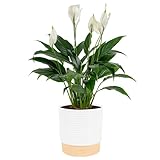
- ELEGANT LIVE PLANT DECOR: The pure white blooms of the Peace Lily bring timeless sophistication to any space. Ideal as a tabletop centerpiece, living room accent, or serene office décor, this plant makes a thoughtful year-round or thoughtful gift for plant lovers and home décor enthusiasts
- BREATHE EASIER WITH A NATURAL AIR PURIFIER: Beautiful Peace Lily Plant helps to filter the air, removing toxins for a healthier indoor environment. Elevate your indoor garden with this air-cleaning houseplant for a fresh home
Its fibrous roots efficiently absorb water retained within the moss ball while broad leaves transpire steadily under moderate humidity. Consistent moisture supports continuous root activity and encourages repeated flowering under favorable conditions. Therefore, healthy plants produce lush foliage and attractive blooms. Bright filtered light maximizes flowering performance.
Peace Lily performs beautifully in living rooms, offices, entryways, and shaded indoor spaces. Additionally, it adapts well to decorative hanging displays. Overall, it is one of the finest flowering choices for Kokedama.
Pros
- White flowers
- Elegant foliage
- Compact
- Air purifying
- Shade tolerant
- Humidity loving
- Long blooming
Cons
- Toxic pets
- Moist soil
- Moderate light
4. Bird’s Nest Fern (Asplenium nidus) – Best tropical fern for Kokedama
The Bird’s Nest Fern is the best tropical fern for Kokedama because its broad, glossy fronds emerge from a central rosette that creates a bold architectural appearance. Unlike finely divided ferns, its undivided leaves produce a modern tropical aesthetic while adapting well to the stable moisture conditions provided by the moss ball. Consequently, it becomes an impressive decorative centerpiece. Slow growth also reduces maintenance.

- INSTANT ROOM DÉCOR UPGRADE: The bright, glossy, undulating fronds of the live Bird’s Nest Fern provide a dense, lush feel. A beautiful natural decor piece for a bathroom, kitchen, or shaded desk in your home room
- BREATHE EASIER WITH A NATURAL AIR PURIFIER: The Bird’s Nest Fern Plant helps to filter the air, removing toxins for a healthier indoor environment. Elevate your indoor garden with this air-cleaning houseplant for a fresh home
The root system develops gradually within the soil ball while continuously benefiting from consistent moisture and humidity. Broad leaves efficiently perform photosynthesis under indirect light without requiring intense sunlight. Therefore, the plant maintains healthy growth indoors. Stable humidity prevents leaf edge browning.
Bird’s Nest Fern performs exceptionally well in bathrooms, offices, tropical interiors, and shaded patios. Furthermore, its upright habit complements minimalist décor. Overall, it is a superb tropical Kokedama plant.
Pros
- Tropical appearance
- Compact
- Slow growing
- Humidity loving
- Glossy leaves
- Architectural
- Low maintenance
Cons
- Avoid direct sun
- High humidity
- Consistent watering
5. Heartleaf Philodendron (Philodendron hederaceum) – Best low maintenance plant for Kokedama
Heartleaf Philodendron is the best low maintenance plant for Kokedama because its trailing vines, glossy foliage, and adaptable nature make it highly forgiving for beginners. The compact root system establishes quickly within the moss ball while producing attractive cascading stems. Consequently, homeowners enjoy lush greenery with relatively little maintenance. Its versatility also suits many interior styles.

- Elegant Foliage: The Philodendron Cordatum, also known as Heartleaf Philodendron, features lush, heart-shaped leaves that provide a touch of natural beauty and sophistication to any indoor space.
- Low Maintenance Care: This resilient plant thrives with minimal care, adapting well to various light conditions, from bright indirect light to lower light areas. It requires infrequent watering, making it ideal for busy individuals and novice gardeners.
The plant develops fine roots that efficiently absorb moisture from the surrounding soil and moss. Thick stems help store water, allowing brief periods between watering without significant stress. Therefore, occasional missed watering is less likely to damage the plant. Bright indirect light supports dense foliage growth.
Heartleaf Philodendron performs beautifully in hanging displays, bookshelves, offices, and indoor plant collections. Additionally, regular pruning creates fuller, bushier growth. Overall, it remains one of the easiest tropical plants for Kokedama.
Pros
- Easy care
- Trailing
- Glossy foliage
- Beginner friendly
- Fast growing
- Adaptable
- Compact roots
Cons
- Toxic pets
- Pruning needed
- Indirect light
6. Spider Plant (Chlorophytum comosum) – Best air-purifying plant for Kokedama
The Spider Plant is the best air-purifying plant for Kokedama because its graceful arching foliage and compact root system adapt exceptionally well to moss ball cultivation. The green-and-white striped leaves create a vibrant cascading display while remaining easy to maintain under typical indoor conditions. Consequently, beginners enjoy attractive foliage with relatively little effort. Its natural production of plantlets also adds ornamental interest over time.

- Spider Plant in a 6" Nursery Pot: Introduce the graceful charm of our Spider Plant to your indoor space, thriving in a practical 6" nursery pot. Also known as Chlorophytum Comosum, this delightful houseplant with arching, variegated leaves brings a touch of natural elegance and air-purifying benefits to your home or office.
The fibrous roots efficiently absorb moisture stored within the soil ball while the surrounding moss helps regulate humidity and reduce moisture loss. Thick roots also store small amounts of water, allowing the plant to tolerate short drying periods between soakings. Therefore, Spider Plant remains forgiving when occasional watering is delayed. Bright indirect light encourages vigorous growth and vibrant variegation.
Spider Plants perform exceptionally well in hanging Kokedama, offices, kitchens, bedrooms, and shaded patios. Additionally, their adaptability makes them excellent choices for first-time Kokedama enthusiasts. Overall, they remain among the easiest indoor plants to grow.
Pros
- Air purifying
- Beginner friendly
- Easy care
- Compact roots
- Fast growing
- Produces plantlets
- Attractive foliage
Cons
- Brown tips
- Bright light
- Occasional trimming
7. Nerve Plant (Fittonia albivenis) – Best colorful foliage plant for Kokedama
The Nerve Plant is the best colorful foliage plant for Kokedama because its striking leaf veins create dramatic visual contrast while thriving in humid environments. The compact growth habit naturally complements moss ball displays, making it ideal for decorative indoor arrangements. Consequently, homeowners enjoy year-round ornamental foliage without requiring flowers. Its small size also suits miniature Kokedama.

- VIBRANT VARIETY: This nerve plant comes in various leaf colors like green, pink, white and red to add visual interest to any indoor space.
- LOW MAINTENANCE BEAUTY: Ideal for beginners, it thrives on neglect and indirect sunlight while producing striking foliage.
Its shallow root system develops evenly throughout the soil ball where consistent moisture supports continuous nutrient uptake. Thin leaves benefit from humid conditions because moisture loss occurs rapidly under dry indoor air. Therefore, regular soaking and moderate humidity keep foliage healthy and vibrant. Bright indirect light maintains the strongest leaf coloration.
Nerve Plants perform beautifully in terrariums, offices, bathrooms, and tabletop Kokedama displays. Furthermore, their colorful foliage complements tropical plant collections. Overall, they are excellent compact decorative plants.
Pros
- Colorful foliage
- Compact
- Humidity loving
- Decorative
- Small size
- Unique leaves
- Indoor friendly
Cons
- Dry air
- Frequent watering
- Indirect light
8. English Ivy (Hedera helix) – Best cascading vine for Kokedama
English Ivy is the best cascading vine for Kokedama because its elegant trailing stems naturally drape beneath suspended moss balls, creating attractive vertical displays. The evergreen foliage provides year-round color while adapting well to indoor environments with moderate humidity. Consequently, hanging Kokedama become more visually dramatic. Regular pruning also maintains an attractive shape.

- About the Plant: Hahn's Ivy is a timeless houseplant grown for its lush, trailing vines and vibrant green foliage! Suitable for hanging baskets, shelves, or as a climbing accent, this fast-growing plant adds a touch of natural beauty to any space. Hahn's Ivy is easy going and easy to care for, making it a wonderful choice for a beginning green thumb! Leaf shape may vary based on availability
- Growing Habit: Hahn's ivy is a fast growing, vining plant making it a wonderful plant to hang in a window or train to climb a trellis
Its aerial roots assist with moisture absorption while the primary root system remains compact within the moss ball. Consistent moisture encourages healthy vine development without excessive stress. Therefore, steady growth continues throughout much of the year under proper care. Bright filtered light supports dense foliage production.
English Ivy performs exceptionally well in hanging baskets, indoor gardens, patios, and decorative living spaces. Additionally, trimming encourages fuller branching and denser growth. Overall, it remains a classic cascading Kokedama choice.
Pros
- Cascading vines
- Evergreen
- Compact roots
- Decorative
- Easy shaping
- Fast growing
- Versatile
Cons
- Regular pruning
- Toxic pets
- Moderate humidity
9. Maidenhair Fern (Adiantum raddianum) – Best delicate fern for Kokedama
The Maidenhair Fern is the best delicate fern for Kokedama because its fine black stems and soft fan-shaped leaflets create one of the most elegant moss ball displays. The naturally compact root system adapts well to the consistently moist growing environment provided by Kokedama. Consequently, indoor displays develop a refined, woodland-inspired appearance. Its graceful texture also contrasts beautifully with the surrounding moss.

- PLANT SIZE: Mature maidenhair fern in a 4-inch nursery pot, perfect for indoor growing with its delicate, lacy green foliage
- GROWING NEEDS: Thrives in indirect light and humid conditions, making it ideal for bathrooms, kitchens, or any indoor space
Fine feeder roots continuously absorb moisture from the soil ball while high humidity helps prevent leaf drying and browning. The delicate foliage performs photosynthesis efficiently under filtered light without tolerating prolonged drought. Therefore, consistent watering remains essential for healthy growth. Stable humidity encourages lush frond development.
Maidenhair Fern performs exceptionally well in bathrooms, conservatories, shaded interiors, and humidity-rich rooms. Furthermore, it pairs beautifully with minimalist and Japanese-inspired décor. Overall, it is one of the most elegant fern choices for Kokedama.
Pros
- Elegant foliage
- Fine texture
- Compact
- Humidity loving
- Decorative
- Woodland appearance
- Unique form
Cons
- Frequent watering
- Sensitive drying
- Indirect light
10. Chinese Evergreen (Aglaonema commutatum) – Best low-light plant for Kokedama
Chinese Evergreen is the best low-light plant for Kokedama because it combines attractive patterned foliage with exceptional tolerance for indoor conditions where many tropical plants struggle. The slow-growing habit allows the moss ball to retain its attractive appearance for extended periods without frequent rebuilding. Consequently, it is ideal for homes and offices with limited natural light. Its durability also suits beginners.

- BEAUTIFUL ROOM DÉCOR: The colorful, patterned leaves of the Chinese Evergreen make it a highly decorative plant that brightens any setting. An eye-catching decorative live plant accent, ideal for gifting, room, office, or home décor
- EASY TO MAINTAIN, BEGINNER-FRIENDLY INDOOR PLANT: The Chinese Evergreen (Aglaonema) is a resilient, low-maintenance houseplant that thrives on neglect, making it perfect for any level of plant owner. It’s an ideal, hassle-free choice for busy individuals
Its compact fibrous roots efficiently utilize moisture stored within the Kokedama while broad leaves continue photosynthesis under relatively low light levels. Moderate humidity helps maintain healthy foliage while preventing excessive leaf stress. Therefore, consistent but not excessive watering supports long-term vigor. Slow growth further reduces maintenance.
Chinese Evergreen performs beautifully on desks, shelves, living rooms, offices, and shaded interiors. Additionally, its colorful foliage provides year-round decorative interest. Overall, it is one of the easiest foliage plants for indoor Kokedama.
Pros
- Low light
- Easy care
- Decorative foliage
- Slow growing
- Compact roots
- Beginner friendly
- Long lived
Cons
- Toxic pets
- Avoid overwatering
- Moderate humidity
Buying Guide: How to Choose the Best Plants for Kokedama
Root System
Select plants with compact, fibrous roots that spread evenly throughout the soil ball without quickly becoming root-bound.
Moisture Requirements
Choose plants that prefer evenly moist soil rather than species requiring prolonged dry periods between watering.
Growth Rate
Slow- to moderate-growing plants maintain the artistic appearance of Kokedama longer and require less frequent rebuilding.
Light Requirements
Most Kokedama plants perform best in bright, indirect light. Avoid placing shade-loving species in direct afternoon sun.
Humidity Preference
Tropical plants and many ferns appreciate higher humidity, making them excellent choices for indoor moss ball displays.
Mature Size
Consider the plant’s mature dimensions to ensure it remains proportional to the Kokedama over time.
Maintenance Level
Beginners often achieve the greatest success with forgiving plants such as Spider Plant, Pothos, Heartleaf Philodendron, and Chinese Evergreen.
Best Plants For Kokedama FAQs
1. What are the best plants for Kokedama?
Boston Fern is our top overall recommendation because its compact roots, lush foliage, humidity preference, and consistent moisture requirements make it exceptionally well suited to moss ball cultivation.
2. Can succulents be grown in Kokedama?
Yes, but they require a specialized fast-draining soil mix and significantly less frequent watering than tropical plants. Traditional Kokedama are generally better suited to moisture-loving species.
3. How often should Kokedama be watered?
Most indoor Kokedama should be soaked when the moss ball feels noticeably lighter or begins to dry, although watering frequency depends on temperature, humidity, plant species, and indoor conditions.
4. What soil is best for Kokedama?
A moisture-retentive yet well-draining mixture often containing akadama, peat moss or coco coir, compost, and bonsai soil helps maintain healthy root growth.
5. Can Kokedama hang from the ceiling?
Yes. Many trailing plants such as Pothos, Heartleaf Philodendron, English Ivy, and Spider Plant create beautiful hanging Kokedama displays.
6. Why are my Kokedama leaves turning brown?
Brown leaves commonly result from inconsistent watering, low humidity, excessive direct sunlight, or allowing the moss ball to dry completely.
7. How long does a Kokedama last?
With proper watering, occasional fertilization, routine maintenance, and timely rebuilding when necessary, a healthy Kokedama can thrive for many years.
Conclusion
In conclusion, selecting the best plants for Kokedama depends on choosing species with compact root systems, moderate moisture requirements, and good adaptability to moss ball cultivation. The Boston Fern earns our best overall recommendation because of its lush foliage, humidity-loving nature, compact roots, and exceptional performance in traditional Kokedama displays.
The Golden Pothos is our runner-up thanks to its beautiful trailing vines, remarkable adaptability, forgiving care requirements, and ability to thrive under a wide range of indoor conditions. It is an excellent choice for both beginners and experienced indoor gardeners.
Consistent watering, proper humidity, bright indirect light, and regular maintenance will help your Kokedama remain healthy and visually appealing for years. Monitoring root growth and rebuilding the moss ball when necessary also promotes long-term plant vigor.
Whether you are creating your first Japanese-inspired moss ball, decorating your home with living art, or expanding an indoor tropical plant collection, these carefully selected plants provide outstanding beauty and dependable performance. Compare the species in this guide, choose the one that best suits your growing conditions, and enjoy the timeless elegance of Kokedama.
Recent Posts
What Is The Prettiest Flower Name For A Girl? 10 Best Options
Choosing the prettiest flower name for a girl can be a beautiful way to connect a girl's name with nature, elegance, color, fragrance, and timeless beauty. Flower-inspired names range from short and...
Finding plants that are dog urine resistant can make landscaping easier for households where dogs regularly use the yard. Some plants tolerate occasional exposure to diluted urine better than others...