Choosing the best perennial herbs for garden planting requires considering climate, sunlight, soil drainage, moisture, winter hardiness, growth habit, and culinary use. Perennial herbs return for multiple growing seasons, making them valuable additions to productive gardens where gardeners want dependable harvests without annual replanting.
Many perennial herbs prefer well-drained soil and plenty of sunlight, although individual species differ considerably in moisture and temperature requirements. Rosemary and thyme favor relatively dry conditions, while mint prefers consistently moist soil and can spread aggressively when planted directly in garden beds.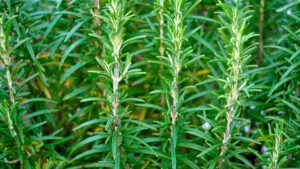
The best choices also depend on how much space is available and how frequently the herbs will be harvested. Compact herbs work well in borders and containers, while vigorous species require adequate room or physical containment to prevent them from competing with neighboring plants.
In this guide , we compare 10 of the best perennial herbs for garden planting based on culinary usefulness, growth habit, sunlight requirements, drought tolerance, maintenance, harvest potential, and suitability for long-term herb gardens. Each selection offers a different combination of flavor, productivity, ornamental value, and garden performance.
10 Best Perennial Herbs For Garden
1. Rosemary – Best Drought-Tolerant Perennial Herb for Garden
Rosemary is the best drought-tolerant perennial herb for garden planting when gardeners want a highly aromatic herb that performs well in sunny, well-drained conditions. Its evergreen foliage provides year-round interest in suitable climates, while its leaves and tender shoots are widely used to season meats, vegetables, breads, soups, and sauces.


Rosemary develops into a woody perennial shrub and can become substantially larger than many traditional culinary herbs. It performs best in full sun with excellent drainage and should not be kept constantly wet, particularly during cool or rainy periods.
Once established, rosemary can tolerate relatively dry conditions because its Mediterranean origin has adapted it to periods of limited moisture. Regular harvesting encourages a compact form, although gardeners should avoid removing excessive amounts of old woody growth at once.
In regions with cold winters, rosemary may need protection or container cultivation because its winter hardiness varies among cultivars and climates. Where conditions are suitable, however, it can remain productive for years and provide a dependable supply of strongly flavored foliage.
Pros
- Drought tolerant
- Evergreen foliage
- Strong aroma
- Culinary versatility
- Long-lived perennial
- Attractive growth
- Low water needs
Cons
- Poor wet-soil tolerance
- Limited cold hardiness
- Requires good drainage
2. Thyme – Best Low-Growing Perennial Herb for Garden
Thyme is the best low-growing perennial herb for garden borders, rock gardens, containers, and other areas where a compact culinary plant is desirable. Its small aromatic leaves provide concentrated flavor while the plant’s low growth habit allows it to occupy spaces that larger herbs cannot.

Common thyme performs well in full sun and prefers well-drained soil. It is particularly useful for gardeners who want a perennial herb that does not require frequent irrigation once established.
The plant can produce small flowers that attract pollinating insects, adding ornamental and ecological value to an otherwise productive herb garden. Regular harvesting helps maintain usable growth, although excessive pruning into old woody stems can reduce regeneration.
Thyme works well in containers and raised beds where drainage can be controlled. Its compact habit also makes it useful along pathways and garden edges where taller herbs would obstruct access.
Pros
- Compact growth
- Drought tolerant
- Culinary versatility
- Attractive flowers
- Pollinator friendly
- Container friendly
- Low maintenance
Cons
- Requires drainage
- Slow woody recovery
- Sensitive to excess moisture
3. Sage – Best Hardy Perennial Herb for Garden
Sage is the best hardy perennial herb for garden planting when gardeners want a durable culinary herb with attractive gray-green foliage. Its leaves have a distinctive savory flavor and are commonly used with poultry, pork, vegetables, stuffing, sauces, and other dishes.
Sage grows best in full sun and well-drained soil. Established plants can tolerate periods of relatively dry conditions, making sage suitable for gardens where irrigation is limited.
The foliage also provides ornamental interest because of its textured surface and silvery coloration. Several cultivated forms are available, including varieties with colorful foliage that can contribute additional visual interest to herb borders.
Harvesting should be performed regularly while avoiding excessive removal of the plant’s woody framework. Pruning after flowering can help maintain a compact shape and encourage fresh growth.
Pros
- Hardy perennial
- Drought tolerant
- Attractive foliage
- Culinary usefulness
- Pollinator friendly
- Low maintenance
- Good container plant
Cons
- Needs good drainage
- Can become woody
- Poor wet-soil tolerance
4. Mint – Best Fast-Growing Perennial Herb for Garden
Mint is the best fast-growing perennial herb for garden planting when abundant foliage and strong aromatic growth are priorities. Its vigorous stems and spreading underground structures allow established plants to rapidly occupy available space.

Mint prefers fertile soil and consistent moisture, making it different from Mediterranean herbs such as rosemary, thyme, and sage. It can grow in partial shade, although good sunlight generally supports stronger growth and aromatic foliage.
The principal challenge with mint is its aggressive spreading habit. In an open garden bed, it can quickly expand beyond its intended planting area and compete with neighboring herbs and ornamental plants.
For this reason, growing mint in containers or physically contained beds is often more practical. Regular harvesting keeps the plant productive and provides leaves for teas, desserts, sauces, beverages, salads, and other culinary uses.
Pros
- Very vigorous growth
- Strong aroma
- Culinary versatility
- Good moisture tolerance
- Partial shade tolerance
- Easy propagation
- Excellent harvest potential
Cons
- Spreads aggressively
- Can invade beds
- Requires containment
5. Oregano – Best Culinary Perennial Herb for Garden
Oregano is the best culinary perennial herb for garden planting when gardeners want a productive plant for Mediterranean and savory cooking. Its aromatic leaves are particularly useful in sauces, pizzas, roasted vegetables, meats, soups, and seasoning blends.

Oregano performs best in full sun and well-drained soil. It is relatively drought tolerant once established and generally requires less irrigation than moisture-loving herbs.
The plant spreads gradually and can form a useful low-growing clump when provided with adequate space. Regular harvesting encourages fresh shoots and allows gardeners to maintain a manageable plant size.
Oregano can also produce small flowers that attract pollinators. Allowing some stems to flower can add ecological value, although harvesting before or during flowering may be preferred when maximum leafy production is the primary objective.
Pros
- Excellent culinary herb
- Drought tolerant
- Low maintenance
- Attractive flowers
- Pollinator friendly
- Easy harvesting
- Long-lived perennial
Cons
- Needs drainage
- Spreads gradually
- Flavor varies by variety
6. Chives – Best Cold-Hardy Perennial Herb for Garden
Chives are the best cold-hardy perennial herb for garden planting when gardeners want a compact plant that reliably returns after winter. Their narrow hollow leaves provide a mild onion flavor that works particularly well in salads, soups, potatoes, eggs, sauces, and garnishes.

Chives grow as clumps rather than spreading aggressively throughout the garden. They can perform in full sun and tolerate some partial shade, making them more flexible than several Mediterranean perennial herbs.
In spring and early summer, chives can produce attractive purple flowers that provide ornamental value and attract pollinators. Removing spent flowers can help maintain a tidy appearance while regular harvesting keeps new foliage coming.
The plants gradually become crowded as the clump expands. Dividing established clumps every few years can rejuvenate growth and provide additional plants for other sections of the garden.
Pros
- Cold hardy
- Compact growth
- Mild flavor
- Attractive flowers
- Pollinator friendly
- Container suitable
- Easy division
Cons
- Dies back in winter
- Requires periodic division
- Mild flavor only
7. Tarragon – Best Perennial Herb for French Cooking
Tarragon is the best perennial herb for French cooking in the garden when gardeners want a distinctive herb with a sweet, slightly anise-like flavor. French tarragon is particularly valued for culinary applications involving sauces, chicken, fish, vegetables, eggs, and herb blends.

French tarragon performs best in full sun with well-drained soil. It does not generally tolerate consistently wet roots, making drainage important for long-term plant health.
Unlike some perennial herbs that spread aggressively, tarragon generally forms a relatively manageable clump. French tarragon is also commonly propagated vegetatively because it does not reliably produce viable seed.
Regular harvesting encourages fresh foliage, but gardeners should leave enough growth on the plant to maintain its vigor. In colder climates, the above-ground growth may die back during winter and return from the roots in spring.
Pros
- Distinctive flavor
- Excellent culinary value
- Compact habit
- Long-lived perennial
- Good container plant
- Attractive foliage
- Moderate maintenance
Cons
- Poor wet-soil tolerance
- French type rarely seeds
- Can die back in winter
8. Lovage – Best Tall Perennial Herb for Garden
Lovage is the best tall perennial herb for garden planting when gardeners want a productive plant with celery-like leaves and a substantial upright growth habit. Its leaves, stems, and seeds can be used in soups, stews, sauces, stocks, salads, and other dishes.

Lovage can become considerably larger than compact herbs such as thyme and chives. It therefore needs sufficient space and should be positioned where its height will not shade smaller plants.
The plant prefers fertile, reasonably moist soil and can tolerate partial shade, although adequate sunlight supports vigorous growth. Regular harvesting provides tender foliage while preventing the plant from becoming excessively crowded.
Because lovage is vigorous and long-lived, a single established plant can provide substantial harvests. Its strong flavor means relatively small quantities are often sufficient in cooking.
Pros
- Long-lived perennial
- Large harvests
- Celery-like flavor
- Vigorous growth
- Partial shade tolerance
- Multiple edible parts
- Useful in cooking
Cons
- Requires space
- Strong flavor
- Can become very large
9. Lemon Balm – Best Fragrant Perennial Herb for Garden
Lemon balm is the best fragrant perennial herb for garden planting when gardeners want aromatic foliage with a fresh lemon-like scent. Its leaves can be used for teas, beverages, desserts, salads, and culinary preparations while its flowers can attract pollinating insects.

Lemon balm grows readily in fertile soil with adequate moisture and can tolerate partial shade. Its ability to establish quickly makes it useful for gardeners who want substantial foliage without waiting several seasons for a mature plant.
However, lemon balm can spread readily through both growth and seed production. Removing flowers before they mature can help limit unwanted spread, while containers provide another practical method of keeping the plant controlled.
Regular harvesting produces fresh, aromatic foliage and can encourage a bushier form. Cutting the plant back after flowering can also help maintain a manageable size.
Pros
- Pleasant lemon aroma
- Fast growth
- Tea ingredient
- Pollinator friendly
- Partial shade tolerance
- Easy harvesting
- Long-lived perennial
Cons
- Can spread rapidly
- Self-seeding possible
- Needs regular trimming
10. French Sorrel – Best Perennial Herb for Salads
French sorrel is the best perennial herb for salads when gardeners want a leafy herb with a distinctive tart, lemon-like flavor. Its tender leaves can be harvested throughout the growing season and used fresh in salads, soups, sauces, and other dishes.

Sorrel develops a clumping growth habit and can remain productive for several years when grown under suitable conditions. It performs well in fertile soil with consistent moisture and can tolerate partial shade.
Young leaves generally provide the most tender texture and balanced flavor. Regular harvesting encourages replacement foliage, although plants may produce stronger-flavored leaves as they mature.
For gardeners interested in perennial leafy herbs rather than woody Mediterranean species, French sorrel offers a different type of harvest. Its attractive foliage also makes it suitable for integrating into ornamental edible landscapes.
Pros
- Perennial leafy herb
- Distinctive flavor
- Salad ingredient
- Long harvest period
- Partial shade tolerance
- Easy harvesting
- Attractive foliage
Cons
- Strong acidic flavor
- Needs regular moisture
- Leaves toughen with age
7 Essential Features to Consider When Choosing Perennial Herbs
1. Climate Adaptation
Choose perennial herbs according to the winter temperatures and growing conditions of your region. Cold-sensitive herbs may need containers, sheltered locations, or winter protection in colder climates.
2. Sunlight
Most culinary herbs perform best with substantial sunlight. Mediterranean herbs such as rosemary, thyme, sage, and oregano generally prefer full sun, while mint, chives, lovage, and lemon balm can tolerate some partial shade.
3. Soil Drainage
Drainage is particularly important for woody perennial herbs. Rosemary, thyme, sage, oregano, and tarragon can suffer when their roots remain consistently saturated.
4. Water Requirements
Group herbs according to moisture requirements instead of irrigating the entire herb garden uniformly. Mint and lemon balm prefer more consistent moisture, while rosemary and thyme generally perform better under drier conditions.
5. Growth Habit
Consider the mature size and spreading behavior of each plant. Mint and lemon balm can spread aggressively, while lovage can become tall and broad, requiring more space than compact herbs such as chives and thyme.
6. Harvesting
Select herbs according to how you intend to use them. Rosemary, sage, thyme, and oregano are useful for seasoning, while chives, sorrel, mint, and lemon balm provide fresh foliage for different culinary applications.
7. Maintenance
Perennial herbs generally reduce the need for annual replanting, but they still require pruning, harvesting, watering, division, and occasional rejuvenation. Choose species whose maintenance requirements match the amount of time available for garden care.
Best Perennial Herbs For Garden FAQ’s
1. What are the best perennial herbs for a garden?
Rosemary, thyme, sage, oregano, chives, mint, tarragon, lovage, lemon balm, and French sorrel are useful perennial herbs for different garden conditions. The best selection depends on climate, sunlight, drainage, moisture, available space, and culinary preferences.
2. What perennial herbs come back every year?
Many culinary herbs return every year when grown within their suitable climate range. Rosemary, thyme, sage, oregano, chives, mint, tarragon, lovage, lemon balm, and sorrel can all function as perennial herbs under appropriate growing conditions.
3. What is the easiest perennial herb to grow?
Chives, thyme, oregano, sage, and mint can be relatively easy to establish when their basic requirements are met. Mint is particularly vigorous, although its aggressive spreading habit means containment may be necessary.
4. Which perennial herbs need full sun?
Rosemary, thyme, sage, and oregano generally perform best in full sun. Providing sufficient sunlight helps maintain compact growth, strong aromas, and productive foliage.
5. Which perennial herbs tolerate shade?
Mint, chives, lemon balm, lovage, and some sorrel plants can tolerate partial shade. However, shade tolerance varies, and plants generally perform better when they receive adequate indirect or direct light.
6. What perennial herbs should not be planted directly in the garden?
Mint is one of the main herbs that gardeners may prefer to grow in containers because of its vigorous spreading habit. Lemon balm can also spread readily, so containment or regular trimming can be useful.
7. How do you maintain a perennial herb garden?
Maintain perennial herbs by providing appropriate sunlight, well-matched irrigation, good drainage, regular harvesting, and periodic pruning. Divide crowded clumps such as chives when necessary and control aggressive growers before they occupy neighboring planting areas.
Conclusion
In conclusion, the best perennial herbs for garden planting are those that match the site’s climate, soil, sunlight, moisture, available space, and intended culinary use. Rosemary, thyme, sage, oregano, and chives provide dependable options for gardeners seeking productive plants that can remain in the landscape for multiple seasons.
Mint and lemon balm are particularly vigorous, while lovage requires considerable space because of its large growth habit. French tarragon and French sorrel provide more specialized culinary uses, giving gardeners opportunities to expand beyond the most common perennial herbs.
The best overall selection will depend on the conditions of your garden rather than simply choosing the most popular herb. A combination of drought-tolerant Mediterranean herbs, moisture-loving species, compact border plants, and specialized culinary herbs can create a productive and diverse perennial herb garden.
Before planting, group herbs according to their water and sunlight requirements and give spreading species adequate containment. With appropriate site selection and regular harvesting, perennial herbs can provide fresh culinary material for years while adding fragrance, flowers, texture, and ecological value to the garden.
Recent Posts
Spring fertilization supports healthy leaf development, root activity, and productive shoot growth when apple trees have insufficient soil nutrients. Selecting an appropriate fertilizer requires...
Cucumbers (Cucumis sativus) are vigorous, fast-growing vines that can produce abundant harvests when their roots receive enough water, warmth, and balanced nutrition. The best fertilizer for cukes in...