Choosing the best grass for San Antonio requires considering the city’s hot climate, periods of drought, intense summer sunlight, soil conditions, irrigation availability, winter temperatures, and lawn-use requirements. Texas A&M AgriLife Extension identifies bermudagrass, St. Augustinegrass, zoysiagrass, buffalograss, and other warm-season turfgrasses as important choices for Texas landscapes, with selection depending on site conditions and maintenance resources.
San Antonio’s heat makes warm-season turf particularly useful because these grasses actively grow during the warmer months and can tolerate conditions that challenge cool-season lawns. However, species differ considerably in drought tolerance, shade tolerance, traffic resistance, water requirements, appearance, establishment speed, and maintenance needs.
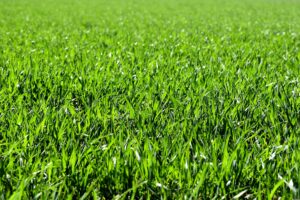
A sunny, high-traffic lawn may favor bermudagrass, while a partially shaded residential lawn can benefit from St. Augustinegrass or a suitable zoysiagrass. Buffalograss is another option where low water use and reduced maintenance are priorities, while tall fescue can be considered for selected irrigated sites and cooler-season color.
In this guide , we compare 10 of the best grass for San Antonio options based on heat tolerance, drought performance, shade tolerance, traffic resistance, water requirements, establishment, appearance, and maintenance needs.
10 Best Grass For San Antonio
1. Bermudagrass – Best Grass for San Antonio Full Sun
Bermudagrass is the best grass for San Antonio full sun when homeowners need a turfgrass capable of handling intense heat, drought, and regular foot traffic. Texas A&M AgriLife Extension describes bermudagrass as very drought and traffic tolerant while requiring full sunlight, making it particularly appropriate for open San Antonio landscapes.

- Pennington Bermuda grass seeds for lawn produce a thick, aggressively self-spreading grass
- This lawn seed contains improved cold-tolerant varieties

Bermudagrass spreads aggressively through stolons and rhizomes, allowing established turf to recover from wear and fill damaged areas relatively quickly. Seeded cultivars are available, while other improved varieties may require sod, sprigs, or plugs for establishment.
The major limitation is shade. Bermudagrass needs substantial direct sunlight and generally performs poorly beneath dense tree canopies or beside structures that create prolonged shade.
For sunny San Antonio properties, however, bermudagrass provides an excellent combination of summer vigor, drought tolerance, recovery, and traffic resistance. It is particularly suitable for active residential lawns and other areas where durability is important.
Pros
- Excellent heat tolerance
- Excellent drought tolerance
- Strong traffic resistance
- Rapid recovery
- Aggressive spreading
- Good summer performance
- Seeded varieties available
Cons
- Poor shade tolerance
- Winter dormancy
- Can spread into unwanted areas
2. Zoysia Grass – Best Drought-Tolerant Grass for San Antonio
Zoysia grass is the best drought-tolerant grass for San Antonio when homeowners want dense turf that combines strong summer performance with better shade tolerance than bermudagrass. Texas A&M AgriLife Extension includes zoysiagrass among adapted Texas warm-season turfgrasses and provides dedicated guidance for selecting and managing zoysia in Texas lawns.

- Zoysia grass seed & mulch is designed for full sun and light shade
- Combines mulch and grass seed to grow a tough, durable, low-maintenance lawn
Zoysia develops dense turf through spreading growth and can provide good wear resistance once established. Its ability to tolerate some shade gives it an advantage in residential landscapes where portions of the lawn do not receive uninterrupted full sun.
Establishment can be slower than bermudagrass, depending on the cultivar and planting method. Texas A&M lists both seed and sod as establishment options for zoysiagrass, with spring and early summer being recommended periods for seeded establishment.
For San Antonio homeowners who want a dense, attractive warm-season lawn without relying exclusively on bermudagrass, zoysia is a versatile choice. Cultivar selection should be based on texture, establishment speed, sunlight, and intended use.
Pros
- Strong drought tolerance
- Good heat tolerance
- Dense turf
- Good wear resistance
- Better shade tolerance than bermudagrass
- Attractive appearance
- Multiple cultivars available
Cons
- Some cultivars establish slowly
- Winter dormancy
- Can require careful mowing
3. St. Augustinegrass – Best Shade-Tolerant Grass for San Antonio
St. Augustinegrass is the best shade-tolerant grass for San Antonio when a warm-season lawn receives partial shade and adequate irrigation. Texas A&M AgriLife includes St. Augustinegrass among the principal warm-season turfgrasses for Texas and provides specific management guidance for maintaining it.

- Palmetto is a native St. Augustine grass cultivar selected for better color and finer texture than ordinary St. Augustine grass. Palmetto St. Augustine grass demonstrates superior shade, cold, frost, heat, and drought tolerance. This versatile turfgrass is used across the southern United States from the Carolinas to California under a wide range of climate and soil conditions making it the ideal choice for residential and commercial use.
- Palmetto grass is rapidly becoming accepted as a landscaping standard as it has been used in thousands of lawns since 1994. Please note that like all turfgrass, Palmetto St. Augustine grass is a living plant, not a miracle grass. When properly maintained, however, Palmetto St. Augustine grass will deliver years of an aesthetically pleasing and functional lawn.
St. Augustinegrass produces a dense, attractive lawn through stolon growth and can perform well where sunlight is reduced compared with the requirements of bermudagrass. This makes it useful around homes with mature trees or structures that create partial shade.
Its major consideration in San Antonio is water. While it can tolerate warm conditions, maintaining attractive St. Augustinegrass during extended periods of heat and drought may require more consistent irrigation than drought-oriented turfgrass choices.
It is also less appropriate for extremely high-traffic areas. For a moderately used residential lawn with partial shade and adequate water, however, St. Augustinegrass can provide strong visual quality.
Pros
- Good shade tolerance
- Dense turf formation
- Attractive appearance
- Strong warm-season growth
- Suitable for residential lawns
- Good heat adaptation
- Useful beneath trees
Cons
- Higher water requirements
- Lower traffic tolerance
- Winter dormancy
4. Buffalograss – Best Low-Water Grass for San Antonio
Buffalograss is the best low-water grass for San Antonio when minimizing irrigation is a major priority. Texas A&M AgriLife identifies buffalograss as a warm-season turfgrass adapted to parts of Texas and lists it among the species that can be established from seed, plugs, or sod.

- HIGH QUALITY TURF: The most advanced turf-type buffalo grass available, Sundancer buffalograss offers accelerated establishment and superior turf quality, making it ideal for diverse environments. It does not require much turf builder as it outperformed the other entries for turfgrass quality, color, spring green-up and canopy density.
- VERSATILE USAGE: This drought tolerant grass seed has dark green color, enhanced density, fine leaf texture and low plant height of 6 inches, making them the perfect buffalo grass seeds for lawn, natural-looking golf course roughs, roadside plantings, airport landscaping, and parklands.
Buffalograss has a native-grass character and can be useful for homeowners interested in a lower-input landscape. Its water requirements can be lower than those of more intensively managed turfgrass options when it is properly established and adapted to the site.
The trade-off is appearance and traffic performance. Buffalograss generally does not produce the same dense, manicured appearance associated with intensively maintained bermudagrass or zoysia.
For larger San Antonio landscapes where water conservation is important, buffalograss can be a practical alternative. Site preparation, establishment timing, sunlight, and appropriate irrigation during establishment remain important.
Pros
- Low water requirements
- Warm-season growth
- Can be established from seed
- Can be established from plugs
- Suitable for lower-input landscapes
- Heat adapted
- Useful for water-conscious lawns
Cons
- Less dense appearance
- Lower traffic tolerance
- Establishment requires planning
5. Centipedegrass – Best Low-Maintenance Grass for San Antonio
Centipedegrass is the best low-maintenance grass for San Antonio when homeowners want warm-season turf with relatively modest fertility and mowing requirements. Texas A&M includes centipedegrass among the warm-season grasses that can be established from seed or sod in Texas.

- IMPROVED GERMINATION AND SURVIVABILITY: Coated grass seeds protect without added mulch; No sprigging required; Ideal in hot climates with steady rainfall; Tolerates sun, acidic soil with lower pH; More shade tolerant than Bermuda Grass seed
- LOW MAINTENANCE: Once established your Centipede Lawn requires less care; Feed it twice a year; Less fertilizer use than St.Augustine Grass, saving time and money; Slow growing for less mowing; Tolerates moderate foot traffic
Centipedegrass produces a relatively soft, medium-textured lawn and is generally selected for its lower maintenance requirements rather than exceptional traffic resistance. It can provide an attractive residential lawn when soil, moisture, and sunlight conditions are appropriate.
San Antonio’s heat and periodic drought can place considerable stress on centipedegrass, particularly when irrigation is limited. It therefore should not automatically be selected simply because it is considered a low-maintenance grass.
Where irrigation is available and traffic is moderate, centipedegrass can be a useful alternative. It is particularly attractive to homeowners who want to reduce fertilizer and mowing demands.
Pros
- Relatively low maintenance
- Lower fertility requirements
- Warm-season growth
- Can be established from seed
- Attractive residential appearance
- Moderate mowing needs
- Suitable for selected San Antonio sites
Cons
- Lower drought tolerance
- Limited traffic tolerance
- Can struggle under severe heat stress
6. Hybrid Bermudagrass – Best High-Performance Grass for San Antonio
Hybrid bermudagrass is the best high-performance grass for San Antonio when homeowners need exceptionally dense turf for demanding lawns or recreational areas. Texas A&M notes that hybrid bermudagrasses can have higher nitrogen requirements than common bermudagrass, reflecting their potential for intensive turf management.

- PREMIUM WARM SEASON GRASS: Our Oasis Bermuda grass seed, a hybrid Bermuda grass seed blend, provides lush, green coverage during warm weather. Ideal for homeowners, landscapers, groundskeepers, golf course crews, sports field managers, and commercial property owners, this mix includes three top-performing Bermuda grasses for superior performance, adaptability, and lawn beautification.
- RAPID GROWTH AND UNWANTED PLANT SUPPRESSION: Our fast-growing, aggressive Bermuda seed quickly establishes a dense, green lawn that helps crowd out weeds, reducing the need for herbicides and extra maintenance. Great for spring and summer seeding, new lawn installation, large-area planting, sports turf projects, and warm-season lawn renovation in sunny areas.
Hybrid types can provide finer texture, greater density, and a more refined appearance than many common bermudagrass selections. They are particularly useful when turf quality and recovery from wear are major priorities.
The increased performance comes with increased management. Depending on the cultivar, establishment may require sod, sprigs, or plugs rather than conventional seed, and irrigation, mowing, fertility, and weed management must be carefully coordinated.
For homeowners prepared to invest more effort into turf maintenance, hybrid bermudagrass can produce an exceptionally attractive San Antonio lawn. Full sunlight remains essential for achieving the best performance.
Pros
- Excellent heat tolerance
- Excellent drought tolerance
- Excellent traffic resistance
- Dense turf
- Fine-textured varieties
- Strong recovery
- High-quality appearance
Cons
- Higher maintenance
- Some varieties cannot be established from seed
- Requires full sun
7. Tall Fescue – Best Cool-Season Grass for San Antonio
Tall fescue is the best cool-season grass for San Antonio when homeowners want a turfgrass that can provide green color during cooler periods. Texas A&M lists tall fescue among Texas turfgrass options and recommends fall establishment for seeded tall fescue.

- Kentucky 31 Tall Fescue is the original turf for your home
- Provides a durable, economical lawn
Unlike warm-season grasses, tall fescue does not become dormant in exactly the same manner during winter and can provide useful cool-season color. Its deeper-rooted growth habit can also provide reasonable drought resilience among cool-season turfgrasses.
The main challenge is San Antonio’s summer climate. Prolonged heat and drought can place substantial stress on tall fescue, making irrigation and careful summer management important.
Tall fescue is therefore better suited to homeowners who value cool-season color and can provide the irrigation required to maintain it through hot weather. It should not be treated as a no-irrigation alternative to warm-season turf.
Pros
- Cool-season green color
- Good fall performance
- Good spring performance
- Suitable for selected San Antonio sites
- Can be established from seed
- Useful for seasonal color
- Good root development
Cons
- Summer heat stress
- Higher irrigation needs
- Requires careful summer management
8. Kentucky Bluegrass – Best Cool-Season Grass for San Antonio
Kentucky bluegrass is the best cool-season grass for San Antonio for homeowners specifically seeking a cool-season turf with a dense, traditional lawn appearance. Texas A&M lists Kentucky bluegrass among Texas turfgrass species and recommends fall establishment from seed.

- STRONGER LAWN FROM THE ROOTS UP: Kentucky Bluegrass seed with our Root-Building Nutrition, a combination of expertly crafted ingredients, helps establish deep roots to grow a thick, green lawn
- KENTUCKY BLUEGRASS LAWN SEED: Scotts Turf Builder Grass Seed Kentucky Bluegrass Mix features elite species of grass seed for lawns that grows dense, green turf and features Root-Building Nutrition for a stronger lawn
Kentucky bluegrass spreads through rhizomes and can form dense turf under suitable conditions. Its cool-season growth makes it more active during periods when warm-season grasses are dormant.
However, San Antonio’s hot summers can make Kentucky bluegrass difficult to maintain without substantial irrigation and careful management. It is therefore less practical for water-limited landscapes than drought-adapted warm-season grasses.
For homeowners prioritizing cool-season appearance and willing to provide the necessary irrigation, Kentucky bluegrass remains an option. It should be selected with a clear understanding of San Antonio’s summer heat.
Pros
- Dense turf
- Attractive appearance
- Rhizomatous growth
- Cool-season color
- Good spring growth
- Good fall growth
- Can be seeded
Cons
- Poor summer heat tolerance
- High irrigation requirements
- Not ideal for water conservation
9. Zoysia and Bermudagrass – Best Grass Combination for San Antonio
A carefully planned zoysia and bermudagrass combination can be the best grass combination for San Antonio when different parts of a property have different sunlight, traffic, or appearance requirements. Both are warm-season turfgrasses, but their growth characteristics and site preferences differ.

- BERMUDAGRASS: Contains a combination of high performance grass seed for lawns, mulch that expands to surround the seed, controlled release fertilizer, tackifier to help keep seed from washing away and a protectant to help keep seedlings safe from harmful diseases
- LAWN PATCH AND REPAIR: Scotts EZ Seed Patch & Repair Bermudagrass is a revolutionary grass seeding product that makes grass patch repair for lawns easy; it's designed to fill in bare spots and repair lawn damage in tough conditions (with proper care)
Bermudagrass is particularly effective in open, high-traffic areas receiving abundant sunlight. Zoysia can be useful where a denser appearance and somewhat greater shade tolerance are desired.
Rather than randomly combining the species, homeowners should designate specific lawn zones according to sunlight and intended use. This approach makes mowing, irrigation, fertilization, and long-term maintenance easier to manage.
The major disadvantage is increased complexity. Different turfgrass species may have different mowing requirements, growth rates, and water needs, so careful planning is essential.
Pros
- Combines warm-season species
- Strong summer performance
- Excellent full-sun option
- Good drought tolerance
- Flexible landscape planning
- Useful for varied sites
- Multiple appearance options
Cons
- More complex maintenance
- Different growth characteristics
- Requires clear planting boundaries
10. St. Augustine and Zoysia – Best Grass Mix for San Antonio Shade
A carefully planned St. Augustine and zoysia combination can be the best grass mix for San Antonio shade when portions of a residential lawn receive different levels of sunlight. St. Augustine generally provides stronger shade performance, while zoysia offers dense turf and strong drought performance.

- FOR SOUTHERN LAWNS: Specially formulated for Bermudagrass, St. Augustinegrass including Floratam, Centipedegrass, and Zoysiagrass to kill Dandelion, Dollarweed, Clover, and other listed broadleaf weeds.
- PREVENTS WEEDS UP TO 6 MONTHS: One application creates a barrier against listed broadleaf, grassy weeds, and crabgrass for up to 6 months; apply between 50–90°F (not above 85°F on Bermudagrass) when weeds are actively growing
This approach is most useful when a property contains both partially shaded and sunny lawn sections. Instead of forcing one species to perform everywhere, each grass can be positioned according to its environmental requirements.
St. Augustine should generally be reserved for areas where adequate moisture is available, while zoysia can provide a more water-conscious alternative in suitable locations. Both remain warm-season grasses and will experience seasonal changes during cooler weather.
The main consideration is management complexity. Clearly separating the two species makes mowing and maintenance more predictable than attempting to create a completely uniform mixed stand.
Pros
- Useful for varied sunlight
- Strong warm-season performance
- St. Augustine offers shade tolerance
- Zoysia offers drought tolerance
- Dense lawn appearance
- Suitable for residential landscapes
- Flexible site planning
Cons
- More complex management
- Different water requirements
- Winter dormancy
7 Essential Features to Consider When Choosing Grass for San Antonio
1. Heat Tolerance
San Antonio’s hot summers make heat tolerance one of the most important characteristics when selecting turfgrass. Warm-season grasses such as bermudagrass and zoysiagrass are generally better aligned with hot-season growth than cool-season species. Texas A&M emphasizes matching turf species to the climate and specific site conditions.
2. Drought Tolerance
Water availability should be considered before selecting a lawn. Bermudagrass is specifically described by Texas A&M as very drought tolerant, while buffalograss can be considered where lower-water landscaping is a priority.
3. Sunlight
Sunlight can determine whether a turfgrass succeeds or declines. Bermudagrass requires full sunlight, while other species provide greater flexibility in partially shaded residential areas.
4. Traffic Resistance
Families, pets, sports, and frequent walking can place substantial wear on turf. Bermudagrass is particularly useful for high-traffic areas because Texas A&M rates it highly for traffic tolerance.
5. Irrigation Requirements
Irrigation availability is especially important when considering cool-season grasses in San Antonio. Texas A&M recommends selecting turf according to rainfall or irrigation availability rather than choosing a species without considering the site’s water supply.
6. Establishment Method
Grass species differ in how they can be established. Texas A&M lists bermudagrass, centipedegrass, zoysiagrass, and buffalograss as species that can be established using various combinations of seed, sod, sprigs, or plugs, while St. Augustinegrass is commonly established using sod or plugs.
7. Maintenance Level
Maintenance includes mowing, fertilization, irrigation, weed management, and pest management. Texas A&M’s turfgrass guidance emphasizes considering the desired maintenance level alongside sunlight, soil quality, intended use, traffic, and available water.
Best Grass For San Antonio FAQS
1. What is the best grass for San Antonio?
The appropriate grass depends on the lawn’s sunlight, water availability, traffic, and maintenance level. Bermudagrass, zoysia, St. Augustinegrass, and buffalograss are important warm-season options, while tall fescue can be considered for selected irrigated sites.
2. What is the best grass for San Antonio full sun?
Bermudagrass is particularly well suited to full-sun San Antonio lawns because it has very strong drought and traffic tolerance and is specifically adapted to full sunlight. Zoysia is another strong option where dense turf is desired.
3. What is the best grass for San Antonio shade?
St. Augustinegrass and suitable zoysia varieties can be considered for partially shaded San Antonio lawns. Bermudagrass is generally a poor choice for significant shade because it requires full sunlight.
4. Is zoysia good for San Antonio?
Yes. Zoysia is a warm-season turfgrass included among Texas-adapted species, and Texas A&M provides specific zoysiagrass selection and management resources. Its dense growth and drought performance make it useful for many San Antonio lawns.
5. Is Bermuda grass good for San Antonio?
Yes. Bermudagrass is one of the strongest choices for sunny San Antonio properties where drought tolerance and traffic resistance are priorities. Texas A&M describes it as very drought and traffic tolerant but requiring full sunlight.
6. What is the most drought-tolerant grass for San Antonio?
Bermudagrass is a particularly drought-tolerant turfgrass choice, while buffalograss can also be considered for lower-water landscapes. Actual drought performance depends on establishment, soil, mowing, irrigation practices, and site conditions.
7. When should I plant grass in San Antonio?
Warm-season grasses are generally established during their active growing season. Texas A&M lists spring and early summer as the recommended planting period for seeded bermudagrass and zoysiagrass, while tall fescue is generally seeded from September through November.
Conclusion
In conclusion, the best grass for San Antonio depends on sunlight, heat, drought conditions, irrigation availability, traffic, soil quality, and maintenance capacity. Warm-season grasses generally provide the strongest fit for San Antonio’s hot growing season, with bermudagrass, zoysia, St. Augustinegrass, and buffalograss serving different landscape needs.
For sunny lawns where drought and traffic resistance are priorities, bermudagrass provides a highly adaptable option. Zoysia offers dense turf and strong summer performance, while St. Augustinegrass can be considered for partially shaded areas where sufficient moisture is available.
The best selection should match the turfgrass to the specific lawn rather than treating San Antonio as having one universal grass choice. The runner-up options become more suitable when conditions such as shade, water availability, traffic, or desired appearance change.
Before planting, evaluate the amount of direct sunlight, soil conditions, irrigation availability, expected traffic, and maintenance resources. Matching these factors with an appropriately adapted turfgrass can help produce a healthier and more sustainable San Antonio lawn.
Recent Posts
Spring fertilization supports healthy leaf development, root activity, and productive shoot growth when apple trees have insufficient soil nutrients. Selecting an appropriate fertilizer requires...
Cucumbers (Cucumis sativus) are vigorous, fast-growing vines that can produce abundant harvests when their roots receive enough water, warmth, and balanced nutrition. The best fertilizer for cukes in...