Choosing the best grass for North Florida requires considering the region’s hot, humid climate, sandy or clay soils, seasonal drought, rainfall, sunlight, drainage, irrigation, and winter temperatures. Warm-season turfgrasses are generally the most appropriate choices because they are adapted to Florida’s long growing season and summer heat.
North Florida lawns can experience intense summer temperatures followed by cooler winter conditions that cause warm-season grasses to slow growth or become dormant. Bahiagrass, bermudagrass, centipedegrass, St. Augustinegrass, and zoysiagrass each offer different advantages for drought, shade, traffic, soil conditions, appearance, and maintenance.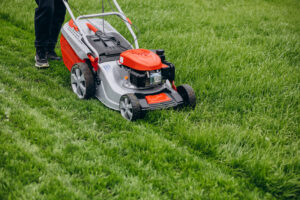
The right selection also depends on how the lawn will be used and how much maintenance can realistically be provided. A low-input property may benefit from bahiagrass or centipedegrass, while a shaded residential lawn may favor St. Augustinegrass or selected zoysiagrass cultivars.
In this guide , we compare 10 of the best grass for North Florida options based on heat tolerance, drought performance, shade tolerance, traffic resistance, soil adaptation, establishment, appearance, and maintenance requirements.
10 Best Grass For North Florida
1. Bahiagrass – Best Drought-Tolerant Grass for North Florida
Bahiagrass is the best drought-tolerant grass for North Florida when low water requirements and reduced maintenance are more important than producing a highly manicured, dark-green lawn. UF/IFAS rates bahiagrass as having excellent drought tolerance and identifies it as a low-maintenance turfgrass suitable for Florida conditions.

Bahiagrass is particularly useful for larger properties and lower-input landscapes where irrigation may be limited. It performs well in acidic, sandy soils and can survive extended dry periods by entering dormancy rather than requiring continuous irrigation to maintain green color.
Its appearance is less refined than many intensively managed turfgrasses, and its seedheads can become noticeable during active growth. Bahiagrass also has poor shade tolerance and relatively poor wear tolerance, so it is better suited to open areas receiving limited recreational traffic.
For homeowners prioritizing water conservation, resilience, and lower maintenance, bahiagrass provides a practical North Florida option.
Pros
- Excellent drought tolerance
- Low maintenance
- Good sandy-soil adaptation
- Low-input option
- Can be established from seed
- Suitable for large properties
- Good heat adaptation
Cons
- Poor shade tolerance
- Lower wear tolerance
- Coarser appearance
2. Bermudagrass – Best Grass for North Florida Full Sun
Bermudagrass is the best grass for North Florida full sun when homeowners need excellent heat, drought, and traffic tolerance. UF/IFAS rates bermudagrass highly for drought and wear and identifies it as a statewide turfgrass, making it particularly useful for open areas receiving abundant sunlight.


Bermudagrass spreads aggressively through stolons and rhizomes, allowing established turf to recover from wear and fill damaged areas. This growth habit makes it useful for active residential lawns, recreational spaces, and athletic areas.
The principal limitation is shade. UF/IFAS rates bermudagrass as having poor shade tolerance, so lawns beneath dense trees or structures may become thin and vulnerable to weeds.
Bermudagrass also requires more frequent mowing than several lower-maintenance turf options. For a sunny North Florida lawn where durability and drought performance are priorities, however, it is a highly adaptable choice.
Pros
- Excellent drought tolerance
- Excellent wear tolerance
- Strong heat tolerance
- Rapid spreading
- Good recovery
- Suitable for full sun
- Useful for high-traffic areas
Cons
- Poor shade tolerance
- Requires frequent mowing
- Can spread into beds
3. St. Augustinegrass – Best Shade-Tolerant Grass for North Florida
St. Augustinegrass is the best shade-tolerant grass for North Florida when homeowners need dense warm-season turf in areas receiving partial shade. UF/IFAS identifies St. Augustinegrass as widely adapted throughout Florida, with certain cultivars offering better shade tolerance than other warm-season grasses.

St. Augustinegrass produces a dense green to blue-green turf and can perform across a relatively broad range of Florida soils. Its shade performance varies considerably by cultivar, so selecting an appropriate variety is important when sunlight is limited.
The grass generally requires supplemental irrigation during dry periods if homeowners want to maintain active green growth. It also has poorer wear tolerance than bermudagrass and zoysiagrass, making it less suitable for heavily trafficked recreational areas.
For residential lawns with moderate traffic and partial shade, St. Augustinegrass can provide an attractive and dense turf surface.
Pros
- Good shade tolerance
- Dense turf
- Attractive green color
- Broad soil adaptation
- Good salt tolerance
- Strong warm-season growth
- Suitable for residential lawns
Cons
- Requires supplemental irrigation during drought
- Lower wear tolerance
- Cultivar selection is important
4. Zoysiagrass – Best Durable Grass for North Florida
Zoysiagrass is the best durable grass for North Florida when homeowners want a dense turf with strong wear tolerance and useful drought performance. UF/IFAS rates zoysiagrass as having good to excellent wear and shade tolerance depending on cultivar, making it one of the more versatile options for residential landscapes.

Zoysia develops dense turf and can provide an attractive fine- to medium-textured lawn. Cultivar selection is especially important because zoysiagrasses differ in texture, growth rate, shade performance, and establishment characteristics.
Its slower growth can reduce mowing frequency but also means damaged areas may recover more slowly than bermudagrass. Zoysia also benefits from supplemental irrigation during prolonged dry conditions if maintaining green turf is the objective.
For North Florida homeowners wanting a balance between durability, appearance, drought performance, and shade tolerance, zoysiagrass provides considerable flexibility.
Pros
- Good to excellent wear tolerance
- Good to excellent shade tolerance
- Good drought tolerance
- Dense turf
- Attractive texture
- Multiple cultivars available
- Moderate maintenance
Cons
- Some cultivars establish slowly
- Requires irrigation during prolonged drought
- Cultivar choice strongly affects performance
5. Centipedegrass – Best Low-Maintenance Grass for North Florida
Centipedegrass is the best low-maintenance grass for North Florida when homeowners want a relatively low-input lawn that performs well in acidic soils. UF/IFAS describes centipedegrass as well adapted to Central and Northern Florida and particularly common in the Florida Panhandle.

Centipedegrass grows slowly and has relatively low fertility requirements compared with many other Florida turfgrasses. It spreads through stolons and can be established from seed, sod, or plugs.
The grass naturally has a lighter green color than many other turf species, so homeowners should avoid excessive nitrogen fertilization simply to produce a darker appearance. UF/IFAS notes that overfertilization can increase maintenance problems and contribute to centipedegrass decline.
For a low-maintenance North Florida lawn with acidic soil and moderate traffic, centipedegrass can be a practical choice.
Pros
- Low maintenance
- Low fertility requirements
- Good acidic-soil adaptation
- Suitable for North Florida
- Can be seeded
- Moderate shade tolerance
- Can survive drought through dormancy
Cons
- Lower wear tolerance
- Naturally lighter green
- Vulnerable to certain pests
6. Bahia Grass – Best Low-Input Grass for North Florida
Bahia grass is the best low-input grass for North Florida when homeowners want a turf that can survive with relatively little supplemental irrigation and fertilizer. UF/IFAS rates bahiagrass as having excellent drought tolerance and low maintenance requirements.

Bahiagrass is particularly valuable for larger properties where producing a highly manicured lawn is less important than maintaining functional vegetation with modest inputs. Its deep-rooted growth contributes to its drought resilience.
The trade-off is visual quality and traffic performance. Bahiagrass has relatively poor wear tolerance and does not produce the dense, dark-green appearance that homeowners may expect from St. Augustinegrass or well-maintained zoysiagrass.
It can nevertheless be highly practical for North Florida properties where water conservation and reduced maintenance are major priorities.
Pros
- Excellent drought tolerance
- Low maintenance
- Low-input requirements
- Good heat adaptation
- Suitable for large properties
- Good sandy-soil performance
- Seed establishment possible
Cons
- Poor wear tolerance
- Poor shade tolerance
- Less manicured appearance
7. Carpetgrass – Best Grass for Wet Areas in North Florida
Carpetgrass is the best grass for wet areas in North Florida when consistently moist conditions make conventional turfgrass selection difficult. UF/IFAS includes carpetgrass among Florida turfgrass options and identifies it as adapted to wet areas.

Carpetgrass can provide useful groundcover in locations where moisture remains high for extended periods. This makes it particularly relevant to selected low-lying North Florida properties or areas with poor drainage.
Its appearance and maintenance requirements differ from premium residential turf. Carpetgrass is generally not the first choice for homeowners seeking a highly refined, dark-green lawn, but it can be valuable where wet soil is the dominant site limitation.
The site should still be evaluated carefully because prolonged standing water can create problems even for grasses adapted to wet conditions.
Pros
- Adapted to wet areas
- Useful for poorly drained sites
- Warm-season growth
- Suitable for selected North Florida locations
- Can provide dense cover
- Useful for low-lying areas
- Practical groundcover
Cons
- Less refined appearance
- Not ideal for premium lawns
- Site drainage still matters
8. Seashore Paspalum – Best Salt-Tolerant Grass for North Florida Coastal Areas
Seashore paspalum is the best salt-tolerant grass for North Florida coastal areas when salt exposure is a major site limitation. UF/IFAS includes seashore paspalum among Florida turfgrasses and notes its strong salt tolerance relative to several conventional lawn grasses.

This turfgrass is particularly relevant to coastal properties, saline irrigation conditions, and sites where salt exposure makes conventional turf selection more difficult. It can produce an attractive lawn when properly established and managed.
It is not necessary for most inland North Florida lawns because its strongest advantage is tolerance to saline conditions. Selecting a salt-tolerant grass only becomes especially valuable when salt is actually limiting turf performance.
For coastal homeowners dealing with saline conditions, seashore paspalum can provide a specialized alternative.
Pros
- Excellent salt tolerance
- Suitable for coastal areas
- Warm-season growth
- Attractive turf
- Useful for saline conditions
- Suitable for selected North Florida sites
- Specialized coastal performance
Cons
- Unnecessary for most inland lawns
- Requires appropriate management
- More specialized than common turfgrasses
9. St. Augustinegrass and Zoysiagrass – Best Grass Combination for North Florida Shade
A carefully planned St. Augustinegrass and zoysiagrass combination can be the best grass combination for North Florida shade when a property contains areas with different sunlight levels. Both grasses can tolerate more shade than bermudagrass or bahiagrass, although actual performance varies by cultivar.

St. Augustinegrass can provide dense turf in moderately shaded residential areas, while suitable zoysiagrass cultivars can provide useful shade and wear tolerance. Using each species according to its site conditions can be more practical than forcing one grass to perform across a highly variable landscape.
The two grasses should generally be managed as separate turf areas rather than randomly mixed together. Different mowing heights, growth rates, and cultivar characteristics can complicate maintenance if they are allowed to compete throughout the same lawn.
This approach is most useful on larger residential properties with both shaded and sunny sections.
Pros
- Useful for varied sunlight
- Good shade adaptation
- Dense residential turf
- Zoysia offers strong wear tolerance
- Flexible landscape planning
- Warm-season growth
- Multiple cultivar choices
Cons
- More complex management
- Different growth characteristics
- Severe shade remains unsuitable
10. Zoysia and Bermudagrass – Best Grass Combination for North Florida Full Sun
A carefully planned zoysia and bermudagrass combination can be the best grass combination for North Florida full sun when different sections of a property have different traffic and maintenance requirements. Bermudagrass provides excellent wear and drought tolerance, while zoysiagrass can provide dense turf with better shade tolerance and good-to-excellent wear performance depending on cultivar.

Bermudagrass is particularly useful for open recreational areas where heavy traffic and rapid recovery are important. Zoysia can be used in residential sections where a dense appearance and somewhat broader site tolerance are desired.
The grasses should be separated into appropriate lawn zones rather than mixed indiscriminately. This makes mowing, irrigation, fertilization, and long-term management more predictable.
For larger North Florida properties, strategic use of both grasses can provide greater flexibility than relying on one species across every section.
Pros
- Strong drought performance
- Excellent bermudagrass wear tolerance
- Dense zoysia turf
- Flexible site planning
- Good summer performance
- Multiple appearance options
- Useful for larger properties
Cons
- More complex management
- Different growth rates
- Requires clear planting zones
7 Essential Features to Consider When Choosing Grass for North Florida
1. Drought Tolerance
Drought tolerance is especially important for North Florida because periods of limited rainfall can place significant stress on turf. UF/IFAS rates bahiagrass and bermudagrass as excellent for drought tolerance, while zoysiagrass and other species vary by cultivar and management.
2. Shade Tolerance
Shade should be evaluated before choosing turf. Bermudagrass and bahiagrass perform poorly under shade, while St. Augustinegrass and zoysiagrass can provide better options for moderately shaded sites. No turfgrass performs well in heavy shade, where an alternative groundcover may be more appropriate.
3. Soil Type
North Florida soils can include clay and acidic soils, while sandy soils are also common in parts of the region. Centipedegrass and bahiagrass are particularly suited to acidic soils, while St. Augustinegrass can tolerate a broader range of soil conditions.
4. Traffic Resistance
If a lawn receives substantial foot traffic, wear tolerance should be considered carefully. UF/IFAS rates bermudagrass highly for wear, while zoysiagrass can range from good to excellent depending on cultivar. Bahiagrass, centipedegrass, and St. Augustinegrass generally provide less wear tolerance.
5. Water Requirements
A grass’s ability to survive drought is not identical to its ability to maintain a green appearance without irrigation. UF/IFAS specifically cautions that even grasses with excellent drought tolerance still require water if homeowners want to maintain green color and quality during extended dry periods.
6. Maintenance Level
Maintenance includes mowing, irrigation, fertilization, and pest management. UF/IFAS recommends assessing the amount of time and money available for lawn care before choosing turf because different species have different optimum maintenance levels.
7. Establishment Method
North Florida turfgrasses can be established through different methods depending on species and cultivar. Bahiagrass and centipedegrass can be established from seed, while St. Augustinegrass is generally established vegetatively and zoysiagrass can be established using sod, plugs, sprigs, or some seeded cultivars.
Best Grass For North Florida FAQ’S
1. What is the best grass for North Florida?
There is no single turfgrass suited to every North Florida lawn. Bahiagrass, bermudagrass, centipedegrass, St. Augustinegrass, and zoysiagrass each provide different advantages depending on drought, shade, traffic, soil, and maintenance requirements.
2. What is the best grass for North Florida full sun?
Bermudagrass is a strong full-sun choice because it combines excellent drought and wear tolerance. Bahiagrass is another option when lower maintenance and water requirements are more important than a highly manicured appearance.
3. What is the best grass for North Florida shade?
St. Augustinegrass and suitable zoysiagrass cultivars are among the stronger choices for moderate shade. Bermudagrass and bahiagrass generally perform poorly in shaded conditions.
4. Is centipedegrass good for North Florida?
Yes. Centipedegrass is well adapted to Central and Northern Florida and is particularly common in the Florida Panhandle. It performs well in acidic soils and has relatively low fertility and maintenance requirements.
5. Is St. Augustinegrass good for North Florida?
Yes. St. Augustinegrass is widely adapted throughout Florida and can provide dense turf in residential landscapes. Certain cultivars offer better shade tolerance, but supplemental irrigation may be needed during drought periods.
6. What is the most drought-tolerant grass for North Florida?
Bahiagrass and bermudagrass are both rated as having excellent drought tolerance by UF/IFAS. However, drought survival does not mean the lawn will remain green without irrigation during prolonged dry periods.
7. When should I plant grass in North Florida?
The appropriate establishment period depends on the turfgrass and planting method. Warm-season grasses are generally established during active warm-weather growth, while the exact timing should be matched to the species, cultivar, soil temperature, and local conditions.
Conclusion
In conclusion, the best grass for North Florida depends on sunlight, soil type, drought conditions, traffic, irrigation, and the maintenance level a homeowner can provide. Bahiagrass, bermudagrass, centipedegrass, St. Augustinegrass, and zoysiagrass each have distinct characteristics that make them useful for different lawn environments.
For sunny lawns requiring strong drought and wear tolerance, bermudagrass provides a highly durable option, while bahiagrass is better suited to homeowners prioritizing low inputs and water conservation. St. Augustinegrass and selected zoysiagrass cultivars provide stronger options where moderate shade is part of the landscape.
The best selection should therefore be based on the actual conditions of the property rather than choosing one grass for every North Florida lawn. The runner-up options can become more appropriate when factors such as shade, soil acidity, traffic, irrigation, or maintenance capacity change.
Before installing turf, evaluate sunlight, soil conditions, drainage, irrigation availability, expected foot traffic, and the desired level of lawn maintenance. Matching the grass to these site characteristics can help establish a denser, healthier, and more sustainable North Florida lawn.
Recent Posts
Spring fertilization supports healthy leaf development, root activity, and productive shoot growth when apple trees have insufficient soil nutrients. Selecting an appropriate fertilizer requires...
Cucumbers (Cucumis sativus) are vigorous, fast-growing vines that can produce abundant harvests when their roots receive enough water, warmth, and balanced nutrition. The best fertilizer for cukes in...