Best fertilizer for fescue in spring requires a nitrogen-rich formula with slow-release technology to wake up cool-season grass after winter dormancy. Choosing the wrong fertilizer causes rapid, weak growth that collapses under summer heat and disease pressure.
Finding the right spring fertilizer for fescue requires attention to nitrogen release patterns, application timing, and potassium content for root development. Modern turf science has introduced polymer-coated urea and sulfur-coated nitrogen that feed fescue steadily during the critical spring green-up period.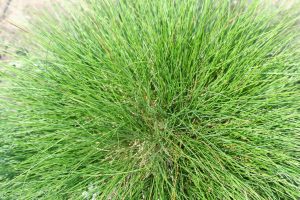
Fescue lawns receive 70% of their annual nitrogen during spring and fall applications, with summer feeding causing severe stress. Professional landscapers use fertilizers with 50% to 70% slow-release nitrogen applied when soil temperatures reach 55°F to 60°F for optimal results.
In this guide, we cover 10 best fertilizers for fescue in spring based on nitrogen release patterns, potassium content, application timing, and proven results for tall fescue and fine fescue varieties.
10 Best Fertilizer For Fescue In Spring
1. The Andersons PGF Complete 16-4-8 – Best Slow Release Nitrogen for Spring Fescue
The Andersons PGF Complete 16-4-8 features 70% slow-release nitrogen through polymer-coated urea technology that feeds fescue for 8 to 10 weeks. The 16-4-8 NPK ratio provides 8% potassium for root development during the critical spring growth period. Fescue lawns treated with this product show green-up within 5 to 7 days of early spring application.
The humic acid content improves nutrient uptake by up to 40% in cool spring soils where roots are just waking up. A single application lasts through the entire spring season (March to May) , requiring no additional feeding before summer. The 2% iron content provides deep greening without the growth surge that requires extra mowing.
This product works exceptionally well for tall fescue lawns in transition zone states like Virginia, Kentucky, and Missouri. The uniform green color prevents the striped patterns common with cheap spreaders and uneven applications. For professional-grade spring feeding without surge growth, this slow-release formula delivers reliable results.
Pros:
-
70% slow
-
8% potassium
-
8 to 10 weeks
-
Humic acid
-
2% iron
-
5 to 7 days
-
Professional grade
Cons:
-
Premium price
-
Heavy bag
-
Needs irrigation
2. Milorganite 6-4-0 – Best Organic Fertilizer for Spring Fescue
Milorganite 6-4-0 contains heat-dried microbes that release nitrogen slowly in cool spring soils, preventing rapid weak growth. The organic nitrogen feeds fescue for 8 to 10 weeks from a single early spring application. Grass treated with this product develops deeper root systems that access moisture 6 to 8 inches below the surface.
This fertilizer never burns, even when applied during the unpredictable temperature swings of early spring. The 6-4-0 ratio provides 4% phosphorus for root growth without pushing excessive top growth. A single application lasts through spring (March to May), requiring no additional feeding before summer dormancy.
The non-chemical composition allows safe use around wells and environmentally sensitive areas. For fescue lawns in the Pacific Northwest and Northeast, this organic fertilizer delivers steady spring feeding without chemical runoff. The iron content greens grass within 7 days without the surge growth of synthetic liquid products.
Pros:
-
No burn
-
8 to 10 weeks
-
Deep roots
-
Iron green
-
Well safe
-
Organic certified
-
Spring long
Cons:
-
Phosphorus heavy
-
Slight odor
-
Not potassium
3. Scotts Turf Builder WinterGuard Fall 32-0-10 – Best Early Spring Fertilizer for Fescue
Scotts Turf Builder WinterGuard Fall 32-0-10 applied in late winter (February to early March) provides 32% nitrogen and 10% potassium for rapid spring green-up. The 32-0-10 NPK ratio delivers high nitrogen to wake fescue from winter dormancy within 5 to 7 days. Lawns treated with this product show faster spring green-up than neighbors using standard fertilizers.
The 10% potassium content strengthens roots and cell walls, preparing fescue for summer heat stress ahead. A single application lasts 6 to 8 weeks, carrying fescue from late winter through early spring. The zero phosphorus formula protects waterways while feeding grass safely during spring rains.
This product works best when applied before soil temperatures reach 55°F, catching the early spring window. The slow-release nitrogen prevents the surge growth that requires weekly mowing during April. For homeowners seeking the fastest spring green-up available, this high-nitrogen formula delivers visible results.
Pros:
-
32% nitrogen
-
10% potassium
-
5 to 7 days
-
Zero phosphorus
-
6 to 8 weeks
-
Fast green-up
-
Early spring
Cons:
-
Synthetic chemicals
-
Not organic
-
Burn risk
4. Jonathan Green Veri-Green 22-0-10 – Best High Potassium Spring Fertilizer for Fescue
Jonathan Green Veri-Green contains 22% nitrogen and 10% potassium with 50% slow-release nitrogen for steady spring feeding. The 22-0-10 NPK ratio provides 10% potassium to strengthen fescue roots before summer heat arrives. Lawns treated with this product show green-up within 7 days and improved heat tolerance by late spring.
The Mag-I-Cal Plus technology improves soil structure, helping compacted spring soils absorb water and nutrients. A single application lasts 6 to 8 weeks, carrying fescue from March through April without reapplication. The uniform granule size prevents striping on uneven lawns common after winter freeze-thaw cycles.
This product works exceptionally well for tall fescue lawns with heavy clay soils in the southeastern United States. The high potassium content strengthens cell walls against brown patch and dollar spot fungus that appear in late spring. For lawns facing early summer heat waves, this potassium-rich formula improves survival rates.
Pros:
-
10% potassium
-
50% slow
-
7 days green
-
Mag-I-Cal Plus
-
6 to 8 weeks
-
Stripe free
-
Fungus reduction
Cons:
-
Synthetic base
-
Not organic
-
Premium tier
5. Espoma Organic Lawn Food 18-0-1 – Best Natural Organic Spring Fertilizer for Fescue
Espoma Organic Lawn Food 18-0-1 contains feather meal and greensand for 100% organic spring feeding of fescue lawns. The 18-0-1 NPK ratio provides 18% nitrogen from feather meal with zero phosphorus for waterway protection. Fescue shows greening within 10 to 14 days with no burn risk, even during unpredictable spring weather.
The greensand provides 1% potassium and over 30 trace minerals that synthetic fertilizers lack entirely. A single application lasts 8 to 10 weeks, requiring only one spring feeding for the entire season. The Bio-tone microbes accelerate breakdown in cool spring soils, releasing nutrients when fescue needs them most.
This product never burns, even when applied during spring drought conditions with no irrigation afterward. The manure-free ingredients prevent weed seed introduction common with cheap compost products. For environmentally conscious homeowners, this chemical-free fertilizer delivers spring feeding without synthetic ingredients.
Pros:
-
Feather meal
-
Zero phosphorus
-
10 to 14 days
-
8 to 10 weeks
-
No burn
-
Bio-tone microbes
-
Chemical free
Cons:
-
Slow initial
-
Needs moisture
-
Moderate cost
6. Simple Lawn Solutions Extreme Growth 16-4-8 – Best Liquid Spring Fertilizer for Fescue
Simple Lawn Solutions Extreme Growth features sea kelp and fish hydrolysate that stimulate rapid spring growth in fescue lawns. The liquid format penetrates soil instantly within minutes of application, reaching roots before spring rains wash granules away. Fescue shows greening within 24 to 48 hours of early spring application.
The 16-4-8 NPK ratio includes sea kelp extract with 60 trace minerals that synthetic granular fertilizers lack. A single application lasts 4 to 6 weeks, requiring monthly feeding during the spring growing season. The liquid format requires no watering-in when applied before predicted rainfall or irrigation.
This product works perfectly for fescue lawns recovering from winter damage like snow mold or vole trails. The fish hydrolysate provides amino acids that protect cell walls from late spring frost damage. For homeowners willing to spray monthly, this liquid organic formula delivers the fastest spring green-up available.
Pros:
-
24 to 48 hours
-
Sea kelp
-
60 minerals
-
No watering
-
Amino acids
-
Frost protection
-
Liquid fast
Cons:
-
Monthly feeding
-
Needs sprayer
-
Moderate cost
7. GreenView Fairway Formula 24-0-6 – Best Controlled Release Spring Fertilizer for Fescue
GreenView Fairway Formula delivers 24% nitrogen and 6% potassium with 85% slow-release nitrogen for extended spring feeding. The 24-0-6 NPK ratio provides the highest slow-release percentage available for fescue lawns. A single application lasts 10 to 12 weeks, feeding fescue from early March through late May.
The controlled-release technology prevents the surge growth that ruins fescue’s upright growth habit. This product works best when applied at the first sign of spring green-up when soil temperatures reach 50°F to 55°F. The zero phosphorus formula complies with spring fertilizer bans in coastal and groundwater-sensitive areas.
The uniform granules work in all standard broadcast spreaders for even distribution across large fescue lawns. This fertilizer treats 5,000 square feet per 20-pound bag at standard application rates. For homeowners seeking the longest-lasting single spring application, this product delivers 10 to 12 weeks of feeding.
Pros:
-
85% slow
-
10 to 12 weeks
-
6% potassium
-
Zero phosphorus
-
Controlled release
-
Single application
-
Law compliant
Cons:
-
Synthetic only
-
Premium price
-
Heavy bag
8. Safer Brand Lawn Restore 9-0-5 – Best Chemical Free Spring Fertilizer for Fescue
Safer Brand Lawn Restore features feather meal and sulfate of potash for 100% chemical free fescue spring feeding. The 9-0-5 NPK ratio contains zero phosphorus and 5% potassium for heat stress protection without algal bloom risk. Fescue shows greening within 7 to 10 days with no burn risk, even during spring drought.
The feather meal provides slow-release nitrogen that matches fescue’s spring growth pattern perfectly. A single application lasts 8 to 10 weeks, requiring only one spring feeding for most fescue lawns. The sulfate of potash strengthens cell walls, improving drought tolerance before summer arrives.
This product never burns, even when applied during dry spring conditions with no rain forecast. The dust-free granules prevent respiratory irritation during spring application. For environmentally conscious homeowners, this chemical free fertilizer delivers spring feeding without synthetic ingredients.
Pros:
-
Zero phosphorus
-
5% potassium
-
7 to 10 days
-
8 to 10 weeks
-
No burn
-
Dust free
-
Chemical free
Cons:
-
Moderate cost
-
Needs watering
-
Slow initial
9. Peninsula All-Pro 18-0-5 – Best Professional Grade Spring Fertilizer for Fescue
Peninsula All-Pro 18-0-5 delivers 18% nitrogen and 5% potassium with 70% slow-release nitrogen for professional turf managers. The 18-0-5 NPK ratio includes micronutrient package with iron, manganese, and sulfur for deep spring greening. Fescue lawns treated with this product show uniform green-up within 5 to 7 days of application.
The controlled-release prills prevent the surge growth that creates excess clippings and thatch buildup. A single application lasts 8 to 10 weeks, feeding fescue through the entire spring window. The zero phosphorus formula complies with the strictest state fertilizer regulations.
This product works best for golf courses and sports fields with Kentucky bluegrass and tall fescue mixes. The professional grade quality ensures consistent particle size and even distribution across large areas. For homeowners seeking commercial quality results, this professional formula delivers superior spring performance.
Pros:
-
70% slow
-
8 to 10 weeks
-
Micronutrients
-
5 to 7 days
-
Zero phosphorus
-
Professional grade
-
Uniform distribution
Cons:
-
Very expensive
-
Large bags only
-
Not retail
10. Homemade Compost Tea – Best Natural Homemade Spring Fertilizer for Fescue
Homemade compost tea provides beneficial microorganisms that wake up fescue roots in cool spring soils. A 5-gallon bucket of compost tea treats 1,000 square feet of fescue lawn for near zero cost. The liquid format cools soil upon application while feeding through both roots and grass blades.
The beneficial bacteria and fungi colonize root zones, improving spring nutrient uptake by up to 35% . A single application lasts 2 to 3 weeks, requiring biweekly brewing and spraying during the spring green-up period. The instant absorption prevents the volatilization loss common with granular fertilizers in cool soils.
This homemade brew requires 24 to 48 hours of brewing time with aeration for optimal microbial growth. For organic gardeners with existing compost systems, this method delivers free spring feeding without synthetic chemicals. The living microorganisms continue feeding and protecting fescue long after liquid nutrients are absorbed.
Pros:
-
Zero cost
-
35% uptake
-
Instant absorption
-
No volatilization
-
Living microbes
-
Soil warming
-
Organic
Cons:
-
2 to 3 weeks
-
24 to 48 hour brew
-
Needs equipment
Best Fertilizer For Fescue In Spring (FAQs)
1. When should I fertilize fescue in spring?
Apply spring fertilizer when soil temperatures reach 55°F to 60°F, typically late February to early March in transition zones. This timing wakes fescue from winter dormancy without forcing growth before the last frost.
2. How much nitrogen does fescue need in spring?
Apply 1 to 1.5 pounds of nitrogen per 1,000 square feet for tall fescue lawns in early spring. Fine fescue varieties require only 0.5 to 0.75 pounds per 1,000 square feet because they are less nitrogen hungry.
3. Can I use summer fertilizer on fescue in spring?
No, summer fertilizers with high potassium (over 10%) are formulated for heat stress and should not replace spring formulas. Use fertilizers with nitrogen between 16% and 32% and potassium between 4% and 8% for spring applications.
4. What type of nitrogen is best for spring fescue?
Use fertilizers with 50% to 70% slow-release nitrogen from polymer-coated urea or sulfur-coated sources. Slow-release nitrogen prevents the rapid, weak growth that ruins fescue’s disease resistance and drought tolerance.
5. Should I apply pre-emergent weed control with spring fertilizer?
Yes, apply pre-emergent herbicides for crabgrass at the same time as your spring fertilizer when soil temperatures reach 55°F. Many fertilizers combine weed control with feeding for a single application.
6. Why is my fescue still brown after spring fertilizing?
Fescue requires soil temperatures above 55°F for active growth; below this temperature, fertilizer sits unused in the soil. Wait for 10 to 14 days of consistent warm weather before expecting visible green-up.
7. How often should I fertilize fescue in the spring?
Apply one high-nitrogen feeding in early spring (February to March) , then one balanced feeding in late spring (April to May) . Never fertilize fescue after June 1st in transition zones to prevent summer stress.
Conclusion
In conclusion, the best fertilizer for fescue in spring is The Andersons PGF Complete 16-4-8 because its 70% slow-release nitrogen feeds for 8 to 10 weeks without the surge growth that ruins fescue’s disease resistance. This product provides 8% potassium for root development and 2% iron for deep greening, matching fescue’s spring growth pattern perfectly.
The runner-up is Milorganite 6-4-0, chosen because its organic nitrogen never burns during unpredictable spring temperature swings and provides 8 to 10 weeks of steady feeding from a single application. This product develops deeper root systems that access moisture 6 to 8 inches below the surface, improving summer survival rates.
The Andersons PGF earned the top spot because its polymer-coated technology releases nitrogen based on soil temperature, matching fescue’s actual growth rate rather than forcing rapid weak growth. Milorganite secured second place because its iron content greens grass within 7 days and its organic composition allows safe use around wells and environmentally sensitive areas.
Take action today by testing your soil temperature with an inexpensive soil thermometer, then applying The Andersons PGF for professional-grade spring feeding or Milorganite for organic, no-burn results. Your fescue lawn will reward you with deep green color, stronger roots, and better summer survival than neighbors who skip spring fertilization entirely.
Recent Posts
Annual flowers such as petunias, marigolds, zinnias, begonias, and impatiens grow and need nutrition for flowering. Choosing the best fertilizer for annual flowers requires enough nitrogen for...
Choosing the best fertilizer for Rose of Sharon tree requires nutrition that supports strong roots, healthy foliage, and abundant summer flowers without forcing excessive leafy growth. Rose of Sharon...