Selecting the Best Companion Plants for Milkweed (Asclepias spp.) is essential for building a thriving Milkweed ecosystem that supports monarch butterflies, bees, and other pollinators. Milkweed serves as a keystone plant, meaning its ecological value increases when paired with well-matched companion species.
Successful companion planting around Milkweed depends on nectar availability, soil compatibility, and synchronized blooming cycles. These biological interactions determine how effectively surrounding plants enhance Milkweed pollination and long-term garden stability.
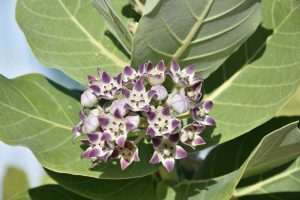
When properly integrated, companion plants improve soil health, reduce pest pressure, and strengthen biodiversity within Milkweed habitats. This creates a more resilient environment where Milkweed can perform at its highest ecological potential.
In this guide , we will explore the top 10 Best Companion Plants for Milkweed, focusing on scientifically compatible species that maximize Milkweed ecosystem performance and transform Milkweed gardens into highly efficient pollinator-support systems.
10 Best Companion Plants For Milkweed
1. Coneflower (Echinacea purpurea) – best pollinator magnet companion for milkweed nectar support
Coneflower (Echinacea purpurea) is the best pollinator magnet companion for milkweed nectar support because it produces abundant nectar that attracts bees and butterflies alongside milkweed. Additionally, this increases overall pollination efficiency in shared habitats. As a result, monarch butterfly activity around milkweed becomes more stable.
The deep taproot system of Echinacea purpurea allows it to grow without competing aggressively with milkweed roots. Moreover, both plants thrive in full sun and well-drained soil conditions. Therefore, ecological compatibility remains highly stable.
Coneflower extends flowering duration across summer months, ensuring continuous nectar availability. Furthermore, it strengthens pollinator populations in milkweed ecosystems. Consequently, biodiversity levels significantly improve.
Pros:
• High nectar
• Pollinator boost
• Deep roots
• Sun tolerant
• Long bloom
• Native species
• Low maintenance
Cons:
• Slow germination
• Seasonal bloom
• Moderate spread
2. Black-Eyed Susan (Rudbeckia hirta) – best color contrast companion for milkweed biodiversity support
Black-Eyed Susan (Rudbeckia hirta) is the best color contrast companion for milkweed biodiversity support because its bright yellow flowers enhance visual diversity around milkweed stands. Additionally, it blooms during overlapping seasonal windows. As a result, pollinator attraction increases significantly.
Rudbeckia hirta grows well in dry, well-drained soils similar to milkweed habitats. Moreover, it requires minimal fertilization to thrive. Therefore, nutrient competition remains very low.
This species attracts bees, butterflies, and beneficial predatory insects that support milkweed ecosystems. Furthermore, it improves habitat complexity. Consequently, ecological balance becomes stronger.
Pros:
• Bright blooms
• Pollinator friendly
• Drought tolerant
• Easy grow
• Native plant
• Long bloom
• Low care
Cons:
• Self seeding
• Seasonal plant
• Moderate spread
3. Bee Balm (Monarda didyma) – best nectar-rich companion for milkweed pollination enhancement
Bee Balm (Monarda didyma) is the best nectar-rich companion for milkweed pollination enhancement because it produces high levels of nectar that attract butterflies and hummingbirds. Additionally, this supports milkweed pollination networks. As a result, reproductive success increases.
Monarda didyma thrives in moderately moist soils similar to milkweed growing conditions. Moreover, it spreads through underground rhizomes. Therefore, spacing control is necessary.
Bee Balm improves soil microbial activity through organic matter decomposition. Furthermore, it increases long-term soil fertility. Consequently, ecosystem productivity improves.
Pros:
• High nectar
• Pollinator boost
• Aromatic
• Fast growth
• Vibrant flowers
• Native plant
• Wildlife support
Cons:
• Spreads fast
• Needs moisture
• Mildew risk
4. Goldenrod (Solidago canadensis) – best late-season companion for milkweed nectar extension
Goldenrod (Solidago canadensis) is the best late-season companion for milkweed nectar extension because it blooms after milkweed and continues supporting pollinators. Additionally, it sustains late-season insect populations. As a result, ecosystem activity extends into autumn.
Solidago canadensis adapts well to open, sunny environments similar to milkweed habitats. Moreover, it requires minimal maintenance. Therefore, long-term care is simple.
Goldenrod strengthens soil structure through dense fibrous root systems. Furthermore, it helps prevent erosion in open garden spaces. Consequently, habitat stability improves.
Pros:
• Late bloom
• Pollinator support
• Native plant
• Low care
• Soil stability
• Drought tolerant
• Wildlife value
Cons:
• Spreads aggressively
• Tall growth
• Seasonal cycle
5. Zinnia (Zinnia elegans) – best annual color companion for milkweed butterfly attraction
Zinnia (Zinnia elegans) is the best annual color companion for milkweed butterfly attraction because it produces continuous blooms that attract butterflies throughout the growing season. Additionally, it complements milkweed flowering periods. As a result, pollinator traffic increases.
Zinnia elegans thrives in warm, sunny conditions similar to milkweed environments. Moreover, it germinates quickly from seed. Therefore, establishment is fast and reliable.
Zinnias enhance visual diversity in milkweed gardens through bright floral displays. Furthermore, they provide consistent nectar sources. Consequently, pollinator engagement improves.
Pros:
• Bright blooms
• Fast growth
• Pollinator friendly
• Easy care
• Long bloom
• Sun loving
• Color variety
Cons:
• Annual plant
• Needs watering
• Pest risk
6. Aster (Symphyotrichum novi-belgii) – best autumn companion for milkweed seasonal continuity
Aster (Symphyotrichum novi-belgii) is the best autumn companion for milkweed seasonal continuity because it blooms after milkweed and extends pollinator resources into fall. Additionally, it supports late-season insects. As a result, habitat continuity improves.
Symphyotrichum novi-belgii tolerates similar soil and light conditions as milkweed. Moreover, it adapts well to full sun exposure. Therefore, compatibility remains strong.
Asters support bees preparing for winter survival through late nectar supply. Furthermore, they enhance ecosystem resilience. Consequently, pollinator populations remain stable.
Pros:
• Late bloom
• Pollinator support
• Native plant
• Easy care
• Seasonal value
• Color variety
• Wildlife friendly
Cons:
• Spreads wide
• Tall stems
• Needs sun
7. Coreopsis (Coreopsis lanceolata) – best long-bloom companion for milkweed nectar stability
Coreopsis (Coreopsis lanceolata) is the best long-bloom companion for milkweed nectar stability because it produces continuous flowers throughout the growing season. Additionally, it supports steady pollinator feeding activity. As a result, nectar supply remains consistent.
Coreopsis lanceolata thrives in dry, low-fertility soils similar to milkweed habitats. Moreover, it requires minimal fertilizer input. Therefore, competition between plants remains low.
Coreopsis improves soil microbial diversity through natural organic matter cycling. Furthermore, it strengthens ecosystem productivity. Consequently, garden health increases.
Pros:
• Long bloom
• Pollinator friendly
• Drought tolerant
• Easy care
• Native plant
• Low fertilizer
• Bright color
Cons:
• Self seeds
• Moderate spread
• Seasonal fade
8. Yarrow (Achillea millefolium) – best medicinal companion for milkweed pest resistance
Yarrow (Achillea millefolium) is the best medicinal companion for milkweed pest resistance because it attracts beneficial insects that control harmful pests naturally. Additionally, it enhances ecological balance around milkweed. As a result, plant health improves.
Achillea millefolium thrives in poor, dry soils similar to milkweed environments. Moreover, it is highly drought tolerant. Therefore, maintenance requirements are low.
Yarrow improves soil structure through deep root penetration. Furthermore, it supports nutrient cycling. Consequently, soil fertility increases.
Pros:
• Pest control
• Drought tolerant
• Native plant
• Easy grow
• Soil improvement
• Pollinator friendly
• Medicinal value
Cons:
• Spreads fast
• Needs trimming
• Allergic risk
9. Blazing Star (Liatris spicata) – best vertical companion for milkweed structural layering
Blazing Star (Liatris spicata) is the best vertical companion for milkweed structural layering because it adds height contrast within milkweed plantings. Additionally, it attracts butterflies strongly. As a result, pollinator density increases.
Liatris spicata grows from underground corms that store energy efficiently. Moreover, it coexists well with milkweed root systems. Therefore, competition remains minimal.
Blazing Star improves garden structure through vertical floral spikes. Furthermore, it enhances visual layering. Consequently, landscape design becomes more dynamic.
Pros:
• Vertical bloom
• Butterfly magnet
• Native plant
• Easy care
• Drought tolerant
• Structural contrast
• Long bloom
Cons:
• Slow start
• Seasonal bloom
• Needs sun
10. Cosmos (Cosmos bipinnatus) – best airy bloom companion for milkweed pollinator movement
Cosmos (Cosmos bipinnatus) is the best airy bloom companion for milkweed pollinator movement because its open flowers allow easy access for butterflies and bees. Additionally, it blooms continuously during warm seasons. As a result, pollinator activity remains high.
Cosmos bipinnatus thrives in poor soils similar to milkweed habitats. Moreover, it grows quickly from seed. Therefore, establishment is rapid.
Cosmos enhances garden softness and movement through its airy structure. Furthermore, it supports continuous nectar supply. Consequently, ecosystem interaction improves.
Pros:
• Airy blooms
• Pollinator friendly
• Easy grow
• Long bloom
• Low care
• Sun loving
• Fast growth
Cons:
• Tall stems
• Self seeds
• Weak support
FAQs – Best Companion Plants for Milkweed
1. What are the best companion plants for milkweed?
The best companions include Echinacea purpurea, Monarda didyma, and Rudbeckia hirta for strong pollinator support.
2. Do companion plants improve monarch butterfly populations?
Yes, nectar-rich companions increase feeding opportunities and improve monarch survival rates.
3. Which plants increase milkweed nectar availability?
Bee balm, coneflower, and zinnia significantly boost nectar resources.
4. Can native plants improve milkweed performance?
Yes, native species like goldenrod and aster improve ecosystem stability.
5. Which plants should be avoided near milkweed?
Avoid aggressive water-demanding plants that disrupt dry habitat balance.
6. Do companion plants reduce pests on milkweed?
Yes, yarrow and marigold attract beneficial insects that control pests.
7. What soil is best for milkweed companions?
Well-drained, low-fertility soil is ideal for milkweed ecosystems.
Conclusion
In conclusion, the best companion plant for Milkweed is Echinacea purpurea because it significantly enhances nectar availability and strengthens pollinator activity directly within Milkweed habitats. The runner-up of Milkweed companion plants is Monarda didyma because it boosts butterfly visitation rates and improves overall ecological balance around Milkweed ecosystems.
Milkweed performs best when paired with plants that support nectar flow, soil stability, and seasonal bloom extension. Proper companion selection ensures Milkweed remains a strong host plant for monarch butterflies and other pollinators.
Healthy Milkweed ecosystems depend on biodiversity that reduces pest pressure and improves habitat resilience. Companion plants also help maintain continuous food sources for insects throughout the growing season.
Apply these Milkweed companion planting strategies to build a stronger and more productive pollinator garden. Start integrating the best Milkweed companion plants today to maximize ecological performance and long-term garden success.
Recent Posts
Spring fertilization supports healthy leaf development, root activity, and productive shoot growth when apple trees have insufficient soil nutrients. Selecting an appropriate fertilizer requires...
Cucumbers (Cucumis sativus) are vigorous, fast-growing vines that can produce abundant harvests when their roots receive enough water, warmth, and balanced nutrition. The best fertilizer for cukes in...