Best drought tolerant plants in Utah are essential for gardeners facing arid climates, water restrictions, and long dry summers. In Utah, where annual precipitation averages only about 12–15 inches in many regions, plant selection determines landscape survival and performance.
Water-efficient landscaping is no longer optional but a necessity driven by environmental stress and rising water costs. Native and adaptive species provide long-term resilience while reducing irrigation dependency.
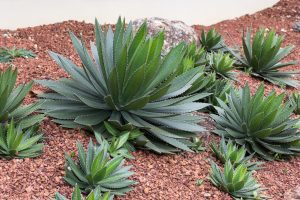
Successful drought-tolerant gardening relies on plants that store moisture, reduce transpiration, and adapt to alkaline soils common in western U.S. regions. These plants survive by using specialized biochemical mechanisms like waxy cuticles and deep root systems.
In many Utah landscapes, xeriscaping has increased by over 40% in the last decade due to sustainability needs and climate adaptation strategies. Choosing the right species ensures both ecological balance and visual appeal.
In this guide, we will explore the best drought tolerant plants in Utah, focusing on their biological adaptation, soil chemistry interactions, and landscape performance for long-term survival.
10 Best Drought Tolerant Plants In Utah
1. Sagebrush (Artemisia tridentata) – Best Native Drought Tolerant Shrub for Utah Desert Landscaping
Sagebrush dominates arid ecosystems and represents a foundational species in Utah’s desert ecology. It is widely recognized as the best native drought tolerant shrub for Utah desert landscaping due to its extreme water efficiency. The plant contains volatile oils such as terpenoids that reduce herbivory and minimize water loss through evaporation.
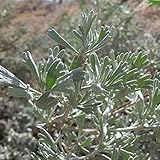
Additionally, its silvery-gray leaves are coated with a dense layer of trichomes, which reflect sunlight and reduce leaf temperature. This structural adaptation reduces transpiration rates significantly under extreme heat conditions. Consequently, sagebrush survives in soils with extremely low moisture retention.
Moreover, the root system extends deeply into alkaline soils, accessing groundwater unavailable to shallow-rooted plants. Its biochemical metabolism operates efficiently under drought stress, maintaining photosynthesis even in dry air conditions.
Pros:
• Deep roots
• Water efficient
• Heat tolerant
• Native species
• Soil adaptive
• Wildlife support
• Low care
Cons:
• Strong scent
• Slow growth
• Spreads wide
2. Lavender (Lavandula angustifolia) – Best Aromatic Drought Tolerant Flower for Utah Gardens
Lavender thrives in dry environments, making it the best aromatic drought tolerant flower for Utah gardens. Its essential oil glands contain linalool and linalyl acetate, which reduce water loss while producing strong fragrance. These compounds also protect against pest damage.
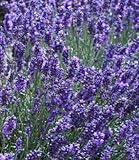
Furthermore, lavender leaves have a narrow shape that minimizes surface area exposure to sunlight. This reduces evaporation rates and supports survival during Utah’s dry summers. Consequently, the plant maintains structure even under prolonged heat waves.
Additionally, lavender prefers alkaline soils common in Utah, where calcium carbonate improves root stability. Its fibrous root system enhances nutrient absorption in low-organic environments, supporting long-term flowering cycles.
Pros:
• Strong fragrance
• Heat resilient
• Pollinator friendly
• Low watering
• Long bloom
• Pest resistant
• Soil tolerant
Cons:
• Needs pruning
• Poor shade
• Woody base
3. Russian Sage (Perovskia atriplicifolia) – Best Tall Drought Resistant Perennial for Utah Heat
Russian sage is widely considered the best tall drought resistant perennial for Utah heat landscapes due to its extreme tolerance to dry air and poor soils. Its leaves contain aromatic oils that reduce water loss while deterring insects.

Additionally, the plant uses a silver foliage system that reflects solar radiation, lowering internal leaf temperature. This reduces metabolic stress during peak summer heat. As a result, it continues blooming when other perennials fail.
Moreover, its woody stems store minimal water but maximize structural efficiency. The plant allocates energy toward flowering rather than leaf maintenance, making it highly efficient in drought conditions.
Pros:
• Long bloom
• Heat tolerant
• Pest resistant
• Low water
• Fast growth
• Pollinator magnet
• Hardy stems
Cons:
• Spreads wide
• Weak support
• Woody base
4. Yarrow (Achillea millefolium) – Best Medicinal Drought Tolerant Ground Cover for Utah Soil Stability
Yarrow performs exceptionally well as the best medicinal drought tolerant ground cover for Utah soil stability. Its fern-like leaves contain alkaloids and flavonoids that enhance drought resistance and healing properties.

Additionally, the plant develops a fibrous root system that binds soil particles together, reducing erosion in dry landscapes. This makes it ideal for slopes and rocky Utah terrains.
Furthermore, yarrow regulates water usage through stomatal control, reducing transpiration during peak heat hours. Its ability to thrive in nutrient-poor soils is due to efficient nitrogen absorption mechanisms.
Pros:
• Soil stabilizer
• Low water
• Medicinal value
• Pollinator friendly
• Fast spread
• Heat tolerant
• Hardy plant
Cons:
• Invasive spread
• Weak scent
• Needs trimming
5. Penstemon (Penstemon spp.) – Best Native Flowering Drought Tolerant Plant for Utah Pollinators
Penstemon is highly valued as the best native flowering drought tolerant plant for Utah pollinators. Its tubular flowers are adapted for hummingbird pollination, increasing biodiversity in dry ecosystems.
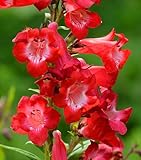
Additionally, penstemon produces anthocyanins that protect cellular structures from UV radiation. This biochemical defense allows sustained flowering under intense sunlight conditions.
Moreover, its roots penetrate rocky soils efficiently, extracting trace minerals essential for bloom production. The plant maintains energy balance even during extended drought cycles.
Pros:
• Pollinator rich
• Native plant
• Vibrant blooms
• Heat resistant
• Low irrigation
• Rocky soil fit
• Long flowering
Cons:
• Short life
• Needs sun
• Moderate spread
6. Blanket Flower (Gaillardia pulchella) – Best Bright Drought Tolerant Annual for Utah Color Gardens
Blanket flower is the best bright drought tolerant annual for Utah color gardens due to its vivid red and yellow blooms. Its pigments are carotenoids that protect against oxidative stress caused by intense sunlight.

Additionally, the plant has a deep taproot system that accesses moisture stored far below the soil surface. This allows survival in extended dry periods without irrigation.
Furthermore, blanket flower continuously produces blooms throughout summer due to rapid energy cycling in its vascular system. This ensures consistent color display in Utah landscapes.
Pros:
• Bright colors
• Heat hardy
• Long bloom
• Low water
• Fast growth
• Pollinator friendly
• Easy care
Cons:
• Short lifespan
• Needs reseeding
• Weak shade
7. Sedum (Sedum spp.) – Best Succulent Drought Tolerant Ground Cover for Utah Rock Gardens
Sedum is the best succulent drought tolerant ground cover for Utah rock gardens because of its water-storing tissues. Its thick leaves contain mucilage that retains moisture during prolonged drought.

Additionally, CAM (Crassulacean Acid Metabolism) photosynthesis allows sedum to open stomata at night, reducing water loss significantly. This adaptation makes it extremely efficient in arid climates.
Moreover, sedum thrives in rocky, nutrient-poor soils where competition is minimal. Its shallow root system spreads rapidly, forming dense mats that prevent erosion.
Pros:
• Water storing
• Low maintenance
• Heat tolerant
• Rock friendly
• Fast spread
• Evergreen type
• Soil adaptable
Cons:
• Shallow roots
• Spreads fast
• Soft stems
8. Juniper (Juniperus spp.) – Best Evergreen Drought Tolerant Tree for Utah Wind Protection
Juniper is the best evergreen drought tolerant tree for Utah wind protection due to its dense needle structure. Its wax-coated leaves minimize water loss and protect against freezing temperatures.

Additionally, juniper produces terpenes that deter pests and reduce fungal infections in dry environments. This chemical defense system enhances survival in harsh soils.
Moreover, its deep root network stabilizes soil and provides windbreak protection in open Utah landscapes. It grows slowly but maintains structural integrity for decades.
Pros:
• Evergreen
• Windbreak
• Low water
• Pest resistant
• Long life
• Soil strong
• Hardy growth
Cons:
• Slow growth
• Large spread
• Dense shade
9. Blue Grama Grass (Bouteloua gracilis) – Best Ornamental Drought Tolerant Grass for Utah Lawns
Blue grama grass is the best ornamental drought tolerant grass for Utah lawns due to its minimal water requirements. Its curly seed heads add aesthetic value while conserving energy during dry seasons.
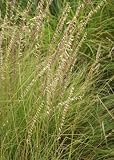
Additionally, its C4 photosynthetic pathway allows high efficiency under heat and low CO₂ conditions. This makes it highly adapted to Utah’s climate.
Moreover, its root system forms dense turf that resists erosion and soil degradation. It remains green longer than traditional lawn grasses under drought stress.
Pros:
• Low water
• Ornamental
• Heat tolerant
• Soil binding
• Native grass
• Durable turf
• Low mowing
Cons:
• Slow green
• Sparse look
• Seasonal dormancy
10. Agave Parryi – Best Structural Drought Tolerant Succulent for Utah Architectural Landscapes
Agave parryi is the best structural drought tolerant succulent for Utah architectural landscapes due to its dramatic rosette form. Its thick leaves store water efficiently through specialized parenchyma cells.

Additionally, the plant uses CAM photosynthesis to minimize daytime water loss, improving survival in extreme heat. Its waxy coating further reduces evaporation rates.
Moreover, agave develops a strong central root system that anchors it in rocky soils, making it ideal for decorative xeriscaping. It thrives with minimal irrigation once established.
Pros:
• Sculptural form
• Low water
• Heat proof
• Long lifespan
• Soil tough
• Decorative use
• Pest resistant
Cons:
• Sharp edges
• Slow growth
• Space needs
FAQs – Drought Tolerant Plants In Utah
1. What makes a plant drought tolerant in Utah?
Drought tolerant plants in Utah survive by using deep root systems, reduced leaf surface, and water-storing tissues. These adaptations help them withstand long dry seasons with minimal irrigation.
2. How often should drought tolerant plants be watered in Utah?
After establishment, most drought tolerant plants only need occasional deep watering. In many Utah landscapes, watering once every 2–4 weeks is sufficient depending on soil type and heat levels.
3. What are the easiest drought tolerant plants for beginners in Utah?
Beginner-friendly options include lavender, sedum, yarrow, and Russian sage. These plants require little maintenance and adapt quickly to Utah’s dry soil conditions.
4. Do drought tolerant plants grow well in Utah clay soil?
Yes, but drainage must be improved. Mixing sand or gravel into clay soil helps prevent waterlogging and allows roots to access oxygen more efficiently.
5. Can drought tolerant plants survive Utah winters?
Many drought tolerant plants are also cold hardy. Species like juniper, sagebrush, and penstemon can survive freezing temperatures common in Utah winters.
6. Do drought tolerant plants attract pollinators?
Yes, many of them do. Plants such as lavender, yarrow, and blanket flower attract bees, butterflies, and hummingbirds, supporting local ecosystems.
7. Are drought tolerant plants expensive to maintain in Utah?
No, they are generally cost-effective. Once established, they reduce water bills, fertilizer needs, and long-term landscaping maintenance costs significantly.
Conclusion
In conclusion, selecting the best drought tolerant plants in Utah ensures long-term landscape sustainability and reduced water usage. Sagebrush was chosen as the best due to its unmatched adaptation to native desert ecosystems and deep root efficiency.
Lavender stands as the runner-up, offering both aromatic value and strong drought resistance supported by essential oil chemistry. Russian sage and penstemon further enhance biodiversity and visual appeal across dry landscapes.
These plants demonstrate superior survival mechanisms through biological efficiency, soil adaptation, and water conservation strategies. Their integration creates resilient ecosystems capable of thriving under Utah’s harsh climate conditions.
In conclusion, homeowners should prioritize drought-adapted landscaping to reduce maintenance costs and environmental stress. Start upgrading your garden today by selecting species that align with Utah’s natural climate and water conservation goals.
Recent Posts
Annual flowers such as petunias, marigolds, zinnias, begonias, and impatiens grow and need nutrition for flowering. Choosing the best fertilizer for annual flowers requires enough nitrogen for...
Choosing the best fertilizer for Rose of Sharon tree requires nutrition that supports strong roots, healthy foliage, and abundant summer flowers without forcing excessive leafy growth. Rose of Sharon...