Choosing the right companion plants often determines the success of your harvest, yet the best trap crops for vegetable gardens offer a proactive defense against invasive pests. Trap cropping is a traditional, chemical-free strategy that leverages specific plants to lure insects away from high-value vegetables.
Trap crops work by exploiting the feeding preferences of common invaders like squash bugs, flea beetles, and aphids. Implementing this system requires strategic planting times, spatial arrangement, and knowledge of pest life cycles. 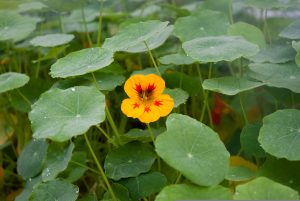
Trap cropping works by using sacrificial plants that attract pests through olfactory deception and metabolic signaling pathways. This reduces crop damage while maintaining ecological balance in the soil and plant ecosystem.
In this guide, we will explore the 10 best trap crops for vegetable gardens, detailing their chemical mechanisms and specific pest targets while improving yield, soil health, and long-term garden sustainability, you will learn exactly how each plant protects your vegetables.
10 Best Trap Crops for Vegetable Gardens
1. Nasturtium – Best Trap Crop for Aphid Control in Vegetable Gardens
Nasturtium is one of the most effective best trap crops for aphid control in vegetable gardens due to its strong production of mustard oil glycosides. These compounds break down into isothiocyanates that mimic host plant signals for aphids. Aphids detect these volatile compounds through sensitive chemoreceptors and move toward nasturtium instead of vegetables. This chemical deception protects crops like beans and kale from infestation.
The plant also releases methyl jasmonate derivatives that amplify insect feeding responses in sap-feeding pests. These compounds interfere with insect host discrimination systems by overstimulating olfactory receptors. As a result, aphids aggregate heavily on nasturtium leaves. This creates a biological sink that reduces pest pressure on surrounding crops.
Nasturtium maintains continuous volatile emission during its flowering cycle, which strengthens long-term pest attraction. Additionally, its dense foliage supports predator insects such as ladybugs that feed on aphids. The combination of chemical attraction and biological predation makes it highly effective in integrated pest systems.
Pros:
• Aphid magnet
• Fast growth
• Easy care
• Flower attract
• Chemical lure
• Dense foliage
• Organic safe
Cons:
• Spreads fast
• Seasonal only
• Needs pruning
2. Mustard Greens – Best Trap Crop for Cabbage Worm Control in Vegetable Gardens
Mustard greens function as the best trap crops for cabbage worm control in vegetable gardens due to their high glucosinolate concentration. These compounds enzymatically convert into isothiocyanates, which strongly attract cabbage moths for egg-laying. This biochemical mimicry redirects pests away from cabbage and broccoli crops. The plant essentially acts as a chemical decoy system.
The breakdown of sinigrin in mustard leaves produces sulfur-rich volatiles that activate insect host-seeking neural pathways. These compounds confuse insect sensory discrimination systems, making mustard appear more attractive than actual crops. Consequently, cabbage worms concentrate feeding activity on mustard plants. This reduces larval damage in main vegetable zones.
Mustard also influences soil chemistry by releasing sulfur-based root exudates. These compounds modify microbial populations and suppress certain soil pathogens. This dual action improves soil health while enhancing pest diversion efficiency.
Pros:
• Worm attract
• Fast grow
• Strong scent
• High yield
• Cheap seed
• Soil active
• Easy plant
Cons:
• Bitter taste
• Bolts fast
• Needs rotation
3. Sunflower – Best Trap Crop for Stink Bug and Leafhopper Control in Vegetable Gardens
Sunflower is an excellent best trap crop for stink bug and leafhopper control in vegetable gardens because it produces terpenoid-rich volatile compounds during flowering. These aldehydes and sesquiterpenes mimic plant stress signals that attract hemipteran pests. Stink bugs interpret these signals as high-quality feeding sites. This redirects them away from tomatoes and peppers.
The plant’s volatile emission disrupts insect olfactory receptor binding, altering host selection behavior. Leafhoppers respond strongly to these chemical cues and aggregate on sunflower heads. Consequently, pest populations become concentrated in non-food zones. This reduces direct crop damage significantly.
Sunflowers also support beneficial insect populations by providing nectar resources. Parasitoid wasps and predatory flies are attracted to pollen-rich flower structures. This creates a layered pest control system combining attraction and biological predation.
Pros:
• Pest attract
• Pollinator boost
• Deep roots
• Tall barrier
• Dual function
• Hardy plant
• Soil health
Cons:
• Space heavy
• Needs staking
• Seasonal growth
4. Radish – Best Trap Crop for Flea Beetle Management in Vegetable Gardens
Radish is widely recognized as the best trap crop for flea beetle management in vegetable gardens due to its rapid production of allyl isothiocyanate. This compound forms when plant tissue is damaged, creating a strong chemical attractant for flea beetles. Beetles preferentially feed on radish instead of leafy vegetables. This protects crops like spinach and lettuce.
The breakdown of glucoraphasatin in radish produces sulfur-based volatiles that activate insect feeding behavior. These compounds overwhelm sensory adaptation mechanisms in flea beetles. As a result, pests remain focused on radish plants. This chemical trap is strongest during early growth stages.
Radish also accelerates pest removal cycles due to its fast growth and harvestability. Once pests accumulate, plants can be removed to break reproductive cycles. This creates an efficient pest interruption system in vegetable gardens.
Pros:
• Fast germination
• Beetle attract
• Easy remove
• Cheap seeds
• Quick harvest
• Soil loosen
• Organic tool
Cons:
• Short life
• Spicy flavor
• Limited use
5. Dill – Best Trap Crop for Tomato Hornworm Control in Vegetable Gardens
Dill functions as the best trap crop for tomato hornworm control in vegetable gardens due to its high levels of carvone and limonene. These monoterpenes influence insect host selection behavior and attract parasitic wasps. Hornworms are chemically redirected away from tomato plants. This reduces defoliation damage significantly.
The volatile compounds interfere with Manduca sexta olfactory navigation systems. These chemicals bind to receptor proteins that regulate plant recognition. Consequently, hornworm egg-laying shifts toward dill plants. This biochemical diversion enhances pest control efficiency.
Dill also supports parasitic wasp populations by providing nectar resources. These wasps inject eggs into hornworm larvae, reducing pest survival rates. This creates a natural biological control loop within the garden ecosystem.
Pros:
• Wasp attract
• Aromatic oils
• Easy grow
• Pest disrupt
• Companion plant
• Low care
• Edible herb
Cons:
• Short life
• Weak stem
• Self seed
6. Cowpea – Best Trap Crop for Stink Bug Diversion in Vegetable Gardens
Cowpea is an effective best trap crop for stink bug diversion in vegetable gardens because it releases nitrogen-rich volatile amines. These compounds mimic plant stress signals that attract hemipteran insects. Stink bugs detect these signals and migrate toward cowpea pods. This reduces damage to vegetable crops.
The plant’s high protein seed development increases volatile emission intensity. These biochemical signals enhance pest aggregation behavior. As a result, stink bugs cluster on cowpea plants. This creates a controlled pest zone.
Cowpea also improves soil fertility through nitrogen fixation with Rhizobium bacteria. This enhances microbial diversity and nutrient cycling in the soil. The combined above-ground and below-ground effects make it highly valuable in organic systems.
Pros:
• Nitrogen fix
• Bug attract
• Drought strong
• High yield
• Soil improve
• Easy grow
• Heat tolerant
Cons:
• Pest magnet
• Spreads wide
• Needs space
7. Alfalfa – Best Trap Crop for Lygus Bug Control in Vegetable Gardens
Alfalfa is used as the best trap crop for lygus bug control in vegetable gardens due to its amino acid-rich sap. These nutrients attract sap-feeding insects seeking high-protein food sources. Lygus bugs preferentially feed on alfalfa tissues. This protects fruiting vegetables from damage.
The plant emits aldehydes and alcohols that mimic stressed vegetation signals. These compounds alter insect host selection behavior and attract pests. Consequently, bugs migrate toward alfalfa fields. This improves crop protection efficiency.
Alfalfa also enhances predator populations such as ladybugs and predatory mites. These insects reduce pest egg survival rates. Its deep root system improves soil nitrogen availability, strengthening overall garden health.
Pros:
• Protein rich
• Bug attract
• Soil builder
• Deep roots
• Beneficial insects
• Fast growth
• Multi-use
Cons:
• High spread
• Needs mowing
• Space demand
8. Marigold – Best Trap Crop for Root-Knot Nematode Control in Vegetable Gardens
Marigold is a powerful best trap crop for root-knot nematode control in vegetable gardens due to thiophene production. These sulfur compounds are toxic to nematode larvae and disrupt their reproductive cycles. Nematodes fail to complete development in treated soil zones. This protects plant roots from gall formation.
Root exudates alter soil microbial communities and reduce nematode viability. These biochemical changes suppress egg survival rates in soil ecosystems. As a result, pest populations decline significantly over time. This creates a long-term soil defense system.
Marigold also increases beneficial microbial activity in the rhizosphere. These microbes compete with harmful organisms for nutrients and space. Continuous blooming ensures sustained chemical release for ongoing protection.
Pros:
• Nematode kill
• Ornamental plant
• Easy grow
• Soil clean
• Pest reduce
• Long bloom
• Low care
Cons:
• Mild scent
• Seasonal bloom
• Needs sun
9. Okra – Best Trap Crop for Whitefly Control in Vegetable Gardens
Okra is the best trap crop for whitefly control in vegetable gardens due to its sticky mucilage and volatile aldehydes. These compounds attract whiteflies seeking sugar-rich plant tissues. Whiteflies concentrate on okra instead of tomato plants. This reduces viral disease transmission.
Volatile terpenoids interfere with whitefly host recognition systems. These compounds disrupt olfactory receptor signaling in Bemisia tabaci. As a result, insects become trapped in okra foliage zones. This enhances pest containment.
Okra continues producing pods throughout the season, ensuring long-term pest diversion. Sticky sap physically traps small insects and reduces mobility. This combination of chemical and physical control improves effectiveness.
Pros:
• Whitefly attract
• Heat strong
• Continuous yield
• Sticky sap
• Easy grow
• High output
• Pest control
Cons:
• Tall plant
• Needs space
• Fibrous pods
10. Brassica Juncea – Best Trap Crop for Multi-Pest Control in Vegetable Gardens
Brassica juncea is the best trap crop for multi-pest control in vegetable gardens due to its high glucosinolate concentration. These compounds convert into isothiocyanates that attract aphids, flea beetles, and cabbage worms. Pest aggregation occurs due to chemical mimicry of host plants. This protects surrounding crops effectively.
Volatile sulfur compounds disrupt insect host recognition pathways. These signals override normal sensory discrimination systems in multiple pest species. Consequently, pests concentrate heavily on mustard plants. This improves pest management efficiency.
Root exudates also modify soil microbial balance and suppress pathogens. This creates a dual-action system above and below ground. Rapid growth ensures continuous pest attraction throughout the season.
Pros:
• Multi pest
• Fast growth
• Strong aroma
• Soil active
• Easy control
• Cheap seeds
• High impact
Cons:
• Bitter leaves
• Fast bolting
• Needs space
Recent Posts
Weevils can become a serious problem when rice, maize, flour, beans, wheat, cereals, and other dry foods are stored in ordinary bags or loosely closed packages. Choosing the best containers to...
Yard weeds can quickly compete with desirable grass and landscape plants for water, nutrients, sunlight, and growing space. Choosing the best herbicide for yard weeds therefore depends on the weed...