Managing invasive weeds effectively requires selecting the best herbicide for lesser celandine (Ficaria verna) to prevent aggressive spread and long-term soil infestation. Lesser celandine is a fast-spreading perennial that reproduces through tubers, making it highly resistant to simple removal methods.
Lesser celandine (Ficaria verna) plant thrives in moist, shaded environments where it quickly dominates native vegetation. Its rapid growth cycle allows it to outcompete surrounding plants before most species establish.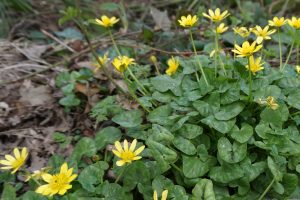
Chemical control remains one of the most reliable strategies because it targets underground tuber systems. Without proper herbicide selection, Lesser celandine regrowth is almost guaranteed within the next growing season.
In this guide , we will explore the top 10 best herbicide for lesser celandine solutions, focusing on systemic absorption, residual control, and active ingredients that disrupt tuber regeneration for long-term eradication.
10 Best Herbicide For Lesser Celandine
1. Roundup Super Concentrate (Glyphosate) – best systemic herbicide for lesser celandine root kill
Roundup Super Concentrate is the best systemic herbicide for lesser celandine root kill because it contains glyphosate that disrupts essential plant metabolic pathways. Glyphosate inhibits the EPSP synthase enzyme, which blocks the production of aromatic amino acids required for protein synthesis. Without these amino acids, the plant cannot sustain cellular growth or repair functions. This biochemical interference leads to gradual plant death from internal starvation.
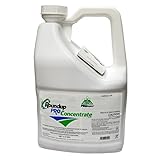
The herbicide is absorbed through leaf cuticles and transported through the phloem into roots and tubers. Lesser celandine stores energy in underground tubers, which makes systemic movement critical for complete eradication. Glyphosate accumulates in these storage tissues and disrupts enzyme activity at the source of regrowth. This ensures that both visible foliage and hidden reproductive structures are destroyed.
Application during early growth stages improves effectiveness because nutrient flow is directed toward root development. Proper coverage ensures maximum absorption and translocation throughout the plant system. Consistent application enhances long-term control and reduces reinfestation rates. This makes glyphosate one of the most reliable chemical solutions available.
Pros:
• Systemic action
• Root kill
• Deep absorption
• Strong formula
• Reliable control
• Widely available
• Proven results
Cons:
• Non selective
• Timing sensitive
• Repeat needed
2. Ortho GroundClear Vegetation Killer – best fast-acting herbicide for lesser celandine total control
Ortho GroundClear is the best fast-acting herbicide for lesser celandine total control because it contains fast-acting contact herbicides that destroy plant cell membranes. The active ingredients cause rapid desiccation by breaking down lipid layers in plant tissues. This leads to immediate moisture loss and structural collapse of cells. Visible damage appears within hours of application.
The herbicide acts on exposed plant surfaces rather than moving systemically through the plant. This means it primarily targets foliage and stems while leaving underground tubers less affected. The rapid burn effect interrupts photosynthesis by destroying chlorophyll structures. As a result, the plant loses its ability to produce energy.
Frequent reapplication may be necessary to fully exhaust the plant’s energy reserves. Combining this herbicide with systemic treatments improves overall effectiveness. Proper application ensures uniform coverage of all exposed plant parts. This product is ideal for immediate visual control.
Pros:
• Fast action
• Quick burn
• Easy use
• Ready mix
• Strong effect
• Visible results
• Low effort
Cons:
• Surface only
• No roots
• Reapply needed
3. Spectracide Weed Stop – best selective herbicide for lesser celandine lawn safety
Spectracide Weed Stop is the best selective herbicide for lesser celandine lawn safety because it contains synthetic auxins like 2,4-D and dicamba. These chemicals mimic natural plant hormones that regulate growth. Excess hormone stimulation causes uncontrolled cell division and tissue distortion. This leads to structural failure and plant death.
The herbicide selectively targets broadleaf weeds while leaving grasses unaffected. It disrupts vascular tissue function, preventing nutrient and water transport within the plant. This gradual starvation weakens lesser celandine over time. The selective mechanism allows safe application on lawns.
Repeated applications improve effectiveness against persistent infestations. Proper timing enhances absorption during active growth periods. Consistent treatment reduces competition from invasive weeds. This makes it a balanced option for lawn maintenance.
Pros:
• Lawn safe
• Selective action
• Easy spray
• Affordable
• Target weeds
• Reliable
• Available
Cons:
• Slower kill
• Multiple apps
• Weather sensitive
4. Compare-N-Save Glyphosate – best budget herbicide for lesser celandine large areas
Compare-N-Save Glyphosate is the best budget herbicide for lesser celandine large areas because it delivers a high concentration of glyphosate at a lower cost. The chemical blocks EPSP synthase, which is essential for amino acid synthesis. This prevents protein formation required for plant growth. Cellular processes gradually shut down.
The herbicide moves systemically through the plant’s vascular system. It reaches underground tubers where lesser celandine stores nutrients. This ensures deep-rooted elimination rather than surface-level damage. The plant cannot regenerate after internal disruption.
Large-scale application becomes cost-effective due to concentrated formulation. Proper dilution ensures efficient coverage without waste. Consistent use improves long-term control. This product offers practical value for widespread infestations.
Pros:
• Budget friendly
• High strength
• Systemic kill
• Large coverage
• Easy mix
• Effective
• Reliable
Cons:
• Non selective
• Mixing needed
• Repeat required
5. RM43 Total Vegetation Control – best long-lasting herbicide for lesser celandine prevention
RM43 is the best long-lasting herbicide for lesser celandine prevention because it combines glyphosate with imazapyr. Glyphosate kills existing plants, while imazapyr prevents new growth by inhibiting enzyme synthesis in germinating plants. This dual mechanism ensures both immediate and residual control. The result is long-term vegetation suppression.
Imazapyr interferes with branched-chain amino acid synthesis. This disrupts cell division in developing plants. The chemical remains active in soil, preventing regrowth from seeds and tubers. This creates extended protection.
Application is ideal in non-crop areas where long-term control is required. Proper use reduces maintenance frequency. Consistent results make it highly effective. This herbicide is designed for durable control.
Pros:
• Long lasting
• Dual action
• Root kill
• Prevent regrowth
• Strong formula
• Wide coverage
• Reliable
Cons:
• Soil residual
• Non selective
• Limited areas
6. Southern Ag Crossbow – best woody plant herbicide for lesser celandine dense infestations
Southern Ag Crossbow is the best woody plant herbicide for lesser celandine dense infestations because it combines triclopyr and 2,4-D. These chemicals disrupt plant hormone balance and growth regulation. This causes abnormal tissue expansion and structural collapse. The plant eventually dies from internal stress.
Triclopyr targets woody and broadleaf plants by interfering with cell growth. It penetrates plant tissues and affects vascular systems. This ensures deeper chemical movement compared to contact herbicides. The result is improved control in dense infestations.
Application works well in unmanaged areas with mixed vegetation. Proper dosage ensures effective absorption. Consistent use improves eradication rates. This herbicide is highly versatile.
Pros:
• Strong formula
• Dual action
• Broad control
• Penetrates well
• Reliable
• Effective
• Versatile
Cons:
• Strong odor
• Not lawn safe
• Care needed
7. Bonide Burnout – best organic herbicide for lesser celandine eco control
Bonide Burnout is the best organic herbicide for lesser celandine eco control because it uses natural acids to break down plant tissues. The acids dissolve protective cell membranes. This leads to rapid dehydration and tissue damage. Plants collapse quickly after exposure.
The herbicide acts only on contact with plant surfaces. It does not move systemically into roots or tubers. This limits its effectiveness on deeply rooted weeds. Repeated application is required.
It is suitable for eco-conscious users seeking non-synthetic options. Proper coverage ensures maximum contact. Consistent use improves results. This product offers safer weed control.
Pros:
• Organic formula
• Fast burn
• Eco friendly
• Easy apply
• No residue
• Safe option
• Low toxicity
Cons:
• Surface only
• Repeat needed
• Less potent
8. Green Gobbler Vinegar Herbicide – best natural herbicide for lesser celandine quick burn
Green Gobbler is the best natural herbicide for lesser celandine quick burn because it contains 20% acetic acid. The acid breaks down plant cell walls and removes moisture rapidly. This causes immediate wilting and tissue damage. Plants dry out quickly.
The herbicide disrupts water balance within plant cells. It prevents photosynthesis by damaging leaf structures. This leads to fast visible results. However, it does not affect roots.
It is ideal for small infestations and quick treatment. Proper application ensures full coverage. Reapplication improves effectiveness. This product is convenient and efficient.
Pros:
• Natural acid
• Fast results
• Easy use
• Strong burn
• Eco option
• No glyphosate
• Ready mix
Cons:
• No roots
• Repeat needed
• Strong smell
9. Hi-Yield Killzall – best concentrated herbicide for lesser celandine efficiency
Hi-Yield Killzall is the best concentrated herbicide for lesser celandine efficiency because it contains high-strength glyphosate. The chemical blocks amino acid production in plants. This prevents protein synthesis and growth. Cells stop functioning.
The herbicide moves through the plant system into roots and tubers. This ensures deep penetration and complete elimination. The plant cannot regenerate after systemic disruption. Long-term control is achieved.
Flexible mixing allows customized application strength. Proper dilution improves coverage. Consistent use ensures effectiveness. This product is widely trusted.
Pros:
• High strength
• Systemic kill
• Flexible mix
• Cost efficient
• Reliable
• Effective
• Widely used
Cons:
• Mixing needed
• Non selective
• Care required
10. BioAdvanced Brush Killer Plus – best brush herbicide for lesser celandine tough control
BioAdvanced Brush Killer Plus is the best brush herbicide for lesser celandine tough control because it uses triclopyr to disrupt plant growth systems. The chemical interferes with hormone signaling pathways. This causes abnormal growth and tissue breakdown. The plant eventually dies.
Triclopyr penetrates thick foliage and moves into root systems. It affects vascular transport and nutrient flow. This ensures deep-rooted control. Regrowth is minimized.
It is suitable for stubborn infestations. Proper application improves absorption. Consistent use enhances results. This product delivers reliable control.
Pros:
• Strong formula
• Deep penetration
• Root kill
• Reliable
• Long control
• Easy use
• Effective
Cons:
• Strong chemical
• Not selective
• Care needed
FAQs – Best Herbicide for Lesser Celandine
1. What is the best herbicide for lesser celandine control?
The best herbicide for lesser celandine control is a systemic herbicide containing glyphosate, as it moves through the plant and destroys underground tubers. This ensures long-term eradication instead of temporary surface damage.
2. When should you apply herbicide to lesser celandine?
The ideal time to apply herbicide is early spring before flowering, when the plant is actively transporting nutrients to its roots. This improves chemical absorption and increases effectiveness.
3. Does glyphosate completely kill lesser celandine?
Yes, glyphosate can completely kill lesser celandine because it blocks amino acid synthesis, leading to plant death at the cellular level. However, proper application timing and coverage are essential for success.
4. Can you use a natural herbicide for lesser celandine?
Natural herbicides like vinegar-based solutions can kill visible foliage quickly, but they do not reach underground tubers. Repeated applications are necessary for partial control.
5. Why is lesser celandine so difficult to eliminate?
Lesser celandine is difficult to eliminate because it spreads through underground tubers and bulbils, which store energy and regrow even after surface damage. This makes systemic herbicides more effective than contact treatments.
6. Is there a lawn-safe herbicide for lesser celandine?
Yes, selective herbicides containing 2,4-D or dicamba can target lesser celandine without harming grass. These herbicides disrupt plant hormone balance and gradually kill the weed.
7. How many herbicide treatments are needed for full control?
Most infestations require multiple treatments over one or two growing seasons to fully eliminate tubers. Consistent application improves long-term results and prevents regrowth.
Conclusion
In conclusion, choosing the best herbicide for lesser celandine is the most effective way to eliminate this aggressive invasive weed and prevent it from spreading further. A high-quality lesser celandine weed killer that works systemically can destroy both the visible plant and the underground tubers responsible for regrowth.
The best lesser celandine herbicide option remains glyphosate-based herbicide solutions such as the Roundup Super Concentrate (Glyphosate) because they penetrate deeply and disrupt essential plant processes, ensuring long-term control of lesser celandine. The runner-up, RM43, stands out due to its extended soil activity, which prevents new weed growth and reduces future herbicide applications.
Understanding how each herbicide works helps you apply the right weed killer at the right time for maximum effectiveness. Proper timing during early growth stages allows the herbicide to move efficiently through the lesser celandine plant and reach its root system.
Consistent application and selecting the correct herbicide ensure that lesser celandine does not return season after season. Take action now by choosing the right herbicide or weed killer for lesser celandine and applying it correctly to achieve complete and lasting weed control.
Recent Posts
Spring fertilization supports healthy leaf development, root activity, and productive shoot growth when apple trees have insufficient soil nutrients. Selecting an appropriate fertilizer requires...
Cucumbers (Cucumis sativus) are vigorous, fast-growing vines that can produce abundant harvests when their roots receive enough water, warmth, and balanced nutrition. The best fertilizer for cukes in...