Choosing the best shrubs for clay soil requires understanding how dense soil structure affects oxygen flow, water retention, and root respiration. Clay soil contains fine particles that bind tightly, limiting drainage and creating anaerobic conditions for many plants.
Plants that succeed in these environments often develop specialized root systems that tolerate low oxygen and high moisture variability. These adaptations allow shrubs to maintain nutrient uptake even when soil compaction restricts movement.
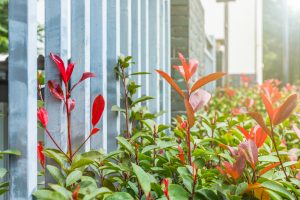
Successful clay soil gardening depends on selecting species that naturally thrive in heavy, moisture-retentive environments across different climate conditions. USDA zones play a critical role in determining which shrubs perform best in colder or warmer clay-dominant regions.
In this guide , we will explore the top 10 best shrubs for clay soil that survive and thrive in clay soil conditions, focusing on root biology, nutrient absorption efficiency, and USDA zone suitability for long-term landscape success.
10 Best Shrubs For Clay Soil
1. Hydrangea macrophylla – best flowering shrubs for clay soil moisture rich landscapes (Zones 5–9)
Hydrangea macrophylla is a moisture-adapted shrub that thrives in compact clay soil due to its flexible root respiration system. Its cellular structure adjusts oxygen usage under low-aeration conditions commonly found in dense soils. This allows stable growth even in saturated environments.
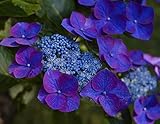
The plant absorbs aluminum ions from clay-rich soils, which directly influences flower pigmentation chemistry. Acidic to neutral pH conditions enhance blue tones due to increased ion availability. This biological interaction makes soil chemistry a visible trait in blooms.
Large leaf surfaces maximize photosynthetic output even under partial shade conditions common in clay-heavy landscapes. Its vascular system efficiently distributes water despite soil compaction. This makes it highly reliable in USDA zones 5–9.
Pros:
• Moisture adaptive
• Shade tolerant
• Color changing
• Long bloom
• Hardy structure
• Pollinator friendly
• Wide zones
Cons:
• High water
• Pruning needs
• Soil sensitive
2. Cornus alba – best shrubs for clay soil erosion control in cold climates (Zones 3–7)
Cornus alba develops dense fibrous roots that bind clay particles, reducing erosion and improving soil stability. These roots increase soil porosity over time by creating micro-channels for air movement. This biological action improves long-term soil structure.

Stem tissues contain lignin and anthocyanins that strengthen plant rigidity and enhance winter color display. These pigments respond to temperature fluctuations common in USDA zones 3–7. This allows seasonal ornamental value in harsh climates.
The shrub maintains nutrient uptake efficiency through microbial symbiosis in heavy soil conditions. Organic matter decomposition around its root zone enhances mineral availability. This improves long-term soil fertility naturally.
Pros:
• Erosion control
• Cold hardy
• Fast growth
• Color stems
• Soil builder
• Low care
• Structural
Cons:
• Spreading habit
• Needs pruning
• Basic flowers
3. Viburnum tinus – best evergreen shrubs for clay soil structure stability (Zones 7–10)
Viburnum tinus maintains evergreen foliage by sustaining chlorophyll activity year-round, even in compact clay soil. Its wax-coated leaves reduce transpiration loss under variable moisture conditions. This adaptation supports survival in USDA zones 7–10.
Root systems penetrate dense soil slowly but steadily, improving oxygen diffusion pathways. This enhances long-term soil aeration in compact environments. The plant maintains metabolic stability even during wet winters.
Flowering occurs in cooler seasons when nutrient competition is lower in clay soils. This timing increases pollination efficiency and reproductive success. The shrub remains structurally stable throughout seasonal cycles.
Pros:
• Evergreen
• Hardy growth
• Year-round
• Dense form
• Low care
• Shade tolerant
• Structural
Cons:
• Slow growth
• Light blooms
• Pruning need
4. Buddleja davidii – best shrubs for clay soil pollinator attraction (Zones 5–9)
Buddleja davidii produces nectar-rich flowers with high sugar concentration that attracts butterflies and bees. Its root system adapts to compact clay by increasing lateral spread for nutrient access. This makes it effective in USDA zones 5–9.
Rapid cell division supports fast vertical growth even in nutrient-variable clay soil. The plant maintains efficient photosynthesis through elongated leaf structures. This ensures continuous flower production during warm seasons.
Soil microbial activity around its roots increases nutrient cycling efficiency. This enhances phosphorus availability required for flowering. The shrub contributes significantly to biodiversity improvement.
Pros:
• Pollinator rich
• Fast growth
• Long bloom
• Hardy
• Fragrant
• Adaptable
• Decorative
Cons:
• Invasive risk
• Heavy pruning
• Large spread
5. Spiraea japonica – best low maintenance shrubs for clay soil beginners (Zones 4–8)
Spiraea japonica thrives in clay soil due to efficient nutrient absorption through fine fibrous roots. These roots tolerate compacted environments while maintaining stable water uptake. This allows reliable growth in USDA zones 4–8.
Leaf chlorophyll density supports high photosynthetic efficiency even in partial sunlight. This ensures steady energy production in dense garden conditions. The plant adapts well to fluctuating moisture levels.
Flower clusters develop through consistent nutrient cycling supported by clay soil retention. This creates reliable seasonal blooming without intensive care. The shrub maintains compact ornamental structure naturally.
Pros:
• Easy care
• Compact size
• Hardy
• Colorful blooms
• Fast growth
• Adaptable
• Low demand
Cons:
• Basic form
• Needs trimming
• Short bloom
6. Salix purpurea – best shrubs for clay soil water management and drainage control (Zones 4–9)
Salix purpurea absorbs excess water efficiently through highly active root uptake systems. This reduces waterlogging in heavy clay environments. It performs strongly in USDA zones 4–9.
Its root expansion breaks compact soil layers, improving oxygen penetration. This enhances microbial activity and soil structure over time. The plant improves drainage naturally in saturated landscapes.
High transpiration rates regulate internal water balance effectively. This prevents stress during wet conditions. The shrub stabilizes surrounding soil ecosystems.
Pros:
• Water control
• Fast growth
• Soil aeration
• Hardy
• Flexible stems
• Adaptive
• Functional
Cons:
• Large size
• Needs space
• Heavy pruning
7. Euonymus fortunei – best ground cover shrubs for clay soil weed suppression (Zones 5–9)
Euonymus fortunei spreads through surface-rooting stems that stabilize clay soil and prevent weed germination. Its dense canopy reduces sunlight penetration to the soil surface. This makes it effective in USDA zones 5–9.
Leaves maintain photosynthetic activity even in shaded conditions. This ensures continuous energy production in dense planting areas. The plant adapts easily to compact environments.
Soil moisture retention supports long-term survival without irrigation stress. Microbial interaction improves nutrient availability in clay soil. The shrub provides stable ground coverage.
Pros:
• Ground cover
• Weed control
• Hardy
• Dense growth
• Low care
• Shade tolerant
• Adaptive
Cons:
• Spreading fast
• Needs control
• Moderate vigor
8. Ribes sanguineum – best shrubs for clay soil early seasonal color (Zones 4–8)
Ribes sanguineum adapts well to clay soil through strong root penetration and nutrient uptake efficiency. It produces early spring flowers that support pollinators in USDA zones 4–8.
Flower production is triggered by seasonal temperature changes and soil nutrient availability. This ensures reliable blooming cycles in dense soil conditions. The shrub maintains moderate growth speed.
Leaf structure supports efficient energy conversion during early growing seasons. This improves survival in variable climates. The plant enhances early-season biodiversity.
Pros:
• Early bloom
• Hardy
• Pollinator friendly
• Colorful
• Adaptable
• Low care
• Seasonal
Cons:
• Short bloom
• Moderate size
• Pruning needed
9. Ligustrum ovalifolium – best hedging shrubs for clay soil privacy screens (Zones 5–8)
Ligustrum ovalifolium forms dense hedges by producing compact foliage supported by clay-adapted roots. These roots tolerate compaction and limited oxygen availability. It grows reliably in USDA zones 5–8.
High photosynthetic efficiency allows rapid vegetative growth even in nutrient-heavy soil. This makes it ideal for privacy screening applications. The shrub responds well to pruning.
Soil nutrient retention in clay supports continuous leaf development. This ensures consistent hedge density throughout seasons. The plant maintains structural uniformity.
Pros:
• Dense hedge
• Fast growth
• Hardy
• Privacy
• Adaptable
• Evergreen
• Low care
Cons:
• Frequent trim
• Moderate spread
• Basic flowers
10. Berberis thunbergii – best drought tolerant shrubs for clay soil resilience (Zones 4–8)
Berberis thunbergii survives in clay soil due to drought-adaptive physiology and water-efficient root systems. Its leaves reduce transpiration to conserve moisture. It thrives in USDA zones 4–8.
Chemical compounds in stems deter pests naturally, reducing damage risk. This increases survival rates in variable soil conditions. Seasonal foliage color enhances ornamental value.
The plant maintains metabolic stability under both wet and dry clay conditions. This adaptability ensures long-term resilience. Soil interactions improve overall ecosystem stability.
Pros:
• Drought tolerant
• Hardy
• Pest resistant
• Colorful
• Low care
• Adaptable
• Durable
Cons:
• Thorny
• Spreading habit
• Basic flowers
Best Shrubs For Clay Soil FAQs
1. What shrubs grow best in clay soil?
Hydrangea, viburnum, and cornus perform well due to adaptive root systems. These plants tolerate low oxygen environments. They maintain stable nutrient uptake. This ensures long-term growth.
2. Why is clay soil challenging for plants?
Clay soil restricts oxygen flow and drainage due to fine particles. This affects root respiration and microbial activity. Many plants struggle to adapt. Specialized shrubs overcome these limitations.
3. How do grow zones affect clay soil planting?
USDA zones determine temperature tolerance of shrubs. Some species survive cold clay soils better than others. Matching zones improves survival rates. This ensures successful gardening.
4. Can clay soil be improved?
Yes, organic matter improves drainage and aeration. Compost increases microbial activity. This enhances nutrient availability. Soil structure gradually improves.
5. Are evergreen shrubs suitable for clay soil?
Yes, viburnum and euonymus thrive in clay conditions. They maintain foliage year-round. Their roots adapt to compact soil. This ensures consistency.
6. Which shrubs help with erosion control in clay soil?
Cornus alba and willow species stabilize soil effectively. Their fibrous roots bind particles together. This reduces runoff and erosion. Soil structure improves over time.
7. What is the best mulch for clay soil shrubs?
Organic mulch like bark or compost improves soil texture. It reduces compaction and moisture loss. This supports healthy root growth. Long-term soil health improves
Conclusion
In conclusion, the best shrubs for clay soil include Hydrangea macrophylla due to its moisture tolerance and chemical adaptability, while the runner-up is Cornus alba for its superior erosion control and structural stability. These selections were made based on root biology, soil interaction efficiency, and performance across multiple USDA zones.
Clay soil gardening becomes successful when plant selection aligns with oxygen availability, drainage behavior, and microbial activity. Understanding these factors significantly improves plant survival rates.
Each shrub in this guide demonstrates unique adaptations such as water regulation, nutrient absorption efficiency, and structural reinforcement. These biological mechanisms ensure long-term resilience in heavy soil conditions.
Start improving your landscape today by selecting shrubs that are scientifically adapted to clay soil environments and matched to your climate zone. Take action now to build a stronger, healthier, and more sustainable garden ecosystem.
Recent Posts
Finding plants that start with H is an easy way to discover a diverse group of trees, shrubs, flowers, herbs, and ornamental plants for the garden. The letter H includes familiar landscape favorites...
Choosing plants that bloom at night can transform a garden after sunset by adding flowers, fragrance, and visual interest when most daytime blooms have closed. Many nocturnal flowers are pale, highly...