Selecting the best plants for inside your home is essential for improving air quality, enhancing aesthetics, and boosting overall well-being. Indoor plants naturally filter toxins while increasing oxygen levels, which supports healthier living environments.
A well-designed indoor space benefits from greenery that balances humidity and reduces airborne pollutants. Studies show that indoor plants can remove up to 87% of toxins within 24 hours through natural biochemical processes.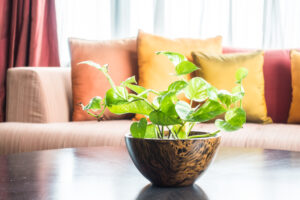
Moreover, plants contribute to mental health by reducing stress and increasing productivity in both home and work environments. Their presence creates a calming atmosphere while supporting cognitive function and focus.
In this guide , we will explore the best plants for inside environments, focusing on low maintenance, air purification, and adaptability to help you create a vibrant and healthy indoor space.
50 Best Plants For Inside
1. Snake Plant – Best low light indoor plant for air purification
Snake Plant, scientifically known as Sansevieria trifasciata, is the best low light indoor plant for air purification due to its CAM photosynthesis mechanism. This process allows it to absorb carbon dioxide at night and release oxygen, improving indoor air quality. Additionally, its thick leaves store water efficiently, reducing watering frequency. Therefore, it is ideal for beginners and busy homeowners.
The plant thrives in indirect light but adapts well to low-light environments, which makes it versatile. Moreover, its roots resist rot due to efficient oxygen exchange in the soil. This prevents anaerobic conditions that typically lead to fungal infections. As a result, it requires minimal maintenance compared to other houseplants.
Its stiff, upright leaves contribute to interior aesthetics while filtering toxins effectively. Furthermore, studies indicate it can remove toxins like formaldehyde and xylene. This enhances indoor air safety significantly. Overall, it is a top-tier plant for both function and design.
Pros:
• Low light
• Air purifier
• Drought tolerant
• Durable
• Minimal care
• Stylish
• Long-lasting
Cons:
• Slow growth
• Toxic pets
• Limited blooms
2. Spider Plant – Best beginner friendly indoor hanging plant
Spider Plant (Chlorophytum comosum) is the best beginner friendly indoor hanging plant because of its adaptive growth pattern. It uses efficient chlorophyll synthesis even under moderate lighting conditions. Additionally, it produces “pups” through vegetative propagation, making it easy to multiply. Therefore, it is ideal for expanding indoor greenery quickly.
Its roots store water, which helps regulate hydration and prevents stress during irregular watering. Moreover, it removes carbon monoxide and pollutants effectively through leaf absorption. This process improves air circulation indoors. As a result, it enhances overall indoor health.
The cascading leaves create a decorative hanging effect, which adds visual appeal. Furthermore, it tolerates varying humidity levels without damage. This flexibility makes it suitable for multiple rooms. Overall, it is a resilient and attractive indoor plant.
Pros:
• Easy care
• Fast growth
• Air cleaning
• Decorative
• Pet safe
• Adaptable
• Self-propagates
Cons:
• Brown tips
• Needs trimming
• Sensitive salts
3. Peace Lily – Best indoor flowering plant for air purification
Peace Lily (Spathiphyllum wallisii) is the best indoor flowering plant for air purification due to its unique transpiration process. It absorbs toxins and releases moisture into the air, improving humidity levels. Additionally, its flowers form through energy-efficient metabolic pathways. Therefore, it enhances both beauty and indoor air quality.
The plant prefers indirect light, where photosynthesis remains efficient without leaf burn. Moreover, its roots absorb nutrients steadily, preventing nutrient imbalance. This ensures consistent growth and flowering. As a result, it thrives in indoor environments with minimal care.
Its glossy leaves and white blooms create a sophisticated appearance. Furthermore, it signals watering needs through drooping leaves. This makes maintenance easier for beginners. Overall, it is both functional and elegant.
Pros:
• Air purifier
• Elegant blooms
• Humidity boost
• Easy care
• Visual appeal
• Compact
• Responsive
Cons:
• Toxic pets
• Needs watering
• Sensitive cold
4. Pothos – Best trailing indoor plant for low maintenance homes
Pothos (Epipremnum aureum) is the best trailing indoor plant for low maintenance homes due to its high chlorophyll efficiency. It continues photosynthesis even in low light conditions. Additionally, its vines grow rapidly, covering spaces beautifully. Therefore, it is perfect for decorative use.
Its roots adapt quickly to soil or water, which increases flexibility. Moreover, it tolerates irregular watering cycles without stress. This prevents common plant failures. As a result, it is extremely beginner-friendly.
The heart-shaped leaves enhance aesthetics while improving air quality. Furthermore, it resists pests effectively. This reduces maintenance requirements. Overall, it is one of the most versatile indoor plants.
Pros:
• Low maintenance
• Fast growth
• Decorative vines
• Air cleaning
• Flexible growth
• Hardy
• Affordable
Cons:
• Toxic pets
• Leggy growth
• Needs pruning
5. ZZ Plant – Best drought tolerant indoor plant for offices
ZZ Plant (Zamioculcas zamiifolia) is the best drought tolerant indoor plant for offices because of its rhizome-based water storage system. These underground structures store moisture efficiently. Additionally, it uses slow metabolic processes to conserve energy. Therefore, it survives long periods without watering.
It thrives in low light, where other plants struggle. Moreover, its waxy leaves reduce water loss through transpiration. This improves longevity indoors. As a result, it is ideal for office settings.
Its glossy leaves create a modern aesthetic appeal. Furthermore, it resists pests and diseases effectively. This ensures minimal maintenance. Overall, it is highly reliable.
Pros:
• Drought tolerant
• Low light
• Durable
• Pest resistant
• Stylish
• Long-lasting
• Easy care
Cons:
• Slow growth
• Toxic pets
• Limited variety
6. Rubber Plant – Best large indoor plant for modern decor
Rubber Plant (Ficus elastica) is the best large indoor plant for modern decor due to its high photosynthetic efficiency. Its broad leaves absorb more light. Additionally, it produces latex compounds that protect against pests. Therefore, it remains healthy indoors.
It prefers bright indirect light for optimal growth. Moreover, its root system stabilizes large foliage effectively. This prevents tipping or stress. As a result, it grows steadily.
Its bold leaves enhance interior design significantly. Furthermore, it improves air quality. This makes it both decorative and functional. Overall, it is a premium indoor plant.
Pros:
• Large leaves
• Decorative
• Air cleaning
• Durable
• Stylish
• Fast growth
• Low care
Cons:
• Toxic sap
• Needs light
• Space needed
7. Aloe Vera – Best medicinal indoor plant for healing benefits
Aloe Vera (Aloe barbadensis miller) is the best medicinal indoor plant for healing benefits due to its gel composition. The gel contains polysaccharides that promote skin healing. Additionally, it stores water in its leaves. Therefore, it requires minimal watering.
It thrives in bright light where photosynthesis is maximized. Moreover, it resists drought through CAM metabolism. This improves survival indoors. As a result, it is highly resilient.
Its health benefits make it unique among houseplants. Furthermore, it purifies air slightly. This adds extra value. Overall, it is both useful and decorative.
Pros:
• Medicinal
• Low water
• Easy care
• Bright decor
• Air benefit
• Durable
• Compact
Cons:
• Needs light
• Slow growth
• Toxic pets
8. Boston Fern – Best indoor plant for humidity control
Boston Fern (Nephrolepis exaltata) is the best indoor plant for humidity control due to its high transpiration rate. It releases moisture into the air continuously. Additionally, it improves indoor air quality significantly. Therefore, it is ideal for dry environments.
It thrives in indirect light with high humidity levels. Moreover, its roots require consistent moisture. This prevents drying out. As a result, regular care is necessary.
Its feathery leaves add softness to interiors. Furthermore, it enhances air freshness. This improves comfort indoors. Overall, it is perfect for humidification.
Pros:
• Humidity boost
• Air fresh
• Decorative
• Soft foliage
• Natural humidifier
• Safe pets
• Lush look
Cons:
• Needs water
• Sensitive dry
• High care
9. Dracaena – Best indoor plant for toxin removal efficiency
Dracaena species are the best indoor plant for toxin removal efficiency due to their leaf absorption capabilities. They filter pollutants through stomatal openings. Additionally, they adapt well to indoor lighting. Therefore, they are highly effective.
They require moderate watering and indirect light. Moreover, they grow upright, saving space. This suits small apartments. As a result, they are practical.
Their colorful leaves enhance décor. Furthermore, they improve air quality significantly. This increases indoor comfort. Overall, they are versatile plants.
Pros:
• Air purifier
• Space saving
• Decorative
• Low care
• Adaptable
• Stylish
• Durable
Cons:
• Toxic pets
• Slow growth
• Needs light
10. Calathea – Best decorative indoor plant for vibrant foliage
Calathea is the best decorative indoor plant for vibrant foliage due to its unique leaf movement. It follows circadian rhythms, opening and closing leaves daily. Additionally, it thrives in indirect light. Therefore, it is ideal for aesthetics.
It requires consistent moisture and humidity. Moreover, its roots are sensitive to chemicals. This requires filtered water. As a result, proper care is essential.
Its patterns create striking visual appeal. Furthermore, it enhances interior design. This makes it highly desirable. Overall, it is visually stunning.
Pros:
• Vibrant leaves
• Unique movement
• Decorative
• Pet safe
• Compact
• Stylish
• Exotic
Cons:
• High care
• Needs humidity
• Sensitive water
11. Chinese Evergreen – Best low light indoor plant for colorful foliage
Chinese Evergreen (Aglaonema commutatum) is the best low light indoor plant for colorful foliage because of its efficient chlorophyll utilization. It adapts to dim lighting by increasing chloroplast density in its leaves. Additionally, its pigmentation includes anthocyanins, which enhance coloration and protect from light stress. Therefore, it thrives even in shaded indoor environments.
It requires moderate watering, where roots maintain oxygen balance to prevent rot. Moreover, its slow metabolism reduces nutrient demand, making it low maintenance. This ensures steady growth without frequent intervention. As a result, it is ideal for beginners and offices.
Its patterned leaves add visual diversity to indoor spaces. Furthermore, it tolerates humidity fluctuations effectively. This improves adaptability. Overall, it is both decorative and resilient.
Pros:
• Low light
• Colorful leaves
• Easy care
• Durable
• Adaptable
• Compact
• Stylish
Cons:
• Toxic pets
• Slow growth
• Needs warmth
12. Philodendron – Best fast growing indoor plant for lush greenery
Philodendron is the best fast growing indoor plant for lush greenery due to its rapid cell division and elongation. It efficiently converts light into energy through active photosynthesis. Additionally, its aerial roots absorb moisture from the air. Therefore, it adapts well to indoor conditions.
It thrives in indirect light and tolerates irregular watering schedules. Moreover, its flexible stems allow trailing or climbing growth. This increases versatility in design. As a result, it suits various interior styles.
Its broad leaves create a tropical aesthetic indoors. Furthermore, it improves air quality moderately. This enhances living comfort. Overall, it is a dynamic and fast-growing plant.
Pros:
• Fast growth
• Easy care
• Decorative
• Adaptable
• Air benefit
• Versatile
• Lush look
Cons:
• Toxic pets
• Needs pruning
• Can spread
13. Areca Palm – Best indoor palm for air purification and elegance
Areca Palm (Dypsis lutescens) is the best indoor palm for air purification and elegance because of its high transpiration rate. It releases moisture while absorbing pollutants effectively. Additionally, its leaf structure maximizes surface area for gas exchange. Therefore, it improves indoor air quality significantly.
It thrives in bright indirect light with consistent watering. Moreover, its roots require well-draining soil to prevent anaerobic conditions. This ensures healthy growth. As a result, it remains vibrant indoors.
Its feathery fronds add a tropical feel to interiors. Furthermore, it increases humidity naturally. This enhances comfort. Overall, it is both functional and decorative.
Pros:
• Air purifier
• Elegant look
• Humidity boost
• Fast growth
• Pet safe
• Bright decor
• Natural filter
Cons:
• Needs light
• Frequent watering
• Space needed
14. Fiddle Leaf Fig – Best statement indoor plant for large spaces
Fiddle Leaf Fig (Ficus lyrata) is the best statement indoor plant for large spaces due to its large leaf surface area. These leaves absorb light efficiently, supporting strong photosynthesis. Additionally, it produces structural lignin that strengthens stems. Therefore, it grows tall and stable indoors.
It prefers bright indirect light and moderate watering. Moreover, its roots require aerated soil for oxygen exchange. This prevents root diseases. As a result, proper care ensures longevity.
Its bold appearance makes it a centerpiece plant. Furthermore, it enhances modern interior design. This increases aesthetic value. Overall, it is a premium choice.
Pros:
• Large leaves
• Statement plant
• Stylish
• Air benefit
• Tall growth
• Decorative
• Premium look
Cons:
• Needs light
• Sensitive care
• Leaf drop
15. Lucky Bamboo – Best indoor plant for feng shui and luck
Lucky Bamboo (Dracaena sanderiana) is the best indoor plant for feng shui and luck because of its hydroponic adaptability. It grows in water by absorbing nutrients directly through roots. Additionally, it uses minimal metabolic energy for survival. Therefore, it is extremely low maintenance.
It thrives in indirect light and requires occasional water changes. Moreover, it tolerates low light without stress. This increases versatility. As a result, it fits small indoor spaces.
Its symbolic meaning adds cultural value. Furthermore, it enhances décor with minimal effort. This makes it highly popular. Overall, it is simple and meaningful.
Pros:
• Easy care
• Water growth
• Compact
• Decorative
• Symbolic
• Low light
• Minimal effort
Cons:
• Sensitive water
• Slow growth
• Limited size
16. Parlor Palm – Best compact indoor palm for small spaces
Parlor Palm (Chamaedorea elegans) is the best compact indoor palm for small spaces due to its slow growth rate. It maintains manageable size without frequent pruning. Additionally, it performs photosynthesis efficiently in low light. Therefore, it suits apartments and offices.
It requires moderate watering and well-draining soil. Moreover, its roots adapt well to confined pots. This prevents stress. As a result, it remains healthy indoors.
Its delicate fronds add elegance without overwhelming space. Furthermore, it improves air quality slightly. This enhances comfort. Overall, it is compact and stylish.
Pros:
• Compact size
• Low light
• Elegant
• Easy care
• Slow growth
• Space saving
• Decorative
Cons:
• Slow growth
• Needs care
• Limited height
17. Anthurium – Best indoor flowering plant for vibrant colors
Anthurium is the best indoor flowering plant for vibrant colors due to its specialized spathe structure. The colorful part is modified leaf tissue that protects flowers. Additionally, it maintains prolonged blooming cycles. Therefore, it provides long-lasting color indoors.
It thrives in bright indirect light with consistent moisture. Moreover, its roots require aeration for nutrient uptake. This supports flowering. As a result, it blooms regularly.
Its glossy leaves and bright flowers enhance décor. Furthermore, it adds a tropical feel indoors. This increases aesthetic appeal. Overall, it is visually striking.
Pros:
• Bright flowers
• Long blooms
• Decorative
• Tropical look
• Compact
• Stylish
• Unique
Cons:
• Needs humidity
• Toxic pets
• Care sensitive
18. Jade Plant – Best indoor succulent for long lifespan
Jade Plant (Crassula ovata) is the best indoor succulent for long lifespan due to its water storage capability. Its thick leaves retain moisture for extended periods. Additionally, it uses CAM metabolism to reduce water loss. Therefore, it thrives with minimal watering.
It prefers bright light for optimal growth. Moreover, its woody stems provide structural support. This increases durability. As a result, it can live for decades indoors.
Its compact form makes it ideal for desks and shelves. Furthermore, it symbolizes prosperity. This adds value. Overall, it is long-lasting and meaningful.
Pros:
• Long lifespan
• Low water
• Easy care
• Compact
• Durable
• Symbolic
• Decorative
Cons:
• Needs light
• Slow growth
• Toxic pets
19. English Ivy – Best indoor climbing plant for walls
English Ivy (Hedera helix) is the best indoor climbing plant for walls due to its adhesive root system. These roots attach to surfaces efficiently. Additionally, it filters airborne mold particles. Therefore, it improves air quality.
It thrives in moderate light with regular watering. Moreover, its vines grow quickly when supported. This enhances coverage. As a result, it is ideal for vertical décor.
Its dense foliage creates a natural wall effect. Furthermore, it adds greenery indoors. This improves aesthetics. Overall, it is versatile and functional.
Pros:
• Climbing ability
• Air cleaning
• Fast growth
• Decorative
• Flexible
• Dense foliage
• Versatile
Cons:
• Toxic pets
• Needs trimming
• Can spread
20. Croton – Best indoor plant for bold colorful leaves
Croton (Codiaeum variegatum) is the best indoor plant for bold colorful leaves due to its pigment diversity. It contains carotenoids and anthocyanins that produce vibrant colors. Additionally, light intensity enhances pigmentation. Therefore, brighter light results in more vivid leaves.
It requires bright light and consistent watering. Moreover, its roots need well-draining soil to prevent rot. This ensures healthy growth. As a result, proper care maintains its color.
Its striking foliage makes it a focal point. Furthermore, it adds energy to interiors. This improves visual appeal. Overall, it is bold and decorative.
Pros:
• Bright colors
• Decorative
• Unique
• Vibrant
• Stylish
• Eye-catching
• Compact
Cons:
• Needs light
• Sensitive care
• Leaf drop
21. Monstera Deliciosa – Best indoor plant for large split leaves aesthetics
Monstera Deliciosa (Monstera deliciosa) is the best indoor plant for large split leaves aesthetics due to its fenestration process. These natural leaf splits reduce wind resistance and increase light penetration to lower leaves. Additionally, its chlorophyll concentration supports efficient photosynthesis in indirect light. Therefore, it thrives in indoor environments while maintaining dramatic foliage.
It prefers bright indirect light and moderate watering for optimal growth. Moreover, its aerial roots absorb moisture and nutrients from the surrounding air. This enhances resilience and adaptability. As a result, it grows vigorously indoors with proper support.
Its bold, perforated leaves create a tropical statement indoors. Furthermore, it improves air quality through active gas exchange. This enhances indoor comfort. Overall, it is a visually striking and functional plant.
Pros:
• Large leaves
• Decorative
• Fast growth
• Air benefit
• Tropical look
• Adaptable
• Stylish
Cons:
• Needs space
• Toxic pets
• Needs support
22. Peperomia – Best compact indoor plant for desk decoration
Peperomia is the best compact indoor plant for desk decoration because of its semi-succulent leaf structure. These leaves store water efficiently, reducing watering frequency. Additionally, it uses slow metabolic processes to conserve energy. Therefore, it thrives in small indoor spaces with minimal care.
It prefers moderate light and well-draining soil for optimal root function. Moreover, its compact growth habit prevents overcrowding. This makes it suitable for tight spaces. As a result, it is perfect for desks and shelves.
Its diverse leaf shapes add aesthetic appeal indoors. Furthermore, it requires minimal maintenance compared to larger plants. This increases convenience. Overall, it is small yet highly decorative.
Pros:
• Compact size
• Easy care
• Low water
• Decorative
• Versatile
• Desk friendly
• Stylish
Cons:
• Slow growth
• Limited size
• Needs light
23. Kalanchoe – Best indoor flowering succulent for low maintenance
Kalanchoe (Kalanchoe blossfeldiana) is the best indoor flowering succulent for low maintenance due to its water-retentive tissues. Its thick leaves store moisture, allowing survival in dry conditions. Additionally, it uses CAM photosynthesis to reduce water loss. Therefore, it requires minimal watering.
It thrives in bright light and well-draining soil. Moreover, its flowering cycle depends on light exposure duration. This photoperiodism ensures seasonal blooms. As a result, it produces vibrant flowers indoors.
Its colorful blooms enhance indoor décor significantly. Furthermore, it requires little care compared to other flowering plants. This increases its popularity. Overall, it is both beautiful and practical.
Pros:
• Bright flowers
• Low water
• Easy care
• Compact
• Long blooms
• Decorative
• Durable
Cons:
• Needs light
• Toxic pets
• Seasonal blooms
24. Alocasia – Best exotic indoor plant for bold leaf patterns
Alocasia is the best exotic indoor plant for bold leaf patterns due to its large, vein-rich leaves. These veins transport nutrients efficiently across the leaf surface. Additionally, its high transpiration rate supports nutrient movement. Therefore, it maintains vibrant foliage indoors.
It requires bright indirect light and high humidity for optimal growth. Moreover, its roots need aerated soil to prevent rot. This ensures healthy development. As a result, proper care enhances its beauty.
Its dramatic foliage creates a luxurious indoor aesthetic. Furthermore, it adds a tropical feel to interiors. This elevates décor. Overall, it is a premium exotic plant.
Pros:
• Exotic look
• Bold leaves
• Decorative
• Unique
• Stylish
• Tropical feel
• Eye-catching
Cons:
• High care
• Needs humidity
• Toxic pets
25. Dieffenbachia – Best indoor plant for shade tolerance and growth
Dieffenbachia (Dieffenbachia seguine) is the best indoor plant for shade tolerance and growth due to its efficient light absorption. Its broad leaves capture low light effectively. Additionally, it stores nutrients within stem tissues. Therefore, it continues growing even in dim environments.
It prefers indirect light and moderate watering. Moreover, its root system adapts to indoor containers easily. This prevents stress. As a result, it grows steadily indoors.
Its patterned leaves enhance visual appeal. Furthermore, it fills spaces quickly due to rapid growth. This improves interior design. Overall, it is a strong shade-tolerant plant.
Pros:
• Shade tolerant
• Fast growth
• Decorative
• Easy care
• Large leaves
• Adaptable
• Lush look
Cons:
• Toxic sap
• Needs space
• Sensitive cold
26. Norfolk Island Pine – Best indoor plant for natural Christmas décor
Norfolk Island Pine (Araucaria heterophylla) is the best indoor plant for natural Christmas décor due to its symmetrical growth pattern. Its branches grow in whorls, creating a balanced structure. Additionally, it performs photosynthesis efficiently in bright indoor light. Therefore, it maintains healthy growth indoors.
It requires bright indirect light and consistent watering. Moreover, its roots need well-draining soil to avoid waterlogging. This supports stability. As a result, it thrives in controlled environments.
Its soft needle-like foliage adds elegance to interiors. Furthermore, it serves as a living decorative tree. This increases seasonal value. Overall, it is both festive and functional.
Pros:
• Symmetrical shape
• Decorative
• Seasonal use
• Elegant
• Unique
• Indoor tree
• Soft foliage
Cons:
• Needs light
• Slow growth
• Sensitive dry
27. Fittonia – Best indoor plant for humidity loving terrariums
Fittonia (Fittonia albivenis) is the best indoor plant for humidity loving terrariums due to its delicate leaf structure. Its thin leaves require constant moisture to maintain turgor pressure. Additionally, it absorbs water efficiently through roots. Therefore, it thrives in humid environments.
It prefers low to medium light and consistent watering. Moreover, its roots require moist but aerated soil. This prevents root rot. As a result, it performs best in controlled humidity settings.
Its vein patterns create unique visual appeal. Furthermore, it adds color to small indoor setups. This enhances décor. Overall, it is ideal for terrariums.
Pros:
• Colorful veins
• Compact
• Decorative
• Unique
• Humidity loving
• Terrarium fit
• Soft foliage
Cons:
• Needs humidity
• Sensitive dry
• High care
28. Schefflera – Best indoor umbrella plant for easy maintenance
Schefflera (Schefflera arboricola) is the best indoor umbrella plant for easy maintenance due to its efficient nutrient transport system. Its leaf clusters maximize light absorption. Additionally, it adapts to varying light conditions. Therefore, it is highly versatile indoors.
It thrives in moderate light and requires occasional watering. Moreover, its roots adapt well to containers. This prevents stress. As a result, it grows consistently.
Its umbrella-shaped leaves enhance visual structure. Furthermore, it improves indoor aesthetics. This makes it popular. Overall, it is simple and elegant.
Pros:
• Easy care
• Decorative
• Adaptable
• Durable
• Stylish
• Medium size
• Versatile
Cons:
• Toxic pets
• Needs pruning
• Can grow large
29. Tradescantia – Best fast trailing indoor plant for vibrant color
Tradescantia is the best fast trailing indoor plant for vibrant color due to its rapid growth rate. It produces new shoots quickly through active cell division. Additionally, its pigmentation includes purple and green hues. Therefore, it adds color indoors.
It thrives in bright indirect light and moderate watering. Moreover, its stems root easily in soil or water. This increases propagation success. As a result, it spreads quickly.
Its cascading vines create a dynamic display. Furthermore, it enhances décor with minimal effort. This improves visual interest. Overall, it is lively and colorful.
Pros:
• Fast growth
• Vibrant color
• Easy care
• Decorative
• Trailing
• Propagates easy
• Versatile
Cons:
• Needs trimming
• Can spread
• Light needed
30. Prayer Plant – Best indoor plant for unique leaf movement behavior
Prayer Plant (Maranta leuconeura) is the best indoor plant for unique leaf movement behavior due to nyctinasty. This biological process causes leaves to fold at night and open during the day. Additionally, it optimizes light absorption through leaf positioning. Therefore, it adapts well indoors.
It requires indirect light and consistent moisture. Moreover, its roots need well-draining soil for oxygen exchange. This prevents root issues. As a result, it thrives in controlled environments.
Its patterned leaves and movement create visual interest. Furthermore, it adds uniqueness to indoor spaces. This enhances décor appeal. Overall, it is both interactive and decorative.
Pros:
• Unique movement
• Decorative
• Compact
• Colorful
• Pet safe
• Stylish
• Eye-catching
Cons:
• Needs humidity
• Sensitive care
• Slow growth
31. Bird of Paradise – Best indoor plant for tropical statement décor
Bird of Paradise (Strelitzia reginae) is the best indoor plant for tropical statement décor due to its large banana-like leaves. These leaves maximize light absorption through broad surface area. Additionally, its cellular structure supports strong transpiration rates. Therefore, it thrives in bright indoor environments.
It requires bright indirect light and consistent watering for optimal growth. Moreover, its roots need aerated soil to prevent oxygen deficiency. This ensures steady development. As a result, it grows tall and vibrant indoors.
Its bold foliage transforms interior spaces dramatically. Furthermore, it adds a tropical ambiance to rooms. This enhances visual appeal. Overall, it is a premium statement plant.
Pros:
• Large foliage
• Tropical look
• Decorative
• Fast growth
• Stylish
• Bold presence
• Air benefit
Cons:
• Needs light
• Space required
• Sensitive cold
32. Cast Iron Plant – Best hardy indoor plant for extreme neglect
Cast Iron Plant (Aspidistra elatior) is the best hardy indoor plant for extreme neglect because of its resilient cellular structure. It tolerates low light by optimizing chlorophyll efficiency. Additionally, it survives irregular watering without stress. Therefore, it is ideal for beginners.
It thrives in shaded areas with minimal care. Moreover, its roots resist rot under varying conditions. This ensures longevity. As a result, it performs reliably indoors.
Its dark green leaves add subtle elegance. Furthermore, it requires almost no maintenance. This increases convenience. Overall, it is extremely durable.
Pros:
• Very hardy
• Low light
• Easy care
• Durable
• Long-lasting
• Minimal care
• Shade tolerant
Cons:
• Slow growth
• Plain look
• Limited size
33. Ponytail Palm – Best indoor plant for drought resistance and style
Ponytail Palm (Beaucarnea recurvata) is the best indoor plant for drought resistance and style due to its swollen trunk. This trunk stores water efficiently for long periods. Additionally, it reduces transpiration through narrow leaves. Therefore, it thrives with minimal watering.
It prefers bright light and well-draining soil. Moreover, its slow growth reduces maintenance needs. This improves longevity. As a result, it is perfect for busy lifestyles.
Its unique shape adds character indoors. Furthermore, it enhances modern décor. This makes it eye-catching. Overall, it is both functional and stylish.
Pros:
• Drought tolerant
• Unique shape
• Easy care
• Decorative
• Long lifespan
• Compact
• Stylish
Cons:
• Needs light
• Slow growth
• Limited size
34. African Violet – Best indoor flowering plant for small spaces
African Violet (Saintpaulia ionantha) is the best indoor flowering plant for small spaces due to its compact growth. It produces flowers through efficient nutrient utilization. Additionally, it blooms continuously under proper light conditions. Therefore, it provides consistent color indoors.
It requires bright indirect light and careful watering. Moreover, its roots are sensitive to excess moisture. This prevents overwatering. As a result, it thrives with balanced care.
Its soft leaves and vibrant flowers enhance décor. Furthermore, it fits perfectly on desks and shelves. This increases versatility. Overall, it is a charming indoor plant.
Pros:
• Compact size
• Bright flowers
• Continuous blooms
• Decorative
• Soft foliage
• Indoor fit
• Colorful
Cons:
• Sensitive water
• Needs light
• Delicate care
35. Hoya – Best indoor plant for waxy leaves and trailing blooms
Hoya (Hoya carnosa) is the best indoor plant for waxy leaves and trailing blooms due to its thick cuticle layer. This layer reduces water loss significantly. Additionally, it produces star-shaped flowers through efficient reproductive processes. Therefore, it thrives indoors.
It prefers bright indirect light and moderate watering. Moreover, its vines can trail or climb easily. This increases flexibility. As a result, it suits decorative setups.
Its glossy leaves add shine to interiors. Furthermore, its blooms release fragrance. This enhances ambiance. Overall, it is elegant and functional.
Pros:
• Waxy leaves
• Fragrant blooms
• Easy care
• Decorative
• Trailing
• Stylish
• Durable
Cons:
• Slow blooms
• Needs light
• Patience required
36. String of Pearls – Best indoor succulent for hanging décor
String of Pearls (Senecio rowleyanus) is the best indoor succulent for hanging décor due to its bead-like leaves. These leaves store water efficiently. Additionally, it uses CAM metabolism to reduce moisture loss. Therefore, it requires minimal watering.
It thrives in bright light and well-draining soil. Moreover, its trailing stems grow quickly. This enhances coverage. As a result, it creates a cascading effect.
Its unique appearance adds charm indoors. Furthermore, it is ideal for hanging baskets. This improves space utilization. Overall, it is decorative and compact.
Pros:
• Unique look
• Hanging plant
• Low water
• Decorative
• Compact
• Stylish
• Fast trailing
Cons:
• Needs light
• Fragile
• Overwatering risk
37. Rex Begonia – Best indoor plant for textured colorful foliage
Rex Begonia is the best indoor plant for textured colorful foliage due to its complex leaf pigmentation. It contains multiple pigments that create vibrant patterns. Additionally, its leaves reflect light uniquely. Therefore, it enhances indoor aesthetics.
It requires indirect light and consistent humidity. Moreover, its roots need well-draining soil. This prevents rot. As a result, proper care ensures longevity.
Its dramatic leaves make it a focal point. Furthermore, it adds artistic appeal indoors. This improves décor. Overall, it is visually striking.
Pros:
• Colorful leaves
• Unique texture
• Decorative
• Compact
• Artistic
• Eye-catching
• Stylish
Cons:
• Needs humidity
• Sensitive care
• Fragile leaves
38. Polka Dot Plant – Best indoor plant for playful colorful patterns
Polka Dot Plant (Hypoestes phyllostachya) is the best indoor plant for playful colorful patterns due to its pigment-rich leaves. These pigments create pink, red, and white spots. Additionally, it grows rapidly under proper light. Therefore, it adds vibrant color indoors.
It thrives in bright indirect light with regular watering. Moreover, its stems require occasional pruning. This maintains shape. As a result, it stays compact.
Its spotted leaves enhance decorative appeal. Furthermore, it is ideal for small spaces. This increases versatility. Overall, it is fun and lively.
Pros:
• Colorful spots
• Compact
• Decorative
• Fast growth
• Unique
• Playful
• Stylish
Cons:
• Needs pruning
• Short lifespan
• Light required
39. Silver Satin Pothos – Best indoor plant for silvery trailing foliage
Silver Satin Pothos (Scindapsus pictus) is the best indoor plant for silvery trailing foliage due to its reflective leaf surface. This surface enhances light utilization. Additionally, it grows well in low light conditions. Therefore, it adapts easily indoors.
It requires moderate watering and indirect light. Moreover, its vines trail beautifully. This increases decorative value. As a result, it suits hanging setups.
Its silver patterns add elegance indoors. Furthermore, it improves air quality slightly. This enhances comfort. Overall, it is stylish and adaptable.
Pros:
• Silver leaves
• Trailing
• Easy care
• Decorative
• Adaptable
• Stylish
• Compact
Cons:
• Slow growth
• Needs pruning
• Toxic pets
40. Arrowhead Plant – Best indoor plant for adaptable growth shapes
Arrowhead Plant (Syngonium podophyllum) is the best indoor plant for adaptable growth shapes due to its leaf transformation. Leaves change shape as the plant matures. Additionally, it grows both upright and trailing. Therefore, it offers versatility.
It thrives in indirect light and moderate watering. Moreover, its roots adapt to different environments. This increases resilience. As a result, it grows easily indoors.
Its arrow-shaped leaves add interest to décor. Furthermore, it suits various arrangements. This enhances design flexibility. Overall, it is dynamic and attractive.
Pros:
• Versatile growth
• Decorative
• Easy care
• Adaptable
• Stylish
• Compact
• Fast growth
Cons:
• Toxic pets
• Needs pruning
• Can spread
41. Air Plants – Best soil-free indoor plants for modern décor
Air Plants (Tillandsia) are the best soil-free indoor plants for modern décor because they absorb nutrients through trichomes. These specialized cells capture moisture and minerals from the air. Additionally, they require no soil for growth. Therefore, they are highly unique.
They thrive in bright indirect light with occasional misting. Moreover, they require proper air circulation. This prevents rot. As a result, they remain healthy.
Their minimalist look suits modern interiors. Furthermore, they can be displayed creatively. This increases versatility. Overall, they are innovative plants.
Pros:
• Soil-free
• Unique
• Decorative
• Compact
• Modern
• Lightweight
• Versatile
Cons:
• Needs misting
• Sensitive care
• Light required
42. Blue Star Fern – Best indoor fern for modern textured foliage
Blue Star Fern (Phlebodium aureum) is the best indoor fern for modern textured foliage due to its bluish fronds. These fronds contain waxy coatings that reduce water loss. Additionally, it tolerates lower humidity than other ferns. Therefore, it adapts indoors.
It thrives in indirect light with moderate watering. Moreover, its roots require well-draining soil. This prevents waterlogging. As a result, it grows steadily.
Its unique color adds sophistication. Furthermore, it enhances décor. This improves visual appeal. Overall, it is modern and elegant.
Pros:
• Unique color
• Decorative
• Easy care
• Modern
• Compact
• Stylish
• Adaptable
Cons:
• Needs humidity
• Slow growth
• Light needed
43. Lipstick Plant – Best indoor plant for cascading red flowers
Lipstick Plant (Aeschynanthus radicans) is the best indoor plant for cascading red flowers due to its tubular blooms. These blooms attract pollinators naturally. Additionally, it grows in trailing form. Therefore, it is ideal for hanging baskets.
It requires bright indirect light and moderate watering. Moreover, its roots need aeration. This ensures healthy growth. As a result, it blooms well indoors.
Its red flowers add vibrant color. Furthermore, it enhances décor dramatically. This improves aesthetics. Overall, it is eye-catching.
Pros:
• Bright flowers
• Trailing
• Decorative
• Unique
• Stylish
• Compact
• Vibrant
Cons:
• Needs light
• Care sensitive
• Limited blooms
44. Nerve Plant – Best indoor plant for intricate leaf vein patterns
Nerve Plant (Fittonia albivenis) is the best indoor plant for intricate leaf vein patterns due to its detailed venation. These veins transport nutrients efficiently. Additionally, it thrives in humid environments. Therefore, it suits terrariums.
It requires low light and consistent moisture. Moreover, its roots need aerated soil. This prevents rot. As a result, it grows well indoors.
Its patterns add artistic appeal. Furthermore, it enhances décor. This increases visual interest. Overall, it is compact and unique.
Pros:
• Vein patterns
• Compact
• Decorative
• Unique
• Colorful
• Terrarium fit
• Stylish
Cons:
• Needs humidity
• Sensitive care
• Dry risk
45. Baby Rubber Plant – Best indoor plant for glossy compact foliage
Baby Rubber Plant (Peperomia obtusifolia) is the best indoor plant for glossy compact foliage due to its thick leaves. These leaves store water efficiently. Additionally, it grows slowly, requiring minimal care. Therefore, it suits beginners.
It thrives in moderate light with occasional watering. Moreover, its roots adapt well to containers. This ensures stability. As a result, it remains healthy.
Its shiny leaves enhance décor. Furthermore, it is compact and stylish. This improves aesthetics. Overall, it is simple and elegant.
Pros:
• Glossy leaves
• Compact
• Easy care
• Decorative
• Durable
• Stylish
• Beginner friendly
Cons:
• Slow growth
• Limited size
• Needs light
46. Kangaroo Fern – Best indoor fern for hardy growth and texture
Kangaroo Fern (Microsorum diversifolium) is the best indoor fern for hardy growth and texture due to its thick fronds. These fronds reduce water loss. Additionally, it tolerates varying humidity levels. Therefore, it adapts well indoors.
It requires indirect light and moderate watering. Moreover, its roots need aerated soil. This prevents stress. As a result, it grows consistently.
Its unique leaf shape adds texture. Furthermore, it enhances décor. This improves appeal. Overall, it is hardy and attractive.
Pros:
• Hardy
• Unique leaves
• Decorative
• Easy care
• Adaptable
• Textured
• Stylish
Cons:
• Needs humidity
• Slow growth
• Light needed
47. Zebra Plant – Best indoor plant for striped leaf patterns
Zebra Plant (Aphelandra squarrosa) is the best indoor plant for striped leaf patterns due to its contrasting veins. These veins enhance nutrient transport. Additionally, it produces bright yellow flowers. Therefore, it adds color indoors.
It requires bright indirect light and high humidity. Moreover, its roots need consistent moisture. This supports growth. As a result, it thrives with care.
Its bold stripes enhance décor. Furthermore, it is visually striking. This increases appeal. Overall, it is unique.
Pros:
• Striped leaves
• Decorative
• Unique
• Bright blooms
• Stylish
• Compact
• Eye-catching
Cons:
• High care
• Needs humidity
• Sensitive
48. Lavender – Best indoor plant for fragrance and relaxation
Lavender (Lavandula angustifolia) is the best indoor plant for fragrance and relaxation due to its essential oils. These oils release calming aromas. Additionally, it supports stress reduction. Therefore, it improves mood indoors.
It requires bright light and well-draining soil. Moreover, it prefers dry conditions. This prevents root rot. As a result, it thrives with proper care.
Its purple flowers enhance décor. Furthermore, it adds scent to rooms. This increases comfort. Overall, it is soothing.
Pros:
• Fragrant
• Relaxing
• Decorative
• Medicinal
• Stylish
• Unique
• Compact
Cons:
• Needs light
• Dry care
• Short lifespan
49. Mint – Best indoor herb plant for fresh aroma and use
Mint (Mentha) is the best indoor herb plant for fresh aroma and use due to its rapid growth. It spreads quickly through runners. Additionally, it produces essential oils. Therefore, it is useful and aromatic.
It thrives in bright light with regular watering. Moreover, its roots grow aggressively. This ensures fast growth. As a result, it requires containment.
Its fresh scent enhances indoor spaces. Furthermore, it is edible. This adds value. Overall, it is practical and refreshing.
Pros:
• Edible
• Fast growth
• Aromatic
• Useful
• Decorative
• Fresh scent
• Easy care
Cons:
• Spreads fast
• Needs pruning
• Light required
50. Basil – Best indoor herb plant for cooking and fresh flavor
Basil (Ocimum basilicum) is the best indoor herb plant for cooking and fresh flavor due to its aromatic compounds. These compounds enhance food flavor significantly. Additionally, it grows quickly under proper conditions. Therefore, it is highly practical.
It requires bright light and consistent watering. Moreover, its leaves need regular harvesting. This promotes growth. As a result, it produces continuously.
Its fresh aroma improves indoor ambiance. Furthermore, it is edible and useful. This increases value. Overall, it is essential.
Pros:
• Edible
• Fresh flavor
• Fast growth
• Aromatic
• Useful
• Easy care
• Decorative
Cons:
• Needs light
• Frequent care
• Short life
Best Plants For Inside FAQs
1. What are the easiest indoor plants to maintain?
Snake Plant, ZZ Plant, and Pothos are among the easiest due to their low water and light requirements.
2. Which indoor plants improve air quality the most?
NASA studies highlight Snake Plant, Peace Lily, and Dracaena for toxin removal.
3. How often should indoor plants be watered?
It depends on the plant, but most require watering once soil dries partially.
4. Are indoor plants safe for pets?
Some like Spider Plant and Calathea are safe, but others like Snake Plant are toxic.
5. What light is best for indoor plants?
Bright indirect light works best for most indoor plants.
6. Do indoor plants increase humidity?
Yes, plants like Boston Fern increase humidity through transpiration.
7. Can indoor plants reduce stress?
Yes, studies show they improve mood and reduce stress levels significantly.
Conclusion
In conclusion, choosing the Best Plants For Inside depends on your space, lighting, and maintenance level, with Snake Plant standing out as the best due to its resilience and air purification ability. Meanwhile, Pothos serves as the runner-up because of its versatility and rapid growth.
Each plant discussed offers unique benefits, from humidity control to toxin removal and aesthetic enhancement. Understanding plant chemistry and environmental needs ensures long-term success indoors.
By selecting the right combination, you can create a healthier and visually appealing indoor environment. Indoor plants not only beautify spaces but also improve mental and physical well-being.
Start building your indoor garden today by choosing plants that match your lifestyle and space conditions. Take action now and transform your home into a vibrant, refreshing sanctuary with the best indoor plants.
Recent Posts
Spring fertilization supports healthy leaf development, root activity, and productive shoot growth when apple trees have insufficient soil nutrients. Selecting an appropriate fertilizer requires...
Cucumbers (Cucumis sativus) are vigorous, fast-growing vines that can produce abundant harvests when their roots receive enough water, warmth, and balanced nutrition. The best fertilizer for cukes in...