Best Plants for Front Yard Curb Appeal can transform an ordinary residential landscape into an attractive, welcoming outdoor space through carefully selected flowers, shrubs, trees, and groundcovers. The right combination of plants adds color, texture, structure, and seasonal interest while complementing the architectural features of the home.
A successful front-yard landscape should look attractive throughout the year rather than relying exclusively on seasonal flowers. Evergreen shrubs, flowering perennials, ornamental grasses, and small ornamental trees can work together to create a balanced design with different heights and flowering periods.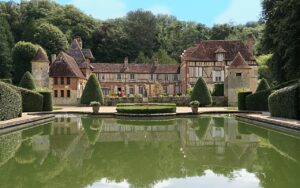
Plant selection should also reflect sunlight exposure, soil conditions, available space, drainage, and the amount of maintenance the homeowner can manage. Choosing plants according to their mature dimensions is particularly important because overcrowded foundation beds can eventually obstruct windows, walkways, and entrances.
In this guide, we examine 30 attractive landscaping plants suitable for improving residential front yards, from evergreen foundation shrubs to colorful flowering perennials and ornamental trees. The Best Plants for Front Yard Curb Appeal should combine visual appeal, appropriate growth habits, and reliable performance under the local growing conditions.
20 Best Plants for Front Yard Curb Appeal
1. Boxwood – Best Evergreen Shrub for Formal Front Yard Landscaping
Boxwood (Buxus spp.) is one of the best evergreen shrubs for front yard curb appeal because its dense foliage and naturally compact growth make it useful for creating clean landscape borders. Its small leaves and tolerance of regular pruning allow homeowners to maintain geometric shapes, low hedges, and symmetrical foundation plantings.

- CLASSIC EVERGREEN SHRUB - Wintergreen Boxwood offers dense, glossy green foliage that provides year-round beauty and structure in any landscape
- PERFECT FOR HEDGES & BORDERS - Its compact, slow-growing habit makes it ideal for formal hedges, borders, and topiary designs
Depending on the cultivar, boxwood can grow as a low edging plant or a medium-sized evergreen shrub. It works particularly well around front entrances, along walkways, and in formal landscape designs where consistent structure is important.
Plant boxwood in well-drained soil and select a cultivar suited to the local climate. Avoid planting it too closely together because restricted airflow and excessive moisture can contribute to foliage diseases.
- Evergreen foliage throughout the year
- Dense and attractive growth habit
- Suitable for formal landscaping
- Responds well to pruning
- Useful for low hedges
- Available in different mature sizes
- Provides consistent landscape structure
- Requires occasional pruning
- Susceptible to certain foliage diseases
- Some cultivars need protection from extreme heat
2. Hydrangea – Best Flowering Shrub for Colorful Front Yard Borders
Hydrangea (Hydrangea spp.) is among the best flowering shrubs for front yard curb appeal because its large flower clusters create an attractive display during the growing season. Depending on the species and cultivar, flowers may be white, pink, blue, purple, or greenish, providing several options for coordinating with a home’s exterior.
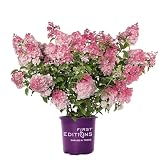
- Thrives in USDA Zones 3-8
- Grows to a mature size of 4-5 feet W x 4-6 feet H

Bigleaf hydrangeas (Hydrangea macrophylla), panicle hydrangeas (Hydrangea paniculata), and smooth hydrangeas (Hydrangea arborescens) offer different growth characteristics. Panicle hydrangeas are particularly useful where greater sun tolerance and dependable flowering are desired.
Plant hydrangeas in suitable soil with adequate moisture and drainage. Check the mature dimensions and pruning requirements of the selected species because flowering habits differ among hydrangea groups.
- Large decorative flower clusters
- Available in several flower colors
- Excellent foundation planting option
- Suitable for mixed shrub borders
- Provides seasonal visual interest
- Different species suit different conditions
- Attractive as a specimen shrub
- Some varieties need regular watering
- Flowering depends on correct pruning
- Certain types require afternoon shade
3. Dwarf Yaupon Holly – Best Low-Maintenance Evergreen Foundation Plant
Dwarf Yaupon Holly (Ilex vomitoria ‘Nana’) is one of the best low maintenance evergreen plants for front yard landscaping because it develops a naturally rounded growth habit and tolerates pruning well. Its small leaves create a dense appearance that works particularly well along foundation beds and landscape borders.

- Dwarf, evergreen shrub with tight branches that create a spreading mound excellent for low hedges, borders, or around foundations. Tiny foliage on twiggy branches that takes well to shearing. A tough plant that tolerates a range of soils conditions and can withstand drought or flooding.
- This evergreen needs a regular water schedule to ensure the growth of a mature root system. The first year of growth requires watering weekly. After the mature root system is established, watering is needed occasionally, except during a drought, watering is needed regularly. Once mature, shearing is recommended to maintain desired shape.
This compact evergreen shrub is particularly useful in warm-region landscapes where homeowners want year-round foliage without the frequent shaping associated with more formal hedges. Its small mature dimensions make it suitable for spaces where larger shrubs would obstruct windows or walkways.
Dwarf yaupon holly performs best in well-drained soil and can tolerate a range of growing conditions once established. Choose a correctly identified compact cultivar because standard yaupon holly can become considerably larger.
- Evergreen foliage
- Naturally compact growth
- Tolerates pruning
- Suitable for foundation beds
- Adapted to warm climates
- Useful for low landscape borders
- Provides year-round structure
- Small flowers are not highly ornamental
- Compact growth still needs occasional maintenance
- May not suit extremely cold locations
4. Japanese Maple – Best Small Ornamental Tree for Front Yard Curb Appeal
Japanese Maple (Acer palmatum) is one of the best ornamental trees for front yard landscaping because its attractive leaf shapes, branching patterns, and seasonal foliage colors create a distinctive focal point. Depending on the cultivar, leaves may be green, red, burgundy, or orange, providing interest from spring through autumn.

- A TWIST ON TRADITIONAL BOTANY – Relax and unwind as you craft a miniature landscape with the LEGO Botanicals Japanese Red Maple Bonsai Tree building kit for adults 18+
- NATURE'S SPLENDOR IN LEGO BRICKS – This vibrant building set for men and women features red and amber-colored leaves, detailed bark bricks, smooth decorative elements, and a buildable pot for display
Japanese maples are available in upright and weeping forms, making it possible to select a tree that fits the available landscape space. Smaller cultivars work well near entrances, patios, and front-yard planting beds where a large shade tree would be unsuitable.
Most Japanese maples perform best in well-drained soil with protection from intense afternoon sun, particularly in hot climates. Allow enough space for the mature canopy and avoid planting too close to the house or overhead utilities.
- Distinctive ornamental foliage
- Attractive branching structure
- Available in several colors
- Suitable for smaller gardens
- Provides a strong focal point
- Excellent seasonal interest
- Available in upright and weeping forms
- Some cultivars dislike intense afternoon heat
- Requires well-drained soil
- Can be more expensive than common shrubs
5. Azalea – Best Spring-Flowering Shrub for Foundation Beds
Azalea (Rhododendron spp. and hybrids) is one of the best spring flowering shrubs for front yard curb appeal because it produces abundant flowers that can cover much of the plant during its main flowering period. Its range of colors includes pink, white, red, purple, and coral, making it suitable for different residential landscape styles.

- Thrives in USDA Zones 6a-10b
- Mature Size: 4.5 feet H x 4 feet W
Azaleas are particularly effective when planted in groups along foundation beds or beneath suitable trees. Evergreen and deciduous types are available, allowing homeowners to choose between year-round foliage and stronger seasonal autumn color.
These shrubs generally prefer acidic, organic-rich soil with good drainage. In warmer climates, select heat-tolerant varieties and provide protection from intense afternoon sun where necessary.
- Abundant spring flowers
- Available in several colors
- Excellent foundation shrub
- Suitable for mass planting
- Evergreen and deciduous types available
- Attractive under suitable trees
- Compact cultivars available
- Requires acidic soil
- Sensitive to poor drainage
- Some varieties struggle in intense heat
6. Loropetalum – Best Colorful Evergreen Shrub for Modern Front Yards
Loropetalum (Loropetalum chinense var. rubrum) is one of the best colorful evergreen shrubs for front yard curb appeal because its burgundy or purple foliage provides strong contrast against green landscape plants. Its fringe-like flowers, commonly pink or reddish, add additional ornamental interest.

- VERSATILE PLANTING: Thrives in both full sun and partial shade conditions, making it adaptable to various garden locations
- COMPACT SIZE: Perfect dwarf evergreen shrub for small spaces, borders, and container gardens with its neat mounding growth habit
This shrub is available in compact, intermediate, and larger cultivars, allowing it to serve as a foundation plant, border shrub, or landscape focal point. Its foliage color is particularly useful in designs that combine dark-leaved plants with white flowers and green evergreen shrubs.
Loropetalum generally performs well in acidic, well-drained soil and can tolerate a range of light conditions. Select a cultivar with a mature size appropriate for the available space to avoid excessive pruning.
- Attractive burgundy foliage
- Decorative fringe-like flowers
- Evergreen landscape structure
- Available in compact cultivars
- Creates strong foliage contrast
- Suitable for foundation planting
- Useful in modern landscape designs
- Some cultivars become quite large
- May require pruning
- Not equally suitable for all cold climates
7. Lavender – Best Fragrant Plant for a Mediterranean-Style Front Yard
Lavender (Lavandula spp.) is one of the best fragrant plants for front yard curb appeal because its aromatic foliage and purple flower spikes provide a distinctive appearance. Its silvery-green leaves create a useful contrast against darker shrubs and colorful flowering plants.

- SUMMER FLOWERS: Produces classic purple blooms with a strong, soothing lavender scent.
- GROWTH: Reaches about 12 inches tall and wide with a compact, mounded habit.
English lavender (Lavandula angustifolia) is generally suited to cooler temperate conditions, while Spanish and French lavender types are better adapted to some warmer climates. Cultivar selection should reflect local winter temperatures, summer heat, and humidity.
Plant lavender in full sun and well-drained soil, avoiding locations where water accumulates around the roots. It works particularly well along pathways, near entrances, and in repeated groups beside driveways.
- Fragrant foliage and flowers
- Attractive purple flower spikes
- Suitable for sunny borders
- Drought-tolerant once established
- Useful along walkways
- Attractive to pollinating insects
- Creates a Mediterranean landscape style
- Sensitive to waterlogged soil
- Some species dislike humid conditions
- Requires pruning to maintain shape
8. Dwarf Alberta Spruce – Best Compact Evergreen Conifer for Symmetrical Landscaping
Dwarf Alberta Spruce (Picea glauca ‘Conica’) is one of the best compact evergreen trees for front yard curb appeal because its naturally conical shape provides a formal architectural appearance. Its dense green needles create a strong focal point around entranceways and symmetrical foundation plantings.
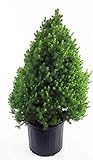
- It is fully rooted in the soil and can be planted immediately upon arrival, weather permitting. Planting and how-to-care instructions will arrive with shipment.
- For Best results, plant in used zones 3-8. Mature Height is 6-8ft, mature spread is 3-4ft.
The plant grows slowly and is commonly used in pairs beside front entrances or as a specimen in a decorative landscape bed. Its compact form makes it easier to incorporate into small residential designs than many full-sized conifers.
Dwarf Alberta spruce generally performs best in cooler climates with adequate soil moisture and good drainage. In hot regions, reflected heat and spider mites can become significant problems, so it is not a universal choice for warm front yards.
- Attractive natural conical shape
- Dense evergreen foliage
- Slow-growing habit
- Useful beside entrances
- Suitable for formal landscapes
- Provides winter structure
- Requires relatively little shaping
- Struggles in hot humid climates
- Can develop spider mite problems
- Requires well-drained soil
9. Crape Myrtle – Best Summer-Flowering Small Tree for Warm Regions
Crape Myrtle (Lagerstroemia spp.) is one of the best flowering trees for front yard curb appeal in warm climates because it produces abundant summer flowers and often develops attractive exfoliating bark. Depending on the cultivar, flowers may be white, pink, red, lavender, or purple.

- VIBRANT SUMMER BLOOMS – Explodes with stunning, long-lasting flower clusters from mid-summer through fall, adding a massive burst of color to your yard or garden when other plants stop blooming.
- READY-TO-PLANT POT – Arrives established in a grower's pot, measuring 8 to 16 inches tall from the bottom of the pot; perfect as a starter plant for patio containers, hedges, or standalone yard focal points.
Dwarf and intermediate cultivars are useful for smaller foundation beds, while larger varieties can serve as standalone ornamental trees. Its extended flowering period makes it particularly valuable in landscapes that need strong summer color.
Plant crape myrtle in full sun and well-drained soil to encourage flowering and maintain good growth. Select a cultivar with the correct mature dimensions and avoid severe annual topping, which can produce unattractive branch structure.
- Abundant summer flowers
- Available in several colors
- Attractive exfoliating bark
- Dwarf and tree forms available
- Good warm-climate performance
- Provides seasonal focal interest
- Tolerates heat once established
- Requires full sun for best flowering
- Some cultivars grow too large for small beds
- Can develop powdery mildew in susceptible varieties
10. Gardenia – Best Fragrant Evergreen Shrub for Front Entrances
Gardenia (Gardenia jasminoides) is one of the best fragrant evergreen shrubs for front yard curb appeal because its glossy leaves and white flowers provide a refined ornamental appearance. The flowers also release a distinctive fragrance that makes gardenias particularly suitable for planting near entrances and outdoor seating areas.

- Live 1 gallon frost proof gardenia comes with easy to use plant food and features deep green, spindle leaves with fragrant, White flowers appearing every spring-summer
- This gardenia shrub features a pleasant aroma during blooming season — refreshing and inviting, The frost proof gardenia offers an intoxicating scent to your home landscape or garden
Compact cultivars can be grown in foundation beds and containers, while larger varieties are useful in mixed shrub borders. Their evergreen foliage provides structure outside the flowering period, especially in suitable warm and temperate climates.
Gardenias prefer acidic, well-drained soil and consistent moisture. In cooler climates, select cold-tolerant cultivars and provide winter protection where necessary.
- Highly fragrant white flowers
- Glossy evergreen foliage
- Suitable for front entrances
- Compact cultivars available
- Attractive container plant
- Excellent ornamental appearance
- Provides year-round foliage interest
- Requires acidic soil
- Sensitive to poor drainage
- Some varieties are cold-sensitive
11. Japanese Holly – Best Compact Evergreen Shrub for Neat Borders
Japanese Holly (Ilex crenata) is one of the best compact evergreen shrubs for front yard borders because its small leaves and dense branching create a neat appearance. It is commonly used as an alternative to boxwood in formal landscapes and low foundation plantings.

Different cultivars develop rounded, upright, or spreading growth habits. This diversity makes Japanese holly useful for low hedges, geometric plantings, and mixed evergreen borders.
Japanese holly prefers well-drained soil and performs best when the selected cultivar is matched to the local climate. Check soil pH and avoid planting in poorly drained areas.
- Dense evergreen foliage
- Small attractive leaves
- Suitable for low hedges
- Responds well to shaping
- Several growth forms available
- Useful in formal landscapes
- Alternative to boxwood
- Requires suitable soil drainage
- Some cultivars are sensitive to heat
- Can develop root problems in wet soil
12. Knock Out Roses – Best Repeat-Flowering Shrubs for Colorful Front Yard Beds
Knock Out Roses (Rosa ‘Radrazz’ and related cultivars) are among the best repeat flowering roses for front yard curb appeal because they provide recurring blooms over much of the growing season. Their flowers are available in several colors, including red, pink, yellow, and coral, depending on the selection.

These roses are commonly used in foundation beds, driveway borders, and mixed ornamental plantings. Their relatively compact shrub form makes them easier to incorporate into residential landscapes than many climbing or large hybrid tea roses.
Plant Knock Out roses in full sun and well-drained soil. Although they are generally bred for improved disease resistance, proper spacing, watering, and seasonal maintenance remain important.
- Repeated flowering during the season
- Available in several colors
- Suitable for foundation beds
- Compact shrub growth
- Bred for improved disease resistance
- Useful in mixed borders
- Strong ornamental flower display
- Requires adequate sunlight
- Needs occasional pruning
- Can be affected by pests and diseases
13. Spirea – Best Low-Maintenance Flowering Shrub for Landscape Borders
Spirea (Spiraea spp.) is one of the best low maintenance flowering shrubs for front yard landscaping because it combines manageable growth with attractive clusters of flowers. Depending on the species, flowers may be white or pink, while some cultivars also provide colorful spring or autumn foliage.

- Thrives in USDA zones 3-8
- Grows to mature size 24-36″ W x 24-36″ H
Japanese spirea (Spiraea japonica) is particularly useful for low ornamental borders, while bridal wreath spirea (Spiraea prunifolia) provides a more arching growth habit with white spring flowers. Compact cultivars are suitable for smaller residential beds.
Plant spirea in a location with suitable sunlight and drainage. Some species can spread aggressively or self-seed, so select appropriate cultivars and check whether they are invasive in the local region.
- Attractive flowering clusters
- Several cultivars available
- Compact options for small beds
- Useful in mixed shrub borders
- Some varieties have colorful foliage
- Generally easy to maintain
- Suitable for mass planting
- Some types need regular pruning
- Flowering may decline in deep shade
- Certain species can spread aggressively
14. Ornamental Grasses – Best Plants for Adding Texture and Movement
Ornamental grasses are among the best low maintenance plants for modern front yard curb appeal because their upright foliage and flowering plumes create movement and contrast. They also provide a different texture from conventional shrubs and flowering perennials.

- SPECTACULAR PINK CLOUDS: Pink Muhly Grass produces masses of airy pink flower plumes that create a soft, cloud-like display above fine green foliage.
- LIVE STARTER PLANTS: Shipped as healthy young plant plugs ready to transplant into larger containers or directly into the landscape.
Popular selections include fountain grass (Pennisetum or Cenchrus spp.), switchgrass (Panicum virgatum), and blue fescue (Festuca glauca). Their different heights and foliage colors make it possible to select varieties for narrow borders, foundation beds, and larger landscape areas.
Most ornamental grasses perform well in suitable sunlight and well-drained soil, although requirements differ by species. Choose clump-forming varieties where possible and avoid invasive grasses that spread beyond their intended planting area.
- Adds movement to the landscape
- Provides attractive foliage texture
- Many varieties tolerate drought
- Available in different heights
- Useful in modern designs
- Provides seasonal flower plumes
- Complements flowering shrubs
- Some types require annual cutting back
- Certain species spread aggressively
- Some varieties become unattractive in winter
15. Coneflower – Best Pollinator-Friendly Perennial for Front Yard Gardens
Coneflower (Echinacea purpurea and related species) is one of the best pollinator friendly plants for front yard curb appeal because its colorful daisy-like flowers provide a long-lasting summer display. Its prominent central cones create an attractive appearance and can attract bees and butterflies.

- Classic Purple Coneflower: Echinacea purpurea produces recognizable daisy-like rose-purple flowers with prominent coppery-orange center cones, bringing bold summer color and upright structure to perennial beds, borders, pollinator gardens and cutting gardens
- Bring In The Pollinators: Purple Coneflower flowers attract bees, butterflies and other visiting insects, creating a colorful summer display with the added movement and activity that makes a sunny pollinator garden especially enjoyable
Purple coneflower is a popular selection, although modern cultivars are available in white, orange, yellow, and other colors. The plants work particularly well in informal borders, cottage-style landscapes, and mixed perennial beds.
Coneflowers generally prefer full sun and well-drained soil. Avoid overwatering established plants and leave some seed heads through autumn if you want to provide food for birds.
- Attractive daisy-like flowers
- Available in several colors
- Attracts bees and butterflies
- Suitable for perennial borders
- Tolerates some drought once established
- Provides summer flowering interest
- Seed heads can attract birds
- Requires adequate sunlight
- May need deadheading
- Some cultivars have shorter lifespans
16. Daylily – Best Easy-Care Flowering Plant for Driveway Borders
Daylily (Hemerocallis spp.) is one of the best easy care flowering plants for front yard borders because it produces colorful flowers from clumps of attractive strap-like foliage. Its wide range of cultivars allows homeowners to choose flower colors that complement their house and surrounding landscape.

- Huge Variety: A vibrant mix of dependable daylilies that delivers big color impact and reliable blooms year after year.
- Trusted Since 1885: Celebrating over 140 years of horticultural expertise, Gilbert H Wild and Son has been a trusted source for premium plants.
Daylilies are suitable for planting along walkways, driveways, and mixed ornamental beds. Although individual flowers usually last only one day, established plants can produce numerous buds over an extended flowering period.
Plant daylilies in suitable sunlight and well-drained soil. Divide crowded clumps when flowering declines or when the planting area becomes congested.
- Available in numerous flower colors
- Attractive foliage even without flowers
- Suitable for driveway borders
- Generally easy to grow
- Adaptable to different soil conditions
- Useful for mass planting
- Established clumps can be divided
- Individual flowers are short-lived
- Some varieties need division
- Flowering can decline in deep shade
17. Heuchera – Best Colorful Foliage Plant for Shaded Front Yards
Heuchera (Heuchera spp.) is one of the best colorful foliage plants for shaded front yard landscaping because its decorative leaves provide interest even when the plant is not flowering. Cultivars are available in burgundy, lime green, silver, caramel, and purple shades.

- 7 LIVE HEUCHERA PLUGS: Receive 7 rooted Coral Bells starter plants (Heuchera spp.) in an assortment of beautiful foliage colors. Each plug is ready to transplant into your garden or containers.
- BEAUTIFUL MIXED COLORS: Enjoy an assortment of foliage shades that may include burgundy, purple, lime green, silver, coral, pink, bronze, and golden yellow. Colors and varieties will vary based on availability.
Commonly called coral bells, these perennials are useful for edging shaded foundation beds and planting beneath suitable trees. Their foliage creates attractive contrast when combined with evergreen shrubs, hostas, and flowering woodland plants.
Heuchera generally performs best in well-drained soil with partial shade, although sunlight requirements differ among cultivars. Avoid excessively wet soil because poor drainage can contribute to crown and root problems.
- Decorative colorful foliage
- Suitable for partial shade
- Available in several leaf colors
- Useful for foundation edging
- Attractive in mixed perennial beds
- Produces delicate flower spikes
- Provides foliage interest beyond flowering
- Sensitive to poorly drained soil
- Some cultivars need protection from intense sun
- May require division or renewal
18. Hosta – Best Shade-Loving Foliage Plant for Foundation Beds
Hosta (Hosta spp.) is one of the best shade loving plants for front yard curb appeal because its broad leaves create a lush, layered appearance beneath trees and along shaded foundation beds. Cultivars vary considerably in leaf size, color, texture, and mature dimensions.

- Vibrant Plant: Hosta plants are grown primarily for their foliage. Enjoy the vibrant foliage changes throughout the growing season, dividing the plants every few years to keep them alive and looking beautiful throughout the garden
- Propagation: It can be sown at any time of the year, with spring and autumn being the best options for most people. September is a good time to sow indoors, with common hostas germinating and producing seedlings in about 1-3 weeks at 20°C
Hostas are particularly effective when planted in groups, where their foliage can create a consistent visual ground layer. Blue-green, gold, and variegated cultivars offer several options for contrasting with dark evergreen shrubs.
Hostas generally prefer moist, well-drained soil and partial to full shade, depending on the cultivar. Slugs and deer can damage the foliage, so consider local pest pressure when selecting planting locations.
- Excellent foliage texture
- Suitable for shaded landscapes
- Available in numerous leaf colors
- Attractive in mass plantings
- Useful beneath trees
- Produces ornamental flower spikes
- Different sizes suit different spaces
- Susceptible to slug damage
- Deer may eat the foliage
- Not suitable for exposed hot locations
19. Camellia – Best Evergreen Flowering Shrub for Year-Round Structure
Camellia (Camellia japonica and Camellia sasanqua) is one of the best evergreen flowering shrubs for front yard curb appeal because it combines glossy foliage with attractive flowers during seasons when many other garden plants are not flowering. Depending on the species and cultivar, blooms may be white, pink, red, or variegated.

- PREMIUM NURSERY GROWN: Arrives established with healthy root development to help your plant thrive. We cannot ship our plants to the following states: AK, AZ, CA, CO, HI, ID, MT, NM, NV, OR, UT, WA, or WY. All orders to these states will be automatically cancelled
- RICH RED BLOOMS: Small orange-red single flowers with golden stamens create seasonal color during fall
Camellia japonica generally flowers during cooler months, while Camellia sasanqua often flowers earlier in autumn and winter. Both types can be used as foundation shrubs, screening plants, and specimen selections in suitable climates.
Camellias prefer acidic, well-drained soil and protection from harsh afternoon sun in warmer regions. Select cultivars suited to the local climate and provide adequate space for their mature growth.
- Glossy evergreen foliage
- Attractive flowers in cooler seasons
- Available in several flower colors
- Suitable for foundation beds
- Useful as specimen shrubs
- Provides year-round structure
- Different species offer different flowering periods
- Requires acidic soil
- Sensitive to poor drainage
- Some varieties are sensitive to extreme cold
20. Redbud – Best Small Flowering Tree for Spring Curb Appeal
Redbud (Cercis canadensis) is one of the best small flowering trees for front yard curb appeal because it produces abundant pink or purple flowers along its branches in early spring. Its heart-shaped leaves provide attractive summer foliage, while some cultivars develop interesting autumn colors.

- Includes one Eastern Redbud (Cercis canadensis) live seedling, approximately 6-16 inches tall, potted in a quart-sized container.
- This ornamental tree bursts into vibrant reddish-pink blossoms each spring, adding striking color to any landscape.
Eastern redbud is a popular ornamental tree for residential landscapes because it generally remains smaller than many conventional shade trees. It can be planted as a focal point near a front lawn or within a larger planting bed.
Redbud performs well in suitable sunlight and well-drained soil, although it can tolerate some partial shade. Allow enough room for the mature canopy and avoid placing it directly beneath overhead utility lines.
- Abundant early spring flowers
- Attractive heart-shaped leaves
- Suitable for residential landscapes
- Smaller than many shade trees
- Provides seasonal color
- Useful as a focal point
- Supports pollinating insects
- Flowers are seasonal
- Some trees are relatively short-lived
- Requires room for mature canopy development
21. Flowering Dogwood – Best Ornamental Tree for Spring and Autumn Interest
Flowering Dogwood (Cornus florida) is one of the best ornamental trees for front yard curb appeal in temperate climates because it provides spring flowers, attractive foliage, and often impressive autumn color. Its layered branching structure also creates a graceful appearance in residential landscapes.

- Planting Requirements: Prefers partial shade and well-drained, slightly acidic soil for optimal growth and drainage, making it adaptable to various landscape settings
- Showy Spring Blooms: White Dogwoods are known for their showy, four-petaled flowers that bloom in spring, typically white but may have a slight pink tinge, making them a charming addition to landscapes
Flowering dogwood is particularly effective as a specimen tree near a lawn or in a mixed landscape bed. Its relatively moderate mature size makes it useful where a full-sized shade tree would overwhelm the front of the house.
The tree generally prefers well-drained, organic-rich soil and protection from intense afternoon heat in warmer regions. Choose a disease-resistant cultivar where available and provide sufficient space for the mature canopy.
- Attractive spring flowers
- Provides autumn foliage color
- Graceful branching structure
- Suitable for residential gardens
- Moderate mature size
- Excellent specimen tree
- Supports local wildlife
- Sensitive to drought stress
- Some cultivars are susceptible to disease
- Requires suitable soil conditions
22. Star Magnolia – Best Early-Flowering Tree for Front Entrances
Star Magnolia (Magnolia stellata) is one of the best early flowering trees for front yard curb appeal because its white or pale pink star-shaped flowers appear before or around the time new foliage develops. Its compact growth habit makes it particularly useful in smaller residential landscapes.

- STUNNING STAR-SHAPED BLOOMS: This variety is famous for its ability to produce large, pure white flowers with 12 to 18 ribbon-like petals. These elegant blossoms can add a high-impact look and a splash of sophisticated color to your favorite outdoor location as one of the first signs of spring.
- ESTABLISHED 4 INCH POT STARTER: You receive a Star Magnolia settled in its own 4 inch container, standing 6-12 inches tall. This compact pot size is easy for you to handle and is intended to provide a strong beginning for the tree as it settles into your landscape or a larger transition pot.
The tree produces a rounded canopy and provides an attractive focal point near front entrances and walkways. Its flowering display is especially effective when planted against a darker evergreen background.
Star magnolia generally performs best in well-drained soil and a location protected from harsh conditions that can damage early flowers. Check the mature width before planting near a building or pathway.
- Distinctive star-shaped flowers
- Early spring flowering
- Compact ornamental tree
- Suitable for smaller gardens
- Attractive rounded canopy
- Useful near entrances
- Provides strong seasonal interest
- Flowers can be damaged by late frost
- Requires adequate growing space
- May struggle in very hot climates
23. Inkberry Holly – Best Native Evergreen Shrub for Foundation Planting
Inkberry Holly (Ilex glabra) is one of the best native evergreen shrubs for front yard curb appeal because it provides dense foliage and a naturally rounded or upright growth habit, depending on the cultivar. Its dark green leaves provide consistent structure throughout the year.

- PREMIUM NURSERY GROWN: Arrives established with healthy root development to help your plant thrive. We cannot ship our plants to the following states: AK, AZ, CA, CO, HI, ID, MT, NM, NV, OR, UT, WA, or WY. All orders to these states will be automatically cancelled
- DENSE EVERGREEN FOLIAGE: Small glossy leaves create a full, naturally rounded shrub that brings rich green color and texture to the landscape all year long
Compact cultivars such as 'Shamrock' and 'Gem Box' are useful for foundation planting and low evergreen borders. Female plants can produce small black berries when suitable pollination is available, adding another ornamental feature.
Inkberry generally performs well in acidic soil and can tolerate moist conditions better than some other evergreen shrubs. However, it still needs appropriate drainage and sufficient sunlight to maintain attractive growth.
- Evergreen foliage
- Native North American shrub
- Compact cultivars available
- Useful for foundation planting
- Suitable for low hedges
- Produces ornamental black berries on female plants
- Provides year-round structure
- Requires suitable soil acidity
- Some cultivars develop suckers
- Female berry production depends on pollination
24. Viburnum – Best Versatile Flowering Shrub for Front Yard Screening
Viburnum (Viburnum spp.) is one of the best versatile shrubs for front yard curb appeal because the group includes evergreen and deciduous varieties with attractive flowers, foliage, and sometimes colorful berries. Its different growth habits make it suitable for screening, foundation beds, and mixed shrub borders.

- Grows quickly to form dense green walls perfect for privacy screening along fences property lines or large-scale landscaping projects
- Produces clusters of white springtime blooms that add seasonal fragrance and charm to sunny or partly shaded gardens
Popular selections include Korean spice viburnum (Viburnum carlesii), which is valued for its fragrant flowers, and several evergreen viburnums used for year-round structure. Some varieties also provide autumn foliage color or ornamental fruit.
Choose a species according to the available space, sunlight, and climate. Viburnums differ substantially in mature dimensions, flowering periods, and maintenance requirements.
- Many species and cultivars available
- Attractive flowering displays
- Evergreen and deciduous options
- Some varieties produce ornamental berries
- Useful for landscape screening
- Fragrant species available
- Provides seasonal interest
- Mature size varies considerably
- Some species need regular pruning
- Certain varieties are susceptible to pests
25. Catmint – Best Long-Flowering Perennial for Sunny Front Yard Borders
Catmint (Nepeta spp.) is one of the best long flowering perennials for front yard landscaping because it produces attractive spikes of blue, lavender, or purple flowers over an extended period. Its soft, aromatic foliage creates a useful contrast with upright shrubs and ornamental grasses.

- Two (2) large live plants – big, healthy, ready to grow, premium herb plants, 4” to 8” tall plants, in 4” pots. NON GMO No Neonicotinoids
- Catmint, also known as Nepeta is a versatile, aromatic plant that features lovely silvery-green foliage with gorgeous blue-violet blossoms that pollinators love. Use in sachets, herbal teas, cut bouquets or as a mosquito repellent
Catmint is particularly effective along pathways, driveway borders, and the front edges of larger planting beds. Compact cultivars are suitable for smaller spaces, while larger varieties can provide a broader flowering mass.
Plant catmint in full sun and well-drained soil. Cutting back the plant after its first major flowering period can encourage additional growth and flowering in suitable conditions.
- Extended flowering period
- Attractive blue and purple flowers
- Aromatic foliage
- Suitable for sunny borders
- Attracts pollinating insects
- Drought-tolerant once established
- Compact varieties available
- Can become floppy without maintenance
- Requires sunlight for best flowering
- May need cutting back after flowering
26. Creeping Phlox – Best Spring Groundcover for Colorful Front Yard Edges
Creeping Phlox (Phlox subulata) is one of the best flowering groundcovers for front yard curb appeal because it produces a dense carpet of flowers during spring. Its low-growing habit makes it particularly useful for edging pathways, covering slopes, and softening the boundaries of planting beds.

- [INFO1] - Ideal as lawn edging ideas for rock gardens, topping retaining walls, edging pathways, banks & slopes - a spectacular ground cover. Grows vigorously forming dense spreading, spilling mounds covered in beautiful blue blossoms. Masses of blue flowers cover the top of this mat forming phlox for a long time. An evergreen perennial that will create a carpet of bright blue blossoms for bank plantings/rock gardens.
- [INFO2] - A vigorous green and attractive as a evergreen ground cover when not in bloom. An excellent choice for pots and hanging planters, too. This blue creeping garden phlox will spill over the edges of retaining walls for a graceful effect. The Blue Creeping Phlox is great to mix with red and white varieties.
Flowers are commonly available in pink, purple, white, and lavender shades. When planted in groups, creeping phlox can create a strong seasonal color display without occupying the vertical space required by larger flowering shrubs.
Plant creeping phlox in full sun and well-drained soil. It is especially useful on slopes and raised beds where good drainage can be maintained.
- Dense spring flower display
- Low-growing groundcover habit
- Available in several colors
- Useful along pathways
- Suitable for slopes
- Helps cover exposed soil
- Attractive when mass-planted
- Requires well-drained soil
- Flowering is mainly seasonal
- May develop fungal problems in humid conditions
27. Sedum – Best Drought-Tolerant Plant for Sunny Front Yard Beds
Sedum (Hylotelephium and Sedum spp.) is one of the best drought tolerant plants for front yard curb appeal because many varieties store water in their fleshy leaves and tolerate dry conditions once established. Their different growth habits make them suitable for rock gardens, sunny borders, and low-maintenance planting beds.

- Sedum adolphi 'Firestorm' - Sedum adolphi 'Firestorm' has thick, oblong, greenish-yellow leaves. The leaf's edges blush red when they are stressed in bright light. The white, star-shaped flowers add winsome contrast to the leaf color
- How to Color - Provide 6+ hours of bright direct sunlight daily (10–12 hours grow light indoors). Maintain an 46–54°F day-night temperature difference in fall/winter. Water only when soil is 70–80% dry—avoid wetting leaves or rosette center. Use fast-draining gritty soil (60–70% perlite/pumice) and ensure good ventilation. Shade from intense midday sun in summer
Upright stonecrop varieties provide clusters of flowers in late summer and autumn, while creeping sedums are useful as groundcovers. Their foliage can range from green and blue-green to reddish or purple, depending on the cultivar.
Plant sedums in full sun and well-drained soil. Avoid excessive irrigation, particularly in heavy soils where prolonged moisture can contribute to root and stem problems.
- Many varieties tolerate drought
- Attractive succulent foliage
- Available in different growth habits
- Suitable for sunny borders
- Some varieties flower in autumn
- Useful in rock gardens
- Generally low maintenance once established
- Requires well-drained soil
- Some varieties become floppy
- Excess moisture can cause root problems
28. Creeping Juniper – Best Evergreen Groundcover for Slopes and Borders
Creeping Juniper (Juniperus horizontalis) is one of the best evergreen groundcovers for front yard landscaping because it develops a spreading growth habit and maintains foliage throughout the year. Its low profile makes it useful for covering slopes, edging large planting beds, and filling spaces between taller shrubs.

- Stunning Blue Rug Juniper Wiltonii features striking silvery-blue foliage, perfect for adding color and texture to your garden
- Low-maintenance ground cover plant thrives in sunny locations, creating a lush carpet-like appearance with minimal upkeep required
Different cultivars provide green, blue-green, or silvery foliage, allowing homeowners to create contrast with flowering perennials and ornamental grasses. Its spreading habit is particularly useful in landscapes where maintaining extensive turfgrass would be difficult.
Plant creeping juniper in full sun and well-drained soil. Avoid locations where water accumulates because excessive moisture can increase the risk of root diseases.
- Evergreen groundcover foliage
- Low spreading growth
- Useful for covering slopes
- Available in different foliage colors
- Tolerates dry conditions once established
- Reduces exposed soil
- Requires relatively little pruning
- Requires full sun
- Sensitive to poorly drained soil
- Can spread beyond intended boundaries
29. Sweet Alyssum – Best Low-Growing Flowering Plant for Front Yard Edging
Sweet Alyssum (Lobularia maritima) is one of the best low growing flowering plants for front yard curb appeal because it produces dense clusters of small white, pink, or purple flowers. Its compact growth makes it particularly useful for edging pathways, filling gaps between larger plants, and creating a soft border around foundation beds.

- Versatility in Landscaping: Alyssum, particularly sweet alyssum (Lobularia maritima), is widely used in gardens for its low-growing, spreading habit. It's excellent for borders, rock gardens, hanging baskets, and as ground cover because it forms a dense mat of foliage and flowers.
- Fragrance: One of the most distinctive features of alyssum is its sweet, honey-like fragrance, which is particularly strong in the evening, attracting beneficial insects like bees and butterflies. This makes it not only a visual but also an aromatic addition to gardens.
Sweet alyssum is commonly grown as an annual or short-lived perennial depending on the climate. Its flowers can attract small pollinating insects, while its low-growing habit makes it easy to combine with taller flowering plants.
Plant sweet alyssum in well-drained soil and provide sufficient sunlight for good flowering. In hot climates, it may benefit from afternoon shade, and flowering can decline during periods of excessive heat.
- Dense clusters of small flowers
- Available in several colors
- Suitable for pathway edging
- Low-growing habit
- Attracts small pollinating insects
- Easy to grow from seed
- Useful for filling planting gaps
- Often grown as an annual
- Flowering can decline in extreme heat
- May need trimming to maintain neatness
30. Blue Fescue – Best Compact Ornamental Grass for Modern Front Yard Designs
Blue Fescue (Festuca glauca) is one of the best compact ornamental grasses for front yard curb appeal because its rounded clumps of blue-gray foliage provide distinctive color and texture. Its small mature size makes it suitable for pathway edges, rock gardens, and modern foundation beds.

- High Germination Rate: Evergreen dwarf grass seed show reliable germination in optimal conditions. This dwarf fescue grass seed thrives in USDA zones 4–8, ideal for gardens, containers, and ornamental borders. Perfect evergreen dwarf grass seed for four seasons for florida.
- Compact Ornamental Growth: Blue fescue ornamental grass forms dense clumps 8–12 inches tall with striking blue foliage. Grass seed fescue perfect for edging, rock gardens, and decorative ornamental grasses live plants perennial ideal for landscapes.
The plant is especially effective when arranged in repeated groups alongside dark-leaved shrubs, flowering perennials, and decorative stone. Its cool foliage color creates contrast without relying on flowers.
Blue fescue generally performs best in full sun and well-drained soil. It may decline in hot, humid climates or poorly drained planting areas, so choose a locally adapted ornamental grass where necessary.
- Distinctive blue-gray foliage
- Compact growth habit
- Suitable for modern landscapes
- Useful along pathways
- Provides year-round texture
- Works well in rock gardens
- Attractive in repeated group plantings
- Can decline in hot humid climates
- Requires good soil drainage
- Clumps may need periodic replacement
7 Important Factors to Consider When Choosing Plants for Front Yard Curb Appeal
1. Match Plants to Sunlight Exposure
Sunlight exposure determines which plants can grow successfully in a particular front-yard location. Full-sun areas generally receive at least six hours of direct sunlight daily, while partial-shade locations receive less direct light. Choose flowering shrubs, grasses, and perennials according to their light requirements rather than placing every plant in the same conditions.
2. Consider Mature Plant Size
Mature plant dimensions should determine spacing and placement before installation. A shrub that looks small in a nursery container may eventually grow several feet wider and taller, potentially blocking windows, walkways, and entrances. Check the expected height and spread on the plant label and provide enough room for the plant to develop naturally.
3. Combine Evergreen and Deciduous Plants
Evergreen shrubs provide consistent structure and foliage during winter, while deciduous trees and flowering shrubs contribute seasonal flowers, foliage color, and autumn interest. A balanced combination prevents the front yard from looking empty during colder months or excessively dark when too many evergreen plants are used. Select plants that offer more than one season of ornamental value whenever possible.
4. Choose Plants According to Soil and Drainage
Soil texture, pH, organic matter, and drainage influence plant establishment and long-term performance. Azaleas, gardenias, and camellias generally prefer acidic soil, while other landscape plants tolerate a broader range of soil conditions. Conduct a soil test before making major amendments and avoid placing moisture-sensitive plants in areas where water accumulates.
5. Use Different Plant Heights and Textures
A visually effective front yard combines low groundcovers, medium-sized flowering plants, structural shrubs, and carefully positioned ornamental trees. This layering creates depth and directs attention toward the front entrance without obstructing windows or walkways. Combine contrasting leaf shapes, flower forms, and growth habits while repeating selected plants to maintain a unified design.
6. Consider Maintenance Requirements
Some plants require frequent pruning, deadheading, watering, or seasonal cleanup, while others remain attractive with relatively little intervention. Choose plants according to the time and resources available for landscape maintenance. Group plants with similar water and sunlight requirements to make irrigation and general care more efficient.
7. Plan for Year-Round Curb Appeal
A front yard should have attractive features beyond the main flowering season. Evergreen foliage, ornamental bark, colorful berries, autumn foliage, winter seed heads, and seasonal flowers can provide interest at different times of the year. Combining plants with complementary flowering periods helps maintain a balanced appearance across the seasons.
Best Plants For Front Yard Curb Appeal Frequently Asked Questions
1. What are the best plants for front yard curb appeal?
Some of the best plants include boxwood, hydrangea, Japanese maple, azalea, loropetalum, lavender, gardenia, camellia, and ornamental grasses. These plants provide different combinations of flowers, foliage, texture, and evergreen structure. The most suitable choices depend on the local climate, soil conditions, available sunlight, and landscape design.
2. Which plants make a front yard look expensive?
Japanese maple, well-maintained boxwood, camellia, hydrangea, and carefully selected ornamental grasses can create a refined landscape appearance. Their distinctive growth habits, attractive foliage, and seasonal flowers provide strong visual impact. Repeating a limited selection of plants and maintaining clean planting-bed edges can make the overall design look more coordinated.
3. What are the best low-maintenance plants for front yard landscaping?
Dwarf yaupon holly, creeping juniper, suitable ornamental grasses, coneflower, sedum, and some spirea cultivars are useful low-maintenance options once established. However, maintenance requirements vary according to local climate, soil, and cultivar. Choosing plants adapted to the site is generally more effective than relying on a plant's advertised low-maintenance label.
4. What are the best evergreen plants for front yard curb appeal?
Boxwood, Japanese holly, inkberry holly, dwarf yaupon holly, gardenia, camellia, and creeping juniper are useful evergreen landscaping choices. They provide foliage and structure when many deciduous plants lose their leaves. Combine evergreen shrubs with flowering plants to prevent the landscape from appearing monotonous.
5. What flowers are best for the front of a house?
Hydrangeas, azaleas, Knock Out roses, coneflowers, daylilies, lavender, catmint, and creeping phlox can all provide attractive front-yard flower displays. Their flowering periods and sunlight requirements differ, so combine suitable species to extend seasonal color. Choose flower colors that complement the house rather than using too many competing colors in a small area.
6. How do I make my front yard look good all year?
Combine evergreen shrubs with flowering perennials, ornamental grasses, and small trees that provide seasonal interest. Evergreen foliage maintains structure during winter, spring-flowering trees and shrubs provide early color, and summer perennials extend the display. Autumn foliage, decorative berries, and ornamental seed heads can contribute additional visual interest.
7. How far should plants be placed from the house?
Planting distance depends on the mature width of each species and the available space around the building. A useful starting point for foundation shrubs is to allow approximately half the expected mature width plus additional clearance from the wall. Trees and large shrubs need considerably more room, and their mature canopies and roots should be considered before planting near buildings, drainage systems, and utilities.
Conclusion
In conclusion, the best plants for front yard curb appeal combine attractive foliage, seasonal flowers, suitable growth habits, and manageable maintenance requirements. Boxwood, hydrangea, Japanese maple, azalea, loropetalum, and gardenia are particularly useful selections for creating attractive residential landscapes.
Japanese maple is an excellent focal tree, while boxwood provides evergreen structure and hydrangea adds substantial seasonal flower color. For homeowners seeking lower-maintenance options, dwarf yaupon holly, creeping juniper, suitable ornamental grasses, and sedum offer useful alternatives depending on the growing environment.
The runner-up choices should reflect the available sunlight, soil conditions, landscape size, and desired design style. A balanced combination of evergreen shrubs, flowering perennials, ornamental grasses, and small trees can create a more cohesive front yard than planting numerous unrelated species.
Ultimately, the best landscape is one in which every plant has enough room to reach its natural mature size and contributes to the overall appearance of the property. With appropriate plant selection, thoughtful spacing, and consistent maintenance, a front yard can remain welcoming and visually attractive throughout the year.
Recent Posts
Best Gardenia Varieties USDA Zone 7 should combine attractive evergreen foliage, fragrant flowers, and sufficient cold tolerance to withstand winter temperatures that can fall to 0°F to 10°F....
Plants have evolved remarkable ways of protecting themselves against insects, grazing animals, pathogens, and other environmental threats. These protective adaptations include sharp thorns,...