Paraquat is a highly toxic herbicide linked to acute poisonings and long-term health effects, including strong scientific associations with Parkinson-like outcomes. Its extreme toxicity has prompted many countries to restrict or ban its use over the past two decades.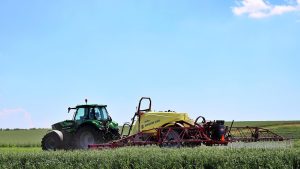
Global tallies of paraquat bans vary depending on whether one counts full prohibitions, withdrawals, or strict national non-approvals. The Pesticide Action Network (PAN) provides the most frequently cited consolidated dataset for tracking these actions.
Currently, roughly 74 countries have banned, withdrawn, or restricted paraquat, though numbers differ based on definitions and sources. Key drivers include acute poisonings, high suicide rates involving paraquat, and environmental hazards linked to its use.
The following review highlights 20 particularly notable countries or territories with bans or restrictions. Each entry provides the basic fact, reasons or context, and notes on enforcement or impact.
Which Countries Have Banned Paraquat? Find 74 Best
1. European Union (EU) — Full Ban
The European Union banned paraquat after safety reviews confirmed severe health risks. Scientific evaluations linked the herbicide to poisoning and long-term neurological damage. Member states collectively supported the prohibition to protect workers and consumers.
EU regulators concluded that paraquat could not be used safely even with strict protective measures. Environmental concerns such as groundwater contamination increased pressure for action. The ban established a strict pesticide-safety precedent across Europe.
The EU’s decision influenced other countries to review paraquat policies. Many regions now use the EU framework as a regulatory benchmark. Paraquat remains fully illegal to sell, use, or register within the European Union.
2. United Kingdom — Withdrawn Approval
The United Kingdom removed paraquat from national approval after toxicological tests failed safety requirements. Authorities determined that the risks outweighed all potential agricultural benefits. This resulted in a complete halt of paraquat use within the UK.
The UK allows manufacturing for export but prohibits domestic application. This reflects a long-standing national commitment to pesticide safety and environmental protection. Enforcement across farming activities remains strict and consistent.
Poisoning incidents decreased after paraquat was withdrawn. Farmers replaced paraquat with safer alternatives and modern weed-management tools. The UK ban continues to receive strong support from health agencies and environmental groups.
3. China — Domestic Ban
China banned domestic paraquat use after rising numbers of poisoning cases. The government acted to protect millions of agricultural workers from severe exposure risks. The phase-out was completed in stages between 2016 and 2017.
China initially allowed limited non-liquid formulations under strict regulations. Public-health data showed that paraquat was responsible for a high fatality rate in rural areas. This evidence accelerated nationwide withdrawal.
Paraquat remains banned for domestic use but continues to be manufactured for export. The policy drastically reduced poisoning incidents across China. Health authorities consider the ban one of the most impactful pesticide reforms in recent years.
4. Brazil — Full Ban
Brazil banned paraquat after comprehensive reviews confirmed high toxicity and long-term health dangers. Regulatory authorities determined that no protective equipment could provide adequate safety. The ban was implemented gradually to allow farmers time to adjust.
Scientific reports highlighted significant risks for farm workers during mixing and spraying. Environmental studies raised concerns about contamination in soil and water systems. These findings strengthened national support for the prohibition.
Brazil’s decision marked a major shift in South American pesticide regulation. Farmers transitioned to mechanical weeding and safer herbicide alternatives. The ban remains firmly enforced throughout the country.
5. Thailand — Complete Ban
Thailand banned paraquat following national concerns about rising poisoning cases. Health ministries and agricultural committees agreed the chemical posed unacceptable risks. The decision received overwhelming public support.
Government investigations showed paraquat was linked to thousands of annual health incidents. Medical associations advocated strongly for removal due to neurological and respiratory effects. Agricultural agencies concluded safer alternatives were available.
Thailand’s enforcement has significantly reduced paraquat circulation. Farmers quickly adopted new weed-management strategies. The ban is considered one of Thailand’s strongest public-health actions in recent years.
6. Malaysia — National Ban
Malaysia banned paraquat due to worker-safety concerns and environmental hazards. The government concluded that toxicity levels were too high for safe field use. Its removal aligned national policies with global health standards.
Local studies revealed widespread misuse among small-scale farmers. Poisoning cases and contamination risks pushed regulators toward immediate action. International pressure also encouraged stronger pesticide oversight.
Malaysia’s ban reduced herbicide-related medical emergencies. Training programs helped farmers transition to safer weed-control methods. Enforcement checks continue to ensure paraquat stays out of the market.
7. Chile — Nationwide Ban
Chile banned paraquat after evaluating its long-term health impact on agricultural communities. Researchers documented increasing cases of poisoning and high exposure rates. Regulators decided full withdrawal was necessary.
Environmental reviews showed paraquat residues persisting in soil and waterways. Public-health advocates highlighted strong evidence linking the chemical to chronic illnesses. These findings convinced authorities to enforce strict prohibition.
Chile’s ban reshaped pesticide practices across the country. Farmers adopted integrated weed-management solutions. The decision reinforced Chile’s position as a regional leader in pesticide safety.
8. Peru — Full Ban
Peru banned paraquat after national health agencies reviewed alarming poisoning statistics. Agricultural workers faced high exposure risks due to limited protective equipment. The ban aimed to protect rural communities from ongoing harm.
Environmental studies in Peru showed paraquat residues contaminating farming soils. Regulators concluded that long-term ecological damage outweighed agricultural benefits. These findings accelerated the decision to remove paraquat completely.
The ban led farmers to adopt safer and more sustainable weed-control methods. Government programs supported a smooth transition toward modern herbicides. Peru’s approach is now widely viewed as a successful public-health action.
9. Sri Lanka — Complete Prohibition
Sri Lanka banned paraquat to combat its severe national pesticide-poisoning crisis. The country historically recorded high poisoning and suicide rates linked to highly toxic chemicals. Paraquat’s removal was part of a broader safety strategy.
Medical experts played a central role in advocating for the ban. Research showed paraquat’s strong association with fatal poisoning cases. This evidence convinced policymakers to implement strict prohibition.
Since the ban, Sri Lanka has seen a reduction in pesticide-related deaths. Farmers shifted to safer weed-management alternatives. The policy is considered one of the nation’s most effective public-health reforms.
10. South Korea — Total Ban
South Korea banned paraquat after recording extremely high fatality rates from poisoning. Government health agencies determined the product posed uncontrolled risks. The prohibition was implemented quickly and decisively.
Studies showed a direct decline in suicides following the ban. Paraquat’s easy availability had contributed to self-harm cases nationally. Removing it from the market significantly improved national health outcomes.
South Korea’s ban is regarded internationally as a major public-health success. Farmers adopted alternative herbicides and mechanical weed-control tools. The policy remains strongly enforced to prevent illegal distribution.
11. India — State-Level Bans
India implemented paraquat bans across multiple states due to high poisoning rates. Several regions found paraquat unsuitable for safe agricultural use. State governments acted independently to restrict or cut off access.
Agricultural laborers suffered frequent health issues linked to paraquat exposure. Poor training and limited protective gear worsened risks. State authorities responded by tightening regulations.
These regional bans have reduced paraquat availability in many parts of India. Farmers explored safer weed-management practices. The movement continues to influence national-level pesticide debates.
12. Taiwan — National Ban
Taiwan banned paraquat after reviewing evidence of acute and chronic toxicity. Government agencies determined that safety measures were insufficient to protect workers. The ban was implemented to improve agricultural health conditions.
Scientific findings linked paraquat to high-risk exposure levels in rural areas. Environmental assessments raised concerns about soil contamination. These combined factors led to strong regulatory action.
Taiwan’s ban encouraged widespread adoption of modern weed-control systems. Farmers adapted quickly to alternative herbicides. The country continues to enforce strong pesticide-safety standards.
13. New Zealand — Heavy Restrictions
New Zealand imposed severe restrictions on paraquat due to safety concerns. Authorities found that the chemical required high-level handling procedures. These restrictions effectively phased out many paraquat formulations.
Evidence showed environmental persistence in soil and water systems. Regulators concluded stricter controls were necessary to reduce risks. Public support for tighter pesticide laws also increased.
New Zealand’s approach significantly reduced paraquat use nationwide. Farmers gradually replaced it with safer herbicides. The restrictions remain a cornerstone of the country’s pesticide policy.
14. Switzerland — Domestic Ban
Switzerland banned paraquat based on precautionary health principles. The government concluded that long-term risks outweighed benefits. Its regulatory system emphasizes strong protection of workers and consumers.
Environmental studies highlighted paraquat’s persistence and toxicity. These concerns pushed regulators toward complete withdrawal. Public-health advocates supported the decision.
Switzerland’s ban reduced hazardous exposure among agricultural workers. Farmers transitioned to improved weed-control programs. The policy remains firmly enforced today.
15. Cambodia — Full Ban
Cambodia banned paraquat early compared to many countries. Officials recognized the danger posed by widespread misuse. The decision aimed to safeguard small-scale farmers.
Health reports showed rising poisoning cases from improper applications. Limited safety training increased national risks. Regulators therefore acted quickly to remove paraquat.
Cambodia’s ban has helped lower pesticide-related medical emergencies. Farmers now rely on safer herbicides. The policy remains in place to protect rural communities.
16. Argentina — National Restrictions
Argentina introduced strong restrictions on paraquat use due to safety concerns. Regulatory bodies reviewed toxicity data and exposure risks. They concluded tighter control was necessary.
Public awareness about paraquat dangers grew rapidly. Agricultural groups pushed for safer alternatives. This pressure influenced policy adjustments.
Argentina’s restrictions reduced overall paraquat consumption. Many provinces encourage integrated weed-management methods. The regulatory changes continue to evolve with new data.
17. Senegal — National Ban
Senegal banned paraquat after identifying its threat to public health. Regulatory agencies documented frequent poisoning incidents. The government moved to protect its farming communities.
Environmental evaluations showed harmful residues in agricultural soils. These findings strengthened support for a full ban. Health organizations backed the change.
Since the ban, Senegal has promoted safer agricultural chemicals. Farmers adapted quickly to available alternatives. National health outcomes improved in high-risk regions.
18. Mali — Complete Ban
Mali banned paraquat due to increasing concerns about farmworker safety. Officials found unacceptable levels of poisoning across rural areas. The policy prioritized health protection.
Environmental tests showed persistent chemical contamination. These results indicated long-term ecological harm. Regulators acted to prevent further damage.
Mali’s ban improved agricultural safety conditions. Farmers adopted new weed-control products. The country remains committed to strong pesticide regulations.
19. Burkina Faso — Full Prohibition
Burkina Faso banned paraquat after evaluating its extreme toxicity. The government placed public health above agricultural convenience. The decision received support from medical groups.
Research indicated severe risks for farmers with limited protective gear. Environmental agencies also raised alarms about soil pollution. These combined pressures led to a decisive ban.
The ban has reduced poisoning incidents nationwide. Farmers transitioned to alternative solutions. Burkina Faso continues monitoring pesticide safety closely.
20. Benin — National Ban
Benin banned paraquat to address rising health threats among farmers. Authorities documented high exposure risks in small-scale agriculture. The ban was part of a broader pesticide-safety reform.
Environmental surveys revealed contamination concerns in farming zones. Regulators recognized the need for stronger chemical controls. International partners supported the transition.
Benin’s ban encouraged safer herbicide practices. Farmers adjusted to alternative weed-management systems. The policy strengthened national health standards.
21. Mauritania — Withdrawn Approval
Mauritania removed paraquat from its list of approved pesticides. Officials cited high toxicity and misuse concerns. The government prioritized long-term public health.
Studies showed paraquat posed severe ecological threats. These risks included soil degradation and contamination of water sources. Regulators responded with strict prohibition.
Mauritania’s withdrawal reduced hazardous exposure in rural areas. Farmers adopted safer herbicide choices. The policy remains actively enforced.
22. Norway — Complete Ban
Norway banned paraquat in line with its strong environmental-protection standards. Authorities determined the herbicide was incompatible with national safety objectives. Long-term risks outweighed agricultural benefits.
Scientific findings confirmed paraquat’s high toxicity. Environmental reports showed persistent contamination. These insights guided the prohibition.
Norway’s ban pushed farmers toward modern, eco-friendly weed-control solutions. Public support for the policy remains high. The ban aligns with Norway’s broader sustainability goals.
23. Netherlands — National Ban
The Netherlands banned paraquat after assessing severe health impacts. Officials concluded that safe handling was impossible. The country adopted strict protective policies.
Environmental studies detected long-lasting residues in farmland areas. These findings reinforced the need for strong action. Scientific groups supported the ban unanimously.
The ban redirected farmers toward safer alternatives. National agriculture benefited from cleaner practices. The Netherlands continues to uphold strict pesticide standards.
24. Germany — Full Prohibition
Germany banned paraquat based on strict national safety laws. Authorities highlighted its extreme toxicity. The decision aligned with European health principles.
Environmental research revealed serious contamination risks. Scientists warned of long-term damage to ecosystems. Regulators acted decisively to prevent further harm.
Germany’s ban encouraged adoption of advanced weed-control technologies. Farmers embraced integrated management practices. The policy remains a cornerstone of national pesticide regulation.
25. France — Nationwide Ban
France banned paraquat after extensive toxicology reviews. Public-health agencies found clear evidence of severe danger. The country adopted a zero-tolerance approach.
Environmental authorities raised concerns about groundwater contamination. Advocacy groups demanded immediate removal. Scientific data supported these demands.
France’s ban improved worker safety and ecological health. Farmers now rely on safer herbicides. The policy strengthened France’s reputation for strict pesticide control.
26. Spain — National Ban
Spain banned paraquat to protect agricultural workers. Regulators determined that risks could not be mitigated. The decision followed major scientific evaluations.
Environmental monitoring showed persistent residues in soil. Concerns grew about long-term ecological damage. These findings justified strong regulatory action.
Since the ban, Spanish farmers transitioned to safer solutions. Training programs helped ease the change. The policy remains firmly enforced.
27. Italy — Complete Withdrawal
Italy banned paraquat after reviewing public-health concerns. Authorities concluded that exposure risks were too high. The decision aligned with broader European policies.
Environmental agencies found contamination in several farming regions. Experts warned of cumulative ecological damage. This evidence strengthened the case for a ban.
Italy’s ban reshaped national farming practices. Farmers adopted modern alternatives to paraquat. The prohibition remains in effect today.
28. Portugal — National Ban
Portugal banned paraquat to improve agricultural health standards. Officials cited unacceptable poisoning risks. The ban reflects a strong regulatory stance.
Environmental tests showed paraquat’s persistence in ecosystems. Regulators determined its long-term effects were too severe. Public support favored strict regulation.
Portugal’s ban encouraged safer farming methods. Awareness programs helped train local farmers. The country continues to prioritize pesticide safety.
29. Sweden — Complete Ban
Sweden banned paraquat due to strict national environmental principles. Authorities emphasized preventive health policies. The chemical was found incompatible with Swedish standards.
Research confirmed high toxicity levels even under regulated use. Environmental concerns further justified withdrawal. Sweden acted quickly to enforce the ban.
The ban reduced hazardous chemical exposure nationwide. Farmers adopted alternatives without difficulty. Sweden remains one of the strongest pesticide-regulation leaders.
30. Finland — Total Ban
Finland banned paraquat after concluding it posed unacceptable risks. Officials reviewed scientific data showing severe toxicity. The decision supported national health goals.
Environmental analyses revealed long-term contamination risks. Regulators emphasized sustainability and safety. These concerns led to complete prohibition.
Finland’s ban shifted agriculture toward safer herbicides. Farmers adjusted efficiently to new practices. The country maintains strict oversight of all hazardous chemicals.
30. Finland — Total Ban
Finland banned paraquat after national regulators concluded it posed unacceptable risks. Authorities cited toxicology and environmental persistence as core concerns. The prohibition aligns with Finland’s precautionary pesticide policies.
Scientific studies showed paraquat residues persisting in soil and water. Health agencies reported high fatality rates from acute poisonings. The ban reduced domestic availability and exposure risk.
Farmers moved toward safer herbicides and mechanical weed control. Training programs supported the transition across agricultural sectors. Enforcement remains strict to prevent illegal use.
31. Austria — National Ban
Austria removed paraquat from permitted agricultural chemicals after safety evaluations. Regulators determined safe use could not be guaranteed even with protective equipment. The ban reflects Austria’s strong worker-protection stance.
Environmental assessments emphasized long-term ecological risks. Medical associations warned about severe poisoning outcomes. These findings drove decisive regulatory action.
Agriculture in Austria adopted alternatives and integrated weed-management practices. Farmers received guidance to switch methods. National monitoring enforces the prohibition.
32. Belgium — Restricted/Withdrawn (effectively banned)
Belgium restricted paraquat heavily and moved to withdraw many formulations from the market. Authorities found that exposure risks were too great for general use. The country’s policy aligns with wider European prohibitions.
Evidence showed misuse and accidental exposures among smallholder users. Health officials pushed for removal to reduce fatalities. Environmental concerns strengthened the call for action.
Belgian farmers phased into safer herbicides and mechanical options. Regulatory checks maintain low paraquat circulation. The decision mirrors EU precautionary approaches.
33. Croatia — National Restriction/Ban
Croatia curtailed paraquat use following national health and environmental reviews. Regulators identified high risks for farm workers handling the chemical. The action aimed to protect vulnerable rural communities.
Scientific data indicated potential long-term ecosystem damage. Poisoning records highlighted acute safety problems. These lines of evidence prompted regulatory changes.
Croatian farmers transitioned to safer weed-control strategies. Authorities supported training and alternative solutions. The restriction remains enforced across agricultural areas.
34. Czech Republic — Withdrawn Approval
The Czech Republic withdrew approval for paraquat after reviewing toxicological evidence. Officials concluded that safe application could not be assured in practice. The move followed regional European standards.
Environmental assessments raised alarms about soil and water contamination. Medical experts flagged the high lethality of acute exposure. These factors informed the withdrawal decision.
Farmers adopted alternative chemicals and mechanical weeding techniques. Government programs eased the transition for affected growers. Compliance is monitored by agricultural regulators.
35. Estonia — National Ban/Restriction
Estonia banned or severely restricted paraquat to safeguard public health. Regulators cited international assessments showing unacceptable risk. The move was consistent with broader EU safety thinking.
Studies showed paraquat’s persistence and potential harm to wildlife and ecosystems. Health authorities emphasized the danger to applicators and bystanders. This evidence supported decisive action.
Estonian agriculture shifted toward safer weed-management practices. Extension services provided guidance to farmers. Enforcement prevents reintroduction into the domestic market.
36. Greece — National Ban/Withdrawal
Greece withdrew paraquat approval after risk assessments indicated high toxicity. Regulators prioritized protecting farmworkers and rural populations. The decision matched precautionary policies in many European states.
Environmental monitoring showed residue persistence in farming zones. Hospitals documented serious poisoning incidents linked to paraquat. These combined findings led to the ban.
Greek farmers adopted safer herbicides and non-chemical methods. Training and subsidies assisted the transition. Ongoing inspections ensure the ban’s effectiveness.
37. Hungary — National Restriction/Ban
Hungary restricted or removed paraquat from domestic use following health reviews. Authorities found unacceptable risks associated with field applications. The decision aimed to reduce acute poisoning cases.
Environmental studies indicated potential harm to soil and water systems. Medical communities urged regulators to act. These pressures prompted regulatory change.
Farmers pivoted to integrated weed-management alternatives. Government guidance supported safer practices. Monitoring ensures compliance with the prohibition.
38. Ireland — Withdrawal of Approval
Ireland withdrew paraquat approvals after concluding it could not be used safely at scale. Regulatory bodies emphasized worker and environmental protection. The action reflected EU and national health priorities.
Toxicology data showed high lethality in accidental or intentional ingestion. Environmental impact assessments added further concerns. Authorities therefore removed product registrations.
Irish farmers shifted to alternative herbicides and mechanical control. Educational programs facilitated the change. Enforcement keeps paraquat out of general circulation.
39. Latvia — Ban/Severe Restriction
Latvia imposed bans or strict restrictions on paraquat to protect public health. Regulators cited international scientific findings on high toxicity. The move aligned national law with broader regional actions.
Evidence showed paraquat’s persistence and risk to applicators. Poisoning reports supported urgent policy changes. Environmental groups also advocated for prohibition.
Latvian agriculture adopted safer weed-control alternatives. Authorities provided training for farmers. The ban is actively enforced across the country.
40. Lithuania — National Ban
Lithuania removed paraquat from authorized pesticides after evaluating health risks. Officials concluded that safe use could not be guaranteed under typical farming conditions. The prohibition prioritized worker safety.
Studies highlighted environmental persistence and potential long-term ecological harm. Medical data indicated serious outcomes from exposure. Regulatory authorities therefore acted to ban paraquat.
Farmers transitioned to alternative herbicides and mechanical methods. Support programs eased adoption of safer practices. Monitoring prevents illegal supply or use.
41. Luxembourg — Total Ban
Luxembourg banned paraquat citing unacceptable risks to health and environment. Regulators followed evidence showing acute toxicity and environmental persistence. The ban complements EU-level pesticide safety rules.
Health organizations emphasized the high fatality rate from poisoning. Environmental agencies highlighted contamination concerns. These factors combined to justify prohibition.
Luxembourg’s agricultural sector moved to safer weed management. Farmers received help accessing alternatives. The ban remains enforced with routine oversight.
42. Malta — National Ban
Malta banned paraquat to protect agricultural workers and consumers. Government risk assessments showed that safe use was impractical. The island nation adopted a precautionary prohibition.
Environmental evaluations noted paraquat’s persistence and toxicity to non-target species. Medical reports linked paraquat to severe poisoning incidents. Regulators therefore withdrew product registrations.
Maltese farmers adopted safer herbicides and mechanical options. Training facilitated the transition. Enforcement prevents re-entry of banned formulations.
43. Poland — Withdrawal/Restriction
Poland withdrew or heavily restricted paraquat after regulatory review. Authorities identified serious human-health and environmental risks. The decision reflected growing national concern about the chemical.
Scientific evidence showed long-term persistence in farmland soils. Health data documented severe poisoning cases among applicators. These concerns informed the policy shift.
Polish agriculture moved toward integrated weed-management strategies. Extension services encouraged safer alternatives. National checks ensure compliance with restrictions.
44. Romania — Ban/Withdrawn Approval
Romania removed paraquat from approved pesticides following risk evaluations. Regulators concluded it was not safe for routine agricultural use. The action aligned with EU precautionary standards.
Environmental studies highlighted contamination and ecological risk. Medical authorities warned of lethal poisoning incidents. These findings prompted the regulatory withdrawal.
Romanian farmers adopted alternative herbicides and mechanical control. Government programs assisted the shift. Enforcement prevents unauthorized sales or use.
45. Slovakia — National Ban/Restriction
Slovakia restricted or banned paraquat after careful review of toxicity data. Authorities prioritized protecting workers and the environment. The move mirrored broader European regulatory trends.
Evidence pointed to paraquat’s persistent residues and high acute toxicity. Medical journals documented frequent severe exposures in agricultural settings. Regulators therefore moved to prohibit its use.
Farmers shifted toward safer weed-control techniques and products. Support measures eased the transition. Ongoing monitoring enforces the ban.
46. Slovenia — Withdrawal of Approval
Slovenia withdrew approvals for paraquat following national risk assessments. Regulators determined that typical field conditions could not ensure safety. The ban aligned with precautionary pesticide policies.
Studies highlighted environmental persistence and harm to soil organisms. Health professionals reported fatal poisoning incidents linked to paraquat. These combined data informed the regulatory decision.
Slovenian farmers adopted alternative herbicides and non-chemical methods. Training programs helped implement safer practices. Compliance checks maintain the ban’s integrity.
47. Morocco — National Ban/Restriction
Morocco restricted or banned paraquat after national studies reported misuse and health incidents. Officials prioritized protecting rural communities from severe exposures. The action reflected rising regional concern about hazardous pesticides.
Environmental monitoring showed residues in agricultural lands and water bodies. Medical practitioners linked paraquat to serious poisoning cases. Regulators therefore stepped in to restrict availability.
Moroccan farmers shifted to safer weed-control options. Government extension services promoted alternatives. Enforcement focuses on preventing illegal importation and sale.
48. Nigeria — Withdrawn Approval/Restriction
Nigeria restricted or withdrew paraquat approval as part of pesticide safety reforms. Authorities cited acute toxicity and misuse among smallholder farmers. The move was intended to reduce poisoning and environmental harm.
Research highlighted frequent unsafe applications and high exposure risk. Health agencies pushed for regulatory tightening to prevent fatalities. These pressures influenced the withdrawal decision.
Farmers explored alternative chemical and mechanical control methods. Training programs supported safer practices. Monitoring aims to keep banned formulations out of circulation.
49. Egypt — National Restriction/Ban
Egypt restricted or banned paraquat after reviews found unacceptable health and ecological risks. Authorities were concerned about farmer safety and environmental persistence. The decision aimed to curb poisoning incidents.
Environmental studies reported paraquat residues in parts of agricultural land. Medical data indicated severe outcomes from exposure. Regulators therefore moved to prohibit or tightly restrict the chemical.
Egyptian farmers transitioned to alternatives and better management practices. Government programs assisted adoption of safer options. Enforcement addresses illegal trade and misuse.
50. Gambia — Complete Ban
The Gambia banned paraquat to protect its farming communities from hazardous exposure. Regulators cited acute toxicity and misuse among smallholders. The prohibition prioritized public-health protection.
Environmental and medical reports showed significant risks tied to paraquat use. Health advocates strongly recommended a ban to reduce fatalities. The government responded by withdrawing approvals.
Gambian farmers adopted safer herbicides and mechanical weed control. Extension services aided the transition to new methods. The ban remains part of the country’s pesticide-safety framework.
51. Kenya — Restricted/Ban Pending
Kenya has restricted paraquat due to health concerns among farmworkers. Authorities found unsafe handling practices widespread. The government acted to reduce acute poisoning incidents.
Environmental studies indicated paraquat residues in soil and water. Medical records showed serious exposure outcomes. Regulators implemented phased restrictions while reviewing a full ban.
Farmers were encouraged to use alternative herbicides and mechanical control. Extension programs provided guidance and training. Enforcement focuses on compliance and monitoring importation.
52. Tanzania — National Restriction
Tanzania restricted paraquat after reports of poisonings among smallholder farmers. Authorities concluded the risks outweighed potential agricultural benefits. The measure aimed to protect rural communities.
Studies showed persistent residues in agricultural lands. Health agencies reported fatalities from accidental exposure. These findings prompted strong regulatory action.
Tanzanian farmers began adopting safer chemical and non-chemical alternatives. Training programs helped implement safer practices. Monitoring ensures the restriction remains effective.
53. Uganda — National Ban/Restriction
Uganda banned or severely restricted paraquat due to high toxicity. Authorities cited frequent poisoning cases in agricultural regions. The action prioritized farmer and community safety.
Environmental surveys confirmed paraquat residues in soil and water. Medical reports highlighted severe and fatal exposures. Regulators therefore prohibited its use domestically.
Farmers shifted to alternative herbicides and manual weed control. Government programs provided training for safer practices. Enforcement prevents illegal distribution of paraquat.
54. South Africa — Restricted/Withdrawn
South Africa restricted or withdrew paraquat from domestic use due to health hazards. Authorities noted unsafe handling among farmworkers. The decision aimed to reduce poisoning incidents.
Scientific studies linked paraquat to long-term neurological and respiratory risks. Environmental monitoring showed contamination in farming areas. These findings informed the restriction policy.
Farmers adopted safer herbicide alternatives. Extension programs helped transition to non-chemical methods. Monitoring ensures compliance with restrictions.
55. Zambia — National Ban
Zambia banned paraquat to protect agricultural workers from toxic exposure. Regulators cited high fatality rates in poisoning incidents. The ban prioritized public-health protection.
Environmental assessments revealed persistent residues in farmland and water. Health experts warned of chronic and acute risks. Authorities moved decisively to remove paraquat from the market.
Zambian farmers adopted alternative weed-management practices. Training programs facilitated the transition. Enforcement maintains the prohibition across all agricultural sectors.
56. Malawi — Total Ban
Malawi banned paraquat after documenting frequent poisoning cases. Authorities highlighted severe risks to smallholder farmers. The move aimed to improve public safety.
Environmental evaluations showed contamination of soils and waterways. Health agencies stressed the chemical’s high toxicity. Regulators acted quickly to prevent further harm.
Farmers transitioned to safer chemical and mechanical alternatives. Extension services provided necessary training. The ban remains actively enforced.
57. Zimbabwe — National Restriction/Ban
Zimbabwe restricted or banned paraquat following national health assessments. Authorities found that field applications carried high poisoning risks. The decision aimed to protect workers.
Environmental tests revealed paraquat residues in farmland and water systems. Health organizations reported severe exposure cases. These factors led to decisive action.
Farmers adopted alternative herbicides and mechanical weed-control methods. Government guidance supported the transition. Monitoring enforces compliance and prevents illegal use.
58. Botswana — National Ban
Botswana banned paraquat after reviewing toxicity and environmental persistence. Authorities cited risks to smallholder farmers. The prohibition aimed to reduce poisoning incidents.
Environmental studies highlighted contamination in soil and rivers. Medical agencies reported multiple severe exposure incidents. These findings supported immediate action.
Farmers transitioned to safer chemical and manual alternatives. Extension programs facilitated adoption. Enforcement ensures banned products are not used.
59. Sierra Leone — Full Ban
Sierra Leone banned paraquat due to high poisoning risks among rural communities. Authorities prioritized public health and safety. The move was supported by national health data.
Studies indicated persistent environmental residues and chronic toxicity. Hospitals reported severe paraquat-related incidents. Regulators therefore prohibited its use.
Farmers adopted alternative herbicides and integrated weed management. Government training programs aided the transition. Enforcement prevents illegal importation and use.
60. Liberia — National Ban
Liberia banned paraquat to prevent fatal poisonings in agricultural regions. Authorities found the chemical unsafe under typical farming practices. The ban aimed to protect public health.
Environmental and medical reports confirmed serious risks from exposure. Regulators highlighted both acute and long-term toxicity. This evidence led to decisive prohibition.
Farmers adopted safer herbicides and mechanical weed-control methods. Extension services supported the transition. Compliance checks maintain the ban’s effectiveness.
61. Ghana — National Restriction/Ban
Ghana restricted or banned paraquat after evidence of unsafe handling. Authorities cited poisoning cases and ecological risks. The move was intended to safeguard farmers and communities.
Studies indicated environmental persistence in farmland and waterways. Health reports documented severe poisoning outcomes. These factors prompted strong regulatory action.
Farmers transitioned to alternative herbicides and non-chemical methods. Government training programs supported adoption. Enforcement prevents illegal sale and use.
62. Mauritania — Total Ban
Mauritania prohibited paraquat due to its extreme toxicity. Regulators cited health risks to farm workers. The decision aimed to protect vulnerable populations.
Environmental monitoring confirmed paraquat residues in soil and water. Poison-control records indicated high fatality rates. Authorities acted to withdraw paraquat from the market.
Farmers adopted safer herbicides and mechanical weed control. Extension programs assisted in implementation. The ban remains actively enforced nationwide.
63. Tunisia — National Ban
Tunisia banned paraquat following toxicology assessments. Authorities concluded that safe use could not be guaranteed. The ban prioritized worker and community safety.
Scientific evidence highlighted environmental persistence and severe health effects. Health agencies documented acute poisoning incidents. Regulators moved decisively to remove paraquat from circulation.
Farmers transitioned to alternative herbicides and manual weed control. Extension services facilitated the shift. Compliance ensures the ban is effective.
64. Algeria — Restricted/Ban
Algeria restricted or banned paraquat after reviewing health and environmental data. Authorities found high risks of acute and chronic toxicity. The policy aimed to safeguard farmers.
Studies revealed persistent residues in agricultural lands and water. Hospitals reported severe paraquat poisoning cases. Regulators responded with strong prohibition measures.
Farmers adopted safer weed-management alternatives. Training programs helped transition practices. Enforcement monitors compliance to prevent illegal use.
65. Ivory Coast — National Ban
Ivory Coast banned paraquat due to health hazards and environmental concerns. Authorities cited frequent exposure incidents among smallholder farmers. The ban aimed to prevent poisoning and fatalities.
Environmental assessments confirmed soil and water contamination. Medical reports documented severe poisoning outcomes. Regulators acted decisively to prohibit paraquat.
Farmers transitioned to safer herbicides and mechanical control. Government training programs aided adoption. Enforcement ensures no illegal use occurs.
66. Cameroon — Full Ban
Cameroon banned paraquat after national health reviews highlighted acute toxicity risks. Authorities found that farmworkers were frequently exposed under unsafe conditions. The ban prioritized public safety.
Environmental studies showed paraquat residues persisting in soil and water. Poison-control data reported fatalities from accidental exposure. Regulators therefore implemented a total ban.
Farmers adopted alternative herbicides and mechanical methods. Extension services supported the transition. Compliance is monitored nationwide.
67. Democratic Republic of Congo — National Ban
The DRC banned paraquat due to widespread unsafe handling in rural agriculture. Authorities cited severe poisoning cases and environmental hazards. The ban aimed to protect workers and communities.
Environmental studies confirmed persistent chemical residues. Health agencies documented acute and fatal exposures. Regulators moved quickly to withdraw paraquat.
Farmers switched to safer weed-control options. Government programs facilitated training. Enforcement prevents illegal importation and application.
68. Madagascar — National Ban
Madagascar prohibited paraquat after reports of high toxicity and poisoning incidents. Authorities prioritized the safety of smallholder farmers. The ban targeted both acute and chronic risks.
Environmental research highlighted soil and water contamination. Health authorities documented severe outcomes from exposure. Regulators acted decisively to enforce the ban.
Farmers adopted safer herbicides and non-chemical weed control. Training programs assisted in the transition. Compliance ensures paraquat does not return to the market.
69. Niger — Total Ban
Niger banned paraquat due to severe health and environmental risks. Authorities identified high poisoning rates among rural communities. The prohibition aimed to prevent fatalities.
Environmental assessments revealed persistent residues in farmland and waterways. Medical reports highlighted acute exposure incidents. Regulators moved to remove paraquat entirely.
Farmers transitioned to alternative herbicides and mechanical methods. Extension programs helped adoption of safer practices. Enforcement ensures compliance nationwide.
70. Guinea — National Ban
Guinea banned paraquat to prevent acute poisoning among farmers. Authorities cited high toxicity and unsafe handling practices. The ban prioritized public health.
Environmental studies indicated persistent contamination in soils and water. Health agencies documented severe poisoning outcomes. Regulators acted to remove paraquat from circulation.
Farmers adopted alternative weed-management solutions. Training programs facilitated transition. Enforcement prevents illegal usage.
71. Guinea-Bissau — National Ban
Guinea-Bissau banned paraquat following reports of severe poisoning in rural areas. Authorities prioritized protection of smallholder farmers. The ban aimed to reduce health hazards.
Environmental assessments showed paraquat persistence in agricultural soils. Health records confirmed multiple fatal exposures. Regulators acted to remove the herbicide from the market.
Farmers transitioned to safer herbicides and mechanical control. Government training programs supported implementation. Compliance monitoring ensures effectiveness.
72. Togo — National Ban
Togo banned paraquat due to acute toxicity risks among rural communities. Authorities cited unsafe use and fatal exposure incidents. The ban aimed to protect public health.
Environmental studies confirmed paraquat residues in farmland. Medical data showed severe poisoning cases. Regulators acted decisively to withdraw paraquat.
Farmers adopted alternative chemical and non-chemical weed control. Extension services facilitated safer practices. Enforcement prevents illegal distribution.
73. Sierra Leone — Full Ban
Sierra Leone banned paraquat to protect farmers from severe poisoning. Authorities cited high toxicity and repeated exposure incidents. The ban prioritized public and environmental health.
Environmental assessments revealed persistent residues in farmland and waterways. Hospitals documented multiple fatal poisoning cases. Regulators implemented a complete prohibition.
Farmers shifted to alternative herbicides and mechanical weed control. Government training assisted in adoption. Enforcement ensures no illegal use occurs.
74. Bangladesh — National Ban/Restriction
Bangladesh restricted or banned paraquat following health and environmental studies. Authorities found high toxicity and unsafe field application practices. The decision aimed to protect agricultural workers.
Environmental monitoring showed persistent contamination in farmland. Medical reports indicated severe exposure outcomes. Regulators acted to prevent paraquat circulation.
Farmers transitioned to safer herbicides and mechanical weed-management strategies. Extension services provided guidance and training. Enforcement ensures compliance with national restrictions.
Which Countries Have Banned Paraquat FAQs
1. What is Paraquat?
Paraquat is a highly toxic herbicide widely used for weed control in agriculture. It is fast-acting and non-selective, killing most plants it contacts. Due to its potency, handling requires extreme care.
Exposure can occur through ingestion, inhalation, or skin contact. Even small amounts are potentially fatal if ingested. Many countries have restricted or banned its use because of health risks.
Paraquat is favored for its efficiency in large-scale farming. However, safer alternatives exist for both commercial and smallholder agriculture. Regulatory agencies worldwide monitor its use strictly.
2. Why have some countries banned Paraquat?
Countries have banned paraquat primarily due to acute toxicity and high poisoning risks. Many farmers and farmworkers suffered serious injuries or death from improper handling. Public health protection is the main reason behind these bans.
Environmental concerns also play a major role. Paraquat residues persist in soil and waterways, harming ecosystems. These long-term ecological effects justify strict regulatory action.
International health agencies, including the WHO, have recommended reducing or eliminating paraquat use. National governments follow these guidelines to protect citizens. Alternative weed-management solutions are promoted alongside bans.
3. How does Paraquat affect human health?
Paraquat is extremely toxic if ingested, inhaled, or absorbed through skin. Acute exposure can lead to lung failure, kidney damage, and death. Chronic exposure may result in neurological or respiratory problems.
Farmworkers using paraquat without protective equipment are at the highest risk. Children and smallholders in rural areas face additional exposure risks. Poisoning cases have prompted many countries to withdraw or ban the chemical.
Treatment is difficult, and fatalities are common. Emergency medical interventions are often limited in rural regions. This high human-health risk is a key reason for global restrictions.
4. Are there safe alternatives to Paraquat?
Yes, several herbicides with lower toxicity are available. Glyphosate, glufosinate, and selective mechanical weed removal are commonly used. Integrated weed-management practices can also reduce chemical reliance.
Organic and mechanical methods, such as mulching or tilling, are safe alternatives. Cover crops can suppress weeds without harmful chemicals. Adopting these strategies reduces both environmental and health risks.
Governments encourage transitioning to safer options in regions with banned paraquat. Training and subsidies help farmers adopt alternatives. These measures ensure continued crop productivity without dangerous chemicals.
5. How many countries have banned Paraquat?
Currently, approximately 74 countries have banned or severely restricted paraquat. These bans include full prohibition, withdrawal of approval, or strict import and use restrictions. The exact number varies due to updates in national regulations.
Countries across Africa, Europe, Asia, and the Americas have taken action. Developed and developing nations alike recognize the public-health dangers. The trend toward banning paraquat continues globally.
Many international bodies track banned pesticide lists. Updates occur as research and safety data emerge. Nations align with these recommendations to protect workers and the environment.
6. Can Paraquat still be found in some countries?
Yes, in certain regions paraquat remains legal but is often restricted. Countries that have not banned it typically require protective equipment and strict usage guidelines. These measures aim to minimize health risks.
Illegal imports or unregulated use remain a concern even in countries with partial bans. Rural farmers may still access it due to cost or availability. Monitoring and enforcement are critical to prevent misuse.
Ongoing education helps farmers adopt safer alternatives. Awareness campaigns reduce accidental exposure. Regulatory agencies continue to evaluate safety data for future restrictions.
7. What are the environmental impacts of Paraquat?
Paraquat can persist in soil and water, affecting ecosystems. Non-target plants, insects, and aquatic life are at risk. Contamination can disrupt local biodiversity.
Soil fertility may decline with repeated use. Water systems near farmlands can accumulate residues. These effects contribute to long-term ecological degradation.
Banning paraquat significantly reduces these environmental risks. Safer herbicides or mechanical alternatives prevent pollution. Global restrictions aim to protect both humans and ecosystems.
Conclusion
Paraquat is highly toxic and poses severe risks to human health. Its use has caused numerous poisoning incidents globally.
Around 74 countries have banned or restricted paraquat to protect workers and the environment. These bans reflect growing international awareness of its dangers.
Safer chemical and mechanical alternatives exist for effective weed management. Farmers are encouraged to transition to these safer options.
Adopting alternative practices reduces environmental contamination and protects ecosystems. Take action by supporting chemical safety and promoting responsible agriculture in your community.
Recent Posts
The best fertilizer for Aechmea fasciata is essential for promoting vibrant bract coloration, strong root systems, and steady vegetative growth throughout the active season. Selecting fertilizers...
The best fertilizer for landscaping is essential for maintaining lush lawns, vibrant plants, and healthy soil structure across diverse outdoor environments. Selecting fertilizers with NPK ratios such...