What potted plants can live outside in the winter? The best options include cold-hardy evergreens like boxwood, dwarf spruce, and holly, along with frost-tolerant perennials such as heuchera and sedum. Choosing the wrong plants for winter containers results in frozen roots, dead foliage, and empty pots by spring.
Finding the right potted plants for winter survival requires attention to cold hardiness zones, container material, and root protection. Modern horticulture has identified over 50 plant species that tolerate freezing temperatures when planted in containers with proper care.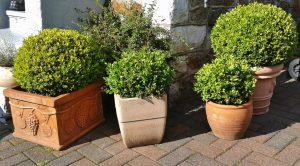
Container plants face root zone temperatures 10°F to 20°F colder than in-ground plants because pots lack insulating soil. Professional growers recommend selecting plants rated two full hardiness zones colder than your location for reliable winter container survival.
In this guide, we cover 10 best potted plants that can live outside in the winter based on cold hardiness, container suitability, winter foliage interest, and proven survival in freezing temperatures.
What Potted Plants Can Live Outside In The Winter? 10 Best
1. Boxwood (Buxus sempervirens) – Best Cold Hardy Evergreen for Winter Containers
Boxwood survives winter temperatures down to -10°F to -20°F (Zone 5) when grown in containers with proper root protection. This broadleaf evergreen maintains its dense green foliage throughout winter, providing structure to frozen patios and entryways. Potted boxwood requires container size of at least 12 inches deep to insulate roots from freeze-thaw cycles.

The slow growth rate (1 to 2 inches per year) means boxwood needs repotting only every 2 to 3 years. Container-grown boxwood tolerates heavy snow loads when branches are brushed clean after each storm. Dwarf varieties like ‘Green Gem’ and ‘Winter Gem’ stay under 3 feet tall, perfect for small patio planters.
This plant needs regular watering until the ground freezes because dry roots suffer more cold damage than moist roots. For northern gardens (Zone 4 to 5) , choose Korean boxwood (Buxus sinica var. insularis) which survives -20°F reliably. Potted boxwood requires winter winds protection using burlap wraps on exposed patios.
Pros:
-
-20°F survival
-
Evergreen foliage
-
Slow growing
-
Snow tolerant
-
Dwarf varieties
-
Patio sized
-
Winter structure
Cons:
-
Needs wrapping
-
Slow growth
-
Bronze discolors
2. Dwarf Alberta Spruce (Picea glauca ‘Conica’) – Best Potted Conifer for Winter
Dwarf Alberta Spruce survives winter temperatures down to -30°F to -40°F (Zone 3 to 4) when grown in outdoor containers. This slow-growing conifer adds just 2 to 4 inches per year, reaching only 6 to 8 feet tall over 10 to 15 years. The dense, soft needles resist winter burn when protected from drying winds.
Container-grown spruce requires at least 10 gallons of soil volume to insulate roots through freezing and thawing cycles. The pyramidal shape provides a classic Christmas tree appearance for winter holiday containers on patios and porches. This plant needs no winter pruning and maintains its natural form without human intervention.
Potted spruce requires watering until the ground freezes solid in late autumn. For smaller containers (5 to 10 gallons) , choose ‘Little Gem’ spruce which stays under 3 feet tall after 10 years. The slow growth rate means repotting only every 3 to 4 years, making this a low-maintenance winter container choice.
Pros:
-
-40°F survival
-
Zone 3 hardy
-
2 to 4 inches
-
Pyramidal shape
-
No pruning
-
Low maintenance
-
Holiday look
Cons:
-
Needs windbreak
-
Spider mite prone
-
Very slow
3. Blue Star Juniper (Juniperus squamata ‘Blue Star’) – Best Potted Evergreen Groundcover for Winter
Blue Star Juniper survives winter temperatures down to -20°F to -30°F (Zone 4 to 5) while providing intense blue-silver foliage all winter long. This slow-growing conifer adds only 1 to 2 inches per year, reaching just 12 to 18 inches tall at maturity. The spiky, needle-like foliage resists deer browsing during winter months when food sources are scarce.
Container-grown juniper requires excellent drainage because wet winter roots rot faster than dry frozen roots. The mounded, spreading habit (2 to 3 feet wide) makes it perfect for large winter planters and half barrels. This plant needs no winter protection beyond moving containers against a south-facing wall for extra warmth.
Potted juniper requires watering only when soil thaws during winter warm spells above 40°F. For smaller containers (5 to 8 gallons) , Blue Star juniper stays compact enough to avoid annual repotting. The intense winter color provides visual interest when most other plants are brown or dormant.
Pros:
-
-30°F survival
-
Blue foliage
-
Deer resistant
-
1 to 2 inches
-
12 to 18 inches
-
Mounded habit
-
Winter color
Cons:
-
Slow growth
-
Needs drainage
-
Sharp needles
4. Heuchera ‘Palace Purple’ – Best Potted Perennial for Winter Interest
Heuchera ‘Palace Purple’ survives winter temperatures down to -20°F to -30°F (Zone 4) while retaining deep burgundy evergreen foliage. This coral bells cultivar keeps its rich winter color when most perennials die back completely to the ground. The shallow root system adapts well to containers as small as 6 inches deep.
Container-grown heuchera needs mulch on top of the soil after the ground freezes to prevent winter heaving. The mounding foliage (6 to 12 inches tall) provides winter texture for mixed planters with evergreens and ornamental grasses. This plant requires no winter watering because dormant roots need only natural snowfall moisture.
Potted heuchera survives better in unglazed terra cotta pots that breathe and prevent excess moisture buildup. For colder zones (Zone 3) , choose Heuchera ‘Obsidian’ which survives -30°F with similar deep purple foliage. The winter foliage may flatten against the soil surface but rebounds quickly in early spring.
Pros:
-
-30°F survival
-
Burgundy leaves
-
Evergreen
-
Shallow roots
-
6 inch pot
-
No watering
-
Spring rebound
Cons:
-
Heaving risk
-
Needs mulch
-
Flattening
5. Sedum ‘Angelina’ (Sedum rupestre) – Best Potted Succulent for Winter
Sedum ‘Angelina’ survives winter temperatures down to -20°F to -30°F (Zone 4 to 5) despite being a succulent with fleshy leaves. The needle-like foliage turns from golden yellow to orange and copper shades during cold weather, providing winter color interest. This groundcover sedum spreads just 2 to 4 inches per year, staying manageable in containers.

Container-grown sedum needs well-draining potting mix with extra perlite to prevent winter rot from snowmelt. The trailing habit (6 to 8 inches tall, 12 to 18 inches wide) makes it perfect for hanging baskets and window boxes left outside all winter. This plant requires absolutely no winter watering because frozen roots absorb nothing.
Potted sedum survives better in shallow bowls (4 to 5 inches deep) than deep pots where water accumulates. For colder zones (Zone 3) , choose Sedum ‘Voodoo’ which survives -35°F with similar trailing habit. The winter foliage texture provides visual interest when most other plants are bare stems.
Pros:
-
-30°F survival
-
Orange copper color
-
Trailing habit
-
No watering
-
Shallow pots
-
Hanging basket
-
Winter texture
Cons:
-
Rot risk
-
Needs perlite
-
Slow spread
6. Coral Bells ‘Georgia Peach’ (Heuchera villosa) – Best Potted Winter Foliage Plant
‘Georgia Peach’ Heuchera survives winter temperatures down to -20°F to -30°F (Zone 4) with peach to amber colored evergreen foliage. This Heuchera villosa hybrid has larger leaves (4 to 5 inches across) than standard coral bells, providing more winter visual impact. The fuzzy, felted leaves resist winter wind desiccation better than smooth-leaf varieties.
Container-grown Georgia Peach needs 12 to 14 inch diameter pots to accommodate its mature spread of 12 to 18 inches. The mounding habit (8 to 10 inches tall) creates a rounded form that holds up well under winter snow loads. This plant requires winter watering only during extended thaws when temperatures rise above 45°F for more than a week.
Potted Georgia Peach survives better when grouped with other containers to create a protective microclimate. For northern gardens (Zone 3) , choose Heuchera ‘Citronelle’ which survives -35°F with bright lime-green winter foliage. The peach winter color contrasts beautifully with blue junipers and evergreens in mixed planters.
Pros:
-
-30°F survival
-
Peach amber color
-
Felted leaves
-
Wind resistant
-
4 to 5 inches
-
Snow tolerant
-
Color contrast
Cons:
-
Needs grouping
-
12 inch pot
-
Slow spring
7. Japanese Andromeda (Pieris japonica) – Best Potted Winter Flowering Shrub
Japanese Andromeda produces pendulous white flower buds in autumn that persist through winter and open in early spring. This broadleaf evergreen survives winter temperatures down to -10°F to -20°F (Zone 5) when container-grown. The new red foliage growth appears in late winter, providing color before flowers even open.
Container-grown Pieris requires acidic potting mix (pH 5.0 to 6.0) with extra peat moss for healthy root development. The slow growth rate (4 to 6 inches per year) keeps this shrub manageable in 10 to 15 gallon containers for several years. This plant needs winter wind protection because exposed buds can desiccate and fail to open in spring.
Potted Pieris requires consistent soil moisture in autumn to set abundant flower buds for winter display. For smaller containers (5 to 8 gallons) , choose Pieris ‘Cavatine’ which stays under 3 feet tall at maturity. The winter buds provide months of interest from October through March before spring bloom.
Pros:
-
Winter buds
-
Early spring bloom
-
Red new growth
-
Slow growth
-
10 to 15 gallon
-
Long interest
-
Evergreen
Cons:
-
Needs acid soil
-
Wind protection
-
Zone 5 only
8. Dwarf Hinoki Cypress (Chamaecyparis obtusa ‘Nana Gracilis’) – Best Potted Slow Growing Conifer
Dwarf Hinoki Cypress survives winter temperatures down to -20°F to -30°F (Zone 4 to 5) with fan-shaped dark green foliage that bronzes slightly in cold weather. This slowest growing conifer adds just 1 to 2 inches per year, reaching only 2 to 3 feet tall after 10 years. The shell-like foliage whorls provide unique winter texture unmatched by other evergreens.
Container-grown Hinoki requires consistently moist but well-draining soil because dry roots suffer cold damage more than wet roots. The mounded, irregular shape (wider than tall) makes this plant perfect for low winter planters on patios and entryways. This specimen needs winter protection from strong winds using burlap or placement against a building wall.
Potted Hinoki survives better in glazed ceramic pots that retain slightly more moisture than terra cotta. For smaller spaces , choose ‘Nana’ which stays under 18 inches tall after 10 years of growth. The winter bronze tint adds subtle color variation to monochromatic evergreen container arrangements.
Pros:
-
1 to 2 inches
-
2 to 3 feet
-
Unique texture
-
Fan shaped
-
Winter bronze
-
Low height
-
Irregular shape
Cons:
-
Needs windbreak
-
Consistent moisture
-
Very slow
9. Hellebore (Helleborus niger – Christmas Rose) – Best Potted Winter Flowering Perennial
Hellebore produces pure white flowers in December through February even when snow covers the container surface. This evergreen perennial survives winter temperatures down to -20°F to -30°F (Zone 4) with leathery, dark green foliage year-round. The flowers face downward, protecting reproductive parts from snow and freezing rain damage.
Container-grown hellebore needs at least 12 inches of soil depth to accommodate its deep, fleshy root system. The slow spreading habit (1 to 2 inches per year) keeps this plant manageable in 8 to 10 inch pots for three to four years. This perennial requires consistent autumn moisture to set flower buds for winter bloom.
Potted hellebore survives better in partial shade locations where winter sun doesn’t thaw and refreeze soil repeatedly. For extended winter bloom , choose Helleborus ‘Jacob’ which flowers from November through March in Zone 5. The winter flowers last 4 to 6 weeks on the plant, providing months of outdoor interest.
Pros:
-
December bloom
-
Pure white
-
Evergreen leaves
-
12 inch depth
-
Long lasting
-
November to March
-
Shade tolerant
Cons:
-
Slow spreading
-
Needs autumn water
-
Downward facing
10. Potted Pansies (Viola x wittrockiana) – Best Potted Annual for Winter Color
Pansies survive winter temperatures down to 10°F to 15°F and bounce back from single digit freezes when temperatures rise again. These cool-season annuals produce flowers from October through April in mild winter climates (Zone 6 to 9). The roots remain alive even when foliage freezes, regrowing when temperatures warm above 40°F.
Container-grown pansies need fresh potting mix each autumn because old soil harbors fungal diseases. The shallow root system (4 to 6 inches deep) allows planting in window boxes and shallow bowls as small as 4 inches deep. These plants require regular watering during winter thaws because winds dry out containers faster than in-ground soil.
Potted pansies survive better when planted tightly (4 to 5 inches apart) so roots insulate each other. For coldest zones (Zone 4 to 5) , choose ‘Ice Pansy’ series which survives -5°F reliably with flower protection. The winter flowers close at night and on cloudy days, reopening when sunlight warms the plants.
Pros:
-
10°F survival
-
October to April
-
Shallow roots
-
4 inch depth
-
Tight planting
-
Ice series
-
Day reopening
Cons:
-
Zone 6 to 9
-
Regular water
-
Night closing
Potted Plants Can Live Outside In The Winter (FAQs)
1. What temperature is too cold for potted plants outside?
Potted plants experience root damage when temperatures drop below 20°F for most species and 10°F for cold-hardy varieties. Container roots freeze at 10°F to 15°F warmer than in-ground soil because pots lack insulating earth around them.
2. Can I leave potted perennials outside in winter?
Yes, potted perennials rated two zones colder than your location survive winter outdoors with proper container selection. Heuchera, sedum, and hellebore in 12 inch or larger pots survive Zone 4 winters reliably.
3. How do I protect potted plants in winter?
Move containers against a south-facing wall to absorb winter sun and radiate heat overnight. Wrap pots with bubble wrap or burlap to insulate roots and group containers together for mutual wind protection.
4. What pots are best for winter outdoor plants?
Unglazed terra cotta cracks during freeze-thaw cycles, so choose fiberglass, plastic, or glazed ceramic for winter containers. Dark colored pots absorb sunlight and warm roots faster than light colored containers.
5. Should I water potted plants in winter?
Water potted plants only when temperatures rise above 40°F and soil thaws completely. Frozen roots cannot absorb water, so watering frozen soil causes root rot rather than helping the plant.
6. Can evergreens survive winter in pots?
Yes, dwarf Alberta spruce, boxwood, and Hinoki cypress survive winter in pots when the container size exceeds 10 gallons of soil volume. Smaller pots freeze solid and kill roots even on cold-hardy evergreen species.
7. What flowering plants bloom in winter pots?
Hellebore produces flowers from December through February and pansies bloom during winter thaws above 40°F . Winter jasmine (Jasminum nudiflorum) adds yellow flowers to Zone 5 containers from January through March.
Conclusion
In conclusion, the best potted plant that can live outside in the winter is Dwarf Alberta Spruce because it survives -40°F (Zone 3) in containers and adds just 2 to 4 inches per year. This slow-growing conifer requires repotting only every 3 to 4 years and maintains its pyramidal shape without any winter pruning.
The runner-up is Boxwood (Buxus sempervirens) , chosen because this broadleaf evergreen survives -20°F in containers and responds well to shaping for formal winter planters. The dwarf varieties like ‘Green Gem’ stay under 3 feet tall, making them perfect for small patio spaces where larger conifers cannot fit.
Dwarf Alberta Spruce earned the top spot because its Zone 3 hardiness tolerates the coldest winter temperatures while container roots freeze 10°F to 15°F warmer than in-ground soil. Boxwood secured second place because its dense evergreen foliage provides winter structure and its slow growth rate keeps it manageable in containers for many years.
Take action today by selecting 10 to 15 gallon containers made of fiberglass or glazed ceramic for winter planting. Your patio and entryway will maintain beauty through the harshest winter months with Dwarf Alberta Spruce or Boxwood as your foundation plants.
Recent Posts
Spring fertilization supports healthy leaf development, root activity, and productive shoot growth when apple trees have insufficient soil nutrients. Selecting an appropriate fertilizer requires...
Cucumbers (Cucumis sativus) are vigorous, fast-growing vines that can produce abundant harvests when their roots receive enough water, warmth, and balanced nutrition. The best fertilizer for cukes in...