What Is Picloram Used For is an important question for anyone managing broadleaf weeds, woody brush, pasture vegetation, rangeland, or non-cropland areas. Picloram is a systemic herbicide used primarily to control susceptible broadleaf weeds and woody plants in agricultural and non-agricultural settings.
Picloram belongs to the pyridine herbicide group and is particularly useful against many difficult-to-control broadleaf species. Depending on the registered product and label, it can be used in pastures, rangelands, forests, rights-of-way, fallow areas, small grains, and other approved sites.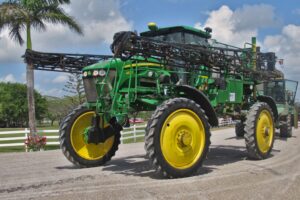
Its applications include controlling invasive weeds, brush, vines, woody plants, and certain troublesome species such as knapweed, leafy spurge, mesquite, multiflora rose, and thistles. The exact weeds and application sites permitted vary by product label, formulation, country, and registration.
In this guide, we explain 15 important uses of picloram, including its role in pasture weed control, rangeland management, brush control, forestry, rights-of-way, fallow land, and selected crops. Because picloram can injure desirable broadleaf vegetation, applications should always follow the current product label and applicable local regulations.
What Is Picloram Used For? 15 important uses
1. Broadleaf Weed Control
One of the best known uses of picloram is controlling broadleaf weeds in grass-dominated agricultural and non-agricultural areas. It has activity against a wide range of susceptible annual and perennial broadleaf species.
Picloram is particularly valuable where broadleaf weeds are competing with desirable grasses. EPA identifies picloram as a herbicide used to control broadleaf weeds and woody plants across several agricultural and non-agricultural sites.
The specific weeds controlled depend on the formulation and label. Products may list individual weeds together with application rates and growth-stage requirements.
Pros
- Broadleaf activity
- Systemic herbicide
- Multiple use sites
- Controls difficult weeds
- Useful in grassland
- Long-lasting activity
- Several formulations
Cons
- Can injure crops
- Sensitive plants affected
- Label restrictions apply
2. Pasture Weed Management
Picloram is widely used for broadleaf weed control in permanent grass pastures where the objective is to reduce competition from susceptible weeds while maintaining desirable grass vegetation. EPA lists pasture among the registered use categories for picloram.
The herbicide can target numerous broadleaf weeds that compete with forage grasses for water, nutrients, sunlight, and growing space. Historical EPA documentation specifically describes its use against woody species such as hawthorn and multiflora rose in permanent grass pastures.
However, not every pasture product can be used on every forage situation. Hay, silage, grazing, harvest, and preharvest restrictions can differ between labels, so the registered product instructions are critical.
Pros
- Pasture compatible
- Broadleaf control
- Brush suppression
- Grassland application
- Multiple target weeds
- Useful for forage areas
- Systemic action
Cons
- Label dependent
- Forage restrictions
- Crop injury possible
3. Rangeland Weed Control
Picloram is an important herbicide for rangeland weed control, particularly where invasive or undesirable broadleaf plants reduce the productivity or ecological value of grass-dominated landscapes. EPA documents its use on western rangelands against species including bitterweed, knapweed, leafy spurge, locoweed, larkspur, mesquite, prickly pear, and snakeweed.
Rangeland applications can be directed toward individual problem weeds or broader infestations depending on the product and approved application method. Some registered products permit broadcast applications, while others include spot-treatment directions.
Because rangelands can contain desirable native vegetation, application must be carefully managed. Picloram is active against many broadleaf plants, so drift or unintended exposure can damage susceptible non-target vegetation.
Pros
- Rangeland approved
- Controls invasive weeds
- Controls brush
- Useful on difficult weeds
- Broadcast options
- Spot-treatment options
- Grassland compatible
Cons
- Non-target injury
- Drift concerns
- Label restrictions
4. Woody Brush Control
Picloram is used for woody brush control where susceptible shrubs and small woody plants are invading pastures, rangelands, rights-of-way, or other approved sites. EPA documentation lists numerous woody plants controlled by registered picloram products.
Target species can include various acacias, junipers, locusts, mesquite, multiflora rose, Macartney rose, Chinese tallowtree, and other woody plants depending on the formulation.
Brush control can help restore access, reduce competition with desirable vegetation, and maintain the intended use of grassland or non-crop areas. The appropriate treatment method depends heavily on the species, size, density, and label directions.
Pros
- Brush control
- Woody weed activity
- Multiple target species
- Useful on rangeland
- Useful on pasture
- Several treatment methods
- Systemic activity
Cons
- Broadleaf plants vulnerable
- Drift can injure trees
- Species-specific rates
5. Knapweed Control
Picloram is used for knapweed control in rangeland and other approved areas because several knapweed species are susceptible to the herbicide. EPA specifically identifies knapweed among the rangeland weeds for which picloram has been used.
Knapweeds can compete aggressively with desirable vegetation and may become difficult to manage when infestations are established. Picloram can therefore form part of an integrated weed-management program where its use is permitted.
Application timing matters because herbicide performance can vary with plant growth stage and environmental conditions. Always use the rate, timing, and application method specified for the particular registered product.
Pros
- Knapweed activity
- Rangeland use
- Systemic action
- Multiple formulations
- Useful for infestations
- Grassland applications
- Integrated management tool
Cons
- Timing matters
- Non-target risk
- Label specific
6. Leafy Spurge Control
Picloram is used for leafy spurge control in certain rangeland, pasture, and other approved situations. EPA identifies leafy spurge among the weeds historically controlled with picloram.
Leafy spurge is a perennial broadleaf weed that can establish persistent infestations. Its control may require a carefully planned program rather than a single treatment.
Picloram may be used alone or in registered combinations depending on the product and target situation. The exact label should be followed because formulations and permitted use sites differ.
Pros
- Perennial weed activity
- Rangeland applications
- Pasture applications
- Systemic herbicide
- Multiple formulations
- Integrated control option
- Established use pattern
Cons
- Persistent weed
- Repeat management possible
- Label restrictions
7. Mesquite Control
Picloram is used for mesquite control and suppression in certain rangeland and non-crop situations. EPA documentation lists mesquite among woody plants targeted with picloram products.
Mesquite can become a significant woody encroachment problem in grassland and rangeland environments. Registered picloram treatments can be incorporated into vegetation-management programs where mesquite control is permitted.
Treatment performance depends on plant growth stage, environmental conditions, application technique, and the specific formulation. Some labels distinguish between control and suppression, so these terms should not be treated as interchangeable.
Pros
- Mesquite activity
- Woody plant control
- Rangeland use
- Brush management
- Systemic action
- Multiple application methods
- Useful in vegetation programs
Cons
- Suppression may differ
- Timing matters
- Label dependent
8. Thistle Control
Picloram is used for thistle control against susceptible species in approved pasture, rangeland, small-grain, and non-crop situations. EPA documents specifically reference thistles among weeds controlled with picloram.
Registered products can contain directions for different thistle species and growth stages. For example, EPA product-label documentation provides specific directions for several biennial thistles.
The correct application timing is therefore important. Mature plants and different thistle species may require different rates or treatment windows under the applicable label.
Pros
- Thistle activity
- Multiple species
- Pasture use
- Rangeland use
- Crop applications
- Growth-stage directions
- Systemic action
Cons
- Species differences
- Timing sensitive
- Label specific
9. Multiflora Rose Control
Picloram is used for multiflora rose control in certain pasture, rangeland, forestry, and non-crop applications. EPA documentation specifically identifies multiflora rose among woody plants controlled by picloram products.
Multiflora rose can form dense woody growth that interferes with pasture management and access. Picloram can therefore be incorporated into brush-management programs where the product label specifically permits treatment.
The plant’s growth stage and condition can influence treatment performance. Some labels provide specific restrictions around recently mowed plants or plants with substantial new growth.
Pros
- Woody weed control
- Multiflora rose activity
- Pasture applications
- Rangeland applications
- Systemic herbicide
- Brush management
- Specific label directions
Cons
- Timing important
- Broadleaf injury risk
- Label restrictions
10. Rights-of-Way Vegetation Management
Picloram is used for vegetation control along certain rights-of-way, including roadsides, railroads, utility corridors, pipelines, and similar non-crop areas. EPA documentation identifies rights-of-way as an important registered use category.
The objective is generally to control susceptible broadleaf weeds, vines, and woody vegetation that can interfere with infrastructure maintenance. EPA documentation specifically describes its use for brush and perennial weed control along railroad and highway rights-of-way.
Because these areas can border homes, farms, waterways, gardens, and desirable trees, application must be carefully managed. Drift prevention and compliance with the registered product label are especially important.
Pros
- Roadside vegetation control
- Railroad applications
- Utility corridor use
- Brush control
- Broadleaf weed control
- Vine control
- Infrastructure management
Cons
- Drift concerns
- Non-target injury
- Restricted applications
11. Forestry Site Preparation
Picloram is used for forestry site preparation in certain registered situations where competing broadleaf vegetation and woody plants need to be controlled before or during forest establishment. EPA identifies forests and forest site preparation among picloram use categories.
Its ability to control susceptible woody plants and broadleaf weeds can help reduce competing vegetation in approved forestry operations. EPA documentation has specifically described its use for controlling plants such as kudzu and honeysuckle in forest site preparation.
Forestry applications require careful attention to the crop species being established and the specific label. Not every picloram formulation is registered for every forestry situation.
Pros
- Forestry use
- Brush control
- Broadleaf control
- Site preparation
- Woody plant activity
- Large-area applications
- Vegetation management
Cons
- Label specific
- Tree injury possible
- Application restrictions
12. Fallow Land Weed Control
Picloram is used for weed control on certain fallow land where susceptible broadleaf vegetation needs to be managed before a subsequent crop or land-use phase. EPA lists fallow among the registered use categories for picloram.
Fallow weed management can reduce competition and prevent troublesome broadleaf plants from producing additional seed. The appropriate use depends on the crop rotation and restrictions associated with the particular product.
Because residual activity can be relevant with picloram, crop-rotation requirements must be considered carefully. The product label should be consulted before planting a subsequent crop.
Pros
- Fallow use
- Broadleaf control
- Systemic action
- Weed suppression
- Rotation guidance
- Multiple target species
- Agricultural application
Cons
- Rotation restrictions
- Residual concerns
- Label dependent
13. Small-Grain Weed Control
Picloram is registered for certain small-grain weed-control applications, including barley, oats, and wheat under applicable labels. EPA’s registration-review information lists barley, oats, and wheat among picloram use sites.
EPA documentation also describes picloram use against wild buckwheat and thistles in small grains such as wheat, oats, and barley in specified regions.
Crop stage and application timing are critical because herbicide use must protect the crop while targeting susceptible weeds. Always follow the specific product label for the crop, weed, application rate, and preharvest requirements.
Pros
- Wheat applications
- Oat applications
- Barley applications
- Broadleaf control
- Specific weed targets
- Agricultural use
- Label guidance
Cons
- Crop-stage limits
- Regional restrictions
- Preharvest rules
14. Vine Control
Picloram is used for control of certain invasive or unwanted vines in approved non-crop and vegetation-management situations. EPA documentation describes its use against vines including Virginia creeper, honeysuckle, morning-glory species, and milkweed vine in certain rights-of-way applications.
Vines can climb utility structures, trees, fences, and other infrastructure, making them difficult to manage mechanically. Picloram can provide systemic herbicidal activity against susceptible species when the registered label permits the treatment.
Care is necessary around desirable trees and shrubs because many broadleaf plants can be susceptible. Preventing spray drift and avoiding unintended contact are essential parts of responsible application.
Pros
- Vine control
- Systemic activity
- Rights-of-way use
- Brush management
- Difficult weeds targeted
- Multiple target species
- Infrastructure applications
Cons
- Tree injury risk
- Drift concerns
- Species specific
15. Invasive Plant Management
Picloram is used for invasive plant management where susceptible broadleaf weeds and woody plants threaten pastures, rangelands, forests, conservation areas, or other approved sites. EPA notes that picloram is used to control a wide range of broadleaf and woody weed species, including invasive species, particularly in pasture and rangeland settings.
Its role can be particularly important where invasive plants are difficult to remove mechanically or where repeated vegetation management is required. However, herbicide treatment is generally one component of broader vegetation-management strategies rather than a universal solution.
EPA has also highlighted environmental concerns involving picloram and non-target plants, including the potential for residues in contaminated compost to damage susceptible plants.
Pros
- Invasive weed control
- Broadleaf activity
- Woody plant activity
- Rangeland applications
- Pasture applications
- Conservation applications
- Systemic action
Cons
- Non-target risk
- Residue concerns
- Strict label use
Important Facts About Picloram
1. Picloram Is a Systemic Herbicide
Picloram is a systemic herbicide, meaning susceptible plants can absorb and translocate the active ingredient within their tissues. This property contributes to its usefulness against certain perennial broadleaf weeds and woody plants.
2. It Primarily Targets Broadleaf Vegetation
Picloram is particularly associated with control of broadleaf weeds and woody plants rather than being a general-purpose grass killer. Its registered uses vary substantially according to formulation and product label.
3. It Has Agricultural And Non-Agricultural Uses
Registered picloram use sites include pasture, rangeland, forests, fallow land, small grains, rights-of-way, conservation reserve land, industrial areas, and fencerows or hedgerows.
4. Product Labels Matter
The term “picloram” does not mean every product containing the active ingredient has identical uses. Application rates, crops, weeds, timing, grazing restrictions, harvest intervals, and permitted sites depend on the specific registered formulation and label.
5. Picloram Can Injure Desirable Broadleaf Plants
Because picloram targets broadleaf vegetation, desirable trees, shrubs, flowers, vegetables, and other sensitive plants can be injured by unintended exposure. EPA has specifically addressed ecological risks and measures intended to reduce impacts on non-target plants.
What Picloram Is Used For FAQs
1. What is picloram mainly used for?
Picloram is mainly used to control susceptible broadleaf weeds and woody plants. Important use areas include pastures, rangelands, forestry, rights-of-way, fallow land, and certain crops.
2. Does picloram kill grass?
Picloram is primarily used against broadleaf weeds and woody plants rather than grasses. However, the response of desirable and non-target vegetation depends on the species, formulation, rate, and exposure.
3. What weeds does picloram control?
Depending on the product and label, picloram can control susceptible weeds including knapweed, leafy spurge, thistles, bitterweed, locoweed, larkspur, wild buckwheat, and other broadleaf species.
4. Is picloram used to control brush?
Yes. Picloram is used against various susceptible woody plants and brush species, including certain mesquite, multiflora rose, locust, acacia, juniper, and other woody vegetation.
5. Can picloram be used in pastures?
Yes, certain picloram products are registered for permanent grass pastures and rangelands. However, grazing, haying, silage, harvest, and application restrictions depend on the specific product label.
6. Is picloram used in forestry?
Yes. Forestry and forest site preparation are among the registered use categories identified by EPA for picloram.
7. Why is picloram considered useful for difficult weeds?
Picloram has systemic activity and is effective against numerous susceptible broadleaf and woody species, including some perennial weeds and brush. Its usefulness depends on the target species, application timing, formulation, and conditions.
Conclusion
In conclusion, what picloram is used for can be summarized primarily as the control of susceptible broadleaf weeds and woody plants across approved agricultural, forestry, rangeland, pasture, and non-crop sites. Its documented uses include managing knapweed, leafy spurge, thistles, mesquite, multiflora rose, vines, brush, and other troublesome vegetation.
The best use of picloram depends on the specific target weed, site, formulation, and registered label rather than simply the active ingredient itself. Picloram products can differ considerably in their permitted crops, application methods, rates, restrictions, and use sites.
Picloram can be valuable for pasture and rangeland management, forestry site preparation, rights-of-way vegetation control, fallow-land weed management, and certain small-grain applications. At the same time, its activity against broadleaf plants means that desirable vegetation can be damaged by drift, runoff, or other unintended exposure.
For professional herbicide management, always identify the target species first and then select a product whose current label specifically permits picloram use on that site. The product label is the final authority for application rate, timing, crop restrictions, grazing or harvest requirements, and environmental precautions.
Recent Posts
Spring fertilization supports healthy leaf development, root activity, and productive shoot growth when apple trees have insufficient soil nutrients. Selecting an appropriate fertilizer requires...
Cucumbers (Cucumis sativus) are vigorous, fast-growing vines that can produce abundant harvests when their roots receive enough water, warmth, and balanced nutrition. The best fertilizer for cukes in...