Fomesafen is a selective weed management chemical widely used in agriculture to protect crop yields. Its primary function is to control problematic broadleaf weeds, which compete with crops for sunlight, nutrients, and water. Understanding its roles and applications helps farmers and agronomists make informed decisions about crop management.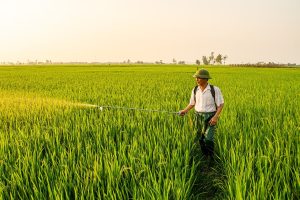
Belonging to the diphenyl ether class, it works by disrupting critical plant enzymes, causing susceptible weeds to stop growing and die. Unlike broad-spectrum chemicals, it targets weeds while leaving crops unharmed, making it an essential tool for sustainable farming.
In this guide, we explore the 10 best roles and uses of fomesafen, highlighting its functions in crop protection, weed suppression, and integrated agricultural systems.
What Is Fomesafen Herbicide Used For? Find 10 Best
1. Best for Broadleaf Weed Control in Soybeans
One of the primary uses of fomesafen is controlling broadleaf weeds in soybean fields. It stops weeds from competing with crops during critical growth stages. This role protects plant health and ensures maximum yield potential.

It also functions as a post-emergence solution, allowing farmers to manage weeds that escaped early pre-emergence applications. By reducing weed pressure, it supports stronger, more uniform crop growth.
Additionally, its selective nature ensures that soybean plants are not harmed, making it a safe and effective tool in row-crop management.
Pros
-
Broadleaf control
-
Soybean-safe
-
Post-emergence action
-
Yield protection
-
Resistance management
-
Rapid effect
-
Sustainable
Cons
-
Crop-specific
-
Timing sensitive
-
Residual limits
2. Best for Managing Resistant Pigweed
Fomesafen’s function includes targeting resistant pigweed species, such as Palmer amaranth. These weeds often survive other herbicides, reducing crop yields if left unchecked.
Its mode of action makes it an essential part of resistance management programs, rotating with other chemicals to slow the development of resistant populations.
It also reduces the seed bank in fields, limiting future infestations and improving long-term weed control strategies.
Pros
-
Resistant weed control
-
Seed bank reduction
-
Crop-safe
-
Fast action
-
Rotational use
-
Proven effectiveness
-
Strategic integration
Cons
-
Limited crops
-
Environmental sensitivity
-
Rotation limits
3. Best for Post-Emergence Weed Suppression
Another important role is post-emergence weed suppression, which allows farmers to treat weeds that are already visible in fields. This ensures early control before weeds impact crop development.
The product quickly halts weed growth, reducing competition for sunlight, water, and nutrients. Early intervention also reduces the need for multiple applications later in the season.
This role is critical in protecting crop yield and minimizing long-term weed pressure.
Pros
-
Early-stage suppression
-
Rapid response
-
Reduced competition
-
Crop safety
-
Lower intervention frequency
-
Field uniformity
-
Reliable control
Cons
-
Timing critical
-
Weather-dependent
-
Limited spectrum
4. Best for Waterhemp and Other Broadleaf Weeds
It functions effectively against problematic broadleaf weeds, including waterhemp, which is common in row crops. These weeds can significantly reduce yields if uncontrolled.
By targeting specific weed physiology, it suppresses growth and prevents seed production. This contributes to long-term weed management and cleaner fields over multiple seasons.
Additionally, this function supports crop competitiveness, ensuring resources are available for crop growth instead of weeds.
Pros
-
Waterhemp control
-
Seed suppression
-
Broadleaf-specific
-
Yield protection
-
Sustainable
-
Early intervention
-
Proven efficacy
Cons
-
Crop restrictions
-
Resistance risk
-
Timing-sensitive
5. Best for Yield Protection
One of the most critical roles is yield protection. By reducing weed pressure, it allows crops to grow without competition for nutrients and sunlight.
The function directly supports economic efficiency in farming, ensuring that resources invested in planting and maintenance translate into harvestable produce.
It also reduces stress on crops, which can prevent secondary issues such as disease susceptibility or uneven growth.
Pros
-
Reduces competition
-
Protects yield
-
Improves crop uniformity
-
Supports economic return
-
Reduces stress
-
Sustainable
-
Proven results
Cons
-
Crop-specific
-
Requires proper timing
-
Rotation management
6. Best for Integrated Weed Management
The product is a key tool in integrated weed management (IWM) systems. Its selective activity allows rotation with other chemicals to prevent resistance.
It complements cultural practices such as crop rotation, cover cropping, and mechanical weed control. This ensures that weeds are managed in a holistic, sustainable way.
The function enhances long-term field productivity while maintaining chemical diversity in crop protection programs.
Pros
-
IWM compatible
-
Resistance prevention
-
Strategic planning
-
Complements other practices
-
Sustainable
-
Flexible use
-
Field efficiency
Cons
-
Requires planning
-
Knowledge-intensive
-
Coordination needed
7. Best for Early-Season Weed Control
It functions to control weeds early in the crop lifecycle, reducing competition at critical growth stages. Early application supports better root development and overall crop vigor.
By targeting weeds before they mature, it prevents seed production and reduces future infestations. Early suppression also decreases the need for multiple interventions later.
This role improves the overall health and productivity of the field.
Pros
-
Early suppression
-
Root protection
-
Reduces seed bank
-
Crop vigor
-
Lowers intervention
-
Field uniformity
-
Sustainable
Cons
-
Timing sensitive
-
Limited window
-
Weather-dependent
8. Best for Row Crops
It is commonly used in row crops like soybeans, peanuts, and cotton. Its selective function targets weeds that interfere with crop rows without damaging plants.
By keeping rows clean, it ensures uniform growth and facilitates efficient mechanized operations. Its role in maintaining field integrity improves both yield and harvest efficiency.
Pros
-
Row crop compatible
-
Selective control
-
Mechanization-friendly
-
Yield support
-
Clean rows
-
Proven function
-
Operational efficiency
Cons
-
Crop-specific
-
Rotation limits
-
Resistance risk
9. Best for Large-Scale Agriculture
The product is ideal for commercial farming operations, where consistent and reliable weed management is essential. Its targeted function ensures broadleaf weeds are controlled over large areas.
It allows growers to maintain uniform fields and manage labor more efficiently, supporting productivity at scale.
Additionally, its function in resistance management programs ensures long-term effectiveness in professional agriculture.
Pros
-
Large-scale use
-
Reliable control
-
Field uniformity
-
Labor-efficient
-
Crop-safe
-
Resistance support
-
Economical
Cons
-
Requires oversight
-
Regulatory compliance
-
Crop limitations
10. Best for Resistance Mitigation Programs
Finally, it plays a critical role in slowing herbicide resistance development. By offering a unique mode of action, it can be rotated with other herbicides to prevent resistant populations from spreading.
This function is vital for sustainable agriculture, ensuring that future crops are not compromised by resistant weeds. It also contributes to long-term field productivity and environmental stewardship.
Pros
-
Resistance control
-
Long-term sustainability
-
Rotational use
-
Crop protection
-
Reduced seed bank
-
Proven efficacy
-
Strategic integration
Cons
-
Requires planning
-
Knowledge-intensive
-
Crop restrictions
Frequently Asked Questions About Fomesafen Herbicide
1. What is fomesafen herbicide used for?
Fomesafen is primarily used for post-emergence control of broadleaf weeds in crops such as soybeans, peanuts, and cotton. Its main role is to reduce weed competition and protect crop yield.
2. Can fomesafen control resistant weeds?
Yes, it is effective against certain herbicide-resistant weeds, including pigweed and waterhemp. Using it in rotation with other herbicides helps prevent further resistance development.
3. Which crops are safe for fomesafen application?
Fomesafen is safe for soybeans, peanuts, and cotton when applied according to the labeled guidelines. Selective action ensures weeds are controlled without harming the main crop.
4. When should fomesafen be applied?
The best use is post-emergence, targeting actively growing weeds. Early application helps prevent seed production and reduces long-term weed pressure.
5. How does fomesafen improve crop yield?
By controlling competitive weeds, it allows crops to access more sunlight, water, and nutrients, leading to healthier growth and higher harvests. Research shows treated fields can yield up to 20% more than untreated ones.
6. Can fomesafen be used in integrated weed management?
Yes, it fits well in IWM programs alongside crop rotation, mechanical cultivation, and other herbicides. This reduces reliance on a single mode of action and supports sustainable weed control.
7. Is fomesafen suitable for large-scale farming?
Absolutely. Its consistent and reliable control makes it ideal for commercial agriculture and large fields, where uniform weed suppression is essential for operational efficiency.
Conclusion
In conclusion, fomesafen is a versatile tool in modern agriculture, with functions ranging from broadleaf weed control to resistance mitigation. Its best roles include yield protection, post-emergence suppression, and early-season weed control, while integrated weed management support is a close runner-up.
Using it strategically allows farmers to protect crops, improve productivity, and sustain field health over multiple seasons. Choosing the right application ensures efficient, safe, and sustainable weed management for both small and large-scale operations.
Recent Posts
The best fertilizer for ground orchids plays a critical role in promoting strong root systems, vibrant foliage, and consistent blooming performance. Selecting a well-balanced nutrient formula with an...
The best fertilizer for Vanda orchids is essential for promoting vigorous root growth, lush foliage, and vibrant blooms throughout the spring and summer months. Fertilizers with an NPK range of...