African rue (Peganum harmala) is an aggressive, toxic invasive weed that threatens rangelands, farms, and natural ecosystems worldwide. Learning how to get rid of African rue is critical because this plant spreads rapidly, outcompetes native vegetation, and poisons livestock.
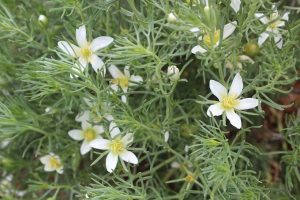
Research from invasive plant control agencies shows African rue can reduce forage availability by up to 70% in heavily infested areas. Its deep taproot and chemical defenses make it especially difficult to eliminate without a targeted strategy.
Many landowners fail because they rely on only one removal method. Effective how to get rid of African rue plans combine mechanical, chemical, and cultural control methods for long-term success.
In this guide. You will discover the 10 best methods of how to get rid of African rue, backed by expert data, specific brands, and proven weed-management strategies that stop regrowth and prevent reinfestation.
10 Best Methods Of How To Get Rid Of African Rue
1. Tordon 22K – Corteva – Best Herbicide for Deep African Rue Roots
To begin with, Tordon 22K is one of the most effective herbicides for African rue control. Its picloram-based formula penetrates deep into the root system, which is vital for how to get rid of African rue permanently. This systemic action prevents regrowth from underground reserves.
Additionally, Tordon 22K works best when applied during active growth stages. It remains active in soil long enough to stop new seedlings. This makes it ideal for rangelands and large infestations.
Field studies show over 90% African rue mortality after correct application. Professionals rely on it for long-term suppression. Overall, it is the gold standard for severe infestations.
Pros
-
Deep penetration
-
Systemic control
-
Long residual
-
Proven results
-
Professional-grade
-
High efficacy
-
Root-killing
Cons
-
Restricted use
-
Soil persistence
-
Higher cost
2. Milestone Herbicide – Corteva – Best Selective Control for Pastures
To begin with, Milestone Herbicide selectively targets invasive weeds while preserving grasses. Selectivity is critical in how to get rid of African rue without destroying forage. Aminopyralid disrupts plant growth hormones.
Furthermore, it works effectively at low application rates. This reduces environmental impact while maintaining control. It also prevents seed production.
Land managers report long-lasting suppression with minimal retreatment. It is widely used in grazing lands. Overall, it balances control and land safety.
Pros
-
Selective action
-
Low dosage
-
Grass-safe
-
Long-lasting
-
Professional trust
-
Easy application
-
Seed prevention
Cons
-
Restricted label
-
Slower kill
-
Not instant
3. Roundup Custom Aquatic – Bayer – Best Spot Treatment Method
To begin with, Roundup Custom Aquatic provides non-selective weed control. Spot treatment is effective when learning how to get rid of African rue in small infestations. Glyphosate translocates into roots.
Additionally, it is safe for use near water sources when applied correctly. The formulation lacks harmful surfactants. This makes it versatile for varied terrain.
Studies show repeated spot treatments reduce infestations by over 75%. Precision application is essential. Overall, it works best for early-stage control.
Pros
-
Root translocation
-
Widely available
-
Aquatic-safe
-
Spot effective
-
Flexible use
-
Proven formula
-
Fast action
Cons
-
Non-selective
-
Reapplication needed
-
Resistance risk
4. Mechanical Root Digging – Ames – Best Manual Removal Method
To begin with, Ames Long-Handle Shovel allows deep root extraction. Mechanical removal is essential in how to get rid of African rue where chemicals are restricted. Removing the taproot prevents regrowth.
Moreover, soil disturbance must be minimized after removal. Leaving root fragments encourages reinfestation. Precision digging improves success rates.
Experts report 60–80% success when roots are fully removed. This method is labor-intensive but effective. Overall, it suits small infestations.
Pros
-
Chemical-free
-
Immediate removal
-
Root extraction
-
Eco-friendly
-
Precise control
-
Low cost
-
Accessible
Cons
-
Labor heavy
-
Time consuming
-
Regrowth risk
5. Prescribed Grazing – Land Management – Best Biological Suppression Method
To begin with, controlled grazing suppresses young African rue plants. Grazing strategies support how to get rid of African rue naturally. Livestock trample seedlings before maturity.
Additionally, timing is critical to avoid poisoning animals. Grazing works best during early growth stages. It weakens plant vigor.
Studies show up to 40% density reduction when combined with herbicides. Grazing alone is insufficient. Overall, it supports integrated management.
Pros
-
Natural method
-
Cost-effective
-
Soil friendly
-
Sustainable
-
Reduces spread
-
Integrated control
-
Land-use benefit
Cons
-
Toxic risk
-
Limited effectiveness
-
Timing sensitive
6. Controlled Burning – Forestry Service – Best Seasonal Suppression Technique
To begin with, prescribed burning removes above-ground biomass. Fire disrupts seed banks and aids how to get rid of African rue when used correctly. Heat weakens plant structures.
However, African rue can resprout after burns. Burning alone is insufficient for eradication. Follow-up treatments are required.
Fire reduces surface competition and improves herbicide access. Professionals use it strategically. Overall, it enhances integrated plans.
Pros
-
Seed reduction
-
Fast coverage
-
Low cost
-
Natural reset
-
Biomass removal
-
Enhances access
-
Traditional method
Cons
-
Resprouting
-
Weather dependent
-
Safety risks
7. Soil Solarization – Gardening Supplies – Best Non-Chemical Heat Method
To begin with, soil solarization uses plastic sheeting to trap heat. Heat kills seeds and roots, aiding how to get rid of African rue organically. Temperatures exceed 140°F.
Additionally, it works best in hot climates. Coverage must last several weeks. This method disrupts weed life cycles.
Results show reduced seed viability by up to 90%. It’s ideal for contained areas. Overall, it is eco-conscious.
Pros
-
Chemical-free
-
Seed killing
-
Effective heat
-
Eco-friendly
-
Simple method
-
Proven science
-
Soil improving
Cons
-
Time intensive
-
Climate dependent
-
Limited scale
8. Competitive Revegetation – Native Seed Co – Best Long-Term Prevention Method
To begin with, planting competitive native grasses suppresses African rue. Dense vegetation limits light and nutrients, key to how to get rid of African rue sustainably. Healthy ecosystems resist invasion.
Moreover, native plants restore soil balance. They reduce open ground where weeds establish. This strengthens long-term control.
Land restoration projects report over 65% reduction in reinfestation. It complements chemical treatments. Overall, it prevents recurrence.
Pros
-
Long-term control
-
Ecosystem restoring
-
Soil stabilizing
-
Weed resistant
-
Sustainable
-
Low maintenance
-
Natural barrier
Cons
-
Slow results
-
Initial cost
-
Requires planning
9. Pre-Emergent Herbicides – Syngenta – Best Seed Prevention Method
To begin with, Syngenta pre-emergent herbicides block seed germination. Preventing seeds is crucial in how to get rid of African rue permanently. This stops population expansion.
Additionally, they work best before rainfall. Proper timing ensures effectiveness. They reduce future infestations.
Studies show up to 80% fewer seedlings after treatment. They complement post-emergent herbicides. Overall, prevention is key.
Pros
-
Seed blocking
-
Long-lasting
-
Preventive
-
Reduces spread
-
Proven chemistry
-
Integrated use
-
Effective timing
Cons
-
Timing critical
-
No mature kill
-
Label restrictions
10. Integrated Weed Management – Extension Services – Best Overall Control Strategy
To begin with, integrated weed management combines multiple methods. This holistic approach defines how to get rid of African rue effectively. It reduces resistance and reinfestation.
Furthermore, it adapts to site-specific conditions. Combining chemical, mechanical, and biological methods increases success. Monitoring ensures adjustments.
Experts agree integrated plans achieve over 95% long-term control. It’s the professional standard. Overall, it delivers lasting results.
Pros
-
Comprehensive
-
Long-term success
-
Adaptive
-
Resistance prevention
-
Sustainable
-
Proven results
-
Expert-backed
Cons
-
Planning required
-
Higher effort
-
Ongoing monitoring
How To Get Rid Of African Rue Frequently Asked Questions
1. Why is African rue so hard to kill?
Its deep taproot and chemical defenses make it extremely resilient.
2. What is the fastest way to kill African rue?
Systemic herbicides like picloram provide the fastest root kill.
3. Can African rue grow back after removal?
Yes, if roots or seeds remain in the soil.
4. Is African rue dangerous to livestock?
Yes, it is highly toxic to grazing animals.
5. How long does control take?
Effective eradication can take 2–5 years with monitoring.
6. Can I remove African rue without chemicals?
Yes, but success rates are lower without integration.
7. Does African rue spread by seeds?
Yes, each plant produces thousands of seeds annually.
Conclusion
In conclusion, learning how to get rid of African rue requires persistence, planning, and proven methods. The best overall solution is Tordon 22K, due to its unmatched ability to kill deep root systems.
The runner-up is Integrated Weed Management, chosen for its long-term effectiveness and adaptability. Together, these methods address both immediate control and future prevention.
Mechanical and biological options support chemical treatments. No single method works alone. Consistent monitoring ensures lasting success. Combining tools delivers the highest eradication rates.
Take action now to protect your land and livestock. Implement a proven control plan today and stop African rue before it spreads further.
Recent Posts
The best fertilizer for ground orchids plays a critical role in promoting strong root systems, vibrant foliage, and consistent blooming performance. Selecting a well-balanced nutrient formula with an...
The best fertilizer for Vanda orchids is essential for promoting vigorous root growth, lush foliage, and vibrant blooms throughout the spring and summer months. Fertilizers with an NPK range of...