The best methods of how to fertilize Alstroemeria ensure strong growth, lush foliage, and abundant blooms across different growing environments. Choosing the right fertilization technique can make a noticeable difference whether your plants are in pots, garden beds, or hydroponic systems.
Alstroemeria thrives in well-draining soils such as sandy loam or amended garden soil, and understanding your soil type improves nutrient absorption. Growers should also consider pot size, container type, and whether plants are indoors or outdoors to optimize fertilizer application.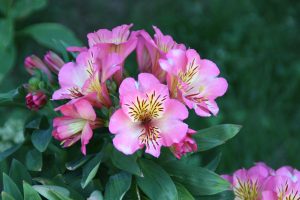
Seasonal and environmental factors, including USDA grow zones 8–11, influence fertilization frequency and method choice. Different techniques like liquid feeding, granular application, and foliar sprays cater to both hobbyists and commercial growers.
In this guide, the best methods of how to fertilize Alstroemeria are detailed for pots, garden beds, indoor containers, and hydroponic systems. You’ll learn practical approaches to boost plant health, improve flowering, and maintain vibrant growth year-round.
How To Fertilize Alstroemeria? Find 10 Best Methods
1. Liquid Fertilizer – Best for Fast Flower Boost
Liquid fertilizers are the best method for quick Alstroemeria flower boost, ideal for pots, raised beds, and indoor containers. Use NPK 15-30-15 for high phosphorus, which encourages vibrant blooms, while nitrogen and potassium maintain strong stems and foliage.
Apply to moist soil or as a foliar spray early morning or late evening to avoid leaf burn. Suitable for well-draining sandy loam or potting mixes in USDA zones 9–11. Hydroponic setups can use similar water-soluble solutions, adjusting pH to 5.5–6.5.
Gardeners report rapid improvement in flower size and color, especially in small pots and container gardens. Works for indoor and balcony-grown plants, providing immediate nutrient uptake. Overall, this method delivers visible results in days.
Pros:
• Fast results
• Supports blooms
• Indoor/outdoor
• Easy mix
• Adjustable dose
• Strong stems
• Quick uptake
Cons:
• Frequent use
• Small volume
• Needs monitoring
2. Slow-Release Granules – Best Low-Maintenance Option
Slow-release granules are the best low-maintenance Alstroemeria method, supplying steady nutrition over weeks. NPK 14-14-14 provides balanced nutrients for roots, stems, and blooms.
Apply around well-draining garden beds or large pots in USDA zones 9–11; lightly water to activate nutrients. Works for sandy loam, amended clay, or commercial potting mixes. Hydroponics are not applicable for this method.
Users report uniform growth, healthier stems, and consistent blooms without frequent feeding. Ideal for outdoor beds, borders, and large containers. Overall, it’s perfect for gardeners seeking low-maintenance care.
Pros:
• Long-lasting
• Balanced feed
• Low-maintenance
• Reduces burn
• Strong roots
• Indoor/outdoor
• Steady growth
Cons:
• Slower effect
• Higher cost
• Needs space
3. Organic Fertilizer – Best for Sustainable Growth
Organic fertilizers are the best sustainable method for Alstroemeria, improving soil health while feeding plants. Typical NPK 5-5-5 ensures slow-release nutrition for foliage, roots, and flowers.
Apply to pots or garden beds with sandy loam or amended soil; works in USDA zones 8–11. Also suitable for indoor container gardens. Hydroponic systems need alternative nutrient solutions.
Organic methods encourage microbial activity, moisture retention, and long-term plant vigor. They are safe for pets and wildlife while enhancing bloom longevity. Overall, this supports sustainable and healthy flowering.
Pros:
• Eco-friendly
• Safe for pets
• Slow-release
• Supports blooms
• Improves soil
• Indoor/outdoor
• Moisture retention
Cons:
• Slow effect
• Odor
• Frequent watering
4. Foliar Feeding – Best for Immediate Nutrient Absorption
Foliar sprays are the best method for immediate Alstroemeria nutrient uptake, delivering nutrients directly through leaves. Use diluted solutions with micronutrients and NPK 10-20-10 for flower boost.
Spray early morning or late evening to prevent leaf burn; suitable for pots, small containers, and indoor grow setups in USDA zones 9–11. Works on well-draining soil or hydroponic leaves.
Gardeners notice brighter leaves, stronger stems, and improved blooms within days. This method is ideal for stressed or flowering plants needing rapid results.
Pros:
• Fast absorption
• Quick bloom
• Supports foliage
• Indoor/outdoor
• Easy application
• Spot treatment
• Flexible
Cons:
• Short effect
• Multiple sprays
• Needs monitoring
5. Fertilizer Spikes – Best for Container Plants
Fertilizer spikes are the best method for potted or container Alstroemeria, releasing nutrients slowly at the root zone. Use NPK 10-14-10, emphasizing phosphorus for root development.
Insert spikes 2–3 inches from the base in well-draining potting soil. Suitable for small and large pots, indoor containers, and USDA zones 9–11. Hydroponics not applicable.
Gardeners report consistent flowering and stronger roots without frequent feeding. Perfect for low-maintenance indoor or balcony gardens.
Pros:
• Low-maintenance
• Slow-release
• Reduces burn
• Supports blooms
• Indoor/outdoor
• Strong roots
• Steady growth
Cons:
• Small quantity
• Expensive
• Limited flexibility
6. Hydroponic Nutrient Solution – Best for Soil-less Growth
Hydroponic nutrients are the best method for soil-less Alstroemeria, allowing precise control over NPK and pH. Use 2-1-2 or 3-1-3 ratios, adjusting based on growth stage.
Feed daily or weekly in water culture; maintain pH 5.5–6.5 and monitor EC levels. Ideal for indoor greenhouses or hydroponic grow systems in USDA zones 9–11. Not applicable for soil-grown plants.
Hydroponic systems produce vigorous growth, strong stems, and abundant blooms. Works for commercial and hobbyist growers.
Pros:
• Precise control
• Fast growth
• Strong blooms
• Indoor-safe
• Adjustable NPK
• Hydroponic-ready
• Rapid uptake
Cons:
• Setup cost
• Learning curve
• Monitoring needed
7. Starter Fertilizer – Best for Newly Planted Bulbs
Starter fertilizers are the best method for newly planted Alstroemeria, promoting early root establishment. Use NPK 10-20-10, high in phosphorus for roots.
Apply to sandy loam or well-draining potting soil in pots or outdoor beds. Works in USDA zones 9–11 and small indoor containers. Hydroponics require a separate seedling nutrient solution.
Gardeners report faster root anchoring, stronger stems, and early flowering. Ideal for bulbs, plugs, and new transplants.
Pros:
• Promotes roots
• Early blooms
• Indoor/outdoor
• Starter-friendly
• Quick uptake
• Strong stems
• Balanced feed
Cons:
• Moderate cost
• Frequent use
• Chemical-based
8. Compost Top-Dressing – Best for Long-Term Soil Health
Compost top-dressing is the best method for long-term Alstroemeria soil fertility, feeding plants gradually. Apply 1–2 inches around base in sandy loam or amended soil.
Works in garden beds and large pots, indoor or outdoor setups, USDA zones 8–11. Enhances microbial activity, moisture retention, and nutrient availability. Hydroponics not applicable.
Gardeners report healthier stems and sustained blooms with minimal chemical use. Ideal for sustainable perennial care.
Pros:
• Improves soil
• Moisture retention
• Eco-friendly
• Supports blooms
• Indoor/outdoor
• Slow-release
• Reduces stress
Cons:
• Labor-intensive
• Slow effect
• Odor
9. Side-Dressing Granules – Best for Mature Plants
Side-dressing granules are the best method for mature Alstroemeria, giving nutrients during peak growth. Use NPK 14-14-14 for balanced foliage and flower production.
Apply around base in garden beds, raised beds, or large pots; suitable for sandy loam or amended soils. Works for outdoor USDA zones 9–11 and indoor containers. Hydroponics not applicable.
This method supports sustained flowering, strong stems, and healthy leaves. Works well for perennial borders or companion planting.
Pros:
• Targeted feed
• Supports blooms
• Strong stems
• Outdoor-safe
• Balanced nutrition
• Steady growth
• Easy apply
Cons:
• Labor needed
• Frequent use
• Requires watering
10. Combination Fertilization – Best for Year-Round Growth
Combination programs are the best method for year-round Alstroemeria care, integrating liquid, granular, and organic nutrients. Adjust NPK based on growth stage: starter, bloom, and dormancy.
Applicable to garden beds, pots, and indoor containers in USDA zones 9–11. Adjust soil pH to 5.5–6.5 for optimal absorption. Hydroponic setups can use a coordinated liquid nutrient plan.
Users report continuous flowering, strong roots, and healthy foliage across seasons. Works for indoor, outdoor, and hydroponic systems.
Pros:
• Year-round care
• Supports all stages
• Indoor/outdoor
• Strong roots
• Vibrant blooms
• Balanced feed
• Flexible
Cons:
• Planning required
• Time-intensive
• Costly
How To Fertilize Alstroemeria FAQs
1. What is the best fertilization method for Alstroemeria in pots?
Use liquid fertilizers or fertilizer spikes for controlled, gradual nutrient delivery.
2. How do I fertilize Alstroemeria outdoors?
Side-dressing with granular fertilizer or compost top-dressing supports roots and blooms over time.
3. What NPK ratio is best for flowering Alstroemeria?
High-phosphorus ratios like 10-20-10 or 15-30-15 enhance flower size and color.
4. Can I use hydroponic nutrients for Alstroemeria?
Yes, soil-less methods allow precise control over NPK and pH, boosting growth and blooms.
5. How often should liquid fertilizers be applied?
Every 2–3 weeks during active growth; reduce frequency in dormancy.
6. Is organic fertilization effective for Alstroemeria?
Yes, it improves soil structure, microbial activity, and long-term plant health.
7. What is the best method for newly planted bulbs or plugs?
Use starter fertilizers with high phosphorus (10-20-10) to promote rapid root development.
Conclusion
In conclusion, liquid fertilization is the best method for Alstroemeria to achieve rapid blooms and color enhancement. The runner-up is slow-release granular fertilizer for steady, low-maintenance nutrition.
Hydroponic solutions and starter fertilizers support controlled growth and early root establishment. Organic methods and compost top-dressing promote sustainable, long-term health.
Side-dressing and combination programs ensure mature plants thrive and maintain vibrant blooms. Indoor, outdoor, and container setups all benefit from tailored nutrient delivery.
Start applying these methods today to achieve stronger roots, more blooms, and healthier Alstroemeria plants. Choose the method that fits your growing environment and enjoy year-round flowering success.