Best shrubs for acid soil are essential for gardeners dealing with low pH conditions that limit nutrient availability. In acidic environments, where soil pH falls below 7, specific shrubs thrive by efficiently absorbing iron, manganese, and other micronutrients.
Acidic soils are common in regions with high rainfall, pine forest areas, and sandy terrains. These soils influence nutrient chemistry, often increasing solubility of certain minerals while reducing others.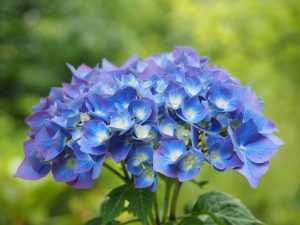
Selecting the right shrubs ensures healthy root development, strong foliage, and consistent flowering performance. Plants adapted to acidic conditions have evolved mechanisms to tolerate aluminum presence and optimize nutrient uptake.
In this guide, we will explore the best shrubs for acid soil, focusing on plant physiology, soil chemistry interactions, and landscape performance to help you build a thriving garden.
Top 10 Best Shrubs For Acid Soil
1. Azalea (Rhododendron spp.) – Best Flowering Shrub for Acid Soil Vibrant Blooms
Azalea is widely recognized as the best flowering shrub for acid soil vibrant blooms, thriving in pH levels between 4.5 and 6.0. It performs best in USDA zones 5–9, where moderate winters support consistent flowering cycles. The plant absorbs iron efficiently in acidic conditions, which enhances chlorophyll production and prevents yellowing. This biochemical process results in rich green foliage and intense flower pigmentation.
Additionally, azalea roots form a shallow, fibrous network that quickly utilizes surface nutrients. These roots are highly sensitive to alkaline conditions, making acidic soil essential for survival. Consequently, the plant performs best in well-drained, organic-rich soil. This ensures oxygen availability and prevents root suffocation.
Moreover, azalea benefits from mycorrhizal fungi that improve nutrient exchange in acidic environments. This symbiotic relationship increases phosphorus uptake, supporting continuous blooming cycles. As a result, the shrub maintains vibrant flowers across seasons. It remains a staple for ornamental gardens.
Pros:
• Bright blooms
• Shade tolerant
• Acid loving
• Dense growth
• Pollinator friendly
• Compact size
• Ornamental
Cons:
• Shallow roots
• Needs mulch
• Sensitive pH
2. Hydrangea macrophylla – Best Color Changing Shrub for Acid Soil Gardens
Hydrangea macrophylla is the best color changing shrub for acid soil gardens, known for its ability to produce blue flowers in low pH conditions. It thrives in USDA zones 6–9, where seasonal moisture supports its large foliage structure. This color change occurs due to aluminum ion availability interacting with anthocyanin pigments. The result is a dramatic shift in bloom color.
Additionally, the plant regulates water through large leaf surfaces, requiring consistent moisture despite being adaptable to acidic soils. This balance ensures sustained flowering throughout the growing season. The root system efficiently absorbs nutrients like iron and magnesium. This supports both foliage health and flower color intensity.
Moreover, hydrangea benefits from organic matter that stabilizes soil acidity levels. This improves nutrient retention and prevents fluctuations in pH. The plant remains a focal point in landscape design. It offers both scientific interest and visual impact.
Pros:
• Color changing
• Large blooms
• Ornamental
• Shade friendly
• Acid responsive
• Lush foliage
• Garden focal
Cons:
• Needs water
• Heavy blooms
• Pruning needed
3. Camellia japonica – Best Evergreen Shrub for Acid Soil Elegant Gardens
Camellia japonica is the best evergreen shrub for acid soil elegant gardens, thriving in slightly acidic soils rich in organic matter. It grows best in USDA zones 7–9, where mild winters support flower development. Its glossy leaves contain waxy coatings that reduce water loss. This enhances drought resistance.
Additionally, camellia flowers develop through slow metabolic processes supported by steady nutrient absorption. This results in long-lasting blooms during cooler months. The plant prefers loose, acidic soil. This prevents compaction and improves oxygen exchange.
Moreover, camellia roots function efficiently in acidic environments where micronutrients remain soluble. This improves overall plant health and flowering consistency. The shrub maintains a refined aesthetic. It is ideal for formal gardens.
Pros:
• Evergreen
• Glossy leaves
• Elegant blooms
• Long flowering
• Shade tolerant
• Durable
• Acid loving
Cons:
• Slow growth
• Sensitive roots
• Needs care
4. Blueberry Bush (Vaccinium spp.) – Best Edible Shrub for Acid Soil Fruit Production
Blueberry bushes are the best edible shrub for acid soil fruit production, requiring pH levels between 4.0 and 5.5. They perform best in USDA zones 3–8, depending on variety selection. Their roots lack root hairs and rely on fungal associations. This enhances nutrient absorption in acidic environments.
Additionally, the plant produces organic acids that increase nutrient solubility in soil. This improves uptake of essential minerals like nitrogen and phosphorus. Proper drainage prevents root rot. This ensures consistent fruit production.
Moreover, blueberry plants require moisture balance to support fruit development. This allows sugar accumulation in berries. The plant delivers both nutritional and ornamental value. It is ideal for edible landscaping.
Pros:
• Edible fruit
• High yield
• Acid loving
• Nutrient rich
• Pollinator friendly
• Compact size
• Seasonal beauty
Cons:
• Needs pruning
• Soil sensitive
• Slow start
5. Gardenia jasminoides – Best Fragrant Shrub for Acid Soil Tropical Feel
Gardenia is the best fragrant shrub for acid soil tropical feel, producing strong aromatic compounds such as jasmonates. It thrives in USDA zones 8–11, where humidity supports bloom development. These compounds enhance scent and plant defense.
Additionally, its glossy leaves maximize photosynthesis efficiency under partial sunlight. This supports continuous bloom cycles. The plant requires well-drained acidic soil. This prevents nutrient lockout.
Moreover, gardenia roots depend on stable pH conditions to absorb micronutrients effectively. This ensures vibrant blooms and foliage. It remains a premium ornamental shrub. It adds luxury appeal to landscapes.
Pros:
• Strong fragrance
• Glossy leaves
• Elegant blooms
• Evergreen
• Ornamental
• Compact
• Acid loving
Cons:
• High care
• Pest prone
• Needs humidity
6. Rhododendron – Best Large Shrub for Acid Soil Landscape Structure
Rhododendron is the best large shrub for acid soil landscape structure, thriving in woodland-like acidic environments. It grows well in USDA zones 4–8, making it widely adaptable. Its large leaves reduce evaporation. This supports drought tolerance.
Additionally, the plant forms symbiotic relationships with fungi. This improves nutrient uptake in poor soils. The deep root system stabilizes soil. This supports large flower clusters.
Moreover, rhododendron thrives under partial shade conditions. This protects leaves from excessive sunlight. It remains a structural anchor in landscaping. It enhances visual depth.
Pros:
• Large blooms
• Shade tolerant
• Structural plant
• Evergreen
• Dense growth
• Acid adapted
• Long lasting
Cons:
• Needs space
• Slow growth
• Soil sensitive
7. Pieris japonica – Best Early Blooming Shrub for Acid Soil Interest
Pieris japonica is the best early blooming shrub for acid soil interest, producing flowers in late winter. It performs best in USDA zones 5–8, where seasonal variation triggers blooming. Its leaves contain compounds that deter pests naturally.
Additionally, new foliage emerges with red pigmentation due to anthocyanins. This protects against UV stress. The plant thrives in acidic soil with good drainage. This ensures consistent flowering.
Moreover, pieris maintains compact growth for small gardens. This enhances design flexibility. It provides year-round interest. It is ideal for borders.
Pros:
• Early bloom
• Colorful leaves
• Evergreen
• Pest resistant
• Compact
• Decorative
• Acid loving
Cons:
• Slow growth
• Needs shade
• Sensitive roots
8. Fothergilla – Best Native Shrub for Acid Soil Fall Color
Fothergilla is the best native shrub for acid soil fall color, known for its vibrant autumn foliage. It thrives in USDA zones 5–8, where temperature shifts enhance pigment development. Leaf color changes result from anthocyanin accumulation.
Additionally, the plant produces bottlebrush flowers that attract pollinators. This improves ecological balance. It thrives in moist acidic soils. This supports healthy growth.
Moreover, fothergilla requires minimal maintenance once established. This makes it beginner-friendly. It enhances seasonal landscapes. It offers unique texture.
Pros:
• Fall color
• Native plant
• Pollinator friendly
• Unique blooms
• Hardy
• Compact
• Acid tolerant
Cons:
• Slow spread
• Limited size
• Needs moisture
9. Witch Hazel (Hamamelis) – Best Winter Blooming Shrub for Acid Soil Gardens
Witch hazel is the best winter blooming shrub for acid soil gardens, producing flowers in dormant seasons. It grows well in USDA zones 3–8, tolerating cold climates. Its petals resist frost damage. This ensures winter blooming.
Additionally, the plant adapts to acidic soils efficiently. This supports nutrient uptake in cold conditions. The root system stabilizes soil. This ensures long-term growth.
Moreover, witch hazel adds off-season interest to landscapes. This improves visual appeal year-round. It remains highly durable. It is a valuable addition.
Pros:
• Winter blooms
• Cold hardy
• Unique flowers
• Long life
• Low care
• Decorative
• Acid adapted
Cons:
• Slow growth
• Needs space
• Expensive
10. Mountain Laurel (Kalmia latifolia) – Best Native Evergreen Shrub for Acid Soil Woodlands
Mountain laurel is the best native evergreen shrub for acid soil woodlands, thriving in forest ecosystems. It grows best in USDA zones 4–9, adapting to varied climates. Its leaves contain compounds that deter herbivores. This improves survival.
Additionally, the plant regulates water efficiently through thick leaf structures. This reduces moisture loss. It thrives in acidic, well-drained soil. This ensures longevity.
Moreover, mountain laurel provides year-round greenery. This enhances landscape structure. It supports biodiversity. It is highly resilient.
Pros:
• Evergreen
• Native plant
• Unique blooms
• Hardy
• Pest resistant
• Long lifespan
• Acid loving
Cons:
• Toxic plant
• Slow growth
• Needs shade
Best Shrubs For Acid Soil FAQs
1. What shrubs grow well in acidic soil across different USDA zones?
Shrubs such as azaleas, rhododendrons, blueberries, and camellias thrive in acidic soil across USDA zones 4–8. These plants are naturally adapted to low pH environments where nutrients like iron remain available.
In colder regions, mountain laurel performs reliably under freezing conditions. Warmer climates support camellias and gardenias with consistent moisture.
2. Which shrubs are suitable for acidic soil in cold climates like zones 4–5?
Cold-hardy options include rhododendrons, winterberry holly, and highbush blueberries. These shrubs tolerate freezing temperatures while maintaining nutrient uptake efficiency in low pH soil.
Their root systems are adapted to acidic environments, reducing stress during winter dormancy. Selecting hardy cultivars improves long-term survival.
3. Why do certain shrubs require acidic soil conditions?
Acid-loving shrubs depend on low pH levels to absorb essential nutrients such as iron and manganese. In alkaline soil, these nutrients become chemically unavailable, leading to yellowing leaves and weak growth.
Acidic conditions support beneficial microbes that break down organic matter efficiently. This biological activity enhances nutrient cycling and plant health.
4. How can I test if my soil is suitable for acid-loving shrubs?
Use a soil testing kit or digital pH meter to determine acidity levels. Most acid-loving shrubs prefer a range between pH 4.5 and 6.5.
Visual signs like leaf discoloration may indicate imbalance. Regular testing helps maintain optimal growing conditions.
5. What are low-maintenance shrubs for acidic soil landscapes?
Shrubs like inkberry holly, pieris japonica, and blueberries require minimal care once established. These plants adapt well to natural rainfall and need limited fertilization.
Their resilience makes them suitable for sustainable landscaping. Proper placement further reduces maintenance needs.
6. Can flowering shrubs thrive in acidic soil conditions?
Yes, many flowering shrubs—including hydrangeas, camellias, and azaleas—perform exceptionally well in acidic environments. Soil pH can influence bloom color, especially in hydrangeas.
Consistent moisture and drainage are essential for healthy flowering. These shrubs provide strong ornamental value.
7. How can soil acidity be improved naturally for shrubs?
Organic materials such as pine needles, peat moss, and composted leaves gradually lower soil pH. Sulfur-based amendments can also be used for faster results.
These methods improve soil structure while increasing acidity. Monitoring pH ensures long-term effectiveness.
Conclusion
In conclusion, selecting the best shrubs for acid soil ensures optimal nutrient absorption, strong growth, and vibrant blooms across seasons. Azalea stands out as the best due to its exceptional flowering performance and precise adaptation to low pH conditions.
Hydrangea earns the runner-up position because of its unique color-changing ability driven by soil chemistry. Other shrubs like camellia and rhododendron provide evergreen structure and long-term landscape value.
Understanding grow zones alongside soil acidity significantly improves planting success and reduces maintenance challenges. Matching shrubs to both climate and soil chemistry creates a balanced and resilient garden.
Choosing the right shrubs transforms acidic soil from a limitation into an advantage. Start planting today and build a thriving, visually stunning landscape tailored to your soil conditions.
Recent Posts
Spring fertilization supports healthy leaf development, root activity, and productive shoot growth when apple trees have insufficient soil nutrients. Selecting an appropriate fertilizer requires...
Cucumbers (Cucumis sativus) are vigorous, fast-growing vines that can produce abundant harvests when their roots receive enough water, warmth, and balanced nutrition. The best fertilizer for cukes in...