The best plants for shed roof projects need to tolerate shallow growing conditions, strong sunlight, wind exposure, periods of drought, and rapid changes in temperature. Unlike plants growing at ground level, roof plants are exposed to harsher conditions and generally need to be both drought tolerant and wind tolerant. The Royal Horticultural Society recommends shallow-rooted plants for small green roofs and identifies sedum and sempervivum as popular choices because they can spread in very thin growing media.
Choosing plants for a shed roof requires more than simply selecting attractive species. The roof must first be capable of supporting the additional weight of the waterproofing system, drainage layer, growing medium, and plants, while adequate drainage and root protection are also essential.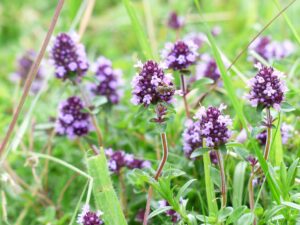
A shed roof can support an extensive green-roof planting scheme when the structure and growing system are appropriately designed. Extensive green roofs generally use a shallow growing medium, while semi-extensive systems can support a wider range of perennials when greater substrate depth is available.
In this guide, the 10 best plants for shed roof projects are evaluated based on drought tolerance, wind tolerance, root depth, maintenance requirements, appearance, drainage requirements, and suitability for green-roof systems. Whether you want a simple sedum-covered shed, a colorful succulent roof, or a more diverse planted roof, these choices can help you create a practical and attractive growing system.
10 Best Plants for Shed Roof
1. Sedum – Best Overall Plant for Shed Roof


Sedum is the best overall plant for shed roof green-roof projects because many species tolerate shallow growing media, drought, intense sunlight, and exposed conditions. Mat-forming sedums are particularly valuable because they can spread across the surface while requiring relatively little growing medium. The Royal Horticultural Society specifically recommends mat-forming Sedum species for extensive green roofs and lists Sedum acre, Sedum rupestre, and Sedum album among suitable choices.
Sedum is especially useful when the objective is to create a relatively low-maintenance living roof rather than a conventional rooftop garden. Its succulent foliage allows the plant to store water, helping it cope with periods when the shallow substrate dries quickly. Consequently, established sedum can be much more practical on a roof than plants that require consistently moist soil.
The different species and cultivars also provide variation in foliage color, texture, height, and flowering. Furthermore, sedum flowers can provide valuable resources for pollinating insects on a green roof. Overall, sedum is the strongest starting point for most lightweight extensive shed-roof planting projects.
Pros:
- Excellent drought tolerance
- Suitable for shallow substrates
- Low maintenance
- Spreads effectively
- Handles sunny conditions
- Attractive foliage
- Provides flowers for pollinators
Cons:
- Needs good drainage
- Can suffer in prolonged waterlogging
- Some varieties may need protection during establishment
2. Sempervivum – Best Succulent Plant for Shed Roof

Sempervivum is the best succulent plant for shed roof gardens when you want a tough, compact plant that can tolerate exposed conditions. These houseleeks form dense rosettes and are generally hardy, making them particularly suitable for roof environments. The Royal Horticultural Society specifically recommends sempervivums for green roofs and notes that they can grow in very shallow growing media.
The fleshy leaves store water, allowing sempervivum to cope with dry periods better than many conventional garden plants. Additionally, their compact growth keeps the plants relatively low, reducing their exposure to strong winds compared with taller vegetation. Therefore, they are particularly useful for exposed shed roofs where keeping plant height low is desirable.
Sempervivums also create an attractive mosaic of rosette shapes and colors. Furthermore, they require little feeding or watering once established, provided the growing medium drains well. Overall, they are one of the safest choices for gardeners wanting a hardy, low-maintenance succulent roof.
Pros:
- Excellent drought tolerance
- Hardy
- Shallow-rooted
- Compact growth
- Low maintenance
- Attractive rosettes
- Suitable for green roofs
Cons:
- Requires good drainage
- Excessive winter wet can cause problems
- Some cultivars may outgrow small spaces
3. Yarrow – Best Flowering Perennial for Shed Roof

Yarrow is the best flowering perennial for a semi-extensive shed roof when greater substrate depth is available. The Royal Horticultural Society lists Achillea among suitable plants for semi-extensive green roofs, where the growing medium is deeper than on a typical extensive roof.
Yarrow provides upright flower stems that add height and visual interest to a planted roof. Its foliage also gives the planting scheme a different texture from low-growing succulents. Consequently, it can help transform a simple green roof into a more diverse flowering habitat.
Because yarrow is taller than sedum or sempervivum, it should be used only where the roof design can support its growing requirements and exposure. Furthermore, adequate drainage and appropriate substrate depth remain important. Overall, yarrow is a strong option for gardeners wanting more substantial flowering plants on a suitable shed roof.
Pros:
- Attractive flowers
- Suitable for semi-extensive roofs
- Adds vertical interest
- Pollinator-friendly
- Drought-tolerant character
- Works with other perennials
- Good ornamental value
Cons:
- Requires more substrate than sedum
- Taller growth can increase wind exposure
- Needs appropriate roof design
4. Thyme – Best Low-Growing Herb for Shed Roof

Thyme is the best low-growing herb for shed roof planting when you want an aromatic plant that can tolerate relatively dry conditions. Its compact growth habit makes it attractive for exposed planting situations when the roof design provides suitable growing conditions. The Royal Horticultural Society also notes that plants suited to exposed roof environments should ideally tolerate drought and wind.
The plant’s small leaves reduce the surface area exposed to moisture loss compared with large-leaved plants. Additionally, thyme generally prefers well-drained conditions, which makes it compatible with the drainage requirements of many green-roof systems. Consequently, it can be useful as part of a diverse planting scheme rather than relying exclusively on succulents.
Thyme also provides culinary and ornamental value. Furthermore, its small flowers can contribute to pollinator resources when plants are allowed to bloom. Overall, thyme is an attractive choice for gardeners wanting a practical herb alongside traditional green-roof plants.
Pros:
- Compact growth
- Drought tolerant
- Aromatic foliage
- Useful culinary herb
- Small leaves reduce water loss
- Attractive flowers
- Pollinator value
Cons:
- Requires good drainage
- Not suitable for permanently wet substrate
- May need more maintenance than sedum
5. Houseleek – Best Hardy Roof Succulent for Shed Roof

Houseleek is the best hardy roof succulent for shed roof projects because its natural growth habit is exceptionally well suited to shallow, exposed growing environments. Sempervivum, commonly known as houseleek, has a long history of being grown on roofs, and the Royal Horticultural Society specifically describes houseleeks as excellent plants for green roofs.
The dense rosettes remain close to the growing medium, which helps reduce wind exposure. Additionally, the fleshy foliage stores water and allows the plant to tolerate dry periods. Therefore, houseleeks are particularly useful where irrigation access is limited.
Their ability to produce offsets also allows colonies to gradually expand across suitable areas. Furthermore, different cultivars can provide contrasting foliage colors and textures. Overall, houseleek is an excellent choice when durability and low maintenance are more important than tall flowering displays.
Pros:
- Very hardy
- Drought tolerant
- Compact
- Low maintenance
- Suitable for shallow media
- Attractive foliage
- Spreads naturally
Cons:
- Needs sharp drainage
- Can suffer from excessive wetness
- Flowering plants eventually die after blooming
6. Dianthus – Best Flowering Plant for a Semi-Extensive Shed Roof

Dianthus is the best flowering plant for a semi-extensive shed roof when you have enough substrate to support more substantial perennial growth. The Royal Horticultural Society lists Dianthus among suitable dry-habitat perennials for semi-extensive green roofs.
Its compact growth and attractive flowers can introduce color that contrasts with green sedum and sempervivum. Additionally, many dianthus varieties have narrow foliage, which can help reduce excessive moisture loss in exposed locations. Consequently, they can complement drought-tolerant roof planting schemes.
Dianthus performs best when the roof provides adequate drainage and sufficient growing medium. Furthermore, selecting compact varieties can help keep wind exposure manageable. Overall, dianthus is an attractive choice for gardeners wanting more floral diversity on a suitable shed roof.
Pros:
- Attractive flowers
- Compact varieties available
- Suitable for semi-extensive roofs
- Good drought tolerance
- Narrow foliage
- Adds color
- Works with succulents
Cons:
- Needs suitable substrate depth
- Requires good drainage
- Not ideal for permanently wet roofs
7. Ornamental Oregano – Best Aromatic Plant for Shed Roof

Ornamental oregano is the best aromatic plant for shed roof planting when you want drought tolerance combined with attractive foliage and flowers. The Royal Horticultural Society includes Origanum vulgare among plants suitable for green-roof planting on smaller structures.
Oregano can work particularly well in a mixed semi-extensive planting scheme where the substrate is deep enough to support it. Its relatively small leaves and preference for well-drained conditions make it more suitable for exposed environments than many moisture-loving plants. Additionally, its flowers can contribute to a pollinator-friendly planting scheme.
The plant can also add fragrance and culinary interest to the roof garden. Furthermore, combining oregano with sedum, thyme, and other drought-tolerant plants can create a more diverse planting design. Overall, oregano is a practical and attractive addition to a suitable shed roof.
Pros:
- Aromatic foliage
- Useful culinary plant
- Suitable for dry conditions
- Pollinator value
- Attractive flowers
- Works in mixed planting
- Suitable for green roofs
Cons:
- Needs good drainage
- Requires suitable substrate depth
- Can become larger than low sedums
8. Allium – Best Bulb for a Green Shed Roof

Allium is the best bulb for a semi-extensive shed roof when you want seasonal flowers and architectural form. The Royal Horticultural Society specifically identifies small Allium species, including Allium flavum and Allium pulchellum, as suitable bulbs for semi-extensive green roofs.
Alliums can provide vertical flower heads that contrast beautifully with low-growing sedums and sempervivums. Additionally, their seasonal growth pattern allows them to coexist with permanent low-growing roof plants. Consequently, they can add variety without requiring the roof to be filled entirely with taller vegetation.
Small species are preferable because large bulbs and tall plants can require greater substrate depth and may be more exposed to wind. Furthermore, drainage is particularly important for bulbs because persistently wet growing media can damage underground structures. Overall, small Allium species can provide excellent seasonal interest on an appropriately designed roof.
Pros:
- Attractive flowers
- Adds vertical interest
- Suitable small species available
- Pollinator-friendly
- Works with sedum
- Seasonal interest
- Relatively low maintenance
Cons:
- Requires appropriate substrate
- Bulbs need good drainage
- Tall flower stems can be wind-exposed
9. Moss – Best Plant for a Shady Shed Roof

Moss is the best plant for a shady shed roof where conventional sun-loving succulents would struggle. The Royal Horticultural Society identifies moss among suitable plants for extensive green roofs, particularly where the growing conditions are appropriate.
A shaded shed roof can create a completely different microclimate from a sunny roof, particularly where nearby trees or buildings reduce direct sunlight. Therefore, choosing plants according to the actual light conditions is more important than simply selecting the most popular green-roof species.
Moss can provide a soft, natural appearance that works particularly well on roofs designed to resemble woodland or naturally colonized surfaces. Furthermore, it can complement other shade-tolerant species where the roof structure permits them. Overall, moss is worth considering when sunlight is limited and moisture conditions are appropriate.
Pros:
- Suitable for some shaded roofs
- Natural appearance
- Low profile
- Lightweight
- Works with woodland-style designs
- Can complement other shade plants
- Useful for biodiversity
Cons:
- Not ideal for hot sunny roofs
- Requires appropriate moisture
- Establishment can be slower
10. Achillea – Best Drought-Tolerant Perennial for Shed Roofs

Achillea is the best drought-tolerant perennial for larger semi-extensive shed roofs where sufficient growing medium is available. The Royal Horticultural Society specifically includes Achillea among dry-habitat perennials recommended for semi-extensive green roofs.
Its finely divided foliage provides an attractive texture that contrasts with broad-leaved plants and succulent rosettes. Additionally, its flowers can create valuable seasonal color and contribute to pollinator-friendly planting. Consequently, it can help create a more biodiverse roof than a simple sedum carpet.
Achillea should not be treated as a direct replacement for sedum on an ultra-shallow extensive roof. Instead, it is better suited to a semi-extensive design with adequate substrate depth, drainage, and structural capacity. Overall, it is an excellent option when the shed roof has been designed to support a more diverse perennial planting system.
Pros:
- Drought tolerant
- Attractive flowers
- Fine-textured foliage
- Pollinator value
- Suitable for semi-extensive roofs
- Adds biodiversity
- Works in mixed planting
Cons:
- Requires deeper substrate
- Taller than sedum
- More exposed to strong winds
7 Buyers Guide Tips for Choosing the Best Plants for Shed Roof
1. Check the Shed Roof’s Structural Capacity
Before adding soil, plants, drainage layers, or a green-roof system, make sure the shed roof can safely support the additional load. The Royal Horticultural Society advises checking that an existing structure is strong enough to carry the increased weight of a green roof.
2. Choose Shallow-Rooted Plants
For smaller extensive green roofs, shallow-rooted plants are generally preferable because they can grow in relatively thin growing media. Sedum and sempervivum are particularly well suited to these conditions.
3. Consider Sun and Wind Exposure
Roof plants experience more exposure to wind and sun than many ground-level plants. Choose plants that tolerate drought and wind, and consider using slatted or mesh screens where appropriate because they can filter wind without creating the turbulence associated with solid barriers.
4. Prioritize Drainage
A green shed roof must be able to shed excess water efficiently. A typical extensive green-roof system includes waterproofing, a root barrier, drainage, a filter layer, and suitable growing medium, with appropriate provision for water runoff.
5. Match Plants to Substrate Depth
The depth of the growing medium determines what you can realistically grow. Extensive roofs commonly use about 5–15 cm (2–6 inches) of growing medium, while semi-extensive systems generally use around 10–20 cm (4–8 inches) and can support a wider range of perennials.
6. Consider Maintenance and Irrigation
Even drought-tolerant plants may need watering while they establish. Semi-extensive roofs can require watering, weeding, feeding, and occasional replanting during establishment, so choose plants according to how much maintenance you can realistically provide.
7. Protect the Roof Membrane
Plants should never simply be placed directly onto an unprotected shed roof. A proper green-roof system should include waterproofing and a root barrier, followed by drainage, filtration, growing medium, and the plants themselves.
Best Plants for Shed Roof FAQs
1. What are the best plants for a shed roof?
Sedum and sempervivum are among the best plants for an extensive shed-roof green roof because they tolerate shallow growing media and relatively dry conditions. The Royal Horticultural Society specifically recommends mat-forming Sedum and Sempervivum for extensive green roofs.
2. Can you put plants on a shed roof?
Yes, a shed roof can support plants when the structure and green-roof system are appropriately designed. The roof must be strong enough to support the additional weight, and suitable waterproofing, root protection, drainage, and growing medium are essential.
3. What is the best succulent for a shed roof?
Sempervivum is one of the best succulents for a shed roof because it is hardy, drought tolerant, compact, and well suited to shallow, well-drained growing conditions. The Royal Horticultural Society specifically describes houseleeks as suitable for green roofs and notes their tolerance of temperature extremes and drought.
4. How deep should soil be for plants on a shed roof?
For an extensive green roof, approximately 5–15 cm (2–6 inches) of growing medium is typical. Semi-extensive systems generally use around 10–20 cm (4–8 inches) and can support a broader range of perennials.
5. Can sedum grow on a shed roof?
Yes. Sedum is one of the most suitable plants for extensive green roofs because mat-forming species can tolerate relatively shallow growing media and dry conditions.
6. Do green-roof plants need watering?
They may need watering during establishment and during prolonged periods of drought. Extensive green roofs with appropriate plants can become relatively self-sustaining, while semi-extensive roofs generally require more maintenance and watering, particularly during establishment.
7. What should I put under plants on a shed roof?
A properly designed green shed roof should generally have a waterproof membrane, root barrier, drainage layer, filter layer, suitable growing medium, and plants. Depending on the design, additional water-retention and protective layers may also be used.
Final Verdict
The best plant for a shed roof overall is sedum because it combines shallow-root tolerance, drought resistance, low maintenance, attractive growth, and suitability for extensive green-roof systems. It is particularly appropriate when keeping the growing medium relatively shallow and the overall roof weight as low as practical are major priorities.
For an equally tough succulent option, sempervivum is an outstanding choice, while thyme, dianthus, oregano, yarrow, and Achillea can add greater diversity when the roof has enough substrate depth. Moss can also be considered for suitable shaded roofs, while small Allium species can add seasonal flowers to semi-extensive systems.
The most important consideration, however, is that the roof structure comes before the plants. Check structural capacity, install appropriate waterproofing and root protection, provide effective drainage, and select plants according to substrate depth, sunlight, wind exposure, and the amount of maintenance you can provide.
When designed correctly, a planted shed roof can transform an otherwise unused surface into a low-maintenance growing space that helps manage rainfall, provides habitat for insects, adds insulation, and gives the shed a much more natural appearance.
Recent Posts
Spring fertilization supports healthy leaf development, root activity, and productive shoot growth when apple trees have insufficient soil nutrients. Selecting an appropriate fertilizer requires...
Cucumbers (Cucumis sativus) are vigorous, fast-growing vines that can produce abundant harvests when their roots receive enough water, warmth, and balanced nutrition. The best fertilizer for cukes in...