The best mulch for winter protection helps insulate plant roots, reduce rapid soil temperature fluctuations, conserve moisture, and protect plants from damaging freeze-thaw cycles. A properly applied mulch layer can act as an insulating blanket over the soil, helping protect roots when winter temperatures fall sharply.
Finding the right winter mulch requires considering the material’s insulating ability, moisture retention, drainage, decomposition rate, and how well it protects the root zone without creating excessive moisture around plant stems. Furthermore, organic materials such as straw, leaves, bark, and compost can provide different levels of protection depending on the plant and local winter conditions.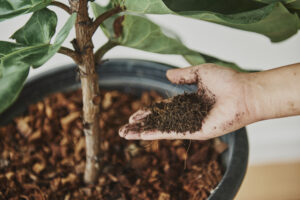
Different plants also have different winter-protection requirements. Perennials, shrubs, newly planted trees, bulbs, strawberries, and other tender plants may benefit from different mulch materials and application depths. In addition, the timing of application matters because mulch is intended to buffer the soil rather than simply trap cold around a plant.
In this guide, the 10 best mulches for winter protection are evaluated based on insulation, moisture conservation, freeze-thaw protection, durability, availability, and ease of application. Whether you are protecting garden perennials, shrubs, young plants, or sensitive root systems, these options can help you select an appropriate winter mulch.
10 Best Mulch for Winter Protection
1. Straw Mulch – Best Overall Mulch for Winter Protection
Straw mulch is the best overall mulch for winter protection because its lightweight, fibrous structure contains numerous air spaces that help insulate the soil. Additionally, straw can create an effective protective layer over dormant plants and shallow roots during periods of freezing weather. Consequently, it is widely useful for protecting plants against cold temperatures and rapid temperature fluctuations.

- All-Natural & Clean Mulch —Sustainably sourced 100% non-GMO wheat straw is naturally filtered to remove dust, dirt, and as many seeds as possible for a clean, pure mulch.
- Designed for Gardens & Compost-Friendly — Ideal for vegetable, herb, flower, and fruit gardens, raised beds, containers, and lawn repair; used straw breaks down quickly, adds carbon to compost, and naturally enriches soil.
The material is particularly valuable for perennial plants that are susceptible to frost heaving or winter injury. Moreover, straw can help reduce moisture loss from the soil while protecting the root zone from repeated freezing and thawing. Penn State Extension recommends straw as one of the materials that can be used to protect perennial and biennial herbs during winter.
Straw is also relatively inexpensive and easy to distribute across large planting areas. Furthermore, it can be removed or pulled back in spring once plants begin active growth. Overall, clean straw provides an excellent combination of insulation, affordability, coverage, and ease of use.
Pros:
- Excellent insulation
- Lightweight
- Helps reduce temperature fluctuations
- Conserves soil moisture
- Useful for shallow-rooted plants
- Affordable
- Easy to apply
Cons:
- Can blow away
- Decomposes relatively quickly
- May contain seeds if poor-quality material is used
2. Shredded Leaves – Best Natural Mulch for Winter Protection
Shredded leaves are the best natural mulch for winter protection because fallen leaves provide a readily available organic insulating layer. Additionally, shredded leaves can protect soil from rapid temperature changes while gradually adding organic matter as they decompose. Consequently, they are an excellent low-cost option for gardeners with deciduous trees.
The key is to shred the leaves rather than allowing thick layers of whole leaves to form a dense mat. Whole leaves can become compacted and interfere with water and air movement, whereas appropriately shredded material generally provides better coverage. Penn State Extension identifies shredded leaves as one of several useful organic mulch materials.
Shredded leaves can be particularly useful around perennial beds, shrubs, and other plants that benefit from winter root protection. Moreover, they naturally break down and return organic matter to the soil. Overall, they are one of the most economical winter mulches available.
Pros:
- Free or inexpensive
- Natural
- Good insulation
- Adds organic matter
- Helps conserve moisture
- Easy to source
- Environmentally friendly
Cons:
- Whole leaves can mat together
- Can blow away
- May require replenishment
3. Pine Straw – Best Mulch for Winter Insulation
Pine straw is the best mulch for winter insulation when you want a lightweight material that creates an airy protective layer over the soil. Its needle-like structure allows air spaces to remain within the mulch, helping buffer the root zone against extreme temperature changes. Therefore, it can be useful for perennial beds and other plants requiring winter protection.
Pine straw also provides good coverage without becoming as heavy as some wet organic materials. Additionally, it can help reduce evaporation and protect soil from repeated freezing and thawing. Penn State Extension lists pine-related organic materials among the mulch choices available to gardeners.
Another advantage is that pine straw is relatively easy to spread and can be replenished as it settles. Furthermore, it decomposes gradually and contributes organic matter to the soil. Overall, pine straw is an effective winter mulch when properly applied.
Pros:
- Lightweight
- Good insulation
- Easy to spread
- Conserves moisture
- Protects roots
- Allows some air movement
- Natural material
Cons:
- Can blow away
- Needs periodic replenishment
- Can be difficult to source in some areas
4. Hardwood Bark Mulch – Best Long-Lasting Mulch for Winter
Hardwood bark mulch is the best long-lasting mulch for winter protection for gardeners who want durable root-zone coverage. Its relatively coarse structure provides an insulating layer over the soil while reducing evaporation and moderating soil temperature. Additionally, bark mulch generally lasts longer than fine organic materials such as leaves.
Bark is especially useful around established shrubs and landscape plants that remain outdoors throughout winter. Moreover, properly applied mulch can help prevent rapid freezing and thawing of the soil, which can otherwise stress plant roots. Penn State Extension notes that mulch around plants established in early fall can help prevent rapid freezing and thawing during winter and early spring.
Hardwood bark is also visually attractive and requires relatively little maintenance once installed. Furthermore, organic bark gradually decomposes and contributes organic matter to the soil. Overall, it is an excellent choice for long-term winter coverage around established landscape plants.
Pros:
- Long-lasting
- Good insulation
- Helps moderate soil temperatures
- Conserves moisture
- Suppresses weeds
- Attractive
- Suitable for shrubs
Cons:
- Heavier than straw
- More expensive than fallen leaves
- Can retain excessive moisture in poorly drained soils
5. Wood Chips – Best Mulch for Winter Root Protection
Wood chips are the best mulch for winter root protection when durability and reliable soil coverage are priorities. Their coarse structure creates a protective layer that can reduce temperature fluctuations around roots. Additionally, wood chips can remain in place through winter better than many lightweight mulches.
Established trees, shrubs, and perennial planting beds can benefit from wood-chip mulch because the material protects the soil surface while reducing evaporation. Moreover, organic wood chips gradually decompose and can improve soil structure over time. Properly applied mulch can also help reduce the rapid freezing and thawing that contributes to winter root stress.
Wood chips are particularly useful where gardeners want winter protection without having to replace the mulch frequently. Furthermore, they can remain useful after winter as a weed-suppressing and moisture-conserving mulch. Overall, wood chips are a strong choice for established outdoor plants.
Pros:
- Durable
- Good root insulation
- Conserves moisture
- Reduces temperature fluctuations
- Suppresses weeds
- Attractive
- Useful beyond winter
Cons:
- Can be heavy
- Fresh chips can temporarily affect nitrogen availability
- Not ideal for every container
6. Composted Leaves – Best Soil-Improving Winter Mulch
Composted leaves are the best soil-improving mulch for winter protection when you want insulation combined with organic matter. Unlike freshly fallen leaves, composted leaves have already undergone decomposition and have developed a softer, more soil-like texture. Consequently, they can provide both winter coverage and long-term soil improvement.
This material can help improve soil structure as it continues decomposing. Additionally, it can conserve moisture while creating a favorable environment around plant roots. Therefore, composted leaves are particularly useful when the garden needs organic matter as well as seasonal root protection.
Composted leaves can also be easier to manage than whole leaves because they are less likely to form a dense mat. Furthermore, they can be applied around established perennials and shrubs without creating the same bulk associated with fresh leaf piles. Overall, they are a versatile organic winter mulch.
Pros:
- Improves soil structure
- Adds organic matter
- Conserves moisture
- Provides moderate insulation
- Less likely to mat than whole leaves
- Natural
- Useful beyond winter
Cons:
- Requires preparation
- Less insulating than loose straw
- Quality varies
7. Pea Straw – Best Lightweight Winter Mulch
Pea straw is the best lightweight winter mulch for gardeners who want a natural material that is easy to spread. Its fibrous structure creates pockets of air that can help protect roots from sudden temperature changes. Additionally, it provides a protective surface layer without adding excessive weight.
Pea straw can be useful around perennial plants and garden beds where the objective is to protect shallow roots from freezing conditions. Moreover, the material gradually decomposes and contributes organic matter to the soil. Therefore, it provides both seasonal protection and longer-term soil benefits.
Its primary disadvantage is its relatively lightweight nature. Strong winter winds can move the material, requiring gardeners to inspect the mulch periodically. Overall, pea straw is a useful option where an easily handled organic winter mulch is preferred.
Pros:
- Lightweight
- Good insulating properties
- Easy to apply
- Conserves moisture
- Adds organic matter
- Natural
- Affordable
Cons:
- Can blow away
- Breaks down relatively quickly
- May require replenishment
8. Aged Compost – Best Winter Mulch for Soil Health
Aged compost is the best winter mulch for soil health when improving the growing medium is as important as protecting roots. Mature compost provides organic matter and can help maintain more favorable soil conditions during winter. Additionally, it can reduce moisture loss from exposed soil.
Compost is particularly useful around established perennials and shrubs where soil quality needs improvement. Moreover, organic matter continues to decompose and integrate into the soil over time. Consequently, it provides benefits that extend well beyond the winter season.
However, compost is denser than straw and may not provide the same degree of insulation as a loose, fibrous material. Therefore, it is often most useful as part of a broader winter-mulching strategy rather than as the only protective material for highly sensitive plants.
Pros:
- Improves soil health
- Adds organic matter
- Conserves moisture
- Supports soil biology
- Easy to source
- Useful throughout the year
- Natural
Cons:
- Less insulating than straw
- Can become dense
- Poor-quality compost may contain weed seeds
9. Evergreen Boughs – Best Mulch for Protecting Perennials
Evergreen boughs are the best mulch for protecting perennials when gardeners need a loose material that can provide additional winter shelter. Branches from evergreen trees can create an insulating layer over plants and help protect them from harsh winter conditions. Penn State Extension specifically identifies evergreen boughs as a winter-protection material for perennial and biennial herbs.
The branches can also help hold other lightweight materials in place during windy conditions. Additionally, they allow some air movement through the protective layer rather than forming a completely sealed covering. Therefore, they can be particularly useful when combined with other organic mulches.
Evergreen boughs are generally best used after plants have entered dormancy and cold weather has arrived. Furthermore, they should be removed or repositioned in spring as active growth resumes. Overall, they are a practical supplementary winter-protection material.
Pros:
- Provides insulation
- Protects perennial crowns
- Allows airflow
- Can hold lighter mulch in place
- Reusable in some situations
- Natural
- Useful for exposed beds
Cons:
- Not always readily available
- Can be bulky
- Requires removal or adjustment in spring
10. Pine Needles – Best Acid-Friendly Winter Mulch
Pine needles are the best acid-friendly winter mulch for gardeners looking for a lightweight organic material that provides seasonal soil coverage. Their loose structure allows air to circulate through the mulch while helping protect the soil from temperature fluctuations. Additionally, they are relatively easy to spread around established plants.
Pine needles can help conserve moisture and provide some insulation during cold periods. Moreover, they gradually decompose and contribute organic matter to the soil. Therefore, they can be useful for suitable landscape plants that benefit from an organic winter mulch.
Despite common misconceptions, pine needles do not automatically make soil highly acidic simply because they come from pine trees. Furthermore, their suitability should be based primarily on their physical properties and the needs of the plant rather than assuming they will dramatically change soil pH.
Pros:
- Lightweight
- Good air spaces
- Provides insulation
- Conserves moisture
- Easy to spread
- Natural
- Long-lasting compared with some leaves
Cons:
- Can blow away
- Not available everywhere
- May need replenishment
7 Buyers Guide Tips for Choosing the Best Mulch for Winter Protection
1. Consider the Plant’s Cold Hardiness
Before selecting a winter mulch, determine how susceptible the plant is to cold injury. Hardy established plants may need only moderate root-zone protection, while newly planted or borderline-hardy plants may require additional protection.
2. Choose Insulation Over Appearance
For winter protection, the physical structure of the mulch matters more than its decorative appearance. Materials containing air spaces, such as straw, pine straw, and loose leaves, can provide useful insulation around roots.
3. Consider Freeze-Thaw Cycles
One of the important functions of winter mulch is reducing rapid soil temperature fluctuations. Mulch can buffer the soil against repeated freezing and thawing, helping reduce stress on plant roots.
4. Check Drainage Before Applying Thick Mulch
Winter mulch should not be used to compensate for poorly drained soil. Saturated soil combined with freezing conditions can contribute to root problems, so plants need adequate drainage before heavy winter protection is applied.
5. Consider the Timing of Application
Do not automatically apply winter mulch at the first sign of cool weather. For some plants, allowing natural cold acclimation to occur before applying heavy insulation is important. The ideal timing varies according to the plant, climate, and type of winter protection required.
6. Keep Mulch Away From Stems and Trunks
Never create a mulch volcano around woody plants. Moist organic mulch touching bark can keep the tissue continuously wet and increase the risk of decay and other problems.
7. Choose the Correct Depth
For many established landscape plants, a 2- to 4-inch layer of organic mulch can provide useful protection, although exact depth should be adjusted for the material, plant, drainage, and local climate. Very deep mulch is not automatically better and can restrict oxygen around roots.
Best Mulch for Winter Protection FAQs
1. What is the best mulch for winter protection?
Straw is one of the best overall mulches for winter protection because its lightweight, fibrous structure provides good insulation around roots and plant crowns. It can also help reduce temperature fluctuations and conserve soil moisture.
2. How thick should winter mulch be?
The appropriate depth depends on the plant and mulch material, but a 2- to 4-inch layer is commonly effective for established landscape plants. Penn State Extension notes that 2 to 4 inches of organic mulch can help moderate soil temperatures, while excessive depths can harm roots.
3. Is straw or leaves better for winter protection?
Both can work well. Straw generally provides excellent insulation because of its loose, fibrous structure, while shredded leaves are an inexpensive natural alternative that also add organic matter to the soil.
4. When should I put mulch down for winter?
Timing depends on the plant and climate. In general, winter mulch should be applied when plants are entering dormancy and sustained cold conditions are approaching rather than simply because temperatures have started falling. Some crops should be mulched only after sufficient cold acclimation has occurred.
5. Should winter mulch touch plant stems?
No. Keep organic mulch away from stems and trunks because continuously wet mulch against woody tissue can encourage decay and disease.
6. Can mulch prevent frost damage?
Mulch can reduce the severity of cold-related root damage by insulating the soil and buffering temperature fluctuations, but it cannot guarantee protection against severe frost or freezing temperatures. Tender foliage may require additional protection such as covers, wind protection, or other physical barriers.
7. Should winter mulch be removed in spring?
For many plants, winter mulch should be reduced, moved away from crowns, or removed once sustained spring growth begins. Penn State Extension recommends removing winter mulch from protected perennial herbs when plants show signs of growth in early spring because leaving heavy protection in place can interfere with normal spring development.
Final Verdict
The best mulch for winter protection overall is straw because it provides excellent insulation, is lightweight, relatively affordable, and can protect plant roots and crowns from damaging temperature fluctuations. It is particularly useful for perennial plants and other shallow-rooted plants that are vulnerable to winter injury.
For a naturally available option, shredded leaves are an excellent choice, while pine straw and pine needles provide lightweight coverage with good air spaces. For established shrubs and landscape plants, hardwood bark and wood chips provide longer-lasting protection and can remain useful after winter.
The most important point is that winter mulch should be used to buffer the root zone rather than smother the plant. Apply an appropriate depth, maintain good drainage, keep mulch away from stems and trunks, and time the application according to the plant and local winter conditions.
When selected and applied correctly, mulch can serve as an effective protective blanket that helps stabilize soil temperatures, conserve moisture, and reduce winter stress, giving plants a stronger foundation for healthy spring growth.
Recent Posts
Spring fertilization supports healthy leaf development, root activity, and productive shoot growth when apple trees have insufficient soil nutrients. Selecting an appropriate fertilizer requires...
Cucumbers (Cucumis sativus) are vigorous, fast-growing vines that can produce abundant harvests when their roots receive enough water, warmth, and balanced nutrition. The best fertilizer for cukes in...