Choosing the best mulch for North Texas is essential for protecting roots from summer heat, conserving moisture, and reducing weed competition in landscape conditions. Native hardwood, cedar, pine bark, and other organic mulches perform differently across the region’s clay soils, drought periods, heavy rainfall, and intense sun.
The right mulch also influences soil temperature, water infiltration, erosion, and soil organic matter. Material texture matters because fine shredded mulch behaves differently from chunky bark or pine straw.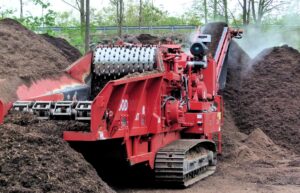
North Texas gardeners should consider plant preferences, drainage, appearance, longevity, and maintenance before selecting a material.
In this guide , we compare the best mulch for North Texas based on moisture conservation, heat protection, weed suppression, soil improvement, durability, and suitability for local landscapes.
10 Best Mulch For North Texas
1. Texas Native Shredded Hardwood Mulch – Best Hardwood Mulch for North Texas Soil Improvement
Texas Native Shredded Hardwood Mulch is the best hardwood mulch for North Texas soil improvement because locally sourced hardwood is well suited to general landscape beds and can gradually contribute organic matter as it decomposes. North Texas soils are often heavy clay, making a stable organic mulch useful for protecting the soil surface while reducing evaporation.

- [MULTIPURPOSE LANDSCAPING MULCH]: Ideal mulch for landscaping, garden beds, flower borders, trees, shrubs, and pathways. Designed for both decorative and functional garden use.
- [NATURAL HARDWOOD COLOR]: Natural wood tones provide a clean, classic finish that complements any landscape design.
The shredded structure also creates a relatively continuous layer that can help suppress emerging annual weeds. Texas-focused landscape guidance consistently identifies hardwood mulch as a strong all-purpose choice for the Dallas-Fort Worth region.
The chemistry of hardwood mulch changes as microorganisms decompose its carbon-rich lignocellulosic material. During decomposition, fungi and bacteria use carbon compounds as an energy source, while the remaining organic material gradually contributes to soil organic matter rather than acting like an immediately available fertilizer. Because the mulch remains on top of the soil, this process occurs primarily at the soil-mulch interface instead of rapidly tying up nitrogen throughout the root zone. Consequently, aged hardwood mulch can provide a useful long-term organic surface layer when it is maintained properly.
Texture is another important advantage because shredded hardwood tends to interlock better than loose, chunky materials. That structure helps the mulch remain relatively stable during North Texas rainfall while still allowing water to move through the surface. Texas A&M recommends mulch as a way to reduce evaporation, regulate soil temperature, suppress weeds, and protect soil from erosion. Overall, natural shredded hardwood is the best all-purpose starting point for most North Texas landscape beds.
Pros:
- Native material
- Excellent coverage
- Moisture conserving
- Weed suppression
- Clay soil friendly
- Natural appearance
- Organic matter
Cons:
- Needs refreshing
- Can fade
- Variable texture
2. Texas Native Cedar Mulch – Best Cedar Mulch for North Texas Insect Resistance
Texas Native Cedar Mulch is the best cedar mulch for North Texas insect resistance when you want an organic material with natural aromatic compounds and good durability. Cedar contains extractives and volatile compounds that contribute to its characteristic aroma and natural resistance to decay organisms. Those properties make cedar attractive for ornamental beds where homeowners want both functional coverage and a distinctive scent.

- 100% Natural Cedar; Use with your outdoor and indoor plants; will hold moisture in! 4 Quart; Natural product so cedar shavings vary in size.
- Use as an air freshener; natural subtle cedar scent; Refill your cedar sachet bags; Made in USA
North Texas landscaping sources commonly recommend cedar as a longer-lasting alternative to conventional hardwood mulch. The chemistry behind cedar’s durability comes partly from naturally occurring extractives, including compounds associated with its aromatic oils. These substances can inhibit or discourage certain organisms involved in decomposition, although cedar mulch should not be treated as a pesticide or guaranteed termite control product.
Its slower decomposition means the carbon-rich material can remain structurally useful for longer before needing substantial replacement. That characteristic is particularly valuable where repeated mulch installation would be inconvenient.
Cedar also provides a relatively lightweight surface layer that can protect soil from direct solar heating and reduce moisture loss. However, its performance depends on particle size, installation depth, irrigation, and exposure to weather. For North Texas homeowners who want a durable organic mulch with a characteristic cedar aroma, Texas Native Cedar Mulch is a strong specialized choice.
Pros:
- Natural cedar
- Aromatic
- Slow decomposition
- Moisture retention
- Weed suppression
- Attractive texture
- Durable coverage
Cons:
- Higher cost
- Can blow away
- Not pest-proof
3. Timberline All Natural Hardwood Bark Mulch – Best Bark Mulch for North Texas Flower Beds
Timberline All Natural Hardwood Bark Mulch is the best bark mulch for North Texas flower beds when you want a conventional bagged product that combines attractive appearance with organic soil protection. Hardwood bark provides a carbon-rich surface that shields soil from direct sunlight and reduces evaporation from the exposed soil surface.
- [MULTIPURPOSE LANDSCAPING MULCH]: Ideal mulch for landscaping, garden beds, flower borders, trees, shrubs, and pathways. Designed for both decorative and functional garden use.
- [NATURAL HARDWOOD COLOR]: Natural wood tones provide a clean, classic finish that complements any landscape design.
The bark structure also creates physical resistance to weed emergence when applied at an adequate depth. Timberline’s hardwood bark mulch is currently listed for sale in the North Texas market. Bark contains cellulose, hemicellulose, lignin, and various extractive compounds that decompose at different rates.
Microorganisms progressively break down these carbon compounds, meaning the material does not function like a fast-release fertilizer. Instead, decomposition gradually contributes organic matter and alters the physical environment at the soil surface. This distinction matters because gardeners should view bark mulch primarily as a soil-covering and moisture-management material, not as a replacement for balanced plant nutrition.
The bagged format also makes this mulch practical for smaller beds where buying bulk material would be excessive. A medium-textured bark can provide a clean appearance while maintaining useful soil coverage through the hot growing season. For homeowners maintaining ornamental beds, shrubs, and mixed perennial plantings, Timberline hardwood bark is a practical bagged option for North Texas conditions.
Pros:
- Natural material
- Attractive appearance
- Easy application
- Moisture conservation
- Weed suppression
- Bagged convenience
- Organic decomposition
Cons:
- Limited bag volume
- Requires refreshing
- Can fade
4. Timberline Premium Cedar Mulch Blend – Best Cedar Blend for North Texas Landscapes
Timberline Premium Cedar Mulch Blend is the best cedar blend for North Texas landscapes when you want the characteristics of cedar in an accessible bagged landscape product. Cedar-based mulch can provide a pleasant aromatic quality while helping protect soil from direct heat and evaporation.

- Natural Cedar; Use with your outdoor and indoor plants; will hold moisture in! THIS IS A 4 QUART SIZE OF CEDAR CHIPS
- Pleasant Earthy Smell. Use as an air freshener; natural subtle cedar scent; Refill your cedar sachet bags; Made in Florida, USA
Its organic composition also means that it gradually decomposes rather than remaining permanently in the landscape. The product is currently listed among mulch options available through Lowe’s in the Dallas-area market.Cedar’s natural extractives help slow microbial decomposition compared with some less durable organic materials.
These compounds do not make the mulch chemically inert, because environmental exposure, microbial activity, temperature, and moisture eventually drive decomposition. As the carbon compounds break down, the material becomes progressively incorporated into the organic surface layer. Therefore, cedar is better understood as a durable organic mulch, rather than a chemical insect-control treatment.
A cedar blend can also provide a visually consistent finish across ornamental beds. Its usefulness becomes particularly apparent where gardeners want to balance moisture conservation, appearance, and reasonable longevity without using inorganic rock or rubber. For residential landscapes throughout North Texas, a quality cedar blend can be a practical alternative to conventional hardwood mulch.
Pros:
- Cedar content
- Attractive finish
- Aromatic
- Organic material
- Moisture protection
- Weed suppression
- Easy application
Cons:
- Blend composition
- Requires topping
- Variable durability
5. Timberline All Natural Pine Bark Mulch – Best Pine Bark Mulch for Acid-Loving Plants
Timberline All Natural Pine Bark Mulch is the best pine bark mulch for North Texas acid-loving plants when the goal is to create an organic surface layer around plants that perform well with pine-based materials. Pine bark has a coarse structure that can provide good air space and resist compacting when compared with very fine materials.

- Helps Maintain Your Garden
- Aromatic Blend
It is particularly useful around ornamental plants where attractive reddish-brown bark texture is desirable. North Texas landscaping guidance specifically identifies pine bark as an appropriate option for acid-loving plants.Pine bark contains lignin and other relatively resistant carbon compounds that slow decomposition compared with softer, rapidly decomposing organic materials.
Its chemical composition can also contribute to a naturally acidic character, although mulch should not be relied upon as a precise method for changing established soil pH. The important horticultural distinction is that plant roots respond primarily to the soil environment, not simply to the pH of the mulch itself. Therefore, soil testing remains the correct method for determining whether a North Texas planting bed actually needs pH adjustment.
Pine bark is especially useful around appropriate ornamental plants, including some acid-preferring species. Its larger particles can also perform well on beds where water movement and visual texture matter. For gardeners growing suitable acid-loving plants, pine bark is a specialized mulch choice that can outperform generic hardwood mulch.
Pros:
- Natural bark
- Good texture
- Slow decomposition
- Acid-friendly plants
- Moisture conservation
- Attractive color
- Good aeration
Cons:
- Can float
- Variable particle size
- Not universal
6. Timberline Pine Bark Nuggets – Best Pine Bark Nuggets for North Texas Slopes
Timberline Pine Bark Nuggets are the best pine bark nuggets for North Texas slopes when a coarse, longer-lasting surface material is preferable to finely shredded mulch. The larger particles create physical interlocking and can provide a durable visual layer around shrubs and landscape plants.
- Helps Maintain Your Garden
- Aromatic Blend
Pine bark nuggets are also commonly selected for their attractive reddish-brown appearance. Current North Texas retail listings include Timberline pine bark nugget products.The chemistry of pine bark is dominated by structural carbon compounds, particularly lignin and cellulose, which microorganisms gradually decompose.
Because these components are relatively resistant compared with simple sugars and proteins, coarse bark can remain recognizable for a substantial period. That slower decomposition provides a longer-lasting physical barrier than some fine organic materials. Nevertheless, particle size also affects how closely the material contacts the soil surface.
Large nuggets have an important limitation in North Texas because intense rainfall can move buoyant bark particles downhill. They can therefore be less appropriate on exposed slopes without proper landscape design. When used in stable beds, however, pine bark nuggets provide excellent visual texture and durable organic coverage.
Pros:
- Long-lasting texture
- Attractive appearance
- Coarse structure
- Organic material
- Moisture protection
- Good shrub coverage
- Slow decomposition
Cons:
- Can float
- Poor fine coverage
- Less wind stability
7. Scotts Nature Scapes Color Enhanced Mulch – Best Color-Enhanced Mulch for North Texas
Scotts Nature Scapes Color Enhanced Mulch is the best color-enhanced mulch for North Texas landscaping when visual appearance is a major consideration alongside basic soil protection. Color-enhanced wood mulch provides the appearance of freshly installed material for longer than untreated wood that naturally fades toward gray or brown.

- Scotts best mulch
- Color Guard keeps color lasting all year
The product is available in multiple colors and is currently listed for sale in the North Texas retail market.The underlying mulch remains a wood-based organic material, so its fundamental decomposition process is driven by microorganisms breaking down cellulose, hemicellulose, and lignin.
The colorant changes the appearance of the surface but does not turn the material into an inorganic mulch. As the wood decomposes and weathers, the visible color can eventually decline. Gardeners should therefore distinguish color longevity from physical mulch longevity.
This type of mulch is especially useful around ornamental beds where consistent color contributes to the overall landscape design. It can provide the same basic surface benefits associated with wood mulch while producing a stronger visual contrast against green foliage. For homeowners prioritizing curb appeal without abandoning organic mulch, Nature Scapes Color Enhanced Mulch is a practical decorative choice.
Pros:
- Strong color
- Decorative appearance
- Moisture conservation
- Weed suppression
- Organic base
- Multiple colors
- Easy availability
Cons:
- Color fades
- More decorative
- Requires refreshing
8. Pine Straw Mulch – Best Pine Straw for North Texas Perennial Beds
Pine straw mulch is the best pine straw for North Texas perennial beds when you want a lightweight organic material that can cover planting beds without creating a dense, heavy surface. Pine needles can form an interlocking layer that allows water to penetrate while providing protection from direct sunlight. North Texas water-conservation guidance specifically lists pine straw among the natural mulch options suitable for local landscapes.

- COVERS UP TO 240 SQ FT – Ideal size for flower beds, shrubs, walkways, and small landscaping projects. Provides consistent, attractive ground coverage.
- LONG NEEDLE PINE STRAW – Premium long needles interlock naturally to stay in place better than loose mulch, even on slopes and around plant beds.
Pine needles contain cellulose, lignin, waxes, and other organic compounds that decompose gradually. Their relatively durable structure means they can remain recognizable longer than very fine organic residues. Contrary to a common misconception, pine straw does not automatically make established soil highly acidic simply because pine trees grow in acidic environments. Its effect on soil chemistry is relatively modest, so soil testing should determine whether pH modification is actually necessary.
Pine straw is particularly useful around perennials and irregular beds where lightweight material can be spread easily. However, wind can move dry pine straw, and very thick layers can mat together. For appropriate beds where regular maintenance is acceptable, pine straw is an economical and functional North Texas mulch option.
Pros:
- Lightweight
- Easy spreading
- Good water flow
- Organic material
- Attractive texture
- Good perennial cover
- Affordable option
Cons:
- Can blow
- Needs topping
- Can mat
9. Compost Mulch – Best Compost Mulch for North Texas Vegetable Gardens
Compost mulch is the best compost mulch for North Texas vegetable gardens when improving soil organic matter is more important than maintaining a decorative bark appearance. Texas A&M AgriLife identifies compost as a particularly strong mulching material for home gardens because it can contribute organic matter while protecting the soil surface. Compost can also help create a more favorable physical environment in difficult garden soils.

- Includes 10lb block of Back to the Roots compressed Coconut Husk Mulch that expands to over 2 cubic feet of mulch. Use it for gardens, raised beds, pet bedding and more
- Expands to over 2 cubic feet

The chemistry of compost differs substantially from fresh wood because composting has already driven much of the initial microbial decomposition. During composting, microorganisms transform readily decomposable carbon compounds and organic nitrogen into more stable organic matter, while heat generated by microbial metabolism helps break down the original material.
Mature compost therefore behaves differently from fresh sawdust or raw wood chips. Its more stabilized organic fraction can contribute to soil structure without the same decomposition dynamics associated with freshly applied woody material.
Compost does require careful sourcing because immature or contaminated material can create problems. Texas A&M specifically warns that some materials, such as cotton gin trash, require attention to source and prior treatment. For vegetable gardens and planting beds where soil improvement is a priority, quality mature compost is one of the most horticulturally valuable mulch choices.
Pros:
- Soil improvement
- Nutrient contribution
- Moisture retention
- Weed suppression
- Organic matter
- Excellent garden use
- Recycles materials
Cons:
- Can contain seeds
- Needs replenishment
- Quality varies
10. Leaf Mulch – Best Shredded Leaf Mulch for North Texas Soil Health
Shredded leaf mulch is the best shredded leaf mulch for North Texas soil health when gardeners want an inexpensive organic material that can be generated locally. Leaves contain carbon, minerals, structural compounds, and partially decomposable organic matter that can return nutrients to the soil as microorganisms process them.
- Includes 10lb block of Back to the Roots compressed Coconut Husk Mulch that expands to over 2 cubic feet of mulch. Use it for gardens, raised beds, pet bedding and more
- Expands to over 2 cubic feet
Shredding the leaves improves their distribution and reduces the tendency of whole leaves to form a dense, water-resistant mat. North Texas gardening guidance specifically recommends shredded leaves as an organic mulch option. As leaves decompose, microbial communities break down cellulose, hemicellulose, lignin, proteins, and soluble compounds at different rates.
The resulting organic matter can improve the physical environment of the soil and provide substrates for beneficial organisms. Leaf decomposition also returns nutrients that were previously stored in the plant tissue. Therefore, leaf mulch is more than a decorative cover; it is a recycling pathway for organic nutrients and carbon.
Shredded leaves work especially well around established landscape plants, vegetable beds, and perennial gardens. However, diseased leaves should not be used indiscriminately, and excessively thick layers can mat or restrict water movement. When properly shredded and applied, leaf mulch provides one of the most economical ways to improve a North Texas garden’s organic surface layer.
Pros:
- Low cost
- Locally available
- Soil enriching
- Moisture retention
- Weed suppression
- Natural recycling
- Easy shredding
Cons:
- Can mat
- Seasonal availability
- Needs refreshing
Buyers Guide Tips for Choosing the Best Mulch for North Texas
1. Match Mulch to North Texas Heat
North Texas summers can expose bare soil to intense solar heating and rapid evaporation. Texas A&M notes that proper mulch helps keep soil cooler during summer and reduces the rate at which water leaves the soil.
For ornamental beds, organic mulches such as hardwood, cedar, pine bark, and pine straw can create an insulating surface. The mulch should remain evenly distributed rather than being piled around individual plants.
2. Consider Heavy Clay Soil
Many North Texas landscapes contain clay-rich soils that can become hard when dry and sticky when wet. Organic mulches can help protect the surface from repeated drying and wetting cycles while gradually contributing organic material.
Hardwood mulch is particularly attractive for general landscape beds because it provides surface protection while decomposing gradually. However, do not mix large quantities of fresh woody mulch directly into the soil because microbial decomposition can temporarily alter nitrogen availability.
3. Choose the Right Mulch Depth
Depth should be based on the material and application. North Texas water-conservation guidance recommends maintaining approximately 2–4 inches of mulch for many landscape applications.
Texas A&M’s gardening guidance also emphasizes adequate mulch thickness for weed suppression, while Texas A&M Forest Service recommends 2–3 inches around trees and warns against excessive mulch depth.
4. Never Create a Mulch Volcano
Keep mulch away from tree trunks and plant stems. Piling mulch directly against bark creates a persistently damp environment that can encourage decay, pests, and other problems.
Instead, create a broad, shallow layer that extends outward over the root zone. Around trees, the mulch should resemble a doughnut rather than a volcano.
5. Consider Particle Size
Fine shredded mulch creates a relatively dense surface and can provide strong weed suppression. Coarse bark and nuggets provide greater visual texture but can be more vulnerable to movement during heavy rainfall.
For sloped North Texas beds, consider how water flows through the property before choosing lightweight or buoyant materials. Pine bark nuggets, for example, can move during heavy rain.
6. Match Mulch to the Plant
There is no universal mulch that is chemically or physically ideal for every plant. Pine bark can be particularly useful around appropriate acid-loving plants, while hardwood provides a more general-purpose option for mixed ornamental beds.
Vegetable gardens can benefit from compost, leaves, straw, and other organic materials depending on the crop. Texas A&M recommends selecting mulch according to the crop, season, and material characteristics rather than applying the same mulch everywhere.
7. Prioritize Quality Over Color
Dark black or red mulch can make a landscape look attractive, but color alone does not determine horticultural quality. Examine the material’s source, particle size, cleanliness, decomposition stage, and suitability for the plants being grown.
A high-quality natural hardwood mulch can be a better long-term choice than an inexpensive decorative product with an unknown source. For North Texas landscapes, performance should come before appearance.
Best Mulch for North Texas FAQs
1. What is the best mulch for North Texas?
Natural shredded hardwood mulch is the best all-around choice for most North Texas landscape beds because it provides moisture conservation, weed suppression, soil-temperature moderation, and gradual organic-matter contribution. Local North Texas landscape guidance consistently identifies hardwood as a strong general-purpose option.
2. Is cedar mulch good for North Texas?
Yes. Cedar mulch is an excellent North Texas option when durability, appearance, and natural aromatic compounds are desirable. It can be particularly useful around ornamental shrubs and landscape beds, although cedar should not be considered a guaranteed insecticide or termite treatment.
3. What mulch is best for Texas heat?
Organic wood-based mulches such as hardwood, cedar, and pine bark are strong choices for Texas heat because they shade the soil and reduce evaporation. Texas A&M specifically notes that proper mulching helps keep soil cooler during summer.
4. How deep should mulch be in North Texas?
For many landscape applications, 2–4 inches is a practical range, although the appropriate depth depends on the material and location. Around trees, Texas A&M Forest Service recommends no more than about 2–3 inches and stresses keeping mulch away from the trunk.
5. Is pine bark good for North Texas?
Yes. Pine bark can be particularly useful around acid-loving plants and provides an attractive, relatively durable organic surface. However, it should not be used with the assumption that it will precisely change soil pH; soil testing is the appropriate way to determine pH requirements.
6. Is black mulch good for North Texas?
Black mulch can be used successfully in North Texas landscapes, particularly when appearance is important. However, dark materials can absorb more solar radiation, so plant selection, season, and site exposure should be considered; organic hardwood mulch remains the better general-purpose choice when soil protection is the priority.
7. Should mulch touch tree trunks?
No. Mulch should be pulled away from the trunk to prevent prolonged moisture against the bark and reduce the risk of pest and disease problems. Texas A&M Forest Service specifically warns against volcano mulching.
Conclusion
In conclusion, hardwood mulch is the best overall choice for North Texas because it provides a strong balance of moisture conservation, heat moderation, weed suppression, organic-matter contribution, availability, and landscape appearance. Cedar mulch is the runner-up because its durability, aromatic compounds, and attractive appearance make it especially useful for homeowners seeking a longer-lasting organic mulch.
The best mulch ultimately depends on the planting situation, because pine bark can be advantageous for suitable acid-loving plants while compost and shredded leaves can provide greater soil-building value in vegetable and perennial gardens. North Texas gardeners should also consider particle size, drainage, slope, irrigation, plant requirements, and expected maintenance before choosing a material.
Apply mulch at an appropriate depth, keep it away from stems and trunks, and replenish organic materials as they decompose. Texas A&M guidance confirms that properly applied mulch can reduce evaporation, suppress weeds, regulate soil temperature, and protect soil from erosion.
Choose the best mulch for your North Texas landscape today, matching the material to your plants, soil, and site conditions rather than selecting solely by color or price. For most homeowners, starting with quality native shredded hardwood and adjusting the material for specialized plants or garden beds will provide the strongest long-term result.
Recent Posts
Spring fertilization supports healthy leaf development, root activity, and productive shoot growth when apple trees have insufficient soil nutrients. Selecting an appropriate fertilizer requires...
Cucumbers (Cucumis sativus) are vigorous, fast-growing vines that can produce abundant harvests when their roots receive enough water, warmth, and balanced nutrition. The best fertilizer for cukes in...