The best mulch for jasmine helps conserve soil moisture, suppress weeds, regulate root-zone temperatures, and improve soil quality while creating favorable conditions for healthy growth. Choosing the right material is particularly important because jasmine performs best when its roots receive consistent moisture without remaining in poorly drained, waterlogged soil.
Finding suitable mulch for jasmine requires careful consideration of decomposition rate, moisture retention, soil improvement, and how well the material allows water to reach the roots. Furthermore, organic mulches can gradually contribute valuable organic matter as they decompose, making them useful beyond simple weed suppression.
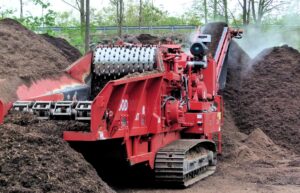
Different jasmine plants can benefit from different mulch materials depending on whether they are growing in containers, garden beds, or around established climbing plants. As a result, compost, shredded bark, leaf mold, pine bark, coconut coir, straw, aged manure, wood chips, composted pine bark, and pea straw can all have a place in a well-managed jasmine garden.
In this guide, the 10 best mulches for jasmine are evaluated based on moisture retention, soil improvement, weed control, longevity, ease of application, and suitability for jasmine’s root environment. Whether you are growing jasmine in a container, raised bed, or outdoor landscape, these options can help you choose a mulch that supports healthy roots and vigorous growth.
10 Best Mulch for Jasmine
1. Well-Rotted Garden Compost – Best Overall Mulch for Jasmine Soil Improvement
Well-rotted garden compost is the best overall mulch for jasmine soil improvement because it provides organic matter while helping the soil retain moisture. Additionally, mature compost gradually integrates with the soil, improving its structure and creating a better environment for jasmine roots. Consequently, it offers benefits beyond simply covering the soil surface. The RHS specifically recommends well-rotted garden compost as an organic mulch for jasmine growing in the ground.

- Nutrient-Rich Organic Compost for Healthy Soil: Support stronger plant growth with this premium organic compost made from dairy cow manure. This all purpose soil amendment helps replenish essential nutrients often depleted after harvests, making it ideal for vegetable gardens, fruit trees, flowers, lawns and container plants.
- All Purpose Use for Indoor and Outdoor Gardening: Perfect for a wide range of applications including tomatoes, herbs, zucchini, citrus trees, roses, orchids, lawns and more. Use in garden beds, raised beds, pots or landscaping projects to help improve soil structure and overall growing conditions.
The fine texture of compost makes it particularly useful around established jasmine plants where gardeners want to improve the quality of the root zone. Moreover, compost can help support soil biological activity as it continues to decompose. Therefore, it is an excellent choice when soil fertility and moisture management are both priorities.
Well-rotted compost is also versatile enough for jasmine grown in garden beds and outdoor containers, although container applications should be relatively light. Furthermore, its natural appearance blends easily with ornamental planting areas. Overall, compost is the most balanced choice for gardeners wanting one mulch that provides several benefits simultaneously.
Pros:
- Improves soil structure
- Adds organic matter
- Retains moisture
- Suppresses weeds
- Supports soil biology
- Natural appearance
- Widely available
Cons:
- Breaks down relatively quickly
- Quality varies
- Excessive application can reduce aeration
2. Shredded Bark Mulch – Best Mulch for Jasmine Moisture Retention
Shredded bark mulch is the best mulch for jasmine moisture retention, providing a protective layer that slows evaporation from the soil surface. Additionally, its fibrous texture creates effective soil coverage while allowing irrigation water to move through toward the root zone. Consequently, it works particularly well in warm conditions where soil moisture can disappear quickly.

- 100% Organic & Peat-Free: Our organix mulch mix is 100% organic & peat-free. Peat is one of Mother Nature’s most important stores of carbon. Instead of imported peat, the base of our soils is made from upcycled plant matter or wood fines from the United States!
- Intended for use in Mulch Soil: Our unique soil blend is ideal for nurturing herbs, vegetables, and fruits planted in a raised bed. Its nutrient-rich composition provides the essential elements for promoting robust growth, vibrant flavors, and bountiful harvests. It’s also proudly made in the USA.

The material also provides useful insulation around jasmine roots by reducing rapid fluctuations in soil temperature. Moreover, bark decomposes more slowly than fine compost, meaning it can remain effective for longer periods. Therefore, it is a practical choice for gardeners who want less frequent mulch replacement.
Shredded bark also creates a clean, attractive appearance around ornamental jasmine. Furthermore, it works well in landscape beds where weed suppression and long-term soil protection are important. Overall, it combines durability, moisture conservation, and attractive coverage.
Pros:
- Excellent moisture retention
- Long-lasting
- Good weed suppression
- Protects roots
- Attractive appearance
- Reduces evaporation
- Easy to spread
Cons:
- Provides limited immediate nutrients
- Can become dry and difficult to re-wet
- Quality varies between products
3. Leaf Mold – Best Organic Mulch for Jasmine Soil Structure
Leaf mold is the best organic mulch for jasmine soil structure, consisting of partially or fully decomposed leaves that have developed a dark, crumbly texture. Additionally, it contributes organic matter without being excessively heavy around the plant. As a result, it can be especially useful for gardeners working to improve soil condition naturally.

- 【Rose Flower Leaf Mold】you will get 1pcs Rose Leaf silicone fondant molds. The size of each mold is different; Please refer to the picture for the specific size. With this Rose Leaf silicone mold, it's easy to create detailed shapes in exciting designs, Great for decorating your cakes. Really a time saver! enabling you to bring a quality to your work.
- 【Safety Material】Rose Leaf fondant molds 100% food-grade silicone, Leaf Fondant Mold are soft and made of non-stick design, release easily after gently twist. Rose Leaves Fondant Molds shapes popped out so easy, also it is easy to wash. This Rose Leaf Molds set can be used safely in ovens, microwaves, and freezers. Rose Leaf Chocolate Mold heat-resistant temperature range is -40 to 220 degrees Celsius/-40 to 445F.
The moisture-holding ability of leaf mold makes it useful around jasmine during periods of dry weather. Moreover, its soft texture allows it to integrate gradually with the surrounding soil. Therefore, it can help create a more favorable root environment over time.
Leaf mold is particularly appealing to gardeners who produce their own organic materials at home. Furthermore, it can be combined with a coarser mulch such as bark chips for additional surface protection. Overall, it is an excellent natural option for improving soil while conserving moisture.
Pros:
- Improves soil structure
- Adds organic matter
- Retains moisture
- Lightweight
- Natural material
- Supports soil organisms
- Easy to produce
Cons:
- Takes time to produce
- Relatively low in nutrients
- May contain debris if poorly prepared
4. Pine Bark Mulch – Best Long-Lasting Mulch for Jasmine
Pine bark mulch is the best long-lasting mulch for jasmine, particularly for established plants growing outdoors. Its relatively durable structure provides extended soil coverage while helping reduce evaporation. Additionally, the material allows water to move through toward the soil instead of simply sitting on the surface.

- ALL-NATURAL INGREDIENTS: No added fertilizers or pesticides
- USES: Potted plant decor, landscaping, terrariums, or soil supplement, soil barrier, bonsai care
Pine bark is also an attractive choice around ornamental jasmine because its natural appearance complements green foliage and flowering plants. Moreover, it decomposes gradually and contributes organic matter over time. Consequently, gardeners can enjoy effective coverage without constantly replacing the mulch.
Another advantage is its usefulness for suppressing competing weeds around established jasmine. Furthermore, appropriately sized bark pieces can provide good airflow through the mulch layer. Overall, pine bark is an excellent choice for gardeners prioritizing durability and appearance.
Pros:
- Long-lasting
- Good moisture retention
- Attractive
- Suppresses weeds
- Protects roots
- Gradually adds organic matter
- Suitable for landscape beds
Cons:
- Can cost more than compost
- Does not provide immediate fertility
- May require periodic replenishment
5. Coconut Coir Mulch – Best Mulch for Jasmine in Hot Climates
Coconut coir is the best mulch for jasmine in hot climates because its fibrous structure can hold moisture and reduce evaporation. Additionally, coir is lightweight and easy to distribute around plants. Consequently, it can be useful where hot weather causes garden soil to dry rapidly.

- 【Packaging Includes】 You will receive 1 pack natural and organic coco coir chip bricks, each brick weights about 10 lb and is able to expand up to 72 quarts quickly. The dimensions of each brick are 11.81*11.81*5.11 inches. Perfect mulch for growing plants.
- 【Organic Coco Husk Material】 Made of matured coco husks, natural and organic coconut fiber, which has low electrical conductivity and PH balance, it is perfect for plant growth. Coco coir chips promote plant growth and make plants grow stronger and healthier!
The material is particularly convenient for container-grown jasmine because it does not add as much weight as some coarse mulches. Moreover, its water-holding characteristics can help create more consistent moisture conditions. Therefore, it is a practical option for gardeners who regularly deal with rapid surface drying.
However, coir should not be used to compensate for poor drainage. Furthermore, the mulch should remain loose rather than being compressed heavily around the plant. Overall, coconut coir is a useful moisture-management mulch when applied appropriately.
Pros:
- Excellent moisture retention
- Lightweight
- Easy to handle
- Useful for containers
- Reduces evaporation
- Renewable material
- Suitable for warm conditions
Cons:
- Can compact
- Quality varies
- May require replenishment
6. Straw Mulch – Best Affordable Mulch for Jasmine
Straw mulch is the best affordable mulch for jasmine, particularly when gardeners need to cover a relatively large planting area economically. Its lightweight structure creates a protective layer over the soil and reduces direct evaporation. Additionally, straw can gradually contribute organic matter as it decomposes.

- All-Natural & Clean Mulch —Sustainably sourced 100% non-GMO wheat straw is naturally filtered to remove dust, dirt, and as many seeds as possible for a clean, pure mulch.
- Designed for Gardens & Compost-Friendly — Ideal for vegetable, herb, flower, and fruit gardens, raised beds, containers, and lawn repair; used straw breaks down quickly, adds carbon to compost, and naturally enriches soil.
The material can be useful around jasmine planted directly in garden soil, especially during periods when maintaining consistent soil moisture is difficult. Moreover, its insulating properties can help moderate temperature changes around the root zone. Therefore, straw provides several useful functions beyond basic weed suppression.
Use clean straw rather than hay whenever possible because hay can contain viable seeds. Furthermore, lightweight straw may need to be replenished after strong wind or heavy rain. Overall, it is a budget-friendly option for gardeners who want an organic mulch.
Pros:
- Affordable
- Lightweight
- Helps retain moisture
- Good soil coverage
- Suppresses weeds
- Adds organic matter
- Easy to apply
Cons:
- Decomposes quickly
- Can blow away
- May contain unwanted seeds
7. Aged Manure – Best Nutrient-Rich Mulch for Jasmine
Aged manure is the best nutrient-rich mulch for jasmine when gardeners want to combine organic mulching with soil fertility improvement. Properly composted manure can add organic matter and nutrients while helping the soil maintain a healthier structure. Consequently, it can be useful for jasmine growing in relatively poor garden soil.

- Organic Compost Blend: Enhance the nutrient content and soil quality of lawns and raised garden beds with this organic blend, promoting healthy plant growth and soil vitality
- Ready-to-Use Mixture: Pre-prepared with odorless organic reed sedge peat and composted animal manure, this blend is ready to use immediately for all your gardening needs
The important distinction is between aged manure and fresh manure. Fresh manure can be excessively strong and may damage plant roots, whereas thoroughly composted material is much more appropriate for use around established plants. Therefore, only well-rotted manure should be considered for jasmine mulching.
Aged manure can also improve moisture retention and contribute to biological activity as it continues decomposing. Furthermore, it can be incorporated into a broader soil-improvement strategy rather than being treated as a complete fertilizer replacement. Overall, it is a useful organic option when soil fertility needs attention.
Pros:
- Adds organic matter
- Provides nutrients
- Improves soil structure
- Helps retain moisture
- Supports microbial activity
- Useful for poor soils
- Natural material
Cons:
- Fresh manure can damage roots
- Quality varies
- Excessive use can cause nutrient problems
8. Wood Chip Mulch – Best Mulch for Established Jasmine
Wood chip mulch is the best mulch for established jasmine, particularly for mature plants growing in outdoor landscape beds. Its relatively coarse structure provides durable soil coverage while reducing evaporation and weed emergence. Additionally, wood chips can remain effective considerably longer than fine organic materials.
- 100% Organic & Peat-Free: Our organix mulch mix is 100% organic & peat-free. Peat is one of Mother Nature’s most important stores of carbon. Instead of imported peat, the base of our soils is made from upcycled plant matter or wood fines from the United States!
- Intended for use in Mulch Soil: Our unique soil blend is ideal for nurturing herbs, vegetables, and fruits planted in a raised bed. Its nutrient-rich composition provides the essential elements for promoting robust growth, vibrant flavors, and bountiful harvests. It’s also proudly made in the USA.
The material works especially well around large jasmine plants where appearance and long-term maintenance are important. Moreover, the spaces between chips can allow water and air to reach the soil surface. Consequently, properly applied wood chips can provide effective root-zone protection without creating an unnecessarily dense layer.
Fresh wood chips are generally better used as surface mulch rather than being mixed deeply into the soil. Furthermore, gardeners should keep the chips away from the jasmine stems and crown. Overall, wood chips are a strong choice for established outdoor jasmine.
Pros:
- Long-lasting
- Excellent weed suppression
- Conserves moisture
- Protects roots
- Attractive
- Suitable for large plants
- Low maintenance
Cons:
- Can be difficult to spread
- Fresh chips can temporarily affect nitrogen availability
- Not ideal for every container
9. Composted Pine Bark – Best Mulch for Jasmine Root Zones
Composted pine bark is the best mulch for jasmine root zones when gardeners want the benefits of bark combined with additional decomposed organic matter. Its partially decomposed structure can improve soil condition while still providing useful surface coverage. Additionally, it tends to have a more soil-like texture than coarse fresh bark.

- Natural Orchid Bark: You will get 2 qts pine bark, large capacity enough for your use, organic bark and the contents are clean; They can be used as potting soil mulch, or mixed with perlite, soil to make an orchids potting mix that help with aeration, the perfect potting medium for indoor plants
- Stable Root Growth: Natural orchid bark approximately 3/8" in size, the right size allows you to distribute them more evenly throughout in the soil, which encourages better root growth, great for orchid pots and houseplants; Bark mulch acts as an insulating shade layer for potting soil, protecting plant roots and providing a great growing environment for plants
This mulch is particularly useful when the underlying soil needs organic matter but the gardener still wants an attractive surface material. Moreover, composted bark can help conserve moisture and reduce weed competition. Therefore, it provides a practical balance between soil improvement and traditional mulching.
Composted pine bark is also suitable for established jasmine in garden beds. Furthermore, it can be replenished periodically as the organic material gradually decomposes. Overall, it is a versatile mulch for gardeners focusing on long-term root-zone quality.
Pros:
- Improves soil structure
- Adds organic matter
- Retains moisture
- Suppresses weeds
- Attractive
- Supports root-zone health
- Suitable for established jasmine
Cons:
- Can be relatively expensive
- Quality varies
- Breaks down over time
10. Pea Straw – Best Lightweight Organic Mulch for Jasmine
Pea straw is the best lightweight organic mulch for jasmine when gardeners want a natural material that is easy to distribute. It provides reasonable soil coverage while reducing evaporation and helping protect the surface from direct sunlight. Additionally, it gradually decomposes and contributes organic matter to the soil.
- All-Natural & Clean Mulch —Sustainably sourced 100% non-GMO wheat straw is naturally filtered to remove dust, dirt, and as many seeds as possible for a clean, pure mulch.
- Designed for Gardens & Compost-Friendly — Ideal for vegetable, herb, flower, and fruit gardens, raised beds, containers, and lawn repair; used straw breaks down quickly, adds carbon to compost, and naturally enriches soil.
The lightweight nature of pea straw makes application simple, especially around garden beds containing several jasmine plants. Moreover, the material can help suppress young weeds by reducing the amount of light reaching the soil surface. Therefore, it can be useful for maintaining a relatively low-maintenance planting area.
Pea straw does not last as long as coarse bark or wood chips, so it requires more frequent inspection and replenishment. Furthermore, windy locations may require gardeners to replace displaced material. Overall, it is a convenient organic mulch for gardeners who prefer lightweight materials.
Pros:
- Lightweight
- Organic
- Easy to spread
- Helps conserve moisture
- Adds organic matter
- Suppresses weeds
- Affordable
Cons:
- Breaks down quickly
- Can blow away
- Requires regular replenishment
7 Buyers Guide Tips for Choosing the Best Mulch for Jasmine
1. Consider Moisture Retention
Choose a mulch that helps slow evaporation without keeping the jasmine root zone permanently saturated. Jasmine generally benefits from consistent moisture, while poorly drained conditions can create problems for the roots.
2. Check the Drainage of Your Soil
Before choosing a highly moisture-retentive mulch, consider how quickly your soil drains. Jasmine prefers fertile, well-drained soil, and excessive moisture around the roots can be problematic.
3. Choose Organic Matter for Soil Improvement
If your main objective is improving the soil, prioritize mature organic materials such as well-rotted compost, composted bark, or leaf mold. Organic mulches can contribute organic matter as they gradually decompose.
4. Consider How Long the Mulch Should Last
Fine organic mulches usually break down faster than bark and wood chips. If you want less frequent maintenance, choose a more durable mulch such as pine bark or wood chips.
5. Match the Mulch to the Growing Location
Container-grown jasmine and outdoor jasmine do not necessarily need identical mulches. Containers dry out faster and have limited root volume, so lightweight materials can be more convenient, while established landscape jasmine can benefit from longer-lasting bark or wood-chip mulches.
6. Avoid Fresh or Poorly Prepared Materials
Use mature compost and well-rotted manure rather than fresh materials around jasmine. Freshly chipped woody material can temporarily tie up nitrogen as it decomposes, so it is better used appropriately as a surface mulch.
7. Check the Application Depth and Stem Clearance
The material you choose is only part of the equation. Organic mulch is generally most effective at around 2 to 3 inches deep, and it should not be piled against jasmine stems. The RHS recommends leaving about a 3-inch gap around the base of jasmine to reduce the risk of stem rot.
Best Mulch for Jasmine FAQs
1. What is the best mulch for jasmine?
Well-rotted garden compost is the best overall mulch for jasmine because it helps conserve moisture, suppress weeds, add organic matter, and improve soil structure. The RHS specifically recommends well-rotted garden compost as an organic mulch for jasmine growing in the ground.
2. Is bark mulch good for jasmine?
Yes, bark mulch is an excellent choice for jasmine because it provides long-lasting soil coverage, reduces evaporation, suppresses weeds, and protects the root zone.
3. How thick should mulch be around jasmine?
A 2- to 3-inch layer is generally appropriate for jasmine growing in garden soil, provided the mulch is kept away from the stems and crown. The RHS advises biodegradable mulches to be at least 2 inches and ideally around 3 inches thick.
4. Can I use wood chips around jasmine?
Yes, wood chips are particularly suitable for established jasmine growing outdoors because they provide durable moisture conservation and weed suppression.
5. Is compost good for jasmine?
Yes, well-rotted compost is one of the best organic mulches for jasmine because it improves soil structure while helping maintain more consistent moisture. Annual mulching can also provide sufficient feeding for jasmine growing in the ground according to the RHS.
6. Should mulch touch jasmine stems?
No. Keep mulch several inches away from jasmine stems and the crown to avoid excessive moisture against plant tissue and reduce the risk of decay. The RHS recommends approximately 3 inches of clearance around jasmine stems.
7. Can mulch cause jasmine root problems?
Improper mulching can contribute to root problems when it is excessively deep, placed against the crown, or used over poorly drained soil. Properly applied mulch should conserve moisture without keeping the root zone saturated. Star jasmine, for example, prefers free-draining soil and can be susceptible to root rots in heavy, damp conditions.
Final Verdict
The best mulch for jasmine overall is well-rotted garden compost because it combines moisture conservation, soil improvement, organic matter, and weed suppression. It is an especially strong choice when the goal is to improve the quality of the root environment while maintaining adequate moisture.
For gardeners who prioritize longevity, shredded bark and pine bark are excellent alternatives, while leaf mold is particularly valuable for improving soil structure. Coconut coir is useful where moisture retention is critical, especially in containers and warm conditions.
The most important consideration, however, is not simply which mulch you choose but how you apply it. Keep the mulch at a moderate depth, maintain a clear gap around jasmine stems, and make sure the soil beneath it drains properly.
By selecting a suitable mulch and applying it correctly, you can create a more stable root environment that supports vigorous jasmine growth while reducing the amount of time spent managing weeds and moisture.
Recent Posts
Spring fertilization supports healthy leaf development, root activity, and productive shoot growth when apple trees have insufficient soil nutrients. Selecting an appropriate fertilizer requires...
Cucumbers (Cucumis sativus) are vigorous, fast-growing vines that can produce abundant harvests when their roots receive enough water, warmth, and balanced nutrition. The best fertilizer for cukes in...