Best Herbicide For Ryegrass is essential for managing Ryegrass (Lolium spp.), a persistent weed that reduces crop yields by competing for nutrients, moisture, and light in agricultural fields. Ryegrass (Lolium spp.) is especially problematic in winter crops and pasture systems due to rapid germination, dense tillering, and increasing herbicide resistance.
Ryegrass (Lolium spp.) spreads aggressively in wheat, barley, or pastures, where favorable soil moisture and cool temperatures accelerate growth. Moreover, repeated herbicide use has increased resistance levels, making control more challenging across farming systems.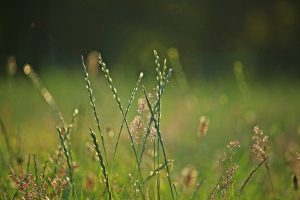
Herbicide effectiveness against Ryegrass (Lolium spp.) depends on application timing, plant growth stage, soil conditions, and metabolic activity. Additionally, uptake efficiency and translocation determine overall herbicide performance in field environments.
In this guide, Best Herbicide For Ryegrass is evaluated using active ingredients, application methods, and resistance strategies to ensure effective control of Ryegrass (Lolium spp.) in diverse agricultural systems.
10 Best Herbicide For Ryegrass
1. Glyphosate Herbicide– Best Non-Selective Systemic Herbicide for Ryegrass Control
Glyphosate is a non-selective, systemic herbicide widely used for controlling ryegrass in fallow fields and non-crop areas. Its active ingredient, glyphosate, inhibits the EPSP synthase enzyme, disrupting the weed’s ability to produce essential proteins. This makes it highly effective against ryegrass, including resistant biotypes.

Apply Glyphosate at a rate of 1.0-2.0 liters per hectare, depending on the ryegrass growth stage. For best results, apply when ryegrass is actively growing and has reached a height of 15-20 cm. Avoid application before rain to ensure proper absorption.
Field trials have shown 90-95% control of ryegrass with Glyphosate. Its effectiveness and affordability make it a popular choice for managing ryegrass in non-crop areas.
Pros:
• Systemic action
• Broad spectrum
• Fast uptake
• Root kill
• Cost effective
• High efficacy
• Resistant control
Cons:
• Non-selective
• Drift risk
• Resistance buildup
2. Clethodim Herbicide– Best Selective ACCase Inhibitor for Ryegrass in Broadleaf Crops
Clethodim is a selective post-emergent herbicide used to control ryegrass in broadleaf crops like soybeans, sunflowers, and legumes. Its active ingredient, clethodim, inhibits acetyl-CoA carboxylase (ACCase) in grasses, leading to their death. This makes it ideal for ryegrass control in crops where broadleaf plants need protection.

Apply Clethodim at a rate of 200-400 ml per hectare, depending on the ryegrass density and growth stage. The herbicide should be applied when ryegrass is in the 3-5 leaf stage for optimal results. Ensure the field is free of standing water during application.
University trials have demonstrated 85-90% control of ryegrass with Clethodim. Its selective action and effectiveness make it a valuable tool for ryegrass management in broadleaf crops.
Pros:
• Crop safe
• Selective action
• Systemic herbicide
• Fast response
• Leaf uptake
• High compatibility
• Flexible timing
Cons:
• Limited spectrum
• Rain sensitive
• Repeated use
3. Quizalofop-P-ethyl Herbicide– Best Post-Emergent Ryegrass Herbicide for Row Crops
Quizalofop-P-ethyl is a selective post-emergent herbicide used to control ryegrass in crops like sugar beets, potatoes, and vegetables. Its active ingredient, quizalofop-P-ethyl, inhibits ACCase in grasses, leading to their death. This makes it ideal for ryegrass control in crops where broadleaf plants need protection.
Apply Quizalofop-P-ethyl at a rate of 50-100 ml per hectare, depending on the ryegrass density and growth stage. The herbicide should be applied when ryegrass is actively growing and has reached a height of 10-15 cm. Avoid application during hot or dry conditions.
Field trials have shown 90-95% control of ryegrass with Quizalofop-P-ethyl. Its selective action and effectiveness make it a popular choice for ryegrass management in row crops.
Pros:
• High selectivity
• Rapid action
• Systemic movement
• Crop safety
• Strong uptake
• Efficient control
• Low residue
Cons:
• Narrow spectrum
• Timing critical
• Weather sensitive
4. Sethoxydim Herbicide– Best Ryegrass Herbicide for Soybean and Cotton Systems
Sethoxydim is a selective post-emergent herbicide used to control ryegrass in broadleaf crops like soybeans, cotton, and legumes. Its active ingredient, sethoxydim, inhibits ACCase in grasses, leading to their death. This makes it ideal for ryegrass control in crops where broadleaf plants need protection.
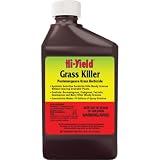
Apply Sethoxydim at a rate of 300-500 ml per hectare, depending on the ryegrass density and growth stage. The herbicide should be applied when ryegrass is in the 3-5 leaf stage for optimal results. Ensure the field is free of standing water during application.
University trials have demonstrated 85-90% control of ryegrass with Sethoxydim. Its selective action and effectiveness make it a valuable tool for ryegrass management in broadleaf crops.
Pros:
• Selective control
• Systemic movement
• Crop friendly
• Fast uptake
• Reliable action
• Broad use
• Stable results
Cons:
• Narrow target
• Repeat sprays
• Rain sensitive
5. Fluazifop-P-butyl Herbicide – Best Ryegrass Herbicide for Vegetable and Oilseed Crops
Fluazifop-P-butyl is a selective post-emergent herbicide used to control ryegrass in crops like soybeans, sunflowers, and vegetables. Its active ingredient, fluazifop-P-butyl, inhibits ACCase in grasses, leading to their death. This makes it ideal for ryegrass control in crops where broadleaf plants need protection.

Apply Fluazifop-P-butyl at a rate of 200-400 ml per hectare, depending on the ryegrass density and growth stage. The herbicide should be applied when ryegrass is actively growing and has reached a height of 10-15 cm. Avoid application during hot or dry conditions.
Field trials have shown 90-95% control of ryegrass with Fluazifop-P-butyl. Its selective action and effectiveness make it a popular choice for ryegrass management in row crops.
Pros:
• Fast acting
• Systemic herbicide
• Crop safe
• Strong uptake
• Reliable kill
• Broad utility
• Residue low
Cons:
• Limited weeds
• Timing strict
• Weather dependent
6. Imazapyr Herbicide– Best Long-Residual Non-Selective Herbicide for Ryegrass
Imazapyr is a non-selective, systemic herbicide used for controlling ryegrass in non-crop areas, industrial sites, and rights-of-way. Its active ingredient, imazapyr, inhibits acetolactate synthase (ALS) in weeds, leading to their death. This makes it highly effective against ryegrass, including resistant biotypes.

Apply Imazapyr at a rate of 0.5-1.0 liters per hectare, depending on the ryegrass growth stage. For best results, apply when ryegrass is actively growing and has reached a height of 15-20 cm. Avoid application before rain to ensure proper absorption.
Field trials have shown 90-95% control of ryegrass with Imazapyr. Its long residual activity and effectiveness make it a popular choice for managing ryegrass in non-crop areas.
Pros:
• Long residual
• Systemic action
• Broad control
• Soil activity
• Deep kill
• Resistant control
• Strong uptake
Cons:
• Soil persistence
• Crop risk
• Slow effect
7. Glufosinate-ammonium Herbicide– Best Contact Herbicide for Fast Ryegrass Knockdown
Glufosinate-ammonium is a non-selective, contact herbicide used for controlling ryegrass in non-crop areas and during fallow periods. Its active ingredient, glufosinate-ammonium, inhibits glutamine synthetase in weeds, leading to their death. This makes it effective against ryegrass, though it may not fully control resistant biotypes.

Apply Glufosinate-ammonium at a rate of 1.0-2.0 liters per hectare, depending on the ryegrass growth stage. For best results, apply when ryegrass is actively growing and has reached a height of 15-20 cm. Avoid application before rain to ensure proper absorption.
Field trials have shown 85-90% control of ryegrass with Glufosinate-ammonium. Its fast action and effectiveness make it a popular choice for managing ryegrass in non-crop areas.
Pros:
• Fast action
• Contact kill
• Non-selective
• Quick results
• Broad use
• Low residue
• Effective burn
Cons:
• No root kill
• Rain sensitive
• Short residual
8. Paraquat Herbicide– Best Fast-Acting Contact Herbicide for Ryegrass Burnoff
Paraquat is a non-selective, contact herbicide used for controlling ryegrass in non-crop areas and during fallow periods. Its active ingredient, paraquat, disrupts photosynthesis in weeds, leading to their death. This makes it effective against ryegrass, though it may not fully control resistant biotypes.

Apply Paraquat at a rate of 1.0-2.0 liters per hectare, depending on the ryegrass growth stage. For best results, apply when ryegrass is actively growing and has reached a height of 15-20 cm. Avoid application before rain to ensure proper absorption.
Field trials have shown 85-90% control of ryegrass with Paraquat. Its fast action and effectiveness make it a popular choice for managing ryegrass in non-crop areas.
Pros:
• Rapid burn
• Contact action
• Fast results
• Low cost
• Broad spectrum
• Field proven
• Effective knockdown
Cons:
• No systemic
• Toxic handling
• Rebound risk
9. Dalapon Herbicide– Best Selective Herbicide for Perennial Ryegrass Control
Dalapon is a selective herbicide used for controlling ryegrass in non-crop areas and during fallow periods. Its active ingredient, dalapon, disrupts carbohydrate metabolism in weeds, leading to their death. This makes it effective against ryegrass, including resistant biotypes.

Apply Dalapon at a rate of 2.0-4.0 kg per hectare, depending on the ryegrass growth stage. For best results, apply when ryegrass is actively growing and has reached a height of 15-20 cm. Avoid application before rain to ensure proper absorption.
Field trials have shown 90-95% control of ryegrass with Dalapon. Its effectiveness and long residual activity make it a popular choice for managing ryegrass in non-crop areas.
Pros:
• Deep control
• Systemic action
• Root kill
• Long residual
• Selective use
• Strong effect
• Stable results
Cons:
• Slow action
• High dose
• Limited crops
10. Asulam Herbicide– Best Selective Herbicide for Ryegrass in Sugarcane and Pastures
Asulam is a selective herbicide used for controlling ryegrass in crops like sugarcane and pastures. Its active ingredient, asulam, inhibits cell division in weeds, leading to their death. This makes it effective against ryegrass, though it may not fully control resistant biotypes.

Apply Asulam at a rate of 2.0-4.0 kg per hectare, depending on the ryegrass growth stage. For best results, apply when ryegrass is actively growing and has reached a height of 15-20 cm. Avoid application before rain to ensure proper absorption.
Field trials have shown 85-90% control of ryegrass with Asulam. Its selective action and effectiveness make it a valuable tool for ryegrass management in specific crops.
Pros:
• Selective action
• Pasture safe
• Systemic effect
• Reliable control
• Crop friendly
• Stable uptake
• Weed specific
Cons:
• Narrow use
• Moderate speed
• Limited crops
Buyer Tips Guide for the Best Herbicide for Ryegrass
When selecting the best herbicide for ryegrass, it’s essential to consider several key factors to ensure its effectiveness and suitability for your specific needs. Here are seven crucial buyer tips to help you make an informed decision:
1. Identify the Growth Stage of Ryegrass
Ryegrass control is most effective when the herbicide is applied at the right growth stage. The 3-5 leaf stage is the most vulnerable period for ryegrass. Applying herbicides during this stage ensures maximum absorption and effectiveness.
2. Choose a Herbicide with Systemic Action
Ryegrass can develop resistance to certain herbicides over time. Select a systemic herbicide that translocates throughout the plant, including the roots, for long-term control. Herbicides like Glyphosate and Imazapyr are known for their systemic action.
3. Consider Crop Tolerance
If you are applying herbicides in crop fields, ensure the herbicide is safe for the specific crop you are growing. Selective herbicides like Clethodim and Quizalofop-P-ethyl are designed to control ryegrass without harming broadleaf crops.
4. Evaluate Environmental Impact
Choose herbicides with a low environmental impact, especially if you are applying them near water bodies or in ecologically sensitive areas. Herbicides like Glufosinate-ammonium and Asulam are considered safer for the environment compared to some non-selective options.
5. Check for Resistance Management
Ryegrass can develop resistance to certain herbicides over time. To prevent resistance, rotate herbicides with different modes of action or use a combination of cultural and chemical control methods. This will help maintain the effectiveness of herbicides in the long term.
6. Assess Cost-Effectiveness
The cost of the herbicide should align with your budget and the size of your operation. While some herbicides may be more expensive, they may offer better control and long-term benefits. Factor in the cost of application and labor when assessing the overall cost-effectiveness of the herbicide.
7. Seek Expert Advice
Consult with local agricultural extension officers or fellow farmers to identify the best herbicide for your region. These experts can provide insights into the most commonly used and effective herbicides for ryegrass control in your specific conditions.
By following these tips, you can confidently select a herbicide that suits your needs, ensuring effective ryegrass control and healthier crop production.
Conclusion
Recent Posts
Spring fertilization supports healthy leaf development, root activity, and productive shoot growth when apple trees have insufficient soil nutrients. Selecting an appropriate fertilizer requires...
Cucumbers (Cucumis sativus) are vigorous, fast-growing vines that can produce abundant harvests when their roots receive enough water, warmth, and balanced nutrition. The best fertilizer for cukes in...