Choosing the best fertilizer for staghorn fern is essential for promoting strong roots and vibrant, healthy fronds. Proper fertilization supports overall plant vigor and prevents nutrient deficiencies that can stunt growth.
These epiphytic ferns flourish in well-draining mounted setups, hanging baskets, or container arrangements, requiring care suited for both indoor and outdoor environments. Fertilizers with balanced NPK ratios of 10-10-10 to 20-10-20, slightly acidic to neutral pH (5.5–6.5), and organic-rich soil enhance growth during spring and summer.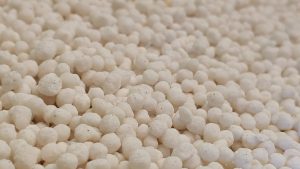
Overfertilization can harm sensitive staghorn ferns, so gradual, consistent nutrient application is recommended. Matching fertilizers to the plant’s container type, light conditions, and growing zone ensures lush, resilient fronds year-round.
In this guide, best fertilizer for staghorn fern options are reviewed in detail, highlighting NPK composition, pH levels, soil compatibility, indoor/outdoor suitability, and seasonal application methods. This allows your fern to thrive in diverse climates and setups.
10 Best Fertilizer For Staghorn Fern
1. Osmocote Smart-Release Series – Best fertilizer for staghorn fern long-term feeding
Osmocote Smart-Release fertilizers typically feature an NPK ratio of 14-14-14 or 15-9-12, providing balanced nutrients for sustained plant growth. Nitrogen promotes lush fronds, phosphorus strengthens root and shield development, while potassium improves water retention and stress tolerance. Additionally, the polymer coating ensures nutrients release gradually over time.

Moreover, this fertilizer performs exceptionally well in container-grown and mounted staghorn ferns, where nutrient retention is limited. It works effectively in USDA zones 9–11, although indoor environments benefit equally due to controlled conditions. Therefore, it is ideal for both indoor and outdoor use.
During spring and summer, nutrient release accelerates due to higher temperatures, supporting active growth. However, in cooler seasons like fall and winter, nutrient release slows, preventing overfeeding.
Pros:
• Slow-release
• Balanced NPK
• Long-lasting
• Low-leaching
• Reliable
• Indoor safe
• Outdoor ready
Cons:
• Expensive
• Slow response
• Limited control
2. Miracle-Gro Soluble Series – Best fertilizer for staghorn fern rapid growth
Miracle-Gro Soluble fertilizers commonly contain an NPK ratio of 24-8-16 or 20-20-20, emphasizing nitrogen for rapid frond growth. Nitrogen fuels leaf expansion, phosphorus supports root anchoring, while potassium improves plant metabolism. Additionally, water-soluble nutrients ensure immediate uptake.
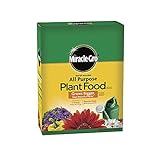
Furthermore, this fertilizer is ideal for indoor staghorn ferns and hanging mounts, where quick nutrient delivery is required. It also performs well in warm climates and tropical zones, although it must be diluted in hot desert conditions to avoid burn. Therefore, it offers flexibility across environments.
During spring and early summer, frequent application boosts growth, while in winter, feeding should be reduced. Consequently, it adapts well to seasonal changes.
Pros:
• Fast-acting
• High nitrogen
• Quick uptake
• Easy-mix
• Effective
• Versatile
• Reliable
Cons:
• Frequent use
• Burn risk
• Short-lasting
3. Jobe’s Organics Series – Best fertilizer for staghorn fern organic feeding
Jobe’s Organics fertilizers typically have an NPK ratio of 2-5-3, focusing on phosphorus and potassium for root and structural development. Nitrogen supports moderate frond growth, while phosphorus enhances root attachment. Additionally, organic microbes improve nutrient breakdown.
Moreover, this fertilizer works well in outdoor gardens, shaded patios, and humid environments, especially in tropical and subtropical zones. It is also suitable for indoor use, as it releases nutrients slowly and safely. Therefore, it supports sustainable plant care.
During spring and summer, microbial activity increases, improving nutrient availability. However, in cooler seasons, nutrient release slows naturally.
Pros:
• Organic
• Microbial
• Balanced
• Soil boost
• Safe
• Sustainable
• Reliable
Cons:
• Slow release
• Mild odor
• Limited nutrients
4. Espoma Organic Tone Series – Best fertilizer for staghorn fern soil enrichment
Espoma Organic Tone fertilizers feature an NPK ratio around 4-3-4, providing balanced organic nutrition. Nitrogen supports foliage growth, phosphorus strengthens roots, while potassium improves plant resilience. Additionally, organic matter enhances moisture retention.
Furthermore, this fertilizer is ideal for container setups, wall mounts, and outdoor shaded areas, where soil quality needs improvement. It performs well in humid and semi-tropical climates. Therefore, it is suitable for both beginners and experienced growers.
Seasonally, it performs best in spring and early fall, when plants actively grow. During winter, application should be reduced to prevent excess buildup.
Pros:
• Organic
• Balanced NPK
• Soil health
• Slow-release
• Reliable
• Safe
• Effective
Cons:
• Slow effect
• Bulky
• Odor
5. Fish Emulsion Fertilizers – Best fertilizer for staghorn fern foliar feeding
Fish emulsion fertilizers typically contain an NPK ratio of 5-1-1, emphasizing nitrogen for rapid leafy growth. Nitrogen enhances frond expansion, while trace minerals support plant metabolism. Additionally, organic compounds improve nutrient absorption.
Moreover, this fertilizer is ideal for indoor plants, mounted ferns, and greenhouse environments, where foliar feeding is effective. It also works well in humid tropical climates, although caution is needed in desert areas due to rapid evaporation. Therefore, it provides flexible application.
During spring and summer, frequent feeding supports active growth, while in winter, usage should be minimized.
Pros:
• Fast-acting
• Organic
• Liquid form
• Nutrient-rich
• Easy-use
• Boost growth
• Versatile
Cons:
• Strong odor
• Short-lasting
• Frequent use
6. Seaweed Kelp Fertilizers – Best fertilizer for staghorn fern stress resistance
Seaweed fertilizers typically contain an NPK ratio of 0-0-1, focusing on potassium and trace minerals. Potassium improves water regulation, while natural hormones stimulate plant growth. Additionally, micronutrients enhance stress tolerance.
Furthermore, this fertilizer is excellent for desert climates, dry regions, and fluctuating environments, where plants face stress. It is also suitable for indoor and outdoor use. Therefore, it supports resilience in extreme conditions.
Seasonally, it can be applied year-round, although it is most beneficial during heat stress periods in summer.
Pros:
• Stress resistance
• Trace minerals
• Growth boost
• Organic
• Reliable
• Easy-use
• Effective
Cons:
• Mild effect
• Frequent use
• Costly
7. Orchid Fertilizer Blends – Best fertilizer for staghorn fern epiphytic feeding
Orchid fertilizers typically feature an NPK ratio of 20-20-20 or 30-10-10, designed for epiphytic plants. Nitrogen supports frond growth, phosphorus enhances root attachment, while potassium improves plant strength. Additionally, micronutrients support overall health.
Moreover, these fertilizers are ideal for mounted staghorn ferns, indoor displays, and greenhouse setups, where epiphytic feeding is required. They perform well across multiple climate zones, especially controlled indoor environments. Therefore, they are highly adaptable.
During spring and summer, regular feeding supports active growth, while winter feeding should be reduced.
Pros:
• Balanced nutrients
• Epiphyte-friendly
• Easy-use
• Effective
• Reliable
• Versatile
• Safe
Cons:
• Needs dilution
• Moderate cost
• Frequent use
8. Compost Tea Fertilizers – Best fertilizer for staghorn fern natural feeding
Compost tea typically has a low NPK ratio (1-1-1), providing mild, balanced nutrients. Nitrogen supports growth, phosphorus aids roots, while potassium improves plant function. Additionally, microbes enhance nutrient availability.
Moreover, it is ideal for outdoor gardens, shaded patios, and organic setups, where natural feeding is preferred. It also works in indoor environments, although frequent application is needed. Therefore, it supports eco-friendly gardening.
Seasonally, it performs best in spring and summer, when microbial activity is highest.
Pros:
• Organic
• Microbial
• Natural
• Easy-use
• Affordable
• Sustainable
• Effective
Cons:
• Weak strength
• Short shelf
• Frequent use
9. Bone Meal Fertilizers – Best fertilizer for staghorn fern root support
Bone meal fertilizers typically have an NPK ratio of 3-15-0, emphasizing phosphorus for root development. Phosphorus supports energy transfer and root growth, while calcium strengthens plant structure. Additionally, it improves nutrient absorption.
Furthermore, this fertilizer is ideal for outdoor mounts and container plants, where root stability is essential. It performs well in moderate climates and shaded environments. Therefore, it supports strong plant foundations.
Seasonally, it is best applied during planting and early spring growth.
Pros:
• Root boost
• High phosphorus
• Organic
• Slow-release
• Reliable
• Soil-friendly
• Effective
Cons:
• Slow action
• Limited nutrients
• Overuse risk
10. Banana Peel Compost – Best fertilizer for staghorn fern potassium boost
Banana peel compost has a low nitrogen NPK profile with high potassium, supporting plant strength and resilience. Potassium improves water balance and frond quality, while phosphorus aids root development. Additionally, organic matter enhances soil structure.
Moreover, it is ideal for home gardeners, indoor setups, and sustainable environments, where natural feeding is preferred. It works well in tropical and warm climates. Therefore, it supports eco-friendly plant care.
Seasonally, it can be used year-round, although composting improves nutrient availability.
Pros:
• Organic
• Potassium-rich
• Affordable
• Sustainable
• Easy-use
• Natural
• Effective
Cons:
• Slow release
• Low nitrogen
• Needs composting
Best Fertilizer For Staghorn Fern FAQs
- What is the ideal NPK ratio for staghorn ferns?
A balanced NPK ratio like 10-10-10 or slightly nitrogen-heavy blends supports frond growth and root development effectively. - How often should I fertilize my staghorn fern?
Feed every 2–4 weeks during spring and summer; reduce frequency in fall and winter to prevent overfeeding. - Can staghorn ferns grow well indoors?
Yes, with proper humidity, indirect light, and container mounting, they thrive indoors using suitable fertilizers. - Which fertilizer works best for mounted staghorn ferns?
Slow-release granular fertilizers like Osmocote or foliar liquid feeds such as Fish Emulsion are ideal for mounted plants. - Is organic fertilizer effective for staghorn ferns?
Absolutely; options like Jobe’s Organics or compost tea supply nutrients gradually while improving soil and microbial activity. - Can staghorn ferns tolerate dry or desert conditions?
Yes, but fertilizers high in potassium and trace minerals, such as seaweed or kelp blends, improve stress tolerance in arid climates. - When is the best time to fertilize staghorn ferns?
Apply during active growth seasons—spring and summer—and reduce feeding in winter when the plant is less active.
Conclusion
In conclusion, the best fertilizer for staghorn fern is Osmocote Smart-Release due to its balanced NPK ratio and controlled nutrient release across seasons. The runner-up is Miracle-Gro Soluble because it delivers rapid nutrient uptake and supports quick growth in active seasons.
Osmocote stands out as the best since it provides consistent feeding in both indoor and outdoor environments, including containers and mounts. Meanwhile, Miracle-Gro earns its runner-up position due to its fast-acting nutrients and adaptability across different climate zones.
Each fertilizer in this guide was selected based on nutrient composition, seasonal performance, and environmental adaptability. Therefore, choosing the right option ensures optimal plant health and long-term growth.
Understanding NPK ratios, seasonal feeding, and environmental needs improves plant care significantly. Additionally, adapting fertilization to indoor, outdoor, and desert conditions enhances success rates.
Take action today by selecting the right fertilizer and applying it correctly to achieve lush, vibrant, and thriving staghorn ferns in any environment.
Recent Posts
Best Fertilizer For Winged Bean is essential for achieving vigorous vine growth, improved flowering, and high-yield pod production in both small gardens and commercial farms. Winged bean is a...
The Best Electric Lawn Mower For St Augustine Grass is essential for achieving a clean, uniform cut on dense, coarse turf. Selecting the right mower ensures efficient performance while protecting the...