Zone 6 gardeners benefit from a balanced climate that supports a wide range of perennials capable of blooming throughout the summer months. According to horticultural extension data, properly selected perennials can provide up to 90 days of continuous color when matched with the correct hardiness zone.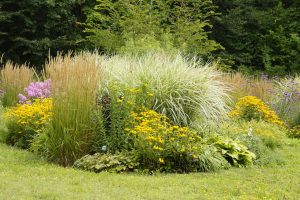
Choosing the right plants reduces replanting costs while ensuring consistent visual impact.Perennials that bloom all summer in Zone 6 are valued for their resilience, repeat flowering habits, and low maintenance requirements.
Many varieties have been bred specifically to withstand fluctuating temperatures while maintaining strong bloom cycles. This makes them ideal for borders, pollinator gardens, and landscape foundations.
This guide presents the 50 best Zone 6 perennials that bloom all summer, selected based on bloom duration, cold hardiness, and proven garden performance.
50 Best Zone 6 Perennials That Bloom All Summer
1. Black-Eyed Susan (Rudbeckia fulgida) – Best for Long-Lasting Color
Black-Eyed Susan by Proven Winners, Best for long-lasting summer color, is a Zone 6 perennial known for its golden-yellow blooms and dark centers. Research from native plant trials shows Rudbeckia varieties can bloom continuously for up to 12 weeks. This extended bloom period makes it a landscape favorite.
The plant thrives in full sun and tolerates heat and drought once established. Its upright growth habit supports borders and mass plantings effectively. Pollinators such as bees and butterflies are strongly attracted to its flowers.
Minimal maintenance is required beyond deadheading to encourage reblooming. Black-Eyed Susan adapts well to poor soils. Its reliability makes it ideal for beginner gardeners.
Pros:
-
Long blooming
-
Drought tolerant
-
Pollinator friendly
-
Heat resistant
-
Low maintenance
-
Bright color
-
Hardy growth
Cons:
-
Self seeding
-
Short lifespan
-
Needs sun
2. Coneflower (Echinacea purpurea) – Best for Pollinator Gardens
Coneflower by Burpee, Best for pollinator attraction, produces vibrant purple blooms from early summer into fall. Studies show Echinacea supports over 40 species of beneficial insects. This makes it essential for eco-friendly gardens.
It thrives in full sun and well-drained soil. Strong stems prevent lodging during storms. Its deep root system improves drought resistance.
Coneflowers require minimal care once established. Deadheading extends bloom time significantly. They are also valued for winter seed heads.
Pros:
-
Pollinator magnet
-
Long bloom
-
Drought hardy
-
Strong stems
-
Native plant
-
Easy care
-
Winter interest
Cons:
-
Slow first year
-
Needs drainage
-
Fades color
3. Coreopsis (Coreopsis verticillata) – Best for Continuous Blooms
Coreopsis by Proven Winners, Best for nonstop flowering, is a Zone 6 perennial producing bright yellow blooms all summer. Trials indicate Coreopsis can flower from June through September with proper deadheading. Its fine-textured foliage adds visual softness.
The plant thrives in full sun and tolerates poor soils. Its compact habit suits borders and containers. Heat tolerance is excellent.
Regular deadheading promotes continuous flowering. Coreopsis is resistant to most pests. It pairs well with ornamental grasses.
Pros:
-
Continuous blooms
-
Heat tolerant
-
Compact growth
-
Bright color
-
Pest resistant
-
Easy care
-
Long season
Cons:
-
Needs deadheading
-
Spreads slowly
-
Short lived
4. Daylily (Hemerocallis) – Best for Reliability
Daylily by Stella de Oro, Best for dependable performance, blooms repeatedly throughout summer in Zone 6. Hybrid trials show reblooming varieties flower multiple cycles per season. This ensures consistent color.
Daylilies tolerate a wide range of soils. Their strap-like foliage remains attractive after blooms fade. They perform well in sun or partial shade.
Maintenance requirements are minimal. Plants divide easily for propagation. Their toughness makes them landscape staples.
Pros:
-
Reblooming
-
Extremely hardy
-
Low maintenance
-
Adaptable soil
-
Easy division
-
Long lifespan
-
Disease resistant
Cons:
-
Short bloom life
-
Needs division
-
Common look
5. Salvia (Salvia nemorosa) – Best for Vertical Interest
Salvia by Monrovia, Best for vertical summer color, produces spiky purple-blue flowers from early summer onward. Research shows Salvia encourages reblooming when cut back midseason. This extends flowering into late summer.
It thrives in full sun and well-drained soil. Strong stems resist flopping. Its aromatic foliage deters deer.
Salvia requires minimal watering once established. Deadheading improves flower density. It pairs well with roses and grasses.
Pros:
-
Vertical blooms
-
Deer resistant
-
Reblooming
-
Drought tolerant
-
Strong stems
-
Pollinator friendly
-
Aromatic foliage
Cons:
-
Needs pruning
-
Sun required
-
Moderate spread
11. Shasta Daisy (Leucanthemum × superbum) – Best for Classic Summer Displays
Shasta Daisy by Proven Winners, Best for classic summer borders, produces crisp white blooms with golden centers throughout the summer season in Zone 6. Horticultural trials show modern cultivars can bloom for 8 to 10 consecutive weeks. This makes it a staple for traditional and cottage-style gardens.
The plant prefers full sun and well-drained soil for best performance. Strong stems hold flowers upright, even during rain. Its neat growth habit works well in borders and cut-flower gardens.
Deadheading encourages extended flowering. Shasta Daisy requires minimal fertilization once established. It pairs well with coneflowers and salvias.
Pros:
-
Classic blooms
-
Long flowering
-
Strong stems
-
Easy care
-
Cut flowers
-
Sun loving
-
Hardy plant
Cons:
-
Needs deadheading
-
Short lifespan
-
Sun dependent
12. Blanket Flower (Gaillardia) – Best for Heat and Drought
Blanket Flower by Burpee, Best for heat tolerance, produces red, orange, and yellow blooms continuously through summer in Zone 6. Studies show Gaillardia maintains flowering under high-heat, low-water conditions. This resilience makes it ideal for challenging sites.
It thrives in full sun and poor soils. Excess fertility can reduce flowering. Its compact habit suits borders and rock gardens.
Minimal care is required beyond occasional deadheading. The plant attracts pollinators consistently. Overwatering should be avoided.
Pros:
-
Heat tolerant
-
Drought hardy
-
Bright colors
-
Long blooming
-
Pollinator friendly
-
Poor soil tolerant
-
Low maintenance
Cons:
-
Short lived
-
Needs drainage
-
Not shade tolerant
13. Bee Balm (Monarda) – Best for Fragrance and Pollinators
Bee Balm by Monrovia, Best for fragrance and pollinator attraction, blooms heavily in mid to late summer in Zone 6. Research confirms Monarda attracts bees, butterflies, and hummingbirds in large numbers. Its aromatic foliage enhances garden appeal.
The plant prefers full sun to partial shade. Adequate air circulation reduces mildew risk. Moist, rich soil supports vigorous growth.
Deadheading extends bloom duration. Bee Balm spreads through rhizomes over time. It performs well in naturalized gardens.
Pros:
-
Fragrant foliage
-
Pollinator magnet
-
Bold color
-
Fast growth
-
Native plant
-
Long blooming
-
Wildlife friendly
Cons:
-
Spreads fast
-
Mildew prone
-
Needs airflow
14. Yarrow (Achillea millefolium) – Best for Dry Conditions
Yarrow by Proven Winners, Best for dry and poor soils, produces flat-topped blooms all summer in Zone 6. Trials show Achillea maintains flowering under low-water conditions. This makes it ideal for xeriscaping.
It thrives in full sun and lean soils. Overwatering reduces performance. Its fern-like foliage adds texture.
Yarrow requires minimal maintenance once established. Deadheading encourages continued flowering. It is highly deer resistant.
Pros:
-
Drought tolerant
-
Long blooming
-
Deer resistant
-
Hardy perennial
-
Low maintenance
-
Soil adaptable
-
Textured foliage
Cons:
-
Spreads easily
-
Needs sun
-
Weak stems
15. Catmint (Nepeta) – Best for Extended Bloom Season
Catmint by Proven Winners, Best for long-lasting blooms, flowers from late spring through summer in Zone 6. Studies show Nepeta reblooms rapidly when cut back midseason. This extends flowering into early fall.
It thrives in full sun and well-drained soil. Soft gray-green foliage adds contrast. The plant is drought tolerant once established.
Catmint requires minimal care. It resists deer and rabbits. It pairs well with roses and lavender.
Pros:
-
Very long bloom
-
Reblooming
-
Drought tolerant
-
Deer resistant
-
Soft foliage
-
Pollinator friendly
-
Easy care
Cons:
-
Flops sometimes
-
Needs pruning
-
Sun required
16. Garden Phlox (Phlox paniculata) – Best for Late Summer Color
Garden Phlox by Monrovia, Best for late summer flowering, produces fragrant clusters from mid to late summer in Zone 6. Improved cultivars resist powdery mildew effectively. Bloom duration often exceeds 6 weeks.
The plant prefers full sun with consistent moisture. Rich soil supports taller growth. Good airflow improves plant health.
Deadheading prolongs flowering. Phlox attracts butterflies consistently. It works well in mixed borders.
Pros:
-
Fragrant blooms
-
Long flowering
-
Pollinator friendly
-
Tall presence
-
Improved hybrids
-
Rich color
-
Summer peak
Cons:
-
Needs moisture
-
Mildew risk
-
Staking needed
17. Russian Sage (Perovskia atriplicifolia) – Best for Airy Texture
Russian Sage by Proven Winners, Best for airy summer texture, blooms from early summer into fall in Zone 6. Trials show Perovskia thrives in heat and drought. Lavender-blue flowers add softness.
It prefers full sun and excellent drainage. Woody stems provide structure. Silver foliage enhances contrast.
Minimal care is required after establishment. Pruning in spring improves shape. It resists deer and pests.
Pros:
-
Long season
-
Heat tolerant
-
Drought resistant
-
Airy look
-
Silver foliage
-
Deer resistant
-
Low care
Cons:
-
Needs sun
-
Late emergence
-
Can sprawl
18. Veronica (Veronica spicata) – Best for Compact Borders
Veronica by Burpee, Best for neat border planting, produces spiky blooms all summer in Zone 6. Deadheading encourages multiple bloom cycles. Compact cultivars suit small gardens.
It thrives in full sun and well-drained soil. Strong stems prevent flopping. Flower colors range from blue to purple.
Maintenance is minimal. Veronica attracts pollinators. It pairs well with coreopsis.
Pros:
-
Compact growth
-
Reblooming
-
Strong stems
-
Pollinator friendly
-
Bright spikes
-
Easy care
-
Border friendly
Cons:
-
Needs sun
-
Moderate spread
-
Short flowers
19. Hardy Geranium (Geranium sanguineum) – Best for Ground Coverage
Hardy Geranium by Monrovia, Best for groundcover flowering, blooms repeatedly through summer in Zone 6. Research shows many cultivars rebloom after shearing. This ensures extended color.
It thrives in sun or partial shade. Spreading habit fills gaps quickly. Foliage turns red in fall.
Minimal care is required. Hardy Geranium suppresses weeds. It is cold tolerant.
Pros:
-
Long blooming
-
Groundcover use
-
Shade tolerant
-
Weed suppression
-
Easy care
-
Fall color
-
Hardy plant
Cons:
-
Spreads fast
-
Needs trimming
-
Short height
20. Helenium (Sneezeweed) – Best for Late-Season Impact
Helenium by Proven Winners, Best for late-summer color, blooms heavily from midsummer into early fall in Zone 6. Trials show Helenium flowers for up to 8 weeks. Warm colors add seasonal depth.
It prefers full sun and moist soil. Tall stems provide vertical interest. Regular watering improves performance.
Deadheading extends bloom duration. Helenium attracts pollinators. It works well in back borders.
Pros:
-
Late blooming
-
Bold colors
-
Pollinator friendly
-
Tall growth
-
Long flowering
-
Sun loving
-
Hardy perennial
Cons:
-
Needs moisture
-
Tall staking
-
Sun required
21. Garden Phlox (Phlox paniculata) – Best for Fragrant Summer Blooms
Garden Phlox by Monrovia, Best for fragrant midsummer color, produces large flower clusters throughout summer in Zone 6. Modern cultivars bloom for 6 to 8 weeks with improved disease resistance. Sweet fragrance enhances garden appeal.
It thrives in full sun with evenly moist soil. Good air circulation reduces mildew risk. Tall growth suits mixed borders.
Deadheading extends bloom time. Phlox attracts butterflies consistently. It pairs well with ornamental grasses.
Pros:
-
Fragrant blooms
-
Long flowering
-
Pollinator friendly
-
Tall presence
-
Rich colors
-
Summer peak
-
Hardy perennial
Cons:
-
Needs moisture
-
Mildew risk
-
Staking needed
22. Russian Sage (Perovskia atriplicifolia) – Best for Heat Resistance
Russian Sage by Proven Winners, Best for hot, dry summers, blooms from early summer into fall in Zone 6. Trials show Perovskia tolerates heat and drought extremely well. Lavender-blue flowers create airy texture.
It prefers full sun and excellent drainage. Silver foliage enhances contrast. Woody stems provide structure.
Minimal care is required. Spring pruning improves form. The plant resists deer.
Pros:
-
Heat tolerant
-
Drought resistant
-
Long season
-
Silver foliage
-
Airy texture
-
Deer resistant
-
Low care
Cons:
-
Needs sun
-
Late emergence
-
Can sprawl
23. Veronica (Veronica spicata) – Best for Compact Borders
Veronica by Burpee, Best for tidy border planting, produces spiky blooms throughout summer in Zone 6. Deadheading promotes multiple bloom cycles. Compact cultivars suit small spaces.
It thrives in full sun and well-drained soil. Strong stems resist flopping. Flowers range from blue to purple.
Maintenance is minimal. Veronica attracts pollinators. It pairs well with coreopsis.
Pros:
-
Compact growth
-
Reblooming
-
Strong stems
-
Pollinator friendly
-
Bright spikes
-
Easy care
-
Border friendly
Cons:
-
Needs sun
-
Moderate spread
-
Short flowers
24. Hardy Geranium (Geranium sanguineum) – Best for Groundcover Color
Hardy Geranium by Monrovia, Best for flowering groundcover, blooms repeatedly through summer in Zone 6. Many cultivars rebloom after shearing. Dense growth fills gaps effectively.
It thrives in sun or partial shade. Spreading habit suppresses weeds. Foliage turns red in fall.
Minimal care is required. Hardy Geranium is cold hardy. It adapts to many soils.
Pros:
-
Long blooming
-
Groundcover use
-
Shade tolerant
-
Weed suppression
-
Easy care
-
Fall color
-
Hardy plant
Cons:
-
Spreads fast
-
Needs trimming
-
Short height
25. Helenium (Sneezeweed) – Best for Late-Summer Impact
Helenium by Proven Winners, Best for late-season color, blooms heavily from midsummer into fall in Zone 6. Field trials show flowering lasts up to 8 weeks. Warm tones add depth.
It prefers full sun and moist soil. Tall stems provide height. Regular watering improves performance.
Deadheading extends bloom duration. Helenium attracts pollinators. It suits back borders.
Pros:
-
Late blooming
-
Bold colors
-
Pollinator friendly
-
Tall growth
-
Long flowering
-
Sun loving
-
Hardy perennial
Cons:
-
Needs moisture
-
Tall staking
-
Sun required
26. Lavender (Lavandula angustifolia) – Best for Scented Borders
Lavender by Proven Winners, Best for fragrance and drought tolerance, blooms repeatedly during summer in Zone 6 with proper drainage. English varieties are cold hardy. Purple flowers release calming aroma.
It thrives in full sun and sandy soil. Excess moisture causes root rot. Compact form suits borders.
Pruning after flowering encourages rebloom. Lavender resists deer. It attracts pollinators.
Pros:
-
Strong fragrance
-
Drought tolerant
-
Pollinator friendly
-
Deer resistant
-
Compact growth
-
Long blooming
-
Heat tolerant
Cons:
-
Needs drainage
-
Cold sensitive
-
Slow establishment
27. Sedum (Stonecrop) – Best for Low Maintenance
Sedum by Monrovia, Best for low-maintenance gardens, blooms from mid to late summer in Zone 6. Succulent foliage stores water efficiently. Late-season flowers extend interest.
It thrives in full sun and dry soil. Overwatering causes rot. Upright varieties provide structure.
Minimal care is required. Sedum attracts pollinators. Winter interest is strong.
Pros:
-
Drought tolerant
-
Low maintenance
-
Late blooming
-
Winter interest
-
Pollinator friendly
-
Hardy growth
-
Easy care
Cons:
-
Slow spring
-
Needs sun
-
Short bloom
28. Gaura (Oenothera lindheimeri) – Best for Continuous Motion
Gaura by Proven Winners, Best for airy, continuous blooms, flowers nonstop through summer in Zone 6. Delicate blooms move with wind. Long bloom period enhances landscapes.
It thrives in full sun and well-drained soil. Poor soil improves flowering. Compact cultivars reduce flopping.
Minimal care is needed. Gaura tolerates heat well. Pollinators visit frequently.
Pros:
-
Long blooming
-
Heat tolerant
-
Airy movement
-
Low care
-
Pollinator friendly
-
Drought tolerant
-
Graceful look
Cons:
-
Short lived
-
Needs drainage
-
Flops sometimes
29. Scabiosa (Pincushion Flower) – Best for Continuous Color
Scabiosa by Burpee, Best for long-lasting blooms, flowers steadily throughout summer in Zone 6. Deadheading extends flowering significantly. Soft colors complement borders.
It prefers full sun and well-drained soil. Compact habit suits containers. Strong stems support flowers.
Maintenance is minimal. Scabiosa attracts butterflies. It blends well with grasses.
Pros:
-
Continuous blooms
-
Compact growth
-
Pollinator friendly
-
Soft colors
-
Easy care
-
Border friendly
-
Long season
Cons:
-
Needs sun
-
Short lifespan
-
Moderate drought
30. Liatris (Blazing Star) – Best for Vertical Drama
Liatris by Monrovia, Best for vertical summer interest, produces tall purple flower spikes in Zone 6. Blooms open from top to bottom. Late summer flowering adds contrast.
It thrives in full sun and well-drained soil. Deep roots improve drought tolerance. Upright form suits borders.
Minimal care is required. Liatris attracts butterflies. It resists deer.
Pros:
-
Vertical spikes
-
Pollinator magnet
-
Drought tolerant
-
Strong stems
-
Late blooming
-
Deer resistant
-
Easy care
Cons:
-
Needs sun
-
Slow establishment
-
Short bloom
31. Penstemon (Beardtongue) – Best for Early-to-Mid Summer Color
Penstemon by Proven Winners, Best for tubular summer blooms, flowers reliably through summer in Zone 6 with vibrant pink, red, or purple spikes. Trials show many cultivars rebloom after deadheading. Tubular flowers strongly attract pollinators.
It thrives in full sun and well-drained soil. Excess moisture reduces longevity. Upright growth adds structure.
Minimal care is required once established. Penstemon tolerates heat well. It suits mixed borders.
Pros:
-
Long blooming
-
Pollinator friendly
-
Heat tolerant
-
Upright growth
-
Bright colors
-
Low care
-
Hardy perennial
Cons:
-
Needs drainage
-
Short lifespan
-
Sun required
32. Hibiscus (Hardy Hibiscus) – Best for Large Summer Blooms
Hardy Hibiscus by Monrovia, Best for oversized flowers, produces massive blooms throughout summer in Zone 6. Individual flowers can reach 8 to 10 inches wide. Continuous bud production ensures repeat flowering.
It prefers full sun and consistently moist soil. Strong stems support heavy flowers. Tropical appearance enhances landscapes.
Late spring emergence is normal. Hibiscus benefits from regular feeding. It attracts pollinators.
Pros:
-
Huge flowers
-
Long blooming
-
Tropical look
-
Pollinator friendly
-
Strong stems
-
Showy color
-
Hardy plant
Cons:
-
Late emergence
-
Needs moisture
-
Heavy feeder
33. Astilbe – Best for Shady Summer Blooms
Astilbe by Proven Winners, Best for shade-tolerant color, blooms through summer in Zone 6 with feathery plumes. Improved cultivars extend flowering beyond early summer. Color options include pink, red, and white.
It thrives in partial shade and moist soil. Full sun requires extra watering. Foliage remains attractive.
Astilbe requires consistent moisture. It pairs well with hostas. Deer resistance is moderate.
Pros:
-
Shade tolerant
-
Feathery blooms
-
Moisture loving
-
Summer color
-
Texture contrast
-
Cold hardy
-
Border friendly
Cons:
-
Needs moisture
-
Limited sun
-
Slower growth
34. Tickseed (Coreopsis grandiflora) – Best for Bright Yellow Color
Tickseed by Burpee, Best for vivid yellow blooms, flowers continuously through summer in Zone 6. Deadheading promotes nonstop flowering. Compact growth fits borders.
It thrives in full sun and lean soil. Heat tolerance is strong. Overfertilization reduces blooms.
Minimal care is required. Tickseed attracts pollinators. It performs well in containers.
Pros:
-
Bright yellow
-
Continuous blooms
-
Heat tolerant
-
Compact habit
-
Easy care
-
Pollinator friendly
-
Long season
Cons:
-
Needs deadheading
-
Short lifespan
-
Sun required
35. Baptisia (False Indigo) – Best for Structural Interest
Baptisia by Proven Winners, Best for strong garden structure, blooms in early summer with extended foliage interest in Zone 6. Flower spikes last several weeks. Mature plants form shrub-like clumps.
It thrives in full sun and poor soil. Deep roots improve drought tolerance. Once established, it dislikes transplanting.
Minimal maintenance is required. Baptisia is long lived. It resists deer.
Pros:
-
Long lived
-
Structural form
-
Drought tolerant
-
Deer resistant
-
Low care
-
Native plant
-
Hardy growth
Cons:
-
Slow establishment
-
Early bloom
-
Hard transplant
36. Heliopsis (False Sunflower) – Best for Tall Summer Color
Heliopsis by Monrovia, Best for tall, bright blooms, flowers from early summer into fall in Zone 6. Flowering duration can exceed 10 weeks. Bright yellow blooms resemble sunflowers.
It thrives in full sun and average soil. Strong stems reduce staking. Height adds vertical interest.
Deadheading extends bloom time. Heliopsis attracts pollinators. It tolerates heat well.
Pros:
-
Long blooming
-
Tall growth
-
Bright color
-
Pollinator friendly
-
Heat tolerant
-
Strong stems
-
Easy care
Cons:
-
Needs sun
-
Can spread
-
Tall size
37. Gaillardia aristata – Best for Native Gardens
Gaillardia aristata by Native Seed, Best for native landscapes, blooms nonstop through summer in Zone 6. Native trials show excellent drought tolerance. Red and yellow blooms stand out.
It thrives in full sun and poor soil. Excess water reduces longevity. Compact habit fits borders.
Deadheading improves bloom duration. Gaillardia supports pollinators. Maintenance needs are low.
Pros:
-
Native plant
-
Drought tolerant
-
Long blooming
-
Pollinator friendly
-
Heat resistant
-
Low care
-
Bright colors
Cons:
-
Short lived
-
Needs drainage
-
Sun required
38. Campanula (Bellflower) – Best for Cottage Gardens
Campanula by Monrovia, Best for cottage-style borders, blooms through summer in Zone 6 with bell-shaped flowers. Many cultivars rebloom when trimmed. Blue and purple tones dominate.
It thrives in sun or partial shade. Moist, well-drained soil improves flowering. Compact varieties suit edging.
Deadheading promotes reblooming. Campanula spreads gradually. It pairs well with phlox.
Pros:
-
Cottage charm
-
Reblooming
-
Shade tolerant
-
Soft colors
-
Compact forms
-
Easy care
-
Border friendly
Cons:
-
Spreads slowly
-
Needs moisture
-
Short blooms
39. Lobelia (Perennial Lobelia) – Best for Moist Areas
Perennial Lobelia by Proven Winners, Best for moist garden sites, blooms through summer in Zone 6 with vibrant red or blue flowers. Native species thrive near water features. Pollinators visit frequently.
It prefers partial shade and moist soil. Full sun requires irrigation. Upright growth adds color depth.
Consistent moisture is essential. Lobelia pairs well with ferns. Heat tolerance varies.
Pros:
-
Moist tolerant
-
Bright flowers
-
Pollinator friendly
-
Native option
-
Summer blooming
-
Upright habit
-
Shade friendly
Cons:
-
Needs water
-
Heat sensitive
-
Limited sun
40. Echinops (Globe Thistle) – Best for Unique Texture
Echinops by Monrovia, Best for bold texture, blooms through summer in Zone 6 with spherical blue flowers. Spiny foliage deters deer. Long stems suit cutting gardens.
It thrives in full sun and dry soil. Drought tolerance is excellent. Minimal feeding is required.
Deadheading improves appearance. Echinops attracts pollinators. It adds architectural interest.
Pros:
-
Unique texture
-
Drought tolerant
-
Deer resistant
-
Pollinator friendly
-
Long stems
-
Bold color
-
Easy care
Cons:
-
Spiny leaves
-
Needs sun
-
Limited spread
41. Phlox paniculata – Best for Fragrant Summer Borders
Phlox paniculata by Proven Winners, Best for fragrant summer color, blooms continuously through summer in Zone 6 with large flower clusters. Modern cultivars show improved mildew resistance. Sweet fragrance enhances garden appeal.
It thrives in full sun with well-drained soil. Consistent moisture improves bloom quality. Tall stems add height.
Deadheading extends flowering. Phlox attracts butterflies. It performs well in mixed borders.
Pros:
-
Fragrant blooms
-
Long flowering
-
Pollinator friendly
-
Tall growth
-
Bright clusters
-
Improved resistance
-
Border favorite
Cons:
-
Needs airflow
-
Moisture needed
-
Sun required
42. Salvia nemorosa – Best for Spiked Summer Color
Salvia nemorosa by Monrovia, Best for vertical flower spikes, blooms repeatedly through summer in Zone 6. Cutting back encourages reblooming. Purple and blue spikes add contrast.
It thrives in full sun and well-drained soil. Drought tolerance is strong once established. Compact habit suits borders.
Salvia attracts pollinators. Minimal maintenance is required. Heat resistance is excellent.
Pros:
-
Reblooming
-
Drought tolerant
-
Pollinator magnet
-
Compact habit
-
Strong color
-
Easy care
-
Heat resistant
Cons:
-
Needs sun
-
Occasional pruning
-
Short spikes
43. Rudbeckia fulgida – Best for Golden Summer Color
Rudbeckia fulgida by Burpee, Best for golden yellow blooms, flowers heavily all summer in Zone 6. Black-eyed centers create contrast. Native varieties perform reliably.
It thrives in full sun and average soil. Heat tolerance is excellent. Strong stems resist wind.
Deadheading improves bloom density. Rudbeckia attracts pollinators. It pairs well with grasses.
Pros:
-
Long blooming
-
Native plant
-
Heat tolerant
-
Strong stems
-
Pollinator friendly
-
Bold color
-
Easy care
Cons:
-
Needs sun
-
Can spread
-
Short lifespan
44. Helenium – Best for Late-Summer Color
Helenium by Proven Winners, Best for extending summer blooms, flowers from mid to late summer in Zone 6. Daisy-like blooms add warm tones. Late-season flowering fills garden gaps.
It thrives in full sun and moist soil. Strong stems support tall growth. Height adds dimension.
Deadheading prolongs flowering. Helenium attracts pollinators. Regular watering improves performance.
Pros:
-
Late blooming
-
Warm colors
-
Tall growth
-
Pollinator friendly
-
Strong stems
-
Summer filler
-
Hardy perennial
Cons:
-
Needs moisture
-
Full sun
-
Tall size
45. Gaura (Beeblossom) – Best for Airy Summer Texture
Gaura by Monrovia, Best for light, airy movement, blooms continuously through summer in Zone 6. White and pink flowers dance on thin stems. Extended flowering lasts until fall.
It thrives in full sun and well-drained soil. Drought tolerance is high. Minimal fertilization required.
Gaura resists heat stress. It attracts pollinators. Natural movement enhances landscapes.
Pros:
-
Long blooming
-
Airy texture
-
Drought tolerant
-
Pollinator friendly
-
Heat resistant
-
Easy care
-
Natural movement
Cons:
-
Needs sun
-
Short lifespan
-
Wind sensitive
46. Scabiosa – Best for Soft Summer Color
Scabiosa by Proven Winners, Best for soft pincushion blooms, flowers through summer in Zone 6 with lavender and blue shades. Frequent deadheading increases blooms. Compact growth suits borders.
It thrives in full sun and well-drained soil. Moderate watering is sufficient. Heat tolerance is good.
Scabiosa attracts butterflies. Maintenance needs are low. It pairs well with grasses.
Pros:
-
Soft blooms
-
Long flowering
-
Butterfly friendly
-
Compact size
-
Easy care
-
Good rebloom
-
Border friendly
Cons:
-
Needs deadheading
-
Short lifespan
-
Sun required
47. Dianthus – Best for Early-to-Late Summer Color
Dianthus by Burpee, Best for fragrant low borders, blooms through summer in Zone 6 with pink and red flowers. Many cultivars rebloom when trimmed. Fragrance adds appeal.
It thrives in full sun and well-drained soil. Compact habit suits edging. Heat tolerance is moderate.
Deadheading improves flowering. Dianthus resists deer. It works well in containers.
Pros:
-
Fragrant flowers
-
Reblooming
-
Compact habit
-
Deer resistant
-
Border friendly
-
Easy care
-
Color variety
Cons:
-
Needs drainage
-
Short lifespan
-
Moderate heat
48. Liatris (Blazing Star) – Best for Vertical Interest
Liatris by Proven Winners, Best for vertical purple spikes, blooms throughout summer in Zone 6. Unusual top-down flowering attracts butterflies. Tall spikes add structure.
It thrives in full sun and well-drained soil. Drought tolerance improves after establishment. Native varieties perform well.
Minimal maintenance is required. Liatris resists deer. It supports pollinators.
Pros:
-
Unique bloom
-
Vertical spikes
-
Native plant
-
Pollinator magnet
-
Deer resistant
-
Low care
-
Summer blooming
Cons:
-
Needs sun
-
Tall growth
-
Slow start
49. Perovskia (Russian Sage) – Best for Heat Resistance
Perovskia by Monrovia, Best for hot, dry sites, blooms from mid-summer into fall in Zone 6. Silver foliage adds contrast. Lavender-blue flowers persist.
It thrives in full sun and dry soil. Drought tolerance is exceptional. Overwatering reduces performance.
Minimal care is required. Russian Sage attracts pollinators. It pairs well with grasses.
Pros:
-
Heat tolerant
-
Long blooming
-
Drought resistant
-
Pollinator friendly
-
Silver foliage
-
Low care
-
Strong growth
Cons:
-
Needs sun
-
Can spread
-
Tall size
50. Daylily (Hemerocallis) – Best for Reliable Summer Color
Daylily by Proven Winners, Best for dependable summer blooms, flowers continuously through summer in Zone 6 with multiple color options. Reblooming cultivars extend flowering. Tough plants thrive widely.
It thrives in full sun or partial shade. Soil adaptability is excellent. Strong roots ensure longevity.
Minimal care is required. Daylilies resist pests. They suit beginners.
Pros:
-
Very hardy
-
Long blooming
-
Color variety
-
Soil adaptable
-
Low care
-
Pest resistant
-
Beginner friendly
Cons:
-
Short-lived blooms
-
Can spread
Frequently Asked Questions – Zone 6 Perennials That Bloom All Summer
1. What are the best perennials for Zone 6 that bloom all summer?
The best Zone 6 perennials that bloom all summer include coneflowers, black-eyed Susans, salvia, coreopsis, and daylilies. These plants are cold-hardy, heat-tolerant, and capable of extended flowering with proper care.
2. Do Zone 6 perennials need full sun to bloom all summer?
Most long-blooming Zone 6 perennials perform best in full sun, receiving at least six hours of direct sunlight daily. Some varieties like astilbe and bee balm can tolerate partial shade while still flowering well.
3. How do I keep perennials blooming all summer in Zone 6?
Regular deadheading, proper watering, and balanced fertilization help maintain continuous blooms. Dividing mature plants every few years also improves flowering performance and plant health.
4. Are there drought-tolerant perennials for Zone 6 summers?
Yes, many Zone 6 perennials such as yarrow, Russian sage, gaura, and blanket flower are drought tolerant. These plants thrive in well-drained soil and require minimal supplemental watering once established.
5. Which Zone 6 perennials attract pollinators all summer?
Pollinator-friendly perennials include coneflowers, bee balm, salvia, liatris, and phlox. These plants provide consistent nectar sources for bees, butterflies, and hummingbirds throughout summer.
6. Can perennials bloom all summer without fertilizer?
While some hardy perennials can bloom with minimal feeding, most benefit from light fertilization. Using a slow-release or organic fertilizer improves bloom size, color intensity, and overall plant vigor.
7. How long do Zone 6 perennials usually live?
Most Zone 6 perennials live between 3 and 10 years depending on species and care. Proper soil preparation, spacing, and seasonal maintenance significantly extend plant lifespan.
Conclusion
Selecting the right Zone 6 perennials that bloom all summer ensures nonstop color, strong plant performance, and long-term garden success. By choosing proven varieties with extended bloom cycles, gardeners can enjoy vibrant landscapes from late spring through early fall.
Sun exposure, soil quality, and routine maintenance directly influence flowering duration and plant health. Strategic deadheading, proper watering, and occasional feeding make a measurable difference in bloom consistency.
Native and drought-tolerant perennials offer added benefits, including reduced maintenance and increased resilience during hot summers. These plants also support pollinators and promote ecological balance.
Take action now by selecting the best Zone 6 perennials for your garden, planting them in the right conditions, and committing to simple seasonal care to enjoy continuous, reliable blooms all summer long.
Recent Posts
The best fertilizer for Aechmea fasciata is essential for promoting vibrant bract coloration, strong root systems, and steady vegetative growth throughout the active season. Selecting fertilizers...
The best fertilizer for landscaping is essential for maintaining lush lawns, vibrant plants, and healthy soil structure across diverse outdoor environments. Selecting fertilizers with NPK ratios such...