Yucca plants are tough, drought-resistant, and often thrive in harsh soils. Their deep root systems and resilience make them difficult to remove once established.
Many gardeners wonder if vinegar, a natural and widely available solution, can effectively kill yucca roots. Understanding the limits of vinegar and proper application is key for effective control.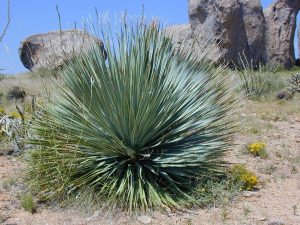
Yucca roots are designed to store water and nutrients, making them highly resilient to surface treatments. Simple leaf spraying may damage foliage but often fails to eradicate the root system completely.
In this article, we explore whether vinegar can kill yucca roots, how to use it safely, and alternative methods for complete removal. These tips help maintain a weed-free and manageable garden space.
Will Vinegar Kill Yucca Roots? A Complete Guide
1. Vinegar as a Natural Herbicide – Best for Foliage Only
Vinegar, especially strong solutions (10–20%), can burn yucca leaves and slow plant growth. However, it is typically ineffective at killing deep roots.
Spraying vinegar on the leaves can weaken the plant if applied repeatedly over several weeks. It’s a safe, chemical-free method for minor control in small gardens.
For full eradication, vinegar alone is insufficient. Combining it with digging or other root-targeting methods improves success rates.
Pros
• Natural solution
• Chemical-free
• Easy to apply
• Cost-effective
• Safe for soil
• Organic-friendly
• Immediate foliage damage
Cons
• Does not kill roots
• Needs repeated use
• Limited effectiveness
2. Digging Out – Best for Complete Removal
For total yucca removal, digging out the plant and roots is the most effective method. Using a spade or garden fork allows access to the deep taproot.
Ensure all root fragments are removed to prevent regrowth. This method is labor-intensive but guarantees long-term control.
After digging, fill the hole with fresh soil or mulch to prevent re-sprouting. This method works best for lawns, flower beds, and small plots.
Pros
• Complete removal
• Immediate results
• Chemical-free
• Eco-friendly
• Reduces regrowth
• Safe for nearby plants
• Cost-effective
Cons
• Labor intensive
• Time-consuming
• Not for large areas
3. Herbicides – Best for Stubborn Yucca
For large or deeply rooted yuccas, systemic herbicides such as glyphosate or triclopyr are effective. These products are absorbed through leaves and cut stems to reach the root.
Apply carefully following manufacturer instructions to avoid harming nearby plants. Herbicides provide a quicker solution than mechanical methods alone.
Repeat applications may be necessary for full root eradication. Timing and thorough coverage maximize effectiveness.
Pros
• Targets deep roots
• Fast action
• Covers large plants
• Reduces regrowth
• Easy application
• Widely available
• Long-lasting
Cons
• Chemical use
• Safety precautions
• Not organic
4. Repeated Leaf Spraying – Best for Weakening the Plant
Repeatedly spraying yucca leaves with vinegar can gradually weaken the plant over several weeks. While it won’t fully kill the roots, it reduces the plant’s vigor.
Focus on spraying all green foliage during sunny days for maximum leaf burn. This method is safe for surrounding plants if applied carefully.
Combine leaf spraying with digging or herbicides for long-term control. Persistence is key when relying on this method alone.
Pros
• Chemical-free
• Easy to apply
• Cost-effective
• Reduces plant vigor
• Organic-friendly
• Safe for soil
• Non-toxic
Cons
• Does not kill roots
• Needs repeated use
• Slow results
5. Cutting and Herbicide Injection – Best for Mature Yuccas
Cutting the yucca stalks close to the ground and injecting systemic herbicide into the stem targets the root directly. This ensures that the chemical reaches the root system.
It is highly effective for mature and stubborn plants. Precision reduces herbicide exposure to other plants.
Repeat treatments may be required for very large roots. Proper protective gear is essential.
Pros
• Direct root targeting
• Fast results
• Reduces regrowth
• Precise application
• Works on mature plants
• Long-lasting
• Minimizes chemical spread
Cons
• Requires herbicide
• Safety precautions
• Labor-intensive
6. Solarization – Best for Soil-Based Control
Covering the area with clear plastic sheets traps sunlight and heat, killing shallow roots and seeds. This method works best in hot, sunny months.
Solarization is chemical-free and improves soil quality while suppressing weeds. It’s ideal for garden beds and areas where yucca seeds may sprout.
While it does not reach very deep taproots, solarization weakens young plants effectively. Combine with digging for mature yucca control.
Pros
• Chemical-free
• Eco-friendly
• Kills shallow roots
• Improves soil
• Reduces seeds
• Cost-effective
• Long-lasting
Cons
• Needs sun
• Time-consuming
• Limited for deep roots
7. Smothering – Best for Small Patches
Smothering yucca with cardboard, newspaper, or thick mulch deprives it of sunlight. This gradually kills small plants and prevents regrowth.
This method is ideal for flower beds or small garden plots. Smothering also helps retain soil moisture and fertility.
Combine with repeated leaf spraying or digging for maximum effectiveness. Regular monitoring ensures no plants emerge through gaps.
Pros
• Chemical-free
• Eco-friendly
• Improves soil
• Moisture retention
• Cost-effective
• Simple method
• Safe for plants
Cons
• Slow effect
• Labor required
• Not for large areas
8. Boiling Water – Best for Localized Control
Pouring boiling water over small yucca plants can kill leaves and shallow roots. This method is effective in contained areas like driveways or patios.
Boiling water is a chemical-free, immediate solution for young plants or seedlings. Repeated applications may be necessary for stubborn growth.
Care must be taken to avoid desirable plants nearby. Combine with digging for complete removal.
Pros
• Chemical-free
• Immediate effect
• Eco-friendly
• Cost-effective
• Simple method
• Non-toxic
• Safe for soil
Cons
• Does not kill deep roots
• Risk of burns
• Limited coverage
9. Repeated Cutting – Best for Gradual Eradication
Cutting yucca leaves repeatedly over weeks or months weakens the plant and exhausts its roots. This method requires patience but avoids chemicals.
Each cutting removes energy from the plant, eventually reducing its ability to survive. It works well for medium-sized plants or those in sensitive areas.
Combine repeated cutting with digging or leaf spraying for complete eradication. Consistency is critical for success.
Pros
• Chemical-free
• Eco-friendly
• Gradual removal
• Safe for soil
• Reduces regrowth
• Non-toxic
• Cost-effective
Cons
• Slow results
• Labor-intensive
• Needs persistence
10. Combination Approach – Best for Complete Eradication
The most effective method combines digging, herbicides, and repeated leaf treatments. Addressing both foliage and roots ensures full control.
Monitor the area regularly for resprouts, removing them promptly to prevent regrowth. This integrated approach works for any size yucca infestation.
Combining mechanical, chemical, and natural methods provides long-term results and a manageable garden or lawn.
Pros
• Complete removal
• Long-lasting
• Flexible methods
• Reduces regrowth
• Eco-friendly options
• Works on all sizes
• Maximizes success
Cons
• Labor-intensive
• Requires planning
• Herbicide needed
FAQs About Killing Yucca Roots with Vinegar
1. Can vinegar kill yucca roots completely?
No, vinegar primarily burns leaves and stems, but it does not reach deep taproots. The roots store water and nutrients, making them resilient to surface treatments.
For full eradication, combine vinegar with digging, cutting, or systemic herbicides. This ensures long-term control.
2. How should vinegar be applied to yucca plants?
Spray all green foliage with a strong solution (10–20%) for best effect. Repeated applications over weeks can weaken the plant.
Avoid contact with surrounding plants to prevent accidental damage. Sunlight enhances the leaf-burning effect.
3. Is vinegar safe for organic gardening?
Yes, vinegar is chemical-free and non-toxic, making it suitable for organic gardens. It does not affect soil or surrounding plants if applied carefully.
Use it primarily on young plants or for foliage control. It is best combined with mechanical methods for mature yucca.
4. What is the best time to apply vinegar?
Apply vinegar on sunny, dry days for maximum leaf burn. Avoid application before rain, which can dilute the solution.
Morning applications work best to allow the sun to enhance the effect. Repeated treatments increase success.
5. Can repeated cutting replace vinegar?
Repeated cutting gradually weakens the yucca by exhausting its energy reserves. This method is chemical-free but slower than using vinegar or herbicides.
For complete eradication, cutting should be combined with digging or systemic herbicide injection. Patience is key for this approach.
6. Are there alternative natural methods to kill yucca roots?
Yes, methods like boiling water, smothering, or solarization can weaken small or shallow-rooted yuccas. These approaches are eco-friendly and chemical-free.
For mature plants, combine natural methods with digging or herbicides. Integrated methods maximize effectiveness.
Conclusion
Vinegar alone cannot fully kill yucca roots due to their deep, water-storing system. While vinegar can burn leaves and reduce vigor, complete eradication requires digging, herbicides, or repeated cutting.
Combining methods ensures both foliage and roots are treated for long-term control. Preventive measures and consistent monitoring help maintain a weed-free, manageable garden.
For stubborn or mature yucca, systemic herbicides or cutting plus herbicide injection provide the most reliable results. Persistent care keeps yucca from spreading and competing with other plants.
Start today with the method that fits your situation, and enjoy a healthy, weed-free outdoor space. Proper planning and execution can eliminate yucca and prevent future infestations.
Recent Posts
The best fertilizer for kadi patta plant supports healthy leaf production, strong roots, and continuous growth in both pots and outdoor environments. Using fertilizers with an NPK ratio between...
The best fertilizer for Kangaroo Paws is essential for promoting vigorous growth, vibrant blooms, and sturdy stems during the early summer months. Choosing a fertilizer with an NPK range of 10-15-10...